
REVIEW · GALLE, SRI LANKA
Galle Unawatuna Cooking Class
Come hungry, leave with new skills. This three-and-a-half-hour cooking class offers a close look at Sri Lankan home cooking, from fresh produce and spices to a generous shared meal. I like the old-style cooking method and the chance to prepare several curries, including a seafood dish. I also like the small group limit of 10, which should give you more time to follow the cooking.
The main consideration is that the exact menu may vary. The class description promises six curries, while one recent experience included 13 dishes, so you may spend much of the session cooking and eating. That is a plus for food lovers, but the pace could feel full for anyone hoping for a relaxed demonstration.
Key points about the Galle cooking class
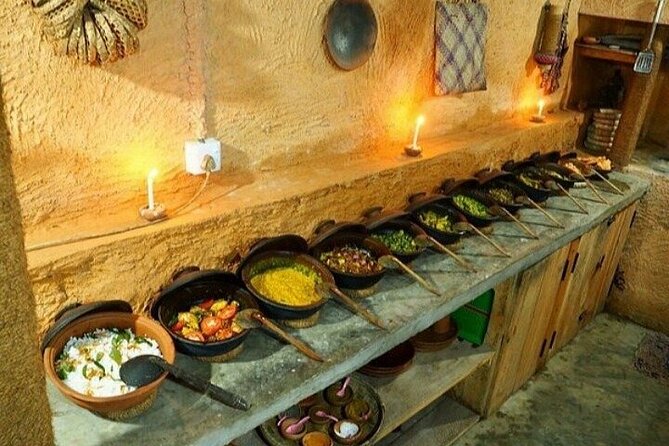
- Traditional home-style cooking: You learn Sri Lankan recipes prepared in an old-fashioned local style rather than watching a polished restaurant show.
- A full spread of curries: Expect vegetables, rice, meat, and a seafood dish, with the possibility of making far more than the advertised six curries.
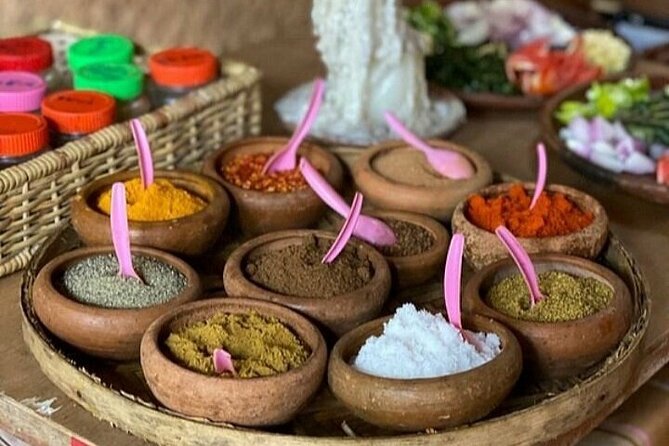
- Market and produce insight: Some pickups include a stop at a market to see Sri Lankan fruit, vegetables, and spices before cooking.
- Small groups: The maximum is 10 people, a useful size for asking questions and getting involved.
- A meal is part of the experience: Lunch and dinner are included, but breakfast is not.
- A personal setting: Cooking may take place in a private home and original Sri Lankan kitchen, with family members nearby.
Why this class is different from a restaurant meal
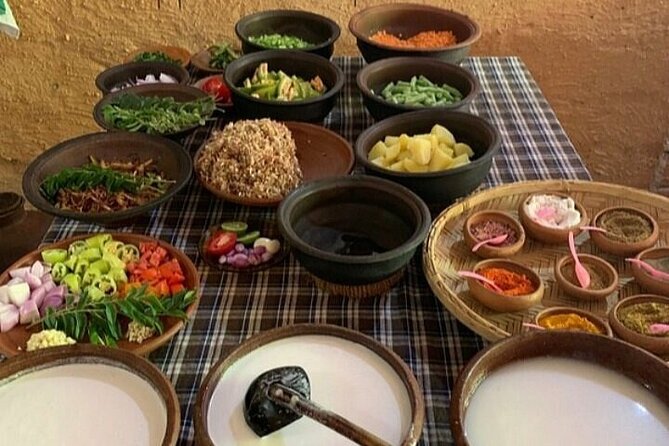
A restaurant shows you the finished plate. This class lets you see how Sri Lankan food gets there.
The appeal is not only learning a recipe. You get a sense of how several small dishes work together: rice, vegetable curries, seafood, meat, sweets, and spicy sides. Sri Lankan meals often rely on balance rather than one large main course. A mild vegetable dish may sit beside a sharper curry, while rice brings everything together.
The class also uses a traditional way of cooking. That detail matters. You are not simply assembling ingredients in a modern demonstration kitchen. You may work in an original Sri Lankan kitchen, with methods that reflect how food is prepared at home.
I especially like this kind of class for visitors who want context. You can ask why one spice is used with a particular curry, how heat is balanced, or why several curries are served together. The experience gives you practical food knowledge you can use after returning home.
The setting also adds a human touch. The class is held at a private home, and one account describes meeting Madhu’s family members there. That makes the experience feel less like a performance and more like being welcomed into someone’s everyday cooking space.
A few more cooking classes around Sri Lanka worth a look
- Ella: Traditional Sri Lankan Cooking Class
★ 4.9 · 788 reviews - Organic cooking class sigiriya (kumara & family)
★ 5.0 · 650 reviews - Sri Lanka Cooking Class with Granny
★ 5.0 · 587 reviews
Starting with Sri Lankan produce and spices
Pickup is available, and some arrangements begin with a visit to a local market. This is one of the most useful parts of the experience because ingredients can look unfamiliar when they are separated from the food they create.
You may be shown local fruit, vegetables, and spices before heading to the kitchen. That short introduction helps you connect the raw ingredients with the finished curries. It also gives you a better idea of the variety behind Sri Lankan food.
If a market stop is part of your schedule, keep your eyes open for details rather than treating it as a quick shopping errand. Notice the produce used in several dishes and the spices that appear again at the cooking stage. You may not remember every name, but you will leave with a clearer sense of what makes the food taste distinct.
The market visit is not guaranteed in the basic description, so I would treat it as a possible bonus rather than the central promise. The cooking and meal are the main parts of the class.
Cooking in an original Sri Lankan kitchen
The class takes place in a private home, and that is a major part of its appeal. You are not learning from a distant chef behind a counter. You are closer to the way food is made in a Sri Lankan household.
Madha is praised for being a warm and effective teacher, while another account names Madhu as friendly and helpful. The supplied information also refers to Nisansala’s private home. Since several names appear in the available descriptions, your host may depend on the date and booking arrangement.
The teaching style seems to focus on doing, not just watching. You should expect to take part in preparation and cooking, with explanations along the way. The class is suitable for people who want to understand the process, not only taste the result.
The kitchen setting may be more basic than a commercial cooking school. That is not a flaw if you want a local experience. It can mean less polish and more connection to ordinary cooking. On the other hand, anyone who expects restaurant-style equipment or a carefully staged professional kitchen should set expectations lower.
One account describes the kitchen as beautiful, while another calls it an original Sri Lankan kitchen. Those details suggest a setting with character, but the experience is still rooted in a home rather than a culinary studio.
Six curries, seafood, rice, and sweets
The main cooking session centers on healthy Sri Lankan curries. The stated plan includes six different curries, with one seafood dish. You may also prepare rice, vegetable curry, fish, meat, spicy sweets, and other popular Sri Lankan foods.
The range is what makes the class good value. You are not spending $30 to learn one dish and eat a small portion. You get exposure to several parts of the cuisine and a meal made from the work you have just completed.
The exact number of dishes can change. One account describes making 13 dishes, far more than the advertised six curries. That may include side dishes, sweets, rice, or several preparations connected to the main menu. Either way, you should expect a broad spread rather than a single recipe.
I would ask at the start which dishes you will prepare and which parts are demonstration only. That simple question helps you plan your time and focus on the recipes you care about most. If you have a strong interest in seafood, meat, vegetarian food, or sweets, mention it early.
The class is also a useful choice for people with different levels of cooking experience. Beginners can follow the basic steps and see how the dishes come together. More confident cooks can pay attention to spice combinations and traditional methods.
Still, the number of dishes may make the session feel busy. If you want a slow, highly detailed lesson on one curry, this may not be the right format. If you want variety and a large meal, the busy pace is part of the fun.
Same place, a different thing to cook:
- Kandy Village Cooking Class
★ 5.0 · 536 reviews - Sea waves sri lankan cooking class
★ 5.0 · 467 reviews - Ella: Sri Lankan Cooking Class with Neranji at Homestay
★ 5.0 · 276 reviews - Cook with Wasantha
★ 5.0 · 248 reviews
From preparation to the shared meal
The best part of the format is the full path from raw ingredients to eating. You see the food being prepared, take part in the cooking, and then sit down to enjoy the results.
Lunch and dinner are included, which gives the experience real value for the price. The information does not specify which meal you receive, so confirm the scheduled time when booking. Breakfast is not included.
The portions appear to be generous. One account describes making so much food that there was more than expected. That is worth keeping in mind before you arrive. You may want to keep your earlier meal light, especially if the class includes the larger 13-dish spread.
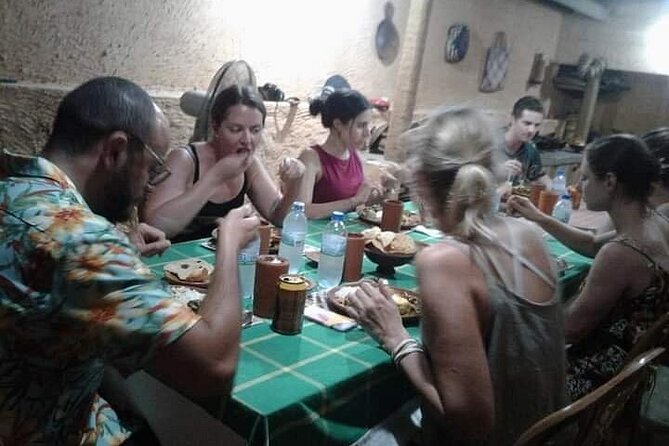
The meal is also a chance to understand how Sri Lankan food is eaten as a group. Several curries can be tasted together, letting you compare texture, heat, sweetness, and spice. You are not just checking off dishes. You are learning how the parts work on one plate.
I like the fact that the meal comes after the work. Food tastes different when you have handled the ingredients and watched each step. It also makes the class social without relying on a formal restaurant setting.
What the $30 price delivers
At $30, this class offers good value if the full cooking and dining format is provided. Your fee covers roughly three and a half hours, instruction, ingredients used in the class, and lunch or dinner. Pickup may also be available, adding convenience if you are staying in the Galle or Unawatuna area.
The price is especially fair for anyone who would otherwise pay separately for a meal and a short food activity. You get both, plus practical knowledge you can take home.
Value depends on how much of the cooking you actually do. A hands-on class with several curries is worth more than a demonstration where you sit and watch. The available descriptions point to active preparation, but the exact balance may vary. Ask whether the group will divide tasks and how much individual participation is expected.
The group limit of 10 is another positive. A smaller group usually makes it easier to hear instructions, ask questions, and get near the cooking area. Ten is not private, but it is small enough to feel personal compared with a large bus tour.
The class is not the cheapest way to eat in Sri Lanka. Local food can cost much less at a casual restaurant. But the purpose here is not simply a meal. You are paying for access to a home kitchen, instruction, ingredients, and a wider food experience.
Pickup, timing, and group size
The class lasts about three hours and 30 minutes. That is long enough for market or produce discussion, food preparation, cooking, and the final meal, but it is not an all-day program.
Pickup is offered, and the activity is near public transportation. Those two details give you some flexibility. If pickup is not arranged for your location, public transport may provide another option, although the supplied information does not list specific pickup areas or routes.
Use the scheduled start time carefully. The cancellation cut-off is based on local time, and changes made within 24 hours are not accepted. You can cancel for a full refund if you do so at least 24 hours before the start time. Inside that window, there is no refund.
The group can include up to 10 people. That limit should keep the cooking manageable, though the experience will not necessarily be private. If you want a private class, ask before booking rather than assuming the small maximum means one-on-one instruction.
Service animals are allowed. A mobile ticket is available, and confirmation is provided when you book.
Who will enjoy this experience most
I would recommend this class to you if food is one of the main reasons you travel. It suits anyone who wants more than a quick meal and prefers meeting local people in a home setting.
It is also a good fit for:
- First-time visitors to Sri Lanka who want an introduction to local food
- Home cooks who want to learn traditional curry methods
- Couples and families looking for a shared activity
- People who enjoy seafood, rice, vegetable curries, and sweets
- Anyone staying in the Galle or Unawatuna area who wants a practical half-day experience
You should think twice if you dislike spicy food, have a very limited diet, or prefer a quiet demonstration with only one or two recipes. The menu includes several food types, and the available information does not specify vegetarian, vegan, allergy, or spice-level arrangements.
If you have dietary restrictions, contact the provider before booking. Do not assume that a vegetable curry means the whole meal is vegetarian, since seafood and meat are part of the stated menu.
What I would clarify before booking
A few details are not fully fixed. I would ask which dishes are planned for your date, whether the market visit is included, and whether the session is mainly hands-on or partly demonstration.
I would also confirm the start time and pickup point. The activity offers pickup, but no exact areas are listed. If you are relying on public transport, ask for the best meeting point before the day of the class.
Finally, tell the host about allergies, food preferences, and your cooking experience. This does not guarantee menu changes, but it gives the instructor a chance to explain what can be adjusted.
Is the Galle Unawatuna Cooking Class worth booking?
For $30, I think this is a strong choice if you want a personal introduction to Sri Lankan food. The best features are the traditional home setting, the small group size, the variety of curries, and the included meal. The chance to visit a market and meet a host family adds a human side that a restaurant cannot provide.
The main trade-off is the busy format. You may make six curries, or you may end up preparing a much larger spread of around 13 dishes. That variety is excellent for curious eaters, but it may leave less time for slow instruction.
Book it if you want to cook, taste, and learn in one sitting. Skip it if you want a polished culinary school, a guaranteed fixed menu, or a single recipe taught in great detail.
FAQ
How long does the Galle Unawatuna Cooking Class last?
The class lasts approximately three hours and 30 minutes.
How much does the cooking class cost?
The listed price is $30.
Is pickup available?
Yes. Pickup is offered, and the activity is also near public transportation.
What food will I learn to prepare?
The class focuses on traditional Sri Lankan healthy curries. The stated plan includes six curries, one seafood dish, rice, vegetables, fish, meat, spicy sweets, and other popular Sri Lankan foods. The exact menu can vary.
Is a meal included?
Yes. Lunch and dinner are included. Breakfast is not included.
What is the cancellation policy?
You can cancel at least 24 hours before the start time for a full refund. Cancellations or changes made less than 24 hours before the start time are not accepted, and no refund is provided.
Just added around Sri Lanka
- cooking lesson★ 5.0 · 7 reviews
- Hands-On Cooking Class in Anuradhapura-Cook Like a Local★ 5.0 · 2 reviews
- Sri Lankan Cookery with Nilu★ 5.0 · 34 reviews
- Sri Lanka: Cooking Class★ 4.4 · 6 reviews
- Cooking Experience from Ella★ 4.9 · 2 reviews
- Sri Lankan Cooking Class in Bentota★ 5.0 · 2 reviews
- Private cooking class – Personalized classic menu★ 5.0 · 5 reviews
- Nilaveli: Sri Lankan Cooking Class with a Local Family★ 5.0 · 16 reviews
Cooking Classes, compared.
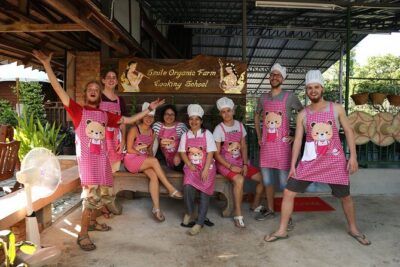
Half-Day Thai Cooking Class at Organic Farm in Chiang Mai
Read our review →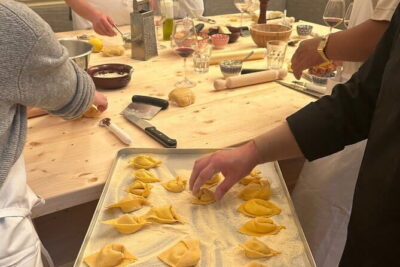
3 in 1 Cooking Class near Navona: Fettuccine, Ravioli & Tiramisu
Read our review →
Pasta & Tiramisu Cooking Class with Unlimited Wine
Read our review →
Hanoi Cooking Class: Culture, Local Market & Meaning CSR Impact
Read our review →
5 Traditional Dishes Hanoi Cooking Class with Market Trip
Read our review →
Cooking Class and Lunch at a Tuscan Farmhouse with Local Market Tour from Florence
Read our review →
Cooking Class, Market & Thai Herbs Garden Tour
Read our review →Lists this class appears in