
REVIEW · COLOMBO, SRI LANKA
Colombo Cooking Class
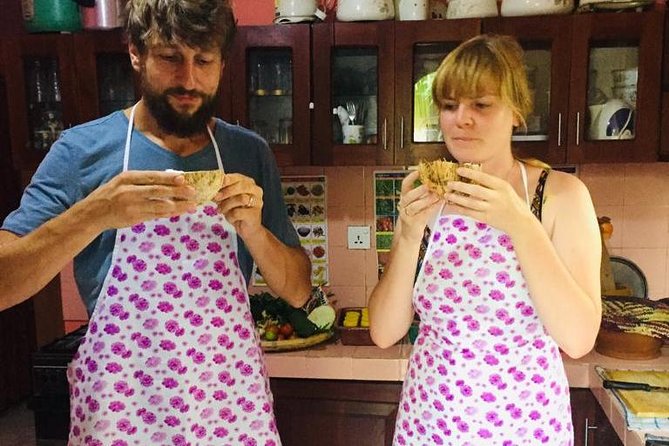
Come hungry, leave with new recipes. This private Colombo cooking class gives you a hands-on look at Sri Lankan home food, with a local family guiding you through at least 10 dishes, traditional desserts, and the meal you help prepare. I like the personal setting and the chance to learn from a home cook rather than follow a polished restaurant demonstration.
I also like the flexibility of choosing a 10 a.m. lunch class or 4 p.m. dinner class, with ingredients included and your group taking part on its own. The main consideration is the meeting point in Angoda, outside central Colombo, so you should allow time to reach No 275/1, B231, Angoda 10600. At $60 per person, this is not the cheapest meal in Sri Lanka, but it offers far more than lunch or dinner alone.
Key things to know before booking
- At least 10 dishes are prepared: The menu includes Sri Lankan favorites such as egg hoppers, curries, and traditional desserts.
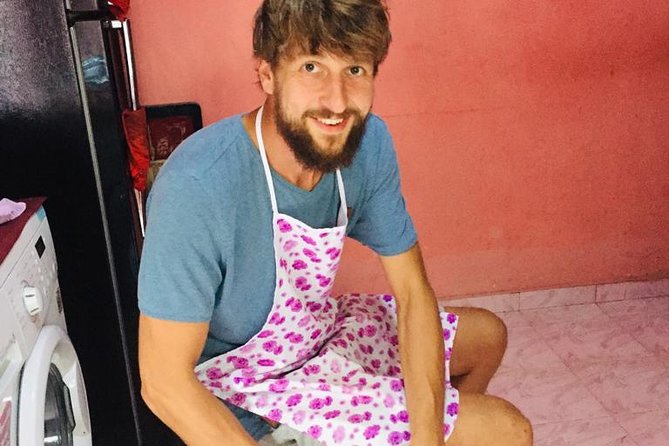
- The class takes place in a local home: You learn food preparation as it is practiced in a family setting, not from a scripted restaurant kitchen.
- It is a private activity: Only your own group participates, which allows the cooking pace and food choices to be handled more personally.
- Vegetarian cooking is possible: Piumi has prepared 10 different vegetarian curries for a vegetarian participant, so explain your needs when booking.
- The class lasts about three hours: That gives you time to cook, ask questions, and sit down for the meal afterward.
- Lunch and dinner are available daily: Lunch usually begins at 10 a.m., while dinner begins at 4 p.m., with the exact time adjustable by agreement.
What makes this Colombo cooking class worth your time
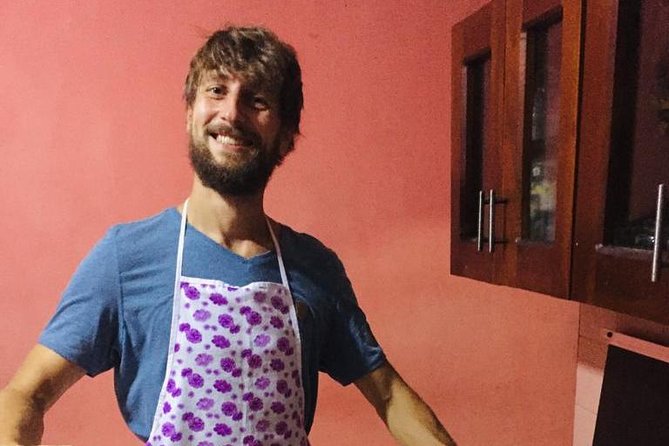
Sri Lankan food can look simple on the plate, but the cooking depends on timing, texture, spice balance, and small home-kitchen habits. A cooking class lets you see those steps clearly. You do not just order a curry and guess how it was made. You handle the ingredients, follow the process, and eat the result at the same table.
That matters in Colombo, where food is one of the easiest ways to understand daily life. The class presents cooking as part of family routine and culture, not as a staged performance for tourists. You get a meal, but you also get a practical explanation of why certain dishes belong together and how a Sri Lankan household might prepare them.
The class is described as fully hands-on. You should expect to help with preparation and cooking rather than sit back while someone else does all the work. That makes the three-hour schedule feel useful. It also means you should wear something comfortable and be ready to take part.
The most praised part of the experience is the host’s warmth and teaching style. Piumi is specifically noted as an excellent cook and teacher. That combination is important. A talented cook can still be a poor instructor, but the feedback here points to clear guidance paired with genuine hospitality.
A few more cooking classes around Sri Lanka worth a look
- Ella: Traditional Sri Lankan Cooking Class
★ 4.9 · 788 reviews - Organic cooking class sigiriya (kumara & family)
★ 5.0 · 650 reviews - Sri Lanka Cooking Class with Granny
★ 5.0 · 587 reviews
Arriving at the Angoda meeting point
The class begins and ends at Colombo Cooking Class, No 275/1, B231, Angoda 10600, Sri Lanka. The activity does not list hotel pickup, so you need to arrange your own way to the meeting point. It is near public transportation, but you should check your route and leave extra time rather than trying to arrive at the last minute.
This location is one of the few practical drawbacks. If your plans are centered around central Colombo, the trip to Angoda may take more effort than walking into a cooking studio near a major hotel district. The benefit is that the setting is connected to ordinary local life, which helps explain why the class feels more personal than a standard tourist kitchen.
The meeting time can be arranged around both sides’ availability. The usual lunch start is 10 a.m., and the usual dinner start is 4 p.m. Confirm the final time before setting your day around it. Since the class ends back at the same meeting point, you also know where the experience finishes.
The first stage: learning the building blocks
The class begins with food preparation and an introduction to Sri Lankan cooking. The exact order of dishes can vary, but the promised menu includes at least 10 dishes and traditional desserts. You may work with several preparations at once, learning how a full Sri Lankan meal comes together rather than making one isolated recipe.
This is valuable because Sri Lankan meals are often built around variety. One curry may provide heat, another a milder flavor, and a vegetable dish a different texture. Rice, hoppers, curries, side dishes, and dessert can all play separate roles. Making several dishes helps you understand the balance of the meal.
You can expect guidance from the host as you prepare the food. The information provided does not give a fixed recipe list, so do not book this expecting a guaranteed menu of specific dishes beyond the examples. Egg hoppers, curries, fish curry, vegetarian curries, and dessert are all part of the experience described, but the final selection may depend on the class and your group.
That flexibility is useful for a private class. It can allow the host to work around dietary preferences or shape the meal toward dishes you want to understand. It also means you should ask about the menu in advance if one particular dish is the main reason you are booking.
Egg hoppers, curries, and the fun of making a full meal
Egg hoppers are one of the more memorable dishes named in the class description. These bowl-shaped pancakes are closely associated with Sri Lankan food, and preparing them gives you a chance to learn a technique that is more interesting than simply stirring a pot.
Curries form the main lesson. One participant learned to prepare 10 vegetarian curries, while another class included fish curry and a broad spread of food. This makes the class suitable for different diets, provided you state your requirements when booking.
A vegetarian menu can be especially good value here. Instead of receiving one meat-free substitute while the rest of the meal stays unchanged, you may learn several vegetable-based dishes and see how Sri Lankan cooks build variety without relying on meat. Piumi’s ability to guide a vegetarian participant through 10 curries is a useful sign for anyone who wants more than a token vegetarian option.
If you eat fish, the fish curry may be one of the highlights. The exact fish and preparation are not specified, so you should treat it as a possible dish rather than a guarantee. The same practical rule applies to egg hoppers and dessert: they are named examples, but the final menu should be confirmed if a particular dish matters to you.
Same place, a different thing to cook:
- Kandy Village Cooking Class
★ 5.0 · 536 reviews - Sea waves sri lankan cooking class
★ 5.0 · 467 reviews - Ella: Sri Lankan Cooking Class with Neranji at Homestay
★ 5.0 · 276 reviews - Cook with Wasantha
★ 5.0 · 248 reviews
Sitting down to eat what you made
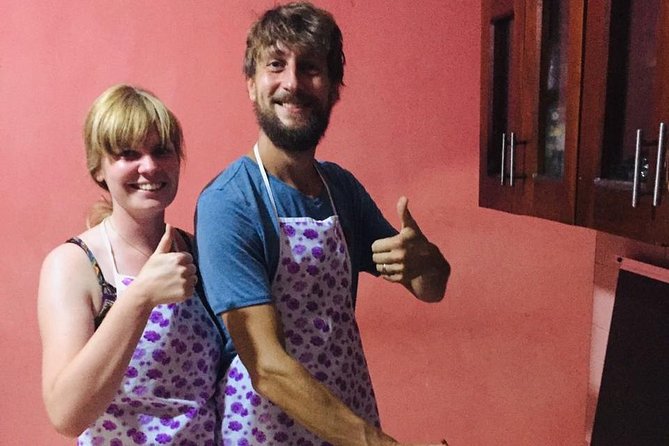
After the cooking, you sit down to eat the dishes prepared during the class. This shared meal is more than a reward at the end. It gives you a chance to compare the different curries, taste the effect of the cooking steps, and ask questions while the flavors are fresh.
I like this format because it links the lesson to a real result. You are not simply watching a demonstration and leaving with a printed recipe. You have worked through the meal and then get to judge the seasoning and textures yourself.
The meal also adds value to the $60 price. In Colombo, you can certainly find less expensive food, but the class includes the instruction, the ingredients, the private setting, the cooking activity, and the finished meal. If you are mainly looking for a cheap lunch, this is not the right purchase. If you want both food and a cultural activity, the price is easier to justify.
Traditional desserts are included as part of the cooking. The details of the dessert are not provided, so you should not expect a particular sweet unless you ask ahead. Still, ending with dessert makes the class feel like a complete meal rather than a series of curry lessons.
A private class changes the pace
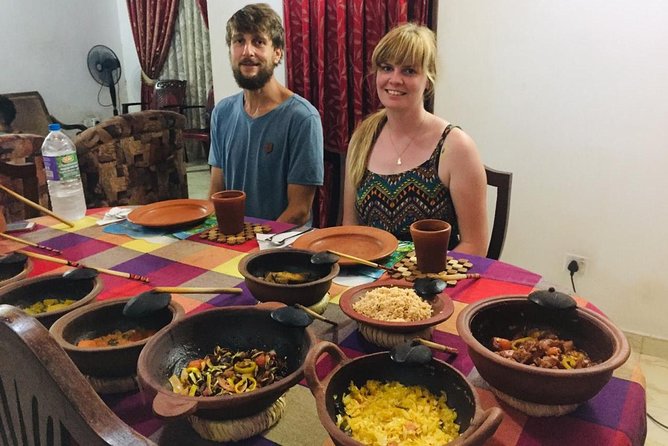
Because this is a private activity, only your group participates. That is a strong advantage for families, couples, and small groups with mixed cooking experience. You can ask questions without competing with a large class, and the host can spend more time on a technique that gives you trouble.
A private format also helps with dietary requests. Vegetarian cooking has already been handled successfully, and you can raise other food needs before the class. The available information does not promise that every dietary restriction can be met, so do not assume. Ask before booking and get clear confirmation.
The class may also feel more relaxed than a fixed group session. The timing can change according to mutual availability, and the host’s home setting encourages conversation about daily life and food culture. The tradeoff is that the experience may be less polished or standardized than a professional cooking school. That is part of its appeal, but it also means the class is best for you if you value personal contact over a tightly scripted program.
How the three hours are likely to feel
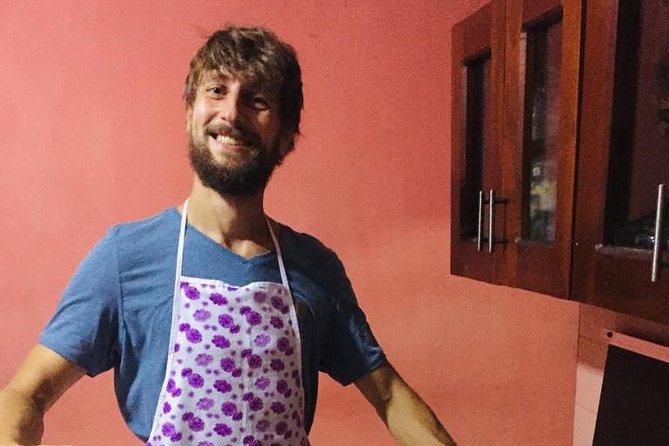
Three hours is a sensible length for this activity. It is long enough to prepare a large meal and dessert, but short enough to fit into a day of sightseeing in Colombo. A lunch session beginning at 10 a.m. should take you through the late morning and into the meal. A 4 p.m. dinner session works well if you want to keep your earlier hours free.
The schedule is likely to include four broad stages:
- Meeting the host and getting settled in the home
- Preparing ingredients and learning the cooking methods
- Making the curries, hoppers, side dishes, and dessert
- Eating the finished meal together
The exact timing may shift. Some dishes cook at different speeds, and the class is arranged by availability rather than run like a factory line. That can be a benefit, since you have room to ask questions, but do not schedule an immediate appointment afterward.
The class ends back at the original meeting point. Since no hotel transfer is included in the supplied details, plan your return journey before you begin, especially for the dinner session.
Who will enjoy this experience most
I would recommend this class to you if food is one of your main reasons for visiting Sri Lanka. It is also a good match if you want a cultural activity that involves doing something, not just looking at something.
It suits:
- Couples looking for a shared activity
- Families who enjoy practical lessons
- Vegetarian diners who want several local dishes
- Small private groups
- Home cooks interested in curries and hoppers
- First-time visitors who want a gentle introduction to Sri Lankan food
It may be less suitable if you want a central Colombo activity with no transport planning, a fixed professional kitchen, or a short demonstration that ends quickly. It also may not suit you if you dislike participating in food preparation. The class is hands-on, so passive attendance is not really the point.
Service animals are allowed, and the meeting point is near public transportation. No other accessibility details are provided, so contact the provider if you need specific support.
Booking ahead and cancellation
The experience is commonly booked around 18 days in advance. That is a useful planning clue, especially if you have only a short stay in Colombo or need a specific lunch or dinner time. Booking ahead also gives you a better chance to discuss vegetarian food or any other dietary needs.
You can cancel for a full refund up to 24 hours before the local start time. Cancellations or changes made less than 24 hours before the experience are not accepted for a refund. Keep that deadline in mind when arranging transport and fitting the class into your itinerary.
The mobile ticket is convenient, since you do not need to print a voucher. Confirmation is provided when you book.
Is $60 a fair price?
The answer depends on what you want from the outing. $60 is high compared with the cost of a regular Sri Lankan meal, but the comparison is not quite fair. You are paying for ingredients, private instruction, a home setting, a full cooking session, at least 10 dishes, dessert, and the meal at the end.
The value is strongest for people who will actually use what they learn. If you enjoy cooking at home, the class can continue paying off after your trip through the recipes and methods you take with you. It also gives you a better feel for Sri Lankan food than a single restaurant meal can provide.
The value is weaker if you are simply searching for a low-cost dining experience. You will spend about three hours cooking, and you must arrange transport to Angoda. For that reason, I would treat this as a cultural cooking activity with lunch or dinner included, not as a budget meal.
Should you book the Colombo Cooking Class?
Book it if you want a personal, hands-on introduction to Sri Lankan home cooking and like the idea of making a full meal with a local host. The combination of 10 dishes, dessert, private instruction, and a shared meal gives the experience real substance.
I would give extra weight to the class if you are vegetarian, since the format has supported a full spread of 10 vegetarian curries rather than one limited alternative. I would also choose it if you want to meet a local family and learn how food fits into everyday Sri Lankan life.
Think twice if getting to Angoda is inconvenient, if you need a guaranteed menu, or if you prefer a polished cooking school in central Colombo. For most food-focused visitors who can manage the meeting point, the personal teaching, broad menu, and home setting make this a worthwhile $60 experience.
FAQ
Where does the Colombo Cooking Class take place?
The class takes place at Colombo Cooking Class, No 275/1, B231, Angoda 10600, Sri Lanka.
How long does the cooking class last?
The experience lasts approximately three hours.
What time does the class begin?
Lunch normally begins at 10 a.m., and dinner normally begins at 4 p.m. The time can change based on mutual availability.
Is the cooking class private?
Yes. Only your group participates in the activity.
How many dishes will I prepare?
You will prepare at least 10 different dishes, along with traditional desserts.
Are ingredients included?
Yes. The cooking class includes the ingredients.
Can vegetarians take part?
Yes. Vegetarian cooking can be accommodated. Piumi has prepared 10 different vegetarian curries for a vegetarian participant.
Does the experience include a meal?
Yes. After cooking, you sit down and eat the food you prepared.
Can I cancel for a refund?
You can cancel up to 24 hours before the local start time for a full refund. Cancellations or changes made less than 24 hours before the start time are not refunded or accepted.
Just added around Sri Lanka
- cooking lesson★ 5.0 · 7 reviews
- Hands-On Cooking Class in Anuradhapura-Cook Like a Local★ 5.0 · 2 reviews
- Sri Lankan Cookery with Nilu★ 5.0 · 34 reviews
- Sri Lanka: Cooking Class★ 4.4 · 6 reviews
- Cooking Experience from Ella★ 4.9 · 2 reviews
- Sri Lankan Cooking Class in Bentota★ 5.0 · 2 reviews
- Private cooking class – Personalized classic menu★ 5.0 · 5 reviews
- Nilaveli: Sri Lankan Cooking Class with a Local Family★ 5.0 · 16 reviews
Cooking Classes, compared.
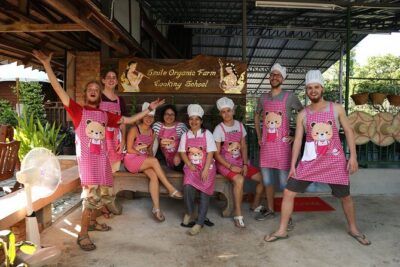
Half-Day Thai Cooking Class at Organic Farm in Chiang Mai
Read our review →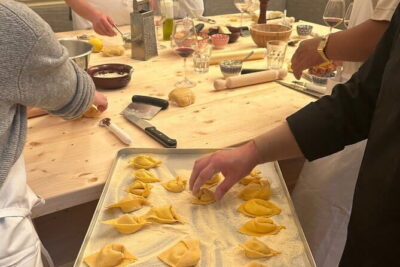
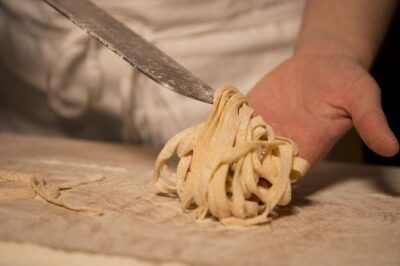
3 in 1 Cooking Class near Navona: Fettuccine, Ravioli & Tiramisu
Read our review →
Pasta & Tiramisu Cooking Class with Unlimited Wine
Read our review →
Hanoi Cooking Class: Culture, Local Market & Meaning CSR Impact
Read our review →
5 Traditional Dishes Hanoi Cooking Class with Market Trip
Read our review →
Cooking Class and Lunch at a Tuscan Farmhouse with Local Market Tour from Florence
Read our review →
Cooking Class, Market & Thai Herbs Garden Tour
Read our review →Lists this class appears in