
REVIEW · COLOMBO, SRI LANKA
Authentic Sinhalese Cooking Class in Colombo with a Local Family
Sri Lanka tastes better at home. This private Colombo cooking class pairs a Kirulapone Market visit with a hands-on meal in Shasikala’s family kitchen, giving you more than a restaurant lesson. I like the personal welcome from Shasikala and her mother, and I like that you can choose your dishes and lunch or dinner time. The main drawback is the $148 price, which is high for a three-hour activity unless you value the private setting and market visit.
You will cook three Sinhalese dishes from scratch, usually a seasonal vegetable, coconut sambol, and fish or chicken curry. The kitchen is traditional and modest rather than polished, so this suits you if you want a real home visit, not a commercial cooking studio. The market option also means arranging your own way to the meeting point in Dehiwala.
Key details at a glance
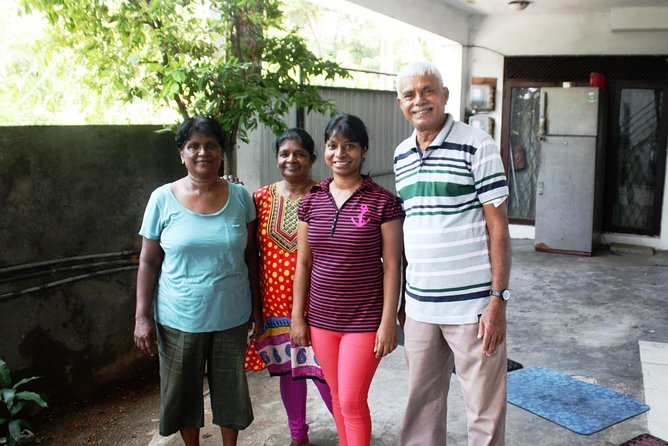
- Cook in Shasikala’s traditional home kitchen: You meet her family, learn home-style methods, and eat the food you prepared together.
- Visit Kirulapone Market by tuk tuk: You can see where local families buy produce, seafood, meat, spices, and fruit, then choose a seasonal vegetable for your meal.
- Prepare three dishes from scratch: The usual combination includes a vegetable dish, coconut sambol, and fish or chicken curry.
- Choose lunch or dinner: The schedule works well as a daytime food outing or an evening meal.
- Private and customizable: Only your group takes part, with vegetarian, vegan, halal, allergy, and dietary requests possible if arranged in advance.
- A warm family welcome: Shasikala and her mother are especially praised for making solo participants feel comfortable and for sharing fresh herbs after the meal.
A Colombo food experience built around a real home
This class takes place in Bellanthara, Dehiwala, near Colombo, with the meeting point on Mayura Mawatha. You visit Shasikala’s family home, not a purpose-built cooking school. That difference shapes the whole experience.
You may begin with milk tea or fresh juice while Shasikala introduces you to her family. This opening matters because it slows the pace. You are not simply handed an apron and pushed toward a work station. You first meet the people who will teach you, see the setting where they cook, and get a sense of daily family life in Colombo.
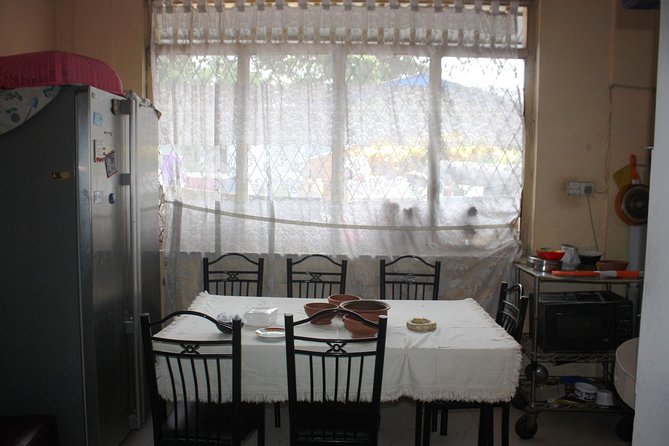
The home is described as simple and modest, with an old traditional kitchen. That may appeal to you if you want an honest look at how Sri Lankan food is made in a family setting. If you prefer air conditioning, restaurant-style seating, and a polished demonstration kitchen, this may feel basic.
I see the modest setting as part of the value, but only if you accept the experience on its own terms. You are paying for time with a local family, a private lesson, a market outing, drinks, and a meal. You are not paying for luxury facilities.
More Home Cooking Classes in Sri Lanka:
- Organic Cooking Class sigiriya home Kitchen(Kumara & family)
★ 5.0 · 116 reviews - Galle: Cooking Class at a Local Home and Market Tour
★ 5.0 · 47 reviews - Nilaveli: Sri Lankan Cooking Class with a Local Family
★ 5.0 · 16 reviews
Starting at Kirulapone Market
If you select the market tour, you first meet Shasikala at her home and then ride a tuk tuk to a nearby local market. The market is where people shop for everyday cooking, with fruit, vegetables, spices, seafood, and meat on offer.
The point is not simply to look around. You get to see the raw ingredients before they reach the kitchen, notice what is in season, and choose a seasonal vegetable to cook later. You may also taste locally grown fruit. That small tasting makes the visit more active and gives you a better sense of Sri Lankan produce.
A market stop also helps explain why Sri Lankan home cooking can change from one day to the next. The menu is not locked to a restaurant card. Seasonal produce influences what goes into the pot, so your vegetable dish may vary.
There is one practical wrinkle: the $148 price does not include hotel pickup or drop-off. You need to reach the Mayura Mawatha meeting point in Dehiwala yourself. The experience is near public transportation, but no transfer plan is supplied, so check your route and allow enough time before the start.
The tuk tuk ride to the market is part of the local flavor, but it is not a private vehicle service from your hotel. If you are staying in central Colombo, account for the journey to Dehiwala when deciding if a lunch or dinner slot fits your plans.
Learning three dishes in the family kitchen
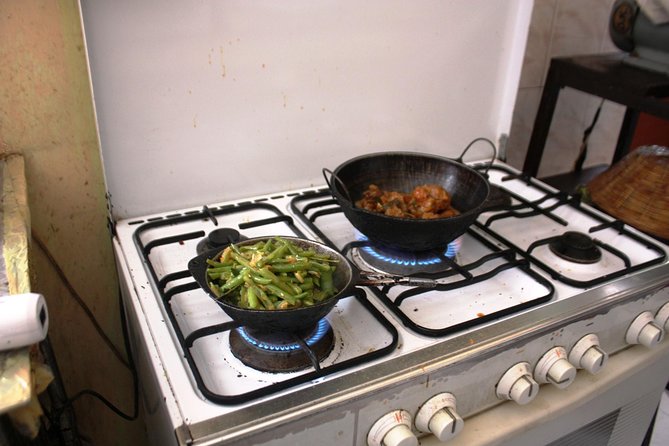
The cooking portion lasts about one hour within the roughly three-hour experience. You will learn three Sinhalese dishes from scratch, with the usual menu built around a seasonal vegetable, coconut sambol, and fish or chicken curry.
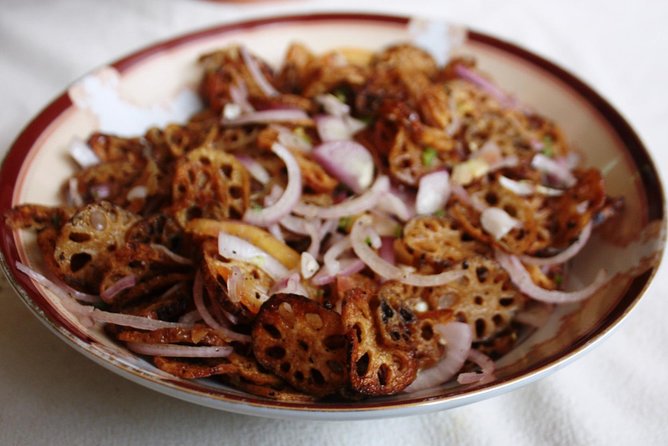
This is a useful combination because it shows different parts of Sri Lankan cooking. The vegetable dish introduces you to seasonal produce. Coconut sambol brings a fresh, sharp side element to the plate. The curry gives you the chance to work with the bold flavors that many people associate with Sri Lankan food.
The menu can be customized, so you should tell the host about your preferences at booking. Vegetarian, vegan, and halal meals can be arranged. You can also report allergies, dietary restrictions, or cooking preferences in advance. Do not wait until you arrive if an ingredient could cause a serious reaction.
The class is hands-on, rather than a performance where you watch someone else do all the work. You will help prepare the dishes and then eat the finished meal. That makes the lesson more useful after you leave because you can pay attention to the methods, ingredients, and sequence instead of simply sampling a plate.
Still, the information provided does not promise printed recipes or a take-home recipe booklet. If you want to recreate the meal, ask questions and take notes during the class. You may also want to write down ingredient names and quantities while the process is fresh.
What makes the family welcome special
Shasikala and her mother are central to the experience. Their welcome is repeatedly praised for being warm and easygoing, including by a solo participant who felt comfortable as soon as they met.
That detail is worth considering if you are traveling alone. A private food class can sometimes feel awkward when you arrive by yourself, but this setting is designed around conversation and family contact. You are not joining a large group of strangers or trying to find your place in a crowded demonstration.
The family also shares practical touches. After one class, Shasikala gave the participant fresh herbs and arranged a tuk tuk for a quick and safe trip home. These are small gestures, but they show the personal nature of the visit. They are not guaranteed extras, so treat them as a pleasant possibility rather than part of the formal package.
You can expect a friendly introduction, a drink, cooking guidance, and a shared meal. The experience is best approached with curiosity and respect for the household. It is a visit to someone’s home, not a staged cultural show.
A few more cooking classes around Sri Lanka worth a look
- Ella: Traditional Sri Lankan Cooking Class
★ 4.9 · 788 reviews - Organic cooking class sigiriya (kumara & family)
★ 5.0 · 650 reviews - Sri Lanka Cooking Class with Granny
★ 5.0 · 587 reviews - Kandy Village Cooking Class
★ 5.0 · 536 reviews
Lunch or dinner, and how to plan your time
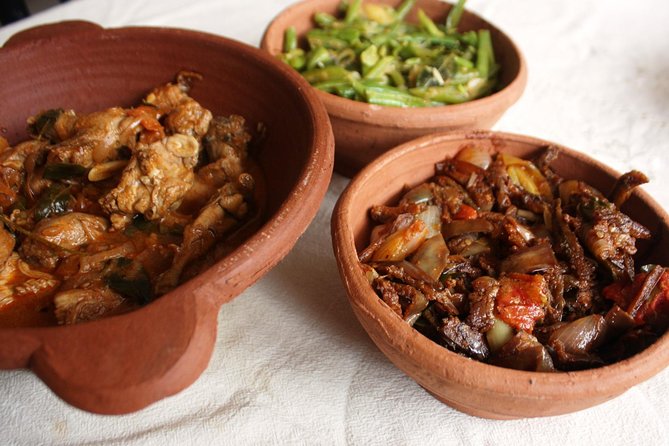
You can choose between lunch and dinner class times. A lunch class can fit well on a day when you want a substantial midday meal and still have the afternoon free. A dinner class may be more convenient if you spend the day sightseeing and want a relaxed evening activity.
The total duration is about three hours. The market visit, tuk tuk ride, family introduction, cooking lesson, and meal all need to fit into that window. The cooking itself is listed as one hour, so you should not expect a full-day food course or a long professional workshop.
The experience ends back at the meeting point. Since hotel transportation is not included, plan your return from Mayura Mawatha after the meal. If Shasikala helps arrange a tuk tuk, that is useful, but you remain responsible for getting back to your accommodation.
The timing also makes this a good choice for a first or second day in Colombo if you want food to help you understand the city. It gives you a practical introduction to ingredients and eating habits without taking over an entire day.
Is $148 a fair price?
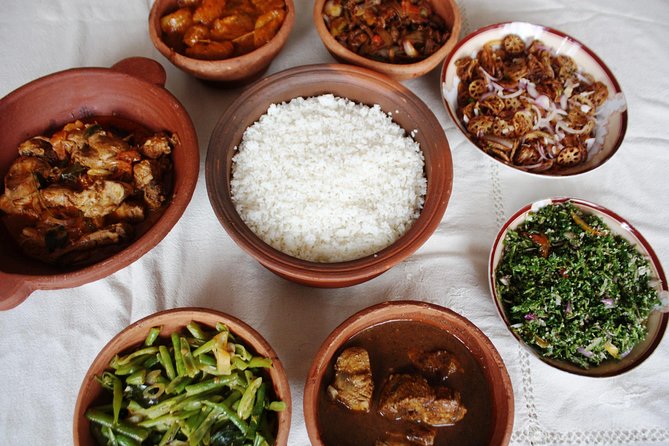
At $148 per person, this is not a budget cooking lesson. The price makes more sense for a private group that values personal attention, a market outing, a family meal, and cultural contact.
You are receiving a private class, a meal, non-alcoholic drinks, the market visit if selected, and taxes, fees, and gratuities. Only your group participates, so you do not have to share the kitchen with a large class. For a couple or family, that privacy can make the cost easier to justify, especially if you want to set the menu around dietary needs.
For a solo visitor, the price is harder to defend on purely financial grounds. The class is still personal and the warm welcome may be exactly what you want, but a three-hour experience at $148 costs more than a standard group food lesson or an ordinary restaurant meal.
I would judge the price by asking one question: do you want a meal, or do you want access to a local family’s home and cooking routine? If you only want to eat Sri Lankan food, cheaper options are available. If you want to shop for ingredients, cook with Shasikala and her mother, and share the finished meal in their home, the private format gives the price a clear reason.
The strongest parts of the experience
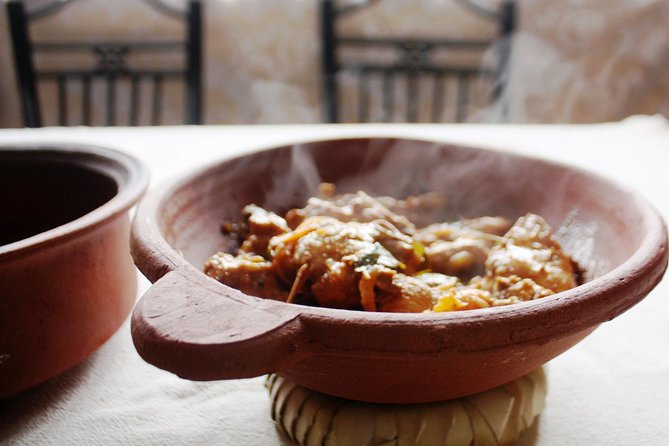
The food receives the biggest praise. One participant described the meal cooked with Shasikala and her mother as the best food they had in Sri Lanka. That is a strong endorsement, but it also points to what makes the class different from a restaurant visit: you eat food prepared in a family style, with guidance from the people who regularly cook it.
The second major strength is the welcome. Shasikala and her mother are not just instructors. They introduce you to the family, offer a drink, and spend time with you in their home. That human contact is especially valuable if you are curious about daily life rather than only famous sights.
The market tour adds useful context. Buying a vegetable for the class turns shopping into part of the lesson, and tasting fresh fruit gives you a quick introduction to local produce. You can also buy spices to take home, which makes a practical souvenir and may help you repeat the dishes later.
The private format is another major plus. You can ask questions without competing with a large group, adjust the menu, and work at a pace suited to your party. That is especially useful for families, couples, solo visitors, and anyone with food restrictions.
Possible drawbacks to consider
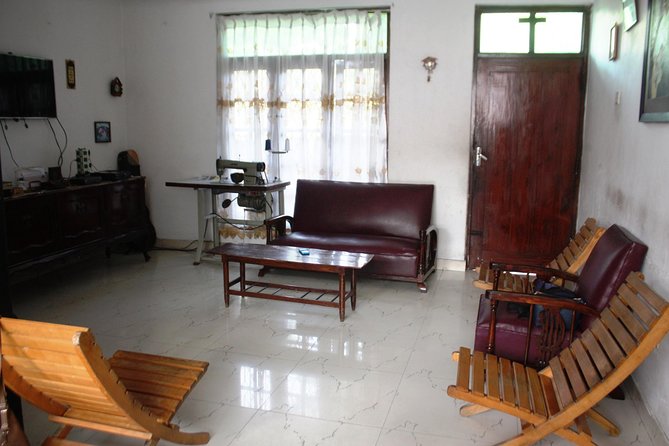
The setting is traditional and modest. That is part of the appeal, but it may not suit you if you expect a modern kitchen, formal service, or a highly polished culinary school.
The class is also relatively short. One hour of hands-on cooking is enough to prepare three dishes, but not enough for a detailed course on every spice, technique, and regional variation in Sri Lankan food. You will get a taste of home cooking, not professional chef training.
The price is high for the duration. The private setting and meal help explain it, but you should compare it with your own priorities. A group that wants a low-cost activity may find better value elsewhere.
Finally, the meeting point requires planning. No hotel pickup or drop-off is included, and the experience ends where it starts. Arrange your route to Dehiwala before the day of the class, particularly if you choose an evening session.
Who should book this class?
I would recommend it to you if you enjoy food as a way to meet people. It is a strong fit for couples, families, solo visitors, and small private groups who want conversation and a home setting.
It also suits anyone who wants to understand Sri Lankan ingredients before eating the finished dishes. The market visit gives you a clearer link between the produce on sale and the meal on your plate.
Vegetarians, vegans, and visitors seeking halal food can request suitable meals. People with allergies or other restrictions should give full details when booking so the menu can be planned properly.
You may want to skip it if you want a cheap, fast class, a professional training kitchen, or a formal recipe-based course. You may also find the logistics less convenient if your accommodation is far from Dehiwala and you do not want to arrange transport.
Booking and cancellation details
Confirmation is sent within 48 hours of booking, subject to availability. Because the class takes place in a family home and is private, booking ahead is sensible.
You can cancel for a full refund up to 24 hours before the local start time. Cancellations or changes made less than 24 hours before the start are not accepted for a refund.
My verdict: a personal Colombo food lesson worth considering
I would book this class if I wanted one meaningful food experience in Colombo rather than several ordinary restaurant meals. The market, family kitchen, customizable menu, and shared meal create a clear sense of place.
The strongest reasons to choose it are Shasikala and her mother’s warm welcome, the chance to cook three dishes yourself, and the private home setting. The strongest reasons to hesitate are the $148 cost, the short cooking period, and the need to make your own way to Dehiwala.
Choose the market option if you want the full story from produce stall to dinner plate. Choose this experience for connection and context, not luxury. If that sounds like your kind of afternoon or evening, it offers one of the more personal ways to meet Colombo through food.
FAQ
Where does the cooking class take place?
The class takes place at Shasikala’s family home in Bellanthara, Dehiwala. The meeting point is on Mayura Mawatha, Dehiwala-Mount Lavinia, Sri Lanka.
How long does the experience last?
The experience lasts approximately three hours. The hands-on cooking portion lasts about one hour.
How many dishes will I cook?
You will prepare three Sinhalese dishes from scratch. The usual dishes include a seasonal vegetable, coconut sambol, and fish or chicken curry.
Can I choose what I cook?
Yes. The menu can be customized. You should share cooking preferences, allergies, and dietary restrictions when booking.
Are vegetarian, vegan, and halal meals available?
Yes. Shasikala can provide vegetarian, vegan, and halal meals if you request them in advance.
Is the market visit included?
The local market visit is included if you choose the market tour option. You will visit a neighborhood market, see local produce and other food items, taste some fruit, and choose a seasonal vegetable to cook.
Is hotel pickup included?
No. Hotel pickup and drop-off are not included. You must reach the Mayura Mawatha meeting point yourself, and the experience ends back at that meeting point.
Is this a private activity?
Yes. Only your group participates in the cooking class and home visit.
What is the cancellation policy?
You can cancel at least 24 hours before the local start time for a full refund. Cancellations or changes made less than 24 hours before the start time are not accepted for a refund.
Just added around Sri Lanka
- Market Tour and Cooking Class from Colombo★ 5.0 · 5 reviews
- Local Market Tour & Cooking Demo with Lunch from Colombo Harbor★ 5.0 · 2 reviews
- 3 hour cooking experience★ 5.0 · 8 reviews
- Cooking class in Srilanka★ 5.0 · 8 reviews
- cooking lesson★ 5.0 · 7 reviews
- Hands-On Cooking Class in Anuradhapura-Cook Like a Local★ 5.0 · 2 reviews
- Sri Lankan Cookery with Nilu★ 5.0 · 34 reviews
- Sri Lanka: Cooking Class★ 4.4 · 6 reviews
Home Cooking Classes, compared.
Khmer Cooking Class at a Local’s Home in Krong Siem Reap
Read our review →
Local Home Korean Cooking Class & Market Adventure in Seoul
Read our review →
Mexican Cooking from Scratch in a Local Home in Tulum
Read our review →
Pastamama, Home Cooking Classes at Grace’s Home
Read our review →
Traditional Cooking Class & meal with Local Family
Read our review →
Lists this class appears in