
REVIEW · COLOMBO, SRI LANKA
3 hour cooking experience
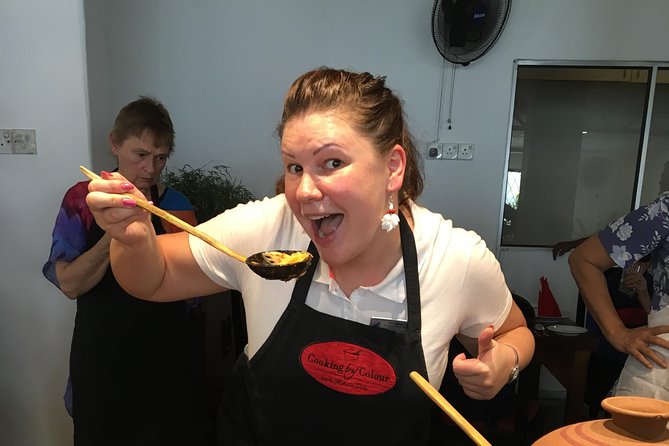
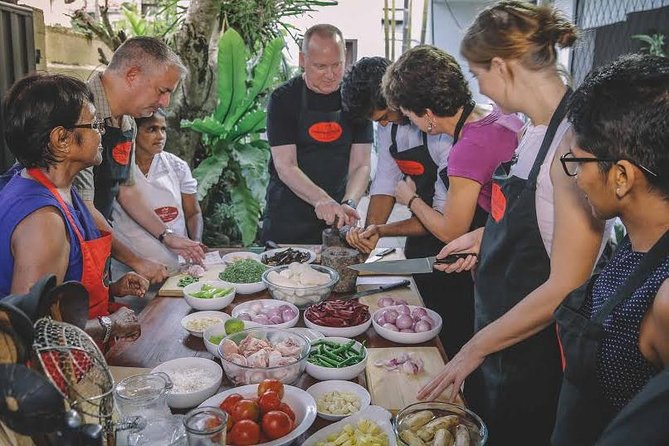
Sri Lankan cooking makes a colorful first impression. This private class with Chef Mohara Dole gives you a practical way to understand the island’s food, from vegetable and seafood curries to several kinds of rice and freshly prepared sambols. You do not just watch a meal appear. You join Mohara at the stove, cook the dishes, eat the finished food, and take home the recipes.
I like the personal setting and the range of dishes covered. You may work with loofah, eggplant, lotus root, beetroot, chicken, seafood, basmati rice, red raw rice, samba rice, and sambols in one session. The class also offers useful value at $60, since ingredients, dinner, bottled water, and soda are included.
The main consideration is the fixed three-hour format. Because the class covers so many foods, you should expect a guided demonstration and shared cooking time rather than a slow, specialist lesson on one curry. Alcohol costs extra, and you must arrange your own way to the meeting point in Sri Jayawardenepura Kotte.
Key points at a glance
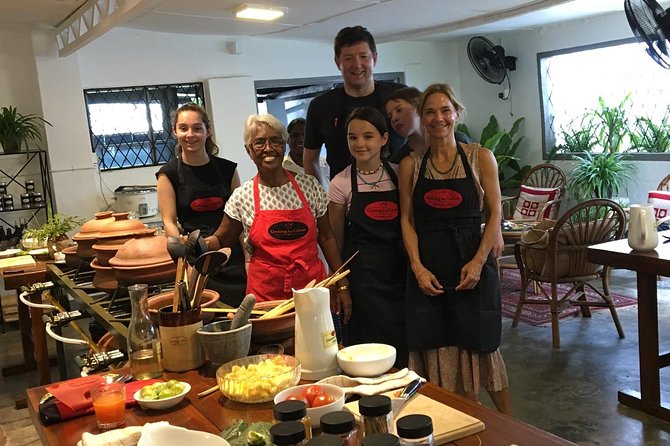
- Chef Mohara Dole leads the class personally, giving the experience a warm, one-to-one feel rather than a large cooking-school atmosphere.
- Several curry styles are covered, including loofah, eggplant, lotus root, chicken, seafood, and beetroot.
- You compare three Sri Lankan rice types, basmati, red raw rice, and samba rice.
- Recipes are provided, so you can try the dishes again at home instead of leaving with only a full stomach.
- The private format suits couples, families, and small groups, since only your party takes part.
- The class runs from 10:30 AM to 2:00 PM, with the activity beginning and ending at 49 Park Ln in Sri Jayawardenepura Kotte.
Why this Colombo cooking class is worth your time
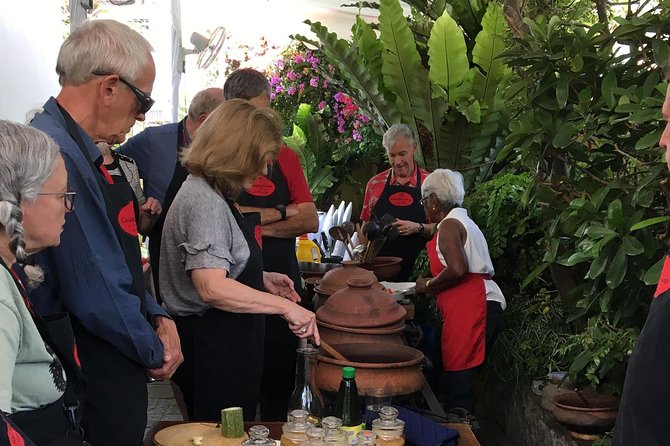
Colombo gives you plenty of chances to eat Sri Lankan food, but eating a curry and understanding it are two different things. This experience helps close that gap. You learn how a meal is built across several parts: rice, curries, and sambols working together rather than one dish carrying the whole plate.
I like that the class does not limit itself to the familiar chicken curry. Loofah, lotus root, and beetroot bring vegetables into the center of the meal, while seafood and chicken show two other common directions for Sri Lankan cooking. That range matters because Sri Lankan food is not one single flavor or formula.
The class is also useful for home cooks. Recipes are included, and the dishes are described as simple enough to recreate at home. You may not be able to find every ingredient in your local shop, but the recipes give you a starting point and a way to remember what you learned.
The price is $60. For a private three-hour class with all food ingredients, dinner, bottled water, and soda included, that is a fair package. Its value depends on what you want from a cooking activity. If you only want to eat a meal, a restaurant will cost less. If you want instruction, personal attention, and recipes to take home, the price makes more sense.
More Three-Hour Classes in Sri Lanka:
- Marrakech: 3-Hour Open-Air Moroccan Cooking Course
★ 4.9 · 74 reviews - 3-Hour Cooking Class overlooking the Blue City
★ 5.0 · 36 reviews - 3-hour Tuscan Cooking Class with Wine & Oil Tasting
★ 4.5 · 36 reviews
Meeting Chef Mohara at 49 Park Lane
The class begins at 49 Park Ln in Sri Jayawardenepura Kotte, a short distance from central Colombo depending on your starting point. The exact meeting point matters, so check your transport plan before the day begins. The activity ends back there, which makes the return simple once cooking is finished.
The listed operating time is 10:30 AM to 2:00 PM from Monday through Sunday. The stated activity lasts about three hours, so you have a little room around the class time, but I would still arrive ready to begin at 10:30.
A mobile ticket is accepted, and confirmation is provided when you book. The location is near public transportation, though the information does not specify a particular bus route or train station. You should allow extra time if you are crossing Colombo during a busy part of the day.
The private format is one of the strongest features here. Only your group participates, so you can ask questions without competing with a room full of people. A private class also makes it easier to adjust the pace of the demonstration within the available three hours.
Starting with Sri Lanka’s many curries
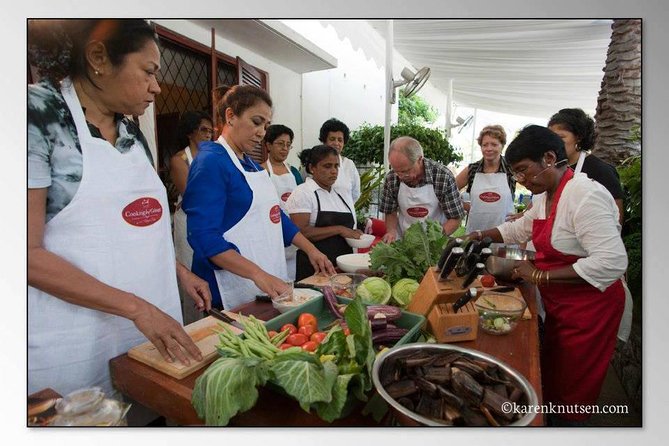
The curry portion is the heart of the class. You may learn several preparations, including loofah, eggplant, lotus root, chicken, seafood, and beetroot. These ingredients give you a useful look at how Sri Lankan cooking handles meat, fish, and vegetables.
Each ingredient brings a different lesson. Loofah and beetroot show how vegetables can become full dishes rather than side notes. Eggplant is another familiar curry ingredient, while lotus root offers something less common for many home cooks. Chicken and seafood help explain how the same broad cooking tradition can work with different main ingredients.
The supplied information does not promise one fixed menu for every booking, so you should not assume that every listed dish will appear in identical form each time. The point is the variety of curry types and the chance to work alongside Mohara as the meal comes together.
This is also where the demonstration format may help. Some Sri Lankan curries involve several ingredients and steps, and a teacher can show you the process in a way a printed recipe cannot. You can watch how Mohara organizes the cooking and ask about methods as you prepare the food.
A past participant described cooking meat, fish, and vegetable dishes during the three-hour session. That gives you a good sense of the class’s breadth. If you want to master one dish down to every small variation, this may feel fast. If you want a broad introduction to the structure of a Sri Lankan meal, the variety is a clear advantage.
Comparing basmati, red raw rice, and samba rice
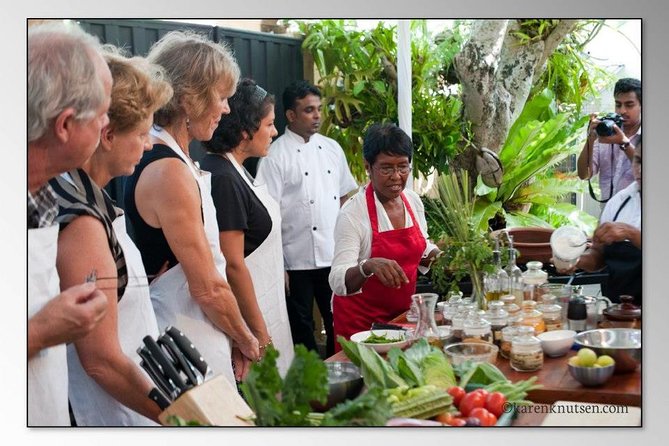
Rice is not treated as a filler here. The class introduces basmati, red raw rice, and samba rice, giving you a chance to see how different grains fit into the meal.
Basmati is familiar to many home cooks, but red raw rice and samba rice may be less familiar. Learning their names and place in a Sri Lankan meal helps you look beyond the standard restaurant plate. You can also use the comparison when deciding which rice to buy at home.
The information does not specify that you prepare all three rice types from start to finish, so I would treat this part as an introduction within the wider demonstration. The focus is on understanding several rice choices alongside the curries and sambols.
That combination is important. A curry can taste very different depending on the rice served with it. The class gives you a chance to see the meal as a complete arrangement rather than a collection of unrelated recipes.
A few more cooking classes around Sri Lanka worth a look
- Ella: Traditional Sri Lankan Cooking Class
★ 4.9 · 788 reviews - Organic cooking class sigiriya (kumara & family)
★ 5.0 · 650 reviews - Sri Lanka Cooking Class with Granny
★ 5.0 · 587 reviews - Kandy Village Cooking Class
★ 5.0 · 536 reviews
Making sambols for heat, freshness, and contrast
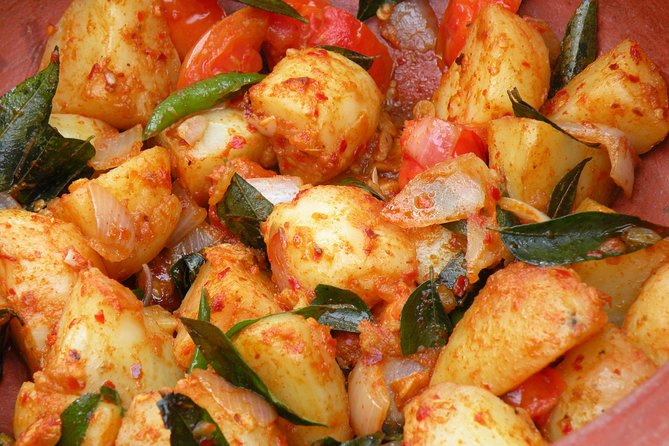
Sambols add another layer to the meal. They are served alongside curries and rice, bringing contrast to the plate. The class includes sambols among the foods you learn to prepare, though the exact types are not specified.
This is one of the most useful parts for anyone who cooks at home. A curry may take time, but a sambol can change the character of the whole meal with a smaller amount of preparation. Learning how it fits with rice and curry helps you recreate the balance of a Sri Lankan plate.
I also like that sambols keep the class from becoming a lesson only in long-cooked dishes. You get a better sense of how a meal can combine different textures, temperatures, and levels of heat.
Since the exact recipes are not listed in advance, ask Mohara about substitutions as you cook. The recipes provided afterward should help, but availability will vary once you return home. This is a good moment to note ingredient names and preparation tips that may not be obvious from the finished dish.
Joining the stove instead of only watching
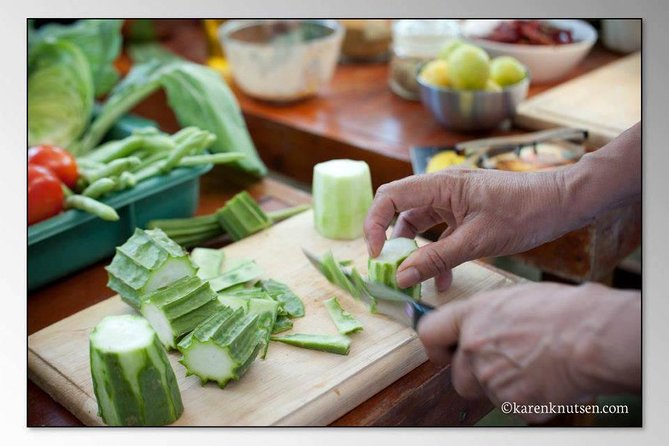
The experience is described as a demonstration, but you also join Mohara at the stove while preparing and sharing the meal. That combination is worth noting. You may not spend every minute actively chopping or stirring, yet you should have a more direct role than you would in a standard restaurant demonstration.
The balance between watching and doing is practical for a wide menu. With curries, rice, and sambols all included, a fully hands-on approach to every dish could take much longer than three hours. A demonstration allows Mohara to keep the meal moving while still giving you time to take part.
The strongest praise connected with this class focuses on Mohara’s welcome, enthusiasm, and willingness to share cooking tips. That personal quality matters. A good instructor can explain not only what to do, but also how to judge the process as you cook.
You should also feel free to ask questions about the recipes before the meal is served. The class is private, so this is the right time to ask about ingredient swaps, cooking order, and how to repeat a dish in your own kitchen.
Sitting down to the meal you helped prepare
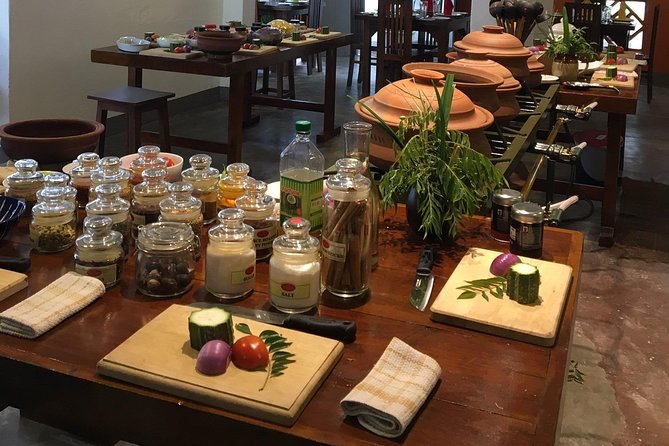
Dinner is included, along with all ingredients, bottled water, and soda. The meal is part of the lesson, not just an add-on at the end. Eating the dishes together lets you see how the curries, rice, and sambols work as a complete Sri Lankan spread.
The experience is listed with both lunch and dinner language, but the operating hours are 10:30 AM to 2:00 PM. That schedule points to a late-morning or early-afternoon meal, even though dinner is the stated inclusion. If meal timing matters to you, confirm the arrangement when booking.
Alcoholic drinks are not included. You can plan around that easily, since bottled water and soda are provided, but do not expect wine or beer to be part of the $60 price.
The shared meal also gives you a chance to compare dishes directly. A vegetable curry may taste very different from the seafood or chicken preparation beside it. Rice and sambol then change the bite again. This is where the wide menu earns its place.
Recipes that travel home with you
The recipes may be the most lasting part of the class. Photos fade, and memories of a meal can blur, but written instructions give you something concrete to use after Sri Lanka.
You should keep the recipes together with notes about ingredients that may be difficult to find at home. If Mohara offers a tip during the cooking, write it down. Her personal guidance may be just as useful as the printed recipe, especially when a dish depends on timing or consistency rather than a simple list of steps.
One participant later used the recipes at home and contacted Mohara for guidance. That suggests the relationship does not have to end when the class does. It also points to a practical benefit of choosing a private lesson: you have a direct teacher who can help you understand the food beyond the session.
Of course, the class cannot guarantee that every ingredient will be easy to replace outside Sri Lanka. Still, the recipes make this more than a one-day activity. You can use the class as a base for future Sri Lankan meals.
Who will enjoy this class most
I would recommend this experience to you if you want food and culture together, not just a restaurant meal. It suits home cooks, couples, families, and small private groups who enjoy learning by watching, asking questions, and eating what they prepare.
It is also a good pick if you are curious about vegetables. The menu includes loofah, eggplant, lotus root, and beetroot, along with chicken and seafood. That gives you more variety than a class focused only on one meat curry.
You may want to choose another activity if you need a highly technical lesson or a strict recipe-by-recipe schedule. Three hours is enough for a broad cultural introduction, but the number of dishes means the pace may feel full.
The class also works best for people who can reach the Kotte meeting point without difficulty. Public transportation is nearby, but transport details are not provided. Plan your route in advance rather than leaving it until the morning.
Booking, cancellations, and practical details
You receive confirmation at the time of booking, and the mobile ticket makes the experience easy to carry on your phone. The class runs every day from Monday through Sunday during the listed operating period.
Free cancellation is available if you cancel at least 24 hours before the start time. Changes or cancellations made less than 24 hours before the experience are not accepted for a refund, and the cut-off is based on local time.
Only your group participates, which makes this a useful choice for anyone who prefers privacy or wants to ask many questions. The activity finishes at the same meeting point where it begins.
Should you book Cooking by Colour?
Book it if you want a friendly, private introduction to Sri Lankan food with plenty of range. Chef Mohara Dole’s personal teaching, the mix of vegetable, meat, and seafood curries, the three rice types, and the take-home recipes give the $60 price solid value.
Go in expecting a broad three-hour cooking experience rather than a slow masterclass in one dish. Confirm the meal timing if you care about lunch or dinner, plan your transport to 49 Park Ln, and remember that alcohol is not included.
For food lovers who want to bring Sri Lankan cooking home, this is an especially sensible choice. You leave with more than a meal: you gain a framework for combining curries, rice, and sambols in your own kitchen.
FAQ
How long does the cooking experience last?
The activity lasts approximately three hours. Its listed operating hours are 10:30 AM to 2:00 PM, Monday through Sunday.
Where does the experience begin and end?
It begins at 49 Park Ln, Sri Jayawardenepura Kotte, Sri Lanka, and ends back at the same meeting point.
What food will I learn to prepare?
The class covers traditional Sri Lankan curries, rice, and sambols. Possible curry ingredients include loofah, eggplant, lotus root, chicken, seafood, and beetroot. Rice types include basmati, red raw rice, and samba.
Is this a private cooking class?
Yes. Only your group participates in the activity.
What is included in the $60 price?
The price includes the cooking experience, all ingredients for the meal, dinner, bottled water, and soda.
Are alcoholic drinks included?
No. Alcoholic beverages are not included in the experience price.
Just added around Sri Lanka
- Market Tour and Cooking Class from Colombo★ 5.0 · 5 reviews
- Authentic Sinhalese Cooking Class in Colombo with a Local Family★ 5.0 · 9 reviews
- Cooking class in Srilanka★ 5.0 · 8 reviews
- Local Market Tour & Cooking Demo with Lunch from Colombo Harbor★ 5.0 · 2 reviews
- cooking lesson★ 5.0 · 7 reviews
- Hands-On Cooking Class in Anuradhapura-Cook Like a Local★ 5.0 · 2 reviews
- Sri Lankan Cookery with Nilu★ 5.0 · 34 reviews
- Sri Lanka: Cooking Class★ 4.4 · 6 reviews
Cooking Classes, compared.

Half-Day Thai Cooking Class at Organic Farm in Chiang Mai
Read our review →

3 in 1 Cooking Class near Navona: Fettuccine, Ravioli & Tiramisu
Read our review →
Pasta & Tiramisu Cooking Class with Unlimited Wine
Read our review →
Hanoi Cooking Class: Culture, Local Market & Meaning CSR Impact
Read our review →
5 Traditional Dishes Hanoi Cooking Class with Market Trip
Read our review →
Cooking Class and Lunch at a Tuscan Farmhouse with Local Market Tour from Florence
Read our review →
Cooking Class, Market & Thai Herbs Garden Tour
Read our review →Lists this class appears in