
REVIEW · KOTAPOLA, SRI LANKA
Galle: Sri Lankan Cuisine Cooking Experience
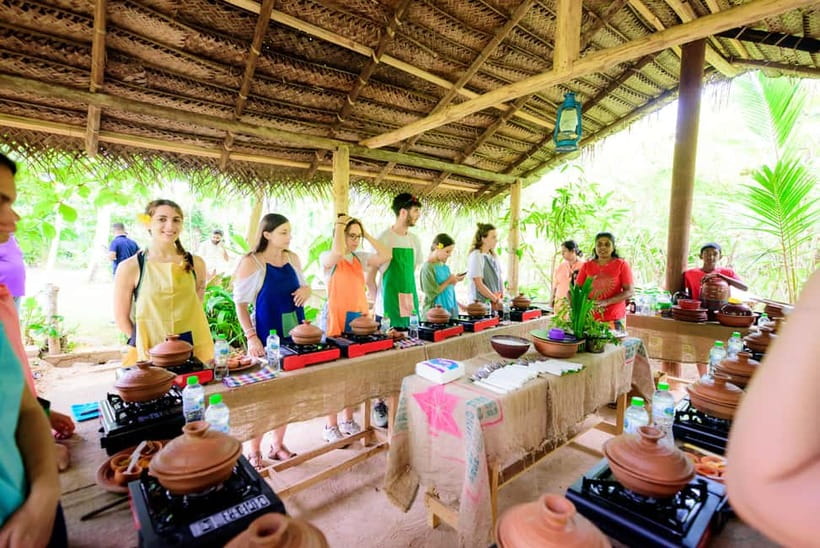
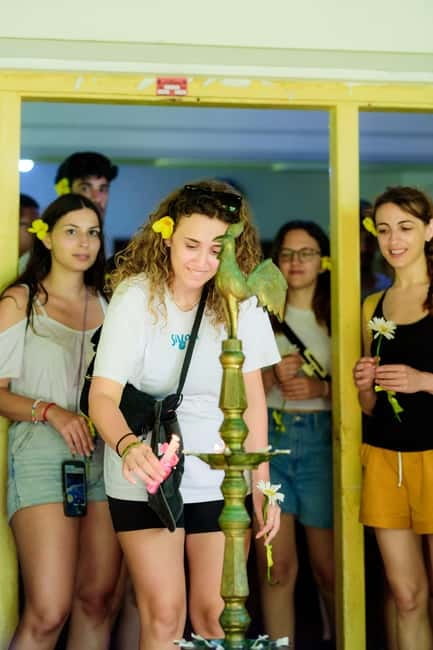
Food tells the story here. This three-hour cooking class in Kotapola brings you into a family kitchen, where you prepare Sri Lankan dishes instead of simply watching someone else cook. I especially like the hands-on work of grinding fresh coconut for sambol and rolling roti by hand. The welcome ceremony, with an oil lamp and flower bouquet, also gives the visit a personal touch.
The main consideration is transport. The $40 price does not include travel to or from Galle House, and the exact menu is not specified in advance. You should also contact the provider at least one day before your booked date to confirm the arrangement.
Key points at a glance
- A real family kitchen: You cook beside a local host rather than in a formal cooking school.
- A warm cultural welcome: The experience begins with oil-lamp lighting and a flower bouquet.
- Hands-on preparation: You grind fresh coconut for sambol and roll roti by hand.
- A private three-hour visit: Your group receives direct attention, with English instruction.
- A traditional meal: You eat the food you prepared with your hands on a banana leaf, with utensils available if you ask.
- Strong value for food lovers: At $40 per person, the price covers ingredients, instruction, the meal, and the family welcome, but not transportation.
Arriving at Galle House in Kotapola
This is not a restaurant meal with a quick cooking demonstration added on. The point is to spend time in a family setting and take part in the work behind the food.
Your visit begins at Galle House in Kotapola, where the family welcomes you with a traditional oil-lamp lighting ceremony. You also receive a flower bouquet. These details may sound small, but they help set the tone. You are being received as a visitor in someone’s home, not processed into a large class.
The group is private, which matters here. Cooking is easier when you can ask questions, copy the host’s technique, and work at your own pace. You are not trying to see over a row of other people or waiting for a turn with one shared ingredient.
The host language is English. That makes the class more useful than a silent demonstration, since you can ask about the ingredients and preparation as you go. If you have a food concern, this is the right time to mention it clearly.
One practical point needs attention: transportation is not included. Make your own plan for reaching Galle House, and confirm the meeting details before the day of your class. The provider asks you to make contact at least one day ahead. Do not leave that message until the last minute.
A few more cooking classes around Sri Lanka worth a look
- Ella: Traditional Sri Lankan Cooking Class
★ 4.9 · 788 reviews - Organic cooking class sigiriya (kumara & family)
★ 5.0 · 650 reviews - Sri Lanka Cooking Class with Granny
★ 5.0 · 587 reviews
Learning in a Sri Lankan family kitchen
Once you enter the kitchen, the class shifts from welcome ceremony to practical work. The available details do not name every dish on the menu, so you should not book this expecting a fixed list of curries or a particular recipe. Instead, expect to prepare traditional Sri Lankan food with guidance from the host.
That flexibility can be a good thing. A family kitchen shows you how food is handled in a normal home setting, where the work is tied to touch, texture, smell, and habit. You are learning a method, not just copying a printed recipe.
The cooking includes fresh spices and ingredients, with the kitchen filling with their aroma as you work. The host explains the ingredients and the steps involved. The strongest feedback about this experience centers on those explanations. You should come ready to ask questions, especially if you want to recreate the dishes after returning home.
An apron is provided at the start of the lesson. Still, wear comfortable clothes that you do not mind cooking in. You may be handling ingredients directly, and a family kitchen is a working space rather than a polished studio.
The class is suitable for people who like to participate. If you prefer to sit back and photograph a demonstration, you may find the format less appealing. The value comes from getting involved.
Grinding coconut for sambol
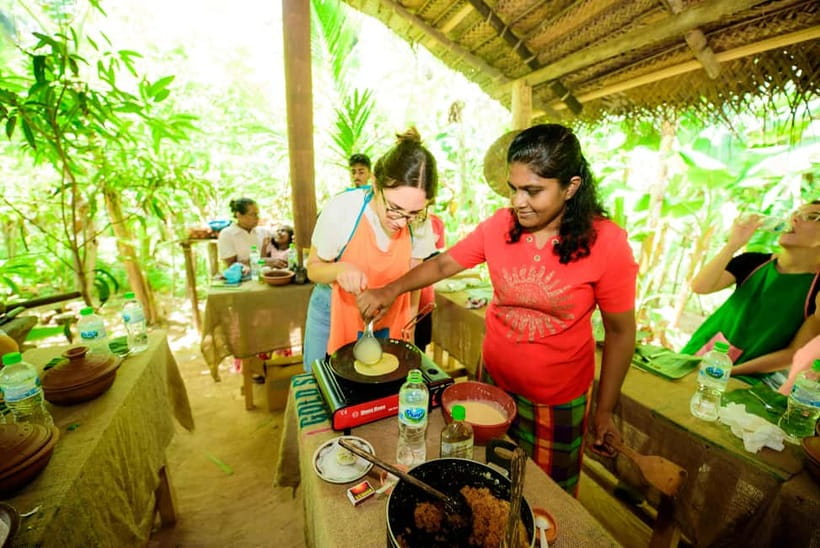
The most distinctive task is grinding fresh coconut for sambol. This is the sort of step that often disappears in a restaurant kitchen, where the finished condiment simply arrives beside your meal.
Here, you take part in the process. The work helps you understand why sambol tastes different when made fresh, and it gives the dish a physical connection to the kitchen. You are not just told that coconut is important to Sri Lankan cooking. You handle it and help turn it into part of the meal.
The host works with you, explaining what to do and how the ingredients come together. Since the class is private, you have a better chance to stop and ask about quantities, texture, and preparation. The supplied information does not specify the exact sambol recipe, so ask if you want to know how to repeat it at home.
This is also a useful part of the class for children and first-time cooks. The task is active and easy to understand, while still showing a key part of local food preparation. One family attended with a four-year-old son, and the hosts were described as welcoming and accommodating. That suggests families can feel comfortable here, though you should still confirm any needs directly with the provider.
Rolling roti by hand
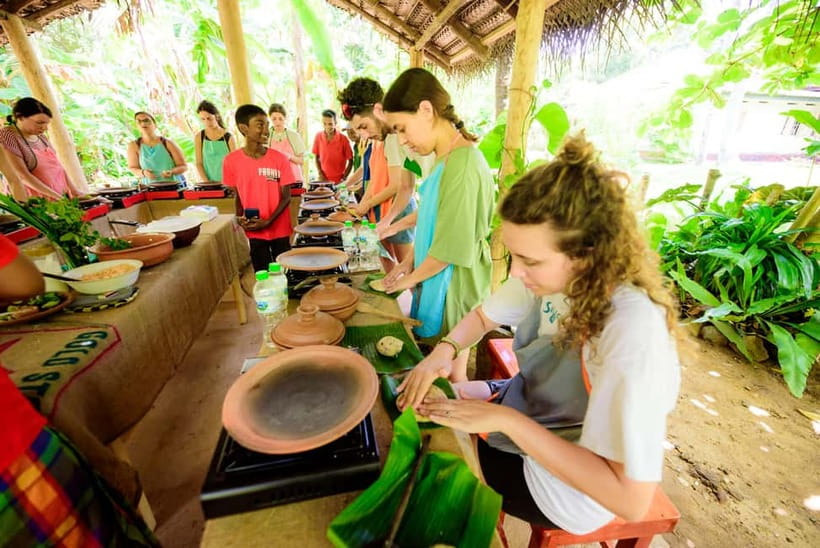
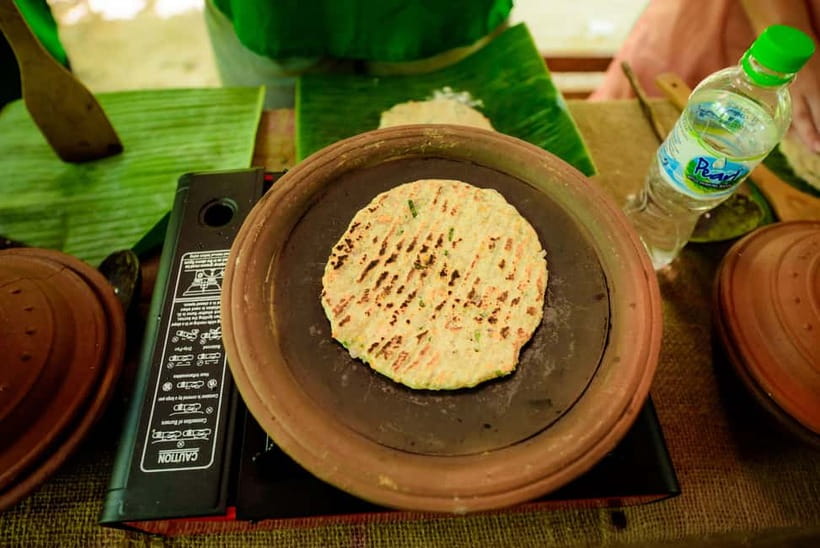
You also roll roti by hand. This gives the class another simple but satisfying task, and it lets you see how a familiar staple is shaped before it reaches the table.
The host guides you through the process. You do not need to arrive with professional cooking skills. The class is designed around participation and explanation, not a test of technique.
Roti is also a good reminder that everyday food often depends on small movements. How you shape the dough, how you handle it, and how you work beside the host all form part of the lesson. These are details you can miss when food arrives already prepared.
The exact ingredients and cooking method for the roti are not provided, so keep your expectations practical. You will learn by working with the host, rather than following a published menu with every step announced ahead of time.
Same place, a different thing to cook:
- Kandy Village Cooking Class
★ 5.0 · 536 reviews - Sea waves sri lankan cooking class
★ 5.0 · 467 reviews - Ella: Sri Lankan Cooking Class with Neranji at Homestay
★ 5.0 · 276 reviews - Cook with Wasantha
★ 5.0 · 248 reviews
Sharing the meal on a banana leaf
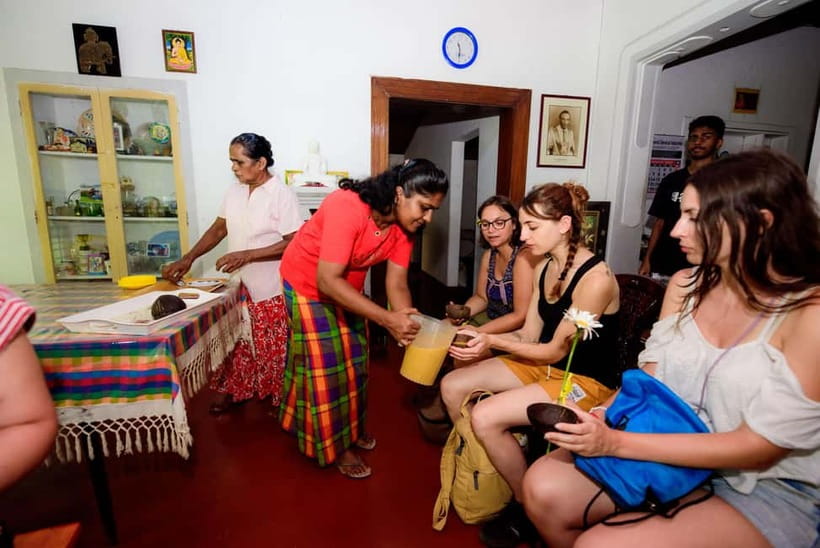
After the cooking, you sit down with the family and eat the meal you helped make. The food is served in the traditional way on a banana leaf, and eating with your hands is part of the experience.
If you have not eaten this way before, the host can help you get comfortable. Utensils are available on request, so you do not need to force yourself into a style of eating that feels awkward. Still, I would try the traditional method if you are willing. It makes the final meal feel connected to the preparation that came before it.
The shared table is where the class becomes more than a lesson. You have time to talk, exchange stories, and laugh with the family. Several strong points in the feedback focus on the welcome, kindness, and warmth of the hosts, rather than only on the food. That is important. The meal is part of a social visit, not simply your reward for completing the cooking.
The food itself has received clear praise, including from a family who considered the experience a highlight of their time in the Galle area. Another participant valued the careful explanations of both ingredients and preparation. You can reasonably expect a generous, personal meal, but the information does not identify the exact dishes or cater to every dietary need. Ask about those points before booking if they matter to you.
What the $40 price really covers
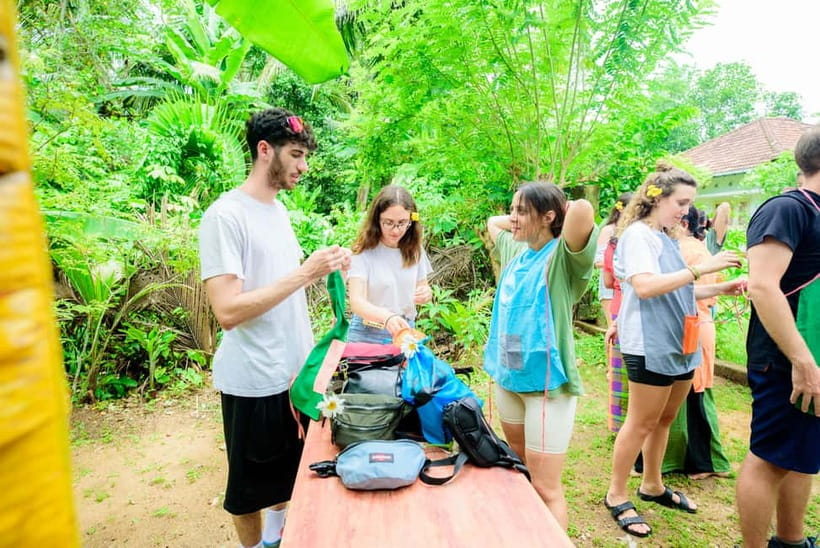
At $40 per person, the price includes the traditional cooking class, all cooking ingredients, hands-on instruction, the meal, and the welcome ceremony with the oil lamp and flowers.
That is a fair package for a private three-hour experience. You are paying for time with a family, direct attention, food to prepare, and a full meal at the end. The private format gives the price more weight than a large group class where the host must divide attention among many people.
The cultural welcome also adds value, though you should decide how much that matters to you. If you only want to learn recipes as cheaply as possible, a standard cooking class may cost less. If you want personal contact and a meal shared in a home setting, the price makes more sense.
Transportation is extra. Factor that into your total cost, especially if you are staying somewhere outside the Galle House area. Personal expenses are also not included.
The class allows free cancellation up to 24 hours before the start time for a full refund. You can also reserve now and pay later, which helps if your route through Sri Lanka is still taking shape. These terms are useful, but they do not remove the need to confirm the date with the provider at least one day ahead.
Who will enjoy this cooking experience most
I would choose this class if you want direct contact with a local family and prefer making food to simply eating it. It is a good fit for couples, families, and small private groups who enjoy conversation and a relaxed pace.
It also suits first-time visitors to Sri Lankan cuisine. You receive explanations in English, and the cooking tasks are practical rather than highly technical. Grinding coconut and rolling roti give you clear jobs to do, even if you rarely cook at home.
Families should take note of the warm response to a four-year-old child. That does not guarantee every child will enjoy three hours in a kitchen, but it shows that the hosts can be accommodating. Keep young children close around cooking areas, and mention their ages when you contact the provider.
You may want to skip it if you need a fully specified menu before booking. The dishes are described as traditional Sri Lankan preparations, but no complete menu is supplied. You should also think twice if transport planning is difficult or if you do not want to eat with your hands, although utensils can be provided.
The experience is less suited to anyone searching for a fast, polished cooking show. The appeal is the family setting, the shared work, and the time spent talking over the meal.
Tips for making the most of the three hours
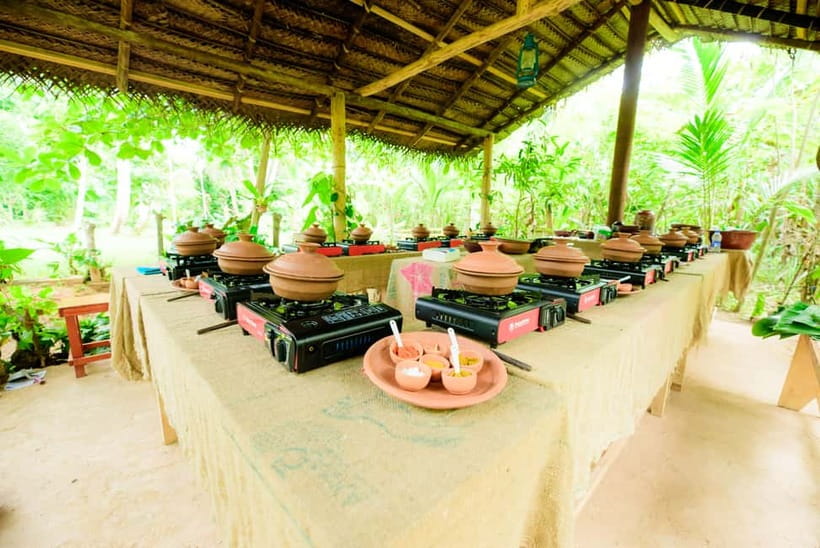
Contact Galle Gedara at least one day before your date and confirm the time and meeting details. This is especially important because transport is not included and the experience takes place at Galle House in Kotapola.
Wear comfortable clothing suitable for cooking. An apron is provided, but an apron does not protect every part of your outfit.
Tell the host about food preferences or concerns when you make contact. The available details do not list substitutions or dietary arrangements, so you should ask rather than assume.
Keep some curiosity for the meal. Ask about the ingredients, the sambol, the roti, and the preparation methods while you are working. The class is most useful when you treat the host as a teacher and the kitchen as a place to learn, not just a backdrop for photographs.
Finally, be ready to slow down. The three hours include a welcome, cooking, and a shared meal. The conversation is part of what you are paying for.
Should you book Galle Gedara?
Book this experience if you want a personal food lesson with a family, not a standard class in a commercial kitchen. The oil-lamp welcome, fresh coconut sambol, hand-rolled roti, banana-leaf meal, and private format give the visit a clear sense of place.
At $40, it offers good value for a three-hour private activity that includes ingredients, instruction, and lunch or dinner with the hosts. Confirm transportation and the menu before committing, since neither is fully covered in the basic details.
For food lovers, curious families, and anyone who values a warm human welcome, I would put this high on a Galle-area shortlist. If you need a fixed menu or an easy meeting point with transport included, choose another option or ask Galle Gedara for those details first.
FAQ
Where does the cooking experience take place?
The experience takes place at Galle House in Kotapola, Sri Lanka.
How long does the cooking class last?
The activity lasts three hours. Starting times depend on availability.
What language is the class conducted in?
The instructor provides the experience in English.
Is the cooking class private?
Yes. The activity is arranged for a private group.
What food preparation will I do?
You help prepare traditional Sri Lankan dishes, grind fresh coconut for sambol, and roll roti by hand. The complete menu is not specified.
Do I have to eat with my hands?
Eating with your hands on a banana leaf is part of the traditional meal. Utensils can be provided if you request them.
Is transportation included?
No. Transportation to and from Galle House is not included. Personal expenses are also excluded.
Just added around Sri Lanka
- cooking lesson★ 5.0 · 7 reviews
- Hands-On Cooking Class in Anuradhapura-Cook Like a Local★ 5.0 · 2 reviews
- Sri Lankan Cookery with Nilu★ 5.0 · 34 reviews
- Sri Lanka: Cooking Class★ 4.4 · 6 reviews
- Cooking Experience from Ella★ 4.9 · 2 reviews
- Sri Lankan Cooking Class in Bentota★ 5.0 · 2 reviews
- Private cooking class – Personalized classic menu★ 5.0 · 5 reviews
- Nilaveli: Sri Lankan Cooking Class with a Local Family★ 5.0 · 16 reviews
Cooking Classes, compared.

Half-Day Thai Cooking Class at Organic Farm in Chiang Mai
Read our review →

3 in 1 Cooking Class near Navona: Fettuccine, Ravioli & Tiramisu
Read our review →
Pasta & Tiramisu Cooking Class with Unlimited Wine
Read our review →
Hanoi Cooking Class: Culture, Local Market & Meaning CSR Impact
Read our review →
5 Traditional Dishes Hanoi Cooking Class with Market Trip
Read our review →
Cooking Class and Lunch at a Tuscan Farmhouse with Local Market Tour from Florence
Read our review →
Cooking Class, Market & Thai Herbs Garden Tour
Read our review →Lists this class appears in