
REVIEW · EASTERN PROVINCE, SRI LANKA, SRI LANKA
Ella : Cooking class with amazing Spice Garden Tour
Curry tastes better when you know its roots. This four-hour experience pairs a walk through a family-run 2.5-acre spice garden with a practical Sri Lankan cooking class, giving you both the ingredients and the methods behind a classic island meal. I like the garden’s size and variety, with more than 100 plants, and I like the friendly, small-group cooking format, capped at eight people.
The main consideration is that the class is not always a full cooking lesson for every person from start to finish. You should expect a mix of chopping, stirring, tasting, watching demonstrations, and taking turns. The setting can also be buggy around sunset, so mosquito spray is a sensible addition.
Key points at a glance
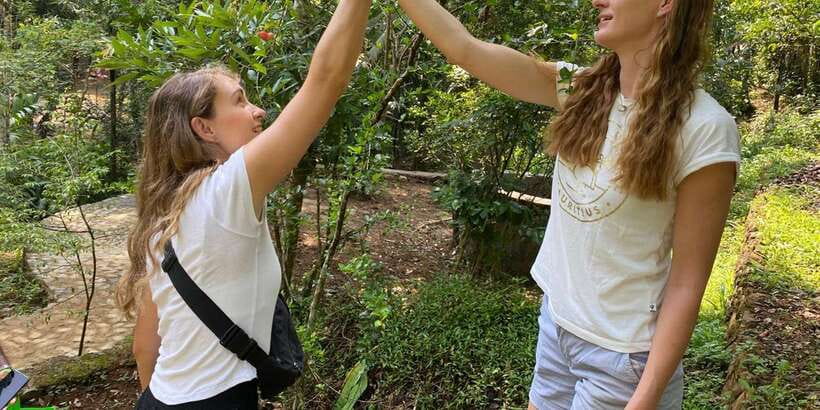
- A garden that goes well beyond cinnamon: You see garcinia, vanilla, cocoa, curry leaves, nutmeg, clove, cinnamon, fruits, herbs, and medicinal plants growing in a family-run garden.
- Seven-curry cooking with a local fireplace: The class uses a traditional cooking area rather than a polished demonstration kitchen.
- Fresh coconut milk made by hand: This is one of the most useful techniques to take home, since it explains the creamy base behind many Sri Lankan curries.
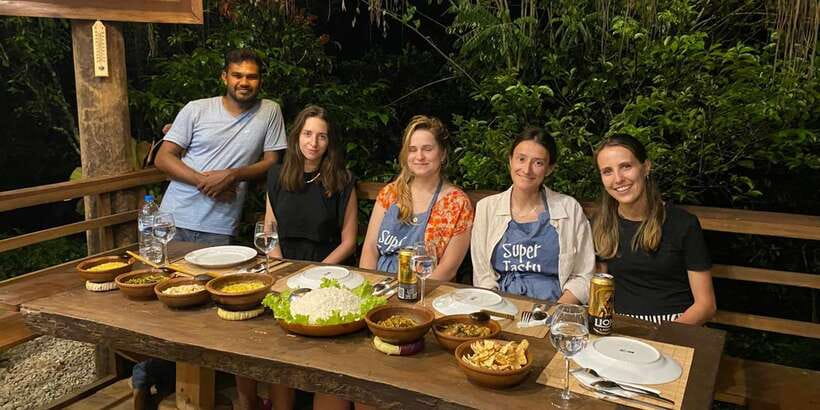
- A generous final meal: You sit down to eat rice, curries, sambol, banana chips, and papadam on banana leaves.
- Good for vegetarians and vegans: Meat can be replaced when needed, and the menu already contains several vegetable dishes.
- Strong value at $32: Four hours, a garden tour, a meal, a recipe PDF, refreshments, and a small group make this a substantial half-day outing.
Why this Ella food experience is worth your time
Ella is full of scenic walks, train views, and cafés. Those are good reasons to visit, but food helps you understand Sri Lanka in a more direct way. This experience shows you where familiar spices come from, how local cooks use them, and why Sri Lankan food is built around several separate curries rather than one large stew.
I like that the activity begins outdoors. You are not simply handed a tray of prepared spices and asked to guess what they are. You walk among the plants and hear how they grow, how they are used in cooking, and which ones have traditional medicinal uses. Then you move into the kitchen and see those flavors put to work.
The experience costs $32 per person. That is strong value for four hours, especially because the price includes the garden walk, a refreshment, the cooking session, dessert, the meal, and recipes in PDF form. A typical restaurant meal in Ella would not give you the same chance to learn techniques or ask questions.
The small-group limit matters. With no more than eight participants, you have a better chance of getting near the cooking area and joining in. Groups of four, five, and seven have worked especially well, according to the pattern of recent bookings. Larger groups can still be fun, but you may spend more time waiting for your turn.
A few more cooking classes around Sri Lanka worth a look
- Ella: Traditional Sri Lankan Cooking Class
★ 4.9 · 788 reviews - Organic cooking class sigiriya (kumara & family)
★ 5.0 · 650 reviews - Sri Lanka Cooking Class with Granny
★ 5.0 · 587 reviews
Walking through Ella’s largest spice garden
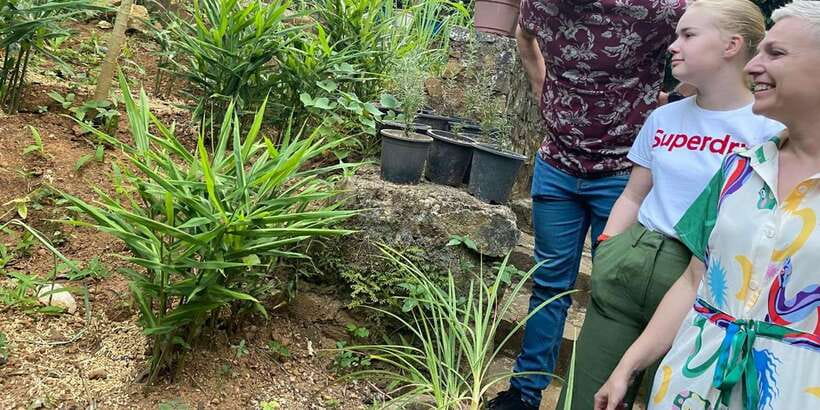
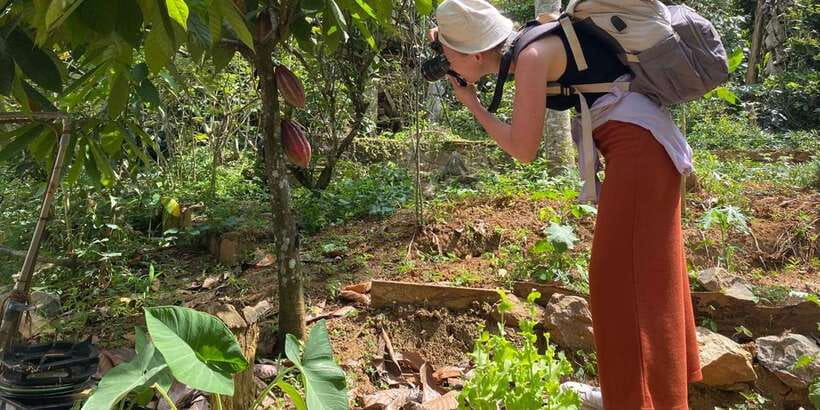
The first hour is a guided walk through the family-run garden. It covers about 2.5 acres and contains more than 100 plants, so this is not a quick stop beside a few potted herbs. The garden is described as a spice garden, but it also functions as a small food forest, with fruit trees, avocado, cocoa, vanilla, herbs, and plants used in traditional remedies.
The most useful part is seeing spices in their living form. Cinnamon is not simply a brown stick in a supermarket jar. Nutmeg is not just a powder. Vanilla, cocoa, curry leaves, cloves, and garcinia each have a plant behind them, and the guide explains how they are grown and used.
Guides such as Sam, Senaka, and Upulu have received praise for making this section clear and engaging in English. The better guides do not rush through a list of plant names. They explain what each plant does in the kitchen and encourage you to smell, touch, or taste things where appropriate.
That makes the garden walk valuable even if you are not a serious cook. You gain a clearer sense of the work behind everyday ingredients, and you begin to recognize why Sri Lankan dishes have such layered flavor. The garden is also a pleasant change from spending the whole class indoors.
One point to keep in mind is that the garden is large and natural rather than arranged like a formal botanical garden. Paths and conditions may feel rustic. Wear shoes suitable for walking on garden ground, and take care around the hotter part of the day.
From raw coconut to Sri Lankan curry
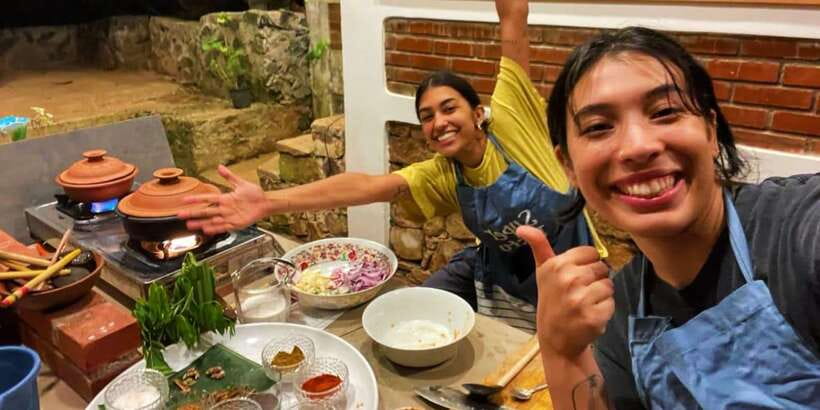
After the garden, the activity moves into a traditional local kitchen. The cooking takes place over a fireplace, which gives the class a more genuine feel than an air-conditioned studio with electric hobs. You see how food is prepared in a setting connected to local household cooking.
The coconut lesson is a highlight. You learn to make fresh coconut milk by hand instead of relying only on a can or carton. That small step explains a great deal about Sri Lankan cooking. Coconut milk adds body and softness to curries, while freshly prepared coconut is also used in sambol.
The cooking team gives simple instructions and works through the recipes in stages. You may wash vegetables, chop ingredients, prepare spices, stir a curry, taste for seasoning, and help with the final dishes. The exact amount of hands-on cooking can vary with group size and timing.
That last point deserves honesty. Some people take part in nearly every stage, while others find they do more preparation and observing than actual cooking. The class is interactive, but it is not necessarily a private lesson where you personally make every dish from beginning to end.
For most people, that shared format is part of the fun. You cook with people from different countries, compare spice preferences, and sit down together at the end. If you want a highly technical chef’s course with your own workstation, this may feel too informal. If you want to learn local food in a warm, social setting, it fits well.
The menu: rice, seven curries, and plenty of sides
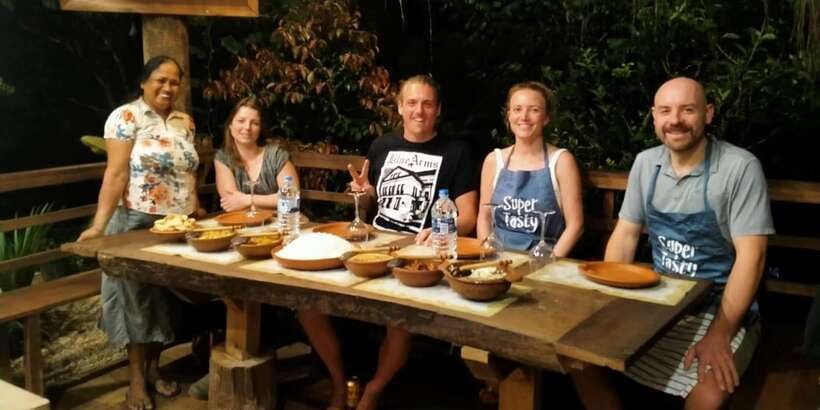
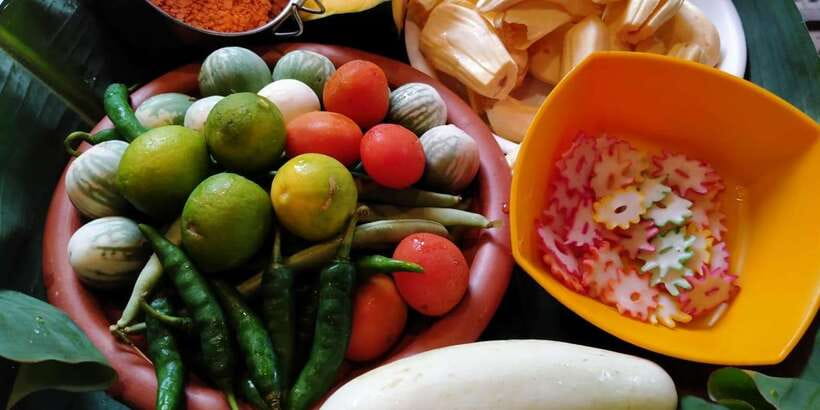
The advertised menu includes white rice, pumpkin or dhal curry, potato milk curry, mushroom curry, green bean curry, chicken curry, coconut sambol, crispy banana chips, and papadam. Some groups prepare around five curries, while others make seven or even eight dishes, depending on the session and group needs.
The menu gives you a good sample of Sri Lankan cooking because the dishes do not all taste alike. Potato milk curry is mild and creamy. Dhal offers a soft, comforting base. Mushroom curry brings a deeper savory note, while green beans add freshness and texture.
Chicken curry is included for people who eat meat, but vegetarian and vegan arrangements are available. One vegetarian participant had the chicken dish replaced with an omelette. The class can also adjust the level of chili, which is useful if you enjoy spice but do not want to spend the meal searching for water.
Coconut sambol is often one of the most memorable parts. You see how fresh coconut, chili, and other ingredients become a sharp, lively side dish. Banana chips are another crowd favorite, especially because they are made fresh rather than taken from a packet.
Papadam adds crunch, and rice brings the curries together. The final meal is served on banana leaves, a simple touch that makes the meal feel connected to the cooking tradition rather than like a standard restaurant dinner.
Portions are generous. You should not arrive expecting a small tasting menu. The cooking produces a substantial meal, and some people describe it as one of their best meals in Sri Lanka. That is partly about flavor, but it is also about knowing how much work went into every bowl.
Same place, a different thing to cook:
- Kandy Village Cooking Class
★ 5.0 · 536 reviews - Sea waves sri lankan cooking class
★ 5.0 · 467 reviews - Ella: Sri Lankan Cooking Class with Neranji at Homestay
★ 5.0 · 276 reviews - Cook with Wasantha
★ 5.0 · 248 reviews
The people make the class feel personal
The staff are a major part of the experience. Names that appear in the running of the garden and class include Sam, Senaka, Upulu, Nalini, and Lahiru. Roles may vary, but the pattern is clear: one person often leads the garden walk, another teaches the cooking, and an assistant keeps the kitchen moving.
Nalini is praised for patient, step-by-step teaching. Senaka is associated with both the garden and cooking instruction, while Sam is known for explaining the plants and sharing his enthusiasm for the garden. Lahiru has been especially helpful with clearing and keeping the cooking area organized.
That teamwork matters during a menu with many dishes. Someone needs to keep track of the rice, curries, banana chips, sambol, and papadam while the group is chopping and asking questions. The support allows you to concentrate on learning rather than worrying about whether the kitchen is falling behind.
The atmosphere is friendly and informal. It can feel more like cooking with a local family than attending a formal culinary school. That is a strength for most people, though the instruction may not follow a strict written lesson plan.
What you actually take home
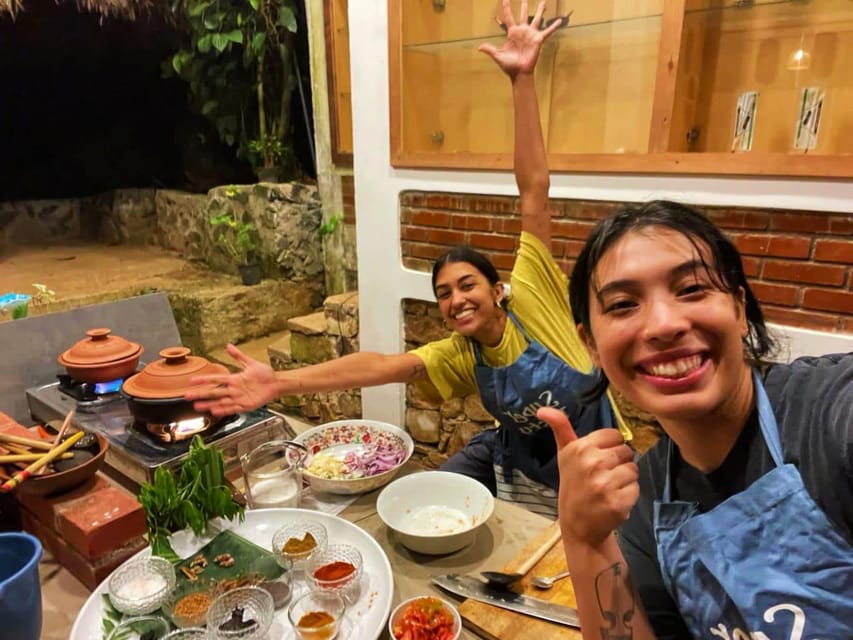
The best souvenir is not only the spice packet you may buy afterward. You also leave with a recipe book PDF, giving you a chance to recreate the meal at home. That matters because Sri Lankan food can seem difficult until you understand the order of operations.
You learn how spices are introduced, how coconut milk changes a curry, how vegetables are treated differently, and how several side dishes balance the main meal. Even if you cannot find every ingredient at home, the basic methods remain useful.
The spice showroom is another practical stop. You can buy spices from the garden, and some people have found ingredients such as vanilla there after looking elsewhere in Sri Lanka. Buying something is optional, but it gives you a way to extend the experience beyond one dinner.
Free Starlink Wi-Fi is also available at the property. It is not the reason to book the class, but it can be handy if you need to message your accommodation or arrange onward plans.
Timing, transport, and small practical details
The total duration is four hours. The garden takes about one hour, with roughly three hours for the cooking class and meal. Check the available start times carefully because an evening session may finish after sunset.
If your class overlaps with sunset, bring mosquito spray. This is the most useful practical tip from the experience itself. You should also wear clothes you do not mind cooking in and shoes that work for a garden walk.
Pickup can be arranged from your accommodation or another location for a reasonable additional price. This is worth considering because the property may feel remote, and arranging a ride after a late cooking session can be inconvenient. One participant was particularly relieved to have a comfortable transfer arranged after the class.
The activity is conducted in English. You should be comfortable following spoken instructions in English, though the cooking is visual and practical as well. The group limit is eight, and the booking terms allow cancellation up to 24 hours before the activity for a full refund. You can also reserve now and pay later, which helps if your Ella schedule is still changing.
Who will enjoy this most
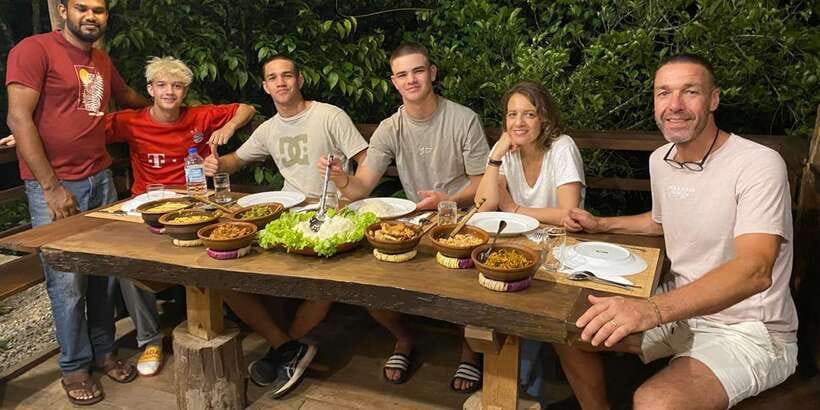
I would recommend this experience to anyone who plans food around a trip, not just as fuel between sights. It suits couples, solo visitors, families with older children, and small groups who enjoy meeting other people.
It is especially good for:
- People curious about where spices come from
- Beginner cooks who want clear instruction
- Home cooks looking for recipes they can repeat
- Vegetarians and vegans
- Anyone who wants a substantial meal rather than a short demonstration
- Visitors who prefer family-run activities to polished tourist venues
It may be less suitable if you want a quiet, private meal, dislike group cooking, or expect every participant to prepare every dish independently. It is also not the best choice if you want to avoid outdoor walking or cannot manage a rustic kitchen setting.
Should you book the Ella spice garden cooking class?
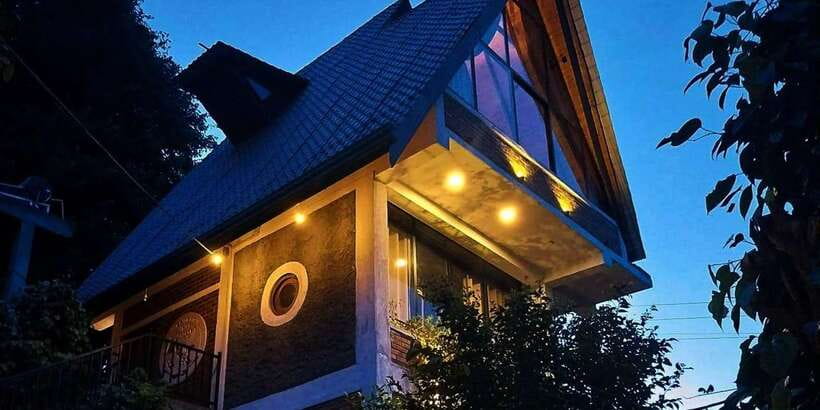
Yes, I would book it if you want one of Ella’s more useful food experiences. The garden adds real value, the class gives you more than a demonstration, and the final meal is large enough to count as dinner.
The strongest reasons are the plant-by-plant garden tour, the fresh coconut milk lesson, the traditional fireplace, and the friendly small-group setting. At $32, four hours with food, instruction, refreshments, recipes, and garden access is a fair deal.
Just set the right expectation. You are joining a shared local cooking session, not hiring a private chef for the afternoon. Bring mosquito spray, ask about pickup if your session ends late, and tell the team in advance about vegetarian, vegan, or spice-level needs. If that sounds like your kind of evening, this is an easy recommendation.
FAQ
How long does the Ella spice garden and cooking class last?
The experience lasts four hours. About one hour is spent touring the spice garden, followed by roughly three hours of cooking and eating.
How much does the experience cost?
The listed price is $32 per person.
What language is the class conducted in?
The garden tour and cooking class are conducted in English.
What food will I cook?
The planned dishes include white rice, pumpkin or dhal curry, potato milk curry, mushroom curry, green bean curry, chicken curry, coconut sambol, crispy banana chips, and papadam. The exact number of curries can vary by session.
Can vegetarians and vegans join?
Yes. Vegetarian and vegan dishes can be arranged if needed. Meat dishes can be replaced with another option, depending on the group’s requirements.
Is pickup available?
Yes. Pickup can be arranged from your accommodation or another location for a reasonable price.
Just added around Sri Lanka
- cooking lesson★ 5.0 · 7 reviews
- Hands-On Cooking Class in Anuradhapura-Cook Like a Local★ 5.0 · 2 reviews
- Sri Lankan Cookery with Nilu★ 5.0 · 34 reviews
- Sri Lanka: Cooking Class★ 4.4 · 6 reviews
- Cooking Experience from Ella★ 4.9 · 2 reviews
- Sri Lankan Cooking Class in Bentota★ 5.0 · 2 reviews
- Private cooking class – Personalized classic menu★ 5.0 · 5 reviews
- Nilaveli: Sri Lankan Cooking Class with a Local Family★ 5.0 · 16 reviews
Cooking Classes, compared.
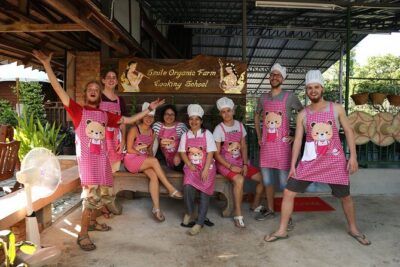
Half-Day Thai Cooking Class at Organic Farm in Chiang Mai
Read our review →
3 in 1 Cooking Class near Navona: Fettuccine, Ravioli & Tiramisu
Read our review →
Pasta & Tiramisu Cooking Class with Unlimited Wine
Read our review →
Hanoi Cooking Class: Culture, Local Market & Meaning CSR Impact
Read our review →
5 Traditional Dishes Hanoi Cooking Class with Market Trip
Read our review →
Cooking Class and Lunch at a Tuscan Farmhouse with Local Market Tour from Florence
Read our review →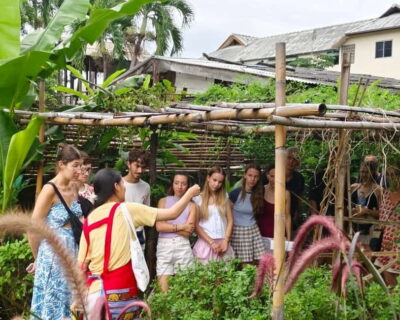
Cooking Class, Market & Thai Herbs Garden Tour
Read our review →Lists this class appears in