
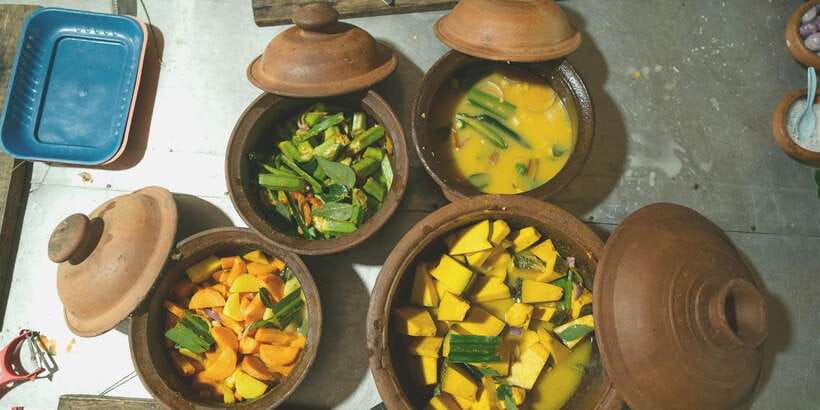
REVIEW · CENTRAL PROVINCE, SRI LANKA, SRI LANKA
Cooking Class: Sajee’s Place Cooking Class sigiriya
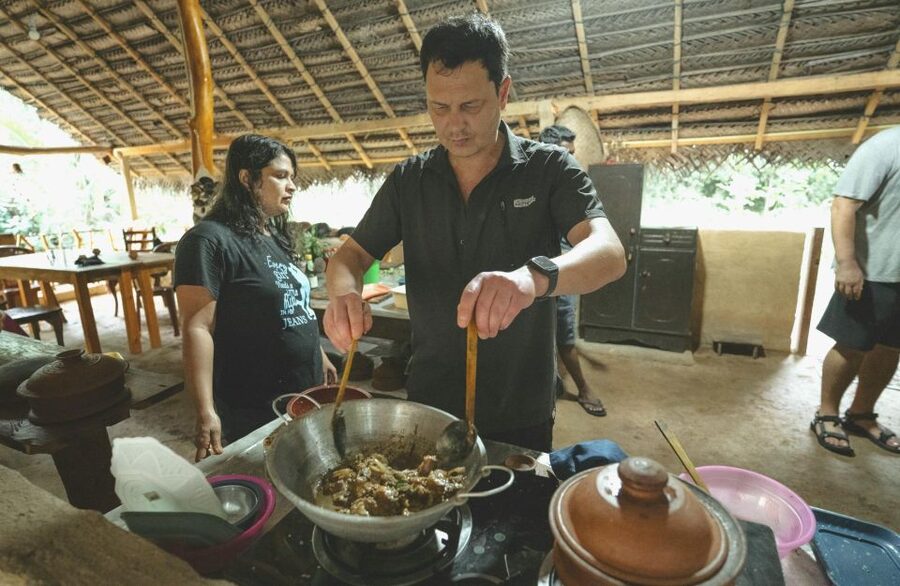
Come hungry, leave with recipes. Sajee’s Place Cooking Class near Sigiriya gives you a hands-on lesson in Sri Lankan rice and curry, led by Sajee and his wife, Suzy. I like the friendly husband-and-wife teaching team, and I like that you help prepare the food instead of simply watching a demonstration.
The class also offers unusually good value at $36 per person for three hours, especially since you cook several dishes and sit down to eat them afterward. My one caution is simple: this is a spice-focused meal with many dishes, so if you prefer a short, quiet demonstration, the active format may feel busy.
What makes this class worth your time
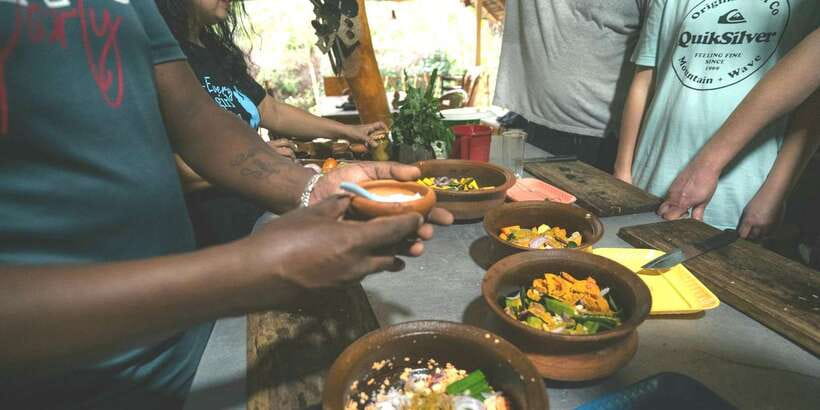
- You cook a full Sri Lankan meal: Expect rice, dhal curry, chicken or fish curry, three vegetable curries, a stir-fried or tempered dish, coconut sambol, and papadams.
- Sajee and Suzy teach together: Sajee explains the ingredients, spices, and cooking methods, while Suzy helps guide the preparation.
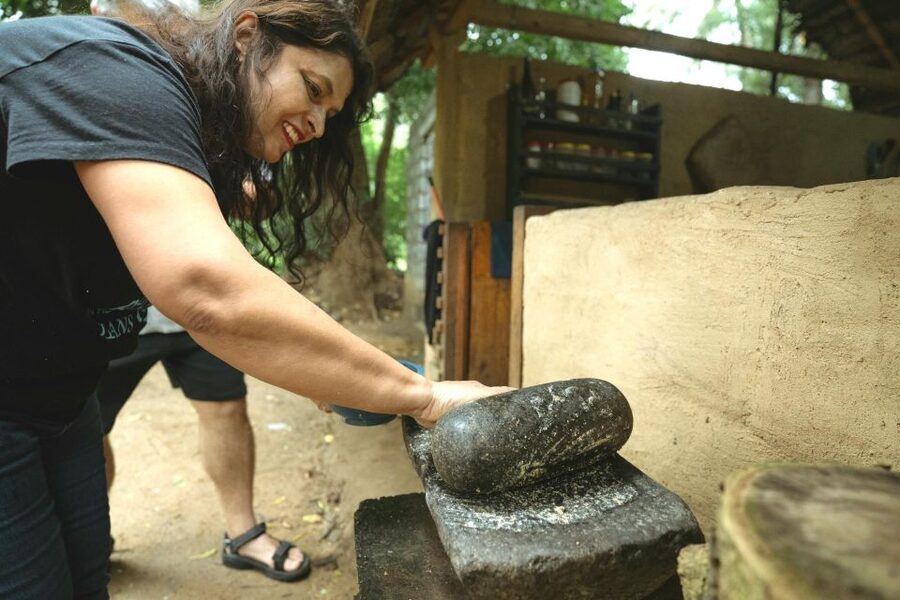
- Fresh coconut plays a starring role: You may grate coconut for sambol, one of the most memorable parts of the meal.
- The recipes are useful at home: PDF recipes and spice notes are sent after class, so the lesson does not end at the dining table.
- Spice levels can be adjusted: The seasoning can be adapted to your preference, and the recipes can be changed for vegetables, meat, or fish available at home.
- The group stays small: With a maximum of 10 participants, you should have a chance to cook, ask questions, and receive personal help.
Meeting Sajee and Suzy near Sigiriya
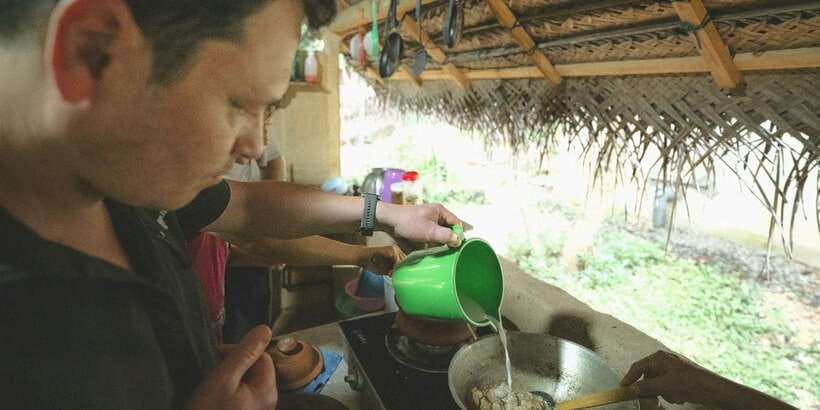
The class takes place near Sigiriya in Sri Lanka’s Central Province. It is built around a warm welcome from Sajee and Suzy rather than a formal culinary school routine. That distinction matters. You are not only learning a list of recipes. You are also hearing how ingredients fit into daily Sri Lankan cooking and how a meal comes together at home.
Sajee leads much of the explanation, covering herbs, spices, vegetables, and the difference between seasoning used in a curry and seasoning used in other dishes. Suzy works alongside him and helps keep the cooking moving. The pair are repeatedly praised for patience and clear instruction, which is useful if you have little or no cooking experience.
The class is in English. It is also wheelchair accessible, according to the activity information. Since the class can include up to 10 people, the atmosphere should remain more personal than a large demonstration, though the experience may feel less private on a busy day.
One small point is worth noting. The provided information does not include hotel pickup, so you should confirm the exact meeting arrangement with Sajee’s Place before booking. Direct contact by WhatsApp or phone is available through the cooking class.
A few more cooking classes around Sri Lanka worth a look
- Ella: Traditional Sri Lankan Cooking Class
★ 4.9 · 788 reviews - Organic cooking class sigiriya (kumara & family)
★ 5.0 · 650 reviews - Sri Lanka Cooking Class with Granny
★ 5.0 · 587 reviews
Starting with spices, vegetables, and coconut
The first part of the class focuses on ingredients. Sajee explains the spices and plants used in Sri Lankan food, along with ways to adjust the recipes for ingredients you can find outside Sri Lanka.
This is one of the class’s strongest features. Sri Lankan cooking can look mysterious when you first meet a menu filled with unfamiliar curries, sambols, mallun, and tempered dishes. Learning the purpose of each ingredient gives you a practical key to ordering food during the rest of your trip.
You may work with ingredients such as lentils, vegetables, coconut, chicken or fish, rice, and local spices. The exact vegetable selection changes with the season, so the menu is not rigid. That is good news for cooks who want to learn a method rather than memorize one fixed plate.
The class also makes room for substitutions. Sajee explains how to adapt a curry for different vegetables, meat, or fish. At home, you may not find every Sri Lankan ingredient, but you can still use the same basic approach and seasoning balance.
Freshly grated coconut is a particularly nice touch. Preparing coconut sambol from fresh coconut gives you a better sense of its texture and flavor than simply opening a packaged ingredient. It is also a good reminder that the meal is being built from basic components, not assembled from prepared sauces.
Cooking seven or more dishes together
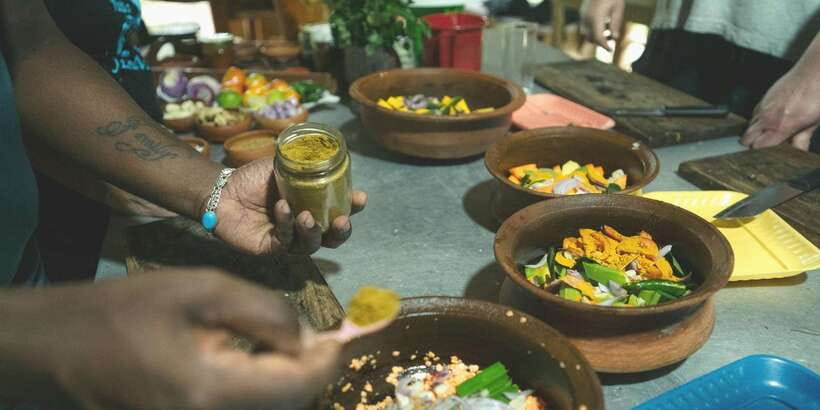
The heart of the experience is hands-on preparation. You do not simply watch Sajee cook a curry while standing safely out of the way. Everyone contributes, and the class moves through several dishes as a shared kitchen project.
The standard meal includes:
- Rice and papadams
- Dhal, or lentil curry
- Chicken curry or fish curry
- Three seasonal vegetable curries
- One stir-fried or tempered dish
- Coconut sambol
The number of finished dishes can vary in descriptions from six or seven to eight or even ten, depending on the vegetables and the day’s menu. The reliable expectation is a broad spread of rice, curry, vegetables, dhal, sambol, and one meat or fish dish.
That variety is important. Sri Lankan rice and curry is not one curry spooned over rice. It is a combination of contrasting flavors and textures. You learn how lentils, vegetables, coconut, spices, and tempered ingredients work together on the same plate.
Sajee explains each step in detail and gives you time to try the techniques yourself. The class is suitable for beginners, but experienced home cooks should still find useful ideas in the spice combinations and vegetable methods.
I especially like the way the class treats flexibility as part of the lesson. You are shown how to alter ingredients and spice levels instead of being told there is only one correct version. That makes the recipes more realistic for cooking in Britain, Australia, Europe, North America, or anywhere else with a different market.
The final meal is part of the lesson
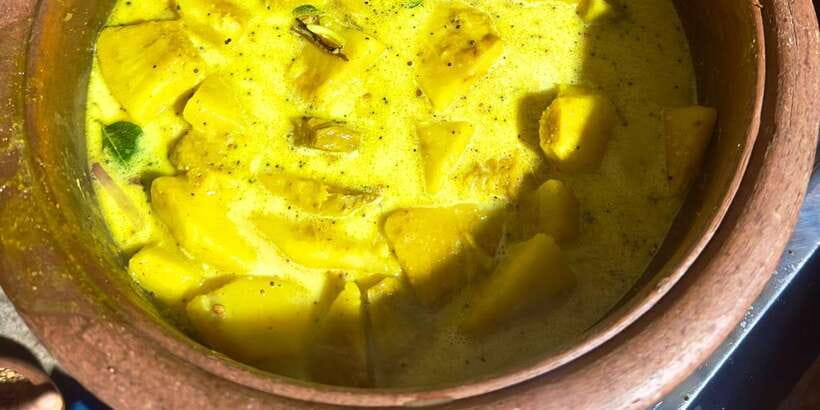
Once the cooking is finished, you sit down and eat what the group prepared. This is not just a reward for surviving the chopping and stirring. Eating the complete meal helps you understand how the individual dishes relate to one another.
The meal is usually generous. Several people describe leaving very full after tasting the complete spread, and that is easy to understand when one class produces multiple curries, rice, sambol, and papadams.
The final meal also turns the class into a social experience. Sajee and Suzy cook with the group, answer questions, and talk about Sri Lankan food and culture. The setting has been described as a pleasant open garden house surrounded by trees, though you should treat the exact surroundings as dependent on the day and location arrangement.
The food is expected to be strongly seasoned, but spice tolerance is adjusted as needed. Tell Sajee what you can handle before cooking begins. Sri Lankan spice is not only about heat, and the class can help you understand the difference between chile heat and the wider mix of roasted, aromatic, sour, and coconut flavors.
One modest limitation is that there is no stated welcome drink or special beverage service. One person specifically noted missing a welcome drink. This is a cooking lesson with food and unlimited bottled water, not a full drinks-focused dining event.
Same place, a different thing to cook:
- Kandy Village Cooking Class
★ 5.0 · 536 reviews - Sea waves sri lankan cooking class
★ 5.0 · 467 reviews - Ella: Sri Lankan Cooking Class with Neranji at Homestay
★ 5.0 · 276 reviews - Cook with Wasantha
★ 5.0 · 248 reviews
Why the recipe PDFs matter
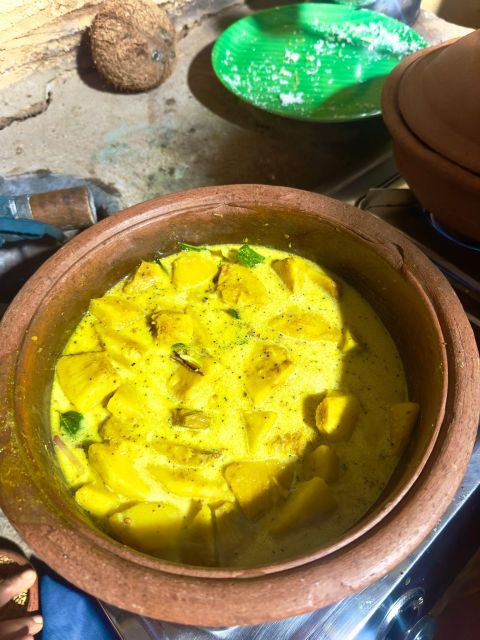
Many cooking classes are enjoyable for three hours and then fade into a pleasant memory. Sajee’s Place makes it easier to repeat the meal at home by sending PDF recipes and spice information after the class.
That follow-up is a real part of the value. You can forget the exact order of adding ingredients, the amount of liquid for dhal, or the timing for a vegetable curry. Written recipes give you something to consult when you try again.
The instructions also appear designed for adaptation. You are taught how to switch vegetables and adjust recipes for different types of meat or fish. This is more helpful than receiving a rigid recipe that depends on ingredients you can only find in Sri Lanka.
Before leaving, make a quick note of the dishes you liked best. With several curries served at once, it is easy to remember the general meal but forget which spice combination went into which vegetable. The PDF should help, but your own notes about preferred heat and substitutions will make the recipes more useful.
Price, pace, and practical value
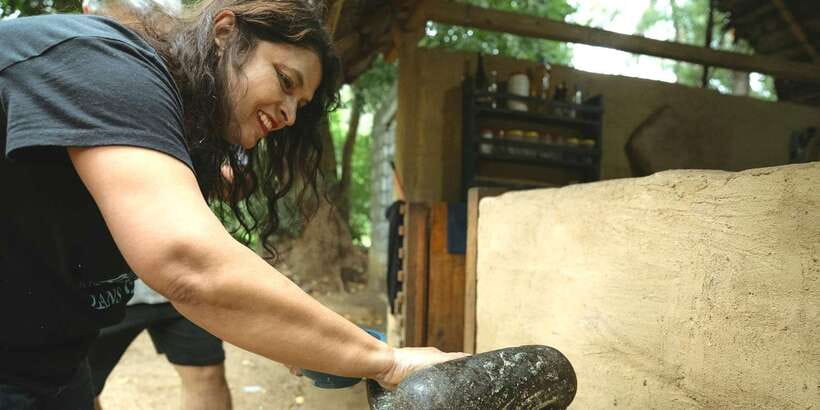
At $36 per person, the class offers strong value for a three-hour activity. You are paying for instruction, ingredients, the cooking session, a substantial meal, and free unlimited bottled water. You also receive recipes that can be used later.
The price makes more sense when you compare it with the cost of ordering a similar number of dishes in a restaurant, though the main benefit is not simply the amount of food. You are paying for personal guidance from two local cooks and for the chance to understand how the meal is made.
The three-hour duration gives the lesson enough room to explain ingredients, cook several dishes, and eat without racing. Still, this is not a quick activity to squeeze into a narrow gap between sightseeing stops. Check available starting times and allow time afterward rather than planning a tight connection.
The class can be booked with free cancellation up to 24 hours before the activity for a full refund. A reserve-now, pay-later option is also offered, which helps if your Sigiriya plans are still shifting.
Who will enjoy this class most
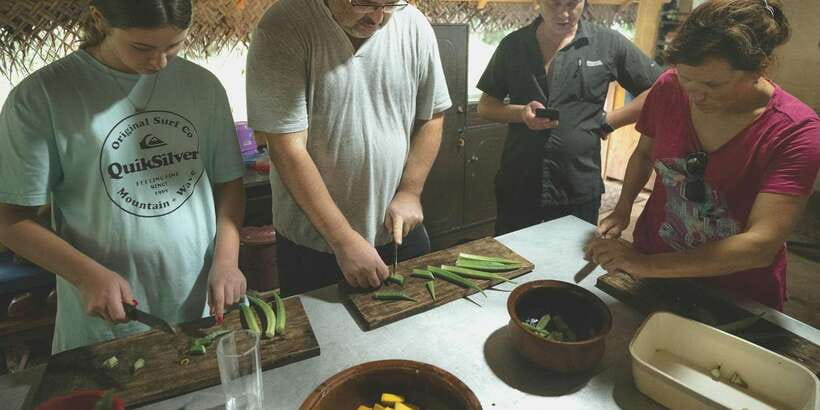
I would recommend Sajee’s Place to anyone who wants more than a restaurant meal in Sigiriya. It suits first-time cooks because Sajee and Suzy explain each stage patiently and allow you to take part at your own level.
It is also a good choice for people who already cook. The lessons on spice balance, substitutions, and vegetable preparation can be more useful than a basic recipe demonstration.
Families with older children and teenagers may enjoy it too. The activity involves enough movement and variety to keep the session active, and the meal gives everyone a clear payoff at the end. Very young children may find three hours of detailed preparation less appealing, but no specific age guidance is provided.
Vegetarians should ask about the day’s menu before booking. The listed class includes chicken curry or fish curry, but the class also prepares several vegetable curries, dhal, sambol, rice, and a stir-fried or tempered dish. The available information does not promise a fully vegetarian menu, so confirm your needs in advance.
This is also a good match for anyone worried about spice. The class can adjust heat, and Sajee explains how the recipes change with different ingredients. You still should not expect bland food, but you can communicate your preference.
A few things to know before you book
The class is described as private, but the activity information also gives a small-group limit of 10 people. I would treat it as an intimate, hands-on class rather than assume you will have the kitchen entirely to yourself.
Bring questions. Sajee is happy to explain ingredients, cooking methods, and how to recreate dishes in your own country. You will get more from the class if you ask about substitutions and write down the techniques that appeal to you.
Wear something comfortable for a kitchen session. The supplied details do not specify a dress code, but you will be preparing food for several hours, so practical clothing makes sense.
Also, do not plan this as a light snack. The meal can be substantial, with several curries served together. A lighter breakfast or lunch may be sensible if your class is scheduled near mealtime.
Should you book Sajee’s Place Cooking Class?
Yes, if you want a friendly, practical introduction to Sri Lankan food near Sigiriya. The strongest reasons are the personal teaching from Sajee and Suzy, the amount of food prepared, the chance to cook every part of the meal, and the recipe PDFs that help you continue at home.
I would hesitate only if you want a short demonstration, a polished restaurant-style event, or a drinks-heavy culinary outing. For most people who enjoy food and want a useful cultural activity, $36 for three hours, a full meal, bottled water, and take-home recipes is a very fair deal.
FAQ
How much does Sajee’s Place Cooking Class cost?
The class costs $36 per person.
How long does the cooking class last?
The class lasts three hours. Starting times depend on availability.
What food will I cook?
The class includes rice, papadams, dhal curry, chicken curry or fish curry, three seasonal vegetable curries, one stir-fried or tempered dish, and coconut sambol.
Is the class taught in English?
Yes. English is the listed language for the instructor and activity.
How many people can join the class?
The activity is limited to 10 participants.
Is the cooking class wheelchair accessible?
Yes. The activity information lists it as wheelchair accessible.
Do I receive the recipes after the class?
Yes. Sajee sends PDF recipes and spice information after the class so you can recreate the dishes at home.
Can I cancel and receive a refund?
You can cancel up to 24 hours in advance for a full refund. A reserve-now, pay-later option is also available.
Just added around Sri Lanka
- cooking lesson★ 5.0 · 7 reviews
- Hands-On Cooking Class in Anuradhapura-Cook Like a Local★ 5.0 · 2 reviews
- Sri Lankan Cookery with Nilu★ 5.0 · 34 reviews
- Sri Lanka: Cooking Class★ 4.4 · 6 reviews
- Cooking Experience from Ella★ 4.9 · 2 reviews
- Sri Lankan Cooking Class in Bentota★ 5.0 · 2 reviews
- Private cooking class – Personalized classic menu★ 5.0 · 5 reviews
- Nilaveli: Sri Lankan Cooking Class with a Local Family★ 5.0 · 16 reviews
Cooking Classes, compared.

Half-Day Thai Cooking Class at Organic Farm in Chiang Mai
Read our review →

3 in 1 Cooking Class near Navona: Fettuccine, Ravioli & Tiramisu
Read our review →
Pasta & Tiramisu Cooking Class with Unlimited Wine
Read our review →
Hanoi Cooking Class: Culture, Local Market & Meaning CSR Impact
Read our review →
5 Traditional Dishes Hanoi Cooking Class with Market Trip
Read our review →
Cooking Class and Lunch at a Tuscan Farmhouse with Local Market Tour from Florence
Read our review →
Cooking Class, Market & Thai Herbs Garden Tour
Read our review →Lists this class appears in