
REVIEW · BEPPU, JAPAN
Cooking Class: Make a Local Delicacy in a Japanese House
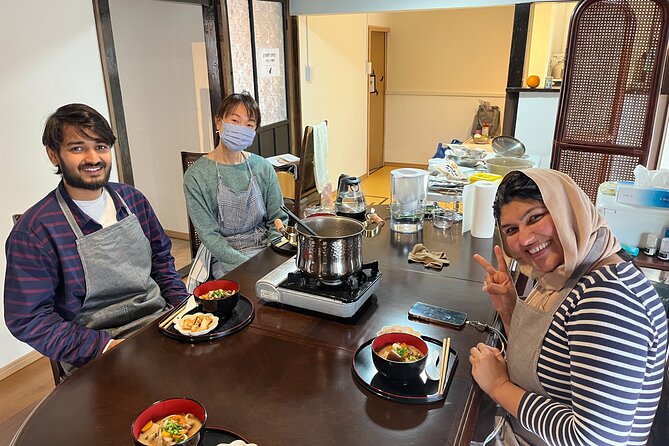
A warm bowl begins with hand-stretched dough. In Beppu, this private class lets you make dangojiru, a hearty Oita soup, inside a century-old Japanese house. I like the old-home setting and the simple, hands-on cooking, which gives you more than a meal. You also get a close look at a local dish that is rarely found on standard restaurant menus.
The session is private, lasts about 90 minutes, and includes every ingredient and an apron. I also like that an English-speaking interpreter can join at no extra cost if you request one. The main limitation is time: you get a focused introduction and meal, not a long market tour or full-day food program. If you want ramen or onigiri instead, you must ask when booking.
Key points to know before booking
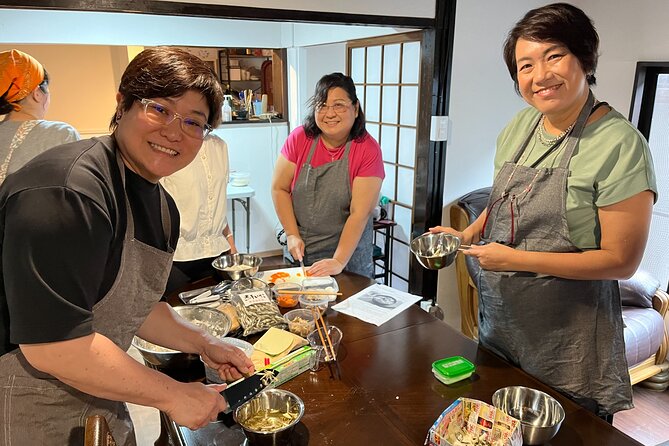
- Dangojiru is made by hand: You knead, rest, stretch, and shape the wheat or rice dough before adding it to the soup.
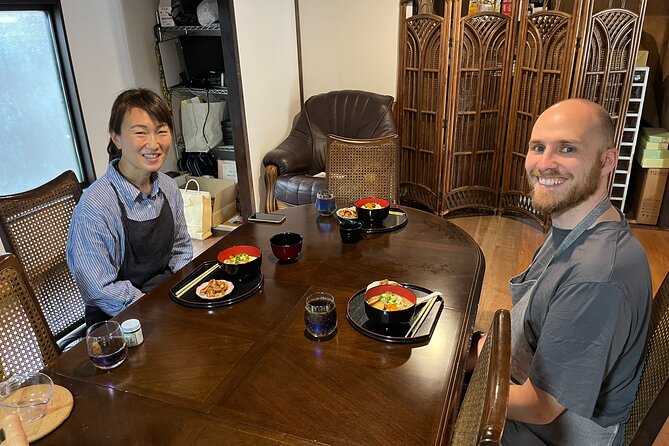
- The class takes place in a century-old Japanese house: The setting gives this short lesson a strong sense of place.
- You cook with seasonal local vegetables: Taro and burdock are among the ingredients used in the broth.
- You can choose another Japanese staple: Ramen noodles or onigiri with miso soup are available if requested at booking.
- The experience is private: Only your own group takes part, which allows the teacher to adjust the pace.
- Yuzukosho finishes the meal: This local yuzu pepper seasoning adds a sharp, citrusy kick to the soup.
Inside Space Beppu, a century-old cooking setting
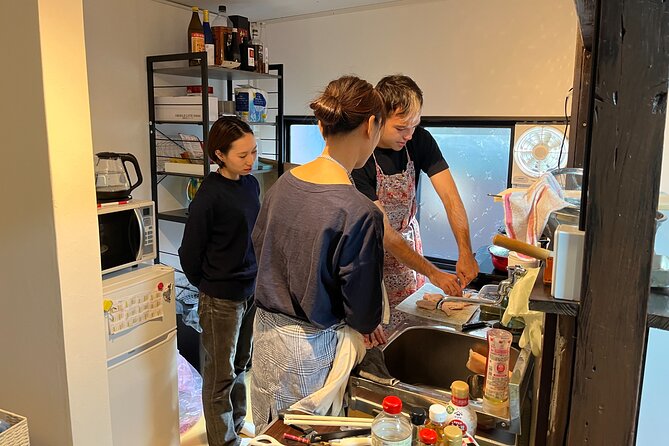
The class begins at Space Beppu in Chiyomachi, Beppu. The address is 12番9号, Chiyomachi, Beppu, Oita 874-0942. The meeting point is also where the activity ends, and it is near public transportation.
The house is a major part of the appeal. A cooking lesson in a modern studio can teach you a recipe, but an old Japanese home gives the food a stronger connection to daily life. Here, the setting helps you understand that dangojiru is not just a restaurant dish. It is a practical, filling local meal built from dough, vegetables, and a savory broth.
The house is also home to a small local crafts area, which adds another layer to the visit. You may find that the crafts and the cooking work well together, since both offer a look at regional life through ordinary objects and food rather than big attractions.
Because this is a private activity, you do not need to keep pace with a large class. That matters if you want to ask questions, need an interpreter, or prefer a relaxed lesson. It also makes the experience a good fit for families, couples, and small groups with different levels of cooking confidence.
More Sushi and Japanese Classes in Japan:
- Ramen Cooking Class at Ramen Factory in Kyoto
★ 5.0 · 1,937 reviews - Ramen & Gyoza Cooking Class in Tokyo with Local Supermarket Visit
★ 5.0 · 823 reviews - Kyoto: Ramen Cooking Class at a Ramen Factory with Souvenir
★ 4.9 · 532 reviews
What dangojiru tells you about Oita food
Dangojiru is a traditional delicacy from Oita Prefecture. The name refers to the dough pieces or noodles used in the soup. The dough can be made with wheat or rice flour, mixed with water, left to rest, then stretched and shaped by hand.
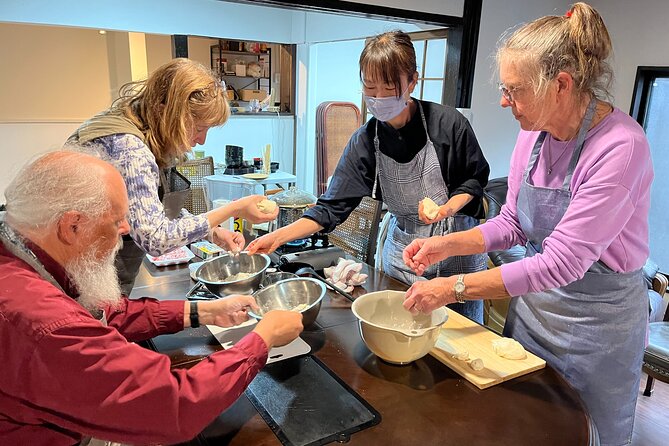
That process is the heart of the class. You are not simply watching someone prepare the soup. You get to feel how the dough changes as it is kneaded and handled, then see how hand-shaped pieces become part of the finished dish.
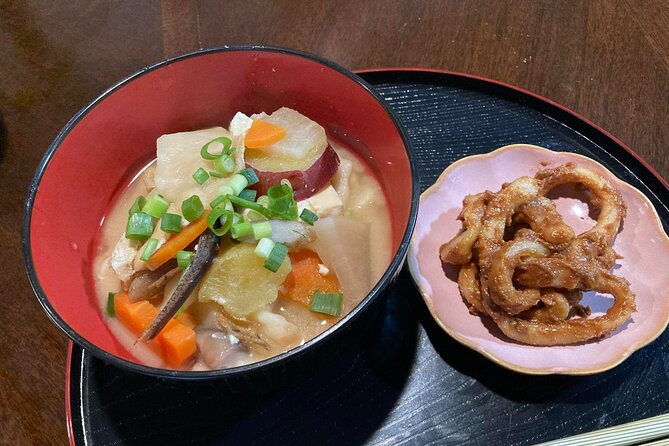
The soup is built around local, seasonal vegetables. Taro and burdock are specifically part of the cooking experience, giving the dish substance and a range of textures. The broth is seasoned with either miso or soy sauce, so the result is savory and comforting rather than fussy.
This is the kind of food that makes sense after a day in Beppu. It is warm, filling, and made from basic ingredients. The appeal lies in the method and the setting as much as the final bowl. If you prefer elaborate presentation or highly polished restaurant cooking, this may feel plain. If you like food with a direct link to home cooking, it should make a strong impression.
The 90-minute lesson, step by step
Your teacher first explains what dangojiru is and why it matters in local food culture. This introduction gives you useful context before you begin handling the ingredients. You learn what makes the dish different from ordinary noodle soup and how it fits into Oita’s food traditions.
Next, you receive an apron and start cooking under the teacher’s guidance. All ingredients are provided, so you do not need to shop or bring supplies. The teacher leads you through the process rather than leaving you to guess at the right texture or shape.
The dough needs time to rest, and that pause is part of the method. You then stretch and shape it by hand before adding it to the broth. This is where the class becomes more memorable than a simple demonstration. Your finished noodles may not look perfectly uniform, but that is part of the point. Dangojiru is handmade food.
The vegetable preparation and broth bring the dish together. You work with ingredients such as taro and burdock, then season the soup with miso or soy sauce. The recipe is straightforward, but the teacher’s explanations help you understand why each step matters.
When the food is ready, you sit down and eat what you made. Yuzukosho, a local seasoning made with yuzu and pepper, is available to add at the end. Use it carefully if you are not used to spicy condiments. Its citrus flavor can brighten the soup, while the pepper gives it a clean, sharp heat.
The class lasts about one hour and 30 minutes. That is enough time to cook and eat without taking up your whole day in Beppu. At the same time, the schedule leaves little room for a long side trip or a broad lesson in Japanese cuisine. Think of it as a focused local food experience.
The teacher and the personal touch
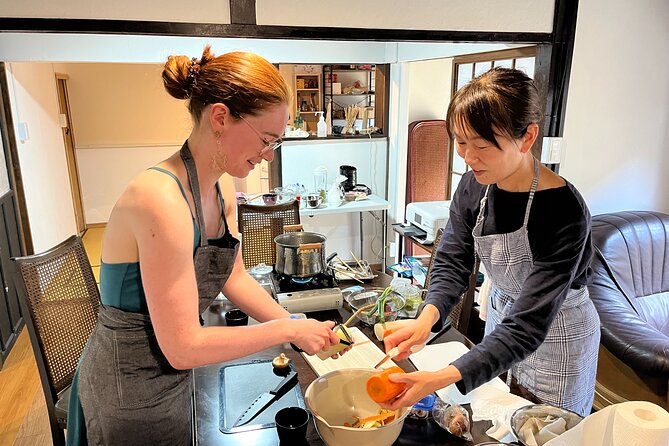
The experience is led by a local teacher, with English interpretation available on request at no additional fee. Ask for the interpreter when you book, rather than assuming that English support will appear automatically on the day.
The hosts connected with the class include Masa, Mari, and Aya. The specific people you meet may depend on the session, but the available feedback points to warm, good-humored hosting. One account describes Masa adjusting the plan after learning that the original market visit was not needed, then visiting another market instead. That flexibility suggests a personal approach rather than a rigid script.
Other comments praise Mari and Aya for making the cooking session fun and easy to enjoy. That matters in a class built around conversation. You are not only measuring ingredients and shaping dough. You are meeting people who can explain how the dish fits into life in Beppu.
A private format also helps with questions. You can ask about the vegetables, the seasoning, the house, or other local foods without waiting for a large group to move along. If you have children in your group, the hand-shaped dough may be more engaging than a lesson based only on watching.
A few more cooking classes around Japan worth a look
- Kyoto: Ramen, Gyoza, and Onigiri Cooking Class
★ 5.0 · 445 reviews - Kyoto: Japanese Washoku Bento Small Group Cooking Class
★ 5.0 · 380 reviews - Osaka: Ramen and Gyoza Cooking Class in Dotonbori
★ 5.0 · 378 reviews - Tokyo: Easy Ramen Cooking Experience in Kabukicho, Shinjuku
★ 4.6 · 321 reviews
Ramen and onigiri alternatives
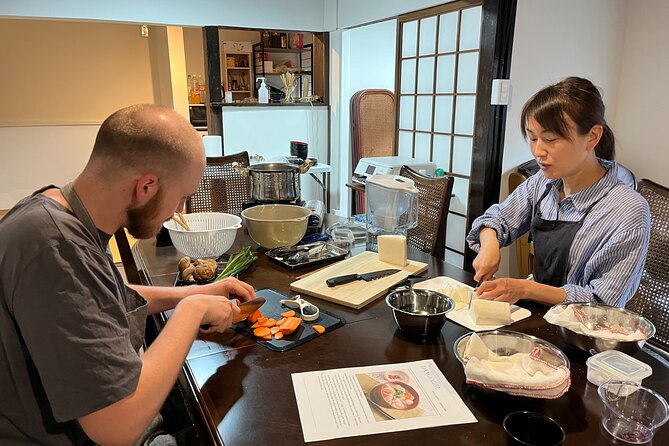
Dangojiru is the main dish, but you can request ramen noodles or onigiri with miso soup instead. You must make that request at the time of booking. It is not presented as a last-minute choice on arrival.
Ramen is a useful alternative if you are especially interested in noodle making but want a more familiar style of noodle. Onigiri with miso soup gives you a different lesson built around rice balls and a classic soup combination. The supplied information does not specify every ingredient or shaping method for these alternatives, so you should ask when booking if you need exact menu details.
I would choose dangojiru if your goal is to try something closely tied to Oita. Choose ramen if noodle making is your main interest. Onigiri with miso soup may suit you best if you want a simpler rice-based meal or a class that feels familiar to Japanese home cooking.
Why the private format affects the value
The price is $61.90 per person. That is more than you might pay for a basic bowl of soup, but this is not simply a meal purchase. The fee covers a private cooking class, instruction, all ingredients, an apron, the meal you prepare, and the setting of a century-old Japanese house.
The value is strongest for people who want conversation and participation. You are paying for access to a local teacher, not just for a recipe card. The private format can also be worthwhile for a small group that wants to cook at its own pace and avoid being folded into a large class.
The value is less clear if you want the cheapest possible introduction to Japanese food. A 90-minute class cannot cover a wide range of dishes, and the main recipe is simple by design. You should book this for the setting, local connection, and hands-on method, not because it offers a large number of courses.
Group discounts are available, which may improve the price for a larger party. The experience is commonly booked well ahead, with an average booking lead time of 59 days. That is a useful warning if your Beppu dates are fixed. Do not leave it until the last few days if this class is important to your plans.
Who will enjoy this Beppu food experience?
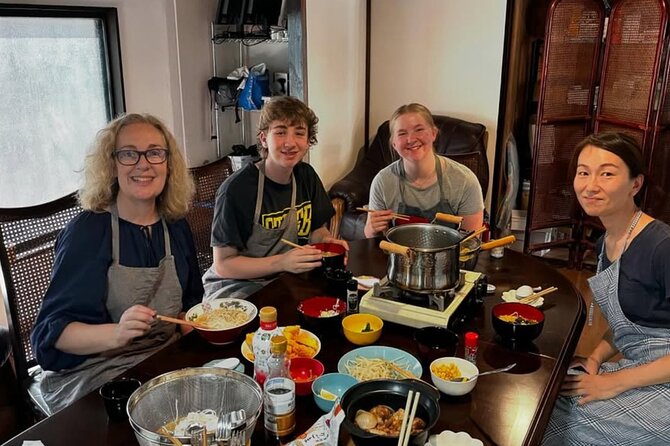
I would recommend the class to you if you enjoy making food with your hands and want a local dish rather than a standard sushi lesson. It also suits anyone who prefers a small, personal activity over a large group tour.
Families may like the dough-making stage, since stretching and shaping it gives younger participants something active to do. Couples and friends can also use the private format for a quieter cultural activity between sightseeing stops.
The class is a good choice for visitors who have already seen Beppu’s main sights and want something tied to everyday life. It offers a change of pace from hot springs and sightseeing, while still fitting into a short travel schedule.
You may want to skip it if you dislike group participation, though the private setup reduces that concern. You might also prefer another activity if you want a market visit, a long culinary lecture, or a broad survey of Japanese cooking. Those features are not central here.
Practical details that matter
Confirmation arrives within 48 hours of booking, subject to availability. Since the class can be booked well in advance, wait for confirmation before treating it as fixed in your schedule.
The meeting point is Space Beppu, and the activity returns there at the end. It is near public transportation, but exact transit directions are not provided in the available details, so check your route before leaving.
Free cancellation is available if you cancel at least 24 hours before the start time. Cancellations or changes made less than 24 hours before the start time are not accepted for a refund. The cut-off follows Beppu local time.
The tour is private, but the supplied information does not state a maximum group size. If you are booking for a larger party, confirm the group arrangements before paying.
Should you book the dangojiru class?
Book it if you want a short, personal look at Beppu food culture, especially if the idea of making hand-shaped noodles in an old Japanese house appeals to you. The best parts are the setting, the local teacher, the private format, and the chance to finish your soup with yuzukosho.
I would be more cautious if your priority is a bargain meal or a long, varied cooking course. For most visitors who value local contact over a packed itinerary, $61.90 is a fair price for the instruction, ingredients, private attention, and meal. Request an English interpreter or an alternative dish when booking, then arrive ready to get your hands into the dough.
FAQ
What food do you make in the class?
The main dish is dangojiru, a traditional Oita soup made with hand-shaped wheat or rice dough, local vegetables, and a broth seasoned with miso or soy sauce.
Can I make ramen instead of dangojiru?
Yes. Ramen noodles are available as an alternative, but you must request this when booking.
Can I make onigiri instead?
Yes. You can request onigiri with miso soup instead of dangojiru. Make the request at the time of booking.
Is an English-speaking interpreter available?
Yes. An English-speaking interpreter is available on request for no additional fee.
How long does the cooking class last?
The experience lasts approximately one hour and 30 minutes.
Where does the class begin and end?
It starts and ends at Space Beppu, at 12番9号, Chiyomachi, Beppu, Oita 874-0942, Japan.
Is this a private class?
Yes. Only your group participates in the activity.
What is included in the class?
All ingredients and an apron are provided. You also receive instruction from a local teacher and eat the food you prepare.
What is the cancellation policy?
You can cancel for a full refund up to 24 hours before the experience starts. Cancellations or changes made less than 24 hours before the start time are not accepted for a refund.
Just added around Japan
- Culinary Home Cooking with Grandmothers – Vegan Friendly★ 5.0 · 5 reviews
- Nagoya Super Market Tour & Home Cooking Class with a Local, Akiko★ 5.0 · 10 reviews
- Tokyo: Sushi Cooking Class with Sake Tasting★ 4.8 · 55 reviews
- Tokyo: Sushi roll and side dish cooking experience★ 5.0 · 2 reviews
- Tokyo: Sushi Making Experience & Japanese Cooking Class★ 5.0 · 2 reviews
- Tokyo: Real Ramen & Dumpling Cooking with Master Chef★ 5.0 · 10 reviews
- Tokyo: Gyoza Making from Scratch – Ultimate Cooking Class★ 5.0 · 2 reviews
- Tokyo: Night Cooking Class: 5 Home-Cooked Japanese Dishes★ 4.9 · 13 reviews
Japanese & Sushi Cooking Classes, compared.
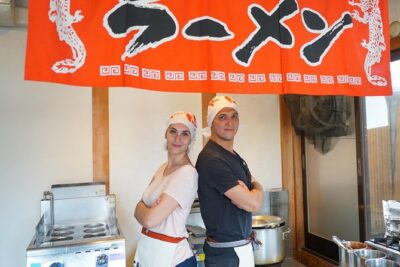
Ramen Cooking Class at Ramen Factory in Kyoto
Read our review →
Ramen & Gyoza Cooking Class in Tokyo with Local Supermarket Visit
Read our review →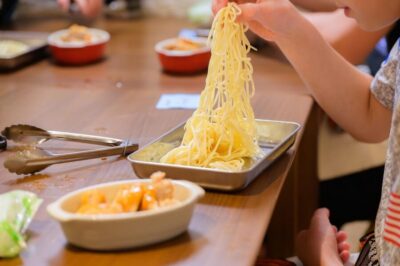
Ramen Cooking Class at a Ramen Factory with Souvenir
Read our review →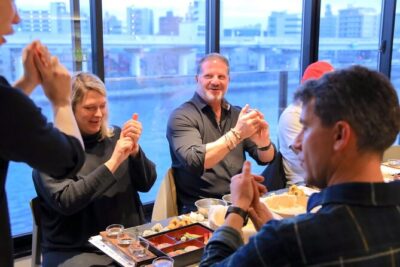
Sushi Making Osaka! Popular Sushi Class in Japan!
Read our review →
Tokyo Tsukiji Fish Market Tour and Sushi Making Lesson
Read our review →
Japanese Washoku Bento Small Group Cooking Class
Read our review →
Lists this class appears in