
REVIEW · HONSHU, JAPAN
Nara: Udon and Tempura Cooking Class with Tasting
Fresh noodles make better memories. This two-hour Nara udon and tempura class takes you from wheat and water to a finished Japanese meal, with professional craftsmen guiding each step. I like the hands-on noodle work, especially the kneading and foot-stomping, and I like that you eat the udon and tempura you prepare. The main consideration is simple: the class uses wheat, so it is not suitable for anyone with a wheat allergy or gluten intolerance.
The small group limit of 10 keeps the lesson personal without making it feel like a private cooking appointment. English, Chinese, and Japanese support helps, and the clear step-by-step format makes this a good pick for families and first-time cooks. I would allow a little flexibility in your schedule, since shaping dough and frying tempura can take more time than expected for beginners.
Key points at a glance
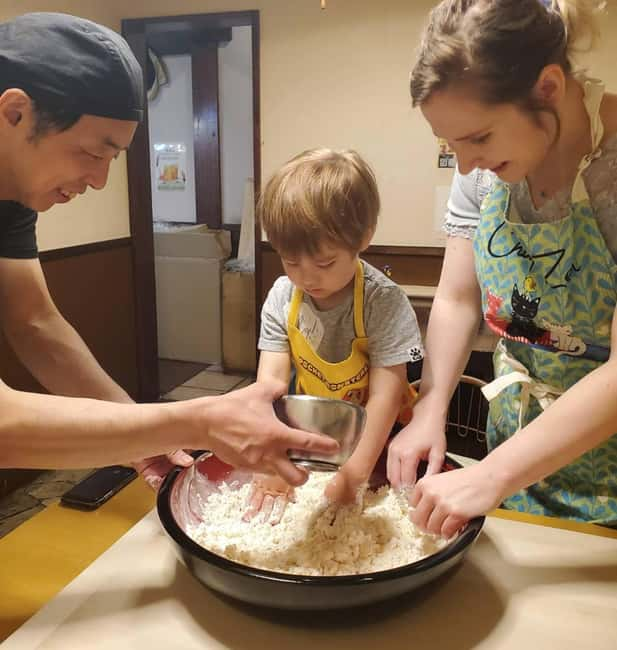
- Start with domestic wheat: Measure flour and water, then mix them into the dough used for your noodles.
- Use your feet for better udon: Stepping on the dough helps develop the firm, springy texture udon is known for.
- Make tempura from scratch: Learn batter mixing and oil-temperature control before frying seasonal vegetables and shrimp.
- Choose your bowl: Have your udon hot or cold, then add options such as hot spring egg, green onion, grated daikon, and tempura batter.
- Eat in the restaurant: Your cooking ends with a real meal, including fragrant kelp and bonito dashi.
- Plan for a small, supported class: The maximum group size is 10, with tools, aprons, and language support provided.
Why this Nara cooking class is worth your time
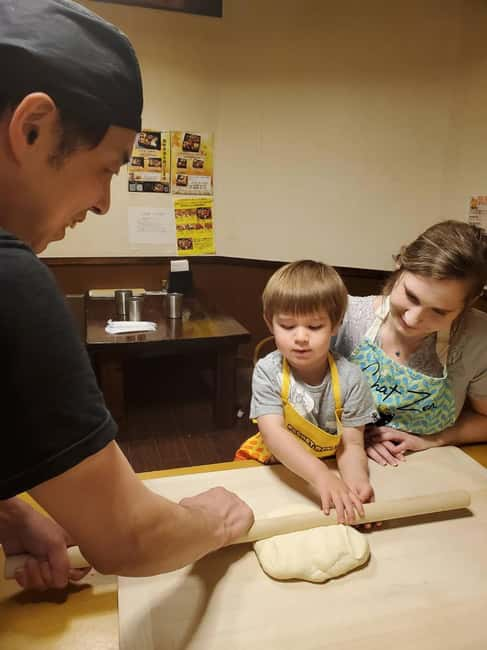
Nara is filled with temples, deer, gardens, and old streets, but food gives you a different way to understand Japan. This class shows how an everyday dish is built from a few careful steps. You do not simply watch a chef toss noodles into a pot. You measure flour, add water, knead the dough, work it with your feet, roll it out, cut it, and prepare the toppings.
That physical work is the charm. Udon dough is sturdy, and it does not always behave politely for a beginner. The stepping stage turns the lesson into something playful, particularly for children, while also serving a real cooking purpose. The dough needs enough elasticity to become smooth, firm noodles rather than a soft lump.
I also like that the lesson includes tempura instead of stopping with noodles. You learn how to make the batter and judge the oil temperature, then cook seasonal vegetables and shrimp. That gives you two useful Japanese cooking skills in one short session.
At $52 per person, the price is fair for a two-hour small-group activity with instruction, ingredients, the meal, an apron, and cooking tools. You are paying for more than lunch, but the value depends on how much you enjoy doing the work. If you want a quick restaurant meal, this is not the efficient choice. If you want a practical food activity that becomes lunch, it makes good sense.
More Sushi and Japanese Classes in Japan:
- Ramen Cooking Class at Ramen Factory in Kyoto
★ 5.0 · 1,937 reviews - Ramen & Gyoza Cooking Class in Tokyo with Local Supermarket Visit
★ 5.0 · 823 reviews - Kyoto: Ramen Cooking Class at a Ramen Factory with Souvenir
★ 4.9 · 532 reviews
From wheat and water to workable dough
The class begins with an explanation and demonstration from the craftsmen. You then measure domestic wheat and water before mixing them. This opening may sound basic, but it lets you see how little is hidden behind a good bowl of udon. The texture begins with the proportions and the way the dough is handled.
Next comes kneading. The dough must become firm and elastic, and you receive careful support as you work. The instructions are designed for beginners, so you do not need previous cooking experience. Still, expect to use your hands and put in some effort.
The most memorable step is likely the traditional foot-stomping. The dough is worked under your feet to help make it elastic. It is a practical technique, but it is also the moment when the class feels least like an ordinary cooking demonstration. Families should find this especially fun, though younger children will need close supervision.
Comfortable clothing matters here. Aprons are provided, but you should wear clothes that allow easy movement and that you do not mind wearing during hands-on food preparation. You can arrive without your own cooking tools.
Rolling and cutting noodles by hand
Once the dough has been kneaded and worked, you stretch it evenly across a rolling board. This is where patience matters. If the dough is uneven, the noodles will not cook at the same rate. The instructor helps you learn how to apply pressure and keep the sheet as even as possible.
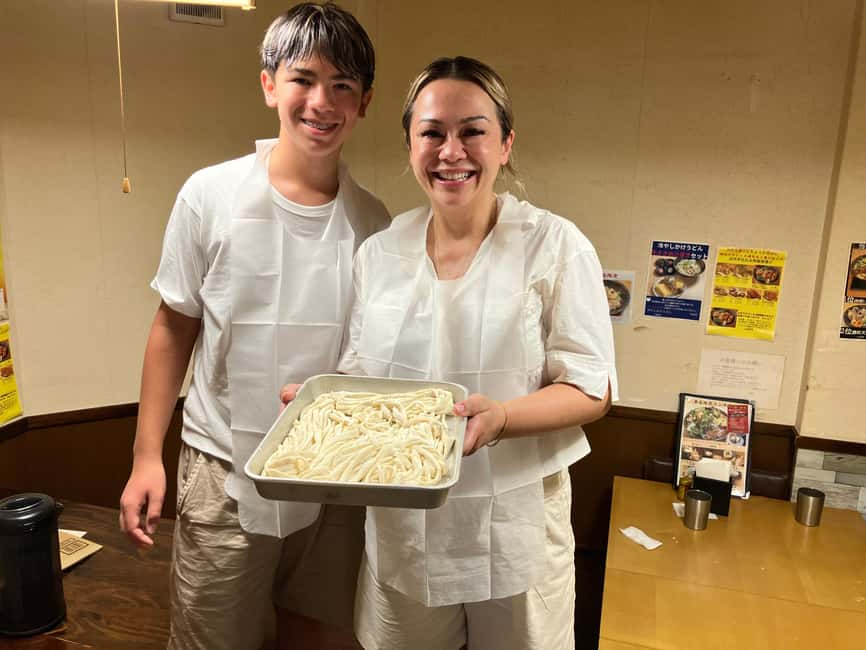
You then cut the dough with a knife. Handmade udon does not have to look perfectly uniform to taste good, and a few uneven strands are part of the fun. The point is not to produce factory-perfect noodles. It is to understand the movement and see how a block of dough becomes the noodles in your bowl.
Professional craftsmen provide careful guidance throughout the process. That support is important because a two-hour class leaves little time for trial and error. You get to do the work yourself, but you are not left guessing at each stage.
The cooking lesson also gives you a better sense of why fresh noodles feel different. Udon has a firm, chewy texture, and the kneading, stepping, rolling, and cutting all contribute to it. You leave with a clearer idea of what you are tasting at the table.
Learning tempura without a greasy finish
After the noodles, the class turns to tempura. You learn how to make the batter and how to determine the temperature of the oil. Those two details make a major difference. Batter that is too heavy or oil that is not hot enough can produce a limp result, while overheated oil can spoil the ingredients.
The menu includes seasonal vegetables and shrimp. The exact vegetables can vary, so you should think of this part as a lesson in method rather than a fixed menu. You prepare the items, fry them, and then use the fresh tempura as a topping for your udon.
Safety is treated seriously. You receive guidance on preventing oil splashes and managing the fire. This matters in a small cooking space, especially when children or first-time cooks are involved. You should follow the instructions closely and keep your attention on the frying stage.
Tempura can be the most demanding part of the class because hot oil requires care and timing. That is also why it is useful. You are not only mixing ingredients. You are learning the judgment needed to cook them safely and well.
More Food and Drink Trips in Japan:
- Ramen and Sushi Cooking Class with Sake Pairing Set in Tokyo
★ 5.0 · 291 reviews - Osaka Sake Tasting with Takoyaki Cooking
★ 5.0 · 156 reviews - Tokyo: Sushi and Ramen Cooking Class with Sake Pairing Set
★ 5.0 · 81 reviews - Tokyo: Sushi Cooking Class with Sake Tasting
★ 4.8 · 55 reviews
Building your bowl with dashi and toppings
Your finished udon can be served hot or cold. That choice changes the feel of the meal. Hot udon gives you a warm, fragrant bowl, while cold udon puts more attention on the texture of the noodles and the toppings.
The dashi is made with kelp and bonito, creating a savory base with a clear umami flavor. You also learn how to combine condiments, which helps explain how a few small additions can change the balance of the bowl.
You can customize your meal with toppings such as:
- Hot spring egg
- Green onions
- Grated daikon radish
- Tempura batter
The fresh tempura is the natural star topping, but the other choices let you make the bowl your own. Green onion adds freshness, grated daikon gives a sharper note, and a soft hot spring egg makes the dish richer.
This is a useful part of the class for families and groups with different tastes. One person can choose a simple hot bowl, while another can add egg, vegetables, and tempura. Vegetarian options and changes to spiciness can be discussed as far as possible, but you should raise those needs in advance rather than assume every adjustment can be made.
The tasting is the payoff
The class ends with everyone sitting down to eat the udon and tempura. That final meal gives the earlier work a purpose. You can compare the noodles you shaped, the tempura you fried, and the dashi you helped prepare.
The tasting also turns the class into a proper meal rather than a series of samples. The restaurant setting is described as cozy, which suits the relaxed pace after the kitchen work. You can take photographs during the activity, so this is a good choice if you want pictures of the process as well as the finished bowl.
The two available ratings, both five out of five, praise the clear explanations and the pleasure of making udon from beginning to end. One particularly useful point is that the tasting feels like a reward after the physical work. That is exactly how I would frame the class: the meal is better because you helped make it.
After the included food, you can order additional seasonal dishes and sake from Nara Prefecture. Those extras are not part of the $52 price, so budget separately if you want to extend the meal.
A small group makes the lesson easier
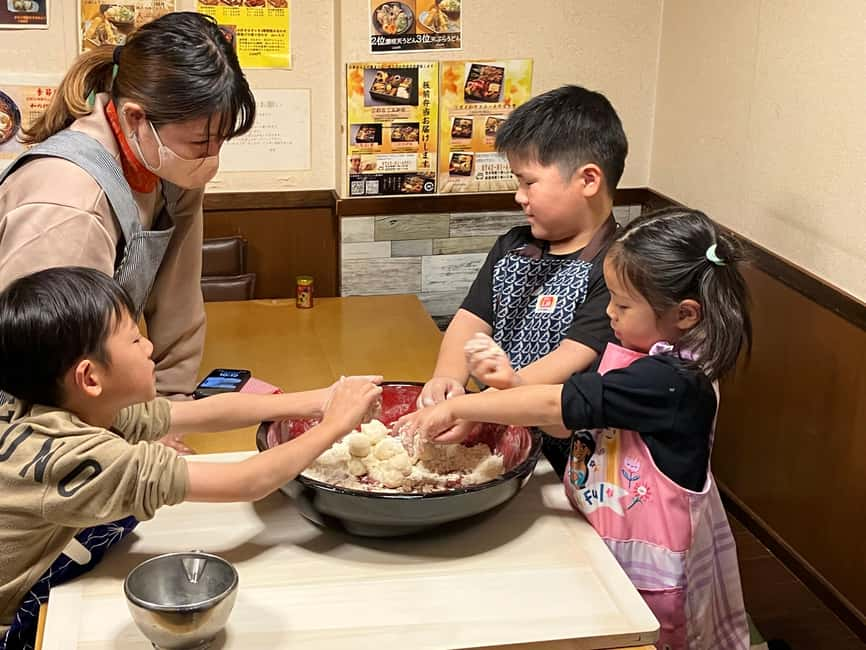
The class accepts up to 10 participants. That is large enough for a social activity but small enough for the craftsmen to offer guidance during rolling, cutting, and frying. A very large group would make the hands-on steps less useful, so the limit is a real advantage.
The class suits families, groups of friends, and people introducing overseas companions to Japanese food. It also works well for visitors who do not usually cook. The instructions follow a clear sequence, and support is available in English, Chinese, and Japanese.
You should not expect a formal lecture about Japanese cuisine. The value comes from doing the work and asking questions as you go. The class is practical, direct, and built around the food in front of you.
Photography is welcome, but keep your phone out of the way during the knife and hot-oil stages. The best pictures will come during the mixing, kneading, rolling, and final meal, when you can pause safely.
Timing, pickup, and rainy-day planning
The class lasts two hours, and starting times depend on availability. I would book ahead, especially if you are visiting during a busy period or need a particular time for a family schedule.
Pickup is available from one of these Nara locations:
- Tenri Stamina Ramen JR Nara Station
- Henn na Hotel Nara
- Hotel Novotel Nara
You should write your preferred pickup point in the booking notes. If no other reservation is scheduled, pickup from your hotel may sometimes be possible, but this must be discussed rather than assumed.
The activity takes place in Nara City and operates in rainy weather, so it can give you a useful indoor plan when temples and outdoor sightseeing become less pleasant. Comfortable clothes are the only stated item to bring. Aprons and tools are supplied.
The booking terms are also fairly flexible. You can reserve now and pay later, and cancellation is free up to 24 hours before the activity for a full refund. Still, advance reservation is required, so do not count on finding a place at the last minute.
Who should book this class?
I would recommend it to families who want more than a sightseeing stop. Children get the fun of stepping on the dough, while adults can pay closer attention to dashi, knife work, and oil temperature.
It also suits food-focused visitors who want a meal with some work behind it. Making noodles from the start gives you a better feel for the craft than ordering a bowl and moving on. The class is also a good option for groups with mixed cooking ability because beginners receive direct help.
You should think twice if you dislike messy, physical activities or want a quiet, highly polished demonstration. Kneading, rolling, cutting, and frying require participation. The class is not suitable for anyone with a wheat allergy or gluten intolerance, and vegetarian adjustments should be arranged ahead of time.
Should you book the Nara udon class?
Book it if you want a friendly, hands-on food activity with a real meal at the end. The strongest parts are the full noodle-making process, the tempura lesson, the small group size, and the chance to customize your bowl with hot or cold udon and several toppings.
At $52, the price is reasonable for two hours of instruction, ingredients, tools, an apron, and lunch. I would choose it over a standard meal if you have room in your Nara schedule for an activity that is useful, playful, and easy to share with family or friends.
Skip it if wheat is a problem, if you cannot take part in hot-oil cooking, or if you only want a fast bowl of noodles. For everyone else, this is a tasty way to spend part of a Nara day and a good reminder that simple food often takes skilled hands.
FAQ
How long does the Nara udon and tempura class last?
The class lasts two hours, including the instruction, cooking, and tasting.
How much does the experience cost?
The listed price is $52 per person.
Is the class suitable for beginners?
Yes. The class is designed for beginners, and professional craftsmen provide careful support during the noodle-making and tempura steps.
What languages are available?
Support is available in English, Chinese, and Japanese.
How many people can join the class?
The small group is limited to 10 participants.
What food will I make?
You will make udon noodles from scratch and learn to prepare tempura with seasonal vegetables and shrimp. You will also learn about dashi and condiments.
Can I choose hot or cold udon?
Yes. You can choose between hot and cold udon and add toppings such as hot spring egg, green onion, grated daikon radish, and tempura batter.
Is the class suitable for someone with a wheat allergy or gluten intolerance?
No. The class is not suitable for people with wheat allergies or gluten intolerance because the noodles are made with wheat.
Just added around Japan
- Cooking Class: Make a Local Delicacy in a Japanese House★ 5.0 · 7 reviews
- Culinary Home Cooking with Grandmothers – Vegan Friendly★ 5.0 · 5 reviews
- Nagoya Super Market Tour & Home Cooking Class with a Local, Akiko★ 5.0 · 10 reviews
- Tokyo: Sushi Cooking Class with Sake Tasting★ 4.8 · 55 reviews
- Tokyo: Sushi roll and side dish cooking experience★ 5.0 · 2 reviews
- Tokyo: Sushi Making Experience & Japanese Cooking Class★ 5.0 · 2 reviews
- Tokyo: Real Ramen & Dumpling Cooking with Master Chef★ 5.0 · 10 reviews
- Tokyo: Gyoza Making from Scratch – Ultimate Cooking Class★ 5.0 · 2 reviews
Japanese & Sushi Cooking Classes, compared.

Ramen Cooking Class at Ramen Factory in Kyoto
Read our review →
Ramen & Gyoza Cooking Class in Tokyo with Local Supermarket Visit
Read our review →
Ramen Cooking Class at a Ramen Factory with Souvenir
Read our review →
Sushi Making Osaka! Popular Sushi Class in Japan!
Read our review →
Tokyo Tsukiji Fish Market Tour and Sushi Making Lesson
Read our review →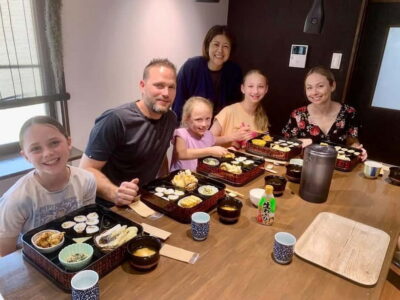
Japanese Washoku Bento Small Group Cooking Class
Read our review →
Lists this class appears in