
REVIEW · HONSHU, JAPAN
Kyoto: Ramen, Gyoza, and Onigiri Cooking Class
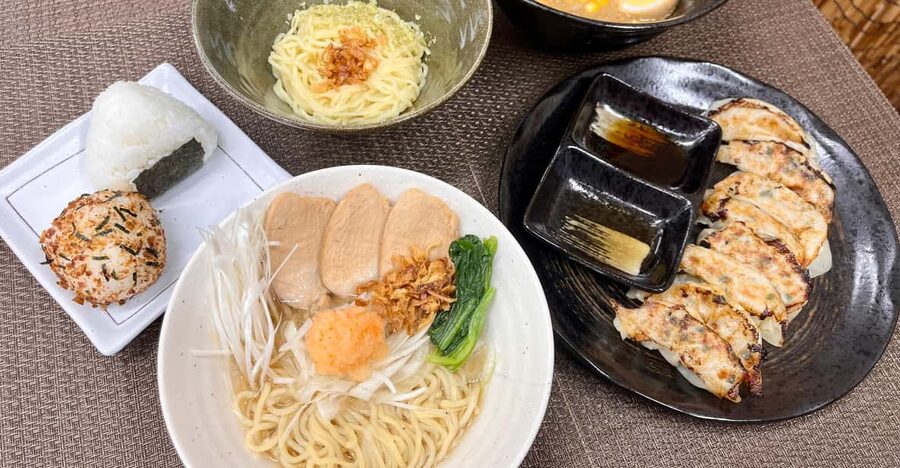
Good food makes Kyoto memories last. This 90-minute class gives you three things I especially like: practical recipes you can repeat at home and a small, friendly teaching setup with clear English instruction. The main drawback is its strict food policy: it cannot accommodate vegan, pescatarian, gluten-free, or other special diets.
I also like that you make both miso and shoyu ramen, rather than learning only one bowl. The class focuses on broth, which is the part most difficult to recreate at home, and you leave with ramen and gyoza recipes. Just arrive ready to work quickly, since making several dishes in 90 minutes is a busy little kitchen session.
Key points before you book
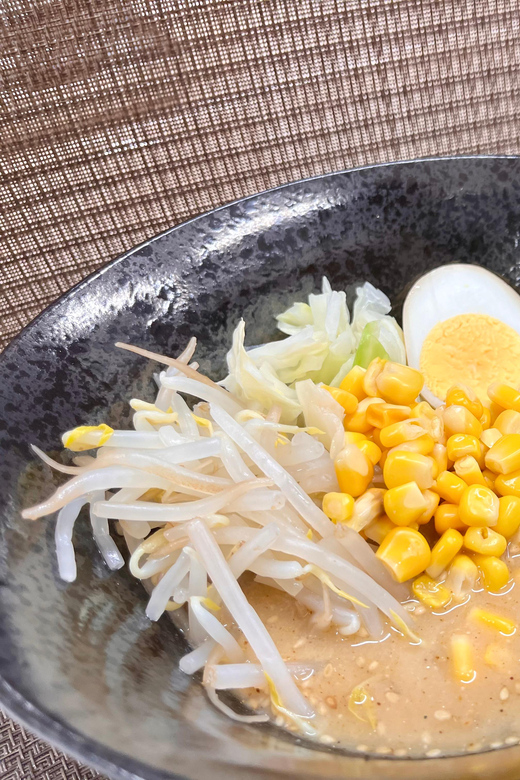
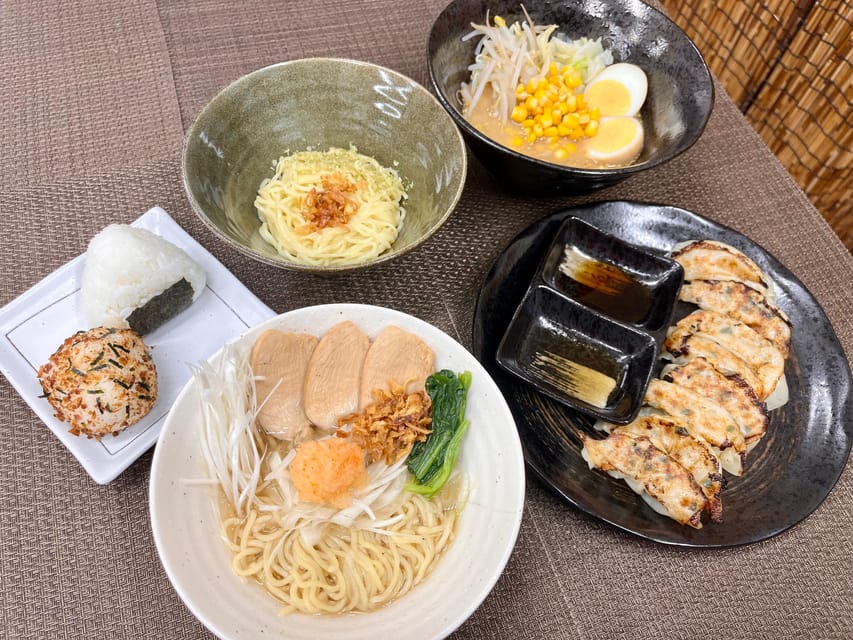
- Two ramen styles in one class: Prepare miso ramen with egg, bean sprouts, green onions, and corn, plus shoyu ramen with chicken, bamboo shoots, and green vegetables.
- The broth is the real lesson: You learn how to build flavorful soup from ingredients available at an ordinary shop, but you do not make ramen noodles.
- Gyoza practice is hands-on: You mix the filling, learn the balance of meat, vegetables, and seasonings, then work on wrapping and sealing.
- Onigiri adds a useful lunch idea: You shape Japanese rice balls and learn why they are such a practical snack or light meal.
- Small classes keep help close: The group is limited to eight, with friendly English-speaking instructors and assistants.
- Diet restrictions are firm: A vegetarian menu replaces pork with tofu, but the other ingredients remain the same. Vegan, pescatarian, gluten-free, and other special diets are not accepted.
Finding the classroom near Sanjo Keihan
The classroom is in the basement of the Life Building, listed on Google Maps as Manryo cooking class. It is not directly on the main street. Instead, you turn onto a smaller side street, so I recommend checking the map before class rather than trying to find it while the clock is ticking.
If you arrive by taxi, use Family Mart at Sanjo Keihan as your drop-off point. From there, it is about a two-minute walk. Several people have found the side-street location easy to miss, and arriving about 10 minutes early is sensible.
The class does not provide hotel pickup or drop-off. Wear comfortable clothes and shoes, since you will be standing, handling food, and moving through several cooking steps in a short time.
More Sushi and Japanese Classes in Kyoto:
- Ramen Cooking Class at Ramen Factory in Kyoto
★ 5.0 · 1,937 reviews - Kyoto: Ramen Cooking Class at a Ramen Factory with Souvenir
★ 4.9 · 532 reviews - Kyoto: Japanese Washoku Bento Small Group Cooking Class
★ 5.0 · 380 reviews
A fast start with ingredients already prepared
The cooking stations are set up before you arrive. That is good news for a 90-minute class. Instead of spending the first part measuring every ingredient, you can get straight into the cooking.
This also means the experience is partly a cooking lesson and partly a guided assembly session. You will handle the important techniques, but you should not expect a professional kitchen apprenticeship where you butcher meat, prepare every stock from scratch, or make noodles by hand.
The ingredient list gives the food its familiar Japanese home-cooking character. You may work with chicken stock powder, soy sauce, miso, oyster sauce, sesame oil, garlic, ginger, mirin, cooking sake, fish powder, lard, ground pork, cabbage, chives, chili oil, and other seasonings.
That is a useful detail. The recipes are not built around rare products that you will struggle to find after leaving Japan. The aim is to show you how a few strong seasonings can create a satisfying bowl and a well-balanced filling.
Making miso and shoyu ramen broth
Ramen is the heart of the class, but the lesson is not about making noodles. You use ready-made ramen noodles, then learn how to prepare the soup that gives the bowl its character.
The class covers two broths:
- Miso ramen, with miso, butter, and other seasonings for a fuller, savory taste.
- Shoyu ramen, built around soy sauce and a lighter set of toppings.
The useful idea is balance. Ramen toppings should support the broth rather than fight it. That is why the toppings are simple: boiled egg, bean sprouts, green onions, and sweet corn for the miso bowl, then chicken, bamboo shoots, and green vegetables for the shoyu bowl.
I like this approach because it explains something many first-time home cooks miss. A ramen bowl does not need a mountain of strongly seasoned toppings. Once the broth has enough flavor, plain vegetables and a few well-chosen extras work better.
You will also see how garlic, ginger, sesame oil, mirin, chili oil, stock powder, and soy sauce affect the final result. You do not need to master every traditional ramen technique in 90 minutes, but you should leave with a clear method for making a tasty soup at home.
The limitation is important: this is not a noodle-making class. If your dream is to stretch fresh ramen noodles by hand, choose a different activity. Here, the value is learning the broth and understanding how to build a complete bowl without spending hours on stock.
Wrapping gyoza without losing the filling
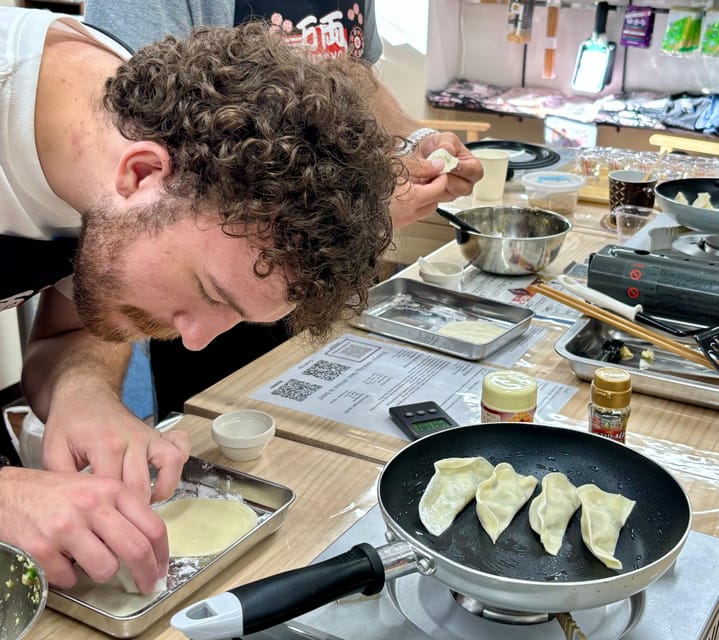
Gyoza is the most tactile part of the class. You work with a filling based on ground pork, cabbage, chives, onion, seasonings, and aromatic ingredients such as garlic and ginger. The goal is to balance meat, vegetables, and seasoning so the dumpling tastes full but not heavy.
Then comes the part that looks easy until you try it: folding and sealing the wrappers. The instructors show you how to place the filling, moisten the edge, create the folds, and close the dumpling firmly.
The class promises a focus on the ideal gyoza shape, and that is where the small group matters. With a maximum of eight participants, the instructors can watch your hands and correct the fold before your dumpling opens in the pan.
You will then cook the gyoza until the bottoms are browned and crisp. The contrast between the fried base and the juicy filling is the reward for all that folding. You may not produce a restaurant-perfect row on your first attempt, but you will understand the method well enough to hold a gyoza party at home.
I would not book this class only for a quiet, slow meal. The pace is lively, and you need to keep up with the instructions. That said, ingredients are portioned and ready, and the teaching team helps make the process manageable.
A few more cooking classes around Kyoto worth a look
- Kyoto Ramen and Gyoza Cooking Class with Professional Chefs
★ 5.0 · 282 reviews - Kyoto: Afternoon Japanese Izakaya Cooking Class
★ 4.9 · 241 reviews - Izakaya Style Cooking Class
★ 5.0 · 219 reviews - Gyoza Cooking Class in Kyoto: Traditional Japanese Dumplings
★ 5.0 · 210 reviews
Shaping onigiri for an easy Japanese lunch
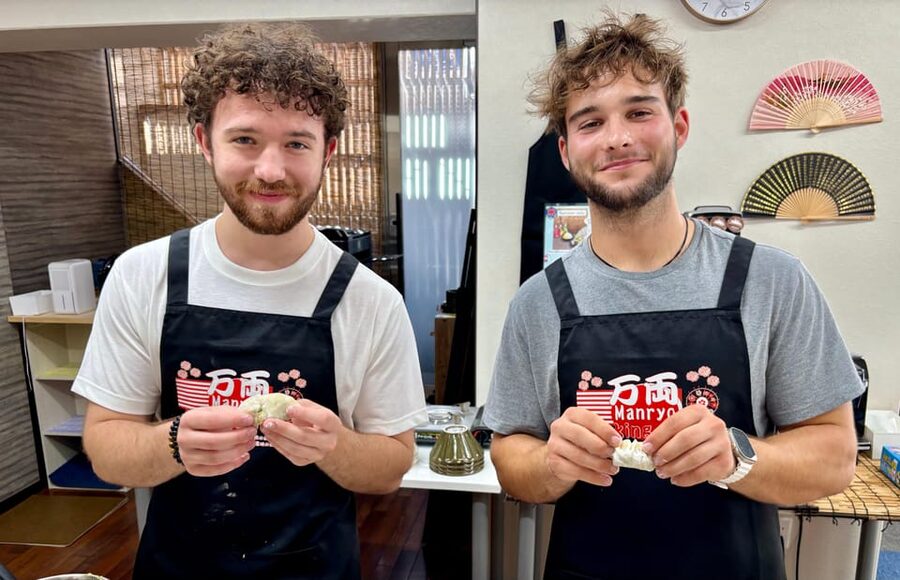
Onigiri are Japanese rice balls, often made as a portable snack or simple lunch. In this class, you learn how to shape them neatly and work with different fillings and flavors.
This may sound less dramatic than ramen or gyoza, but it is one of the most useful lessons for home cooks. Onigiri do not require a complicated sauce or specialized equipment. Once you understand the basic shape and handling, you can make them for a packed lunch or a quick meal.
The shaping takes some practice. You need enough pressure to hold the rice together without crushing it. A good onigiri has a clean shape and a pleasant texture, not a dense block of rice.
The class gives you a chance to make the rice balls yourself, then eat them with the ramen and gyoza. Since you prepare several dishes, the finished meal feels generous for a 90-minute activity.
What the 90 minutes feel like
The schedule is compact and active. You move between broth preparation, gyoza assembly, onigiri shaping, and final cooking. You are not sitting through a long demonstration while someone else does the work.
A typical rhythm is:
- Meet the English-speaking instructors and receive an explanation of the dishes and ingredients.
- Prepare the two ramen broths and arrange the toppings.
- Mix and portion the gyoza filling.
- Fold and seal the dumplings.
- Shape the onigiri.
- Finish cooking and sit down to eat what you made.
The exact order may vary as the instructors coordinate the cooking stations. The key point is that everything is carefully organized so several dishes can come together without a long wait.
People who enjoy hands-on activities will like the pace. If you prefer to take photographs, ask many questions, or work very slowly, you may find the session rushed. The instructors speak English, and the small group allows questions, but the class still has to keep moving.
The people leading the class
The teaching team receives especially strong praise for being warm, funny, patient, and easy to understand. Nori is named repeatedly as a lead teacher, with Kairi, Aoi, Minori, Ayuna, Riho, Mia, and Kiara also mentioned by name in different sessions.
You may not have the same instructor lineup, but the pattern is clear: the teaching style is friendly rather than formal. Instructors explain cooking techniques, give brief background on the dishes, and answer practical questions about ingredients and Japanese kitchen tools.
The staff also appear to use assistants effectively. In a small class, that means you can get help with a gyoza fold or seasoning question without stopping the whole group.
This is a good fit if you want contact with local instructors but do not speak Japanese. English is the only listed class language, and the instructions are designed for international participants.
Eating the meal you prepared
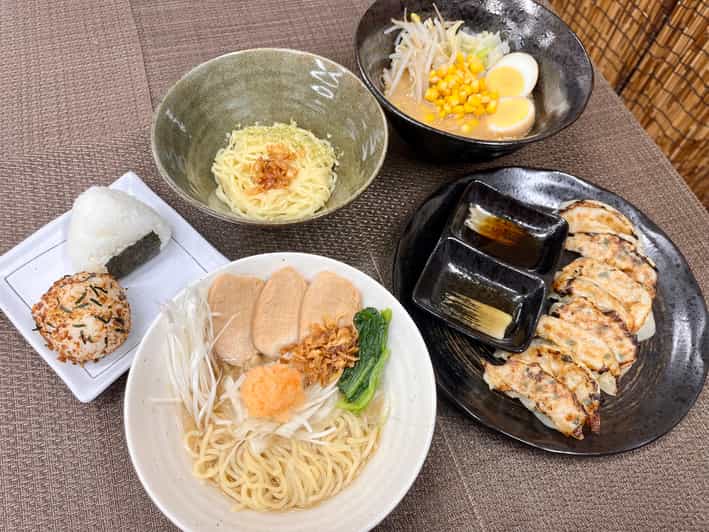
The best part comes at the end, when you sit down with the ramen, gyoza, and onigiri you made. This is not a demonstration where you leave with a small taste. The portions are substantial enough that several people have found the meal filling.
I would not plan a large breakfast beforehand. The class includes two ramen styles, dumplings, and rice balls, so you may be surprised by how much food arrives at the table.
Free coffee and tea are included. Beer may be available for purchase after the meal, but it is not part of the included package. The food itself is the main payoff, and cooking it yourself makes the final bowl more satisfying than a standard restaurant lunch.
The class also provides printed recipes for ramen and gyoza. That matters because the session moves quickly. You may remember the broad method but forget whether the garlic, ginger, or soy sauce went in first. The printed instructions give you something practical to use once you are back home.
Is $90 good value?
At $90 per person, this is not the cheapest meal in Kyoto. You can buy ramen, gyoza, and onigiri for much less at casual restaurants.
The comparison changes once you count what is included. You receive 90 minutes of instruction, all ingredients and equipment, the meal you prepare, English guidance, recipes, coffee, and tea. You also gain techniques you can use again rather than simply eating lunch once.
I think the value is strongest for couples, families with older children, and people who enjoy taking a skill home from a trip. The class is less appealing if your only goal is an inexpensive meal or if you already make Japanese food often.
The small group helps justify the cost. A maximum of eight participants gives the instructors room to guide individual hands and answer questions. Some sessions may be smaller, and one reported class became a private lesson when only one person booked that time.
Who should book this Kyoto cooking class?
This class suits you best if you:
- Want a practical introduction to Japanese home-style cooking.
- Like ramen but want to understand the broth rather than only eat it.
- Enjoy hands-on work such as folding dumplings and shaping rice.
- Are visiting Kyoto with a partner, family, or small group of friends.
- Need an English-language activity.
- Want recipes that use ingredients you can find at home.
- Can cook independently and follow instructions at a quick pace.
The age rule needs careful attention. Participants must be at least 13 and able to cook by themselves without staff assistance. Although some past families attended with younger children, the stated requirement is the one I would follow when booking.
The class is not suitable for wheelchair users, people with recent surgeries, vegans, or people with gluten intolerance. The vegetarian option replaces pork with tofu, but other ingredients remain the same, so it is not a safe choice for people avoiding fish-based seasonings, oyster sauce, or other animal products.
Booking details worth knowing
You can cancel up to 24 hours before the activity for a full refund, and a reserve-now, pay-later option is available. The experience is offered at set starting times, so check the schedule for your Kyoto dates.
Only one reservation should be made per group. Duplicate bookings under the same name can be canceled, since they hold spots that other people might need. Everyone listed on the reservation must be participating, and nonparticipants cannot enter just to watch.
Should you book it?
I would book this class if you want a social Kyoto activity that teaches useful food skills and ends with a proper meal. The combination of two ramen broths, gyoza, and onigiri gives you plenty to do, while the recipes and simple ingredients make the lesson useful after your trip.
I would skip it if you need strict dietary control, want to make ramen noodles from scratch, or dislike fast-paced group activities. For everyone else, $90 buys more than lunch: it gives you a clear method for recreating a small Japanese feast in your own kitchen.
FAQ
How long does the Kyoto ramen, gyoza, and onigiri class last?
The class lasts 90 minutes.
What dishes will I make?
You will make miso ramen, shoyu ramen, gyoza, and onigiri.
Do I make ramen noodles in the class?
No. The class uses ramen noodles and focuses on preparing the broths and toppings.
Is the class taught in English?
Yes. English-speaking instructors lead the class, and English is the listed class language.
How many people can join?
The class is limited to eight participants.
What is included in the price?
The price includes English instruction, cooking ingredients, equipment, the food you prepare, ramen and gyoza recipes, coffee, and tea.
Can the class accommodate a vegetarian diet?
A vegetarian menu is available, but it only replaces pork with tofu. Other ingredients remain the same.
Can vegans or people with gluten intolerance join?
No. The class cannot accommodate vegan, pescatarian, gluten-free, or other special diets, and it is not suitable for people with gluten intolerance.
Just added around Kyoto
- Kyoto Udon & Tempura Cooking Class with Professional Chefs★ 3.8 · 3 reviews
- Kyoto: Morning Japanese Bento Cooking Class★ 5.0 · 149 reviews
- Kyoto: Wagashi (Japanese sweets) Cooking near Fushimiinari★ 5.0 · 40 reviews
- Kyoto Home Cooking Class &Supermarket tour near Fushimiinari★ 5.0 · 31 reviews
- Kyoto: Cooking class, learning how to make authentic sushi★ 4.2 · 9 reviews
- Kyoto: Authentic Sushi Making Cooking Lesson★ 5.0 · 103 reviews
- Authentic Japanese Cooking Experience at Izakaya restaurant★ 4.2 · 5 reviews
- Gyoza Cooking Class in Kyoto: Traditional Japanese Dumplings★ 5.0 · 12 reviews
Japanese & Sushi Cooking Classes, compared.
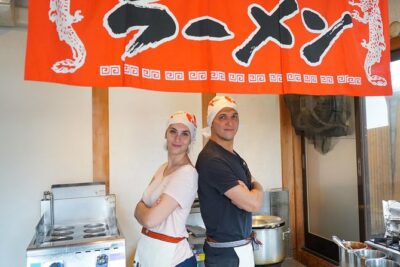
Ramen Cooking Class at Ramen Factory in Kyoto
Read our review →
Ramen & Gyoza Cooking Class in Tokyo with Local Supermarket Visit
Read our review →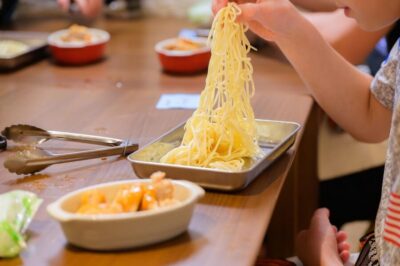
Ramen Cooking Class at a Ramen Factory with Souvenir
Read our review →
Sushi Making Osaka! Popular Sushi Class in Japan!
Read our review →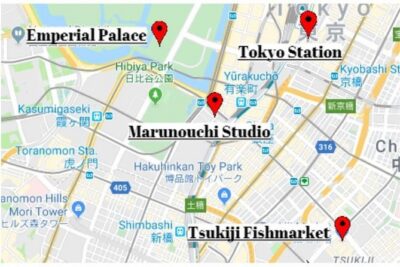
Tokyo Tsukiji Fish Market Tour and Sushi Making Lesson
Read our review →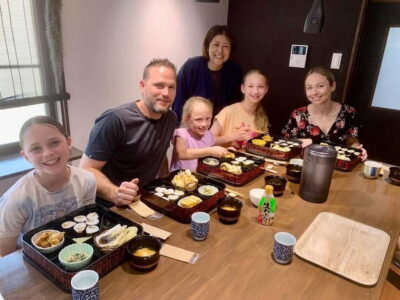
Japanese Washoku Bento Small Group Cooking Class
Read our review →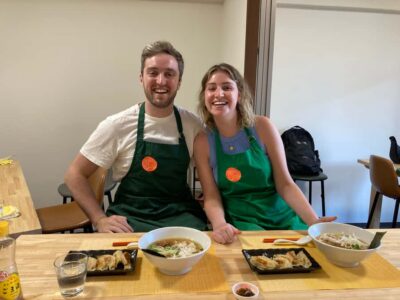
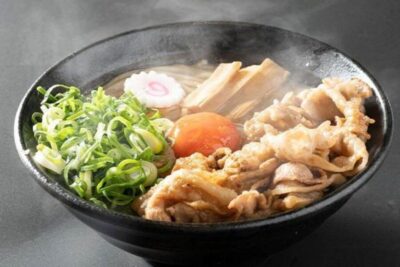
Easy Ramen Cooking Experience in Kabukicho, Shinjuku
Read our review →Lists this class appears in