
REVIEW · HONSHU, JAPAN
Kyoto: Learn Sushi at cooking studio with 20 years history
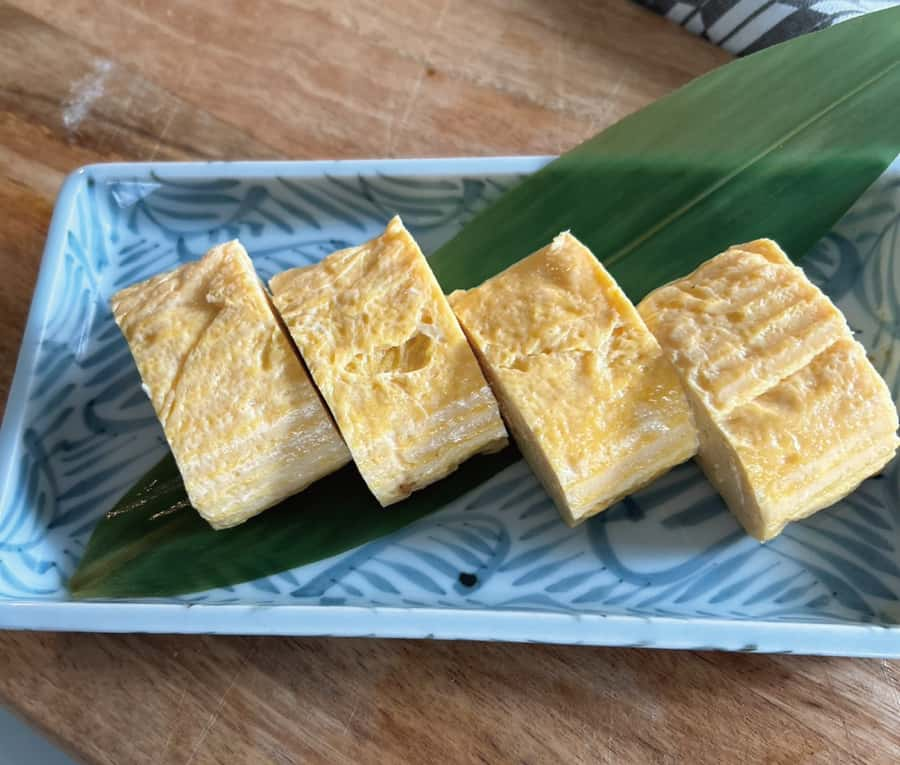
Make lunch, then eat it. This two-hour Kyoto cooking class gives you a practical look at Japanese food culture, from tasting dashi to shaping sushi with fresh fish. I like the combination of hands-on work and demonstrations, especially the hostess’s dashimaki, a Japanese-style omelet made with care and technique.
I also like the location, about 10 minutes from Kyoto Station and five minutes from Shijo Subway Station. The class runs indoors in all weather, and the group is limited to 10 people. The main consideration is price: at $96 per person, it is not a cheap meal, though the amount of food and the teaching make it more than a simple restaurant lunch.
Key points to know before booking
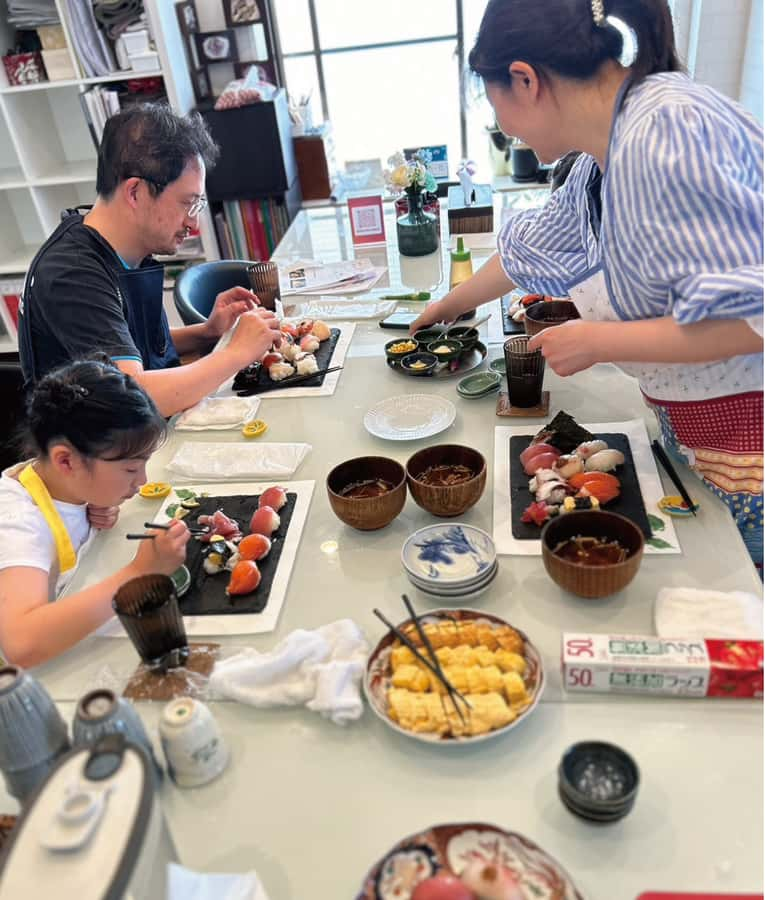
- A 20-year Kyoto cooking teacher leads the class: You learn from the hostess of a long-running cooking classroom, with food culture explained as you work.
- Choose your sushi style: Make classic nigiri sushi or chirashi sushi, which uses sushi rice topped with seafood, egg, and vegetables.
- Dashi is part of the lesson: You taste dashi and learn why this savory stock matters so much in Japanese cooking.
- The meal goes well beyond sushi: Dashimaki, dashi soup, namafu dengaku, and mitarashi dumpling are included.
- The studio is easy to reach: It is near Kyoto Station and Shijo Subway Station, inside a kitchen studio on the third floor of Salon Roll hair salon.
- The class stays small: With no more than 10 participants, you should have a better chance to follow the demonstrations and ask questions.
A Kyoto cooking class with a personal feel
This is not a quick sushi-making activity where you form one piece, take a photograph, and leave hungry. The class introduces several building blocks of Japanese home cooking, with sushi as the main project.
The hostess has been running Kyoto cooking classes for 20 years. That experience matters because the lesson covers more than instructions. You hear about the history of sushi, the role of dashi, and the appeal of Japanese food while preparing the meal.
I like this balance. You get something to do with your hands, but you also gain context for the dishes placed in front of you. If you have eaten sushi throughout Japan but never considered how the rice, stock, omelet, and toppings fit together, this class gives you a clearer picture.
The group limit of 10 is another plus. A larger class can turn a cooking lesson into a display watched from the back of the room. A small group should make it easier to see the teacher’s work and keep pace with the instructions.
More Sushi and Japanese Classes in Japan:
- Ramen Cooking Class at Ramen Factory in Kyoto
★ 5.0 · 1,937 reviews - Ramen & Gyoza Cooking Class in Tokyo with Local Supermarket Visit
★ 5.0 · 823 reviews - Kyoto: Ramen Cooking Class at a Ramen Factory with Souvenir
★ 4.9 · 532 reviews
Arriving near Kyoto Station and Shijo
The studio is about 10 minutes from Kyoto Station and five minutes from Shijo Subway Station. That makes this a useful activity for a day when you want to stay central rather than spend an hour reaching a distant cooking school.
Look for Salon Roll, a hair salon. The cooking studio is on the third floor. This is an important arrival detail because the meeting point may not look like a traditional restaurant or cooking school from the street.
I would allow a few extra minutes to find the entrance and reach the third floor. The provided directions identify the salon clearly, but you should still check the exact meeting instructions when booking.
The class lasts two hours, so timing is manageable. You could fit it between sightseeing plans, though I would avoid scheduling an important appointment immediately afterward. Cooking, eating, and following a lesson take a little more attention than a standard meal.
Starting with dashi and Japanese food culture
The class includes a dashi tasting and a demonstration of dashimaki. These are valuable parts of the experience because they show techniques that may be easy to overlook when you simply order Japanese food.
Dashi is a Japanese soup stock and a basic source of savory flavor. Tasting it on its own helps you notice what it contributes to soup, omelet, and other dishes. This is not only a sushi lesson. It is a short introduction to the flavor base behind many Japanese meals.
The dashimaki demonstration comes from the hostess herself. Dashimaki is a rolled Japanese omelet, and its soft texture and layered shape require more control than an ordinary scrambled egg. Watching the teacher make it gives you a chance to see a technique that can be tricky to copy from a recipe alone.
I would pay close attention here, even if sushi is the reason you booked. Dashi and dashimaki help explain the quieter side of Japanese cooking, where texture, stock, and careful preparation matter as much as strong seasoning.
Choosing nigiri or chirashi sushi
You choose between nigiri sushi and chirashi sushi. That choice changes the hands-on focus of the class.
Nigiri is the familiar form made with a small portion of sushi rice and fish placed on top. If you want to practice a basic Japanese sushi style, this is the natural choice. You will work with the rice and learn how the pieces are assembled.
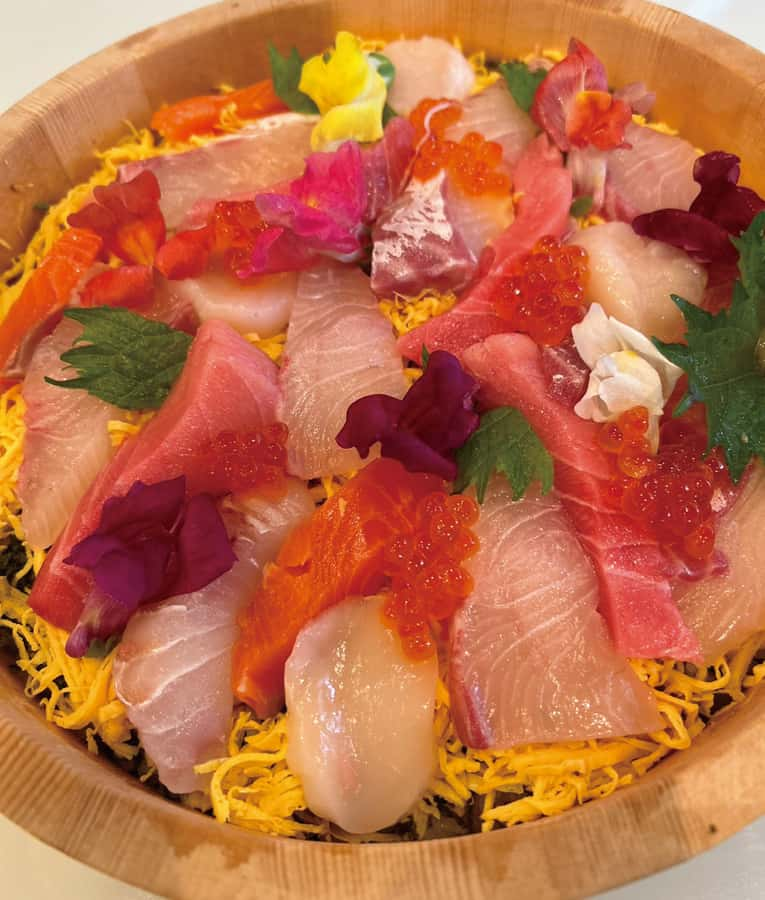
Chirashi sushi uses sushi rice topped with assorted ingredients such as seafood, egg, and vegetables. It is a better fit if you prefer a bowl or platter with a wider mix of toppings rather than individual pieces.
Neither option is automatically better. Nigiri gives you a more direct lesson in sushi shaping, while chirashi offers variety and may feel less demanding if you are new to forming individual sushi pieces.
The class uses fresh fish, which is an important part of the meal. Still, you should not expect a professional sushi-chef apprenticeship in two hours. The value here is learning the basic process, eating the results, and understanding how sushi fits into Japanese food culture.
More History Tours in Japan:
- Undiscovered Charleston: Half Day Food, Wine & History Tour with Cooking Class
★ 5.0 · 948 reviews - Taipei Cooking Class & Market Adventure in Historic Dadaocheng
★ 5.0 · 77 reviews - Cooking Class in a Historic Home in the Heart of Brindisi
★ 4.7 · 28 reviews - Sicilian cooking class in the historic baglio Florio Adamo
★ 5.0 · 27 reviews
Making sushi rice and assembling the meal
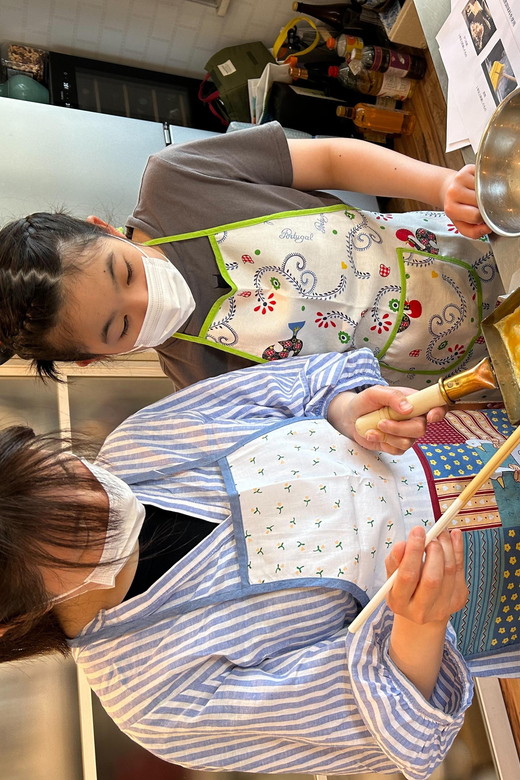
Sushi rice is not just plain rice with fish added. The rice gives the dish its texture and balance, so making it is a key step in the lesson.
The class includes preparation of the sushi rice before you make the sushi itself. This helps connect the ingredients on your plate. You see that the final taste depends on several small steps, not only on the quality of the fish.
The hands-on portion should appeal to first-time cooks and people who already enjoy Japanese food. You do not need to arrive with advanced kitchen skills, and the small group should make it easier to follow along.
The class includes all meals, so you eat what you prepare. That gives the activity a satisfying finish, though it also means the $96 cost should be compared with the value of a full meal and a two-hour lesson, not with the price of a single sushi lunch.
More than sushi: soup, namafu, and dessert
The included food makes this class feel like a broader Japanese meal. Along with your chosen sushi, you receive dashimaki and dashi soup.
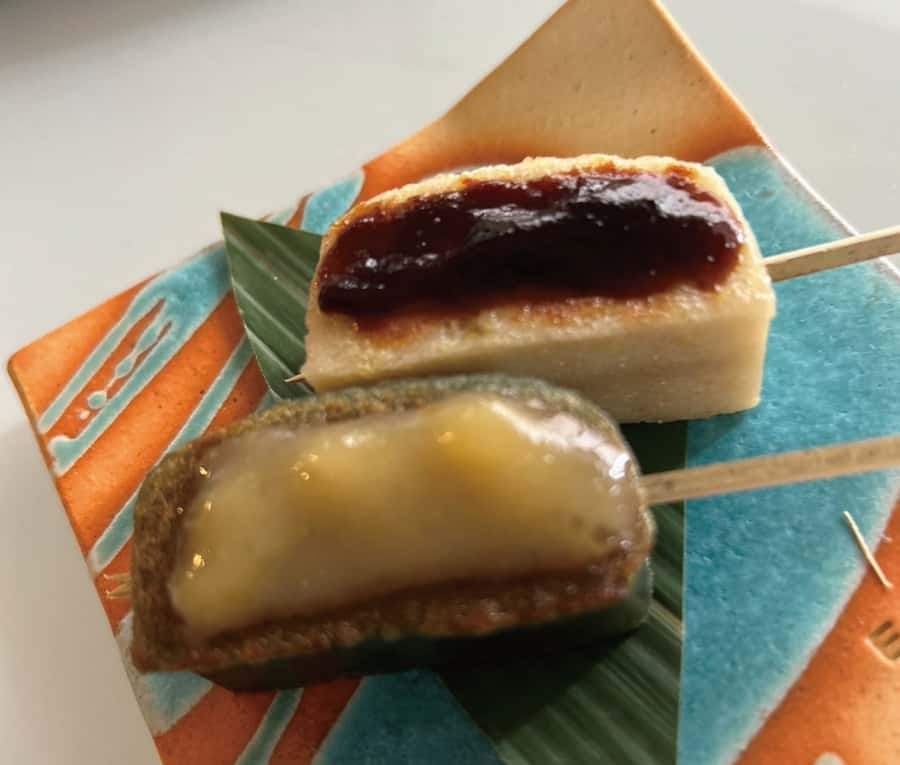
Namafu dengaku is also included. Namafu is a chewy wheat-gluten food associated with Japanese cuisine, and dengaku refers to a style of preparation with a sweet or savory miso topping. It adds a different texture and flavor to the meal, giving you something beyond seafood and rice.
Dessert is mitarashi dumpling. These dumplings are served with a sweet soy-based glaze, making them a fitting end to a meal built around dashi, rice, and savory flavors.
One participant also described having teriyaki chicken along with sushi and dashi soup. Since the listed meal includes specific dishes but does not guarantee teriyaki chicken, treat it as a possible extra rather than a promised part of every session.
The portion of food appears generous. A verified participant from the United Kingdom praised the friendly teaching, the clear explanation of sushi-making, and the amount of food. That combination is worth noting if you want a class that functions as both an activity and lunch.
What the two hours are really worth
At $96 per person, this is a premium cooking class. You are paying for the instruction, the food, the small group, and the convenience of a central Kyoto location.
The strongest value comes if you want more than a meal. You learn sushi rice preparation, make sushi, taste dashi, watch dashimaki being prepared, and eat several Japanese dishes. A restaurant can feed you, but it cannot give you the same view into the preparation.
The value is weaker if your main goal is simply to eat the largest or most luxurious sushi meal possible. The class is about participation and explanation, not a high-end omakase experience.
The five-star rating currently comes from only three ratings, so I would treat it as encouraging rather than definitive. Still, the available comments are specific: the hostess was praised for being kind and informative, and the food was described as plentiful and delicious.
Who will enjoy this class most
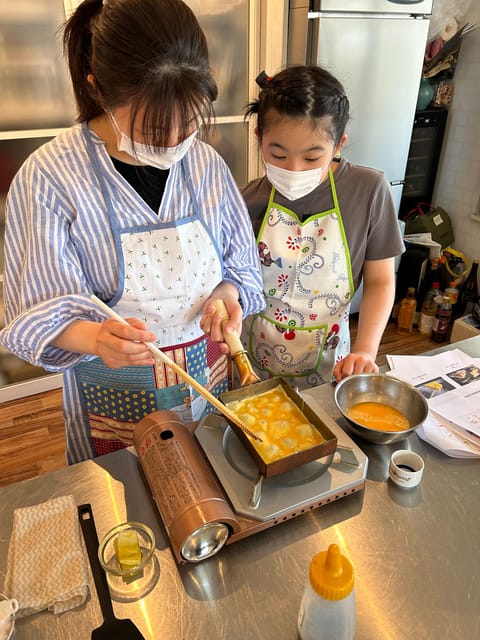
I would recommend this experience to you if you want a friendly introduction to Japanese cooking without committing to a full-day course. The two-hour format is easy to fit into a Kyoto schedule.
It is especially suitable for:
- First-time visitors who want a food activity near central Kyoto
- Couples and small groups looking for a shared meal with a practical element
- Families with older children who can participate in kitchen work
- Sushi fans who want to understand rice preparation and assembly
- People curious about dashi, dashimaki, and less familiar Japanese dishes
The class may be less suitable if you want a formal chef-training session or a very specialized sushi lesson. You also need to share any food allergies or dietary restrictions when booking, so the teacher can know in advance what you cannot eat.
Babies under one year old are not suitable for this activity. Alcoholic drinks are available for an additional cost, but they are not included in the $96 price.
Weather, group size, and practical comfort
Because the class takes place indoors, it works well on a rainy Kyoto day. This is useful during seasons when weather can disrupt outdoor sightseeing.
The group limit is 10 people. That is not a private lesson, but it is small enough to give the class a personal scale. Your experience will still depend on how much individual instruction is needed, but the format should be more manageable than a large workshop.
The location also reduces transport hassle. You do not need to travel far outside the central city, and the studio is close to two major transport points. Just remember that the venue is located on the third floor of a hair salon, not in a building clearly marked as a cooking school.
Free cancellation is available up to 24 hours before the class for a full refund. You can also reserve now and pay later, which helps if your Kyoto schedule is still changing.
Should you book the Kyoto sushi class?
Book this class if you want to eat a full Japanese meal while learning how several dishes are made. The strongest reasons are the hostess’s 20 years of teaching experience, the small group, the choice between nigiri and chirashi, and the extra dishes that turn sushi-making into a wider food lesson.
I would be more cautious if you are judging the experience only by the amount of sushi for your money. At $96, it costs more than lunch at many Kyoto restaurants. Its value comes from the lesson, the personal instruction, and the chance to make and eat your own food.
For a rainy day, a first Japanese cooking class, or a central activity that combines food and culture, this is a solid choice. Bring your appetite, allow time to find Salon Roll, and report allergies or dietary restrictions before you arrive.
FAQ
How long does the Kyoto sushi cooking class last?
The class lasts two hours.
How much does the class cost?
The price is $96 per person.
Can I choose which type of sushi to make?
Yes. You can choose nigiri sushi or chirashi sushi.
What food is included?
The class includes your chosen sushi, dashimaki, dashi soup, namafu dengaku, and mitarashi dumpling. All meals are provided.
Where does the class meet?
It meets at Sumaya cooking class, inside a kitchen studio on the third floor of Salon Roll hair salon.
Can I cancel the booking?
You can cancel up to 24 hours in advance for a full refund. Reserve now and pay later is also available.
Just added around Japan
- Cooking Class: Make a Local Delicacy in a Japanese House★ 5.0 · 7 reviews
- Culinary Home Cooking with Grandmothers – Vegan Friendly★ 5.0 · 5 reviews
- Nagoya Super Market Tour & Home Cooking Class with a Local, Akiko★ 5.0 · 10 reviews
- Tokyo: Sushi Cooking Class with Sake Tasting★ 4.8 · 55 reviews
- Tokyo: Sushi roll and side dish cooking experience★ 5.0 · 2 reviews
- Tokyo: Sushi Making Experience & Japanese Cooking Class★ 5.0 · 2 reviews
- Tokyo: Gyoza Making from Scratch – Ultimate Cooking Class★ 5.0 · 2 reviews
- Tokyo: Night Cooking Class: 5 Home-Cooked Japanese Dishes★ 4.9 · 13 reviews
Japanese & Sushi Cooking Classes, compared.
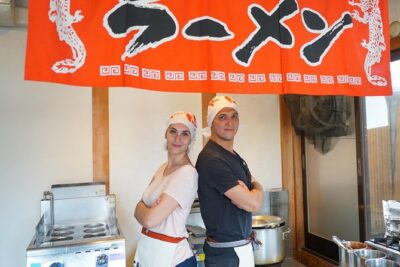
Ramen Cooking Class at Ramen Factory in Kyoto
Read our review →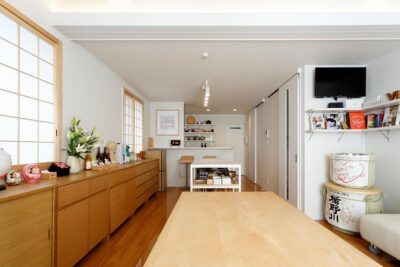
Ramen & Gyoza Cooking Class in Tokyo with Local Supermarket Visit
Read our review →
Ramen Cooking Class at a Ramen Factory with Souvenir
Read our review →
Sushi Making Osaka! Popular Sushi Class in Japan!
Read our review →
Tokyo Tsukiji Fish Market Tour and Sushi Making Lesson
Read our review →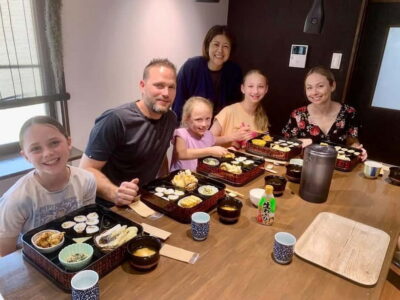
Japanese Washoku Bento Small Group Cooking Class
Read our review →
Lists this class appears in