
REVIEW · SICILY, ITALY
Sicilian cooking class in the historic baglio Florio Adamo
Pasta tastes better under an old winery porch. At the former Florio factory, Liliana and her family turn a 3.5-hour cooking lesson into a friendly look at Sicilian food traditions, using seasonal produce, garden herbs, homemade wine, and recipes passed from mother to daughter. I like the historic setting and the fact that you make the food by hand, not with machines. I also like that the meal includes several courses, not just one token dish.
The main thing to consider is the rural setting and transport. Car rides are not part of the standard price, although pickup can be arranged separately if you contact Adamo Bio. The lesson costs $94 per person, which is fair if you value a full meal, wine, hands-on instruction, and a family-run setting more than a polished restaurant kitchen.
The class has earned a perfect 5.0 rating from 27 bookings, and the praise is remarkably consistent. Liliana, Vito, and Vincenzo are repeatedly described as warm hosts who take time to explain the food, the winery, and the family business. Expect a relaxed afternoon rather than a fast, tightly choreographed cooking demonstration.
Key details at a glance
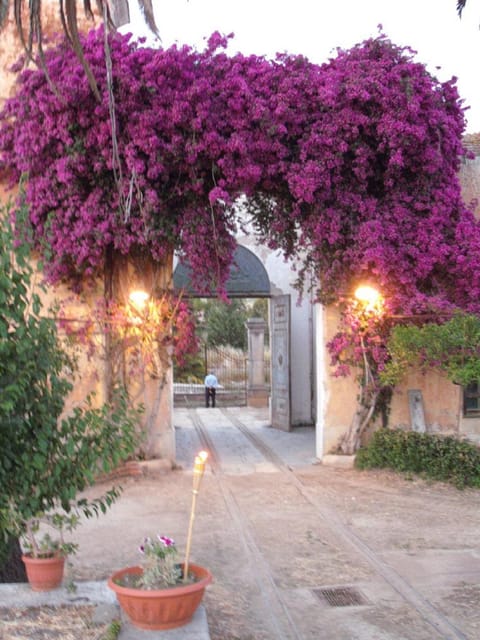
- A former Florio factory: You cook beneath an old porch in a 19th-century kitchen and historic wine-making setting.
- Several Sicilian dishes: The menu can include caponata, arancine, bruschetta, handmade pasta, almond pesto, and ricotta cassatelle.
- Perciasacchi flour: You make fresh pasta with an ancient wheat flour produced by the family.
- Wine with the meal: Homemade white, red, or rosé wines accompany the food, with local olive oil also available to taste.
- Small, personal atmosphere: The hosts take time with participants, making this feel more like a family meal than a formal school.
- Flexible transport: Pickup may be available by arrangement, but car service is not included in the $94 price.
Arriving at the former Florio factory
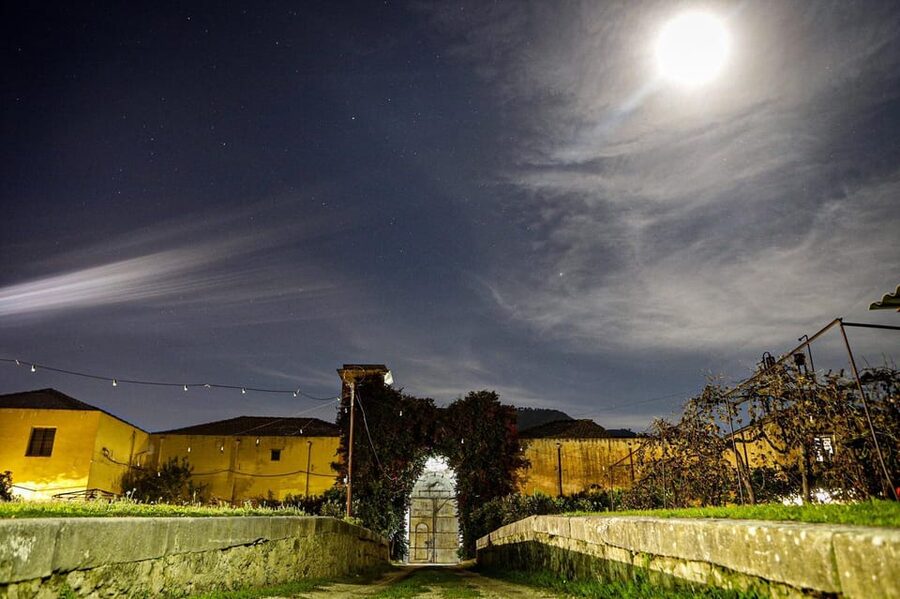
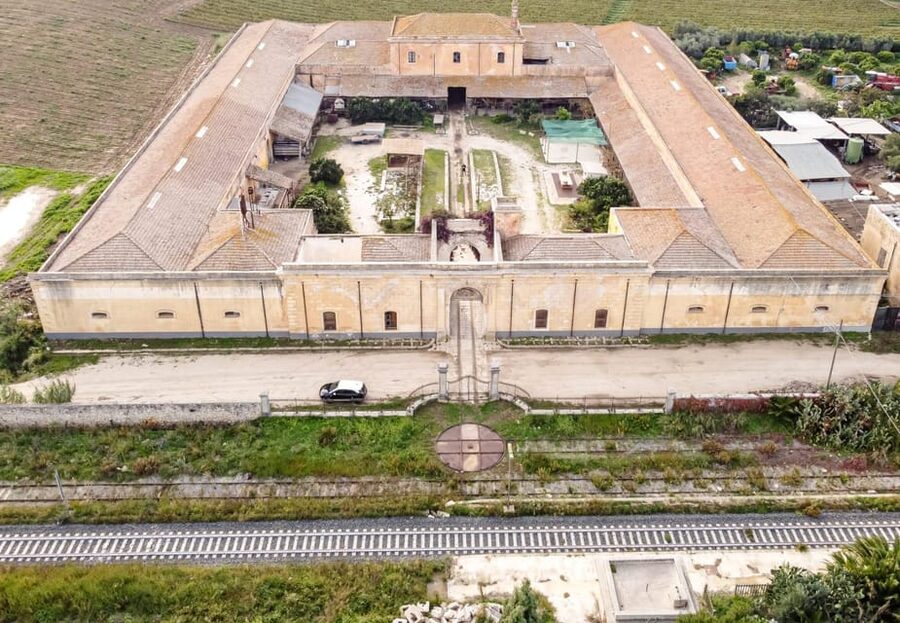
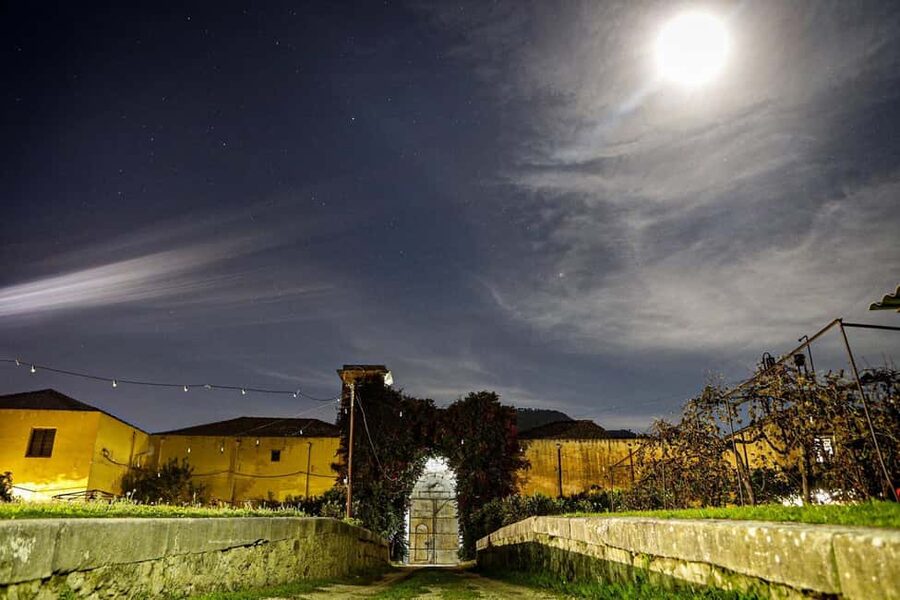
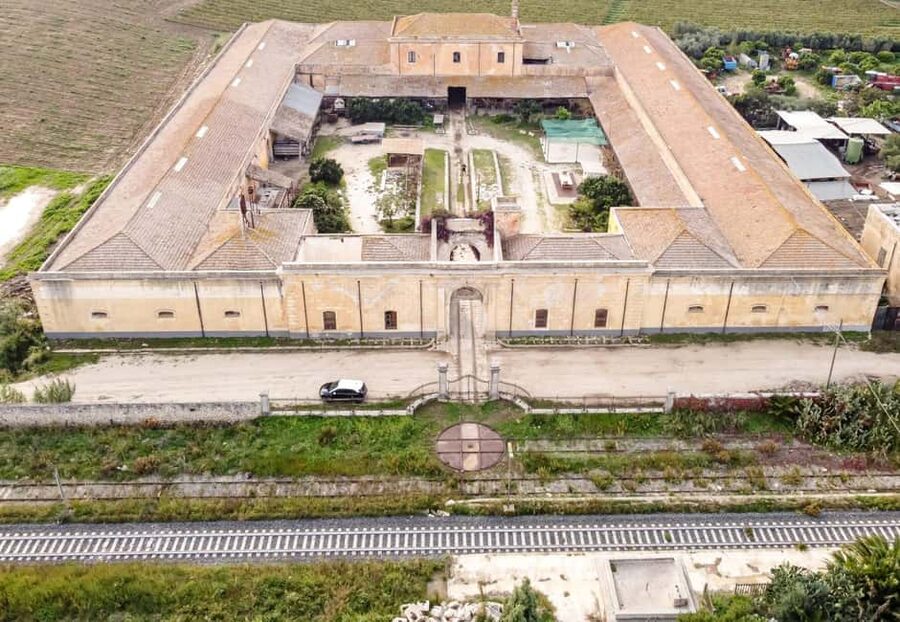
The first pleasure is the setting. Instead of meeting in a modern cooking school or a busy city restaurant, you arrive at the former Florio factory, part of the Adamo Bio family property. The old porch and wine-making equipment provide a strong sense of place before anyone picks up a knife.
Liliana welcomes you and introduces the property. The setting has the feel of an old country estate, with signs of ongoing renovation in parts of the building. That means you should expect character rather than a finished luxury venue. The reward is atmosphere: old architecture, traditional equipment, and a kitchen tied to the family’s working life.
One especially appealing detail is the 19th-century kitchen used for the class. It is spacious, and cooking takes place in an outdoor area beneath the porch. This gives the class a social rhythm. You can work, talk, watch the food come together, and later sit down in the same place to eat it.
The site is also connected to the family winery and farm production. Vincenzo may explain the history of the winery and why the business matters to his family, while Vito has taken participants through the vineyards after the meal. The exact format can vary, but the experience is clearly more than a recipe lesson.
More Italian Cooking Classes in Italy:
- Cooking Class and Lunch at a Tuscan Farmhouse with Local Market Tour from Florence
★ 5.0 · 4,831 reviews - Tuscan Cooking Class and Dinner in Florence
★ 4.5 · 732 reviews - Rome Pasta Making Class with Italian Sauces and Wine Included
★ 5.0 · 645 reviews
Preparing caponata, arancine, and bruschetta
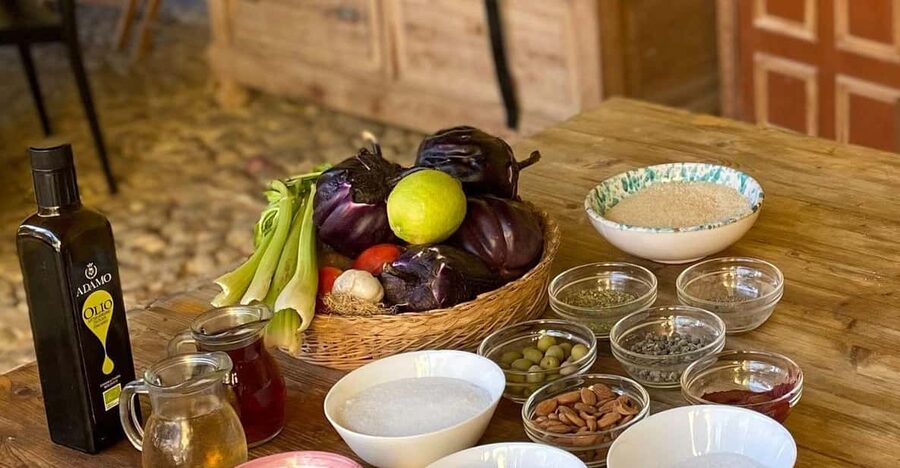
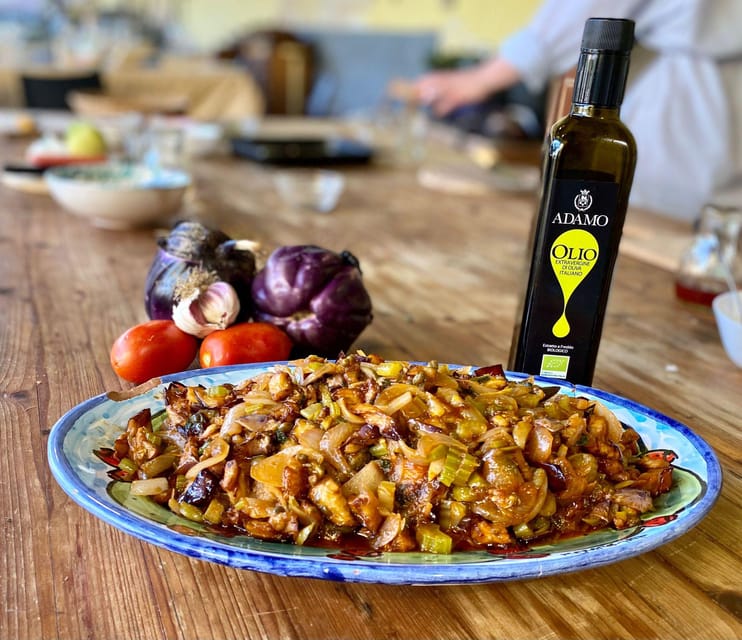
The class begins with Sicilian appetizers. At least two are prepared, with eggplant caponata and arancine among the likely choices. These are not decorative samples. You work with the ingredients and then eat the results as part of the meal.
Caponata is a particularly good choice for a class because it shows how Sicilian cooking gets so much flavor from humble vegetables. Eggplant, herbs, and other fresh ingredients become a dish with sweet, savory, and tangy notes. One participant called the caponata one of the best meals of a long trip across Sicily, which says more about the quality of the recipe than any formal description could.
Arancine give you a different lesson. These stuffed rice snacks require shaping and frying, so they add a practical element to the class. If they are on your menu, expect a dish that takes more handling than a simple salad or crostino.
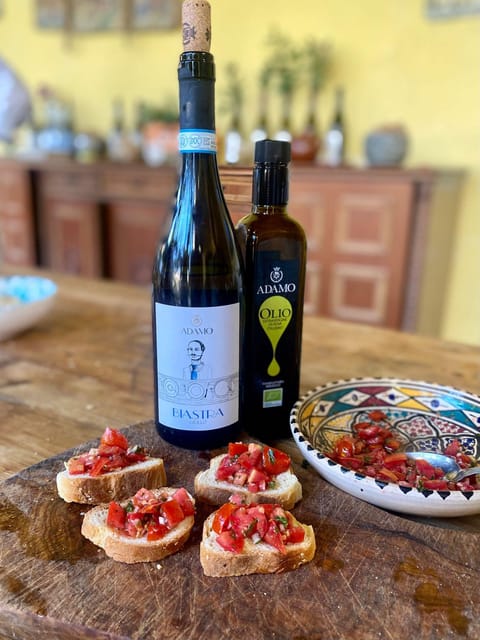
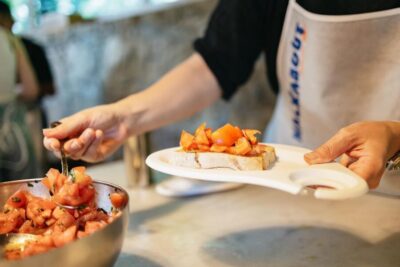
The garden herbs are used for tomato bruschetta. Fresh mint and basil bring a direct link between the garden and the plate. This is one of the class’s strongest features: you are not just hearing about Sicilian ingredients. You are using produce and herbs connected to the property.
The ingredients are described as fresh, seasonal, and organic from the farm. That matters because the menu may change with the time of year. You should not arrive expecting every listed dish at every session. The useful question is not whether you will receive a fixed restaurant menu, but whether you want to cook with what the farm and kitchen have available.
Making pasta with Perciasacchi flour
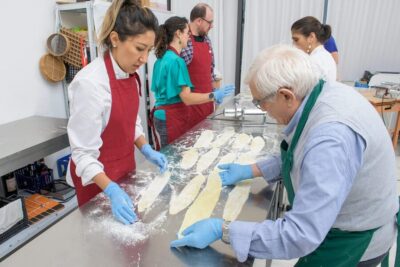
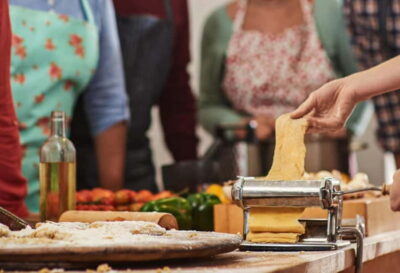
The pasta course is the heart of the lesson. You make fresh pasta without machines, using Perciasacchi flour from an ancient wheat variety produced by the family. This is exactly the sort of detail that makes the class worth considering for anyone who wants more than a quick pasta photo opportunity.
Working by hand slows the process down. You feel how the dough changes as it comes together, and you see why family recipes rely on touch and timing rather than a numbered setting on a machine. Liliana presents the method as something learned from her mother and grandmother, so the class carries a clear connection to home cooking.
You may prepare busiate, a pasta shape specifically made during one session. The shape gives you a practical task and makes the finished plate feel distinctly Sicilian. The pasta is paired with a dressing such as almond pesto, which brings another local ingredient into the meal.
The almond pesto is made from scratch. That is important for the value of the lesson. You are learning both the pasta and the sauce, rather than boiling bought noodles and watching someone else finish the dish. The combination also shows how Sicilian cooking differs from the heavy tomato-and-meat image many people bring to Italy. Almonds, herbs, wheat, vegetables, and olive oil all have a role.
Do not expect a professional culinary certificate or an advanced technical workshop. The teaching is home-style and practical. That is a strength if you want recipes you can repeat in your own kitchen, but less so if you are seeking precise restaurant techniques or a formal chef-led course.
Finishing with ricotta cassatelle
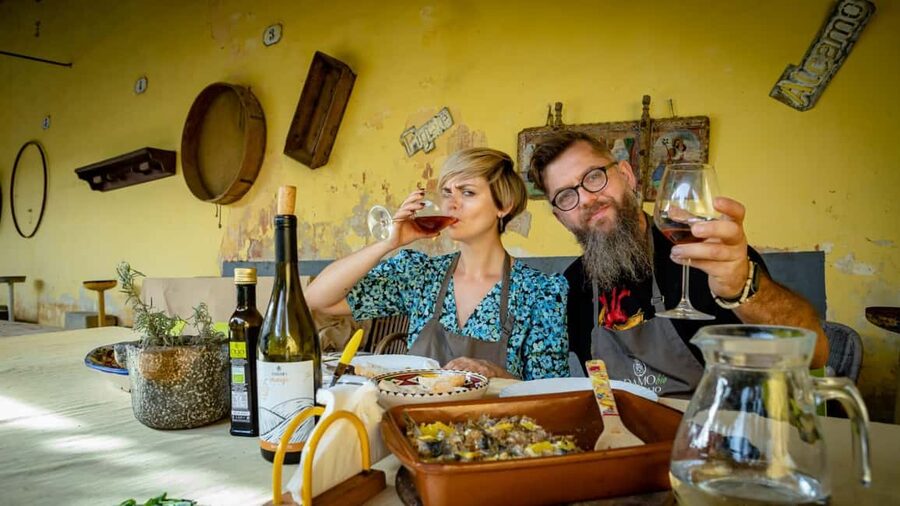
Dessert is not an afterthought. Fresh ricotta cassatelle, described as fried ravioli filled with ricotta, may close the meal. The process gives you another chance to handle dough, filling, and frying, while the ricotta keeps the dish tied to the island’s food traditions.
This is also where the class feels generous. You are not making one main course and receiving a small taste. The planned spread can include two appetizers, handmade pasta, a sauce, and dessert, with enough food in some sessions to leave extra portions for later.
One participant specifically remembered a fried apple included with the appetizers. That detail shows how the menu can have small seasonal surprises. Still, you should treat such items as possible variations rather than promises. The fixed commitments are the Sicilian style, at least two appetizers, fresh pasta, and a dessert.
More History Tours in Italy:
- Cooking Class in a Historic Home in the Heart of Brindisi
★ 4.7 · 28 reviews - Bolognese Cooking Class with Margherita in the Historic Center
★ 5.0 · 26 reviews - Catania: Cooking class set in a sea front historic villa
★ 5.0 · 5 reviews - Undiscovered Charleston: Half Day Food, Wine & History Tour with Cooking Class
★ 5.0 · 948 reviews
Sitting down with Adamo wine
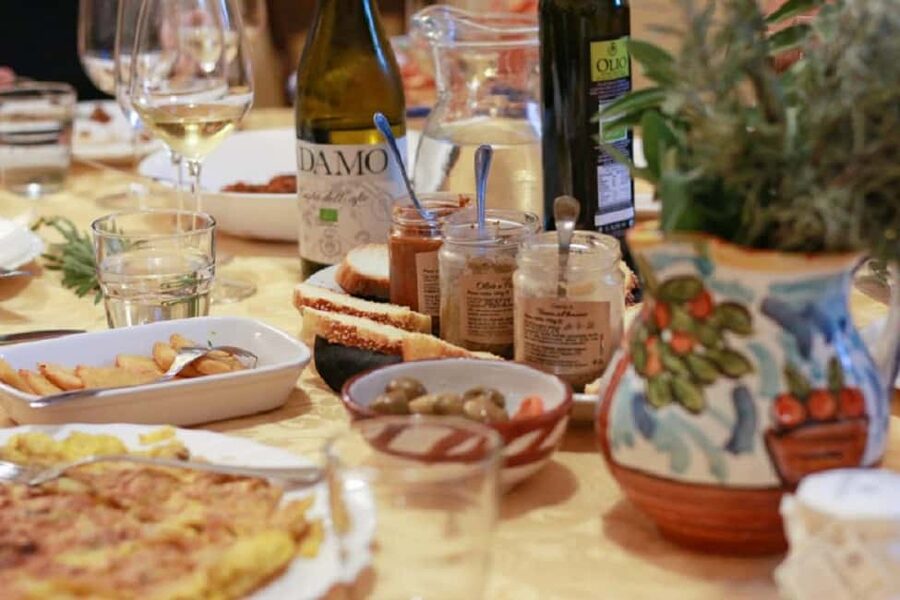
After the cooking, you sit down and eat what you prepared. This is the point of the class, and the meal is served with the property’s wines. White and red wines are part of the tasting, and rosé has also been served during the cooking.
The wine pairing is informal. You are not signing up for a structured wine certification session, but you may taste several styles and talk through what works with the food. Adamo’s olive oil has also been offered for sampling, adding another taste of the family’s production.
I like this part because the meal is not separated from the lesson. You see the ingredients arrive, help turn them into food, and then understand the dish better when you eat it. The old porch and traditional music used during one session add to the relaxed mood without turning the meal into a staged performance.
The atmosphere can depend on who is leading the class. Liliana has been praised for her warmth and enthusiasm, while Vito is often described as patient, generous, and passionate about the recipes. Vincenzo may handle the welcome, pickup, and winery background. The result is a family operation with several personalities, not a single scripted guide.
What the $94 price includes
At $94 per person, this is not the cheapest way to eat in Sicily. You can find a simple local meal for less. The price becomes easier to justify when you count what is bundled into the afternoon:
- A 3.5-hour experience
- Instruction in several Sicilian dishes
- Seasonal produce and family-made ingredients
- Fresh pasta made with Perciasacchi flour
- Dessert preparation
- Wine with the meal
- The food you prepare to take with you
- Access to a historic family property and former factory setting
The strongest value is the amount of participation. You are not simply watching a cook prepare caponata while standing at the back of a room. You may chop, mix, shape, roll, fry, and assemble several dishes, then eat them together.
There are limits. Car rides are not included, even though pickup may be available by separate arrangement. Contact the provider before booking if you need transport from your hotel or another location. The pickup method can change, so do not assume the $94 covers a private transfer.
The property is still being renovated in places. If you want spotless modern design and a restaurant-style dining room, this may feel unfinished. If you prefer an old working setting with visible age and family character, the rough edges are part of the appeal.
How the timing and group feel affect the day
The advertised duration is 3.5 hours. That is enough time for a proper meal and several cooking stages, but not so long that the class takes over your entire day. I would leave extra time around it because the welcome, wine, meal, and property visit may make the experience feel less rushed than the schedule suggests.
The group is described as small in at least one session. That matters because hands-on cooking works best when you can see the instructor and get direct help with dough or shaping. The class is private on some occasions, but you should confirm the exact group arrangement for your date.
English-language guiding is available. The hosts also rely on demonstration, repetition, and shared work, so you do not need advanced food vocabulary to take part. Still, if you have allergies or strict dietary needs, ask ahead. The available information does not promise substitutions or a special dietary menu.
The activity is listed as wheelchair accessible. Pickup and access details can depend on the property and the specific meeting arrangement, so it is sensible to discuss your needs in advance rather than relying only on the general accessibility label.
Who will enjoy this cooking class most
I would choose this experience if you want food tied to family tradition and place. It suits couples, families, and small groups who enjoy sitting down together after working with their hands.
It is also a good match for anyone who has already seen Sicily’s main sights and wants an afternoon with a slower pace. The winery, farm ingredients, old equipment, and recipes give you a look at daily food culture that a standard restaurant meal cannot provide.
The class may not suit you if you want a tightly timed lesson with exact quantities, modern equipment, or advanced chef training. It may also be inconvenient if you have no way to reach the property and do not arrange a separate car.
For many people, the most useful souvenir will be the food itself. You can take the prepared dishes with you at the end, and the recipes for caponata, pasta, almond pesto, and cassatelle are practical enough to try at home.
Should you book the Baglio Florio Adamo class?
Book it if you value family hospitality, hands-on cooking, and a real rural setting more than polished presentation. The best parts are the handmade pasta, the excellent caponata, the old kitchen, and the generous meal served with Adamo wine.
Before paying, confirm the pickup plan, the expected menu, and any accessibility or dietary needs. Remember that the property has ongoing renovation and that the class is built around traditional home cooking, not a formal culinary school.
At $94, I think it is a strong choice for a half-day food experience in western Sicily. You leave with recipes, prepared food, wine memories, and a better sense of how Sicilian cooking passes from one generation to the next.
FAQ
How long does the Sicilian cooking class last?
The experience lasts 3.5 hours. Starting times vary, so you should check availability for your preferred date.
What dishes will I prepare?
You will prepare at least two appetizers, which may include eggplant caponata or arancine. The class also includes fresh pasta made with Perciasacchi flour, a sauce such as almond pesto, and a Sicilian dessert such as fresh ricotta cassatelle.
Is wine included?
Yes. The meal is served with the family’s white and red wines, and rosé may also be available. Local olive oil has been offered for tasting as well.
Is pickup included in the price?
Pickup may be available, but car travel is not included in the standard activity. Contact Adamo Bio if you need transportation, since it can be arranged separately and the details may vary.
Is the class available in English?
Yes. A live English-speaking guide is available.
Can I cancel or pay later?
You can cancel up to 24 hours in advance for a full refund. A reserve-now-and-pay-later option is also available.
Just added around Italy
- Cooking Class in a Sicilian countryhouse★ 5.0 · 5 reviews
- Cesarine: Home Cooking Class & Meal with a Local in Catania★ 4.5 · 10 reviews
- Cesarine: Market Tour & Home Cooking Class in Catania★ 4.0 · 6 reviews
- Cooking Class in Taormina with Lunch Included★ 5.0 · 2 reviews
- Cooking Class and Wine Pairing in Capri★ 5.0 · 57 reviews
- Cooking class in Capri for small groups★ 4.0 · 4 reviews
- Private Cooking Class Experience in Reggio Calabria★ 5.0 · 5 reviews
- Lezione di Cucina : Pasta Fresca★ 5.0 · 12 reviews
Italian Cooking Classes, compared.

Cooking Class and Lunch at a Tuscan Farmhouse with Local Market Tour from Florence
Read our review →
Rome Pasta Making Class with Italian Sauces and Wine Included
Read our review →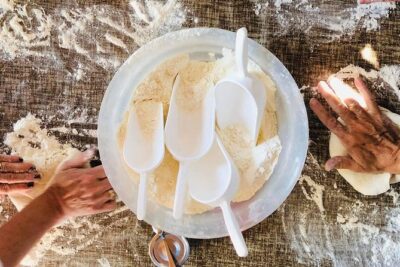
Cooking Class at a Tuscan Farm & Local Market Tour
Read our review →
Tuscan cooking class with handmade pasta and wine
Read our review →Lists this class appears in