
REVIEW · HONSHU, JAPAN
Kyoto: Japanese Washoku Bento Small Group Cooking Class
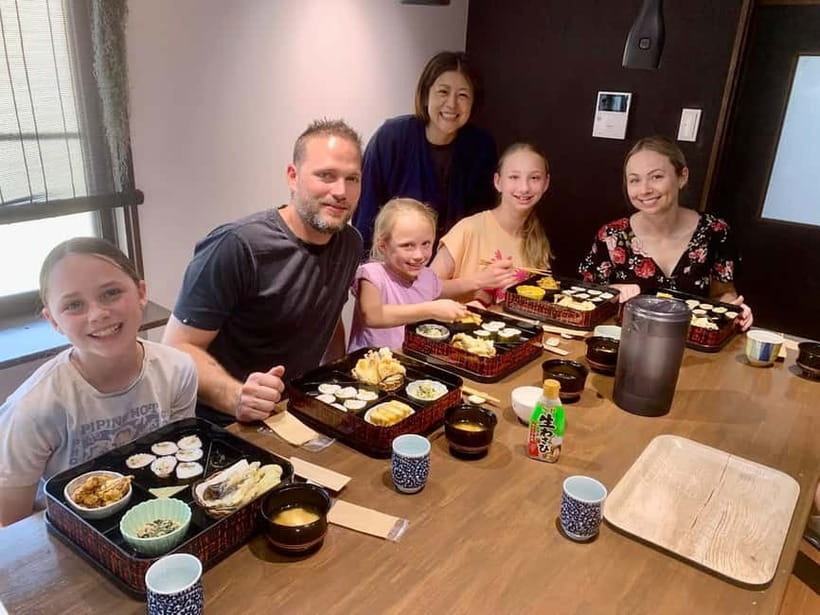
Bento turns lunch into a small work of art. This 150-minute class near Saiin Station gives you a hands-on introduction to washoku, Japan’s seasonal cooking style, while you prepare sushi rolls, tempura, tofu salad, dashi stock, and a rolled omelette. I especially like the small group limit of five and the chance to learn practical skills from chefs such as Ai, Miyu, and Rie. The main drawback is the strict arrival rule: arrive more than 15 minutes late and your booking can be canceled without a refund.
The class is also a good value at $58 per person, since it includes the instructor, ingredients, equipment, aprons, four dishes, and a full meal at the end. You should not expect a quiet demonstration where you only watch. You will be chopping, rolling, frying, seasoning, and arranging food, so come ready to work and with a healthy appetite.
Key points to know before booking
- Small group of up to five: You get room to ask questions and try each technique yourself.
- Four substantial dishes: Prepare sushi rolls, tempura, tofu salad, and Japanese rolled omelette.
- Practical Japanese techniques: Learn knife handling, dashi stock, tempura frying, and dashimaki omelette methods.
- English and Japanese instruction: Ai, Miyu, and Rie have been praised for clear explanations and patient teaching.
- Convenient Saiin location: Meet at Kyoto Laundry Cafe, about five minutes from Saiin Station on the Hankyu Railway.
- Strict timing matters: The chef picks you up at the cafe, and arriving over 15 minutes late can cancel the booking.
Why a bento class works so well in Kyoto
A bento is more than a lunchbox. It is a carefully arranged meal made up of separate portions, with attention paid to color, texture, flavor, and how each item fits beside the others. That makes this class a useful way to understand Japanese food without trying to tackle an entire restaurant menu at once.
You prepare several small dishes rather than one large recipe. This lets you see how Japanese cooking builds flavor in layers. Dashi provides a savory base. Tofu adds a soft, clean texture. Tempura brings crispness. Sushi and rolled omelette add shape, color, and a touch of sweetness.
I like this format because you leave with techniques you can use again. Several people have continued making dashi and dashimaki at home after the class. You are not simply eating a bento prepared by someone else. You are learning how the parts come together.
The food also reflects washoku principles. Fresh and seasonal ingredients are central, and the meal aims for balance rather than one loud flavor. The class gives you a simple introduction to this approach without requiring advanced cooking skills.
More Sushi and Japanese Classes in Kyoto:
- Ramen Cooking Class at Ramen Factory in Kyoto
★ 5.0 · 1,937 reviews - Kyoto: Ramen Cooking Class at a Ramen Factory with Souvenir
★ 4.9 · 532 reviews - Kyoto: Ramen, Gyoza, and Onigiri Cooking Class
★ 5.0 · 445 reviews
Meeting at Kyoto Laundry Cafe near Saiin Station
The meeting point is Kyoto Laundry Cafe, a short walk from Saiin Station on the Hankyu Railway. The cafe is about five minutes from the station, which makes this part of Kyoto fairly easy to reach if you are staying near the Hankyu line.
The chef comes to collect you at the cafe. This is important because the cafe serves as the meeting place rather than the main cooking room. Follow the directions carefully and use Google Maps. The instructions specifically warn against using the map function on Instagram.
Arrive early. If you are more than 15 minutes late, the reservation is automatically canceled, and late arrival does not qualify for a refund or schedule change. This is one of the few hard edges in an otherwise relaxed activity.
The Saiin area is not Kyoto’s main sightseeing center, so allow time to get there from places such as Gion, Kyoto Station, or Arashiyama. The location is practical, but you should not treat the meeting point as something you can find at the last second.
The first lesson: washoku, bento, and Japanese food culture
Once the class begins, your chef introduces the bento and the cooking style behind it. You learn why the box is divided into separate dishes and how Japanese home cooking uses small portions to create a complete meal.
Ai has received particular praise for explaining the history of bento and how the different elements are prepared and eaten in Japanese homes. Rie has also been described as clear and encouraging, while Miyu is known for making the class friendly and easy to follow.
The cultural explanations are not just filler before the cooking starts. They help you understand why the food is prepared in a certain way. The focus on seasonal ingredients, clean flavors, and visual balance gives the knife work and arranging a purpose.
English instruction is available, along with Japanese. The English-speaking chefs are often praised for answering questions clearly and explaining ingredients as you cook. That matters in a class with several unfamiliar techniques, especially when timing and texture are important.
Knife skills, dashi, and the small techniques that matter
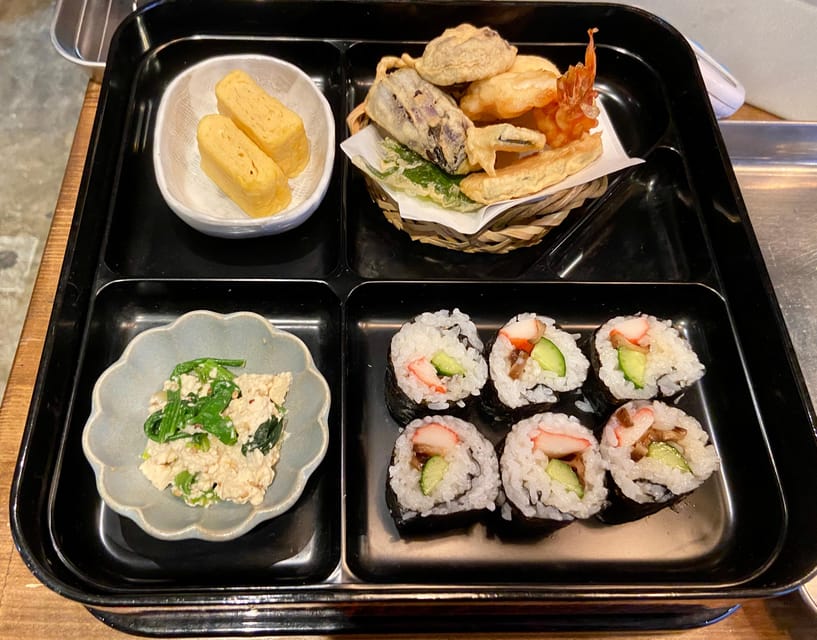
The class teaches you how to handle a knife in a Japanese cooking setting. You learn how to cut ingredients with more care and control, rather than simply chopping everything into rough pieces.
You also make dashi, the stock that provides a savory foundation for many Japanese dishes. This is one of the most useful parts of the class because dashi can seem mysterious when you encounter it only in restaurant food. Here, you see the process and learn how it fits into the meal.
The instruction is practical. Your chef demonstrates the method, then you try it yourself. Ai has been praised for explaining dashi carefully, and Rie’s recipe and process have inspired people to make it regularly at home.
Do not expect a professional culinary-school course. The goal is not to turn you into a sushi chef in two and a half hours. It is to give you enough understanding and confidence to repeat a few useful Japanese dishes in your own kitchen.
A few more cooking classes around Kyoto worth a look
- Kyoto Ramen and Gyoza Cooking Class with Professional Chefs
★ 5.0 · 282 reviews - Kyoto: Afternoon Japanese Izakaya Cooking Class
★ 4.9 · 241 reviews - Izakaya Style Cooking Class
★ 5.0 · 219 reviews - Gyoza Cooking Class in Kyoto: Traditional Japanese Dumplings
★ 5.0 · 210 reviews
Making tempura without losing the crispness
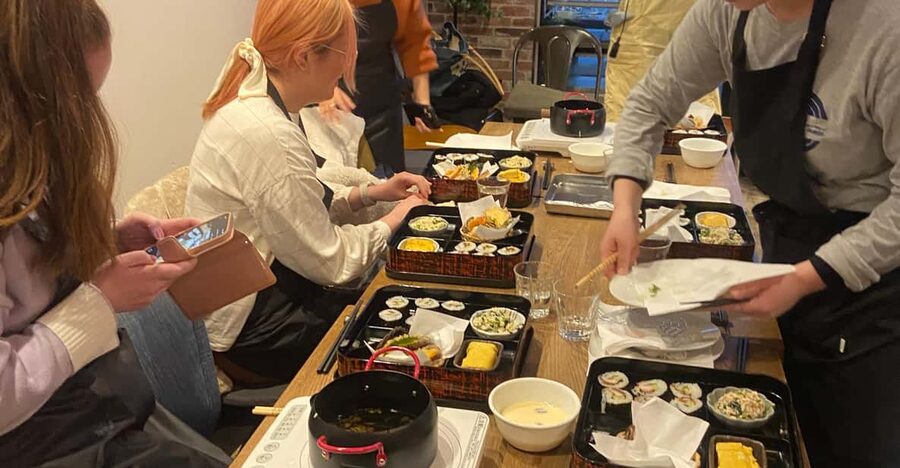
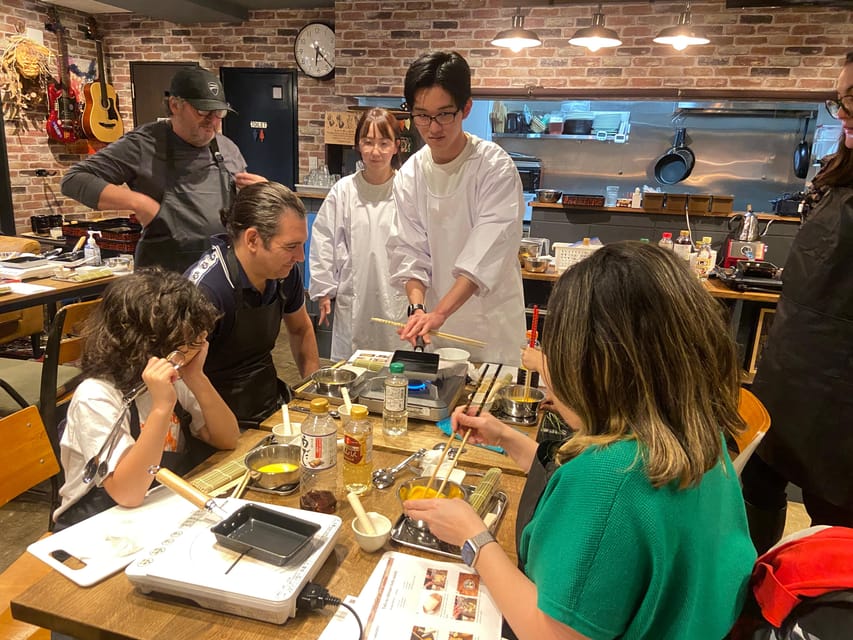
Tempura is one of the most enjoyable parts of the class because the technique looks simple but depends on small details. You learn how to prepare the ingredients, coat them, and fry them properly.
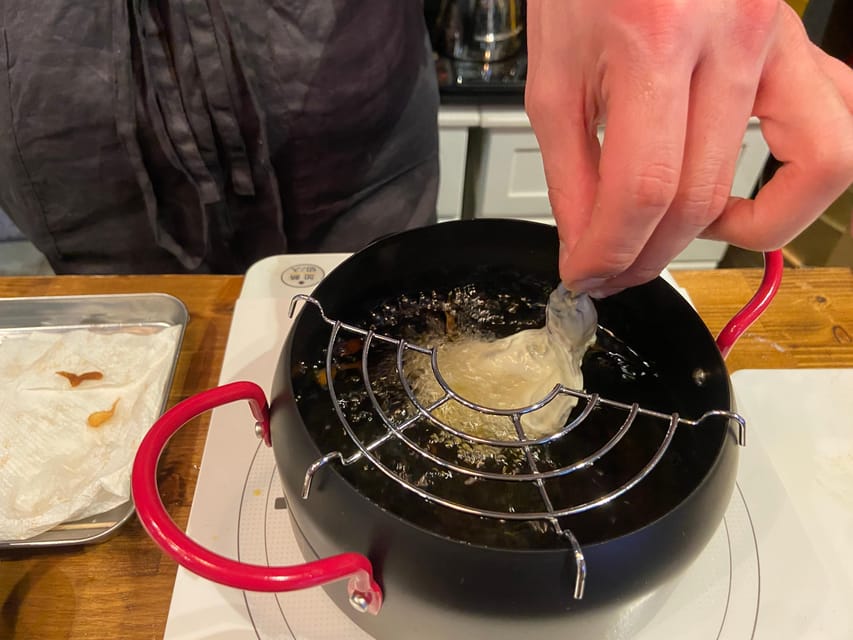
The instructor shows you how to work with the batter and oil, then you take part in the cooking. This hands-on approach is more useful than watching someone else produce perfect tempura. You get a feel for the process and see how the finished texture should look.
Frying is also the part of the lesson where you should pay close attention to the chef’s instructions. Hot oil requires care, and the class is not designed as a casual snack-making session. You are working with real cooking equipment under supervision.
The reward is a crisp element in your bento that contrasts with the softer tofu and omelette. Several dishes in one meal may sound like a lot, but each one gives you a different skill to practice.
Sushi rolls, tofu salad, and Japanese rolled omelette
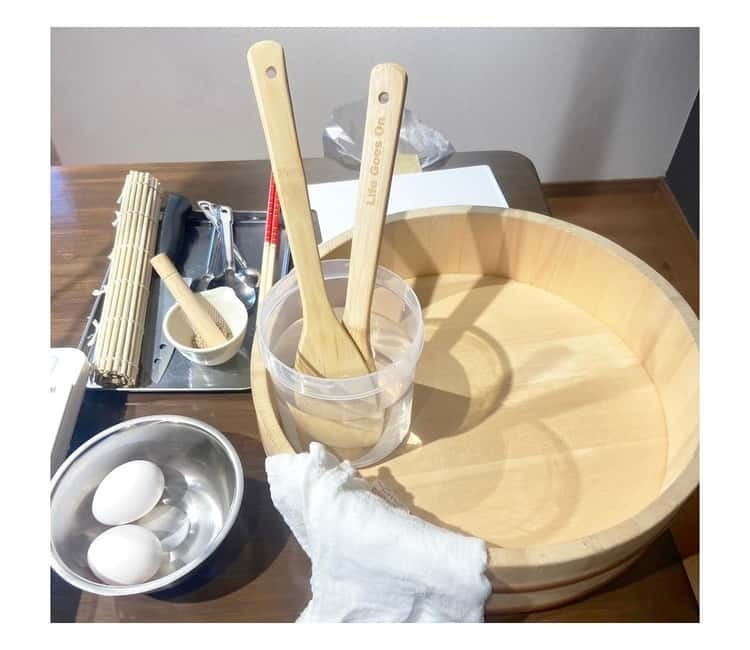
The sushi rolls give you practice with shaping and portioning. You learn how to assemble the ingredients so the roll holds together, then place it as part of the final bento.
The tofu salad brings a different texture and flavor. It is a good example of how Japanese cooking can make a simple ingredient feel complete through seasoning and careful preparation.
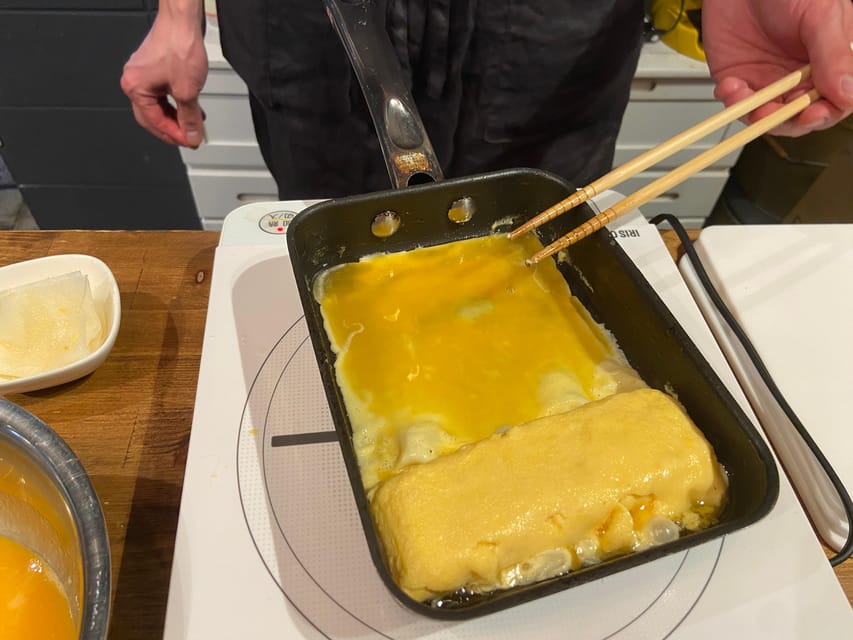
The Japanese rolled omelette, often called dashimaki, is another highlight. It is not the same as a thick Western omelette. You build it in layers and roll it carefully, using the seasoned dashi mixture to create a soft texture and gentle savory-sweet taste.
This is the kind of dish that can look easy when a chef prepares it quickly. Your own first attempt may not have perfect layers. That is part of the value. The instructor can show you how to handle the pan and correct your technique before you try again.
The final menu gives you a useful spread of methods:
- Sushi rolling and presentation
- Tempura preparation and frying
- Dashi stock
- Tofu seasoning
- Layered omelette technique
- Bento arrangement
The class description refers to four dishes, but the cooking includes several components and a large amount of food. Come hungry. People consistently describe the finished meal as generous and filling.
Sitting down to eat your own bento
After the cooking, you eat together and talk with the other participants. This shared meal is a natural ending because you can compare the different parts of the bento and see how they work as one lunch.
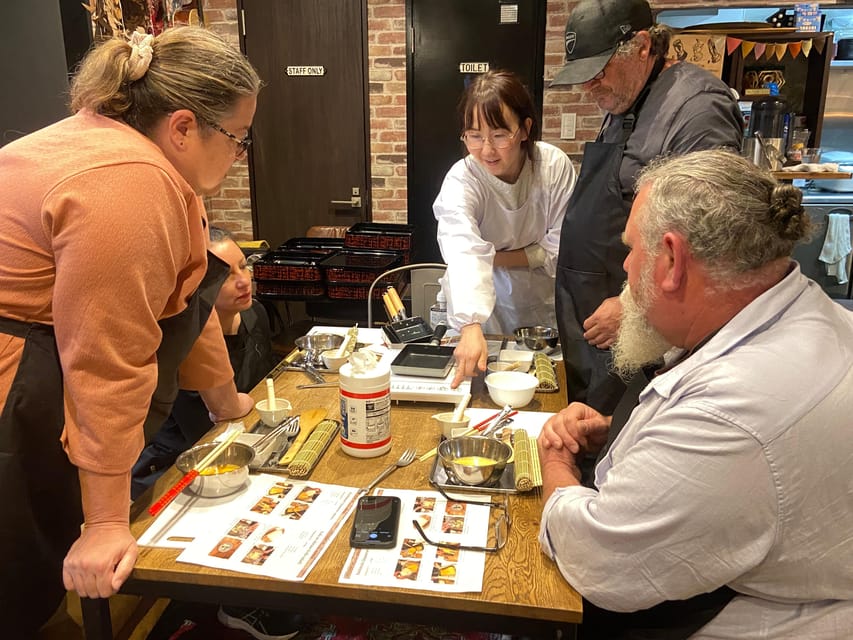
The small group size helps here. With no more than five participants, the class feels more personal than a large demonstration. You can ask follow-up questions, watch the chef’s technique closely, and get help when a roll or omelette does not behave as planned.
The setting has been described as relaxed, clean, and family-style. That does not mean you should expect a formal restaurant service. The point is to sit down with the food you prepared and enjoy the social side of Japanese home cooking.
The meal can be surprisingly substantial. Some people have described making so much food that arriving hungry is essential. If you have a light breakfast or plan to eat soon afterward, allow for the fact that this class functions as both a lesson and a full meal.
The chefs make the difference
The class is led by Yamamoto Rie, with instruction also provided by chefs including Ai and Miyu. The tone may vary slightly depending on who teaches your session, but the strongest praise centers on the same traits: patience, warmth, clear English, and careful preparation.
Ai is especially valued for explaining food culture and answering questions. Miyu has been praised for making the cooking feel friendly and social. Rie is known for her strong cooking knowledge, encouraging manner, and practical recipes.
That personal instruction is a major reason to choose this class over a generic cooking demonstration. You get direct feedback while cutting, rolling, and frying. Families have also found the format workable, including one parent and nine-year-old child who cooked together successfully.
The class suits couples, solo visitors, families with older children, and anyone who wants an activity that is more active than sightseeing. It is less suitable if you want to sit back, avoid kitchen work, or eat only a small meal.
Is $58 a fair price?
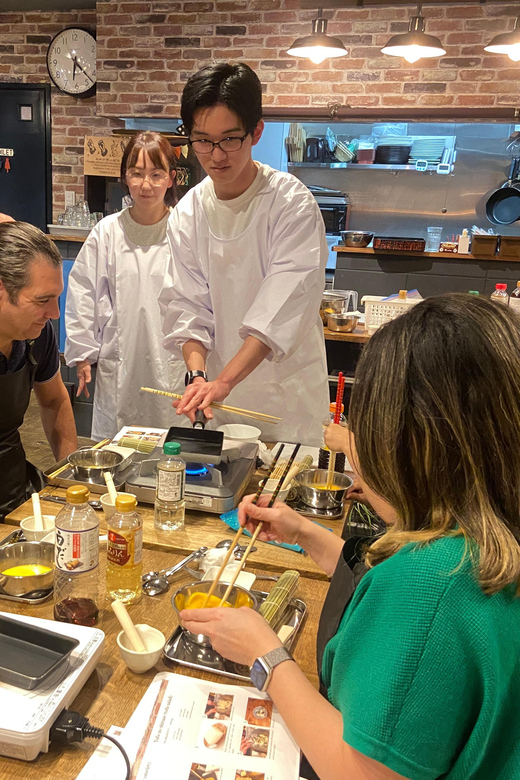
At $58, this class offers reasonable value for Kyoto. The price includes 150 minutes of instruction, ingredients, aprons, cooking equipment, four dishes, and the meal you prepare.
The value is strongest if you care about learning. A restaurant meal might cost less, but it would not teach you how to prepare dashi, fry tempura, or make dashimaki. A larger cooking class might also offer a lower price, but the five-person limit gives you more access to the chef.
You are paying for food, instruction, cultural context, and a social activity in one booking. I would consider it especially worthwhile early in a Japan trip, when the lessons can help you recognize ingredients and cooking methods during later meals.
The price is less attractive if you are mainly looking for a quick lunch. This class takes two and a half hours, and much of that time is spent preparing food. You should book it because you want to cook, not because it happens to include something to eat.
Who should book this Kyoto cooking class?
I would recommend it to you if you:
- Like Japanese food and want to understand how it is made
- Prefer small-group activities
- Want a practical souvenir rather than another object
- Enjoy learning from local chefs
- Are curious about bento culture and washoku
- Want a family-friendly activity for children old enough to follow kitchen instructions
- Hope to recreate Japanese dishes at home
You should think twice if you have limited mobility, since the activity is not suitable for wheelchair users. It is also listed as unsuitable for people with diabetes and for babies and very young children. The age information lists restrictions for children under two, three, and four, so check the current booking terms carefully if you are traveling with a young child.
If you have an allergy, tell the provider before booking and confirm what substitutions are possible. One participant with a shrimp allergy received an appropriate substitute, but you should not assume every dietary need can be handled without advance notice.
Should you book it?
Book this class if you want a useful, tasty look at everyday Japanese cooking rather than a passive food tour. The small group, patient chefs, large meal, and practical recipes make it one of the stronger choices for visitors who want to take a little of Kyoto home with them.
I would schedule it early in your trip, especially if Japanese cuisine is new to you. You will learn what dashi does, how a bento is balanced, and why dishes that look simple can require careful technique.
The main cautions are simple: reach Kyoto Laundry Cafe early, expect a hands-on session, and come hungry. If you can manage those points, the $58 price buys far more than lunch.
FAQ
Where does the Kyoto bento cooking class meet?
The meeting point is Kyoto Laundry Cafe, near Saiin Station on the Hankyu Railway. The cafe is about five minutes from the station.
How long does the cooking class last?
The class lasts 150 minutes, or two and a half hours.
How many people can join the class?
It is a small-group activity limited to five participants.
Which languages are available?
Instruction is available in English and Japanese.
What dishes do you prepare?
You prepare sushi rolls, tempura, tofu salad, and Japanese rolled omelette. The class also includes making dashi stock and learning related cooking techniques.
Is food included in the price?
Yes. Ingredients are included, and you eat the bento you prepare during the class.
What happens if I arrive late?
The chef meets you at Kyoto Laundry Cafe. If you arrive more than 15 minutes after the scheduled meeting time, the reservation is automatically canceled, and late arrival does not qualify for a refund or schedule change.
Can I cancel my booking?
You can cancel up to 24 hours in advance for a full refund. The activity also offers a reserve-now, pay-later option.
Just added around Kyoto
- Kyoto Udon & Tempura Cooking Class with Professional Chefs★ 3.8 · 3 reviews
- Kyoto: Morning Japanese Bento Cooking Class★ 5.0 · 149 reviews
- Kyoto: Wagashi (Japanese sweets) Cooking near Fushimiinari★ 5.0 · 40 reviews
- Kyoto Home Cooking Class &Supermarket tour near Fushimiinari★ 5.0 · 31 reviews
- Kyoto: Cooking class, learning how to make authentic sushi★ 4.2 · 9 reviews
- Kyoto: Authentic Sushi Making Cooking Lesson★ 5.0 · 103 reviews
- Authentic Japanese Cooking Experience at Izakaya restaurant★ 4.2 · 5 reviews
- Gyoza Cooking Class in Kyoto: Traditional Japanese Dumplings★ 5.0 · 12 reviews
Japanese & Sushi Cooking Classes, compared.
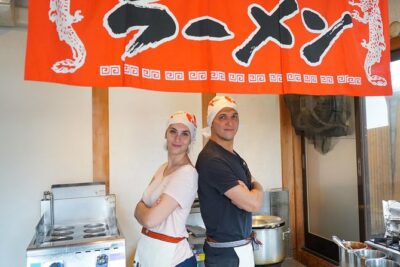
Ramen Cooking Class at Ramen Factory in Kyoto
Read our review →
Ramen & Gyoza Cooking Class in Tokyo with Local Supermarket Visit
Read our review →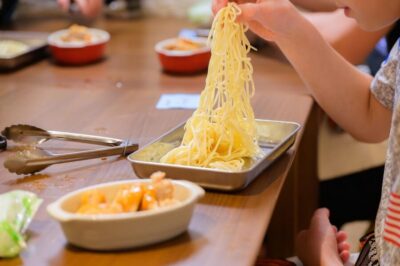
Ramen Cooking Class at a Ramen Factory with Souvenir
Read our review →
Sushi Making Osaka! Popular Sushi Class in Japan!
Read our review →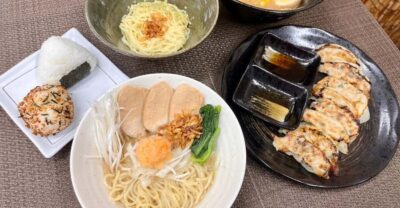
Tokyo Tsukiji Fish Market Tour and Sushi Making Lesson
Read our review →
Easy Ramen Cooking Experience in Kabukicho, Shinjuku
Read our review →Lists this class appears in