
REVIEW · CHUGOKU REGION, JAPAN
Hiroshima: Okonomiyaki Cooking Class with a Local Chef
Come hungry, leave proud. This Hiroshima food experience combines a short ride on the city’s historic tram with a hands-on meal at a local restaurant, where chef guidance turns layered cabbage, noodles, egg, and toppings into your own okonomiyaki. I especially like the small-group format and the chance to choose meat, seafood, vegetarian, or gluten-free ingredients. The bilingual guide Ken also adds useful context about Hiroshima and the dish itself.
I also like that you can cook alongside the chef or sit back and watch. That makes the class friendly for confident home cooks and people who would rather eat than handle a hot grill. My main caution is the restaurant setting: one person found the venue dirty, so anyone sensitive to restaurant cleanliness should keep that possible drawback in mind.
Key points at a glance
- Meet beside the Atomic Bomb Dome: The fountain in Peace Memorial Park is the starting point, giving you an easy landmark and a meaningful place to begin.
- Ride a Hiroshima tram: Your local transport to the restaurant is included, adding a small slice of everyday city life.
- Cook the Hiroshima way: Ingredients are layered instead of mixed together, with cabbage, bean sprouts, noodles, meat or seafood, and a fried egg.
- Choose your style: Meat, seafood, vegetarian, and gluten-free versions are available, with the gluten-free choice arranged by request.
- Learn with Ken and a professional chef: Ken translates the cooking steps and adds background about Hiroshima and okonomiyaki.
- Pay for a full food experience: At $56 per person, the price covers the guide, chef, cooking activity, one drink, and tram ride.
Meeting beside the Atomic Bomb Dome
The experience begins at the fountain next to the Atomic Bomb Dome in Hiroshima’s Peace Memorial Park. This is a practical meeting point because the Dome is one of the city’s easiest landmarks to identify, and the fountain gives you a more exact place to look for your guide.
Starting here also gives the activity a little more meaning than a standard restaurant visit. Okonomiyaki took shape in the difficult years after World War II, when inexpensive ingredients needed to feed people well. The dish became flexible, filling, and easy to adapt. That spirit still fits Hiroshima, where food, memory, and local pride often sit close together.
Your English-speaking guide leads the group from the park to the tram. The ride is included, and it gives you a quick look at Hiroshima beyond the memorial area. It is not a major sightseeing tour, but it adds useful local texture. You are using the same kind of transport that residents use, rather than simply appearing at a restaurant by taxi.
Ken receives especially strong praise for his clear English, warm manner, and ability to explain both Hiroshima and okonomiyaki. He may also point out landmarks along the way, so the journey can feel like a short introduction to the city rather than a transfer with no story.
More Sushi and Japanese Classes in Japan:
- Ramen Cooking Class at Ramen Factory in Kyoto
★ 5.0 · 1,937 reviews - Ramen & Gyoza Cooking Class in Tokyo with Local Supermarket Visit
★ 5.0 · 823 reviews - Kyoto: Ramen Cooking Class at a Ramen Factory with Souvenir
★ 4.9 · 532 reviews
Taking the tram to a local restaurant
The tram ride is short, but it helps connect the meal to the city. Hiroshima’s tram system is part of its identity, and riding it makes the class feel less sealed off from daily life.
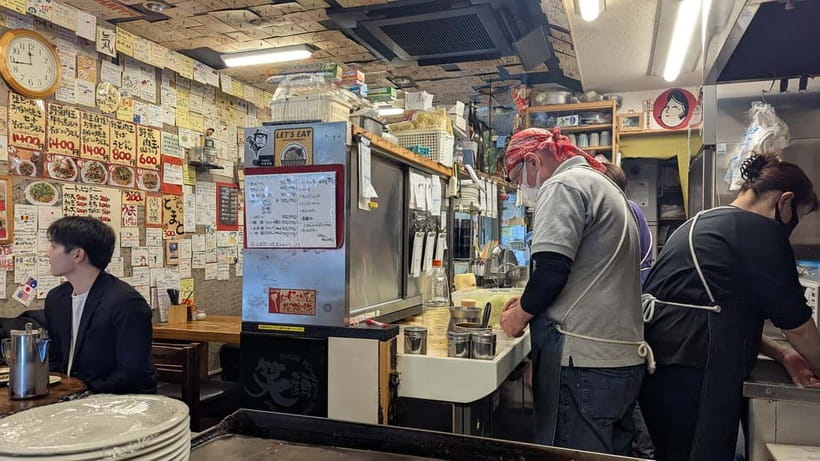
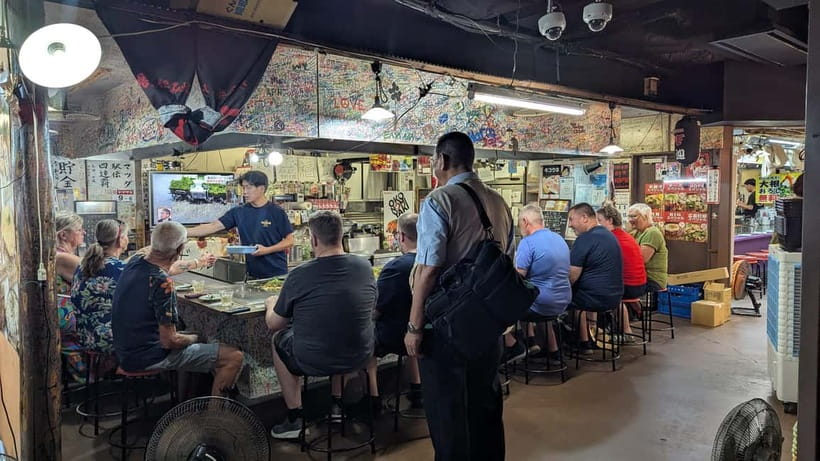
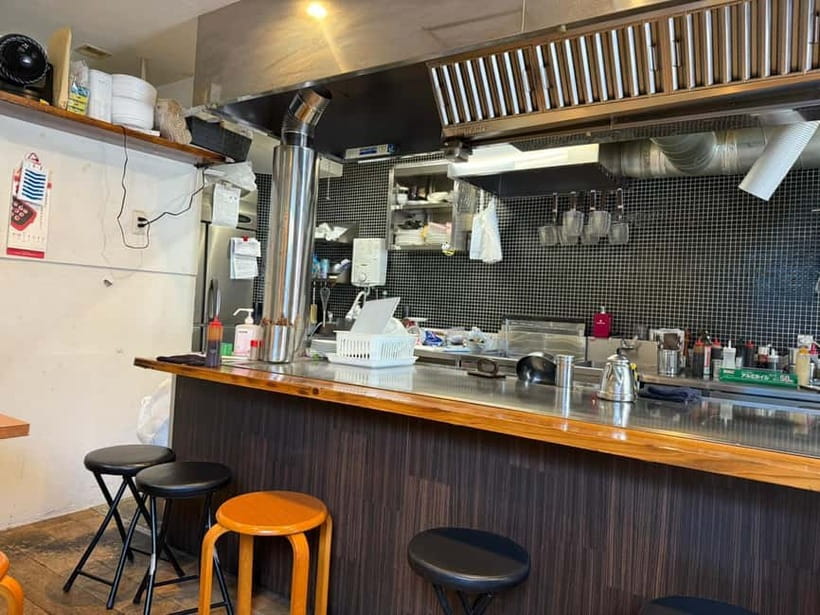
The restaurant is described as a real local place rather than a purpose-built tourist venue. That is important if you want to see how okonomiyaki is served in Hiroshima, with the dish prepared on a hot griddle and eaten fresh. You get the sights, sounds, and heat of the cooking area instead of receiving a finished pancake in a quiet dining room.
There is one practical tradeoff. A local restaurant may not have the polished appearance of a modern cooking school. One attendee described the restaurant as dirty, so I would not book this expecting a spotless studio kitchen. The appeal here is the local setting and direct contact with the food, not luxury surroundings.
The activity is available as a private or small-group experience. A smaller group matters at the griddle. You have more room to ask questions, watch the chef, and take part without feeling lost in a crowd. It also helps if you want Ken to translate specific cooking instructions or explain an ingredient.
Why Hiroshima okonomiyaki is different
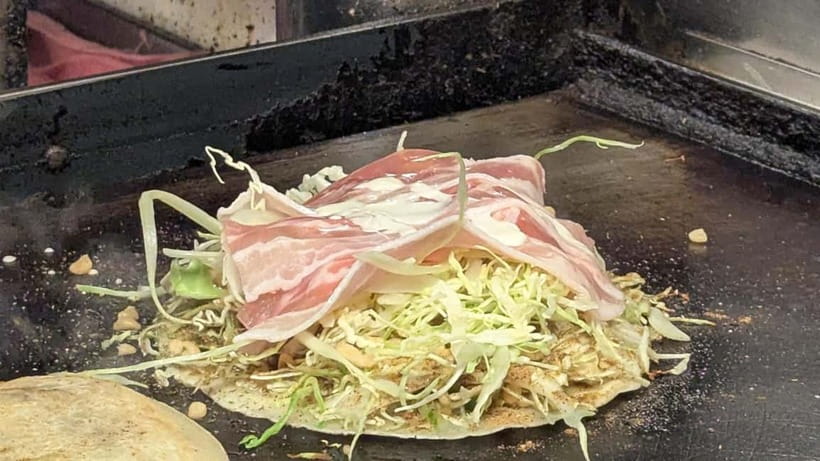
If you know Osaka-style okonomiyaki, Hiroshima’s version may surprise you. Osaka generally mixes the ingredients before cooking. Hiroshima builds the dish in layers, placing each part carefully on the griddle.
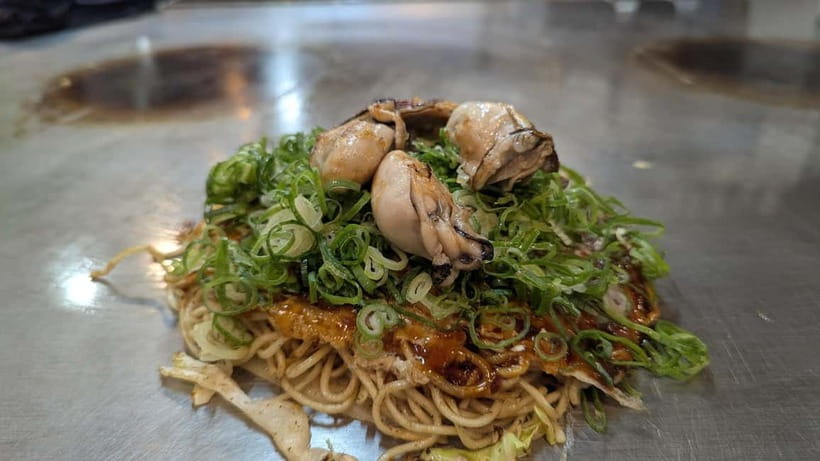
The usual structure includes a thin batter base, a large portion of cabbage, bean sprouts, noodles, meat or seafood, and a fried egg. The parts cook in stages, then come together as one tall, generous dish. The result is more detailed and often larger than people expect from the phrase savory pancake.
That layered method is the heart of the class. You are not just stirring ingredients in a bowl and pouring them onto a pan. You watch the chef manage several cooking areas at once. Timing matters, and the order of the layers affects the finished texture.
I like this style because it shows local technique clearly. The chef’s work is part cooking lesson and part performance, but you are also allowed to take control. The dish is served hot from the griddle, which means you eat it at the moment it is meant to be enjoyed.
Okonomiyaki means roughly grill it how you like, and the flexible ingredient choices reflect that idea. The dish can include different fillings and toppings, so a family or group does not need to order exactly the same version.
Cooking beside the professional chef
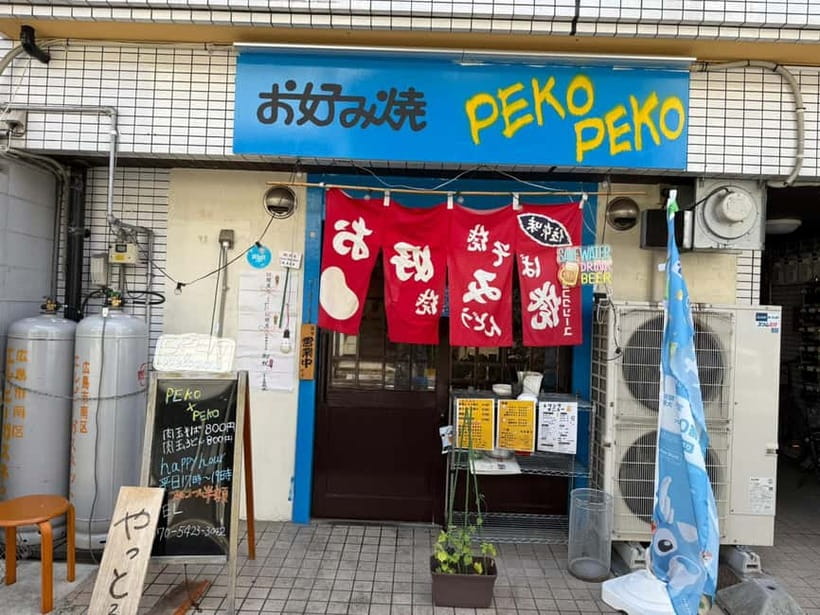
The main event is hands-on, but the amount of cooking you do depends on your comfort level. The chef demonstrates each step, then guides you as you cook your own okonomiyaki. Ken translates the instructions into English, which helps you follow the process rather than simply copy movements without knowing why they matter.
You can also choose to watch and let the chef handle the cooking. That option is useful if you have limited mobility, feel uneasy around a hot griddle, or simply want a relaxed meal. You still get the explanation and the finished dish without pressure to perform.
The chef is described as patient and friendly, which matters here. Hiroshima okonomiyaki is not difficult because the ingredients are complicated, but the layers and timing can make the process look busy. Calm instruction lets you enjoy the activity instead of worrying about ruining lunch.
I would treat this as a guided food lesson, not a formal culinary course. You are learning the basic structure and method while making one dish. The real value is the connection between the chef’s technique, the local style, and the food on your plate.
The class is also social in a natural way. Everyone has a reason to watch the same grill, compare ingredients, and react when the layers come together. One drink is included, alcoholic or non-alcoholic, which helps round out the meal without making the package feel like a drinking tour.
A few more cooking classes around Japan worth a look
- Kyoto: Ramen, Gyoza, and Onigiri Cooking Class
★ 5.0 · 445 reviews - Kyoto: Japanese Washoku Bento Small Group Cooking Class
★ 5.0 · 380 reviews - Osaka: Ramen and Gyoza Cooking Class in Dotonbori
★ 5.0 · 378 reviews - Tokyo: Easy Ramen Cooking Experience in Kabukicho, Shinjuku
★ 4.6 · 321 reviews
Meat, seafood, vegetarian, and gluten-free choices
The four food versions make this experience more flexible than many fixed-menu cooking activities. You can choose meat, seafood, or vegetarian ingredients. A gluten-free option is also available by request.
You should make that gluten-free request before the activity rather than assuming it can be arranged at the last moment. The supplied information confirms the option, but it does not describe the full procedure for avoiding cross-contact, so anyone with a serious allergy should ask for clear details when booking.
The vegetarian choice is useful for people who do not eat meat, though the exact ingredients are not specified. I would confirm any strict dietary needs in advance. The same applies to seafood allergies or other restrictions.
Because okonomiyaki is built in layers, the chef can explain what goes into your version as it is prepared. That is more helpful than trying to guess from a finished dish. It also lets you understand how the same basic style can change from one order to another.
What the $56 price covers
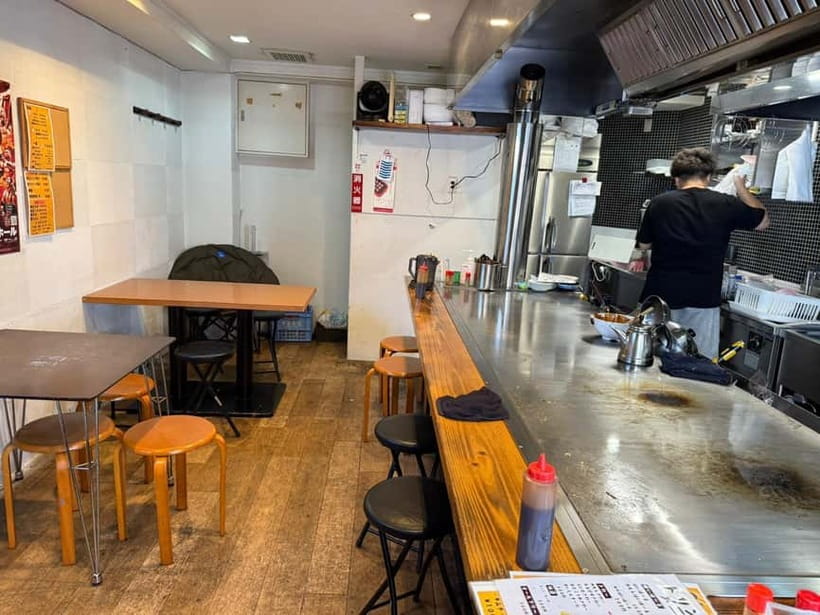
At $56 per person, the cost is reasonable if you value the full combination rather than just the meal. Your price includes a bilingual English-speaking guide, a professional chef, the cooking experience, one alcoholic or non-alcoholic drink, and the local tram ride.
A normal restaurant meal alone would not give you the chef’s instruction or the background about Hiroshima’s food culture. A cooking class without transport would also miss the short local connection between Peace Memorial Park and the restaurant. Here, the price brings those pieces together.
You are not paying for a full sightseeing day. The activity lasts from two to six hours depending on the selected time and format, and the exact duration should be checked when you choose a start time. The meal is the main purpose, with the tram ride and city commentary adding context around it.
Additional drinks and food are not included. That is easy to manage, since one okonomiyaki is designed to be filling, but you should budget for anything beyond the included drink.
The current rating is 4.8 from 11 reviews, with most of the detailed feedback praising Ken, the chef, the food, and the relaxed small-group format. The one clear caution concerns restaurant cleanliness, so I would weigh local atmosphere against the possibility of a less polished venue.
The walk back through Hiroshima
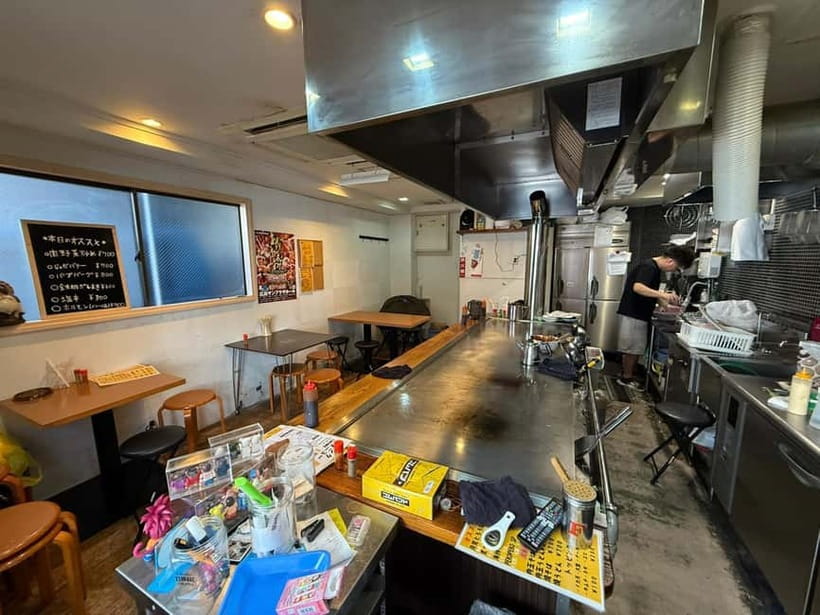
After eating, many people can stroll along the river toward the Peace Memorial Park area. This is not presented as a formal guided walking tour, so you should think of it as a pleasant way to continue the afternoon rather than a scheduled sightseeing section.
The river route gives you time to settle after a substantial meal and see a quieter side of central Hiroshima. If you prefer not to walk, Ken can direct you to the nearest tram station. That makes the ending flexible and useful for continuing to a hotel, museum, or another part of the city.
The location also makes the class easy to pair with time at the Peace Memorial Park. You can visit the park before meeting, take the cooking class, then return on foot afterward. Since the meeting point is beside the Atomic Bomb Dome, it fits neatly into a day focused on Hiroshima’s memorial sites and local culture.
Who will enjoy this experience most
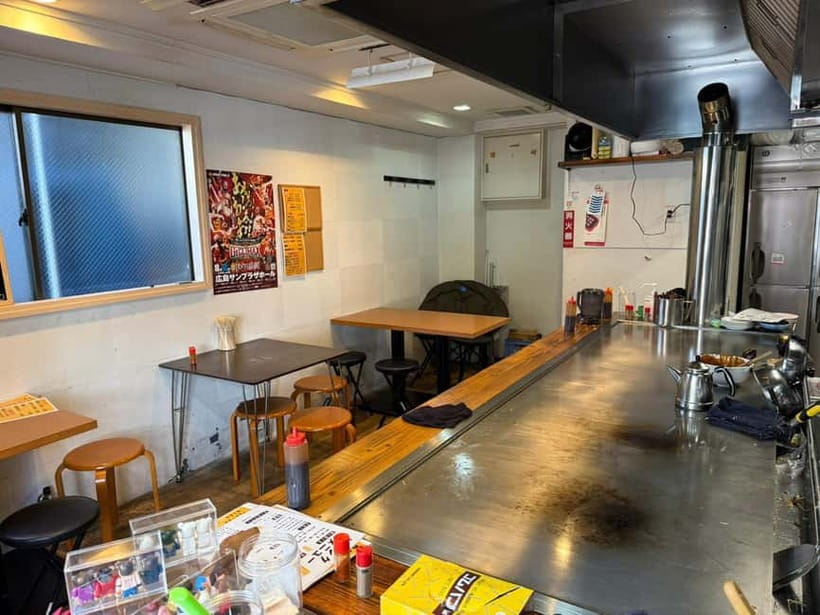
I would recommend this class to you if you want food to be part of your sightseeing. It suits curious eaters, couples, families, solo visitors, and small groups who enjoy learning by doing.
It is especially good for people who want more than a restaurant recommendation. You learn what makes Hiroshima okonomiyaki different, see the dish built in layers, hear about its place in postwar life, and then eat the result.
It also works well for mixed groups. The enthusiastic cook can take the lead, while someone else can simply watch. Meat, seafood, vegetarian, and gluten-free possibilities make it easier to accommodate different preferences, although dietary needs should be confirmed in advance.
You may want to skip it if you are looking for a polished cooking studio, a strict multi-course lesson, or a high-end dining room. The local restaurant setting is part of the appeal, but it may also feel basic. People who dislike griddle heat, close cooking spaces, or hands-on food preparation may prefer a standard meal.
Wheelchair access is available, which widens the appeal, though you should still confirm the precise route and restaurant setup when booking. Private and small-group formats are offered, so you can select the setting that best matches your party.
Should you book the Hiroshima okonomiyaki class?
Book it if you want a filling meal, a bit of city transport, and a genuine local food lesson in one outing. The strongest reasons are Ken’s friendly English guidance, the patient chef, the chance to cook your own layered okonomiyaki, and the intimate group size.
I would book this as a cultural food experience, not as a pristine kitchen workshop. The possible cleanliness issue is worth considering, but it does not erase the value of learning Hiroshima’s signature style at a working restaurant.
For $56, you receive more than a plate of food. You get the tram ride, local context, one drink, and the satisfaction of seeing your own okonomiyaki come together. Ask for the gluten-free option ahead of time, check the exact duration, and arrive ready to eat a dish that is as much about local pride as it is about cabbage and noodles.
FAQ
Where does the Hiroshima okonomiyaki class meet?
The meeting point is in front of the fountain next to the Atomic Bomb Dome in Hiroshima’s Peace Memorial Park.
How long does the experience last?
The activity is listed as lasting between two and six hours. Starting times and the exact duration depend on availability.
Is the experience conducted in English?
Yes. It includes a live English-speaking guide, and the guide translates the chef’s instructions during the cooking activity.
Is transportation included?
Yes. A local train ride within Hiroshima is included. The experience uses Hiroshima’s historic tram system to reach the restaurant.
What types of okonomiyaki are available?
You can choose meat, seafood, vegetarian, or gluten-free options. The gluten-free option must be requested in advance.
Do I have to cook my own okonomiyaki?
No. You can cook your own dish with the chef’s guidance, or you can relax and watch the chef prepare it.
Is a drink included?
Yes. One drink is included, and it can be alcoholic or non-alcoholic. Additional drinks and food cost extra.
Is the activity wheelchair accessible?
Yes, the activity is listed as wheelchair accessible.
Can I book a private experience?
Yes. Private and small-group options are available.
Just added around Japan
- Cooking Class: Make a Local Delicacy in a Japanese House★ 5.0 · 7 reviews
- Culinary Home Cooking with Grandmothers – Vegan Friendly★ 5.0 · 5 reviews
- Nagoya Super Market Tour & Home Cooking Class with a Local, Akiko★ 5.0 · 10 reviews
- Tokyo: Sushi Cooking Class with Sake Tasting★ 4.8 · 55 reviews
- Tokyo: Sushi roll and side dish cooking experience★ 5.0 · 2 reviews
- Tokyo: Sushi Making Experience & Japanese Cooking Class★ 5.0 · 2 reviews
- Tokyo: Gyoza Making from Scratch – Ultimate Cooking Class★ 5.0 · 2 reviews
- Tokyo: Night Cooking Class: 5 Home-Cooked Japanese Dishes★ 4.9 · 13 reviews
Japanese & Sushi Cooking Classes, compared.
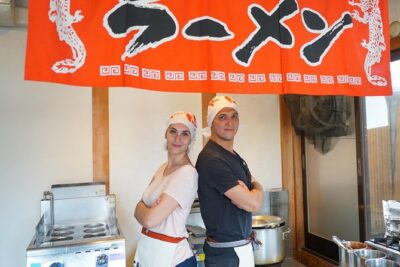
Ramen Cooking Class at Ramen Factory in Kyoto
Read our review →
Ramen & Gyoza Cooking Class in Tokyo with Local Supermarket Visit
Read our review →
Ramen Cooking Class at a Ramen Factory with Souvenir
Read our review →
Sushi Making Osaka! Popular Sushi Class in Japan!
Read our review →
Tokyo Tsukiji Fish Market Tour and Sushi Making Lesson
Read our review →
Japanese Washoku Bento Small Group Cooking Class
Read our review →
Lists this class appears in