REVIEW · KYOTO, JAPAN
Private Kyoto Sushi Cooking Class & Tea Ceremony with Emika
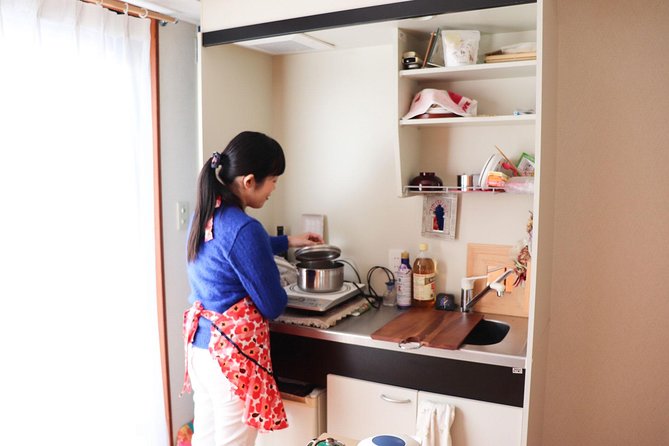
A home kitchen can reveal more than a restaurant. This three-hour private experience brings you into Emika’s Kyoto home to prepare sushi or Obanzai cuisine, share a meal, and learn about everyday Japanese food from a local family. I like the small, personal setting and the chance to use seasonal vegetables, including produce grown in Emika’s own organic garden.
I also like the flexible menu. You can request sushi or a traditional Kyoto-style meal, and dietary needs can be discussed before you arrive. The main consideration is location: the home is about a 10 to 15 minute walk from Katsura Station through winding residential streets, so you’ll need to allow extra time and use a map.
Quick points to know before booking
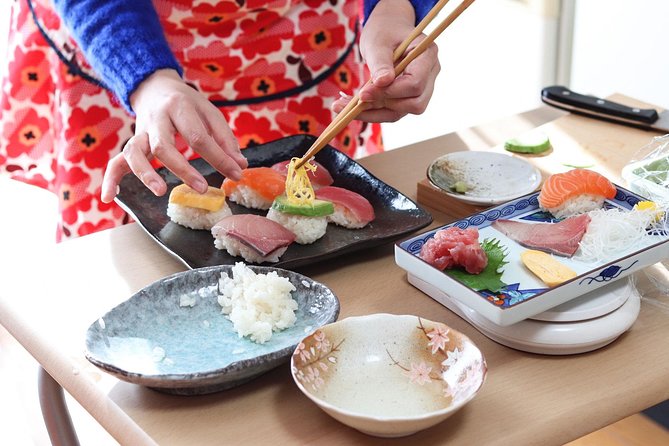
- Cook in Emika’s family home: This is a private activity for your group, not a large culinary school class.
- Choose your main menu: Ask for sushi or Obanzai cuisine when booking. Some sessions also feature dishes such as Osaka-style okonomiyaki.
- Use seasonal ingredients: Emika’s garden vegetables may appear in the meal, alongside Japanese staples, fresh fish, tofu, mushrooms, and miso.
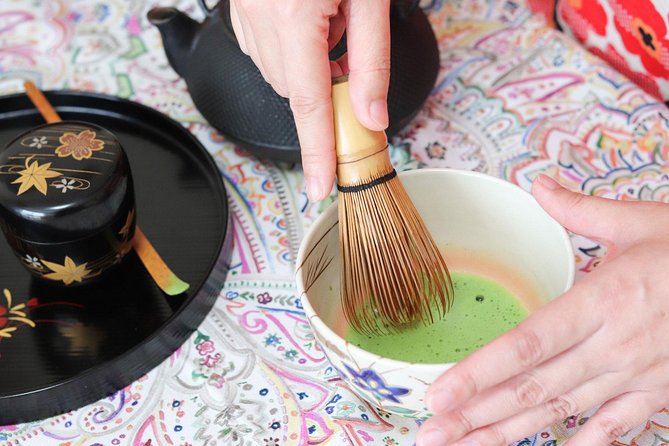
- Finish with matcha: Emika or her father prepares traditional matcha, giving the class a cultural moment beyond the cooking.
- Add a local shopping walk: The optional market outing happens after the cooking and meal, not before.
- Plan for a residential setting: The meeting point is in Kyoto’s Nishikyo Ward, near public transportation but outside the busiest sightseeing core.
Why a Kyoto home kitchen beats another restaurant meal
Kyoto has no shortage of excellent food. You can eat sushi, tofu, noodles, and seasonal vegetables in restaurants all over the city. What you cannot get as easily is the chance to prepare those foods in a local home, ask questions as you go, then sit down and eat what you made.
That personal setting is the main reason I find this experience appealing. Emika welcomes only your group, so the pace can stay relaxed. You are not trying to hear instructions over a crowd, and your questions can shape the conversation. The setting also gives you a glimpse of ordinary Kyoto life beyond temples, gardens, and shopping streets.
The experience suits curious eaters more than serious cooks. You do not need advanced skills. The cooking is designed for all levels, and Emika’s teaching style is patient and practical. You learn techniques you can try again at home, rather than simply watching a chef prepare a meal.
Families can get good value from the format. Children have been included in sushi sessions, and the hands-on work gives younger visitors something to do besides look at another shrine. Couples and small groups also benefit from the private format, especially if you want a quieter cultural activity.
More Private Cooking Classes in Japan
- Private Cooking Class Udon in Kyoto Japan
★ 5.0 · 23 reviews - Private Ramen or Gyoza Cooking Class in Kyoto with Chef Midori
★ 5.0 · 18 reviews - Private Guided Traditional Buddhist Cooking in Japan
★ 5.0 · 16 reviews
Arriving in Katsura and finding Emika’s home
The meeting point is at 31-30 Katsurainariyamacho in Kyoto’s Nishikyo Ward. From Katsura Station, allow about 10 to 15 minutes on foot. The route passes through residential streets, and the turns may not feel obvious if you are used to Kyoto’s broad tourist routes, so keep Google Maps open and give yourself a little extra time.
This walk is part of the experience, but it is also the main logistical wrinkle. You are not meeting beside Kyoto Station or at a famous central landmark. If your day is packed with visits around Gion, Kiyomizu-dera, and Arashiyama, check the travel time carefully before choosing a lunch or dinner slot.
Once you arrive, the tone changes quickly from sightseeing to home visit. You meet Emika and may also spend time with her father, who can prepare the matcha. The welcome is informal and warm, with room for questions about food, customs, and daily life in Japan.
The activity ends back at the same meeting point. Hotel pickup and drop-off are not included, so you handle the journey to and from the house yourself.
Choosing between sushi and Kyoto Obanzai
You should decide on your preferred menu while making the booking. The two choices offer different kinds of cooking.
A sushi session can include preparing sushi rice, making miso soup, handling seasonal vegetables, and shaping nigiri or other sushi styles. One participant described learning to form rice in the hands before placing raw fish on top, with seaweed used as an option. You may also learn small tricks and ingredient tips that make sushi easier to recreate at home.
Sushi sounds simple, but rice texture, seasoning, and hand technique matter. A class gives you a chance to work through those details instead of just buying a kit and guessing. If you have children in your group, the shaping and rolling can be especially engaging.
Obanzai is a better fit if you want to understand Kyoto’s home-style cooking. This style uses familiar ingredients in straightforward dishes, often including marinated mushrooms, slow-cooked vegetables, miso soup, tofu, and seasonal produce. The meal may include two vegetable side dishes along with a main course.
The word Obanzai points to the practical cooking of Kyoto households, where vegetables and modest ingredients are treated with care. That makes the class useful for you if sushi is not your main interest, or if you want food that is easier to prepare regularly at home.
The exact menu can vary. Some sessions have included Osaka-style okonomiyaki, a savory pancake-style dish, rather than a sushi or strictly Obanzai menu. Confirm your preference in advance, especially if you have a specific dish in mind.
Cooking with garden vegetables and local ingredients
One of the nicest details is that Emika grows organic vegetables herself. Depending on the season, produce from her garden may become part of your side dishes. That creates a direct link between the garden, the kitchen, and the meal on your plate.
You will also work with Japanese ingredients and seasonings that may be unfamiliar at first. Emika explains how they are used and points out products you might later find in Japanese supermarkets. This is more useful than simply tasting a finished dish because you leave with a clearer idea of how Japanese home cooking is built.
The hands-on cooking portion lasts roughly an hour, though the full activity takes about three hours. You may prepare sushi, soup, vegetables, tofu dishes, or another agreed menu. The structure gives you enough time to cook without turning the session into a rushed demonstration.
The class also leaves room for conversation. Emika can answer questions about Japanese customs, etiquette, food, and life in Kyoto. Her teaching is described as clear and patient, which matters in a private class where the quality of the host shapes the entire experience.
If you have allergies, dietary restrictions, or cooking preferences, tell Emika when booking. Vegetarian needs have been accommodated, and the private format makes personal adjustments more practical than they would be in a large group class. Still, you should communicate clearly ahead of time rather than assume every ingredient can be changed on arrival.
More Private Cooking Classes in Kyoto
- Private Plant-Based Japanese Cooking Class – Kyoto Edition
★ 5.0 · 15 reviews
Sitting down to eat what you prepared
After cooking, you sit down with Emika and eat the meal together. This shared table is the heart of the experience. You are not simply taking home a recipe or watching someone else cook. You get to taste the result while the steps are still fresh in your mind.
The food may be paired with one or two glasses of local alcohol. Nigori sake has been available, along with other options. The drink is included, but you can also choose matcha as part of the experience.
The meal gives Emika a natural chance to explain ingredients and customs. Ask about the flavor of miso, the use of seasonal vegetables, or how a dish might be served in a Japanese home. These small conversations are often more useful than a formal lecture because they connect directly to what you are eating.
Keep your expectations sensible. This is not advertised as a professional sushi certification class, and you should not expect a restaurant tasting menu. The value is in learning, cooking together, and sharing food in a private home.
Matcha and the tea ceremony
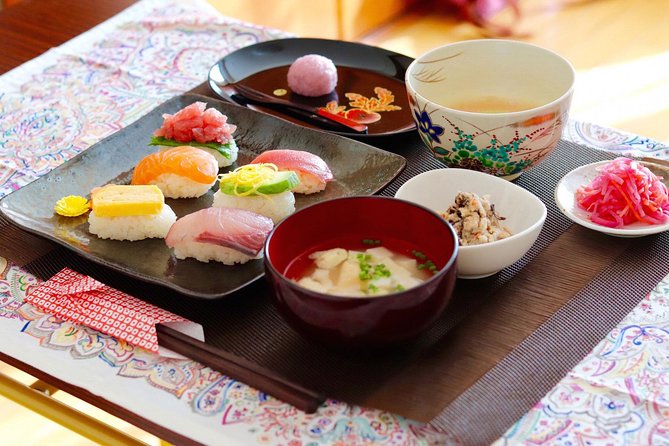
The experience begins or ends with a freshly prepared cup of matcha. Emika or her father prepares the tea, adding a traditional cultural element to the meal.
The tea ceremony portion appears to be modest rather than a lengthy formal performance. That is a strength if you want a relaxed introduction. You can enjoy the tea in the same home setting rather than moving to a separate venue or sitting through a long ceremonial program.
Matcha also provides a quiet pause after the cooking. The class moves from preparation, to conversation over food, to tea. That rhythm helps the experience feel like a visit rather than a standard cooking lesson.
If you prefer alcohol, the included local drink gives you another option. If you do not drink, matcha is the natural choice. Clarify any preference when you book so the host knows what suits your group.
The optional market walk after lunch
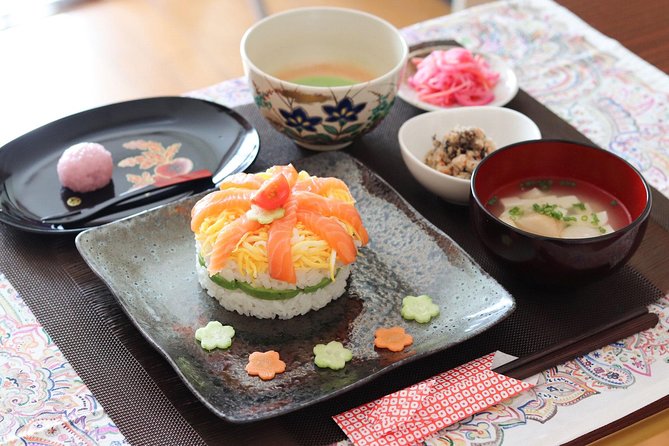
Choose the market option if you want help understanding Japanese ingredients beyond the kitchen. After the meal, you walk about 10 minutes with Emika to a supermarket and produce store used by local residents.
The timing matters: this shopping tour takes place after the cooking class and lunch or dinner, not before. You will already have seen the ingredients in action, so the supermarket visit becomes a useful follow-up rather than a generic shopping stop.
Emika can point out Japanese seasonings, spices, and food products, and she can help you buy ingredients to take home. This is particularly worthwhile if you plan to recreate sushi, miso soup, or side dishes after returning home.
The market option adds about an hour to the experience. If you have a strict afternoon schedule, account for that extra time. If you like food shopping and want practical help reading Japanese products, it is probably the better choice.
What the $109 price gives you
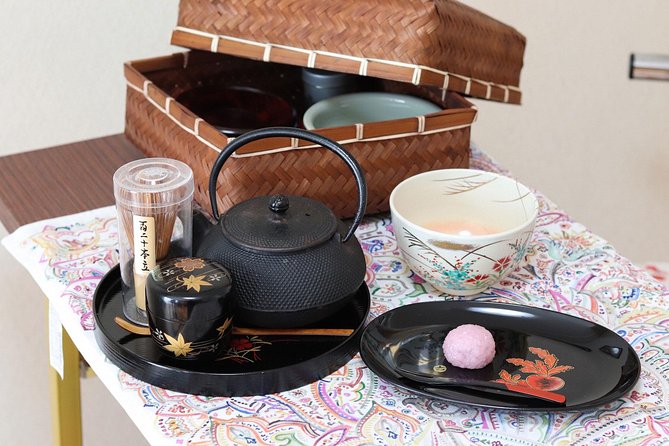
At $109 per person, this is not the cheapest way to eat lunch in Kyoto. The price makes more sense when you count what is included: a private class, the meal you prepare, matcha, one or two glasses of local alcohol, and personal time with a local host. The market tour is included if you choose that option.
A restaurant meal gives you food. This experience gives you food plus instruction, conversation, recipes and techniques, a home visit, and help understanding Japanese ingredients. I see the strongest value for couples, families, and small groups who would otherwise book both a meal and a separate cultural activity.
The private format also matters. You are paying for a personal session rather than a seat in a crowded class. That can be worthwhile if your group has different skill levels, dietary needs, or lots of questions.
The value is weaker if you only want to eat sushi quickly or if your itinerary has no room for a three-hour activity. It is also less convenient if you are staying far from western Kyoto and do not want to spend time reaching a residential neighborhood.
Who will enjoy this most
I would recommend the class to:
- Couples looking for a personal Kyoto evening
- Families with children or teenagers who enjoy hands-on activities
- Food lovers who want to shop for Japanese ingredients later
- Vegetarians or people with dietary needs who prefer advance menu planning
- Visitors who want everyday home culture, not only major sightseeing sites
- Cooks who want techniques they can use after returning home
I would think twice if you are seeking a formal tea ceremony, a high-end sushi meal, or a centrally located activity. The tea component is part of the cooking visit, not a long standalone ceremony, and the home is outside Kyoto’s main sightseeing center.
Should you book Emika’s cooking class?
Yes, if you value personal contact and practical food skills more than a polished tourist production. The combination of Emika’s home, garden vegetables, hands-on cooking, matcha, and optional supermarket walk gives you a clear look at Kyoto’s food culture from the kitchen outward.
Book early if your schedule is fixed. The experience is often reserved well ahead, with an average booking lead time of about 49 days. At booking, choose sushi or Obanzai, explain allergies and dietary needs, and decide if you want the market option.
I would especially choose it for a family or couple wanting one slower, more personal day in Kyoto. Just allow time for the walk from Katsura Station, bring a working map, and remember that the best part is not a perfect sushi shape. It is learning how Japanese food fits into everyday home life.
FAQ
How long does the Kyoto cooking class last?
The full experience lasts about three hours. The cooking portion takes roughly an hour, followed by the meal and tea ceremony. The optional market tour adds about one hour.
Where does the experience meet?
You meet at Emika’s home at 31-30 Katsurainariyamacho, Nishikyo Ward, Kyoto, 615-8025, Japan. The activity ends at the same meeting point.
Can I choose sushi or Obanzai cuisine?
Yes. Tell Emika when booking whether you prefer sushi or a traditional Kyoto Obanzai menu. Other dishes, including Osaka-style okonomiyaki, may also be possible depending on the agreed menu.
Is the class private?
Yes. Only your group participates in the cooking class and tea ceremony.
Is the market tour included?
The supermarket and produce market tour is included if you choose the Market tour option. It takes place after the cooking class and meal, and the walk to the market takes about 10 minutes.
Are drinks included?
Yes. The experience includes one or two glasses of local alcohol. Matcha is also prepared as part of the tea experience.
Can dietary restrictions be accommodated?
You should tell Emika about allergies, dietary restrictions, and cooking preferences when booking. Vegetarian requirements have been accommodated in private sessions, but arrangements should be made in advance.
More Sushi and Japanese Classes in Kyoto
- Ramen Cooking Class at Ramen Factory in Kyoto
★ 5.0 · 1,937 reviews - Kyoto: Ramen Cooking Class at a Ramen Factory with Souvenir
★ 4.9 · 532 reviews - Kyoto: Ramen, Gyoza, and Onigiri Cooking Class
★ 5.0 · 445 reviews - Kyoto: Japanese Washoku Bento Small Group Cooking Class
★ 5.0 · 380 reviews
Just added around Kyoto
- Kyoto Udon & Tempura Cooking Class with Professional Chefs★ 3.8 · 3 reviews
- Kyoto: Morning Japanese Bento Cooking Class★ 5.0 · 149 reviews
- Kyoto: Wagashi (Japanese sweets) Cooking near Fushimiinari★ 5.0 · 40 reviews
- Kyoto Home Cooking Class &Supermarket tour near Fushimiinari★ 5.0 · 31 reviews
- Kyoto: Cooking class, learning how to make authentic sushi★ 4.2 · 9 reviews
- Kyoto: Authentic Sushi Making Cooking Lesson★ 5.0 · 103 reviews
- Authentic Japanese Cooking Experience at Izakaya restaurant★ 4.2 · 5 reviews
- Gyoza Cooking Class in Kyoto: Traditional Japanese Dumplings★ 5.0 · 12 reviews
Private Cooking Classes, compared.
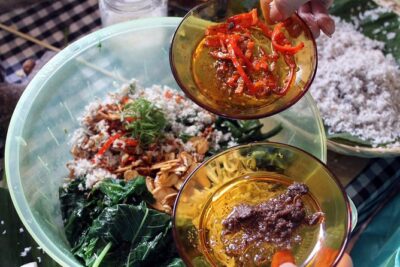
PRIVATE Authentic Balinese Cooking Class in Ubud at Putu’s Home
Read our review →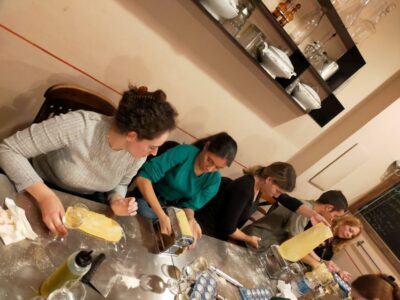
Pasta Making Class with Tiramisu & Wine PRIVATE OPTION
Read our review →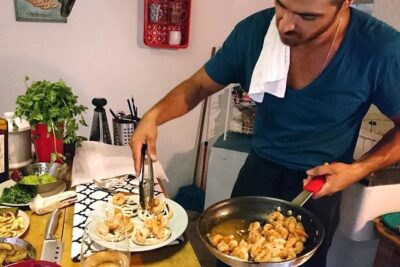
Private Market Tour & Cooking Class in Puerto Vallarta with Manu
Read our review →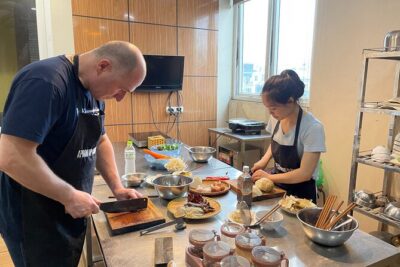
Private Cooking Class with 5 dishes of your choice
Read our review →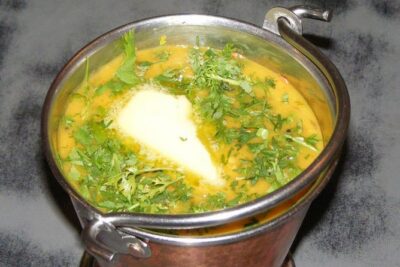
Veg and Non veg : Private Cooking Class in Delhi home (7 meal)
Read our review →
PRIVATE Balinese Cooking Class in Ubud with Dewa with Transfers
Read our review →
VIP Mekong Delta Adventure Cycling & Kayaking – Private Day Trip
Read our review →