
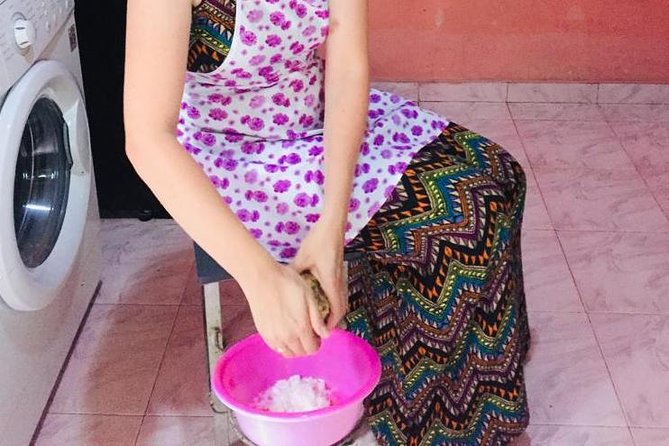
REVIEW · COLOMBO, SRI LANKA
Cooking class in Srilanka
Skip the restaurant for one afternoon. This Colombo cooking class gives you a hands-on taste of Sri Lanka, with 10 traditional dishes, desserts, and every pot cooked in the old-fashioned way. I like the direct format: you do the chopping, mixing, and cooking while the chef explains the methods and spices. I also like that this is a private activity, so your group can work at its own pace. The main consideration is the location in Angoda, outside central Colombo, and the class requires about three hours of your day.
This is not a polished restaurant demonstration where you sit back and watch. You are expected to make the dishes yourself, which can mean more work and less comfort than a classroom with air conditioning and prepared ingredients. That is also the reason I find it appealing: the experience takes place in a real home with a real family, rather than a staged professional kitchen.
Key points about the Colombo cooking class
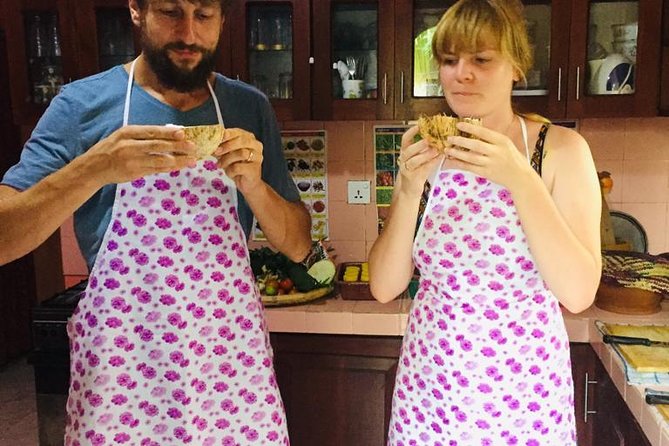
- Ten dishes in roughly three hours: You prepare a large range of Sri Lankan food, including traditional desserts.
- Clay pots are used throughout: This gives the class a traditional cooking style rather than a modern restaurant setup.
- You do the cooking yourself: The chef explains the steps, but this is not a watch-only demonstration.
- A private group experience: Only your party participates, which allows for a more personal format.
- Located in Angoda near Colombo: The meeting point is Colombo Cooking Class, No. 275/1, B231, Angoda 10600.
- A real home and family setting: You may meet the family and share cooking duties in a relaxed domestic environment.
Starting in Angoda, just outside central Colombo
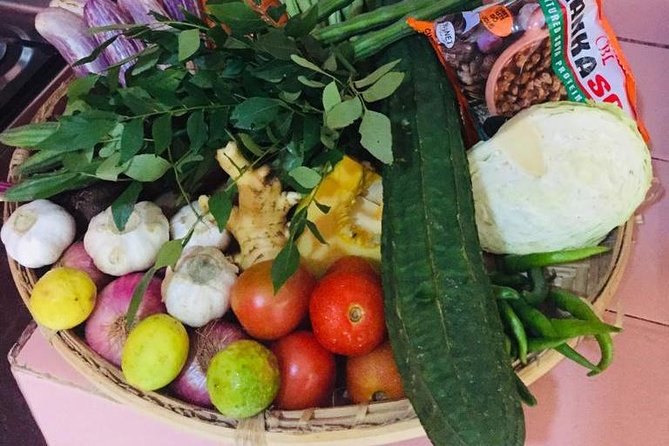
The class begins at Colombo Cooking Class, No. 275/1, B231, Angoda 10600, Sri Lanka. The activity ends at the same meeting point, so you do not need to plan for a different pickup or finish location.
The address matters. Angoda is part of the greater Colombo area, but it is not the same as meeting in the central Fort or Galle Face area. You should check your transport time before booking, especially if your hotel is in central Colombo or farther along the coast. The class is near public transportation, which gives you another option if you do not want to arrange a private ride.
The meeting point is not just a place to gather before a food demonstration. The setting is part of the experience. One particularly praised detail is that the class takes place in a real home, with the family involved in the preparation and meal. If you want a polished commercial cooking school, this may feel informal. If you want to see how food is prepared in a household setting, that informality is a major advantage.
A few more cooking classes around Sri Lanka worth a look
- Ella: Traditional Sri Lankan Cooking Class
★ 4.9 · 788 reviews - Organic cooking class sigiriya (kumara & family)
★ 5.0 · 650 reviews - Sri Lanka Cooking Class with Granny
★ 5.0 · 587 reviews
The first hour: learning Sri Lankan ingredients and spices
The chef explains the cooking process as you work. The information provided does not give a fixed menu or a full list of ingredients, so you should not book this expecting a named set of dishes such as a specific curry, sambol, or rice preparation. What is clear is the scale: the class covers 10 different dishes and traditional desserts.
That number is unusually generous for a three-hour class. You will move through several preparations rather than spending the whole session perfecting one recipe. The chef also talks about Sri Lankan cooking methods and spices, giving you useful context for why the dishes taste the way they do.
I like this format because spices can be difficult to understand from a restaurant menu. A dish may be described as spicy, but that tells you little about the balance of heat, fragrance, and seasoning. Here, you get to see the spices as part of the cooking process and hear how they are used in Sri Lankan food.
The pace may be brisk. Ten dishes in three hours means the chef needs to keep the group moving, and you may not get a long lesson on every single preparation. Still, the class appears designed to give you a broad introduction to home cooking rather than one narrow recipe lesson.
Cooking ten dishes in traditional clay pots
The most distinctive feature is the use of clay pots for all the cooking. This is not simply decoration. It gives the class a clear connection to traditional Sri Lankan kitchen practice and makes the equipment itself part of the lesson.
You will handle the cooking rather than standing behind a counter while someone else prepares the food. The chef explains what to do, but you and your group make the dishes yourselves. That hands-on approach helps you pay attention to order, texture, seasoning, and timing in a way that watching a demonstration does not.
The class has been described as involving 10 curries, which gives you a sense of the meal’s scale. The supplied information also refers to traditional desserts, so the session is not limited to savory dishes. You should expect a substantial amount of food preparation, followed by the chance to eat what the group has made.
There is a practical tradeoff here. Clay pots and home-style cooking can produce a more genuine setting, but they are less predictable than stainless-steel equipment in a professional kitchen. You may need to be comfortable with a working kitchen, shared tasks, and a little disorder. That is part of the charm, but it is worth knowing before you arrive.
Sharing work with the family
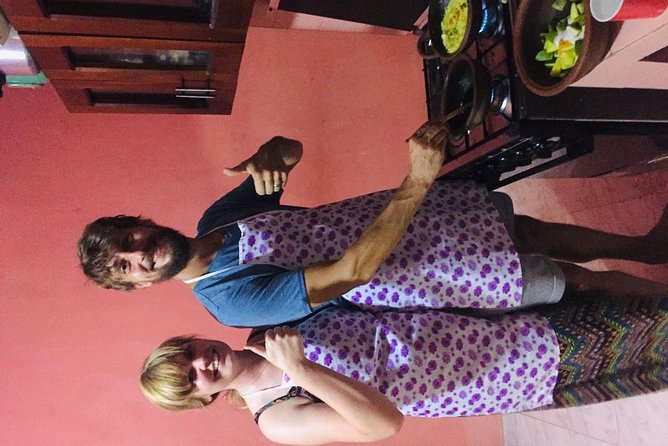
One of the strongest parts of the experience is the social setting. The class takes place in a real home, and the family participates in the cooking and meal. You may meet the entire family as duties are shared across the preparation of the dishes.
That detail changes the tone of the afternoon. You are not simply paying for a recipe lesson. You are spending time with people in their home and taking part in a family-style meal. The experience can feel more personal than a class held in an air-conditioned restaurant or a professional kitchen.
I would recommend this format to anyone who values conversation and local contact as much as the food itself. It may suit solo visitors, couples, and small private groups particularly well, since only your group takes part. The private format also means you are not placed with a large room of unrelated participants.
At the same time, a home setting brings fewer guarantees than a formal school. The available information does not promise air conditioning, a specific kitchen layout, or a particular level of comfort. If you need a highly controlled environment, you should ask the provider about practical conditions before booking.
Same place, a different thing to cook:
- Kandy Village Cooking Class
★ 5.0 · 536 reviews - Sea waves sri lankan cooking class
★ 5.0 · 467 reviews - Ella: Sri Lankan Cooking Class with Neranji at Homestay
★ 5.0 · 276 reviews - Cook with Wasantha
★ 5.0 · 248 reviews
Eating the meal you prepared
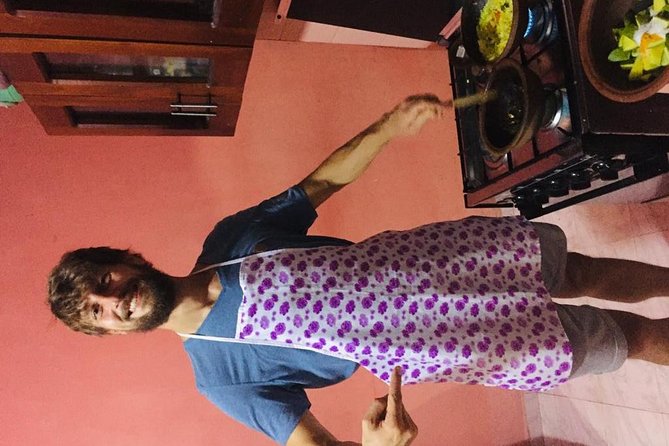
After the cooking, the food provides the payoff. Preparing 10 dishes and desserts gives you a meal with plenty of variety, and the satisfaction comes from knowing you handled the work yourself.
I find this more useful than simply eating a large Sri Lankan meal in a restaurant. You can connect each dish to the steps you followed and the spices the chef discussed. That connection may help you remember the food after your trip and give you enough confidence to try similar methods at home.
The supplied information does not list exact serving arrangements, so you should not assume that every dish is plated separately or that you will receive printed recipes. It does say that a menu is provided, which is helpful for understanding what you are making during the class.
The reference to a real family meal is important. This is likely to feel communal rather than formal. You may be sharing preparation duties and eating together, which gives the afternoon a friendly rhythm. If you prefer to eat quickly and move on to your next sightseeing stop, the three-hour commitment may feel long. If you enjoy food as a way to meet people, the time is well used.
Why the three-hour schedule works
Three hours is enough time to cover a broad selection of food without turning the class into a full-day activity. You can fit it into a Colombo itinerary while still leaving room for other plans.
The schedule also has a clear purpose. You learn the cooking style, work through the dishes, and eat the results. There is less wasted time than in an experience built around a long introduction or a tour of several locations.
Still, you should allow the full three hours and avoid scheduling something immediately afterward. Ten dishes is a lot of work, and the family setting may encourage conversation. The published duration is approximate, so leaving a little extra space in your plans is sensible.
The class is also weather-dependent. If poor weather forces a cancellation, you are offered another date or a full refund. That policy is useful, but it also means you should keep some flexibility in your Colombo schedule during unsettled weather.
A closer look at the $50 price
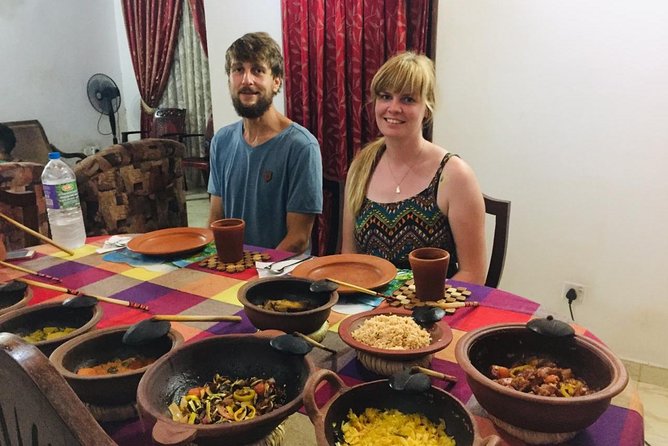
At $50 per person, the value depends on what you want from a cooking class. You are paying for roughly three hours of instruction, ingredients for 10 dishes and desserts, a meal, and a private home-based experience.
That is a reasonable proposition if you care about personal participation and local contact. A class with this much food can also replace one meal, though I would not judge the price only by the amount you eat. The real value is the chance to learn from a chef while working with traditional equipment and sharing the process with a family.
The private format strengthens the value for a group. You are not paying to sit in a large class where the teacher has to divide attention among many unrelated parties. Your group can ask questions and receive explanations suited to your pace.
The price may feel less attractive if you only want a short demonstration or a single recipe to take home. In that case, this class offers more food and more time than you need. It is best for someone who wants the full activity, not a quick cooking show.
Who should book this experience
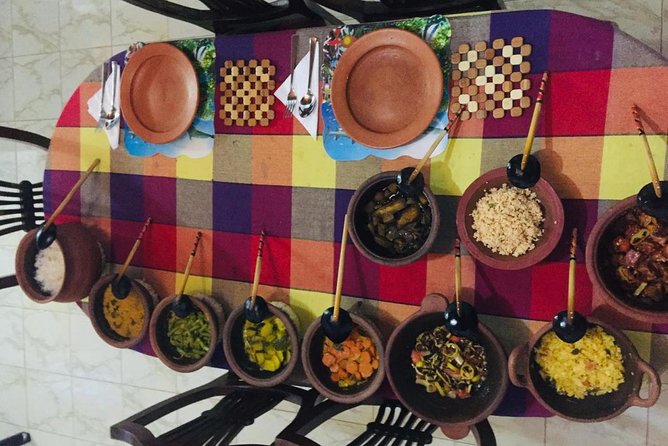
I would recommend this class to you if you enjoy doing rather than watching. It is a good match if you want to learn about Sri Lankan spices, take part in traditional cooking, and meet a family in their home.
It should also suit people who like private activities. Only your group participates, so the experience is not shaped by strangers or a large tour schedule. Families and friends traveling together may appreciate that control.
Food lovers who have already taken classes in professional kitchens may find this especially interesting because the setting is different. Instead of a restaurant-style lesson, you work in a home with clay pots and shared household duties.
I would be more cautious if you want guaranteed comfort, a fixed menu, or a very polished culinary school. The available information does not promise air conditioning, a particular menu, or printed recipes. You should also think carefully about the journey to Angoda if your accommodation is far from the meeting point.
Practical details before you book
Confirmation is received at the time of booking, and the experience accepts a mobile ticket. That makes arrival simple, provided you have the meeting address ready on your phone.
The class starts and ends at the Colombo Cooking Class meeting point. It is near public transportation, but the information does not specify which route or station is most convenient. Check the journey from your accommodation in advance rather than assuming the address is close to central Colombo.
Free cancellation is available if you cancel at least 24 hours before the start time. Cancellations made less than 24 hours in advance are not refunded, and changes inside that window are not accepted. The cut-off follows local Sri Lankan time.
Because the activity requires good weather, a weather cancellation results in either a different date or a full refund. That is worth keeping in mind when arranging transport and other plans around the class.
Is the Colombo cooking class worth booking?
Yes, if you want a personal, hands-on introduction to Sri Lankan home cooking. The strongest reasons to book are the private format, the family home, the use of clay pots, and the chance to prepare a very large meal rather than watch someone else cook.
I would skip it if you want a short, highly polished demonstration in central Colombo or if you need a clearly published menu and modern classroom comforts. For everyone else, $50 buys more than food. It buys time in a home, practical instruction, and a better sense of how Sri Lankan dishes come together.
Plan your transport to Angoda, keep the full three hours free, and arrive ready to work. If that sounds like your kind of afternoon, this is one of the more personal food experiences available in Colombo.
FAQ
Where does the cooking class take place?
The class takes place at Colombo Cooking Class, No. 275/1, B231, Angoda 10600, Sri Lanka.
Where does the activity finish?
The activity ends back at the meeting point in Angoda.
How long does the cooking class last?
The class lasts approximately three hours.
How many dishes will I prepare?
You will prepare 10 different dishes, along with traditional desserts.
Do participants cook the food themselves?
Yes. Participants make all the dishes themselves while the chef explains the cooking methods and steps.
What type of cooking equipment is used?
The class uses clay pots for the cooking.
Is the class private?
Yes. This is a private activity, and only your group participates.
Can I cancel for a full refund?
Yes, if you cancel at least 24 hours before the experience start time. Cancellations made less than 24 hours before the start time are not refunded.
Just added around Sri Lanka
- Market Tour and Cooking Class from Colombo★ 5.0 · 5 reviews
- Authentic Sinhalese Cooking Class in Colombo with a Local Family★ 5.0 · 9 reviews
- Local Market Tour & Cooking Demo with Lunch from Colombo Harbor★ 5.0 · 2 reviews
- 3 hour cooking experience★ 5.0 · 8 reviews
- cooking lesson★ 5.0 · 7 reviews
- Hands-On Cooking Class in Anuradhapura-Cook Like a Local★ 5.0 · 2 reviews
- Sri Lankan Cookery with Nilu★ 5.0 · 34 reviews
- Sri Lanka: Cooking Class★ 4.4 · 6 reviews
Cooking Classes, compared.

Half-Day Thai Cooking Class at Organic Farm in Chiang Mai
Read our review →

3 in 1 Cooking Class near Navona: Fettuccine, Ravioli & Tiramisu
Read our review →
Pasta & Tiramisu Cooking Class with Unlimited Wine
Read our review →
Hanoi Cooking Class: Culture, Local Market & Meaning CSR Impact
Read our review →
5 Traditional Dishes Hanoi Cooking Class with Market Trip
Read our review →
Cooking Class and Lunch at a Tuscan Farmhouse with Local Market Tour from Florence
Read our review →
Cooking Class, Market & Thai Herbs Garden Tour
Read our review →Lists this class appears in