
REVIEW · HONSHU, JAPAN
Nara: Cooking class, learning how to make authentic sushi
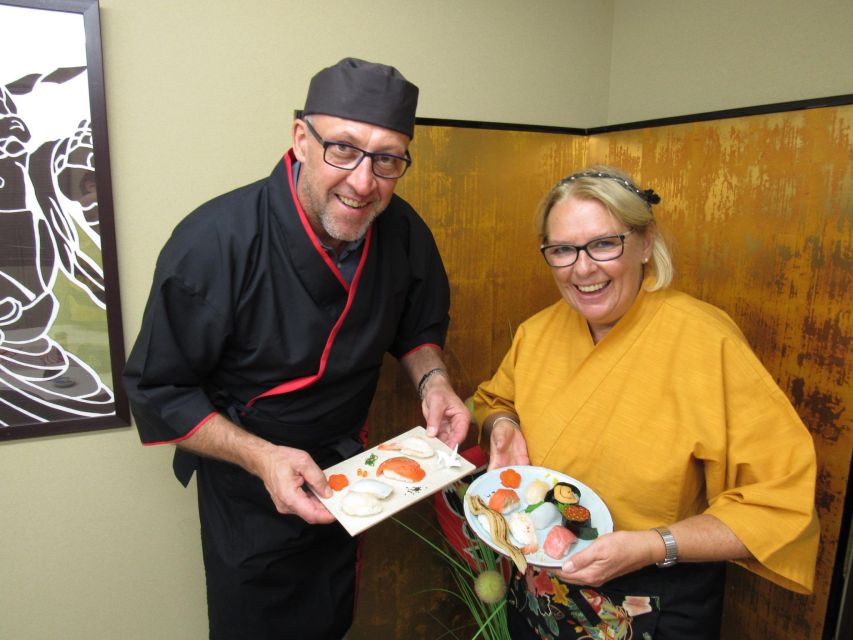
Sushi school makes lunch a hands-on lesson. This Nara class gives you more than a plate of prepared food: you learn to season sushi rice, shape your own pieces, and enjoy them afterward. I like the friendly, practical teaching and the chance to wear a traditional happi coat while learning about Japanese customs. I also like that the class can adjust ingredients for vegetarians, vegans, Muslims, shellfish allergies, non-raw diets, and gluten-free needs.
The main caution is timing. The advertised class lasts 90 minutes, but one detailed experience ran close to three hours because of extra fish-cutting instruction, photographs, the certificate, and the graduation ceremony. If you have afternoon plans, confirm the pace at the start and ask which parts are optional.
Key points at a glance
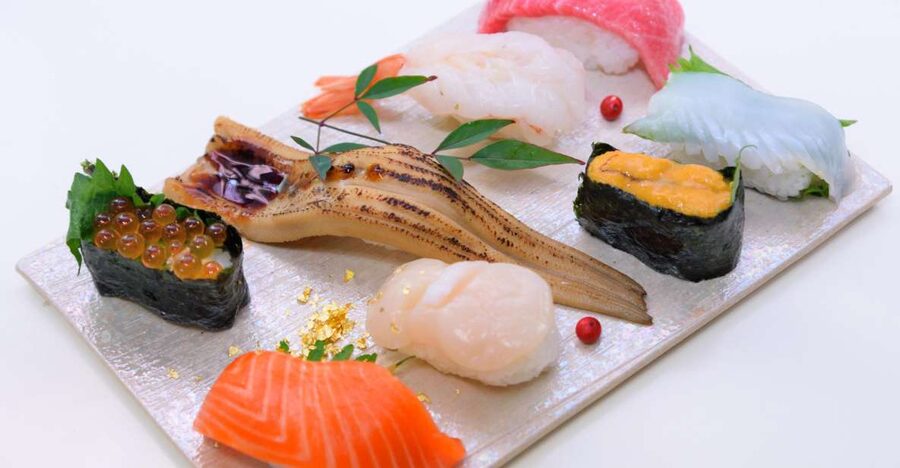
- You make eight pieces of sushi yourself, rather than simply watching a chef prepare lunch.
- Sushi rice comes first, including the mixing trick for combining freshly cooked rice with specially blended vinegar.
- Traditional happi coats are provided, with several styles available for you to choose from.
- Seafood options can be adjusted, and you can ask to learn fish cutting if time allows.
- The class is near Shin-Omiya Station, but you will need to climb stairs because the building has no elevator.
- You receive a certificate and souvenir photograph, though these closing activities can add substantial time.
Why this Nara class feels more useful than a simple food tasting
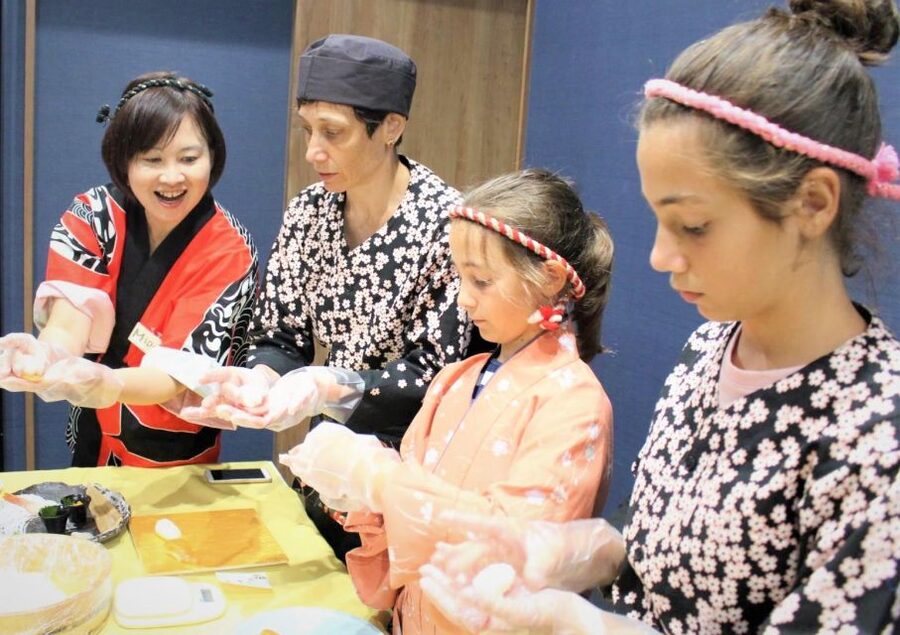
A sushi meal shows you the finished product. This class takes you behind it, starting with the part many people overlook: the rice. That is a smart choice because sushi rice is not simply ordinary rice with vinegar poured over it.
You learn to combine freshly cooked rice with a special vinegar blend. The mixing needs a light touch and the right method, and the instructor explains the trick rather than leaving you to guess. This gives the class value beyond the meal itself. Once you understand the rice, you can repeat the process at home with the right ingredients and a bit of practice.
The session is designed for beginners. Ingredients are prepared and cut in advance, so you do not need knife skills to take part. That keeps the class welcoming for families with older children, first-time cooks, and anyone who would rather focus on shaping and assembling sushi.
You can also ask about cutting fish. This may add time, but it is useful if you want more than the basic introduction. One particularly detailed experience included instruction on how to cut two different seafood items. If this is important to you, mention it when you arrive instead of assuming it is part of the standard 90-minute flow.
More Sushi and Japanese Classes in Japan:
- Ramen Cooking Class at Ramen Factory in Kyoto
★ 5.0 · 1,937 reviews - Ramen & Gyoza Cooking Class in Tokyo with Local Supermarket Visit
★ 5.0 · 823 reviews - Kyoto: Ramen Cooking Class at a Ramen Factory with Souvenir
★ 4.9 · 532 reviews
Arriving at Shin-Omiya Station and finding the school
The meeting point is at the south entrance of Shin-Omiya Station on the Kintetsu Line. Once you come out, turn right into the narrow street and continue until you reach a railroad crossing.
Turn right at the crossing. The school is near the Nara Loyal Hotel and behind a parking area. This is not a grand, obvious sightseeing landmark, so keep the directions handy and allow enough time to find the entrance.
The location is close to public transportation, which makes it practical to fit into a Nara day. You do not need to arrange a separate transfer, and the class runs in all weather. The building does not have an elevator, but staff can help elderly or disabled participants up the stairs.
The experience is wheelchair accessible according to the activity information, but the lack of an elevator is worth discussing before booking if stairs are a concern. Accessibility help is available, yet the physical layout may still affect how comfortable the visit feels.
Choosing a happi coat before the cooking starts
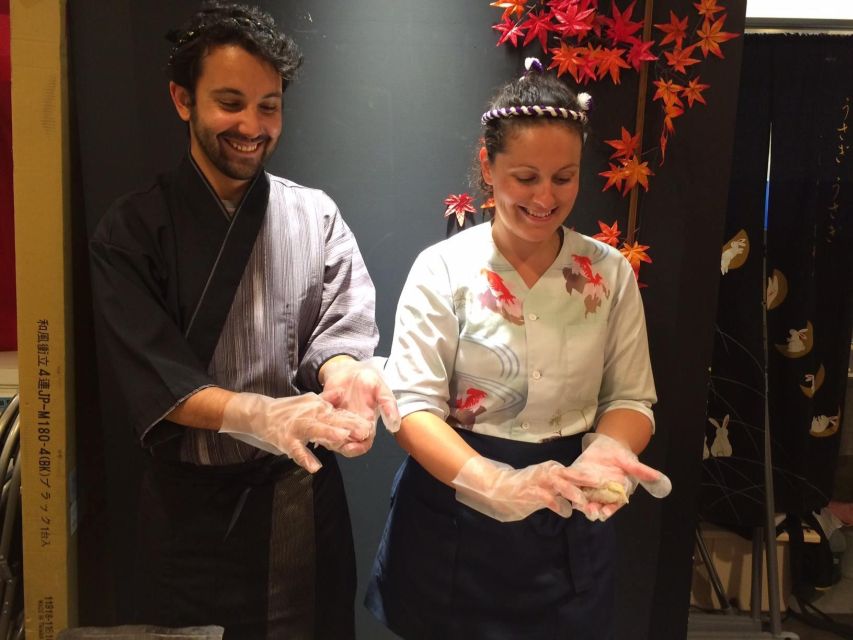
The class begins with a small piece of theater: you can put on a traditional Japanese happi coat. Various garments are available, so you can choose the one you prefer.
This is not just a costume photo opportunity. It helps set the tone for the lesson and gives you a simple introduction to Japanese hospitality and customs. The activity describes this as experiencing Japanese spirits, which here means the cultural feeling and traditions connected with the class, not a promise of alcoholic drinks.
The clothing also makes the class feel more festive. One participant described dressing in traditional clothing as a particularly fun part of the session. If you enjoy taking photographs during food experiences, this is a good moment to do it, although the formal souvenir photography comes later.
You should wear something comfortable beneath the happi coat. No special cooking clothing is required because rental clothing is provided.
Learning shari, the foundation of good sushi
The first real cooking lesson is sushi rice, known as shari or sumeshi. You combine freshly cooked rice with vinegar specially blended for sushi.
This step matters because the rice controls the texture and balance of every piece you make. Too much vinegar can overpower the topping. Poor mixing can leave some rice bland and other parts sharp. The instructor shows you how to mix it properly, giving you a method that you can use at home.
I like that the class does not rush straight to the colorful toppings. The rice is less dramatic than fatty tuna or shrimp, but it is the part that makes the finished sushi work. A beginner who pays attention here will take away a more useful skill than someone who only learns how to place fish on rice.
The class is taught in English and Japanese. English instruction is available, and the activities are structured for beginners. You should still feel free to ask for a demonstration again if the rice-mixing technique moves quickly.
A few more cooking classes around Japan worth a look
- Kyoto: Ramen, Gyoza, and Onigiri Cooking Class
★ 5.0 · 445 reviews - Kyoto: Japanese Washoku Bento Small Group Cooking Class
★ 5.0 · 380 reviews - Osaka: Ramen and Gyoza Cooking Class in Dotonbori
★ 5.0 · 378 reviews - Tokyo: Easy Ramen Cooking Experience in Kabukicho, Shinjuku
★ 4.6 · 321 reviews
Making eight sushi pieces with premium toppings
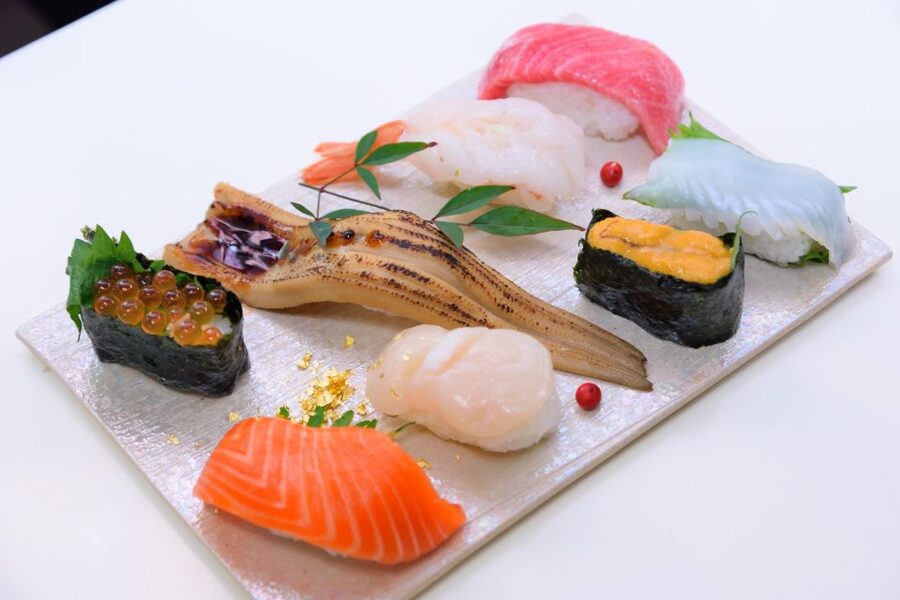
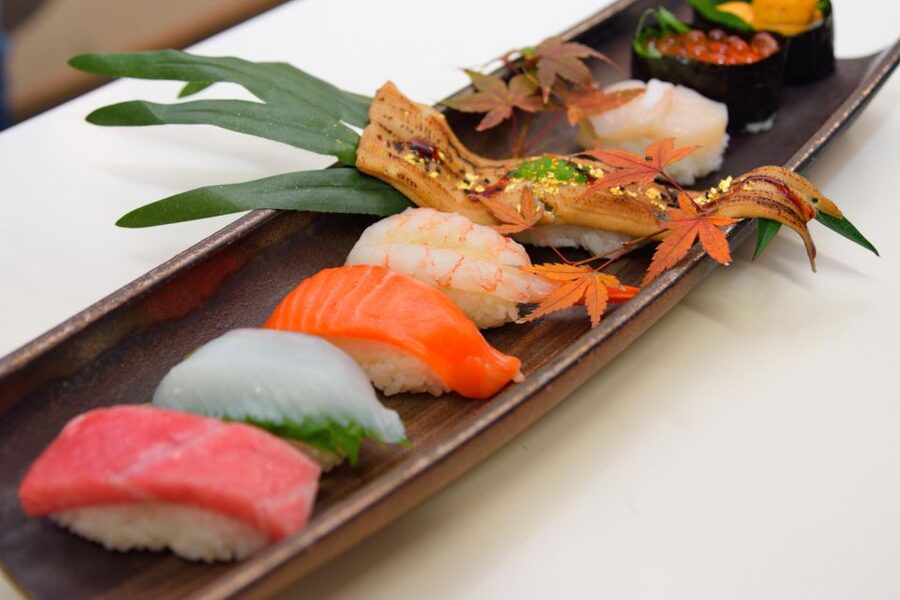
After the rice lesson, you work with the prepared ingredients and make eight pieces of sushi. The exact toppings can change by season, so you should not book expecting a fixed seafood menu.
The ingredients may include special items such as extra-fatty tuna and fresh red shrimp. The shrimp is described as sweet and almost creamy, while the fatty tuna offers the soft, rich texture many people associate with premium sushi. Having the chance to handle these ingredients yourself makes the meal more memorable than ordering the same pieces at a restaurant.
You can choose toppings such as green onion and ginger according to your taste. This small amount of choice is useful because it lets you adjust the finished pieces rather than following a completely fixed recipe.
The preparation is hands-on but beginner-friendly. Since the ingredients are already cut, you can concentrate on forming the sushi and handling the rice. If you want a more technical lesson, ask about fish cutting. If you want a smooth, compact class, stick to the prepared ingredients.
At the end, you eat the sushi you made. That creates a satisfying rhythm: learn the method, make the food, then judge the result yourself. The class is not designed as a full Japanese meal, so do not expect tempura, tofu, pork shabu-shabu, or several side dishes unless you pay for optional additions.
Adapting the menu for allergies and different diets
The school can offer menu choices for vegetarians, vegans, and Muslims. It can also accommodate allergies, non-raw preferences, and gluten-free needs.
That is a major advantage, but you should communicate your requirements clearly before the food preparation begins. One participant with a shellfish allergy received an adjustment, showing that the staff can respond to specific needs.
The experience does not provide special infant meals, and children under three are not allowed. That makes this a better fit for older children and adults who can take part in the cooking lesson.
Drinks are not included. You can also add warm udon or other Japanese food, including tempura, tofu, and pork shabu-shabu, but these are optional menus rather than part of the standard package.
The certificate, photographs, and the real length of the visit
The advertised duration is 90 minutes. In practice, the class can take longer, especially if you request fish-cutting instruction or spend time on the closing activities.
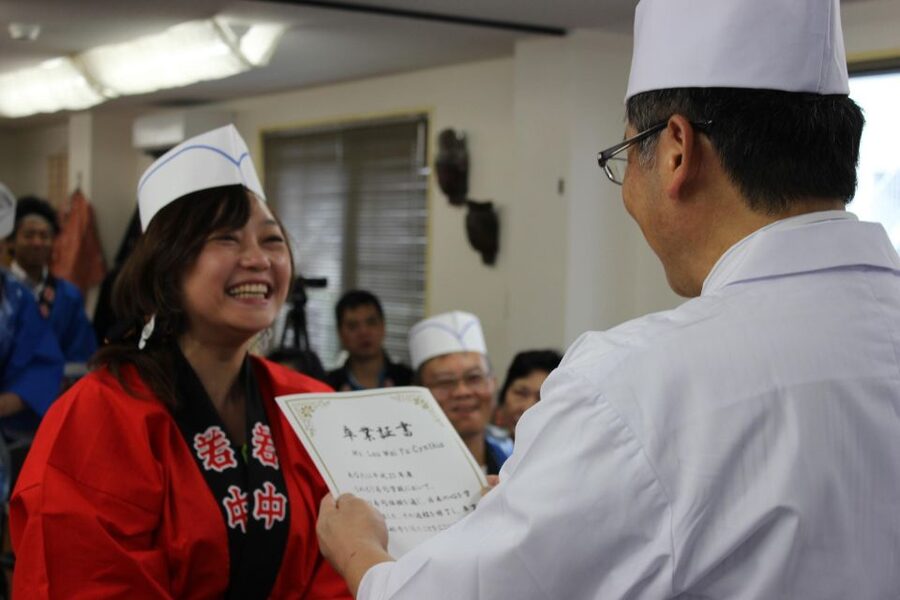
The end includes a certificate of completion, a graduation ceremony, and souvenir photography. For some people, this is a charming finish. You get a keepsake and a clear sense that you completed a small culinary course.
For others, these extras may feel less important than the cooking. One detailed account found that the certificate, framed photo process, and additional demonstrations stretched the visit to nearly three hours. That is a big difference from the stated 90 minutes.
My advice is simple: do not schedule a tight train connection or an important afternoon reservation immediately afterward. If you have limited time, ask whether the certificate and photo can be shortened, and tell the instructor if you need to leave by a certain hour.
Is $113 a fair price for 90 minutes?
At $113 per person, this is not a cheap lunch. The value depends on what you want from the experience.
If you only want to eat eight pieces of sushi, the price is difficult to justify. You are paying for much more than the food, though: an English-speaking instructor, a sushi lecture, hands-on preparation, selected toppings, rental clothing, cultural elements, a certificate, photographs, and the chance to ask for extra fish-cutting guidance.
The price makes more sense if you value instruction and a memorable activity. You are learning a process you can repeat at home, especially the preparation of sushi rice. You also get a social experience that can work well for couples, families with older children, and friends who want something more active than sightseeing.
The optional food and udon will cost extra, as will drinks. Budget for those separately if you want a larger meal.
Who will enjoy this sushi lesson most?
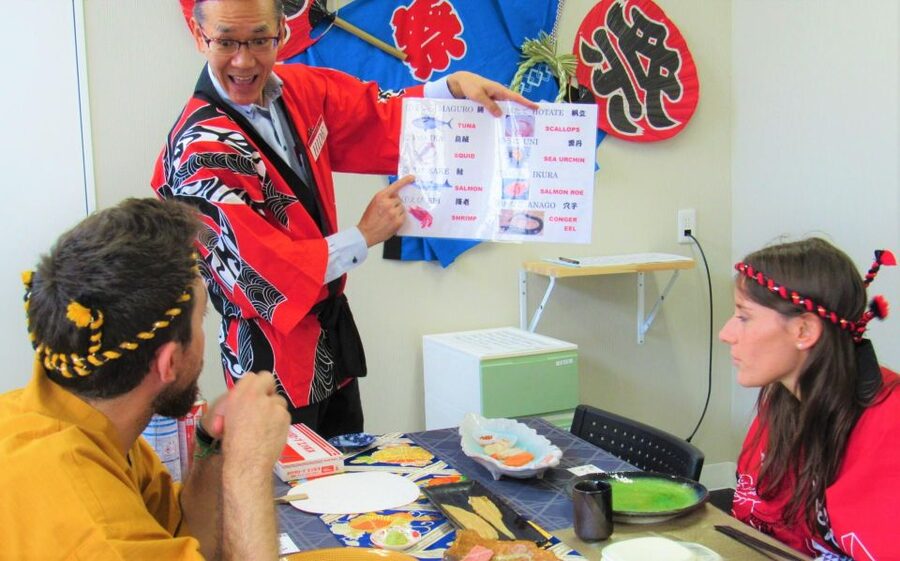
I would choose this class if you want to understand how sushi is made rather than simply order it. It is particularly well suited to first-time cooks because the ingredients are prepared in advance and the instructor guides you through the main steps.
It also suits anyone interested in Japanese clothing, food customs, and practical skills. The happi coat, graduation ceremony, and photograph give it a playful side, while the rice and seafood instruction provide the serious cooking content.
People with dietary restrictions should consider it carefully but should not rule it out. The class can adjust for several needs, including shellfish allergies and non-raw diets. Tell the staff what you need in advance and repeat it at the start of the class.
I would be cautious if you dislike group activities, do not want photographs, or have a strict schedule. The class is described as lively and fun, and the instructor may spend extra time teaching or celebrating the finished work.
Booking advice for a Nara day
This experience fits well near the start or end of a day in Nara because it is close to public transportation. Still, give yourself extra time to find the school from Shin-Omiya Station, especially since the final approach involves a narrow street, a railroad crossing, and a parking area.
The class operates regardless of weather, so rain should not disrupt your plan. Free cancellation is available up to 24 hours before the activity, and you can reserve now and pay later, which helps if your Nara schedule is still changing.
Bring your dietary questions and your preferred pace. If you want to learn fish cutting, say so immediately. If you need to finish within 90 minutes, make that clear before the lesson gets going.
Should you book this Nara sushi class?
Book it if you want a hands-on cultural activity, enjoy eating what you make, and have enough time to let the lesson run at its own pace. The strongest parts are the sushi rice instruction, the friendly teaching, the flexible food options, and the chance to wear a happi coat while learning.
Skip it if you only want a quick meal or if your schedule cannot absorb a possible extension beyond 90 minutes. For the right person, $113 buys a useful cooking lesson and a cheerful memory of Nara, not just eight pieces of sushi.
FAQ
How long does the sushi-making class last?
The stated duration is 90 minutes. The session may take longer if you request fish-cutting instruction or spend extra time on photographs, the certificate, and the graduation ceremony.
How much does the experience cost?
The price is $113 per person.
Where is the meeting point?
Get off at the south entrance of Shin-Omiya Station on the Kintetsu Line. Turn right into the narrow street, continue to the railroad crossing, then turn right. The school is near the Nara Loyal Hotel and behind a parking area.
Is an English-speaking instructor available?
Yes. Instruction is available in English and Japanese, and an English-speaking instructor is included.
How many pieces of sushi will I make?
The standard experience includes eight pieces of sushi.
Are drinks included?
No. Drinks are not included in the standard experience.
Can the class accommodate vegetarians or vegans?
Yes. Menu options are available for vegetarians, vegans, and Muslims.
Can the class accommodate food allergies or non-raw diets?
Yes. Allergy, non-raw, gluten-free, and other food options are available. You should communicate your needs clearly before the cooking begins.
Is the building wheelchair accessible?
The activity is described as wheelchair accessible. The building has no elevator, but staff can help elderly or disabled participants up the stairs.
Are children allowed to join?
Children under three are not allowed. The experience does not provide special infant meals.
Can I cancel the booking?
You can cancel up to 24 hours in advance for a full refund. Reserve now and pay later is also available.
Just added around Japan
- Cooking Class: Make a Local Delicacy in a Japanese House★ 5.0 · 7 reviews
- Culinary Home Cooking with Grandmothers – Vegan Friendly★ 5.0 · 5 reviews
- Nagoya Super Market Tour & Home Cooking Class with a Local, Akiko★ 5.0 · 10 reviews
- Tokyo: Sushi Cooking Class with Sake Tasting★ 4.8 · 55 reviews
- Tokyo: Sushi roll and side dish cooking experience★ 5.0 · 2 reviews
- Tokyo: Sushi Making Experience & Japanese Cooking Class★ 5.0 · 2 reviews
- Tokyo: Gyoza Making from Scratch – Ultimate Cooking Class★ 5.0 · 2 reviews
- Tokyo: Night Cooking Class: 5 Home-Cooked Japanese Dishes★ 4.9 · 13 reviews
Japanese & Sushi Cooking Classes, compared.
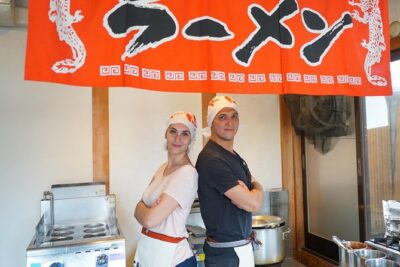
Ramen Cooking Class at Ramen Factory in Kyoto
Read our review →
Ramen & Gyoza Cooking Class in Tokyo with Local Supermarket Visit
Read our review →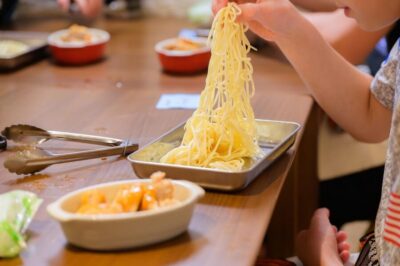
Ramen Cooking Class at a Ramen Factory with Souvenir
Read our review →
Sushi Making Osaka! Popular Sushi Class in Japan!
Read our review →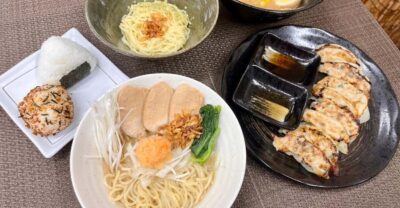
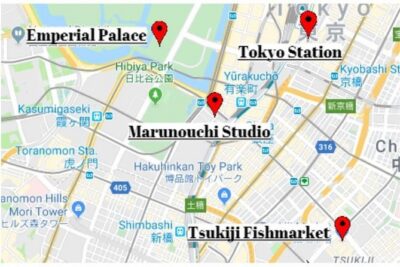
Tokyo Tsukiji Fish Market Tour and Sushi Making Lesson
Read our review →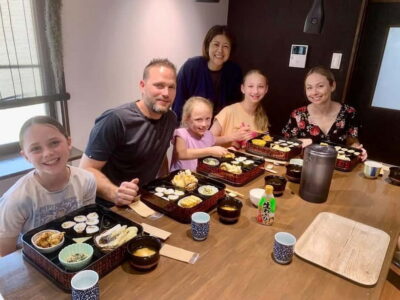
Japanese Washoku Bento Small Group Cooking Class
Read our review →
Lists this class appears in