REVIEW · MARRAKESH-SAFI, MOROCCO
Marrakech: Moroccan Cuisine Cooking Class in Local Home
Cooking beats another rooftop dinner. This three-hour home cooking class brings you into a traditional Marrakech house to prepare tagines, salads, bread, and dessert with a local guide. I like the hands-on format and the chance to eat what you make, rather than simply watch a chef work. I also like the cultural conversation, especially the stories about tea, family meals, and daily life.
The main drawback is finding the meeting point in the medina. You meet outside Riad Les Etoiles Berberes, not inside it, and some people have needed Google Maps or extra directions. Guide Abdo, also called Abdul or Abdoo in guest details, meets you about 10 minutes before the start wearing a green hat. Plan to walk and arrive early.
What makes this class worth three hours
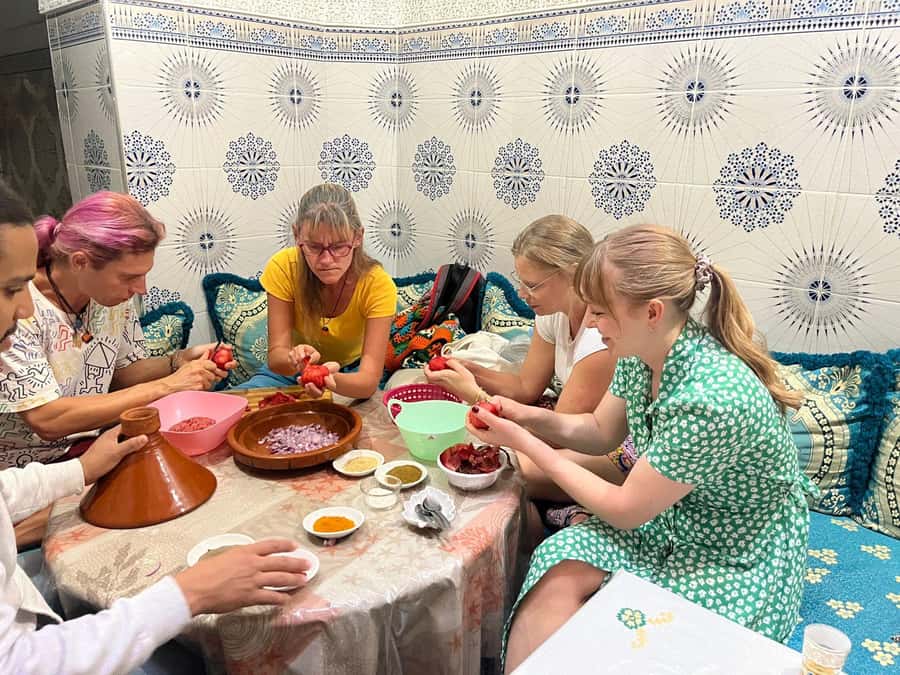
- You cook several Moroccan dishes, including chicken tagine with olives, meatball tagine, salads, zaalouk, bread, and fruit salad.
- You work in a local home, which gives the class a more personal feel than a formal cooking school.
- You learn by doing, with each participant chopping, preparing, cooking, plating, and sharing the final meal.
- You hear local stories, including explanations of Moroccan tea, social customs, family traditions, and food.
- You get recipes to take home, so the class can continue in your own kitchen.
- The $24 price includes the meal, fresh ingredients, bilingual guidance, cultural conversation, and the three-hour activity.
Arriving at a Marrakech home near the medina
The class begins outside Riad Les Etoiles Berberes. This detail matters because the cooking takes place in a nearby home, and the meeting point is not necessarily the building where you will cook.
Your guide waits outside about 10 minutes before the start time. Look for the green hat and check the guide’s name before following anyone into the narrow streets. The directions specifically ask you to wait in front of the riad, not go inside. That is simple enough, but the medina can turn a short walk into a small navigation project.
Use Google Maps rather than Apple Maps if possible. One participant had difficulty finding the location, while others found the walk a useful way to leave the main tourist paths and see a more ordinary residential area. If your accommodation is in the medina, allow extra time. You may also need to walk 15 to 25 minutes from the meeting point to the cooking house, depending on the route and group arrangements.
Wear comfortable shoes and clothes. Bring a hair tie if you have long hair, and carry some cash. Smoking, alcohol, drugs, and loud behavior are not allowed, which suits a family home and keeps the setting calm.
More Home Cooking Classes in Morocco
- Marrakech: Moroccan Cooking Class with a Local Family
★ 4.9 · 668 reviews - Fez: Souk Tour and Traditional Home Cooking Class
★ 4.9 · 186 reviews - Old local Market visit+Moroccan cooking class with a local family
★ 5.0 · 84 reviews
The kitchen is the real introduction to Moroccan life
The appeal of this activity is not just the recipes. You enter a family-run home and spend time in a working kitchen, where cooking becomes a way to talk about Moroccan life.
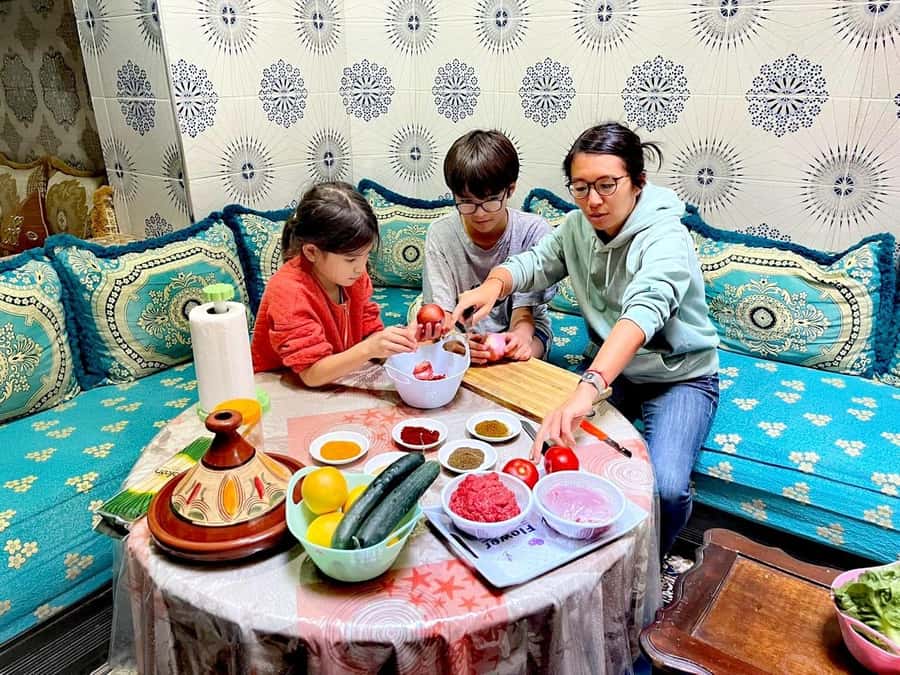
The setting is more personal than a demonstration kitchen. You are not sitting in rows while someone prepares food at a distance. You chop vegetables, handle ingredients, help with the tagines, and take part in the preparation from start to finish.
The class works for complete beginners. It also suits people who already cook and want to ask questions about spices, preparation methods, and Moroccan tools. Abdo’s teaching style is friendly and relaxed, with clear instructions and plenty of encouragement. The pace is designed to keep everyone involved, not to test your culinary skill.
Group size can vary. Some sessions have been intimate, with five or six people, while larger groups of nine, 11, or 12 have also been accommodated. A larger group can bring more conversation and laughter, but a small group gives you more time with the guide. If you prefer detailed personal instruction, a smaller departure is the better choice when available.
Chopping, bread, and the first taste of Moroccan cooking
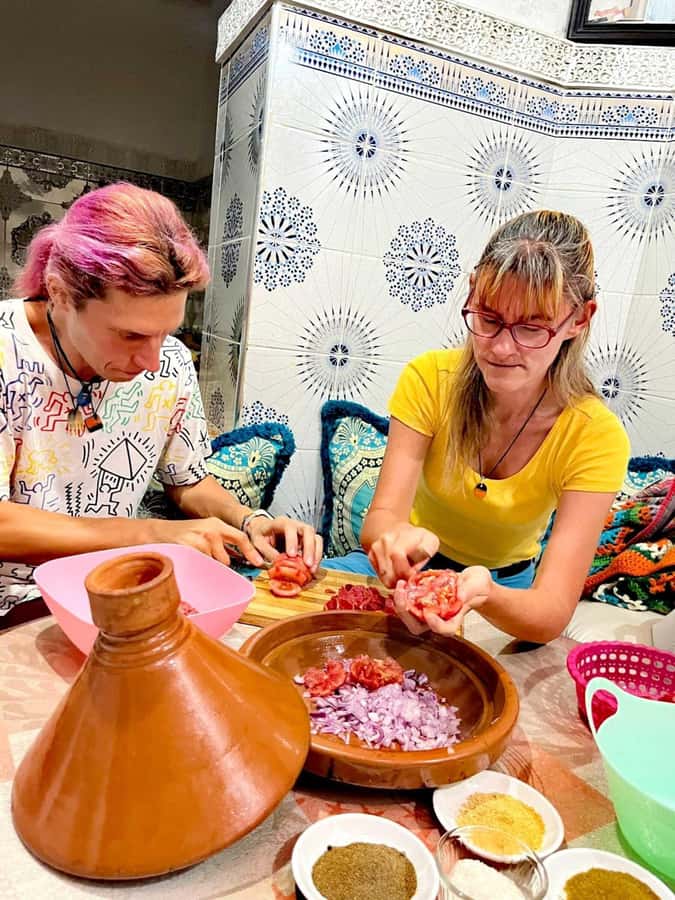
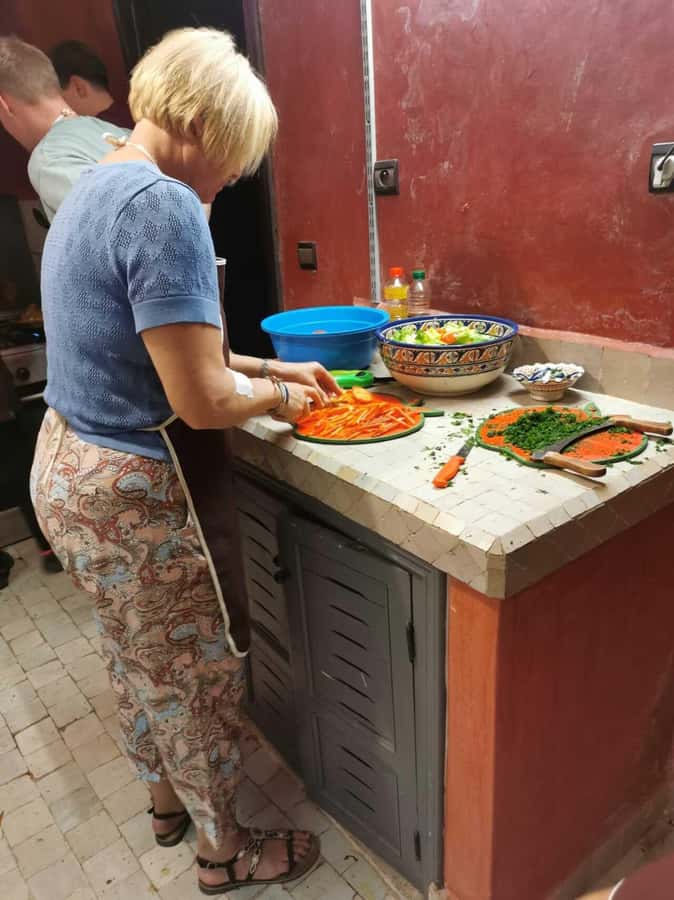
The cooking begins with practical preparation. You help peel, chop, season, and arrange the ingredients. Some sessions have included instruction in the Moroccan way of peeling vegetables and fruit, along with advice on how ingredients are prepared for local dishes.
Bread is an important part of the class. You learn to make traditional Moroccan bread, adding a useful skill that is easier to remember because you have handled the dough yourself. This is one of the small details that makes the activity feel like a meal prepared at home rather than a restaurant lesson.
The menu can change. The listed dishes include freshly baked Moroccan bread, chicken tagine with olives and golden fries, meatball tagine topped with melted cheese, tomato and green pepper salad, zaalouk, and fruit salad. Other sessions have included lamb meatball tagine, chicken skewers with zucchini, different salads, pastries, and orange with cinnamon.
Do not expect every dish on that list at every session. The menu may be adjusted for dietary needs and available ingredients. Tell the provider about restrictions as soon as possible, especially if you do not eat meat. Vegetarian adjustments have been made successfully, but early notice gives the kitchen time to plan.
Tagine preparation, step by step
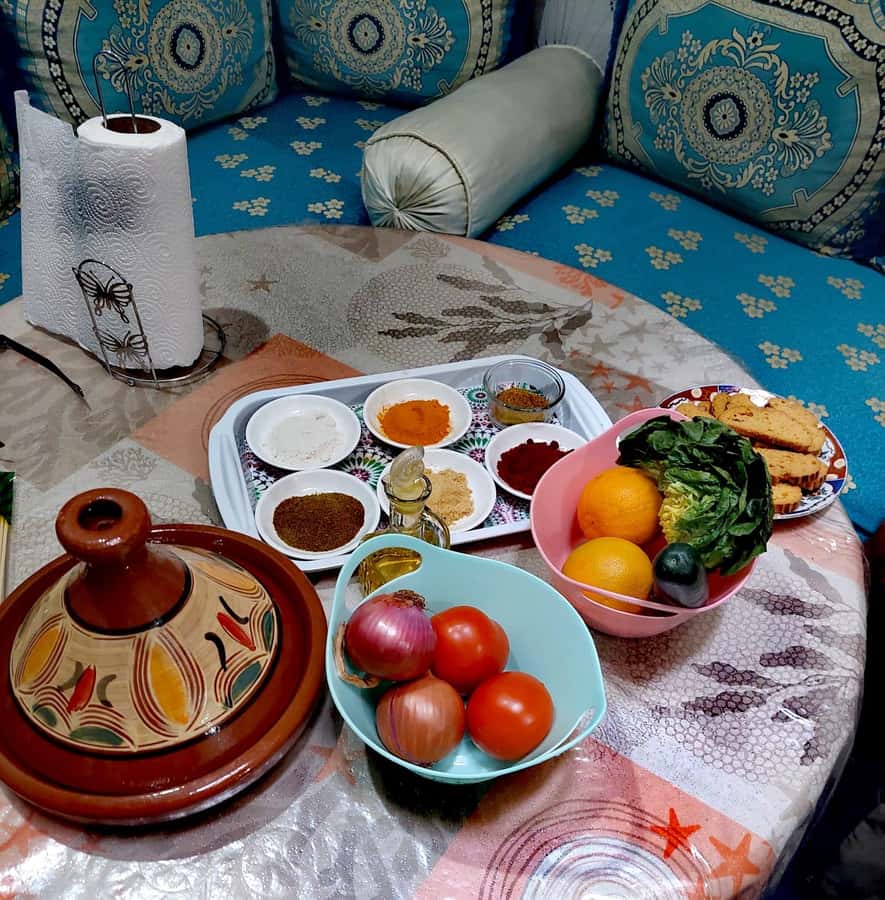
The tagine is the heart of the class. You learn how ingredients are arranged, seasoned, and cooked slowly in the traditional vessel. The method is simple enough for beginners, but the result depends on small choices, such as how vegetables are cut and when spices are added.
The chicken version is served with olives and golden fries. The meatball version may be finished with melted cheese. These dishes show two different sides of Moroccan home cooking: one built around slow-cooked meat and olives, the other centered on seasoned meatballs and a richer topping.
I like that you are not only handed a printed recipe. The guide explains the process as you work, so you can understand what each step does. You can also ask about spices, cooking tools, and how to recreate the dish at home.
The recipes are provided afterward. That makes the $24 cost more useful than a one-time meal because you leave with a practical way to repeat the experience. You will not become a Moroccan chef in three hours, but you can return home with several approachable dishes and a better sense of how they are built.
More Moroccan Cooking Classes in Marrakesh:
- Marrakech: Moroccan Cooking Class with Pickup
★ 4.6 · 1,862 reviews - Marrakech: Traditional Moroccan Cooking Class & Market Visit
★ 4.8 · 1,861 reviews - Marrakesh: Moroccan Dishes Cooking Class with a Local Chef
★ 5.0 · 1,615 reviews - Marrakech: Moroccan Cooking Workshop at La Maison Arabe
★ 5.0 · 446 reviews
Salads, zaalouk, and a lighter side of the meal
The class does not focus only on meat and tagines. You also prepare tomato and green pepper salad, plus zaalouk, a traditional Moroccan eggplant dish.
Zaalouk is especially useful for understanding Moroccan cooking because it turns a simple vegetable into a seasoned dish with plenty of flavor. Preparing it alongside tagine gives the meal balance and shows how Moroccan tables often bring several small dishes together.
The salad work also keeps everyone busy while the slower dishes cook. In a larger group, this division of tasks helps prevent people from standing around. In a smaller group, you have more opportunity to try each part yourself.
The final course is a special fruit salad. Some sessions have included orange and cinnamon, while other fruit combinations may depend on the menu. It is a fresh finish after the tagines and bread, and it keeps the meal from feeling too heavy.
Moroccan tea and the stories around the table
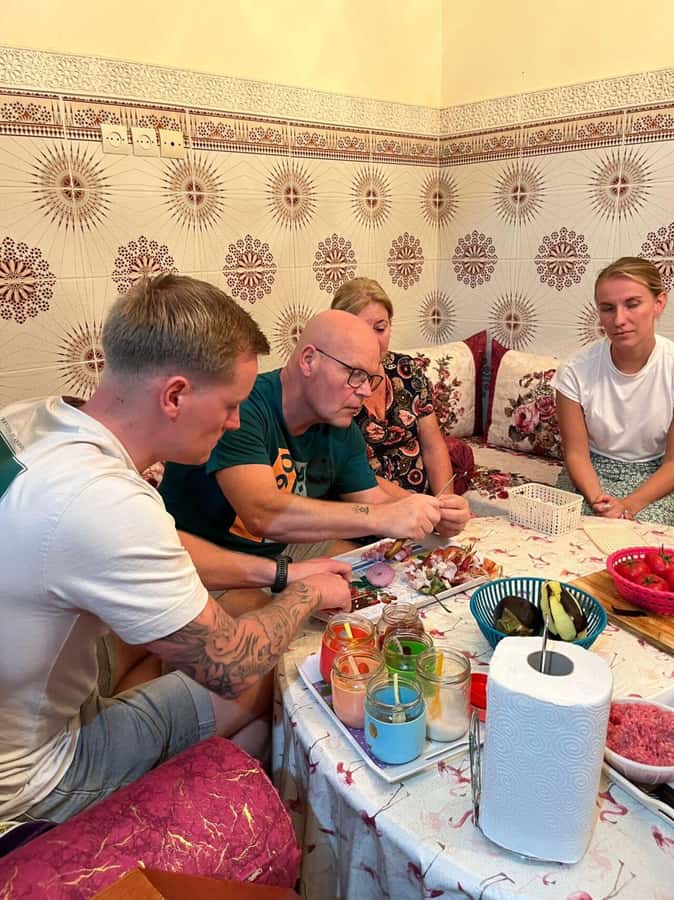
The cultural side of the class is one of its strongest features. Abdo explains Moroccan food, tea traditions, social customs, and family life while the group cooks. You may also hear practical advice about visiting Marrakech, buying spices, and finding local cooking tools.
Tea is part of the social rhythm. Some sessions include instruction in preparing traditional Moroccan tea and even a friendly competition involving the Moroccan way of pouring it. This adds a playful break from chopping and gives you a small cultural skill to take home.
The stories matter because food can otherwise become a list of instructions. When the guide explains why tea is social, how meals bring people together, or how dishes fit into family life, the recipes make more sense. You are learning how Moroccan food is used, not only how it tastes.
The bilingual format is another plus. The guide speaks English, Dutch, French, and Arabic, though the exact language mix depends on the group. One mixed English and French group was handled successfully, with both sides included in the explanations.
Sitting down to eat what you prepared
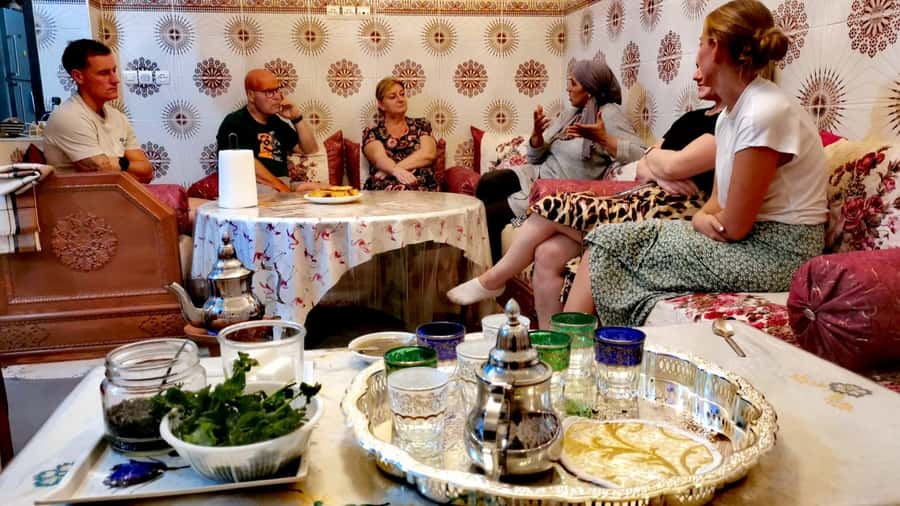
After the cooking, everyone sits down together for lunch or dinner. This shared meal is the payoff, but it is also part of the lesson. You see how the different dishes work together and can compare the results with the group.
The food is prepared with fresh Moroccan ingredients, and the portion described in the activity is substantial. The meal may include several dishes, bread, fruit, tea, and sometimes pastries or additional items depending on the menu.
The shared table also changes the mood. People from different countries often begin as strangers and end up talking about food, home cooking, and their experiences in Morocco. Families have found the class easy to enjoy together, and solo participants can expect a social setting rather than a private lesson.
If you are looking for a quiet, highly technical cooking course, this may feel informal. The class is built around conversation, humor, and participation. That is precisely why it works well as a cultural activity, but it may not suit someone seeking advanced knife skills or professional kitchen training.
Is $24 good value?
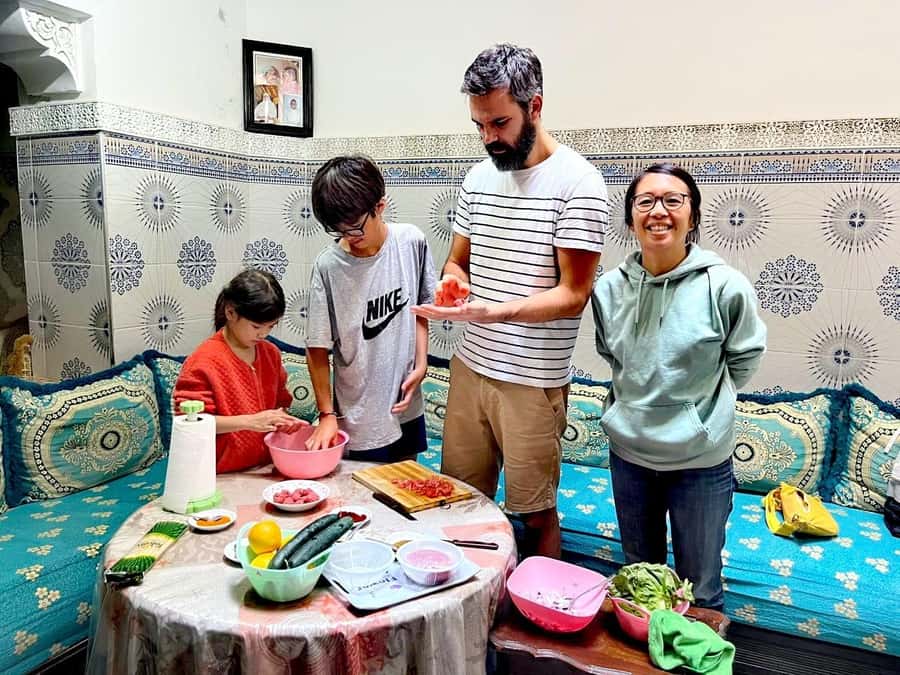
At $24 per person, I consider this strong value. The price covers three hours, a bilingual guide, ingredients, hands-on instruction, the meal you prepare, cultural storytelling, tea-related learning when included in the session, plating advice, and take-home recipes.
A restaurant meal in Marrakech may cost less or more depending on where you eat, but it will not give you the same access to the preparation process or local conversation. You are paying for time, guidance, food, and a personal setting.
The value is even better if you want an activity for a rainy afternoon. Several people found the class a welcome change from sightseeing when the weather turned wet. It also makes sense near the end of a trip, when you can use the guide’s suggestions about Moroccan food and shopping. Still, booking it early has one advantage: you can use those tips during the rest of your stay.
The only value question is group size. A large party can still be well accommodated, but your individual cooking time may be less than in a group of five or six. If the booking system offers different dates, choose one with a smaller group if hands-on practice is your main goal.
Who should book this Marrakech cooking class?
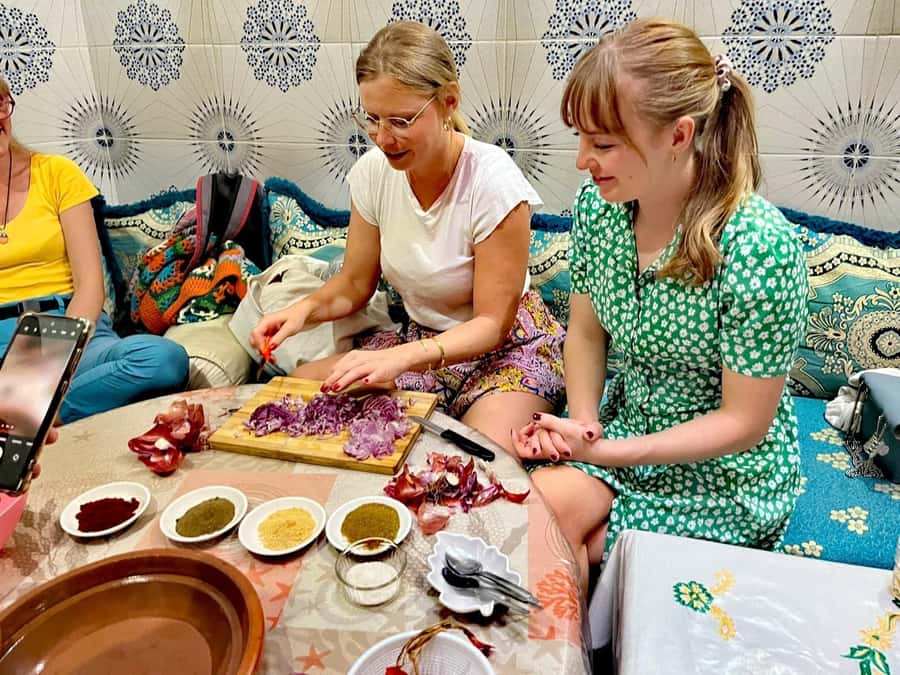
I would recommend it to first-time visitors who want more than photos of the medina. It is also a good fit for families, couples, solo visitors, and anyone who enjoys food as a way to meet people.
Beginners should feel comfortable. The guide explains each step, and the atmosphere is informal rather than judgmental. Children and adults can share tasks, although very young children may find three hours of chopping and sitting at the table less engaging.
You should book it if you want:
- A local-home setting rather than a formal school
- A meal with several Moroccan dishes
- Practical recipes you can repeat at home
- Conversation about Moroccan culture
- A social activity with other people
- A slower, food-centered break from the medina
You may want another activity if you need private transportation, advanced culinary training, or a fixed menu with no substitutions. Transportation is not included, and the meeting instructions require you to make your own way to the riad.
Practical booking advice before you go
The activity is wheelchair accessible, and the guide languages are English, Dutch, French, and Arabic. Check the available start times because the three-hour class can be arranged as lunch or dinner.
You can cancel up to 24 hours before the activity for a full refund. The reserve-now, pay-later option lets you hold a place without paying immediately, which is useful when your Marrakech plans are still shifting.
Send dietary information early. The menu can be modified, but the kitchen needs notice. Wear clothes you can cook in, tie back long hair, and keep your phone map ready for the meeting point.
Should you book it?
Yes, if you want a friendly, practical introduction to Moroccan food and home life for a modest price. The strongest reasons are the hands-on cooking, the generous meal, the recipes to take home, and Abdo’s warm teaching style.
Book with realistic expectations. This is a relaxed cultural cooking session, not a professional chef course, and the menu can change. Allow time to find the riad, use Google Maps, and tell the provider about dietary needs.
For most visitors, the chance to prepare tagines, bread, salads, zaalouk, tea, and dessert in a local home is a better memory than another meal eaten at a table. It gives you something to do, something to taste, and something you can recreate after Morocco is far behind you.
FAQ
Where does the cooking class meet?
You meet outside Riad Les Etoiles Berberes in Marrakech. Wait in front of the riad rather than going inside.
How will I recognize the guide?
The guide waits about 10 minutes before the start time and wears a green hat. The guide also checks names to make sure everyone is with the correct group.
How long does the cooking class last?
The activity lasts three hours.
What languages are available?
Guides may speak English, Dutch, French, and Arabic.
Is transportation included?
No. You must make your own way to the meeting point.
What dishes might I prepare?
The menu may include Moroccan bread, chicken tagine with olives and fries, meatball tagine with melted cheese, tomato and green pepper salad, zaalouk, and fruit salad. The menu can change.
Can the menu be adjusted for dietary restrictions?
Yes. The menu may be modified for dietary restrictions, but you should tell the provider as soon as possible.
Is the class suitable for beginners?
Yes. The class is suitable for beginners and people with previous cooking experience.
What should I bring?
Bring comfortable shoes, comfortable clothes, cash, and a hair tie if needed.
Can I cancel for a refund?
Yes. You can cancel up to 24 hours in advance for a full refund. You can also reserve now and pay later.
More Home Cooking Classes in Marrakesh
- Khmer Cooking Class at a Local’s Home in Krong Siem Reap
★ 5.0 · 2,731 reviews - Local Home Korean Cooking Class & Market Adventure in Seoul
★ 5.0 · 1,024 reviews - Mexican Cooking from Scratch in a Local Home in Tulum
★ 5.0 · 585 reviews - Pastamama, Home Cooking Classes at Grace’s Home
★ 5.0 · 521 reviews
Just added around Marrakesh
- Moroccan Food Cooking Class with a Local Chef in Marrakech★ 4.7 · 90 reviews
- Marrakech: 3-Hour Open-Air Moroccan Cooking Course★ 4.9 · 74 reviews
- Moroccan cooking class in Marrakech with berber chef★ 5.0 · 16 reviews
- Edgy 8 Dish Private, Fusion Cooking Class, Menu Plan, Market★ 4.9 · 31 reviews
- Marrakech: Moroccan Cooking Class with Local Chef★ 4.6 · 87 reviews
- Marrakesh: Private Cooking Class & Local Market Shopping★ 4.7 · 15 reviews
- Marrakech: Moroccan Cooking Class with Amazing Local Chef!★ 4.9 · 100 reviews
- Marrakech: Moroccan Cooking Class for vegetarians and vegan★ 4.9 · 156 reviews
Home Cooking Classes, compared.
Khmer Cooking Class at a Local’s Home in Krong Siem Reap
Read our review →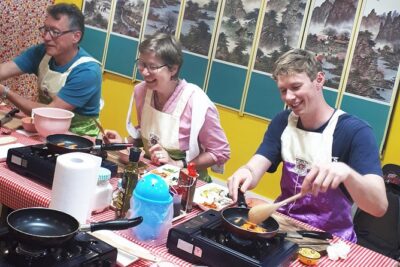
Local Home Korean Cooking Class & Market Adventure in Seoul
Read our review →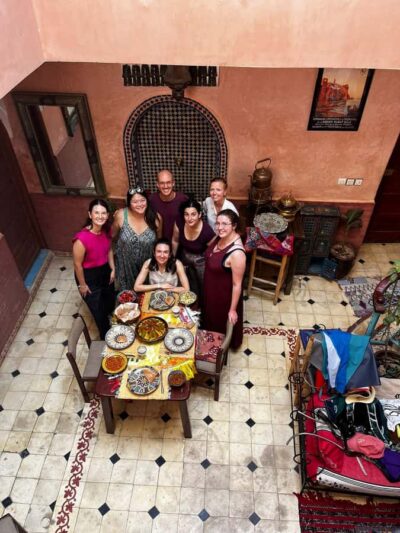
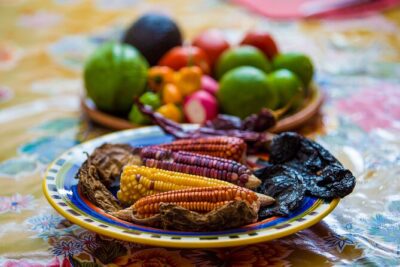
Mexican Cooking from Scratch in a Local Home in Tulum
Read our review →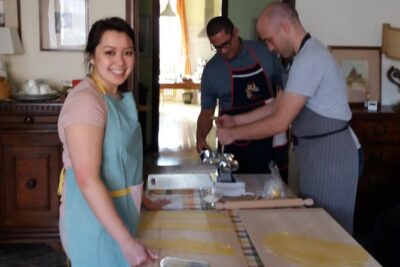
Pastamama, Home Cooking Classes at Grace’s Home
Read our review →
Traditional Cooking Class & meal with Local Family
Read our review →