
REVIEW · HONSHU, JAPAN
Japanese cooking class
Good food makes good memories. This 150-minute Japanese cooking class in Osaka combines a short walk through an old-fashioned shopping street with hands-on cooking in a studio. I like the chance to make dishes with ingredients and methods tied to Japan, then sit down and eat what you prepared. I also like that you leave with the recipes and a souvenir, not just a full stomach.
The main consideration is that the shopping street portion is a guided stroll, not a full food tour. Personal purchases, drinks, alcohol, and transport are extra. Directions may also require care, so plan to meet at the correct station exit and look for the guides in blue samurai clothing.
Key points to know before booking
- Ramen and gyoza can be the main dishes: The strongest praise centers on making both dishes, with families able to take part in the work.
- The class begins near Matsuya-cho Station: Exit 3 on the Nagahori Tsurumi-ryokuchi Line is about a five-minute walk from the venue.
- The shopping street adds local flavor: You get a guide-led look at an old-fashioned commercial street before cooking.
- You do the work yourself: The class is designed for active participation rather than simply watching a chef prepare lunch.
- Recipes and a souvenir go home with you: These useful extras help you repeat part of the experience after Japan.
- The teaching language is flexible: Japanese, Chinese, and English are available, with Shohei receiving particular praise for clear English instruction.
A cooking class that starts on an Osaka shopping street
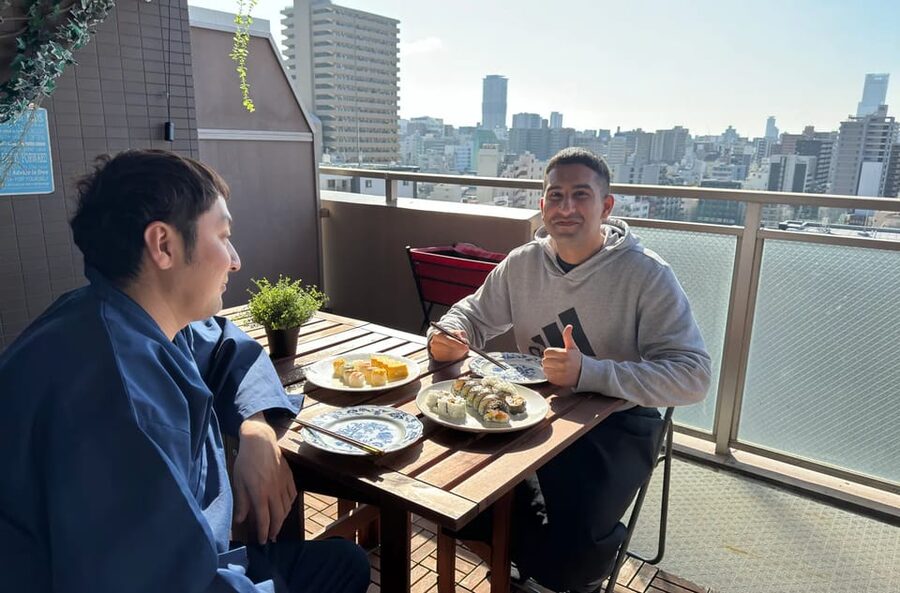
The meeting point is Matsuya-cho Station Exit 3, on the Nagahori Tsurumi-ryokuchi Line. The venue is about five minutes away on foot. Guides wear blue samurai outfits and hold a placard, a helpful visual cue in a busy station area.
I would still allow extra time. One participant specifically found the directions in need of improvement, so do not cut your arrival close. In Osaka, a few spare minutes can save you from turning a simple station exit into an accidental urban treasure hunt.
Before the cooking begins, you walk through a nearby old-fashioned shopping street. The supplied information does not name individual shops or promise tastings, so think of this as a short introduction to the neighborhood rather than a market meal. Its value is in setting the scene. You see where everyday shopping fits into local life before sitting down to prepare Japanese food.
Personal spending during the walk is not included. If you want a drink, snack, or alcohol, bring money for it. The guide fee for the walk is included, so you are not paying extra for the neighborhood introduction itself.
More Sushi and Japanese Classes in Japan:
- Ramen Cooking Class at Ramen Factory in Kyoto
★ 5.0 · 1,937 reviews - Ramen & Gyoza Cooking Class in Tokyo with Local Supermarket Visit
★ 5.0 · 823 reviews - Kyoto: Ramen Cooking Class at a Ramen Factory with Souvenir
★ 4.9 · 532 reviews
From more than 300 dishes to your own kitchen lesson
The cooking studio presents more than 300 Japanese and Japanese-made Western dishes to international visitors. That large range suggests the menu can vary, but the clearest examples from the class are ramen and gyoza.
That pairing makes sense for a first Japanese cooking lesson. Ramen gives you a complete bowl of food, while gyoza lets you work with a different preparation style. You get two dishes with different textures and techniques instead of spending the whole session on one recipe.
The class is not described as a demonstration where you sit back and take notes. You cook together in the studio, use the provided equipment, and eat the finished food afterward. That distinction matters. If you want a polished restaurant meal with someone else doing the preparation, this is not the right format. If you want to understand what goes into familiar Japanese dishes, the active setup is the point.
The lesson lasts 150 minutes, or two and a half hours. That gives the experience enough room for the shopping street walk, instruction, preparation, cooking, eating, photographs, and the final handouts. You should still expect a focused class rather than a slow afternoon with long breaks.
Shohei, Max, and the value of clear instruction
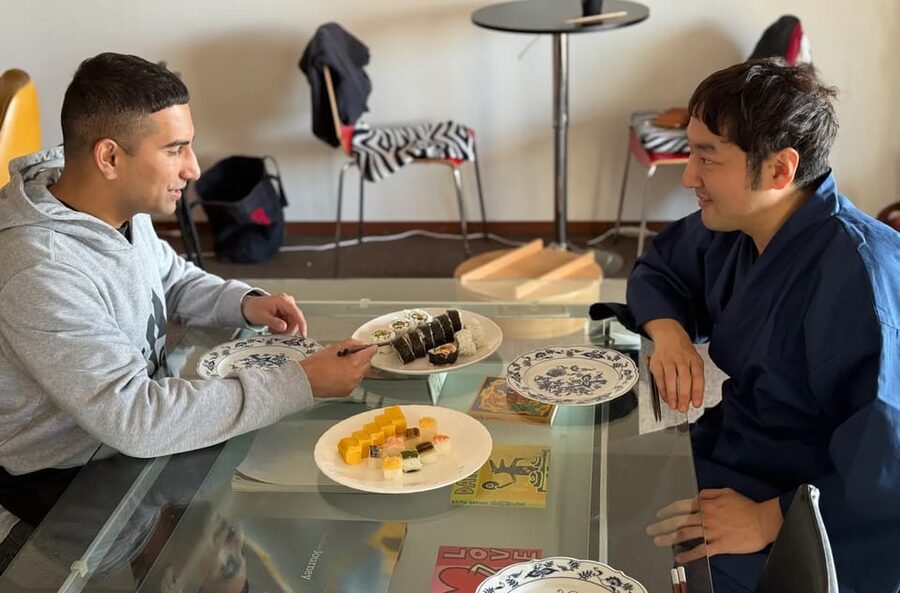
The teacher can make or break a cooking class. Here, Shohei received especially strong praise for his English, explanations, and ability to show not only what to do but why to do it. That last part is useful. A recipe becomes easier to repeat when you understand the reason behind each step.
Max was also praised for making the lesson fun, engaging, and educational. He even arranged a slice of birthday cake for a participant whose partner was celebrating. That is a nice sign of personal attention, though you should not book expecting a special celebration arrangement unless you confirm it in advance.
The feedback is not entirely one-sided. One participant rated the experience three out of five and wanted to prepare more of the food personally, as well as receive better directions and everything promised. That is an important warning for serious home cooks. The amount of hands-on work can matter as much as the final meal, and the experience may feel less satisfying if you prefer to control every step.
The overall rating is 4.6 from six reviews. The most consistent praise concerns the instructors, the quality of the finished ramen and gyoza, and the way families can participate together.
Why families and first-time cooks may like it
A family of five was able to take part actively in the cooking. That makes this a stronger choice for groups who want an activity where everyone has a role, rather than a formal class that places one person at the counter while everyone else watches.
The lesson also suits couples and small groups. One participant booked it for a partner’s birthday, and the instructor made the occasion feel personal. The class can provide a useful break from sightseeing, especially if your group wants to do something together instead of simply moving from one attraction to the next.
I would be more cautious if your group has very different expectations. A confident cook may want more independent preparation, while a beginner may appreciate close guidance. Since the details of each menu and class setup are not specified, ask ahead if your group has a strong preference about how much of the cooking each person handles.
English, Chinese, and Japanese are available. That helps mixed-language groups, though the quality of the experience will still depend on the instructor assigned to your session. Shohei’s strong English explanations are encouraging for English-speaking visitors.
A few more cooking classes around Japan worth a look
- Kyoto: Ramen, Gyoza, and Onigiri Cooking Class
★ 5.0 · 445 reviews - Kyoto: Japanese Washoku Bento Small Group Cooking Class
★ 5.0 · 380 reviews - Osaka: Ramen and Gyoza Cooking Class in Dotonbori
★ 5.0 · 378 reviews - Tokyo: Easy Ramen Cooking Experience in Kabukicho, Shinjuku
★ 4.6 · 321 reviews
Ramen, gyoza, and the pleasure of eating your work
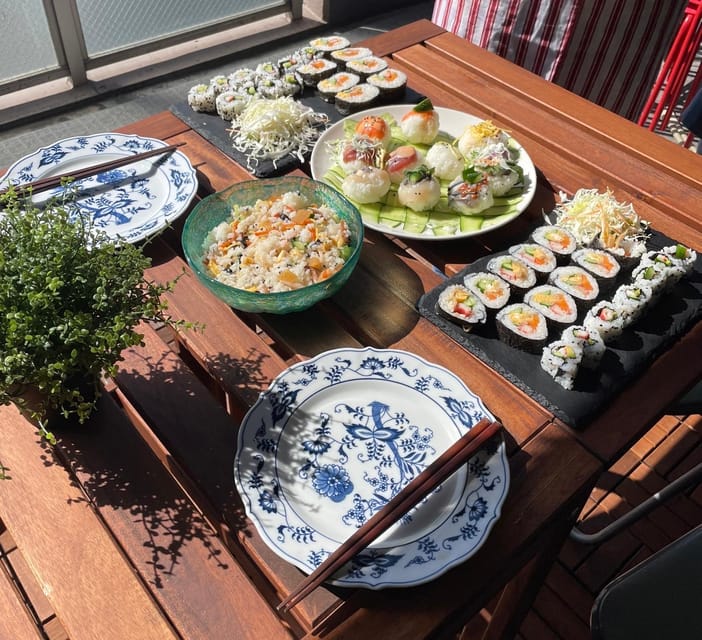
Ramen and gyoza are familiar dishes around the world, but preparing them yourself changes how you notice them. You become more aware of the work behind the bowl and plate. The lesson can turn an everyday restaurant order into something you understand more clearly.
The finished food is part of the teaching. After preparing the dishes, you eat them at the venue, with tableware and cooking equipment supplied. Venue costs for cooking and drinking are included, so you are not expected to arrange a separate restaurant visit.
Photos are also part of the experience. The class description specifically allows time for taking pictures, which is useful if you want a record of the process, your finished dishes, or a group celebration. You should treat the photographs as a bonus rather than the main purpose. The strongest reason to book is the cooking itself.
The material cost, cooking lesson, equipment rental, tableware, and souvenir fee are all included. This makes the price easier to judge because several small charges are already covered. You still need to budget for transport to the meeting point and personal spending during the shopping street visit.
Is $83 a fair price?
At $83 per person, the experience is not a bargain meal. It is better understood as a combined neighborhood walk, guided cooking lesson, meal, and take-home package.
The value improves if you would otherwise pay separately for a food tour and a restaurant meal. You get 150 minutes of planned activity, a guide for the shopping street, a studio session, food, equipment, recipes, and a souvenir. The recipes are especially useful because they extend the experience beyond the day itself.
The price is less attractive if you mainly want to eat ramen and gyoza. Osaka has many restaurants, and ordering those dishes will cost less than a cooking class. You are paying for participation, instruction, and the chance to make the food, not just for the meal.
For a family, the calculation depends on how much your group enjoys practical activities. The ability for five family members to participate is a real advantage. For a birthday or special occasion, the personal touch described in the class feedback may also make the cost feel more reasonable.
What to bring and how to plan the timing
Wear clothes that allow you to work comfortably in a cooking studio. The supplied information does not specify an apron, clothing rules, allergy arrangements, or accessibility details, so contact the provider before booking if any of those points matter to you.
Start with the station information in hand: Nagahori Tsurumi-ryokuchi Line, Matsuya-cho Station, Exit 3. Look for the blue samurai guides with a placard. Because the walk to the venue takes about five minutes, arriving early gives you a calmer start.
Plan your wider Osaka day around the fixed class time. The 150-minute duration is long enough that you should not place a major timed attraction immediately afterward. Check the available start times when booking, then allow room for the class to run at its natural pace.
The class is in Osaka, on Honshu, rather than in central Tokyo or another Japanese cooking destination. If Osaka is already on your route, that makes it easy to combine with other city sightseeing. If you are staying far away, remember that transport to the meeting point is not included.
Cancellation is flexible only if you act early. You can cancel up to eight days in advance for a full refund. That gives you useful protection while planning a busy Japan itinerary, but the cutoff is firm enough that you should check your dates before reserving.
Who should book this Osaka cooking class?
I would recommend it to you if you want to do more than take pictures of Japanese food. It is a good fit for families, couples, first-time cooks, and anyone who enjoys learning through direct practice.
You should also consider it if you value a small local neighborhood walk more than a major sightseeing stop. The shopping street is not presented as a headline attraction, but it gives the class a sense of place and prevents the experience from feeling like an isolated kitchen lesson.
I would hesitate if you want a full food crawl, a detailed market tour, or complete control over every cooking task. The walk is brief, personal spending is extra, and one participant wanted more chances to prepare the food independently. Those are manageable limits, but they are worth knowing before you pay.
Should you book it?
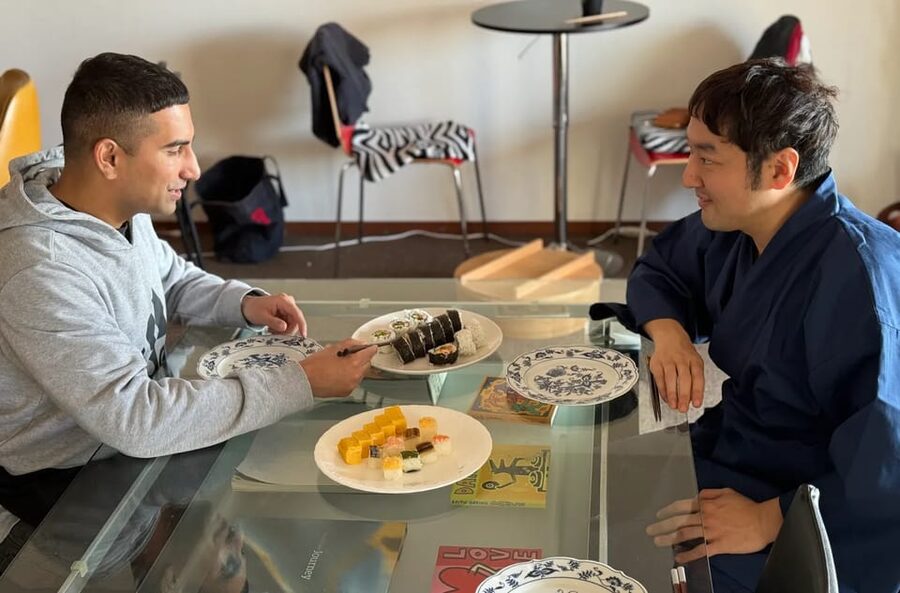
Book this class if you want a friendly, practical Osaka activity built around ramen, gyoza, and shared cooking. The clear teaching from Shohei and Max, the family-friendly setup, the included recipes, and the souvenir give the $83 price real purpose.
Skip it if your priority is simply finding the cheapest bowl of ramen or exploring shops at your own pace. For everyone else, especially families and visitors with a spare half-day, this offers a pleasant way to connect food with the neighborhood around Matsuya-cho Station.
FAQ
Where does the Japanese cooking class meet?
Meet at Exit 3 of Matsuya-cho Station on the Nagahori Tsurumi-ryokuchi Line. The venue is about a five-minute walk away.
How long does the experience last?
The class lasts 150 minutes, or two and a half hours. Starting times vary, so check availability when booking.
What languages are available?
The experience is offered in Japanese, Chinese, and English.
What food might I learn to cook?
Ramen and gyoza are specifically included among the dishes prepared during the class. The provider also offers more than 300 Japanese and Japanese-made Western dishes.
What does the price include?
The $83 price includes ingredients, the shopping street guide fee, cooking lesson, venue fee for cooking and drinking, souvenir, tableware, equipment rental, and material costs.
Can I cancel for a full refund?
Yes. You can cancel up to eight days in advance for a full refund. Transportation to the meeting point and personal spending during the shopping street walk are not included.
Just added around Japan
- Cooking Class: Make a Local Delicacy in a Japanese House★ 5.0 · 7 reviews
- Culinary Home Cooking with Grandmothers – Vegan Friendly★ 5.0 · 5 reviews
- Nagoya Super Market Tour & Home Cooking Class with a Local, Akiko★ 5.0 · 10 reviews
- Tokyo: Sushi Cooking Class with Sake Tasting★ 4.8 · 55 reviews
- Tokyo: Sushi roll and side dish cooking experience★ 5.0 · 2 reviews
- Tokyo: Sushi Making Experience & Japanese Cooking Class★ 5.0 · 2 reviews
- Tokyo: Gyoza Making from Scratch – Ultimate Cooking Class★ 5.0 · 2 reviews
- Tokyo: Night Cooking Class: 5 Home-Cooked Japanese Dishes★ 4.9 · 13 reviews
Japanese & Sushi Cooking Classes, compared.
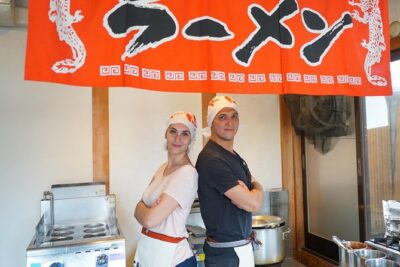
Ramen Cooking Class at Ramen Factory in Kyoto
Read our review →
Ramen & Gyoza Cooking Class in Tokyo with Local Supermarket Visit
Read our review →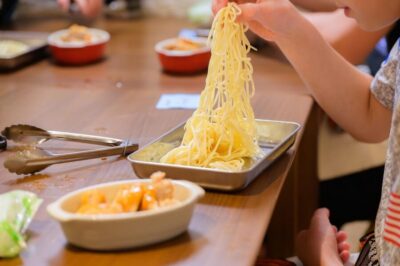
Ramen Cooking Class at a Ramen Factory with Souvenir
Read our review →
Sushi Making Osaka! Popular Sushi Class in Japan!
Read our review →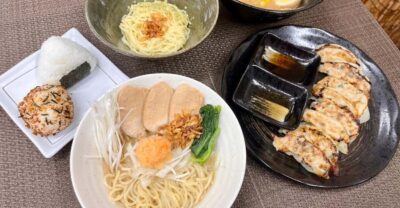
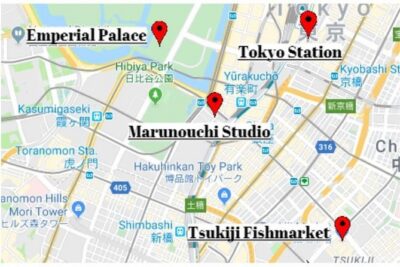
Tokyo Tsukiji Fish Market Tour and Sushi Making Lesson
Read our review →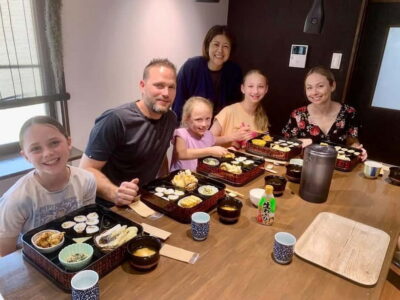
Japanese Washoku Bento Small Group Cooking Class
Read our review →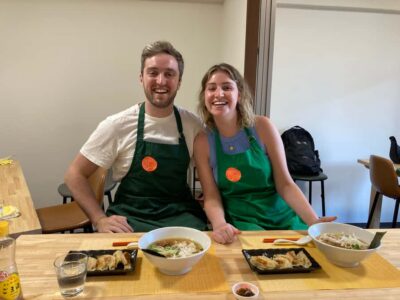
Lists this class appears in