
REVIEW · HONSHU, JAPAN
Kyoto Home Cooking Class &Supermarket tour near Fushimiinari
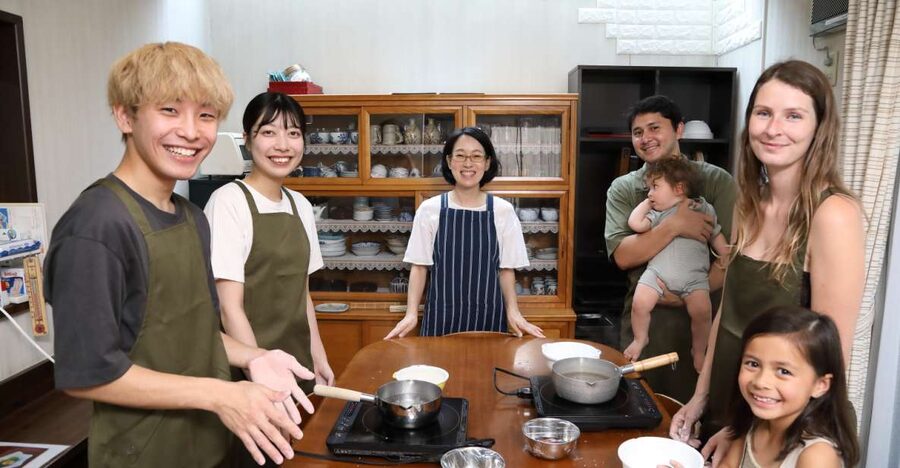
The best souvenirs can be recipes. This four-hour Kyoto cooking class near Fushimi Inari gives you a look inside a traditional Japanese home, a garden-view lunch, and practical lessons you can repeat at home. I especially like the small groups of no more than six and the supermarket visit, where Japanese ingredients finally start to make sense. The main drawback is the price, $127 per person, which may feel high if you are mainly looking for a quick meal.
I also like that the class is taught entirely in English by licensed guide interpreters. Miho, one of the named instructors, is praised for patient, clear teaching, but you should expect a hands-on class rather than a demonstration where you simply watch. You will need to stand and work in a traditional home, and the experience is not suitable for wheelchair users or children under six.
Key points at a glance
- Dashi comes first: You learn the Japanese soup stock used in many everyday dishes, with a vegetarian version available.
- Five to seven dishes: Depending on the menu and season, you may prepare items such as miso soup, tempura, sushi, Japanese omelet, salad, mochi, and other small dishes.
- A real home setting: Lunch takes place in a traditional Japanese room with a garden view, giving the class a personal feel rather than a restaurant atmosphere.
- Small and English-speaking: The maximum group size is six, and licensed guide interpreters lead the class entirely in English.
- The supermarket visit matters: You learn how to identify the ingredients and products used in Japanese cooking, then can buy them for your own kitchen.
- Good for vegetarians: Tell the organizer in advance so the class can use vegetarian dashi and adjust the food as needed.
A cooking class that feels like a Kyoto home visit
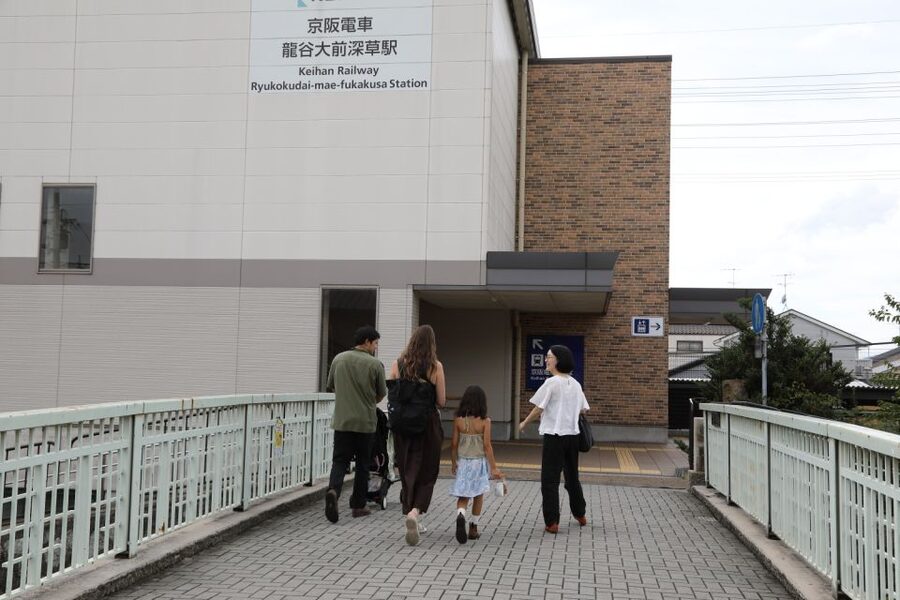
This experience takes place near Fushimi Inari in Kyoto, an area best known for its long rows of red shrine gates. Instead of spending all your time looking at food behind glass or eating a prepared lunch, you step into a traditional Japanese home and take part in the work.
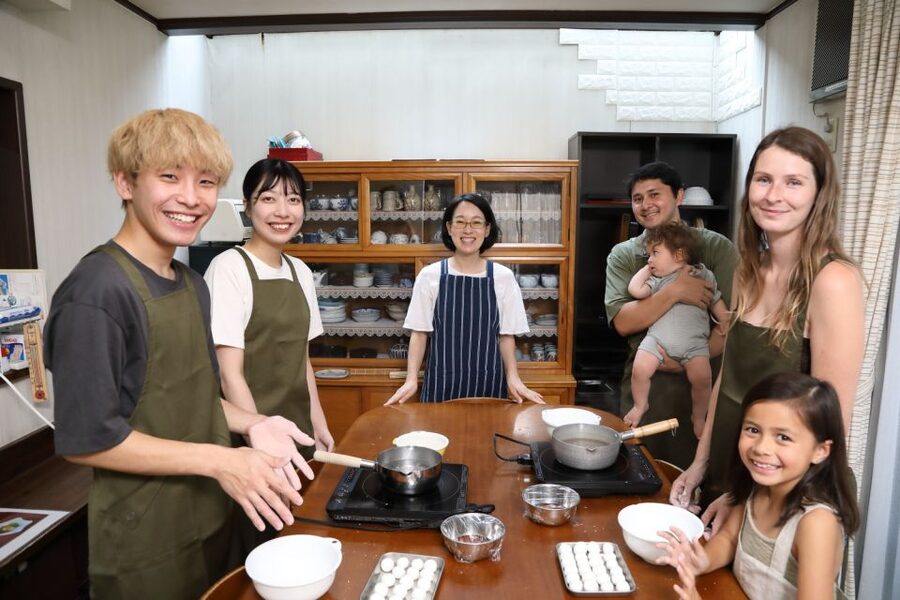
That setting changes the mood. You are not in a large studio with a line of cooking stations. You sit and eat in a Japanese room, look out toward a garden, and share the meal you have just prepared. The atmosphere is closer to being invited to lunch by a local friend, though you still receive organized instruction and a full set of recipes afterward.
I find that balance useful. You get the warmth of a home visit without losing the practical side of a cooking lesson. The class is structured, but it does not sound stiff. Miho is repeatedly described as friendly, patient, and clear, which matters when you are learning unfamiliar techniques in another language.
You should bring socks. That small instruction is easy to miss, but it fits the traditional home setting. The experience is not suitable for wheelchair users, and children under six cannot participate. Children aged 12 and below must attend with a guardian.
More Home Cooking Classes in Japan
- Near Fushimiinari: Kyoto Home Cooking Class & Supermarket tour
★ 5.0 · 100 reviews - Private Home Cooking in Yanaka – Local Flavors in a Warm Setting
★ 5.0 · 173 reviews - Japanese Home Cooking Class & Walk in Todoroki Temple Tokyo
★ 5.0 · 88 reviews
Why the dashi lesson is the key to Japanese cooking
The class begins with dashi, the soup stock found in much Japanese cooking. This is an important choice because dashi is not just one more recipe. It is a basic flavor behind soups, sauces, and other dishes, and learning it helps explain why Japanese food can taste full without relying on heavy seasoning.
The class uses vegetarian dashi for vegetarian and vegan participants. You should make your dietary needs clear in advance, especially if you want the menu adjusted. The available information confirms that vegetarian guests are welcome, but it is sensible to ask about specific restrictions before booking.
This first lesson also gives you a useful shopping reference for later. When you walk through the supermarket, you can connect the packaged ingredients and seasonings to what you used in the kitchen. That link between cooking and shopping is one of the strongest parts of the experience.
You are not simply told that a product is Japanese. You can see the items, hear how they are used, and receive help understanding labels and ingredients. For anyone who has wandered through a Japanese supermarket feeling lost among unfamiliar packages, this is practical help.
Preparing five to seven dishes by hand
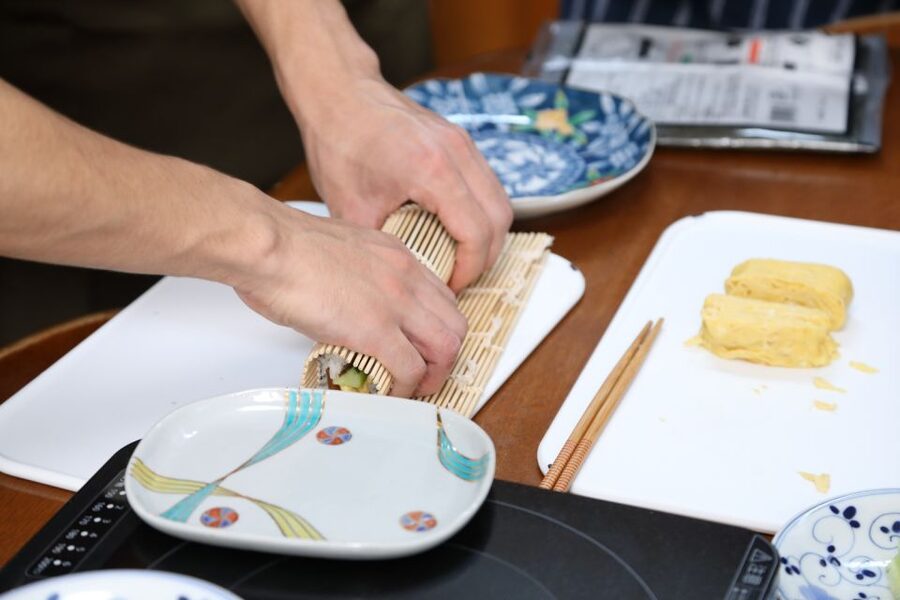
After the dashi lesson, the instructor demonstrates the cooking steps before you begin. You then prepare about five dishes by yourself or with a partner. The exact number and menu can change with the season, and one description of the class includes seven dishes.
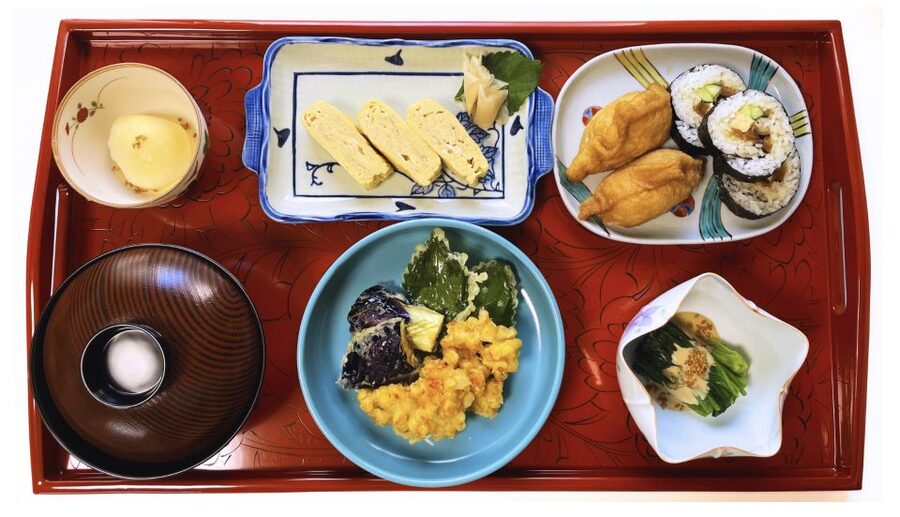
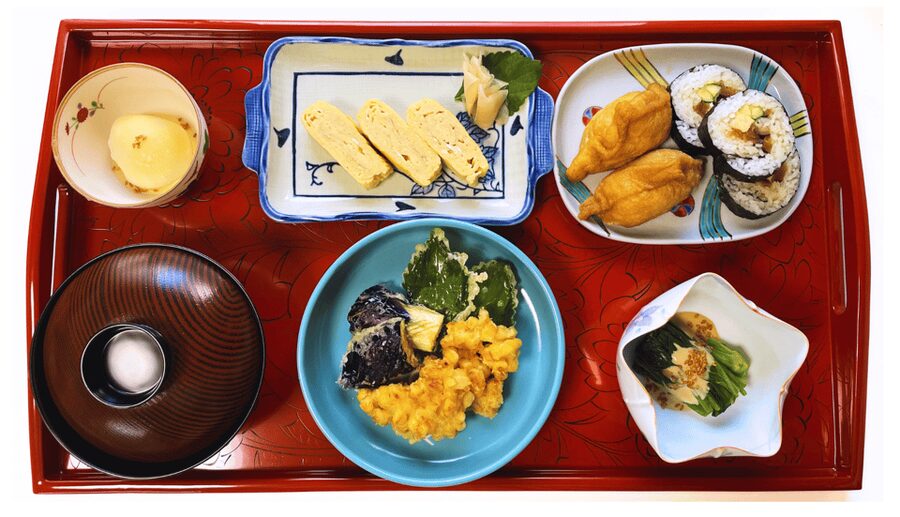
The food can include miso soup, tempura, sushi, Japanese omelet, salad, and dessert. Mochi has also been included in one menu. You may not prepare every one of these dishes on your visit, so it is better to think of them as examples rather than a guaranteed menu.
The variety is part of the value. You are not spending four hours making one complicated dish. Instead, you get a broad introduction to Japanese home cooking, including soup, fried food, rolled egg, rice-based dishes, vegetables, and something sweet.
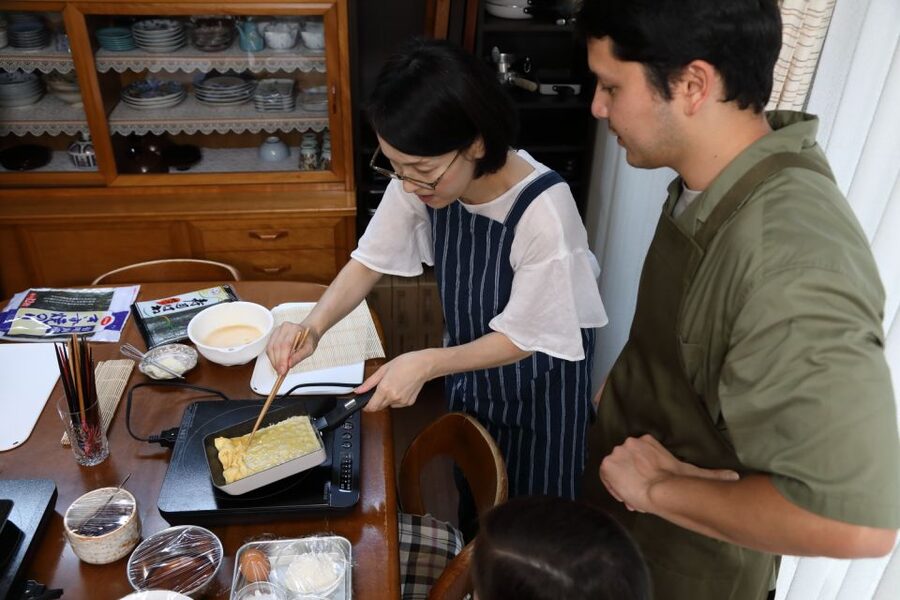
The Japanese omelet, often called tamagoyaki, can be a particularly useful lesson. It looks simple, but getting the layers and shape right takes practice. The experience gives you the chance to learn by doing rather than merely watching an instructor produce a perfect result.
Tempura and sushi also make the class appealing, since many people associate them with restaurant meals rather than home cooking. The useful question is not whether your first attempt looks flawless. It is whether you leave understanding the basic process well enough to try again at home.
The instructors demonstrate each part before you start, then guide you through your own preparation. That arrangement should suit beginners. If you cook often, you may still appreciate the explanations of ingredients and seasoning, but advanced cooks should not expect a professional-level masterclass.
Lunch in a traditional Japanese room
Once the cooking is finished, you sit down with the other participants and eat what you made. This is not an afterthought. The meal takes place in a traditional Japanese room with a garden view, and that room is one of the details that gives the class its character.
The garden view adds a quiet pause after the hands-on work. You have spent the morning or afternoon measuring, mixing, shaping, and cooking. Sitting down together lets you enjoy the result in the same home setting where the class took place.
I like this arrangement more than a cooking lesson that sends you away with a box of food. You can taste the dishes while the instructions are still fresh, and you can ask about flavor, texture, or presentation before the class ends.
The meal also creates a social side without requiring a large group. With a limit of six people, you have a reasonable chance to speak with the instructor and the other participants. The class can work for solo visitors, couples, families, and small groups, and the friendly teaching style helps solo participants avoid feeling out of place.
The setting does come with a few practical limits. A traditional room may require floor seating or other arrangements that are not suitable for everyone, and the activity involves cooking rather than passive sightseeing. If you want a short, low-effort food stop, this is not the right format.
More Home Cooking Classes in Kyoto:
- Khmer Cooking Class at a Local’s Home in Krong Siem Reap
★ 5.0 · 2,731 reviews - Local Home Korean Cooking Class & Market Adventure in Seoul
★ 5.0 · 1,024 reviews - Marrakech: Moroccan Cooking Class with a Local Family
★ 4.9 · 668 reviews - Mexican Cooking from Scratch in a Local Home in Tulum
★ 5.0 · 585 reviews
The supermarket tour makes the recipes useful
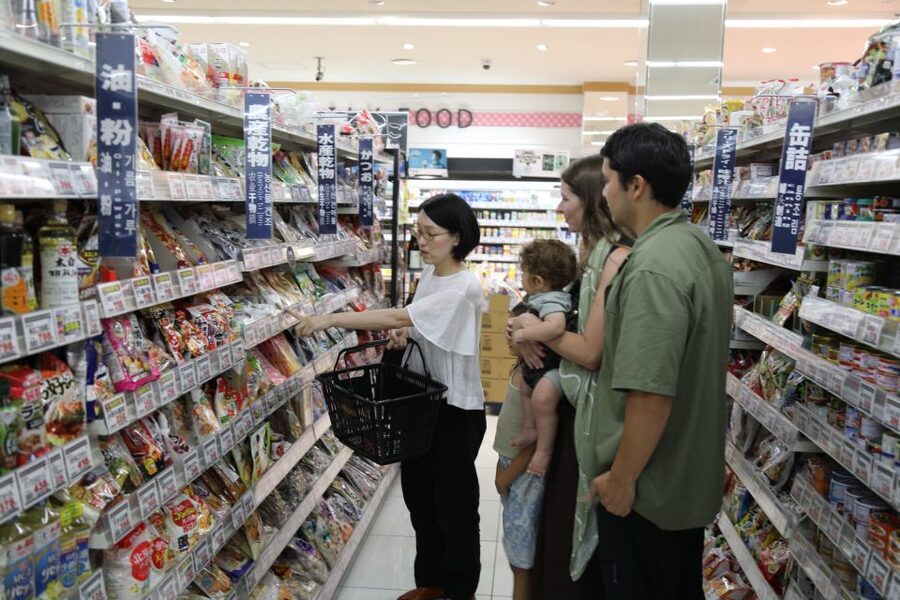
The final part of the experience is a visit to a local supermarket. This is where the class moves from a pleasant meal to something you can use after returning home.
Your instructor helps you find the ingredients used during the lesson and explains other Japanese products along the aisles. The focus is not only on the items that appeared in your recipes. You can also learn about fruits, vegetables, spices, seasonings, and packaged foods used in Japanese kitchens.
This is especially helpful because Japanese supermarkets can be confusing at first. Packaging may be hard to read, and several similar products may appear beside each other. An English-speaking guide interpreter can explain what you are looking at and how the products fit into everyday cooking.
You can buy ingredients for your family and friends if you wish. That makes the supermarket stop practical rather than decorative. You can return home with a recipe booklet and the confidence to look for the right products instead of guessing.
The tour also gives you a better sense of ordinary food shopping in Japan. You are not only sampling famous dishes in central Kyoto. You are seeing the products people buy for home meals, which gives the class a more local feel.
The supermarket visit will not be a major food market tour, and it should not be treated as one. Its purpose is narrow and useful: understand the ingredients, recognize the products, and learn how to recreate the food.
Is $127 good value for four hours?
At $127 per person, this is not a budget lunch. The price includes the four-hour class, lunch, all seasonings and ingredients, instruction in English, the supermarket visit, and recipes for the dishes you prepare. It does not include gratuity or transportation to and from your hotel.
The value depends on how you use the experience. If you count only the food, the price is high. If you value a small group, several dishes, a traditional home, a garden-view meal, a local shopping lesson, and recipes to take home, the cost becomes easier to justify.
A group maximum of six is important here. You are paying for more than access to a kitchen. You are paying for the instructor’s attention while you prepare the food, plus explanations that would be difficult to get from a printed recipe alone.
The recipes also extend the value beyond the four-hour visit. You can try the dishes again for family and friends, and the supermarket lesson helps you identify what to buy. That makes this experience a better fit for people who enjoy food as a skill, not just as a meal.
The class has a 5.0 rating from 31 bookings, and the strongest praise focuses on the teaching, the food, the traditional house, and the supermarket tour. That pattern is useful because those are the parts most likely to determine whether the price feels worthwhile.
You can cancel up to 24 hours in advance for a full refund, and the reserve-now, pay-later option keeps your plans flexible. Starting times vary, so you need to check availability when choosing a date.
Who will enjoy this experience most?
I would recommend this class to you if you enjoy cooking, want a close look at Japanese home food, or prefer an activity with a local connection. It suits couples and solo visitors particularly well, and the small group keeps the class personal.
Families can also enjoy it. One family with three young children had the menu adapted and found the instructor patient and welcoming. Children aged 12 and below must have a guardian, and children under six cannot participate, so check your family’s ages before booking.
Vegetarians and vegans have a good reason to consider this class, since vegetarian dashi can be used. Still, contact the organizer ahead of time with any dietary requirements rather than assuming every dish will automatically be suitable.
The class is also useful for repeat visitors to Kyoto. If you have already seen the major temples and want an activity that connects food, daily life, and language, this offers a different side of the city.
You may want to skip it if you dislike cooking, have serious mobility limits, or want a fast food tasting with no preparation. Four hours is a meaningful block of your day, and the price makes most sense when you take part fully.
Practical details before you book
The class is conducted entirely in English, and the instructors are licensed guide interpreters. That should make the demonstrations and supermarket explanations easy to follow.
The menu changes with the season, so do not book expecting one fixed list of dishes. You may prepare five dishes, or a fuller menu of seven, with examples including sushi, tempura, miso soup, Japanese omelet, salad, mochi, and dessert.
Lunch and all ingredients are included. Gratuity is not included, and hotel pickup and drop-off are not provided. You should plan your own way to the class location near Fushimi Inari.
Bring socks for the traditional home. If you are vegetarian or vegan, advise the organizer in advance. The group is limited to six participants, which is a good reason to reserve early if your Kyoto dates are fixed.
Should you book the Kyoto cooking class?
Book it if you want to learn enough Japanese cooking to try it again at home. The strongest features work together: dashi explains the flavor base, the hands-on preparation builds confidence, the garden-view lunch gives the meal a sense of place, and the supermarket visit shows you what to buy afterward.
I would be less enthusiastic if you only want a cheap meal or a quick cultural stop. At $127, this is a full activity with a premium price. But for food-minded visitors, couples, small groups, and families with eligible children, the personal instruction and useful recipes make it a solid Kyoto choice near Fushimi Inari.
FAQ
How long does the Kyoto cooking class last?
The experience lasts four hours, including the cooking class, lunch, and local supermarket visit.
How many people can join the class?
The group is limited to a maximum of six participants.
Is the class taught in English?
Yes. The class is conducted entirely in English, and the instructors are licensed guide interpreters.
Can vegetarians and vegans participate?
Yes. The class can use vegetarian dashi, and vegetarian and vegan participants are welcome. Tell the organizer about your needs in advance.
What should I bring?
Bring socks for the traditional Japanese home setting.
Are children allowed to participate?
Children under six are not permitted. Children aged 12 and below must participate with a guardian.
Just added around Kyoto
- Kyoto Udon & Tempura Cooking Class with Professional Chefs★ 3.8 · 3 reviews
- Kyoto: Morning Japanese Bento Cooking Class★ 5.0 · 149 reviews
- Kyoto: Wagashi (Japanese sweets) Cooking near Fushimiinari★ 5.0 · 40 reviews
- Kyoto: Cooking class, learning how to make authentic sushi★ 4.2 · 9 reviews
- Kyoto: Authentic Sushi Making Cooking Lesson★ 5.0 · 103 reviews
- Authentic Japanese Cooking Experience at Izakaya restaurant★ 4.2 · 5 reviews
- Gyoza Cooking Class in Kyoto: Traditional Japanese Dumplings★ 5.0 · 12 reviews
- Private Plant-Based Japanese Cooking Class – Kyoto Edition★ 5.0 · 15 reviews
Home Cooking Classes, compared.
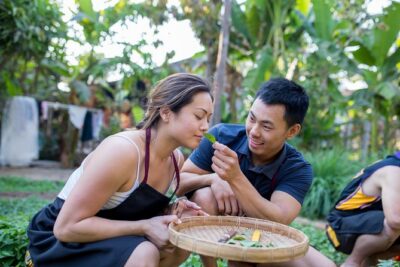
Khmer Cooking Class at a Local’s Home in Krong Siem Reap
Read our review →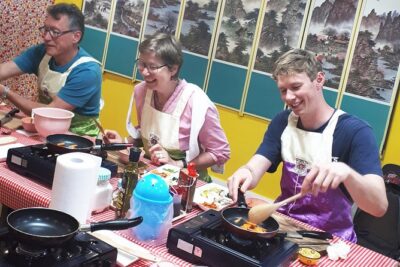
Local Home Korean Cooking Class & Market Adventure in Seoul
Read our review →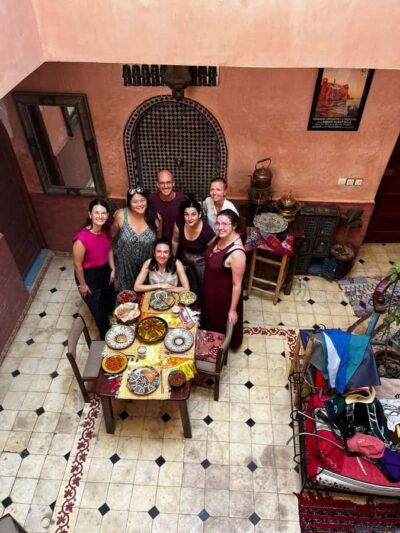
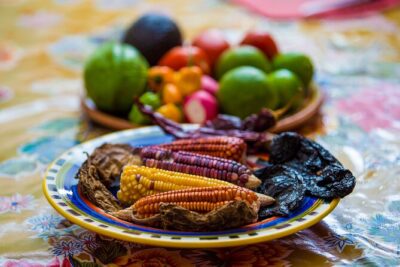
Mexican Cooking from Scratch in a Local Home in Tulum
Read our review →
Pastamama, Home Cooking Classes at Grace’s Home
Read our review →
Traditional Cooking Class & meal with Local Family
Read our review →
Lists this class appears in