
REVIEW · KYOTO, JAPAN
Near Fushimiinari: Kyoto Home Cooking Class & Supermarket tour
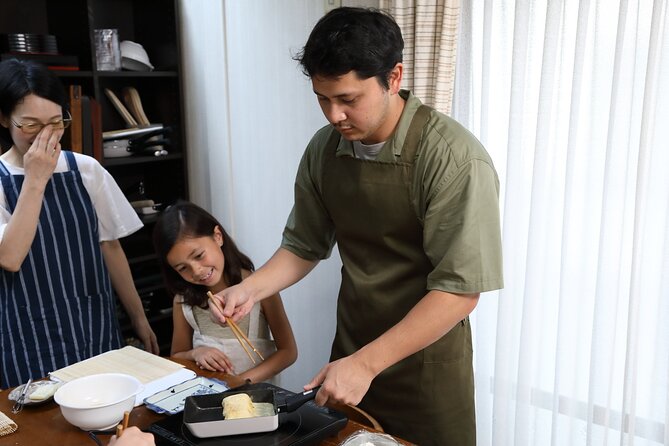
Kyoto tastes better from a local kitchen. This four-hour experience combines a hands-on Japanese cooking lesson, lunch in a traditional home, and a short supermarket tour near Fushimi Inari Shrine. I especially like the small group limit of six and the chance to learn about dashi, the soup stock that forms the base of much Japanese cooking.
I also like that the meal is not just a demonstration. You prepare about five dishes yourself or with a partner, then sit down together in a tatami room with a garden view. The main consideration is the price, $118.92 per person, which is a serious spend for lunch, although the class, food, recipes, English instruction, and supermarket visit make it more than a simple meal.
Key points before you book
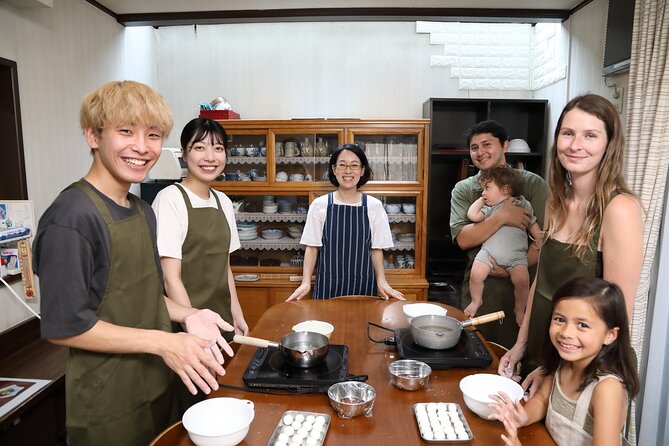
- Learn dashi first: The class begins with several types of Japanese soup stock, giving you useful context for miso soup and other dishes.
- Cook around five dishes: You receive demonstrations, then prepare the food by yourself or with a partner.
- Eat in a traditional Japanese room: Lunch takes place on tatami flooring beside a garden view, not in a modern cooking studio.
- Shop near Fushimi Inari: The 30-minute supermarket visit helps you identify ingredients that can be confusing in Japanese packaging.
- Small groups matter: With no more than six people, you have a better chance to ask questions and get hands-on help.
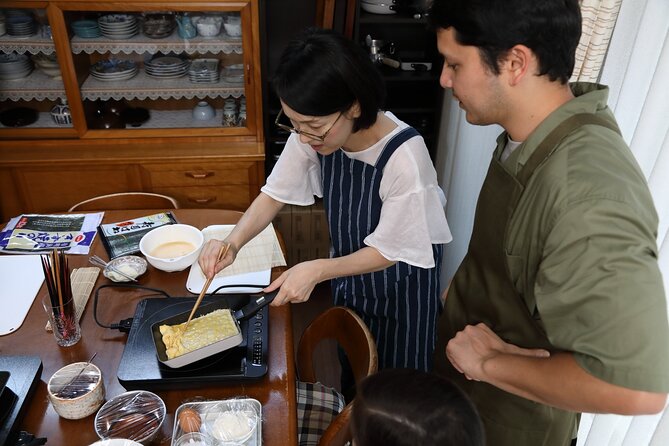
- Miho receives special praise: Her clear English, friendly manner, and practical answers make the class easy to follow.
Starting at 9:30 near Fushimi Inari
The meeting point is at 38-4 Fukakusa Watamoricho in Fushimi Ward. The class begins at 9:30 a.m. and finishes back at the same location, so you can pair it with a visit to Fushimi Inari Shrine before or after the class.
The location is near public transportation, which helps because Kyoto’s sightseeing stops are spread across the city. Check your route carefully before the morning begins, since arriving late could cut into the cooking time. The experience is held in a local home, so this is not the sort of activity where you simply walk into a large commercial cooking school.
The class has a maximum of six participants. That number is important. Cooking instruction becomes less useful when you are one person in a crowd, especially when you need to watch knife work, seasoning, or the texture of a dish. Here, you should have room to ask Miho or another English-speaking instructor about the steps as you go.
More Home Cooking Classes in Japan
- Kyoto Home Cooking Class &Supermarket tour near Fushimiinari
★ 5.0 · 31 reviews - Private Home Cooking in Yanaka – Local Flavors in a Warm Setting
★ 5.0 · 173 reviews - Japanese Home Cooking Class & Walk in Todoroki Temple Tokyo
★ 5.0 · 88 reviews
What happens inside the Japanese home
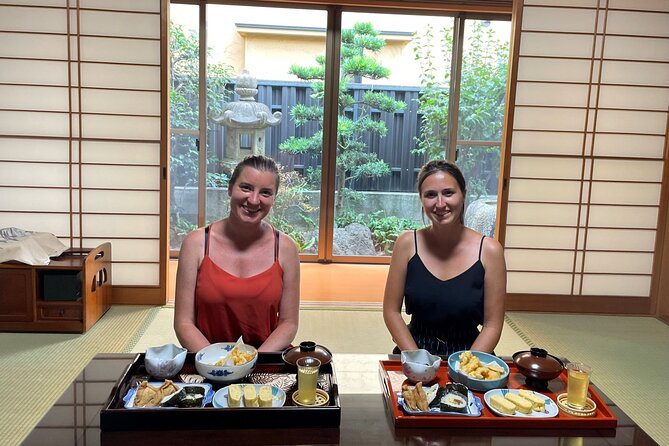
The setting is one of the strongest parts of the experience. You enter a traditional Japanese house and eat in a room with tatami flooring, a tokonoma display area, and a view toward a quiet garden. That gives the meal a sense of place that a restaurant lunch cannot quite match.
The cooking takes place in the kitchen, while the finished meal is served in the traditional room. This split works well. You get the practical side of preparing food, then a calmer setting for eating and talking with the other participants.
The house also gives you a look at an ordinary style of Japanese living. You are not touring a museum display. You are using a real home for a real meal, which makes small details of the setting part of the experience.
You should expect to sit on the floor in the traditional room. The supplied information does not specify seating arrangements beyond the tatami setting, so anyone who has difficulty sitting on the floor should consider asking the provider before booking.
Why the dashi lesson matters
The first lesson focuses on different kinds of dashi, Japanese soup stock. This may sound like a small technical point, but it is one of the most useful things you can learn in a Japanese cooking class.
Dashi appears in many familiar dishes, including miso soup. It supplies a savory base that is easy to overlook when you eat Japanese food in restaurants. Learning about it helps you understand why a simple bowl of soup or a lightly seasoned dish can taste so full.
The class gives you a chance to see and discuss the ingredients used to make these stocks before moving on to the rest of the meal. That context makes the cooking more useful when you return home. You are not only copying a recipe. You are learning what role an ingredient plays.
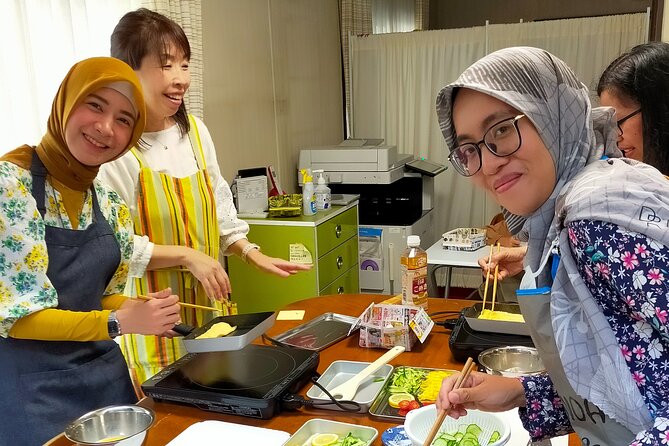
The instructors demonstrate some techniques before you start. This is helpful if Japanese cooking is new to you, since the process can involve unfamiliar ingredients and methods. After the demonstration, you prepare the dishes yourself or work with a partner.
Preparing five dishes by hand
The class includes about five dishes, though the exact menu can vary. Past menus have included miso soup, matcha, sushi, spinach salad, tempura, and mochi. That is a wide mix of styles, from a basic soup to frying, shaping, seasoning, and dessert preparation.
The hands-on format is a real advantage. You are not standing at the back of a room watching someone else do everything. You take part in the preparation, which makes it easier to remember the process later.
The class also seems suitable for different cooking levels. The instructions are designed to be clear and easy to follow, and the small group gives you a chance to ask about steps that need more explanation. Miho is especially praised for answering questions patiently and explaining Japanese food customs alongside the recipes.
You might prepare some dishes with a partner rather than completing every item entirely alone. That can be a good social feature for solo visitors, but it also means the class is not a private lesson where every task belongs only to you.
Vegetarians can be accommodated, according to the experience information. You should state your needs when booking rather than waiting until the class begins. The supplied details do not list other dietary accommodations, so ask ahead about any serious allergies or restrictions.
More Home Cooking Classes in Kyoto:
- Khmer Cooking Class at a Local’s Home in Krong Siem Reap
★ 5.0 · 2,731 reviews - Local Home Korean Cooking Class & Market Adventure in Seoul
★ 5.0 · 1,024 reviews - Marrakech: Moroccan Cooking Class with a Local Family
★ 4.9 · 668 reviews - Mexican Cooking from Scratch in a Local Home in Tulum
★ 5.0 · 585 reviews
Lunch with a garden view
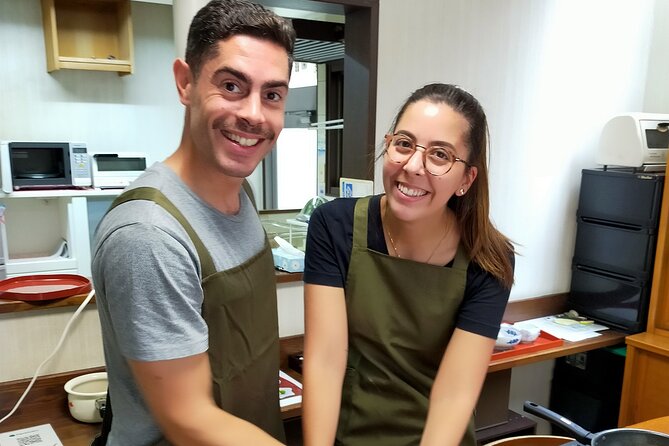
After the cooking, you sit with the other participants and eat the dishes you helped prepare. Lunch is included in the price, along with the ingredients and seasonings used during the lesson.
This is more satisfying than a standard cooking demonstration because the meal has a clear connection to your work. You can taste how the dashi, seasoning, cooking method, and ingredients came together. It also gives you time to talk with the group and compare notes.
The traditional room and garden view add to the occasion without turning it into a formal ceremony. You are still eating the food you made, but the setting makes the lunch feel special.
Drinks are not included. Bring that small extra cost into your budget, especially if you prefer something beyond water. Gratuity is also not included.
The menu can include sweet treats such as mochi. One reported class ended with mochi prepared by the participants, and another included mochi ice. Those details suggest the dessert can be a fun final task, though you should not assume every session follows exactly the same menu.
The 30-minute supermarket lesson
After lunch, you visit a local supermarket for about 30 minutes. This is not just a chance to buy snacks. The purpose is to find the ingredients used in class and understand what is available in an ordinary Japanese food shop.
Japanese supermarkets can be difficult to read at first. Packaging often uses Japanese characters, and similar-looking products may have different uses. Miho or another instructor can explain what you are looking at and help you identify the items needed for the recipes.
This part is especially useful if you plan to cook Japanese food after returning home. You can see the ingredients in their everyday shopping setting rather than only in pre-measured class portions. If you like, you can buy ingredients for family and friends.
The visit is short, so do not expect a full food tour or a long shopping trip. Thirty minutes is enough for a focused explanation of the class ingredients, but not enough to explore every aisle in detail. It works best as a practical extension of the cooking lesson.
Miho and the value of English instruction
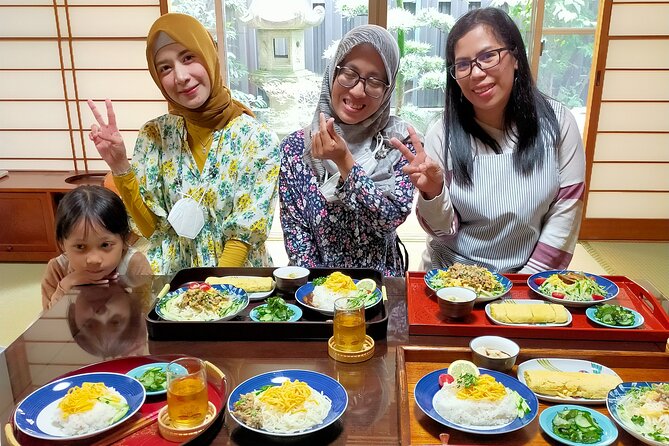
Miho receives repeated praise for her warmth, clear teaching, and ability to answer questions. Her English is described as easy to understand, which matters when the class covers unfamiliar food terms and cooking methods.
The instructors are licensed guide interpreters, and the class is conducted entirely in English. The experience information also says it can accommodate English and non-English speakers, though the specific language arrangements are not explained. If you do not speak English, confirm the available support before booking.
The best kind of cooking teacher does more than read a recipe aloud. You want someone who can explain why a step matters, correct a technique without making you feel awkward, and answer the practical question of how to repeat the dish at home. The feedback about Miho points to that sort of teaching.
The class also includes background on Japanese customs and cuisine. That makes it a better choice for someone who wants cultural context, not just a meal to photograph.
Is $118.92 a fair price?
At $118.92 per person, this is not a budget lunch. You are paying for four hours of instruction, a small group, lunch, all cooking ingredients and seasonings, English guidance, recipes to take home, and the supermarket visit.
The value depends on how much you want from the experience. If you only want to eat Japanese food, a restaurant will cost less. If you want to learn several recipes, work directly with an instructor, ask questions, and understand the ingredients well enough to shop for them, the price is easier to justify.
The six-person maximum improves the value. A larger class would make the hands-on cooking and personal questions less useful. The traditional home setting also gives you something different from a standard culinary school.
You should also count the recipes as part of the value. They give you a way to repeat the experience at home and share the dishes with family or friends. The class is therefore a meal and a lesson, not simply a one-time activity.
Who will enjoy this class most?
I would recommend this experience to solo visitors who want an easy way to meet people around a shared activity. The group is small enough for conversation, and cooking provides a natural reason to work together.
It also suits couples, families, and friends who want a cultural activity with a clear result. You leave having eaten lunch and learned dishes you can try again.
Food lovers who are curious about dashi, miso, sushi, tempura, matcha, or mochi will get the most from the class. It is also useful for anyone who finds Japanese supermarket shopping confusing and wants help identifying ingredients.
This may not be the right choice if you want a private class, a long market visit, or a low-cost activity. It is also not ideal for someone who wants a strictly fixed menu, since the available dishes may vary.
The class runs in the morning, so it takes a substantial part of your day. That is a good use of time if you enjoy cooking, but less appealing if your Kyoto schedule is packed with shrine visits and museums.
Practical details that affect your decision
The experience is available with a mobile ticket, and confirmation is provided at booking. Hotel pickup and drop-off are not included, so you make your own way to the meeting point and return there after the supermarket visit.
The activity is described as requiring good weather. If poor weather causes a cancellation, you are offered another date or a full refund. You can cancel for a full refund up to 24 hours before the start time. Cancellations or changes made less than 24 hours before the start are not accepted for a refund.
Book around four weeks ahead if you want a specific date. The experience is booked on average 28 days in advance, which suggests that the six-person limit can make popular dates fill early.
Should you book this Kyoto cooking class?
Book it if you want to do more than eat Japanese food. The combination of a local home, about five hands-on dishes, a dashi lesson, lunch on tatami, and a supermarket visit gives you practical skills and a stronger sense of everyday food culture.
I would especially choose it for a first visit to Kyoto, a solo trip, or a stay long enough to cook again after the class. Miho’s clear English and friendly teaching add confidence for beginners.
Skip it if the price is beyond your budget or if you prefer a private, restaurant-based meal. For everyone else, this is a thoughtful way to spend a morning near Fushimi Inari, with recipes and shopping knowledge you can carry beyond Kyoto.
FAQ
Where does the cooking class begin?
It begins at 38-4 Fukakusa Watamoricho, Fushimi Ward, Kyoto, 612-0022, Japan.
What time does the experience start?
The start time is 9:30 a.m.
How long does the experience last?
The experience lasts approximately four hours.
Where does the experience finish?
It finishes back at the meeting point.
How many people can join the class?
The class has a maximum of six participants.
Is lunch included?
Yes. Lunch, cooking ingredients, seasonings, and all fees and taxes are included.
Is the supermarket visit included?
Yes. A local supermarket tour lasting about 30 minutes is included.
Are drinks included?
No. Drinks are not included.
Can I cancel for a full refund?
Yes. You can cancel at least 24 hours before the start time for a full refund. Changes or cancellations made less than 24 hours before the start time are not accepted for a refund.
Just added around Kyoto
- Kyoto Udon & Tempura Cooking Class with Professional Chefs★ 3.8 · 3 reviews
- Kyoto: Morning Japanese Bento Cooking Class★ 5.0 · 149 reviews
- Kyoto: Wagashi (Japanese sweets) Cooking near Fushimiinari★ 5.0 · 40 reviews
- Kyoto Home Cooking Class &Supermarket tour near Fushimiinari★ 5.0 · 31 reviews
- Kyoto: Cooking class, learning how to make authentic sushi★ 4.2 · 9 reviews
- Kyoto: Authentic Sushi Making Cooking Lesson★ 5.0 · 103 reviews
- Authentic Japanese Cooking Experience at Izakaya restaurant★ 4.2 · 5 reviews
- Gyoza Cooking Class in Kyoto: Traditional Japanese Dumplings★ 5.0 · 12 reviews
Home Cooking Classes, compared.
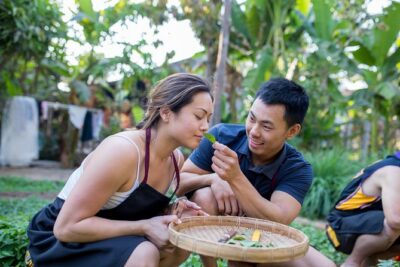
Khmer Cooking Class at a Local’s Home in Krong Siem Reap
Read our review →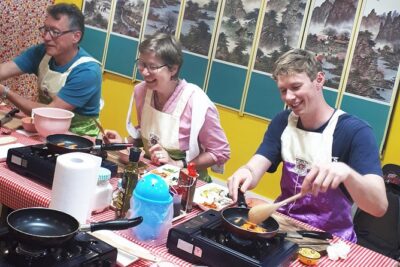
Local Home Korean Cooking Class & Market Adventure in Seoul
Read our review →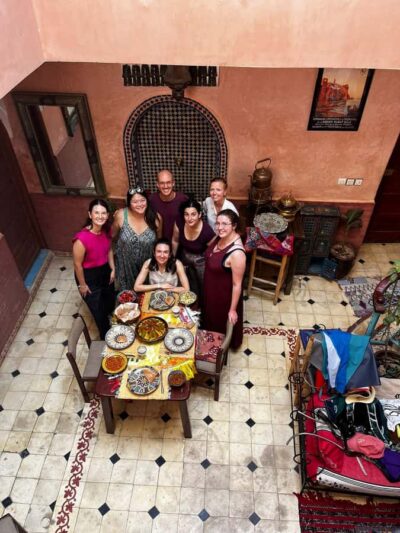
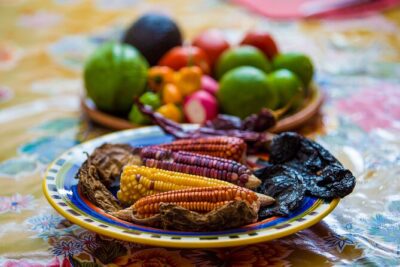
Mexican Cooking from Scratch in a Local Home in Tulum
Read our review →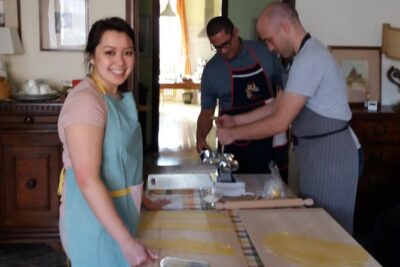
Pastamama, Home Cooking Classes at Grace’s Home
Read our review →
Traditional Cooking Class & meal with Local Family
Read our review →
Lists this class appears in