
REVIEW · HOKKAIDO, JAPAN
Kushiro: Japanese Bento Cooking Class with a Local Host
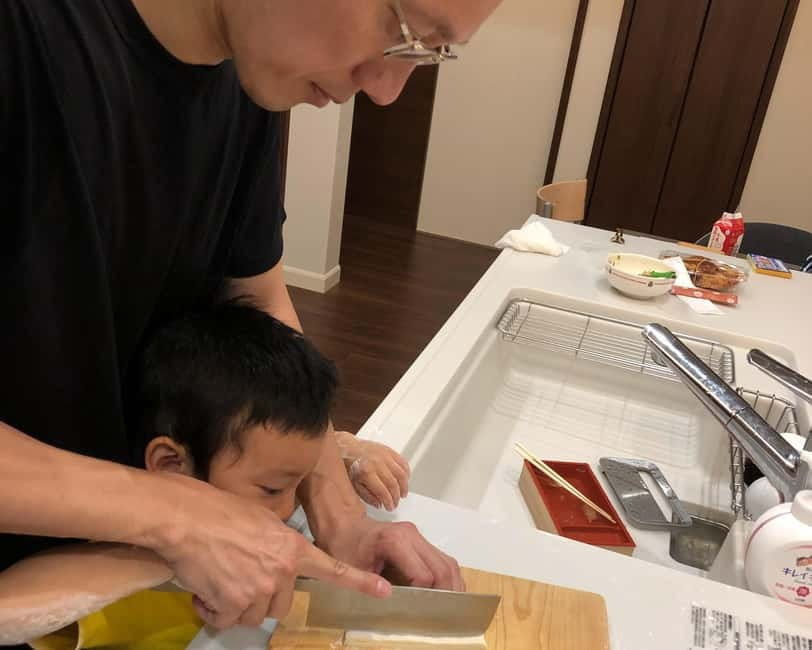
Lunch becomes the lesson. This two-hour Kushiro cooking class gives you a friendly way to learn Japanese home cooking with a local host, not just eat another restaurant meal. I like the hands-on format, and I like that you make a complete bento with meat or fish, several colorful side dishes, and the famous rolled omelet called tamagoyaki.
The class costs $61 per person, which is fair if you value personal contact, a full meal, recipes, and practical cooking skills. The main drawback is dietary flexibility: this experience is not suitable for vegetarians or people with food allergies, and you need to ask ahead about any restrictions. The class is also listed as limited to one participant, so confirm the booking setup if you are traveling with someone else.
Key points to know before booking
- Make tamagoyaki from scratch: Learn the technique behind the neat Japanese rolled omelet, a dish that looks harder than it is once someone shows you the method.
- Choose a meat or fish bento: The main dish can use chicken, pork, or fish, giving you a taste of ordinary Japanese lunch cooking.
- Cook with Yuko in English: Yuko is described as open, patient, and very comfortable speaking English, which helps when you are learning small but important cooking movements.
- Eat the lunch you prepare: You do not simply watch a demonstration. You pack your own box, then enjoy the finished meal with your host.
- Meet at Kushiro Fisherman’s Wharf MOO: The meeting point is the information counter on the ground floor, making it sensible to arrive with enough time to find the counter.
- Take the skills home: You receive recipes, and you may take your bento with you instead of eating it at the class.
Meeting Yuko at Kushiro Fisherman’s Wharf MOO
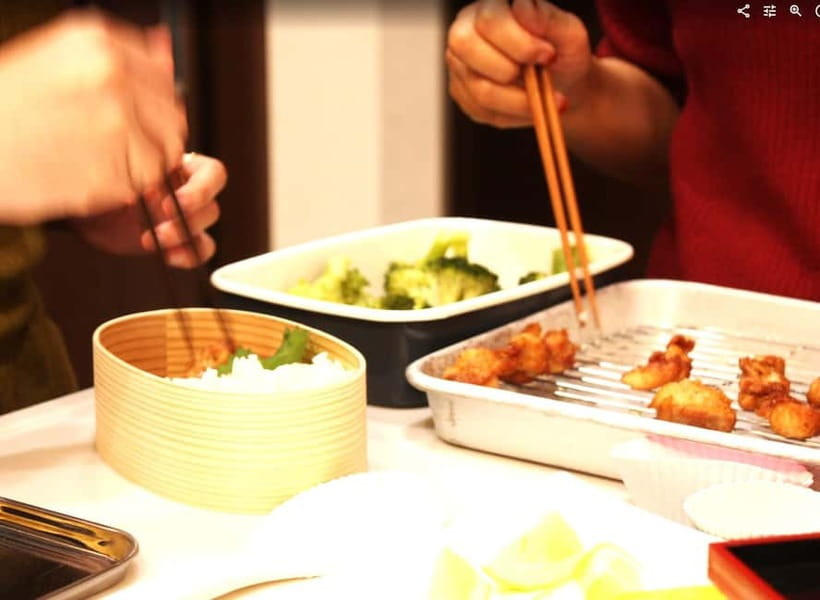
Your starting point is the information counter at Kushiro Fisherman’s Wharf MOO on the ground floor. That detail matters because MOO is a public waterfront complex, not a private home address. Give yourself a little time to find the correct counter before the scheduled start.
From there, the class moves into a small, personal cooking setting. The experience is listed for a limited group of one participant, so you should expect close instruction rather than a large class where you stand at the back and watch someone else cook. If you are booking for two or more people, check the available arrangement before paying.
You begin with a welcome tea or another drink, then meet your local host and settle in. This simple opening helps set the tone. You are not racing through a commercial kitchen or trying to memorize a long lecture. You have time to ask questions, handle the ingredients, and learn how the food fits into everyday Japanese life.
Instruction is offered in English and Japanese. Yuko’s English is a particular strength of the experience. She takes time to explain the steps and keeps the conversation going during the meal, so this class offers social contact as well as cooking practice.
More Sushi and Japanese Classes in Japan:
- Ramen Cooking Class at Ramen Factory in Kyoto
★ 5.0 · 1,937 reviews - Ramen & Gyoza Cooking Class in Tokyo with Local Supermarket Visit
★ 5.0 · 823 reviews - Kyoto: Ramen Cooking Class at a Ramen Factory with Souvenir
★ 4.9 · 532 reviews
Building a Japanese lunch box from several small dishes
A bento is more than a container filled with food. It is a planned meal, with a balance of color, texture, and flavor packed into a compact box. The class shows you how the separate items work together instead of treating the bento as one large recipe.
You prepare a main dish based on meat or fish, with chicken, pork, or fish listed as the available choices. You also make a selection of smaller dishes, creating the sort of varied lunch that makes a bento feel complete. The exact menu can depend on the class, so it is best not to arrive expecting a specific fish or side dish unless the host confirms it.
This is useful cooking knowledge for your time in Japan. Bento food often looks tidy and effortless, but the appeal comes from careful portions and presentation. You learn how to make several items, then arrange them so the box looks inviting rather than simply filling every empty space.
The class also gives you a small window into domestic Japanese cooking. You are learning food that Japanese families prepare for ordinary lunches, not a complicated restaurant tasting menu. That makes the experience especially worthwhile if you want to understand what people eat at home and how a meal is organized.
The tamagoyaki lesson is the star
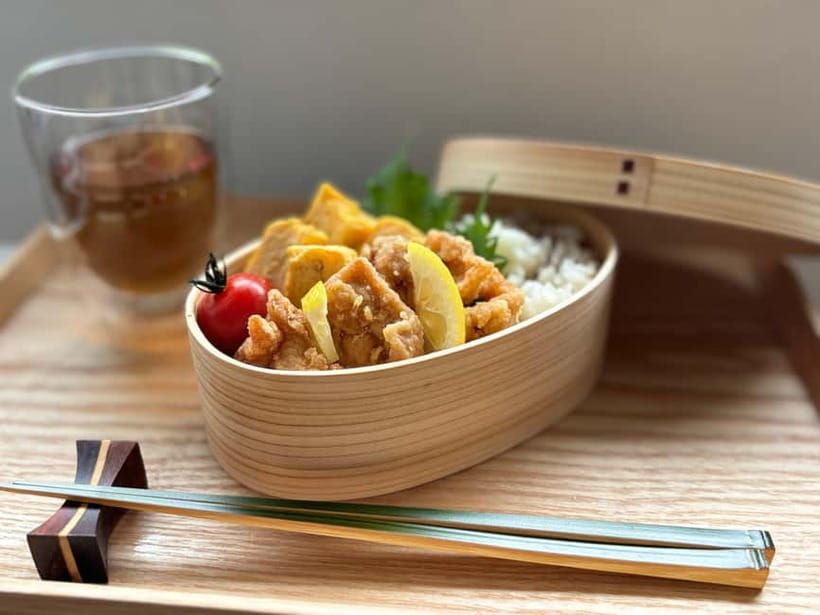
The tamagoyaki, or Japanese rolled omelet, may be the most memorable part of the class. It is made by cooking thin layers of egg and rolling them together into a compact rectangle. The finished shape looks precise, which can make it seem like a professional trick.
Yuko demonstrates that the technique is manageable once you understand the process. One visitor particularly valued learning that tamagoyaki was not as difficult as expected, and planned to buy a square pan in Japan to keep practicing at home. That is exactly the sort of takeaway you want from a short cooking class: a skill that feels realistic enough to repeat.
You should pay close attention to the movements rather than worry about making a perfect first attempt. The point is to learn how the layers form and how the omelet becomes firm enough to roll. Even if your first piece is not perfectly square, you will understand why the dish has its distinctive shape.
The square pan is not listed as part of the class equipment for you to take home, but the experience includes cooking tools during the lesson and recipes afterward. If tamagoyaki becomes your favorite part, ask Yuko about the technique and the kind of pan that makes it easier to practice.
Packing the bento and sitting down to eat
Once the dishes are ready, you pack them into your bento box. This is where the separate cooking steps come together. A colorful arrangement makes the meal more appealing, and the compact format forces you to think about size, balance, and order.
You then enjoy a full homemade bento made by your own hands. The meal is included in the price, along with the ingredients, cooking tools, apron rental, and welcome drink. That makes the experience feel like both a class and lunch, rather than an activity that ends just before the best part.
Eating with your host is important. The conversation gives you a chance to ask about Japanese food customs, home meals, and the practical side of bento preparation. Yuko is described as friendly and easy to talk with, and her strong English makes the social part easier for English-speaking visitors.
If you prefer to keep the meal for later, you can take your bento with you. The option is useful if your schedule is tight or you want to eat it while continuing your day around Kushiro. Ask about any handling guidance at the time, since the provided information does not specify storage or how long the packed meal remains suitable to eat.
A few more cooking classes around Japan worth a look
- Kyoto: Ramen, Gyoza, and Onigiri Cooking Class
★ 5.0 · 445 reviews - Kyoto: Japanese Washoku Bento Small Group Cooking Class
★ 5.0 · 380 reviews - Osaka: Ramen and Gyoza Cooking Class in Dotonbori
★ 5.0 · 378 reviews - Tokyo: Easy Ramen Cooking Experience in Kabukicho, Shinjuku
★ 4.6 · 321 reviews
What the $61 price really covers
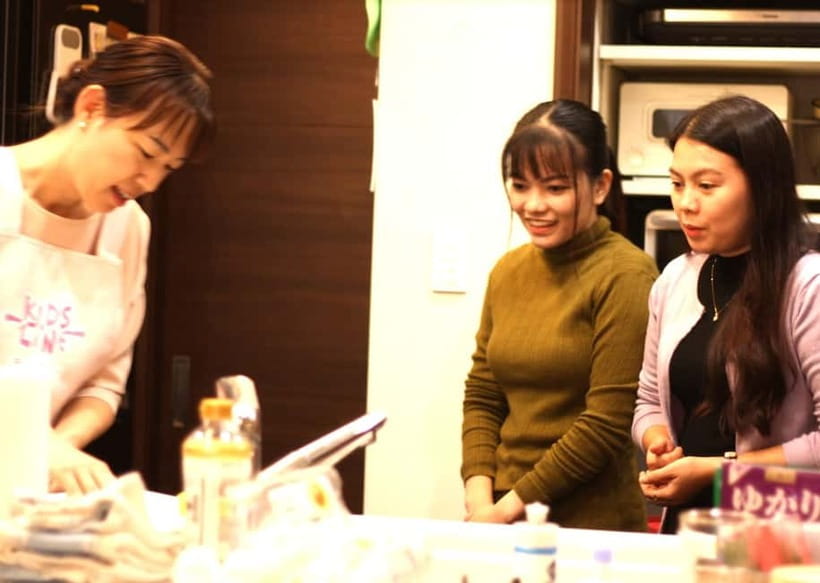
At $61 per person, this is not the cheapest way to get lunch in Kushiro. You could certainly buy prepared food for less. The value comes from the amount packed into two hours: ingredients, equipment, instruction, apron use, a welcome drink, a full bento, recipes, and time with a local host.
The personal instruction is the biggest reason to consider the price. You are not only paying for food. You are paying for someone to explain how the dishes are made, watch your technique, answer questions, and share context about daily food culture.
The recipes add value after you leave. A sightseeing activity gives you memories, but a recipe gives you a chance to repeat part of the experience at home. The tamagoyaki lesson may even lead you to buy a square pan and add a new breakfast or lunch dish to your routine.
Still, the price makes more sense for people who enjoy cooking and conversation. If you mainly want a quick meal, this will feel expensive. If you want a personal activity and a skill you can carry home, the cost is reasonable.
Dietary limits deserve serious attention
This class is not suitable for vegetarians or people with food allergies. The food options specifically include chicken, pork, and fish, so you should not assume that a meat-free or allergy-safe menu can be arranged.
The instructions ask you to report dietary restrictions or allergies in advance. That is good practice, but the included information also says special dietary accommodations, such as vegan or gluten-free meals, are not included and should be discussed ahead of time.
Be direct when you contact the provider. Explain the restriction clearly and ask what ingredients will be used. Do not wait until you arrive at the meeting point. A cooking class depends on shared ingredients and prepared components, so last-minute changes may not be possible.
For everyone else, wear comfortable clothing suitable for cooking. An apron is provided, but an apron may not protect every part of your outfit. Smoking is not allowed indoors, in a vehicle, or during the activity.
How the two-hour schedule works
The class lasts two hours, which is long enough for a proper cooking session without taking over your entire day in Kushiro. You begin with the welcome drink and introduction, then move through preparation, cooking, packing, and the shared meal.
The exact timing can vary with the menu and your pace. Making several bento components takes more time than preparing one dish, and the host may slow down to explain a technique or answer questions. That is a benefit of the personal format, not a problem, but you should keep the rest of your schedule reasonably flexible.
The activity is listed as wheelchair accessible. The details do not explain the layout or the specific cooking setup, so if you have particular access needs, confirm them when booking. The listed meeting point is the information counter on the ground floor of MOO.
The class offers free cancellation up to 24 hours before the start for a full refund. You can also reserve now and pay later, which helps if your Kushiro schedule is still changing.
Who will enjoy this Kushiro cooking class?
I would recommend it most strongly to solo visitors who want a personal connection with a local host. The one-participant format gives you room to ask questions and receive direct help, and the meal creates a natural setting for conversation.
It also suits:
- People who enjoy Japanese food beyond sushi and ramen
- Home cooks who want a practical bento recipe
- Visitors interested in everyday Japanese life
- Couples or friends who can confirm the group arrangement in advance
- Anyone looking for a calm indoor activity in Kushiro
- People who want a meal they can either eat immediately or take with them
Families with young children may need to ask about the setup before booking, since no age information is provided. Vegetarians and people with food allergies should look for another activity unless the provider confirms a safe alternative in advance.
This is also a good choice if you have already seen some of Kushiro and want an activity that uses your hands. You leave with more than a photograph. You leave knowing how a Japanese lunch box comes together and how to make at least one dish, especially tamagoyaki, with greater confidence.
Should you book the bento class?
Book this class if you want personal instruction, a full homemade meal, and a useful recipe to take home. The warm conversation with Yuko is a major part of the appeal, and the tamagoyaki lesson gives the class a clear practical highlight.
Think twice if you need a vegetarian, vegan, gluten-free, or allergy-safe menu. Also check the participant limit if you are not booking alone. At $61, this is best viewed as a cooking lesson and cultural exchange with lunch included, not simply a way to find an inexpensive meal in Kushiro.
For the right person, it is a smart two-hour choice: focused, friendly, hands-on, and tied to the food Japanese families actually pack and eat.
FAQ
Where does the cooking class meet?
The meeting point is the information counter on the ground floor of Kushiro Fisherman’s Wharf MOO in Kushiro, Hokkaido.
How long does the bento class last?
The class lasts two hours. Starting times depend on availability.
What languages does the host speak?
Instruction is available in English and Japanese.
What food can be used in the bento?
The bento can use chicken, pork, or fish. You should confirm the specific menu and main ingredient when booking.
Is the class suitable for vegetarians or people with food allergies?
No. The activity is listed as not suitable for vegetarians or people with food allergies. Report any dietary restrictions in advance and ask whether an accommodation is possible.
What is included in the price?
The price includes the hands-on cooking class, ingredients, cooking tools, English instruction by a local host, a full homemade bento, a welcome tea or drink, food culture insight, apron rental, recipes, and conversation with the host.
Can I take the bento with me?
Yes. You have the option to take your bento with you instead of eating it during the class.
Just added around Japan
- Cooking Class: Make a Local Delicacy in a Japanese House★ 5.0 · 7 reviews
- Culinary Home Cooking with Grandmothers – Vegan Friendly★ 5.0 · 5 reviews
- Nagoya Super Market Tour & Home Cooking Class with a Local, Akiko★ 5.0 · 10 reviews
- Tokyo: Sushi Cooking Class with Sake Tasting★ 4.8 · 55 reviews
- Tokyo: Sushi roll and side dish cooking experience★ 5.0 · 2 reviews
- Tokyo: Sushi Making Experience & Japanese Cooking Class★ 5.0 · 2 reviews
- Tokyo: Gyoza Making from Scratch – Ultimate Cooking Class★ 5.0 · 2 reviews
- Tokyo: Night Cooking Class: 5 Home-Cooked Japanese Dishes★ 4.9 · 13 reviews
Japanese & Sushi Cooking Classes, compared.
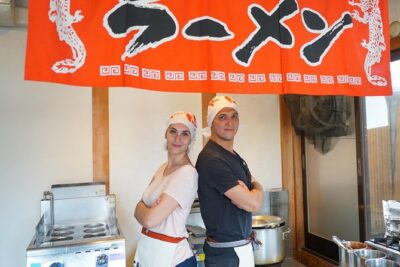
Ramen Cooking Class at Ramen Factory in Kyoto
Read our review →
Ramen & Gyoza Cooking Class in Tokyo with Local Supermarket Visit
Read our review →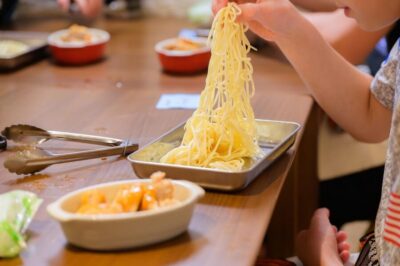
Ramen Cooking Class at a Ramen Factory with Souvenir
Read our review →
Sushi Making Osaka! Popular Sushi Class in Japan!
Read our review →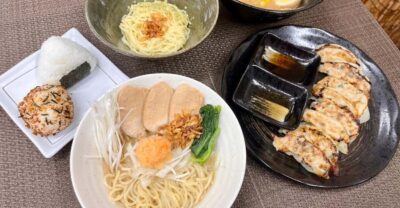
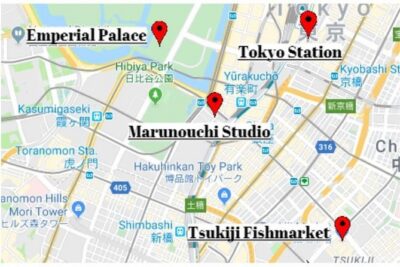
Tokyo Tsukiji Fish Market Tour and Sushi Making Lesson
Read our review →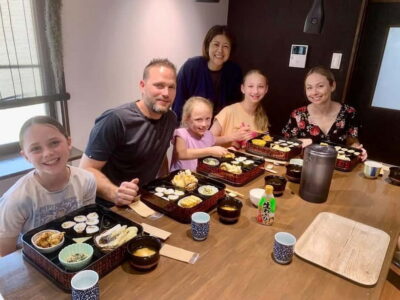
Japanese Washoku Bento Small Group Cooking Class
Read our review →
Lists this class appears in