
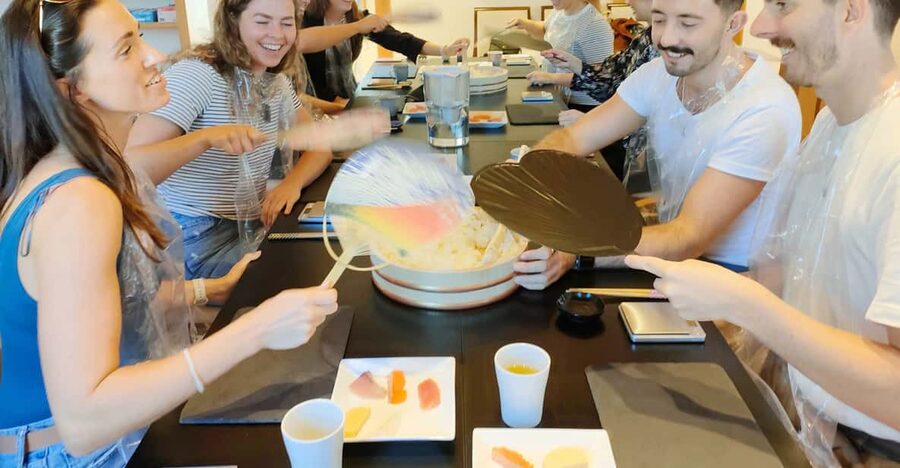
REVIEW · KANSAI REGION, JAPAN
Kyoto: Authentic Sushi Making Cooking Lesson
Sushi is better when you make it. This 1.5-hour Kyoto workshop gives you a friendly, hands-on introduction to nigiri and maki sushi, with fresh fish sourced locally that morning and lunch included at the end. I like the small groups, capped at eight people, and the warm teaching style of Kana, whose calm guidance and stories about Japanese culture add more than a simple recipe lesson. The main drawback is that the class is not suitable for vegetarians or wheelchair users, and the $102 price is a serious spend for a short activity.
You meet at the Kyoto Wand building, a short walk from Kiyomizu-Gojō Station on the Keihan Main Line. I also like the location near Gion and Kiyomizu-dera, since you can pair the class with sightseeing instead of crossing the city just to cook. You will need to arrange your own transport, and you should tell the provider about dietary restrictions when booking.
Key points at a glance
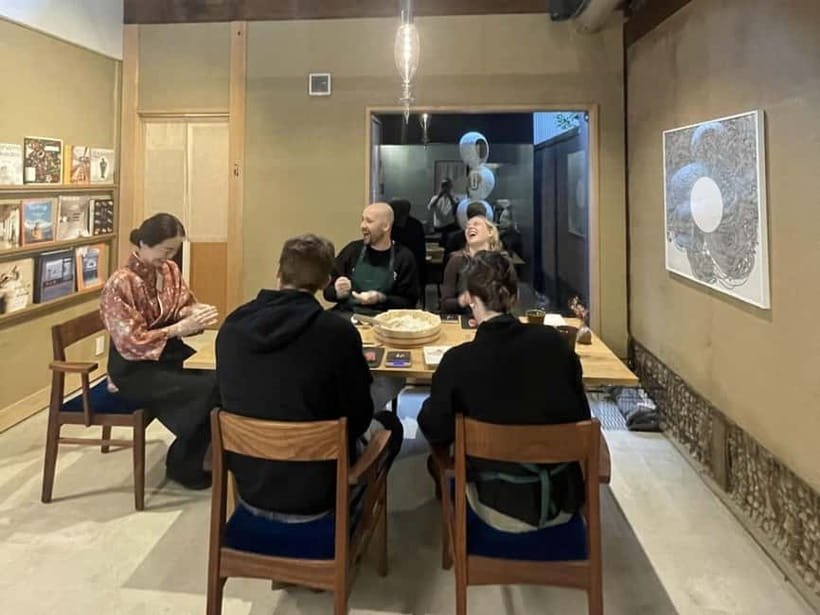
- Small class size: A maximum of eight participants gives you room to follow the demonstrations and ask questions.
- Fresh local fish: The fish is sourced locally that morning, adding real value to a meal you prepare yourself.
- English-speaking instruction: Kana and the team explain each step clearly and welcome questions about sushi, Kyoto, and Japanese culture.
- A full lunch: You eat the sushi you make, along with miso soup, and the portions can be generous.
- Useful take-home gift: Your gift bag includes a sushi rolling mat, chopsticks, and a recipe card.
- Central Kyoto setting: The workshop is near Kiyomizu-Gojō Station, Gion, and Kiyomizu-dera.
Why this sushi class works so well in Kyoto
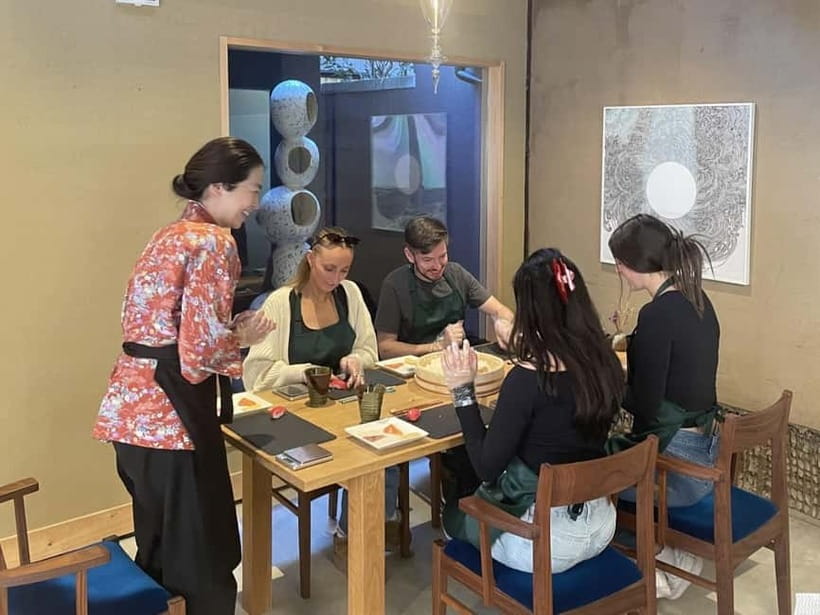
Kyoto offers plenty of food tours, but this class gives you something practical to carry home. You do not simply watch a chef prepare lunch. You season the rice, shape the sushi, roll maki, and then eat the results. The skills are basic enough for a beginner, yet the lesson still has value if you already make sushi at home.
I especially like the balance between instruction and conversation. Kana does not treat the class as a race through a fixed list of steps. She demonstrates carefully, repeats techniques when needed, and makes time for questions. That matters in a cooking class, since sushi can look easy until the rice sticks to your hands or the roll refuses to hold its shape.
The setting also seems designed for conversation. You may arrive alone, with a partner, with children, or as part of a larger family group. With only eight places, you have a better chance to speak with the instructor and the people beside you rather than disappearing into a crowd.
More Sushi and Japanese Classes in Kyoto:
- Ramen Cooking Class at Ramen Factory in Kyoto
★ 5.0 · 1,937 reviews - Kyoto: Ramen Cooking Class at a Ramen Factory with Souvenir
★ 4.9 · 532 reviews - Kyoto: Ramen, Gyoza, and Onigiri Cooking Class
★ 5.0 · 445 reviews
Finding Kyoto Wand near Kiyomizu-Gojō Station
The meeting point is in the Kyoto Wand building, just minutes on foot from Kiyomizu-Gojō Station on the Keihan Main Line. The activity is also within walking distance of major areas such as Gion and Kiyomizu-dera, making it easy to fit into a day devoted to eastern Kyoto.
The exact Google Plus Code is XQVC+J7 Kyoto. Use the supplied meeting details carefully, since hotel pickup and drop-off are not included. I would allow enough time to find the building and arrive without rushing, especially if you are coming from a temple visit or navigating Kyoto for the first time.
The central location is one of the better practical features here. You can schedule the class before exploring Gion, after visiting Kiyomizu-dera, or as a food-focused break between sightseeing stops. The activity ends back at the same meeting point, so you do not need to work out a second pickup location.
Meeting Kana and settling into the workshop
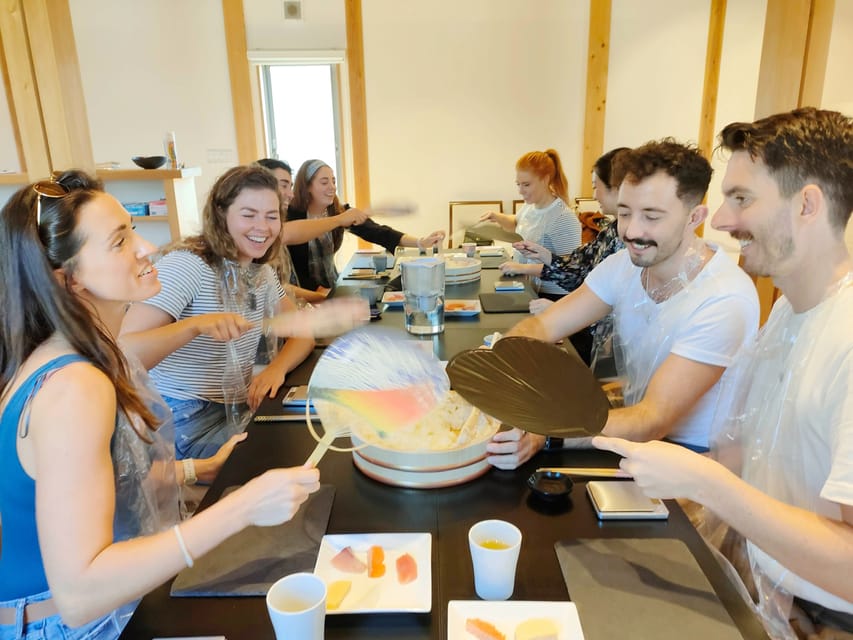
The class begins in a relaxed, welcoming way. Kana and her assistant have been praised for greeting people warmly and helping everyone feel at ease. One particularly nice touch is the personal welcome by name, which can make a small class feel more like an invitation into a home kitchen than a formal demonstration.
The English instruction is a major advantage. You can ask about the techniques as you work, but the conversation also extends to Japanese history, Kyoto customs, home cooking, and nearby places to visit. Kana has a particular interest in Japanese history, so the cultural side of the class can be as engaging as the food.
Do not expect a lecture with long stretches of listening. The appeal is the easy exchange between cooking and conversation. You learn a step, try it yourself, ask a question, and move on to the next part. That rhythm suits people who want a real activity rather than a passive food presentation.
Seasoning rice and learning the foundations
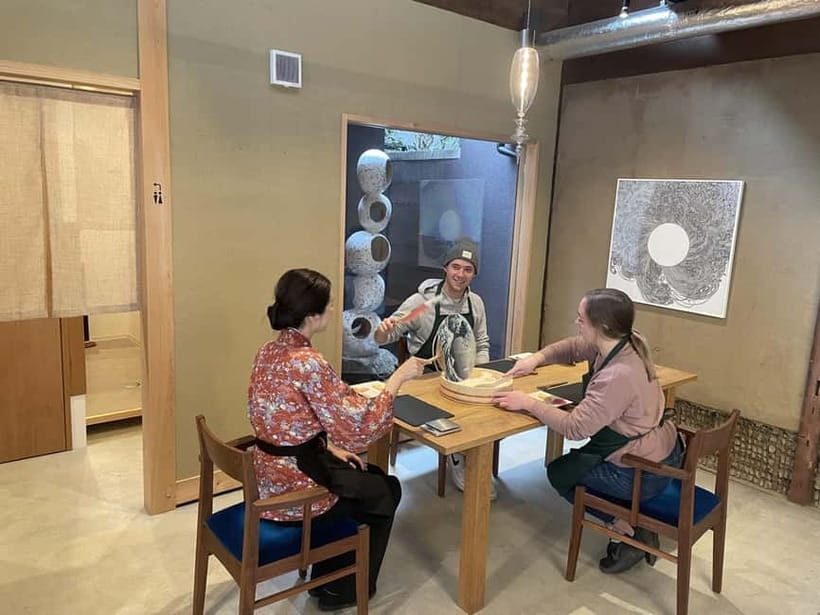
Rice is the quiet foundation of sushi, and the class gives it proper attention. You work with perfectly cooked rice and learn how to season it before shaping it into sushi. This is useful because the rice determines much of the final texture and flavor, yet it is easy for home cooks to treat it as an afterthought.
The demonstrations are slow and hands-on. You can watch Kana shape the rice and then copy the motion yourself. Beginners should find the process approachable, while people with some sushi-making experience can pay attention to the smaller details, such as size, pressure, and presentation.
The lesson is not presented as professional chef training, and that is a good thing for most visitors. You are learning a practical home skill that you can repeat in your own kitchen. The included recipe card helps turn the afternoon into something more lasting than a few photographs.
A few more cooking classes around Kyoto worth a look
- Kyoto: Japanese Washoku Bento Small Group Cooking Class
★ 5.0 · 380 reviews - Kyoto Ramen and Gyoza Cooking Class with Professional Chefs
★ 5.0 · 282 reviews - Kyoto: Afternoon Japanese Izakaya Cooking Class
★ 4.9 · 241 reviews - Izakaya Style Cooking Class
★ 5.0 · 219 reviews
Making nigiri with fresh fish
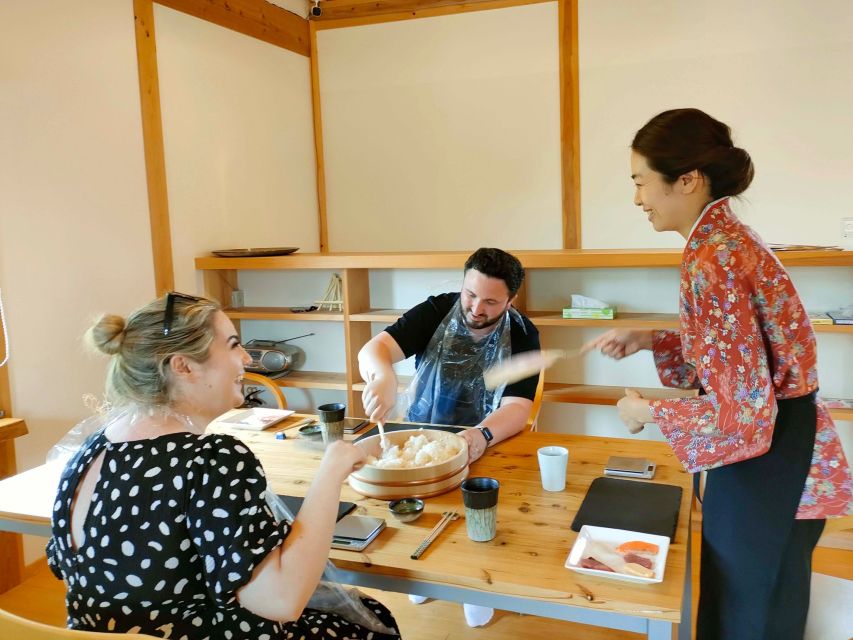
Nigiri gives you the clearest lesson in control. You form a small portion of seasoned rice, add fish, and learn how the pieces should come together without being crushed or overworked. The class uses fresh fish sourced locally that morning, which gives the meal a strong sense of place.
The fish used in classes has included salmon, tuna, squid, and yellowtail, along with egg omelet. The exact selection can vary, so do not book expecting one guaranteed menu. That variety is part of the fun, and it also lets you compare different textures and flavors as you work.
The class has also included gunkan sushi with corn and tuna salad. This adds another shape and technique to the lesson, rather than giving you only one standard form. You may also prepare maki with combinations such as salmon and avocado.
One practical point: you do not appear to cut the fish yourself. The fish is prepared for you, while your work focuses on shaping, assembling, and rolling. That is sensible for a short beginner class and keeps the attention on techniques you can realistically repeat at home.
Rolling maki and enjoying the results
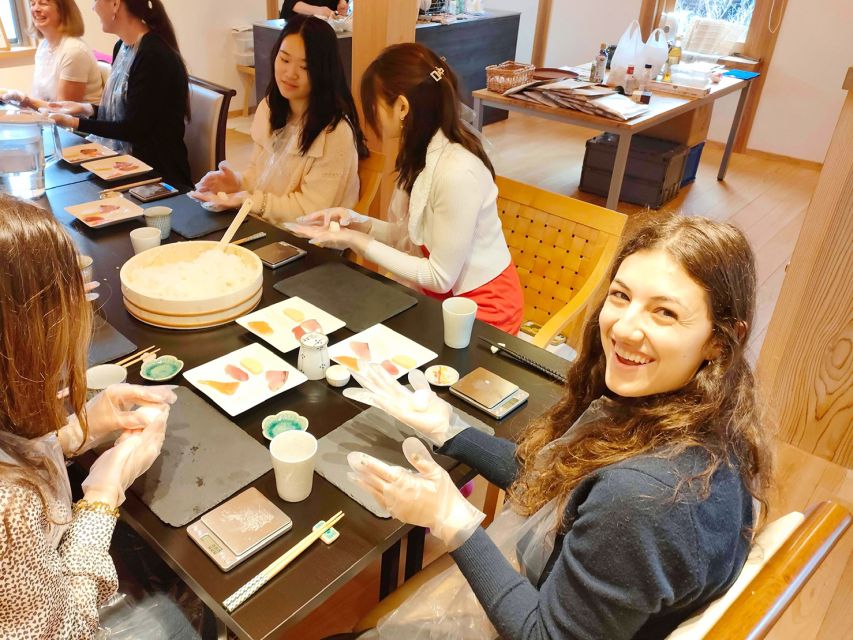
Maki sushi is the part many people most want to learn, since a sushi rolling mat is included in the gift bag. You add the ingredients, work with the seaweed and rice, and use the mat to form the roll. The first attempt may not look perfectly even. That is normal, and the instructor is there to help you adjust.
Once the sushi is assembled, you can take photographs before lunch begins. Then you sit down with your own creations, soy sauce, wasabi, pickled ginger, and miso soup. Eating what you have just made is more satisfying than sampling food prepared by somebody else, even if your pieces are not restaurant-perfect.
The amount of sushi can be substantial. Some participants have made 32 pieces between two people, and the portions have been described as more than enough for lunch. I would arrive hungry, especially if you are planning a full afternoon of sightseeing afterward.
The class takes place in a cozy setting, and the meal gives everyone time to talk. You may exchange Kyoto suggestions with people from other countries, ask Kana for restaurant ideas, or simply enjoy a quiet meal after the concentration of rolling and shaping.
What the $102 price really includes
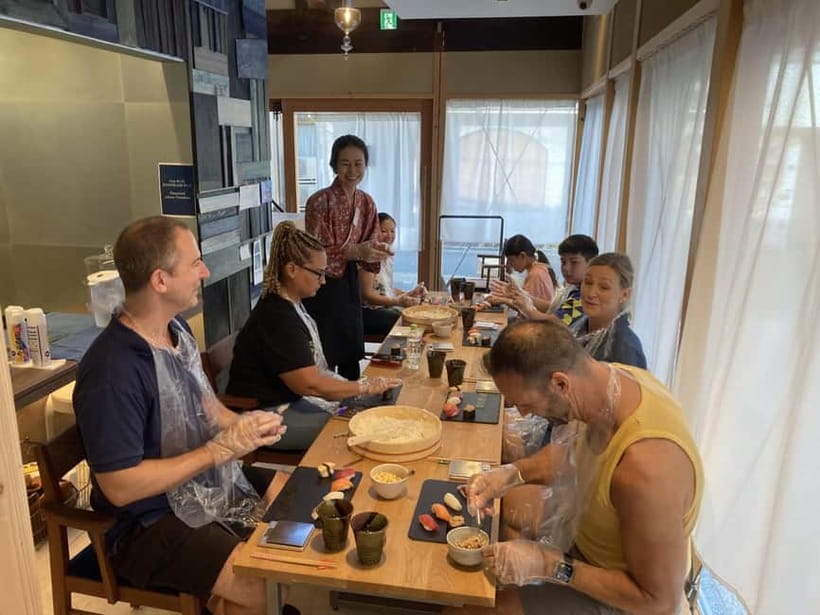
At $102 per person, this is not the cheapest meal you will eat in Kyoto. The price makes more sense when you count the full package: a 1.5-hour lesson, English-speaking instruction, fresh fish, the sushi you prepare, miso soup, apron and disposable gloves, plus the gift bag.
The take-home items are useful rather than decorative. A sushi rolling mat, chopsticks, and recipe card give you the tools and basic guidance to try the meal again at home. That adds value for anyone who enjoys cooking or wants a souvenir with a practical purpose.
Still, the duration is short. If you mainly want a large meal, you can spend less at a sushi restaurant. You are paying for instruction, participation, cultural conversation, and the memory of making lunch yourself. I think the price is reasonable for families, couples, and food-focused visitors who will use the skills later. It is harder to justify if you are only looking for a quick tasting.
Who should book this experience
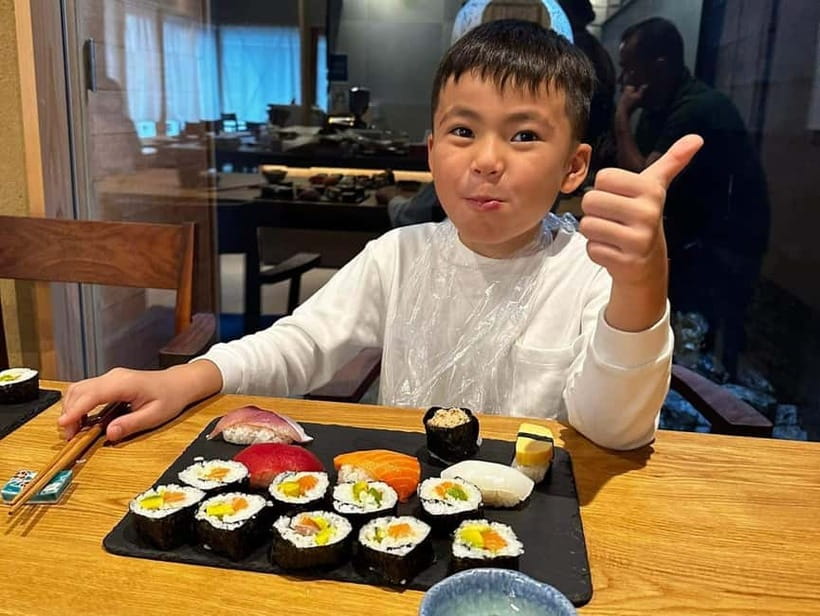
This class suits first-time sushi makers especially well. The step-by-step teaching removes much of the pressure, and the small group means you can get help instead of struggling quietly at the edge of a busy room.
It also works for people who already make sushi at home. You can compare your own habits with traditional techniques and learn more about local sushi styles. The experience is not limited to serious food fans. Several families have enjoyed it, and children around school age can take part with an adult.
Couples and solo visitors should also find the format comfortable. You will have natural chances to talk with the instructor and other participants, but there is no requirement to perform or socialize constantly.
This is not the right choice for vegetarians, since the activity is specifically built around fresh fish and is listed as unsuitable for vegetarians. It is also not suitable for wheelchair users. If you have other dietary restrictions, advise the provider when booking rather than waiting until you arrive.
Planning the class around Kyoto sightseeing
The workshop fits best into a day in eastern Kyoto. You can visit Kiyomizu-dera and nearby streets, walk toward Gion, and then make your way to the class near Kiyomizu-Gojō Station. Or you can take the class first and use the meal as a good starting point for the rest of the day.
Because the activity lasts only 1.5 hours, it will not take over your schedule. Check the available starting times when you book, since the exact session time is not fixed in the information provided.
I would avoid packing the hour immediately afterward with a distant reservation. The sushi lunch may take a little time, and the conversation can continue after the formal cooking portion ends. Give yourself enough breathing room to enjoy the experience rather than watching the clock.
Free cancellation is available up to 24 hours in advance, and you can reserve now while paying later. Those options help if your Kyoto schedule is still changing, but you should still check the available time before arranging temples or transport around it.
Should you book the Kyoto sushi lesson?
I would book this class if you want an active food experience with a strong personal touch. The combination of fresh local fish, clear English instruction, a small group, a full lunch, and Kana’s cultural insight gives the 1.5 hours real substance.
Book it especially if you are visiting Kyoto with children, cooking-minded friends, or a partner who enjoys shared activities. You leave with a useful mat and recipe card, not just a full stomach.
Skip it if you are vegetarian, need wheelchair access, or want a long professional cooking course. Also think twice if $102 feels high for a short activity and you would rather spend that money on several restaurant meals.
For most people who enjoy Japanese food and want to understand it by making it, this is a warm, practical choice. Arrive ready to work with your hands, ask questions, and eat a generous sushi lunch that you helped create.
FAQ
How long does the sushi-making class last?
The workshop lasts 1.5 hours. Starting times vary, so check availability when booking.
Where does the activity meet?
The class meets at the Kyoto Wand building, a few minutes on foot from Kiyomizu-Gojō Station on the Keihan Main Line. The Google Plus Code is XQVC+J7 Kyoto.
Is the class taught in English?
Yes. The workshop includes an English-speaking host and English instruction.
What food is included?
You eat the sushi you make, along with miso soup. The workshop uses fresh fish sourced locally that morning.
What do I take home?
The gift bag includes a sushi rolling mat, chopsticks, and a recipe card. Disposable gloves and an apron are provided for use during the class.
Is the activity suitable for vegetarians or wheelchair users?
No. The activity is listed as unsuitable for vegetarians and wheelchair users. You should advise the provider about other dietary restrictions when booking.
Just added around Kyoto
- Kyoto Udon & Tempura Cooking Class with Professional Chefs★ 3.8 · 3 reviews
- Kyoto: Morning Japanese Bento Cooking Class★ 5.0 · 149 reviews
- Kyoto: Wagashi (Japanese sweets) Cooking near Fushimiinari★ 5.0 · 40 reviews
- Kyoto Home Cooking Class &Supermarket tour near Fushimiinari★ 5.0 · 31 reviews
- Kyoto: Cooking class, learning how to make authentic sushi★ 4.2 · 9 reviews
- Authentic Japanese Cooking Experience at Izakaya restaurant★ 4.2 · 5 reviews
- Gyoza Cooking Class in Kyoto: Traditional Japanese Dumplings★ 5.0 · 12 reviews
- Private Plant-Based Japanese Cooking Class – Kyoto Edition★ 5.0 · 15 reviews
Japanese & Sushi Cooking Classes, compared.
Ramen Cooking Class at Ramen Factory in Kyoto
Read our review →
Ramen & Gyoza Cooking Class in Tokyo with Local Supermarket Visit
Read our review →
Ramen Cooking Class at a Ramen Factory with Souvenir
Read our review →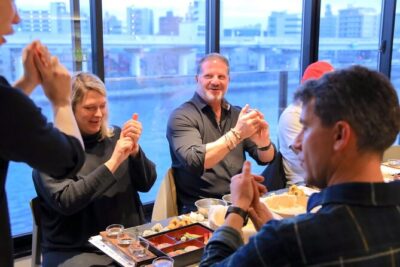
Sushi Making Osaka! Popular Sushi Class in Japan!
Read our review →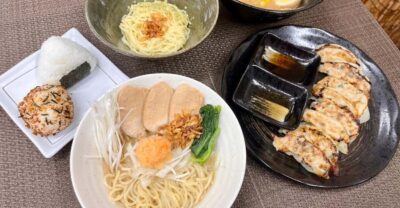
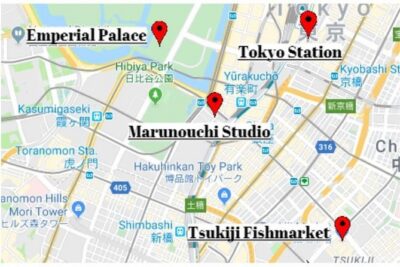
Tokyo Tsukiji Fish Market Tour and Sushi Making Lesson
Read our review →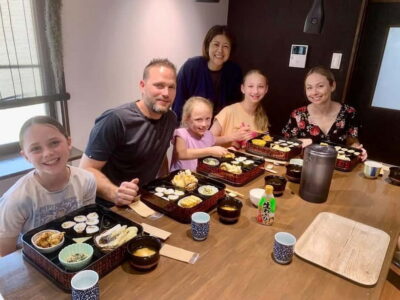
Japanese Washoku Bento Small Group Cooking Class
Read our review →
Lists this class appears in