
REVIEW · HONSHU, JAPAN
Kanazawa: Authentic Japanese Cooking and Sushi-Making Lesson
Good food makes Kanazawa easier to understand. Just three minutes from Kanazawa Station, this small cooking class brings you into a 56-year-old family-run school, where chef Seiji Nakata and his wife teach practical Japanese dishes in a friendly, hands-on setting. I like the local focus, especially jibuni, a Kanazawa dish rarely found elsewhere, and I like the live AI translation, which makes detailed instruction possible even when language skills differ. The main drawback is that the class is upstairs with no lift, and the traditional bonito dashi means strict vegetarians and vegans cannot take part.
You will cook for about two and a half hours, then sit down to eat what you made. The food is designed to go beyond basic tourist fare: premium sashimi comes from a top fishmonger at Omicho Market, and the recipes include pressed sushi, rolled omelet, miso soup, seasonal sides, and dessert. At $94 per person, the price is not cheap, but it covers a full meal, instruction, costumes, translation help, recipes, tea, and professional photos.
Key points before you book
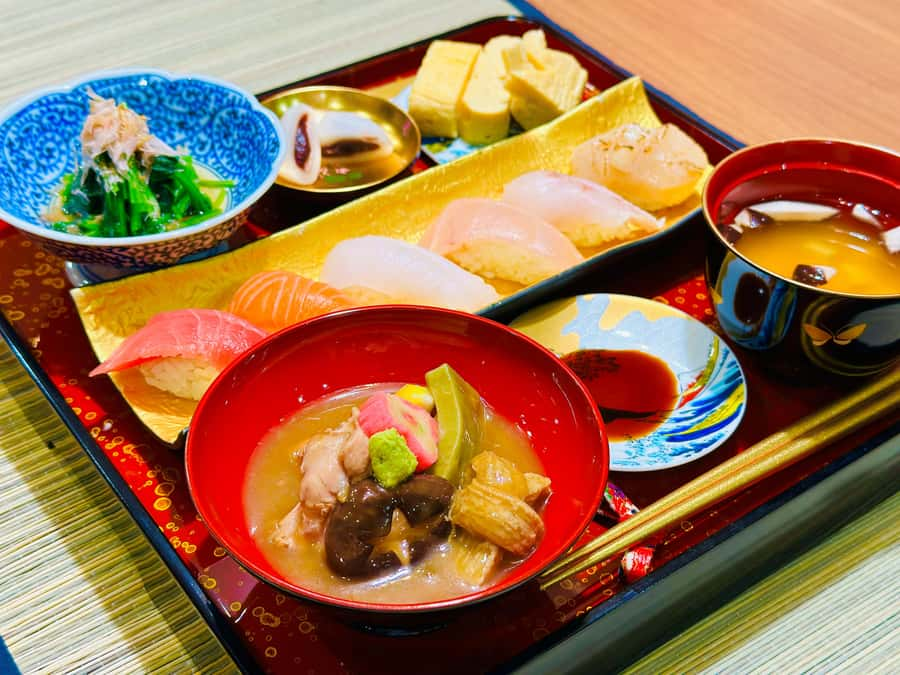
- Jibuni is the local specialty: This savory stew of duck or chicken, vegetables, dashi, and fu is closely tied to Kanazawa cooking and samurai-era food traditions.
- The class is three minutes from Kanazawa Station: It works well on arrival day or as a convenient activity between sightseeing plans.
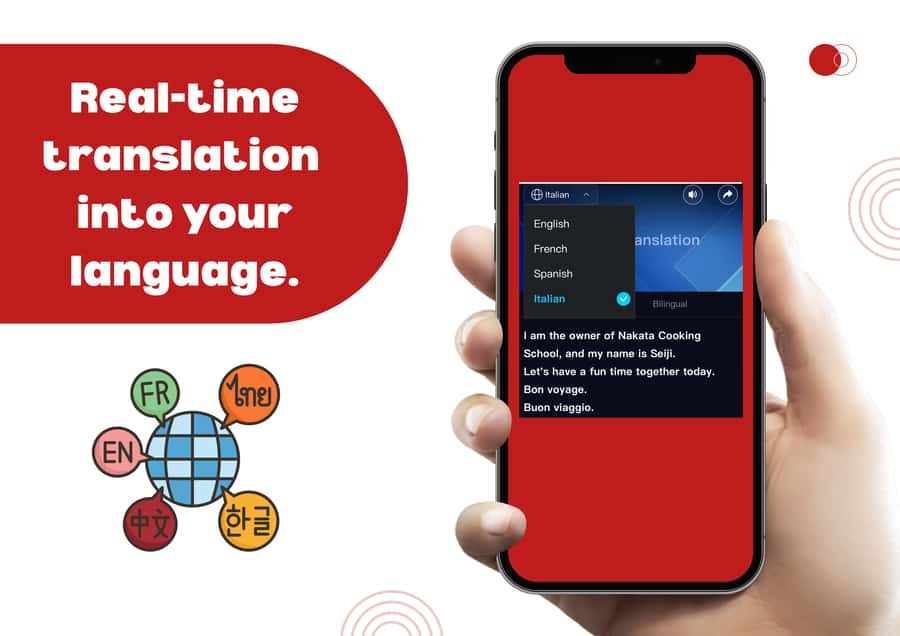
- Live translation keeps the class moving: A large screen shows translated text and voice, while smart translators are also available.
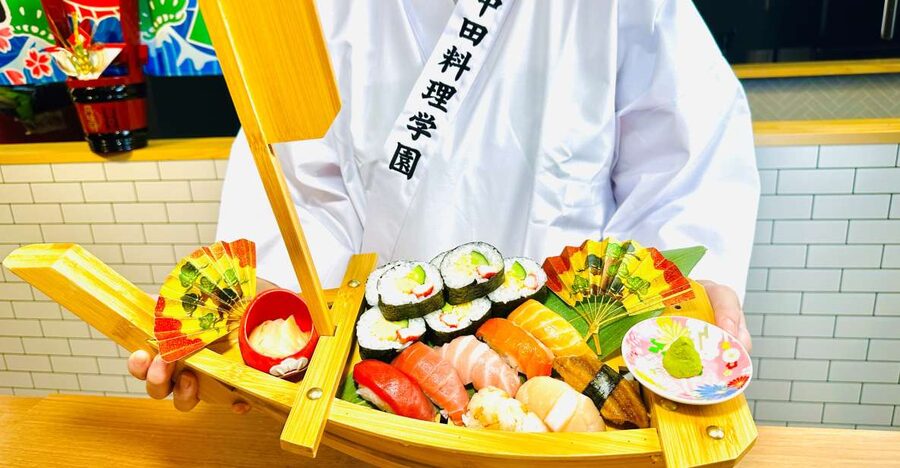
- You can dress as a sushi chef: The custom costumes add a playful touch, especially for families with older children.
- Premium seafood is part of the lesson: The pressed sushi uses sashimi sourced from a respected Omicho Market fishmonger.
- Plan carefully for dietary needs: Ingredient changes must be requested before the class, and bonito-based dashi cannot be removed.
Finding the school near Kanazawa Station
The cooking school is on the second floor of a three-story building, only a few minutes on foot from Kanazawa Station. The ground floor is set slightly back from the street and is used for parking. It also contains a distinctive hotel called a Stayable Movie Theater, marked by a blue noren curtain.
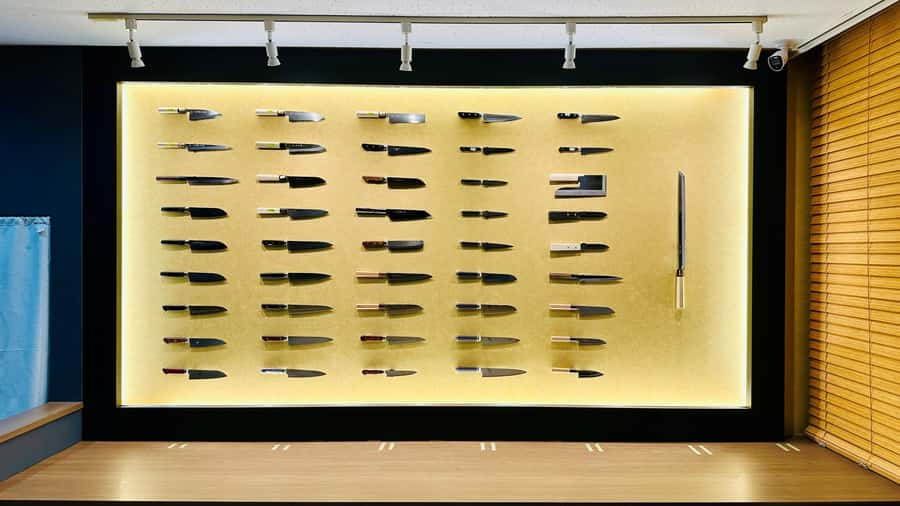
Your best landmark is above street level. Look at the second-floor window for a display of Japanese knives, then go upstairs to the classroom. There is no lift, so this arrival detail matters if stairs are difficult for you.
The location is one of the class’s practical strengths. You do not need a taxi, a long bus ride, or a half-day commitment just to reach the kitchen. The activity starts and ends at the same place, making it easy to continue to Kanazawa’s station area, return to your hotel, or visit nearby sights afterward.
More Sushi and Japanese Classes in Japan:
- Ramen Cooking Class at Ramen Factory in Kyoto
★ 5.0 · 1,937 reviews - Ramen & Gyoza Cooking Class in Tokyo with Local Supermarket Visit
★ 5.0 · 823 reviews - Kyoto: Ramen Cooking Class at a Ramen Factory with Souvenir
★ 4.9 · 532 reviews
Meeting Seiji Nakata and his family
The class is led by Seiji Nakata, a certified professional chef trained in Osaka and Kanazawa. His wife helps create the warm, informal atmosphere that gives the school a personal feel rather than a formal demonstration-kitchen mood.
You should expect plenty of guidance, but not a lecture where you simply watch someone else cook. The class is hands-on from the start. Seiji explains the methods, shows you how to handle the ingredients, and then gives you room to prepare the dishes yourself.
That balance comes through in the way the class is run. You get help when you need it, but you are also trusted to take part in each stage. Several people who attended with teenagers or family members found the class easy to follow and genuinely fun, not just educational.
Seiji’s personality is part of the value. He is described as cheerful, funny, patient, and encouraging. His English is useful, and the translation system fills in the gaps. That combination matters because cooking instructions often depend on small details such as texture, timing, knife angle, and seasoning.
The translation system is more useful than a gimmick
Language can make cooking classes awkward. A quick explanation may be easy to translate, but a long description of dashi, sushi texture, or the difference between simmering and boiling can get lost.
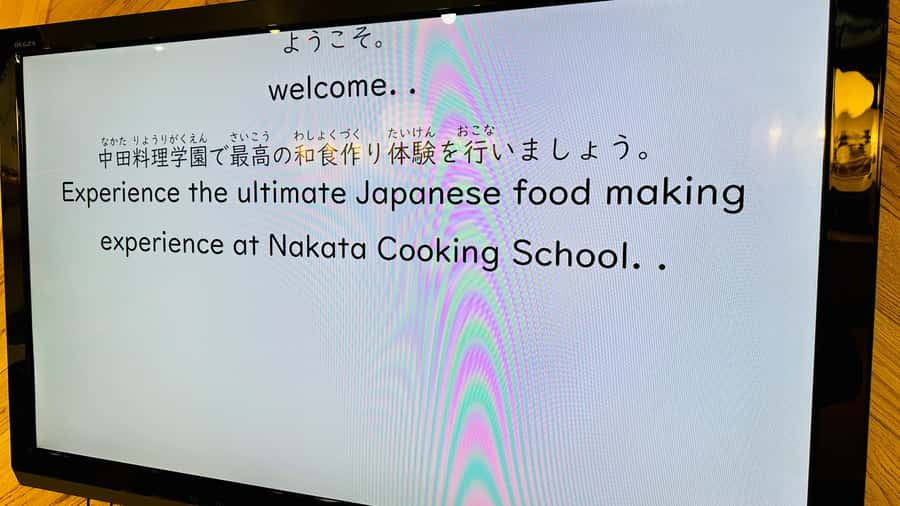
Here, a large screen provides voice and text translation in multiple languages. Smart translators are also available for individual communication, and the system helps keep the lesson moving without forcing everyone to rely on gestures.
I would not book this class simply for the technology, but it is a real benefit. You can ask questions, follow safety instructions, and understand why a particular step matters. The system also adds a bit of entertainment, which helps the class feel relaxed instead of stiff.
The official class languages are Japanese and English, with translation support for other languages. Recipes for all the dishes are emailed the day before, so you can prepare in advance and later recreate the meal at home.
Starting with knives and sushi technique
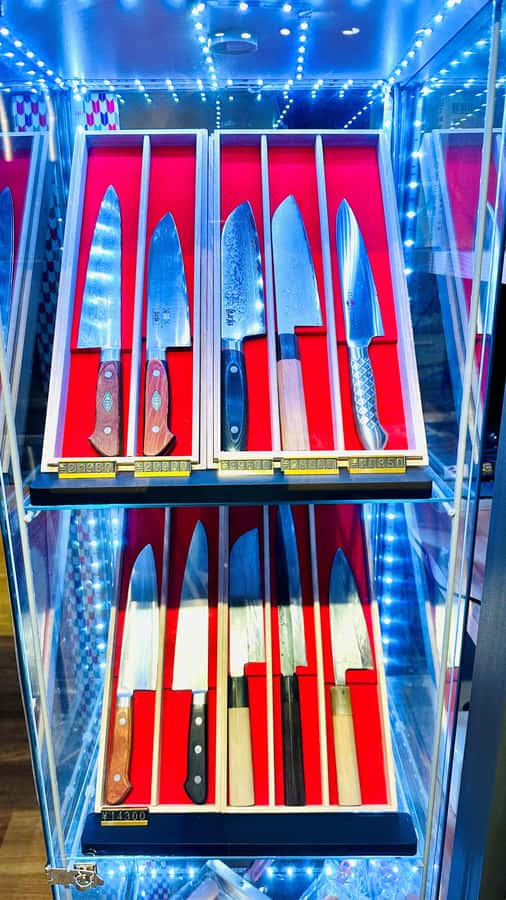
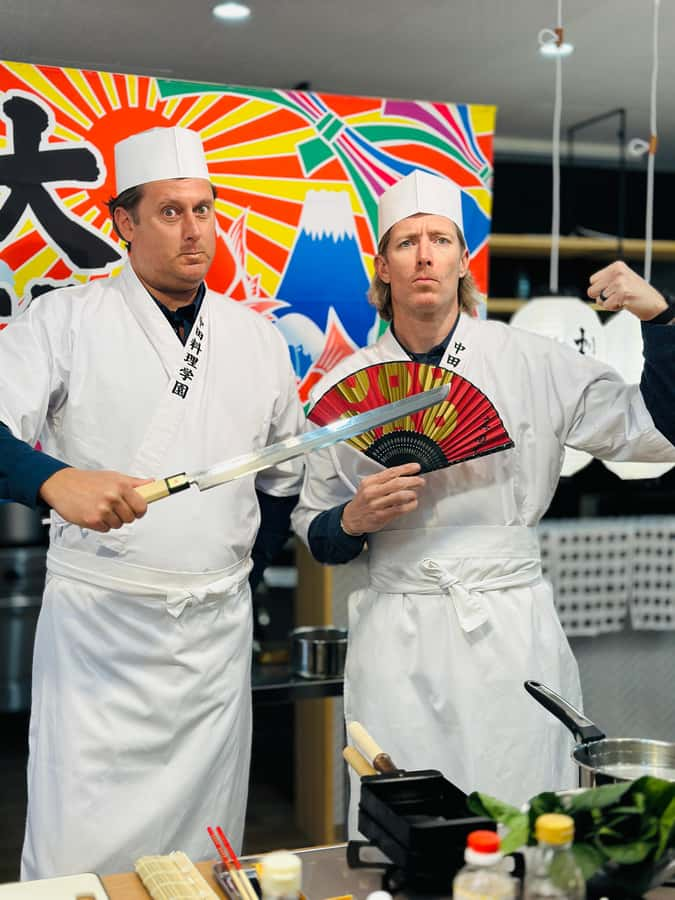
One of the first memorable parts of the class is the chance to use high-quality Japanese knives. The school also offers a special price if you decide you would like to buy one, although purchasing a knife is optional and not part of the $94 fee.
This is a good fit for anyone interested in Japanese kitchen tools, but you do not need previous knife skills. Instruction is provided, and the cooking is structured for beginners. Still, you should pay attention and work at a comfortable pace. A sharp knife is useful, but it deserves respect.
The sushi portion focuses on pressed sushi, known as oshizushi. Unlike the familiar rolled sushi format, pressed sushi is shaped in a mold, giving it a neat form and a firm texture. The sashimi comes from a high-quality fish supplier at Omicho Market, a major source of Kanazawa seafood.
Kanazawa’s position near the coast helps explain the focus on fish. Seafood is available daily, and the class uses that local supply to make the sushi more than a simple practice exercise. You get to work with a product connected to the city’s food culture, not just generic ingredients chosen for convenience.
This part should appeal to beginners because the technique is clear and repeatable. You learn a method that can be adapted at home, although sourcing sashimi of the same quality may be harder outside Japan.
A few more cooking classes around Japan worth a look
- Kyoto: Ramen, Gyoza, and Onigiri Cooking Class
★ 5.0 · 445 reviews - Kyoto: Japanese Washoku Bento Small Group Cooking Class
★ 5.0 · 380 reviews - Osaka: Ramen and Gyoza Cooking Class in Dotonbori
★ 5.0 · 378 reviews - Tokyo: Easy Ramen Cooking Experience in Kabukicho, Shinjuku
★ 4.6 · 321 reviews
Cooking Kanazawa’s own jibuni
Jibuni is the dish that gives this class its strongest local identity. It is a gently simmered stew made with duck or chicken, seasonal vegetables, fu, and a savory dashi-based sauce.
The dish is associated specifically with Kanazawa and traces back to samurai-era culinary customs. That makes it more interesting than a standard Japanese cooking lesson built only around internationally familiar dishes. You are learning something you are unlikely to encounter at every Japanese restaurant.
The class may use chicken or duck, with substitutions available for tofu or vegetables if requested before booking. The fu, a wheat gluten cake, adds a distinctive texture and helps absorb the broth.
Jibuni also shows why a cooking class can add value to a food-focused trip. In a restaurant, you can taste the dish, but you may not understand how the broth, vegetables, and fu work together. Here, you see the process and receive the recipe, giving you a better chance of recognizing and preparing it later.
Rolling the fluffy dashi omelet
The class also includes a rolled dashi omelet, or tamagoyaki. This is a deceptively simple Japanese staple. Getting a soft, even roll takes attention, and the flavor depends on the delicate umami of the dashi.
The dish is presented as Michelin-inspired, but the real benefit is practical instruction. You learn how Japanese cooks build flavor with a small number of ingredients and how texture matters as much as taste.
This is a good example of the class’s range. Sushi provides the visual appeal, jibuni connects you to Kanazawa, and the omelet teaches a basic technique you can use at home. You are not spending the entire session on one complicated dish.
Miso soup, side dishes, and dessert
The meal includes seasonal side dishes, miso soup, Japanese tea, and dessert alongside the main cooking projects. These additions matter because they turn the lesson into a full Japanese meal rather than a single recipe followed by a quick taste.
You will likely appreciate the chance to sit down and enjoy the food after working in the kitchen. The meal is also plentiful, according to the experience details, so you should not expect to leave hungry.
The seasonal elements may vary, and exact side dishes are not fixed in the information provided. That is a small advantage for a local cooking school because the menu can reflect what is available, though it also means you should not expect an identical plate every time.
Chef costumes and professional photos
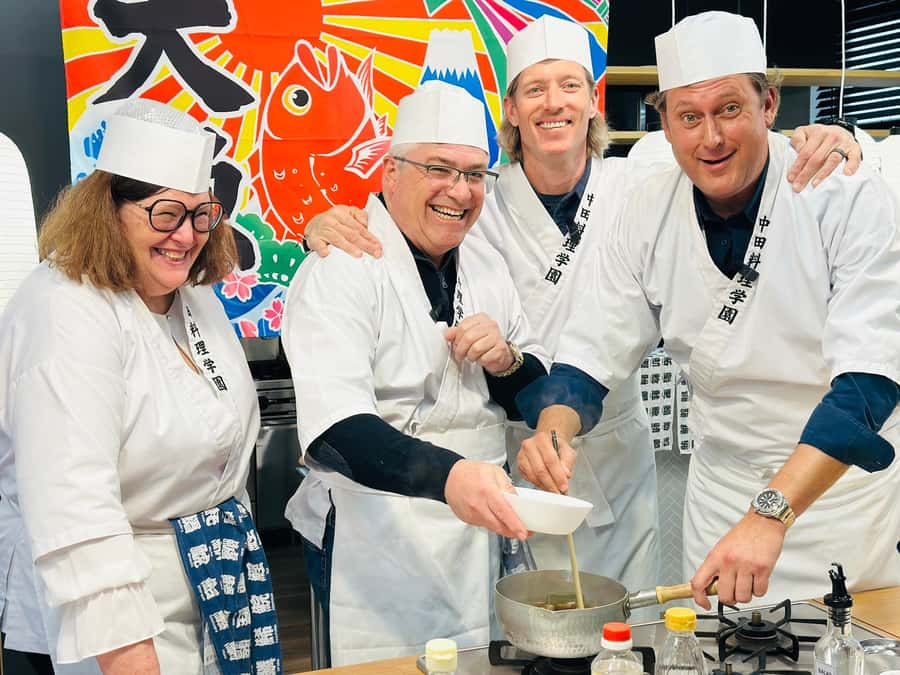
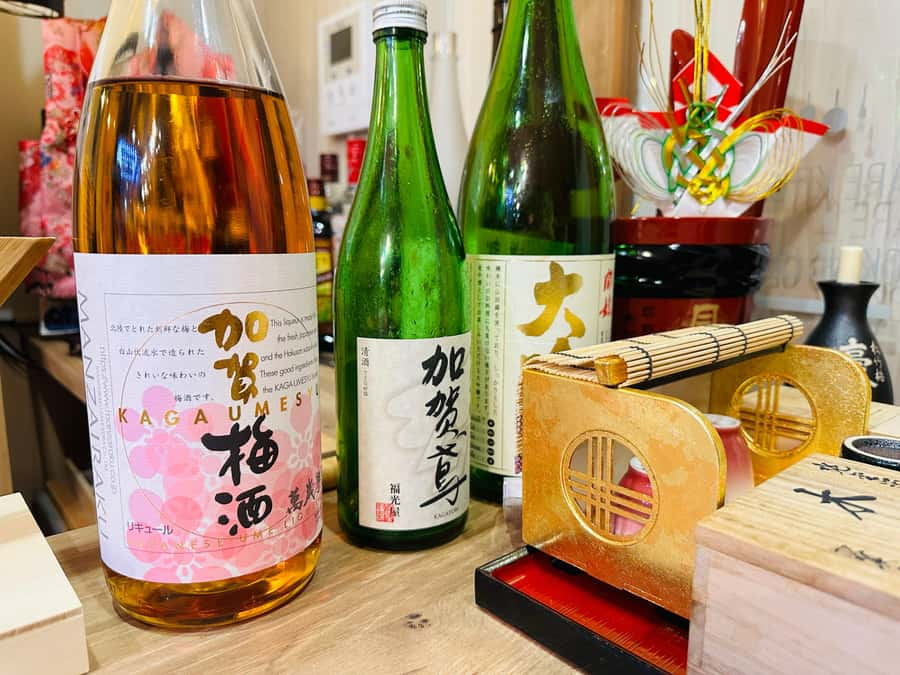
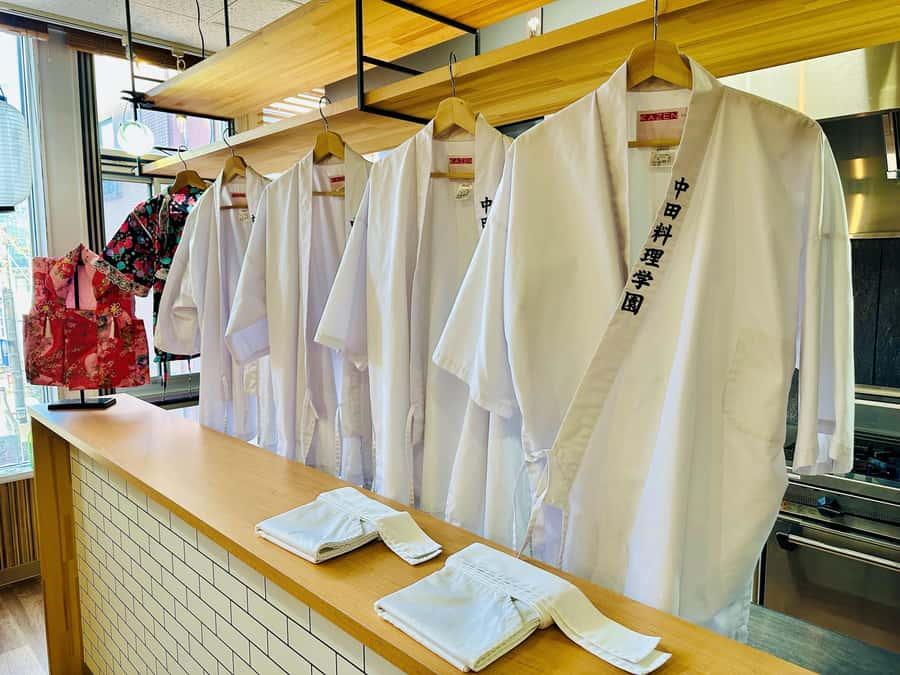
You can dress in a custom-made sushi chef costume during the class. This is not an essential part of learning Japanese food, but it adds fun and gives the activity a clear visual memory.
The school also provides high-quality souvenir photos during the experience. Staff capture cooking moments and group pictures, so you can enjoy the class without constantly reaching for your own phone.
This feature is especially useful for families, couples, and small groups. You get photos of the activity itself, not only the finished food. It also makes the class feel more like a special occasion, which helps justify the price for people looking for more than a basic kitchen lesson.
Price, group size, and overall value
At $94 per person, this class costs more than a casual meal in Kanazawa. The comparison is not quite fair, though, because you are paying for instruction, ingredients, a full meal, translation technology, costumes, recipes, tea, and professional photographs.
The small-group format is important. Limited seats allow the chef to guide participants directly rather than demonstrating from across a large room. You also get to handle the food yourself, ask questions, and receive help with technique.
I see the best value here for someone who wants one substantial cultural activity in Kanazawa. If you only want to eat sushi, a restaurant will be cheaper. If you want to understand local dishes, cook them yourself, and take home recipes and photos, the price makes more sense.
The class lasts about two and a half hours, plus time to eat. That is long enough to feel substantial without taking over an entire day. It works well before an evening reservation or as a morning activity near the station.
Who should book this class
This experience suits first-time visitors who want an easy introduction to Japanese food. You do not need cooking experience, and the instruction is designed to be clear and encouraging.
It is also a strong choice for families with children aged 12 and older, couples, and friends who want an activity with a shared result. The costumes and photos make it more playful than a standard cooking lesson, while the recipes and local context keep it from feeling shallow.
Food lovers will appreciate the ingredients and Kanazawa-specific jibuni. Home cooks will like receiving recipes and learning techniques that can be repeated later. People nervous about language barriers should find the large translation screen and smart translators reassuring.
There are firm limits. The class is not suitable for children under 12, pregnant women, wheelchair users, or people with visual impairments. The classroom is on the second floor with no lift.
Dietary restrictions require careful planning. Sashimi can be replaced with vegetables or egg, and chicken in the jibuni can be replaced with tofu or vegetables. However, traditional dashi made with bonito fish flakes is used and cannot be replaced, so the class cannot accommodate strict vegetarians or vegans who must avoid animal-based broth. Tell the school about allergies or inedible foods when booking. Same-day changes are not available.
Should you book the Kanazawa cooking class?
Book it if you want a personal, hands-on introduction to Kanazawa cuisine and enjoy learning by doing. The location is convenient, the chef and his wife provide a welcoming setting, and the translation system removes much of the worry about communication.
The strongest reason to choose it is the local menu. Pressed sushi is enjoyable, but jibuni gives the class a clear Kanazawa identity. Add the Japanese knives, chef costumes, recipes, and photos, and the activity becomes a well-rounded memory rather than just a meal.
Skip it if you are looking for a low-cost food tasting, need step-free access, or must avoid bonito dashi. For everyone else, especially families and curious home cooks, this is a practical and good-value way to spend half a day near Kanazawa Station.
FAQ
How long does the cooking class last?
The cooking portion lasts about two and a half hours, followed by time to enjoy the meal.
Where is the cooking school?
The school is on the second floor of a three-story building a few minutes from Kanazawa Station, approximately three minutes on foot.
How can I find the building?
Look for the blue noren curtain at the entrance of the Stayable Movie Theater on the first floor. The second-floor window has a display of Japanese knives.
Is the classroom accessible by lift?
No. The classroom is on the second floor, and there is no lift.
What dishes will I make?
You will prepare pressed sushi, Kanazawa-style jibuni, a rolled dashi omelet, seasonal side dishes, miso soup, and dessert.
Is the class suitable for beginners?
Yes. The class is designed to be hands-on and understandable for beginners, with guidance from a certified professional chef.
What languages are available?
The class is offered in Japanese and English. A large AI translation system and smart translators provide additional language support.
Can dietary restrictions be accommodated?
Some substitutions are possible if requested in advance. Sashimi may be replaced with vegetables or egg, and chicken in jibuni may be replaced with tofu or vegetables.
Can strict vegetarians or vegans join?
No. The class uses traditional bonito dashi made from fish flakes, and this broth cannot be replaced.
Are costumes and photos included?
Yes. Authentic sushi chef costumes, professional photos, Japanese tea, wireless LAN, smart translator rental, and emailed recipes are included.
Just added around Japan
- Cooking Class: Make a Local Delicacy in a Japanese House★ 5.0 · 7 reviews
- Culinary Home Cooking with Grandmothers – Vegan Friendly★ 5.0 · 5 reviews
- Nagoya Super Market Tour & Home Cooking Class with a Local, Akiko★ 5.0 · 10 reviews
- Tokyo: Sushi Cooking Class with Sake Tasting★ 4.8 · 55 reviews
- Tokyo: Sushi roll and side dish cooking experience★ 5.0 · 2 reviews
- Tokyo: Sushi Making Experience & Japanese Cooking Class★ 5.0 · 2 reviews
- Tokyo: Gyoza Making from Scratch – Ultimate Cooking Class★ 5.0 · 2 reviews
- Tokyo: Night Cooking Class: 5 Home-Cooked Japanese Dishes★ 4.9 · 13 reviews
Japanese & Sushi Cooking Classes, compared.
Ramen Cooking Class at Ramen Factory in Kyoto
Read our review →
Ramen & Gyoza Cooking Class in Tokyo with Local Supermarket Visit
Read our review →
Ramen Cooking Class at a Ramen Factory with Souvenir
Read our review →
Sushi Making Osaka! Popular Sushi Class in Japan!
Read our review →
Tokyo Tsukiji Fish Market Tour and Sushi Making Lesson
Read our review →
Japanese Washoku Bento Small Group Cooking Class
Read our review →
Lists this class appears in