
REVIEW · BUSAN, SOUTH KOREA
Vegan Friendly Korean Food Cooking Class
Cook Korean food, then sit down and eat it. This Busan class offers a hands-on way to learn two vegan Korean dishes, with a chef demonstration followed by your own trimming and cooking. I like the practical recipes, especially soft tofu stew and vegetable pancakes, and I like that the meal comes after the work. The main drawback is the short 90-minute schedule, which leaves little room for a slow, relaxed lesson.
The rooftop garden adds a seasonal touch from March through October, when its vegetables are harvested for the class. From November through February, cold weather prevents that garden harvest, so you should not expect rooftop-grown produce in winter. The class costs $70 per person, a fair price if you value the meal, instruction, certificate, and cooking experience more than a simple restaurant lunch.
Key points at a glance
- Two Korean dishes in 90 minutes: Make soft tofu stew and vegetable pancakes, plus a dipping sauce.
- Chef-led, hands-on format: Watch the demonstration, trim vegetables, cook, and eat what you prepare.
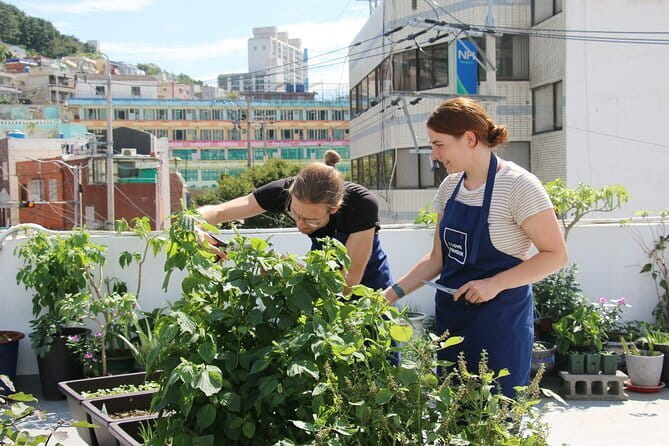
- Seasonal rooftop garden: Vegetables are harvested and used from March through October.
- A useful take-home skill: The recipes are practical enough to repeat at home, not just watch once and forget.
- A certificate is included: You receive a certificate after completing the class.
- Small enough to feel organized, but not intimate: The maximum group size is 35 people.
Starting at noon in Munhyeon-dong
The class begins at 12:00 pm at 906-3 Munhyeon-dong, Nam-gu, Busan. It ends at the same meeting point, which keeps the day simple. You do not need to arrange a separate return transfer or figure out where the cooking session finishes.
The location is near public transportation, a useful detail in Busan, where getting around often involves a mix of subway, bus, and walking. Since the exact transport route is not provided, check your map and allow enough time to reach the address before noon. A cooking class is not the best place to arrive breathless and late, especially when the opening demonstration sets the pace for everything that follows.
The noon start also works well as a midday activity. You can make the class your lunch, then continue sightseeing afterward. Since the meal comes at the end, you may want a light breakfast rather than arriving very hungry.
More Korean Cooking Classes in South Korea:
- Local Home Korean Cooking Class & Market Adventure in Seoul
★ 5.0 · 1,024 reviews - Master Korean traditional cooking with a Kimchi chef
★ 5.0 · 385 reviews - Seoul: Korean Cooking Class at a Local Home and Market Tour
★ 5.0 · 348 reviews
Watching the chef before you cook
The class begins with a chef demonstration. This is important because Korean cooking often depends on timing, texture, and the order in which ingredients are handled. Watching first gives you a clear picture of the process before you begin trimming vegetables or working at the cooking station.
The format is not a show where you simply sit and take notes. After the demonstration, you take part in the preparation. You trim the vegetables, cook the dishes, and help make the dipping sauce. That combination gives the class more value than a demonstration alone, because you leave having handled the ingredients yourself.
I like this approach for first-time Korean cooks. You do not need to arrive with advanced kitchen skills. The chef shows the method, then you repeat it with guidance. The short duration keeps the session focused, though it also means you should expect an efficient class rather than a long conversation about every ingredient.
With a maximum of 35 people, the group can be fairly large. That size may suit you if you enjoy a social class and meeting people from different places. It may feel less personal if you want constant one-on-one instruction. The available details do not promise individual stations or private coaching, so set your expectations at a shared group lesson.
Soft tofu stew, the main comfort dish
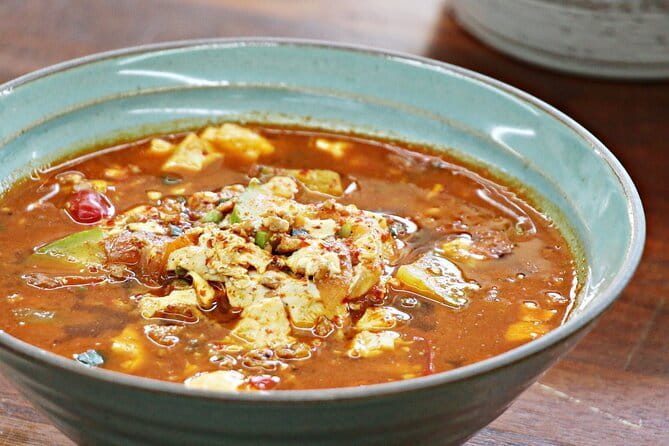
One of the two recipes is a tofu stew made with soft tofu. This is a good choice for a cooking class because the texture of soft tofu requires care. It is delicate rather than firm, so the finished dish depends on gentle handling and proper timing.
The stew also gives you a useful introduction to the warm, comforting side of Korean home cooking. Instead of learning a complicated restaurant specialty, you prepare something that can fit into an ordinary meal at home. The class description identifies the dish as vegan-friendly, making it suitable for people seeking plant-based Korean food.
Because the recipe uses soft tofu, you should pay close attention during the chef’s demonstration. Small details can affect the final result, such as when the tofu is added and how vigorously the stew is stirred. The class does not list every ingredient or spice, so you should think of the demonstration as your best guide to the exact method.
The practical value is strong here. If you enjoy the finished stew, you can keep the recipe and try it again after returning home. One participant specifically found the recipe worth keeping and using at home, which is a good sign for anyone who wants more than a one-time food activity.
Vegetable pancakes and a dipping sauce
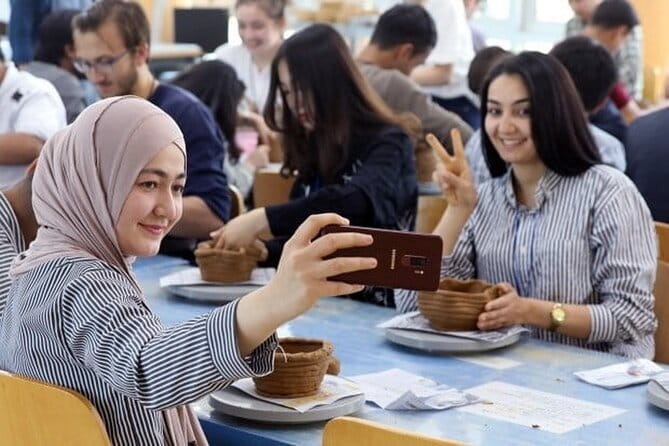
The second dish is a Korean pancake made with vegetables. The pancakes add a different texture and cooking method to the class. The tofu stew is soft and spoonable, while the pancake gives you something to trim, mix, shape, and cook until ready to eat.
You also make a dipping sauce. That small addition matters because a sauce can change the whole character of a simple vegetable pancake. It also gives you another recipe component to remember when you cook Korean food later.
The ingredients may vary with the season, especially during the rooftop garden months. The available details do not list the exact vegetables, so you should not arrive expecting one specific combination. What you can expect is a vegetable-focused pancake prepared as part of the vegan-friendly menu.
I like that the two dishes complement each other. You learn a stew and a pancake rather than two versions of the same thing. The result is a more complete meal, with different textures and enough variety to make the cooking process feel worthwhile.
More Vegetarian Cooking Classes in South Korea:
- Busan Tailored Korean cooking class (Vegan OK)with market tour
★ 5.0 · 66 reviews - Seoul: Temple Vegan Cooking Class & Oriental Medicine Tour
★ 4.6 · 32 reviews - Oaxacan Vegetarian Cooking Class
★ 5.0 · 235 reviews - Marrakech: Moroccan Cooking Class for vegetarians and vegan
★ 4.9 · 156 reviews
Eating what you prepared
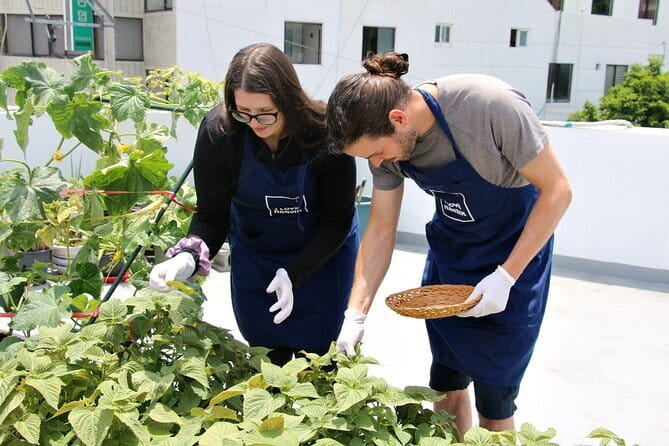
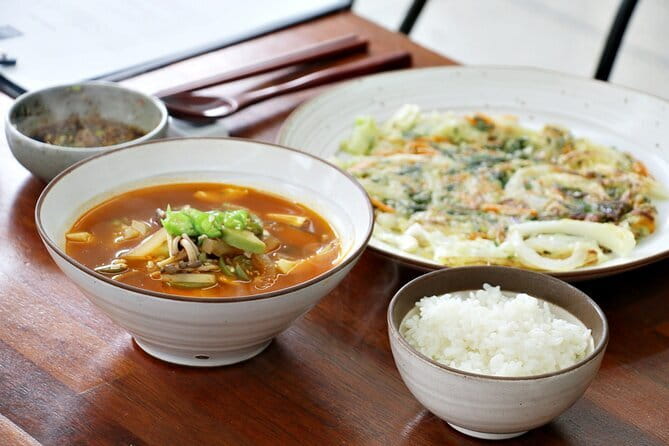
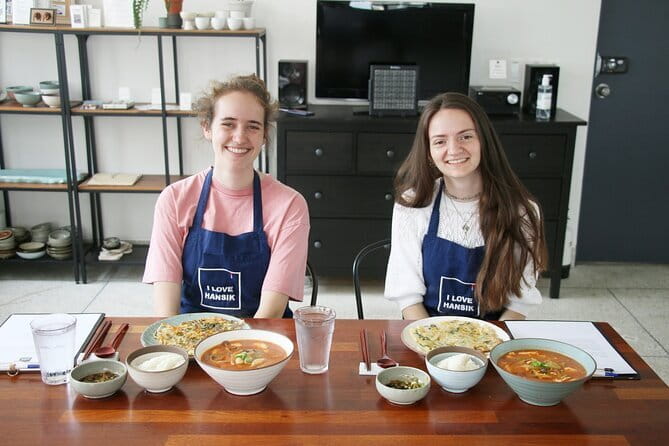
After the cooking is finished, you sit down and eat the food you made. This is the natural payoff of the class, but it also helps you understand the recipes. You can taste the tofu stew, vegetable pancakes, and dipping sauce together instead of trying to judge each item while you are still working.
Eating at the end also turns the class into a proper midday meal. At $70, that matters when judging value. You are not paying only for food, and you are not paying only for a short lesson. The price covers the guided activity, ingredients, meal, and certificate, though the information provided does not specify whether drinks or extra dishes are included.
A pleasant detail from the experience is the cafe downstairs, which was described as delicious. That cafe is not presented as part of the cooking lesson itself, so treat it as a possible extra rather than something included in the $70 price. It could be useful before or after class, but confirm any separate purchase on site.
Rooftop garden produce from March through October
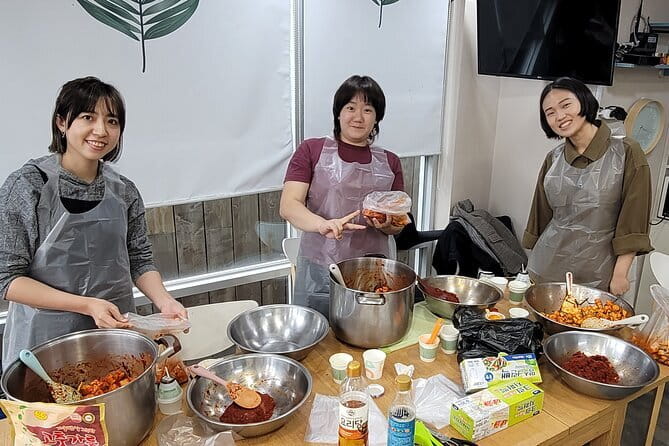
The rooftop garden gives this experience a clear seasonal character. From March through October, vegetables are harvested and used for the class. That connection between growing and cooking makes the lesson more than a standard indoor food demonstration.
If you attend during those months, you may appreciate knowing that some of the vegetables come from the rooftop garden. The exact harvest will depend on the time of year, so the ingredients may not be identical from one month to another. This is a strength for people who like seasonal cooking, but it also means you should not expect a fixed vegetable list.
Winter works differently. From November through February, the weather is too cold for harvesting from the garden. The class still takes place during this period, but you should not expect the rooftop garden component or garden-grown vegetables.
That seasonal limit is worth keeping in mind when choosing your date. If the garden is a major reason for booking, aim for March through October. If your main goal is learning the two recipes, the winter class may still suit you.
A certificate and a recipe you can repeat

The class includes a certificate at the end. It is a small souvenir, but it gives the activity a clear finish and something tangible to take home. The certificate will not replace the recipe itself, so pay attention during the demonstration and keep notes if the class permits it.
The stronger souvenir is likely to be the cooking skill. A food tour can give you a memorable taste, but this class gives you a method to repeat. The tofu stew, vegetable pancakes, and dipping sauce are all useful additions to a plant-based home kitchen.
I would especially recommend the class to you if you enjoy cooking but do not want a full-day program. Ninety minutes is long enough to prepare, cook, eat, and receive the certificate, but short enough to fit into a busy Busan schedule. The tradeoff is that you will not have much time for extended questions or a leisurely pace.
Is $70 a good value?
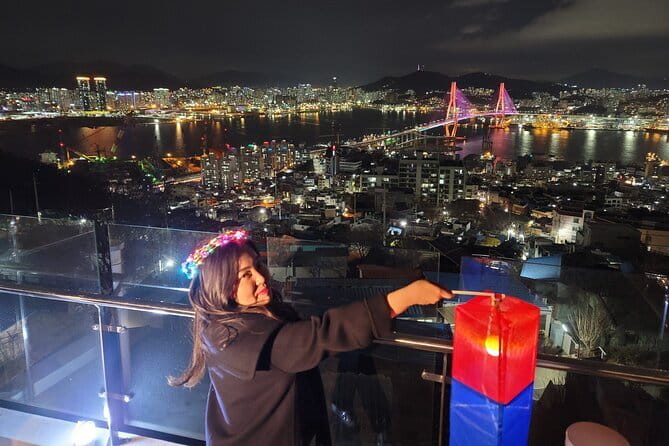
At $70 per person, this is not the cheapest way to eat lunch in Busan. You can find a meal for far less. The price makes more sense when you count the instruction, hands-on preparation, two dishes, dipping sauce, meal, seasonal garden connection, and certificate.
The value is best for you if you want an activity with a lasting result. If you only want to taste Korean food, a restaurant will be cheaper and faster. If you want to understand how the food is made and try the process yourself, the class offers more.
The group limit of 35 affects the value. A group that size can make the atmosphere social, but it may not provide the close attention of a private lesson. You are paying for a shared class rather than a personal chef experience.
The class is also booked about 17 days in advance on average. That suggests you should not assume you can decide at the last moment, especially if your Busan dates are fixed. Book ahead if the noon schedule and plant-based menu are important to your plans.
Who will enjoy this Busan cooking class?
This experience should suit you if you:
- Want a vegan-friendly introduction to Korean cooking
- Like learning by doing rather than only watching
- Prefer a short activity that includes lunch
- Enjoy meeting other people in a group setting
- Want recipes you can try again at home
- Plan to visit Busan between March and October and like the garden connection
It may be less suitable if you want a very small class, a long culinary lesson, or detailed information about every ingredient. The 35-person maximum is reasonable for a shared activity, but it does not promise an intimate cooking session.
The non-refundable policy also deserves attention. Once booked, the experience cannot be changed or refunded for any reason. If the minimum number of participants is not reached and the provider cancels, you will be offered another date or experience, or receive a full refund. For your own plans, book only when you are confident about the date.
Should you book it?
I would book this class if you want a useful, social food activity rather than an ordinary lunch. The strongest reasons are the hands-on format, the two different recipes, and the chance to eat what you prepare. The rooftop garden makes the experience more appealing from March through October, while the certificate and repeatable recipes add value beyond the meal.
I would skip it if $70 feels high for a 90-minute activity or if you prefer private instruction. Also avoid booking casually because the policy does not allow refunds or changes. For a plant-based cook, a first-time Korean food learner, or anyone seeking a focused midday activity in Busan, it is a sound choice.
FAQ
Where does the cooking class begin?
It begins at 906-3 Munhyeon-dong, Nam-gu, Busan, South Korea.
What time does the class start?
The class starts at 12:00 pm.
How long does the experience last?
The cooking class lasts approximately 1 hour and 30 minutes.
Where does the experience finish?
It ends back at the meeting point.
What dishes do you make?
You make soft tofu stew and Korean vegetable pancakes. You also make a dipping sauce.
Is the class vegan-friendly?
Yes. The experience is described as a vegan-friendly Korean food cooking class.
Are rooftop garden vegetables used?
Vegetables are harvested and used from the rooftop garden from March through October. The garden is not harvested from November through February because of the cold weather.
How many people can join the class?
The activity has a maximum group size of 35 people.
Can the booking be canceled or changed?
No. The experience is non-refundable and cannot be changed for any reason. If the provider cancels because the minimum number of participants is not reached, you will be offered another date or experience, or a full refund.
More Food Trips in South Korea
- Athens: Food Market Visit and Cooking Class with Wine
★ 4.9 · 1,087 reviews - Undiscovered Charleston: Half Day Food, Wine & History Tour with Cooking Class
★ 5.0 · 948 reviews - Vietnamese Food Cooking Class in Hanoi with Market Experience
★ 5.0 · 778 reviews - Milan: Italian Cooking Class with Food and Wine
★ 4.7 · 509 reviews
More Food and Drink Trips in South Korea
- Busan: Small-Group Traditional Korean Food Cooking Class
★ 4.9 · 58 reviews - Busan Local Food Cooking Class with Market Tour
★ 5.0 · 53 reviews - Small Group Cooking Class & Market Food Tour in Florence
★ 5.0 · 1,574 reviews - Pasta Making & Wine Tasting with Dinner in Frascati from Rome
★ 5.0 · 1,326 reviews
Just added around South Korea
- Busan Tailored Korean cooking class (Vegan OK)with market tour★ 5.0 · 66 reviews
- Korean cooking class in Haeundae, Busan★ 5.0 · 92 reviews
- Busan Local Food Cooking Class with Market Tour★ 5.0 · 53 reviews
- Seoul: Korean Kimchi Cooking Class in the Heart of the City★ 5.0 · 3 reviews
- Seoul: Premium Korean Feast Cooking Class★ 5.0 · 3 reviews
- Seoul: Kimchi Dishes Cooking Class with Wine Pairing★ 4.7 · 38 reviews
- Seoul: Korean Cooking Class with Local Grocery Shopping★ 5.0 · 13 reviews
- Seoul: Korean Home Visit, Cooking & Cultural Experience★ 5.0 · 2 reviews
Vegan & Vegetarian Cooking Classes, compared.
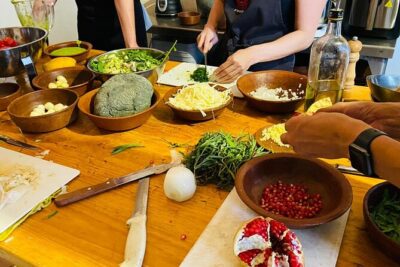
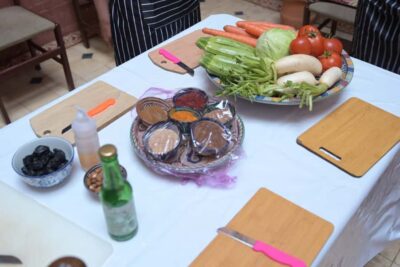
Moroccan Cooking Class for vegetarians and vegan
Read our review →
Vegetarian Cooking Class w Local Family and transfer
Read our review →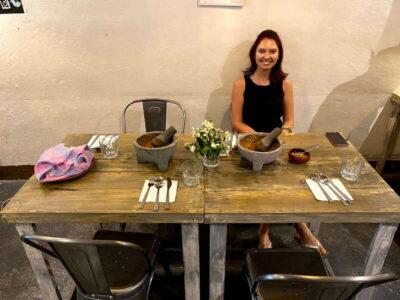
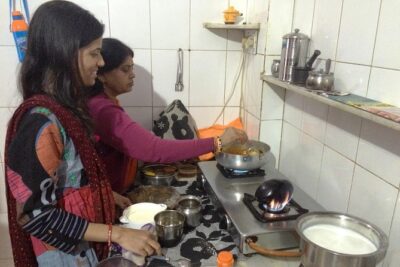
Jaipur Market Tour & Vegetarian Rajasthani Home Cooking Class
Read our review →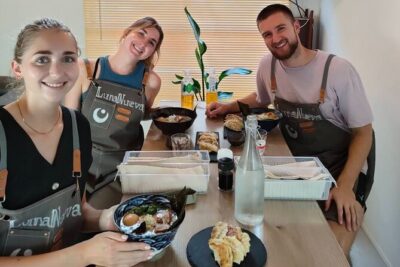
Ramen & Dumpling Cooking in Tokyo with Chef/Vegan possible
Read our review →Private Cooking Class – Personalized menu with glutenfree & vegan
Read our review →
Hoi An/Da Nang: Vegetarian Cooking Class & Basket Boat Ride
Read our review →Lists this class appears in