REVIEW · LOMBARDY, ITALY
Milan: Italian Cooking Class with Food and Wine
Pasta tastes better when you make it. This three-hour Milan workshop combines hands-on cooking with a relaxed meal, and I especially like the fresh pasta lesson and the chance to eat what you prepare with wine. Chef Ilaria also adds useful details, from pasta technique to the proper way to make carbonara.
The class is friendly, practical, and well suited to beginners. I also like that you receive every recipe afterward, including sauces that may be prepared in advance. The main consideration is that the menu can change, and some dishes may involve more preparation than cooking from start to finish.
Key points at a glance
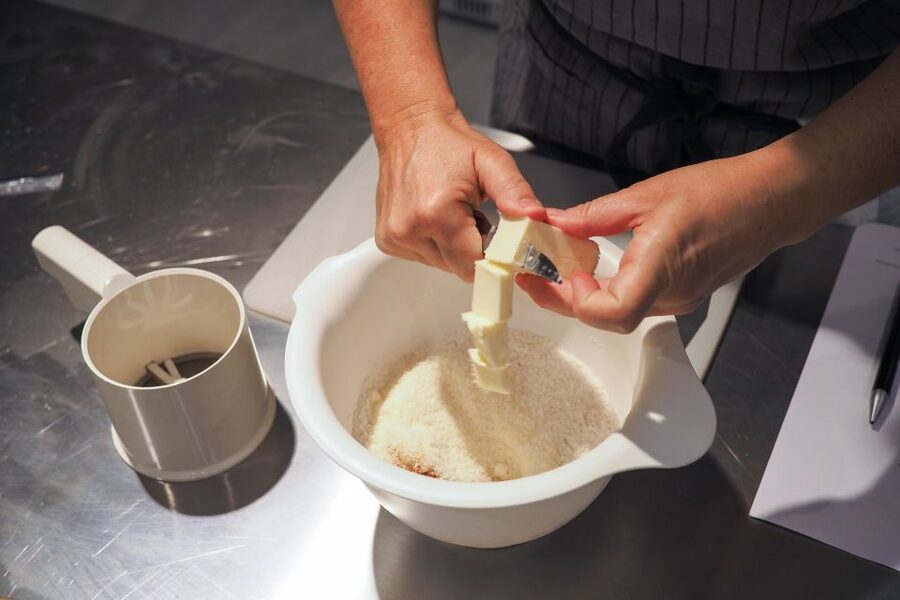
- Fresh pasta from scratch: You may make tagliatelle, ravioli, gnocchi, or another pasta shape, often using a pasta machine.
- Three-course format: Classes commonly include an appetizer, a main dish, and dessert, with examples such as bruschetta, pasta, tiramisù, biscotti, strudel, or gnocchi.
- Chef-led instruction: Ilaria is praised for clear explanations, humor, Italian food knowledge, and patient corrections.
- A proper sit-down meal: After cooking, you eat together in the dining room with red or white wine.
- Useful take-home recipes: You receive recipes for the dishes and, in some cases, sauces prepared by the chef.
- Good value at $80: Food, wine, equipment, apron, gloves, snacks, and instruction are included.
A Milan cooking class built around participation
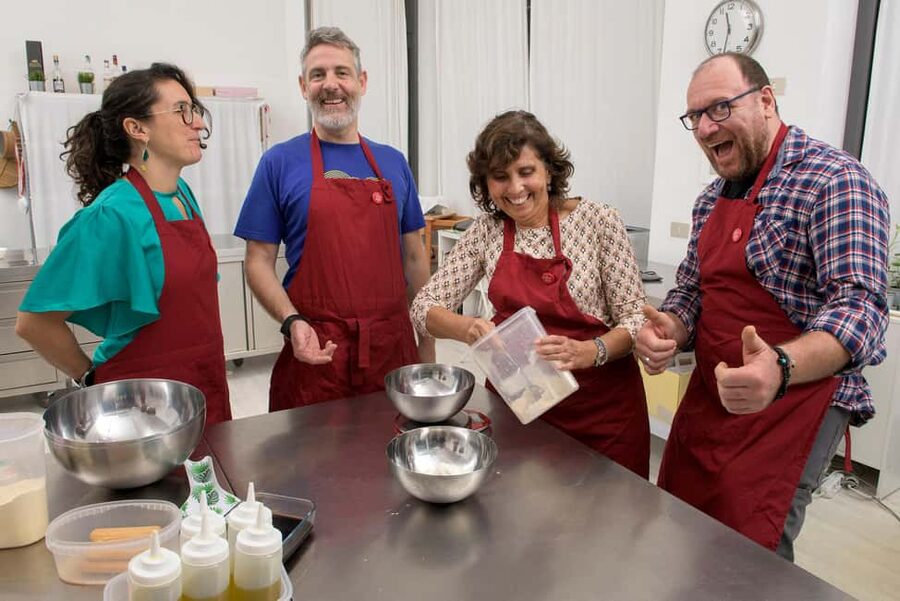
Chef and the City operates from a street-level shop marked by three large windows and three red signs. When you arrive, ring the bell at the main window door. This is not a restaurant demonstration where you sit at the back and watch someone else do the work. You have your own personal desk and take part in the preparation.
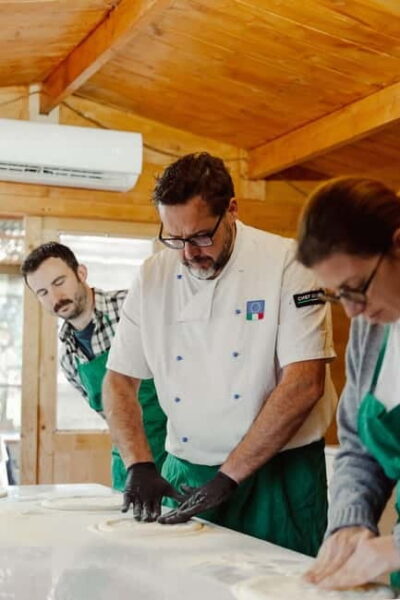
That setup matters. You can handle the dough, shape the pasta, mix ingredients, and ask questions as you go. The cooking lab is professional, so you will be expected to follow kitchen rules. No eating or drinking is allowed while cooking, food cannot be tasted during the preparation, long hair must be tied back, and large bags or luggage are not permitted.
The class is conducted in Italian and English. The English instruction has been described as clear, and the chef takes time to explain both the steps and the reasons behind them. That second part is valuable. You are not simply copying hand movements. You learn why a dough feels right, why a sauce needs time, or why a traditional recipe is prepared in a particular way.
More Cooking Classes with Wine Tasting in Italy
- Milan: Pasta and Tiramisu Cooking Class with Wine
★ 4.8 · 1,106 reviews - Milan: Pasta and Tiramisu Small Group Cooking Class with Wine
★ 5.0 · 660 reviews - Pizza Cooking Class with Tiramisù and Wine Tasting in Milan
★ 5.0 · 172 reviews
The opening table: snacks before the real work
The experience includes light snacks while the class gets organized. You might find cheese, dried tomatoes, mortadella, olives, cookies, biscuits, candies, coffee, tea, herbal infusions, and water. These are not meant to replace the meal, but they make the cooking session more comfortable, particularly if you arrive hungry.
The snack table also gives you a chance to chat with the people at your worktable. Groups may include couples, families with older children, solo visitors, and people from several countries. The social side is one of the strongest parts of the experience. You are working with your hands, so conversation tends to come naturally.
Wine is included, but you do not drink it while cooking. Red and white wine are served with the finished meal, and the amount available has been generous in some sessions. If you are planning to drink, keep the kitchen rules in mind and save your glass for the dining portion.
Three dishes, with a menu that can change
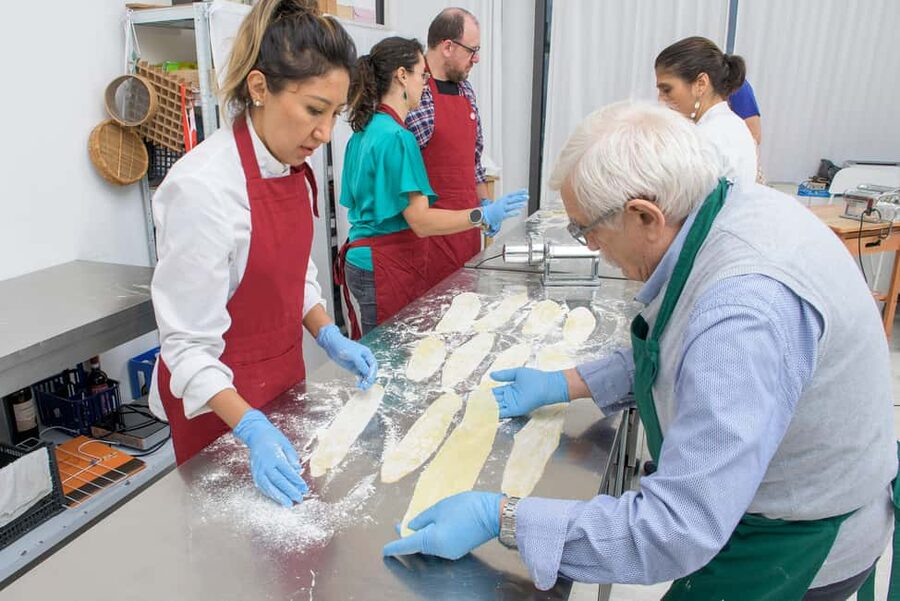
You prepare three traditional Italian dishes under the chef’s direction. The exact menu is not fixed in the information provided, so you should treat the examples as possibilities rather than promises.
Past classes have included bruschetta as an appetizer, fresh tagliatelle as a main course, and biscotti or cantucci for dessert. Other combinations have included gnocchi, tiramisù, ravioli, apple strudel, focaccia, eggplant parmigiana, and different sauces.
This variety is part of the appeal, but it also creates one small point of uncertainty. If you are booking because you specifically want to make gnocchi or tiramisù, check the current menu before you commit. One class might feature those dishes, while another focuses on pasta and biscotti.
The food is designed to be traditional but presented in a modern, practical way. The emphasis is on fresh preparation, sensible use of ingredients, and avoiding waste. That makes the class useful beyond your stay in Milan. You leave with ideas you can adapt to a normal home kitchen rather than a restaurant-sized operation.
Fresh pasta is the main lesson
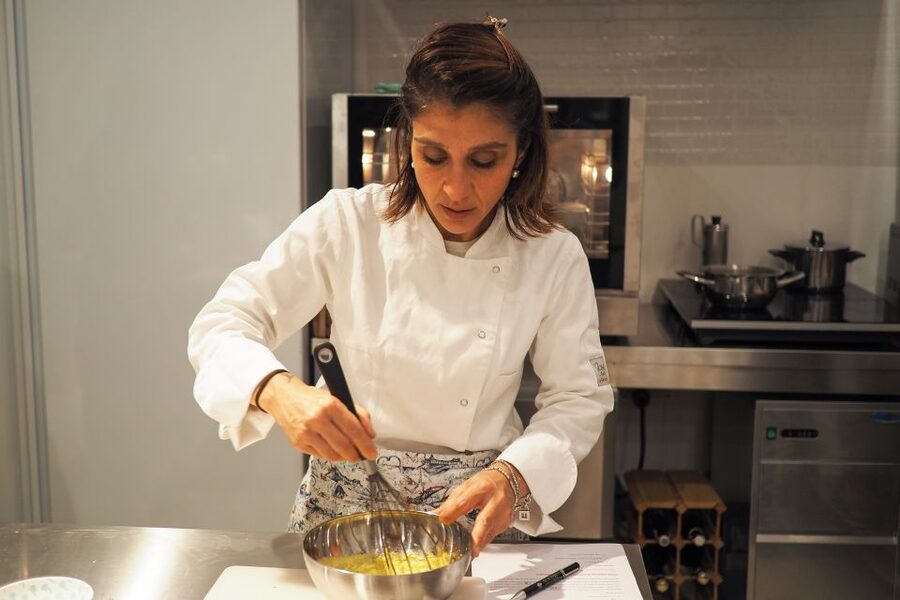
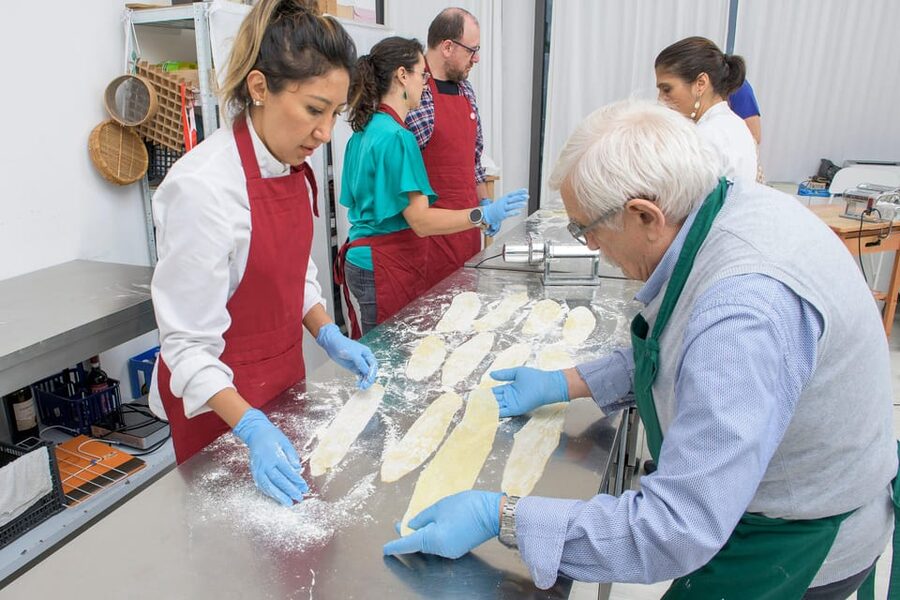
For many people, the pasta portion is the reason to book. You may prepare tagliatelle, ravioli, or another pasta shape from scratch, then roll it by hand or with a pasta machine. The work is hands-on, and the chef shows you how the dough should look and feel.
This is where the class earns its practical reputation. Pasta making can seem easy when someone else does it quickly, but dough texture, thickness, and shaping all take attention. A good instructor can correct small mistakes before they become a sticky or uneven mess.
You may also learn to shape gnocchi, depending on the menu. The technique is different from fresh egg pasta, and the class gives you a chance to see how Italian cooks treat simple ingredients with care.
Sauces deserve a little explanation. In one session, the class made tagliatelle while the chef supplied homemade ragù and cacio e pepe. The sauces were provided because they require more time than the three-hour workshop allows. You still receive the recipes, but you may not personally cook every sauce from the first ingredient to the final stir.
That is a fair trade for the schedule, though it is worth knowing in advance. If you want a complete sauce lesson, ask about the current format. The class is strongest as an introduction to several dishes, not as an intensive course on one recipe.
More Cooking Classes with Wine Tasting in Milan
- Milan: Pasta, Gnocchi and Tiramisù Cooking Class with Wine
★ 5.0 · 117 reviews - Pizza and Tiramisu Cooking Class with Wine in Milan
★ 4.9 · 80 reviews - Milan: Hands-On Pasta & Dessert Cooking Class & Wine Pairing
★ 5.0 · 3 reviews
Appetizers and desserts add useful range
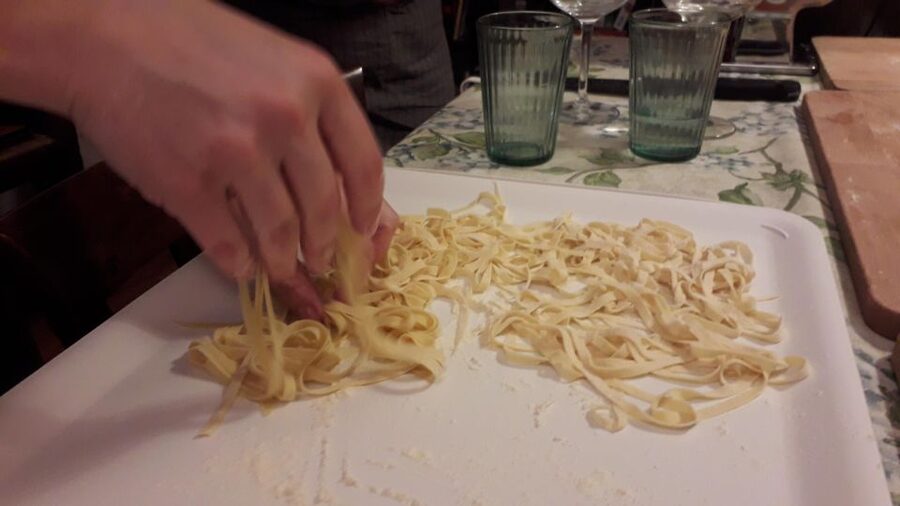
Bruschetta is a common example of the appetizer course. It is a straightforward dish, but the lesson can reveal how much difference comes from ingredient quality, seasoning, toasting, and timing. Focaccia and eggplant parmigiana may also appear among the possible dishes.
Dessert varies just as much. You might prepare tiramisù, biscotti, cantucci, or strudel. The class can be especially useful here because familiar desserts often carry local habits that differ from what you make at home.
For example, the chef has explained that traditional tiramisù should not include amaretto. That kind of correction is more useful than a generic recipe card. You learn where Italian practice differs from adaptations commonly found elsewhere.
The pace is designed to keep three courses moving without making the session feel rushed. There are pauses for preparation, explanations, and snacks. You should expect a working class rather than a long, formal dinner from the beginning.
Chef Ilaria sets the tone
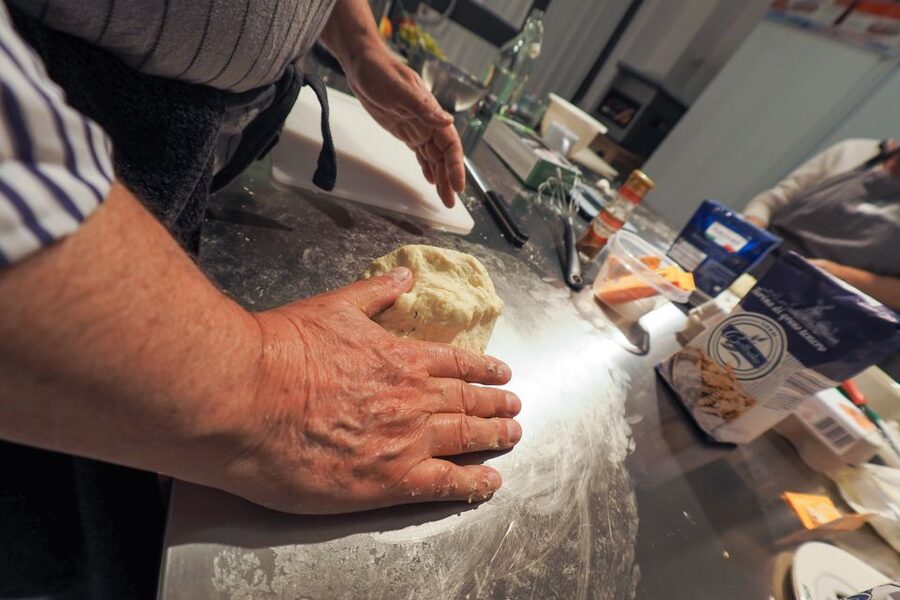
Ilaria is the name most closely associated with the class. Her teaching style is energetic, warm, and direct. She explains techniques clearly, answers questions, and uses stories about Italian food to give the dishes context.
Her humor is part of the atmosphere. One memorable lesson concerned carbonara, where she made the traditional point that cream and bacon do not belong in the classic Roman version. You can still change a recipe at home, of course, but the dish may deserve a different name afterward.
That mix of firm tradition and practical flexibility works well. You get the cultural background without being told that every home cook must follow one rigid rule forever. At the same time, the chef is willing to point out when a shortcut changes the character of a dish.
Fernando may assist with the class, and some sessions have also included Klara. The team helps keep ingredients and utensils ready so the chef can focus on teaching. A clean, organized kitchen makes a difference when several people are preparing food at once.
The instruction is suitable for beginners, but experienced home cooks can still pick up useful details. The strongest value comes from watching the chef’s hand movements, asking about texture, and learning the small habits that recipes often leave out.
The dining room turns a lesson into an evening
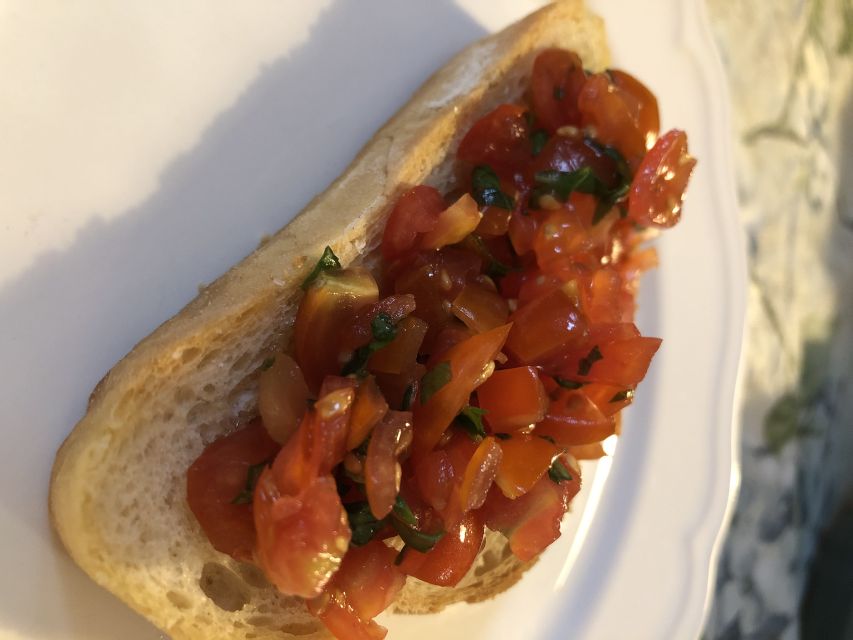
After the preparation, you sit down as a group and eat the food you made. This final meal is not an afterthought. It gives you time to compare results, talk with the people beside you, and enjoy the dishes without a cutting board in front of you.
Wine is included with the meal, with red and white options available. The shared setting makes the class feel more like a social evening than a technical workshop. If you are visiting Milan alone, this is one of the easier activities for meeting people without having to force conversation.
The meal also lets you judge the work immediately. Your pasta may be uneven, your dough may need another attempt, or your shaping may look less tidy than the chef’s. That is part of the fun. The food is still edible, and the chef is there to help you understand what happened.
The experience has received a 4.7 rating from 509 reviews, with repeated praise for the food, the chef’s personality, the friendly group atmosphere, and the chance to eat a complete meal afterward. A few sessions have been very small, including one with only two participants. That can mean more direct attention, though it may feel less lively than a larger group.
Is $80 a fair price in Milan?
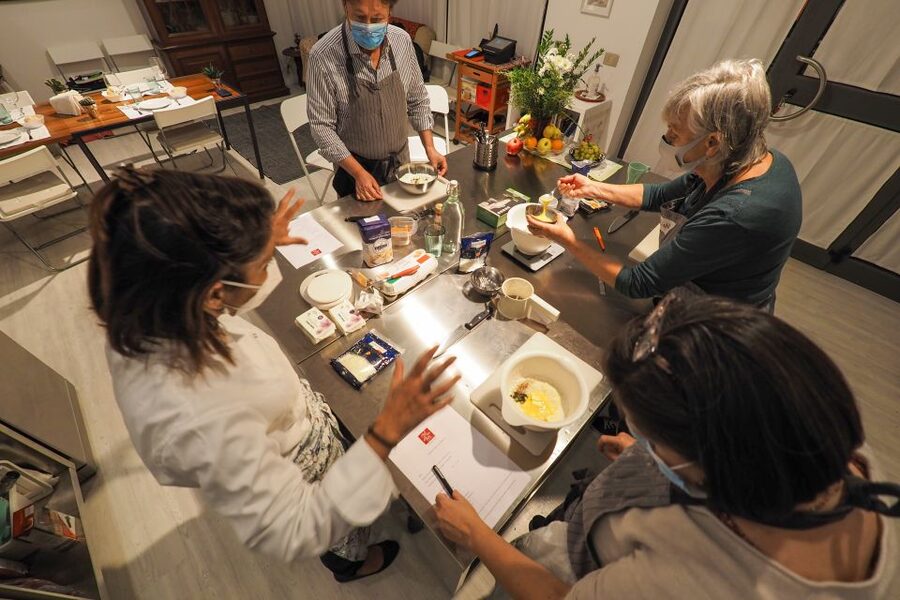
At $80 per person, the class is good value if you want more than a meal. Your fee covers food, wine, cooking tools, gloves, apron, snacks, and three hours of instruction. You also take home the recipes, which gives the experience value after your trip.
Compare that with a normal restaurant dinner and the difference is clear. A restaurant may give you a polished meal, but it will not teach you how to roll pasta, shape dough, or prepare the dishes at home. This class gives you both the meal and a skill you can use again.
The value depends on your expectations. If you want a detailed masterclass where you cook every sauce from beginning to end, this may feel too broad. If you want a social introduction to Italian cooking with several dishes and a relaxed meal, the price is sensible.
The waste-free approach also helps. You learn to use ingredients thoughtfully, and the recipes are intended to be manageable at home. That is a better souvenir than another cooking gadget you may never use.
Practical details before you reserve
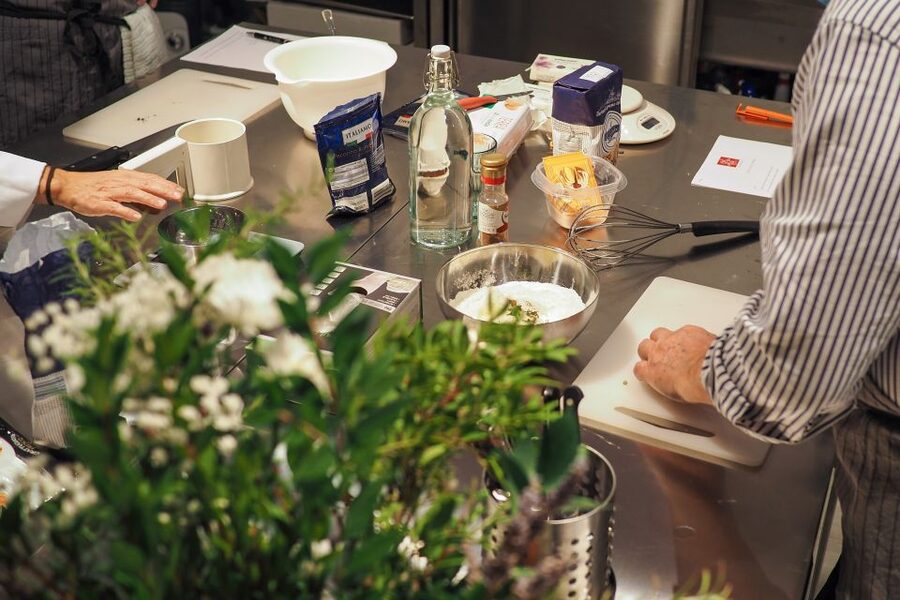
Allow the full three hours. The class includes instruction, food preparation, pauses, and the final meal, so it is not something to squeeze between two tightly timed sightseeing stops.
You can cancel up to 24 hours before the start for a full refund, and you can reserve now and pay later. Starting times vary, so check the available schedule before planning the rest of your day.
The meeting point is at Chef and the City, a street-level shop with three large windows and red signs above them. Ring the bell at the main window door when you arrive.
Do not bring luggage or a large bag. There is no luggage storage or private transportation included. Smoking and pets are not allowed, and the shop is not wheelchair accessible.
The activity is not suitable for children under 10 or for people with mobility impairments. If you have allergies or dietary restrictions, tell the provider ahead of time. The chef has accommodated dietary needs in past classes, but you should not assume every menu can be changed without notice.
Who should book this cooking class?
I would choose this for a couple, solo visitor, or small family who wants a social evening with real participation. It is also a good pick if you have always wanted to make pasta but have never felt confident enough to start.
You do not need advanced cooking skills. The chef corrects mistakes, explains the steps, and keeps the pace manageable. At the same time, you should be willing to work in a shared kitchen and follow professional food-safety rules.
This is less suitable for someone who wants a quiet, private meal or a fixed menu. It is also not the right choice if you need wheelchair access, plan to carry luggage, or want to cook every single component from scratch.
Should you book it?
Book it if you want to learn fresh pasta, meet people, eat a three-course meal, and leave Milan with recipes you can actually use. The combination of hands-on work, Chef Ilaria’s lively teaching, included wine, and a final shared meal gives the $80 price real value.
Before booking, check the current menu and mention dietary needs. If you accept that the dishes may change and that some sauces may be prepared in advance, Chef and the City offers a practical and enjoyable introduction to Italian cooking in Milan.
FAQ
How long does the cooking class last?
The experience lasts three hours, including cooking, snacks, and the shared meal with wine.
What dishes might I prepare?
Possible dishes include fresh tagliatelle, gnocchi, ravioli, bruschetta, focaccia, eggplant parmigiana, tiramisù, biscotti, cantucci, apple strudel, ragù, and cacio e pepe. The exact menu can vary.
Is wine included?
Yes. Wine is included, along with other beverages such as water, coffee, tea, and infusions.
Are cooking equipment and clothing provided?
Yes. Cooking tools, gloves, and aprons are included.
Will I receive the recipes?
Yes. The chef provides copies of the recipes so you can prepare the dishes at home.
Is the class taught in English?
Yes. The host or greeter speaks Italian and English, and the cooking instruction is available in English.
Can I bring luggage or a large bag?
No. Luggage and large bags are not allowed in the cooking lab, and luggage storage is not provided.
Is the class suitable for children and wheelchair users?
The activity is not suitable for children under 10 or people with mobility impairments. The venue is not wheelchair accessible.
More Food and Drink Trips in Milan
- Small Group Cooking Class & Market Food Tour in Florence
★ 5.0 · 1,574 reviews - Pasta Making & Wine Tasting with Dinner in Frascati from Rome
★ 5.0 · 1,326 reviews - Paella Cooking Class, Wine Tasting & Central Market in Valencia
★ 5.0 · 1,150 reviews - Athens: Food Market Visit and Cooking Class with Wine
★ 4.9 · 1,087 reviews
More Italian Cooking Classes in Milan
- Learn to Cook Italian Recipes with an Italian Chef
★ 5.0 · 283 reviews - only in ITALIAN – International aperitif + cooking class in Italian
★ 4.8 · 22 reviews - Cooking Class and Lunch at a Tuscan Farmhouse with Local Market Tour from Florence
★ 5.0 · 4,831 reviews - Tuscan Cooking Class and Dinner in Florence
★ 4.5 · 732 reviews
Just added around Milan
- Small Group Cozy Cooking Class in a Typical Milanese Home★ 4.8 · 27 reviews
- Pizza and Tiramisu Cooking Class with Wine in Milan★ 4.9 · 80 reviews
- only in ITALIAN – International aperitif + cooking class in Italian★ 4.8 · 22 reviews
- Milan: Private Cooking Class at a Local’s Home★ 5.0 · 9 reviews
- Milan: Market and Cooking Class at a Local’s Home★ 4.0 · 5 reviews
- Milan: Cooking Class for Families with Children★ 5.0 · 5 reviews
- Milan: Pasta, Gnocchi and Tiramisù Cooking Class with Wine★ 5.0 · 117 reviews
- Milan: Homemade Pasta, Sauce, and Tiramisu Cooking Class★ 5.0 · 3 reviews
Cooking Classes with Wine Tasting, compared.
Pasta & Tiramisu Cooking Class with Unlimited Wine
Read our review →
Pasta Making Class with Wine, Limoncello, and Dessert
Read our review →
Cooking Class Pasta & Tiramisu Making Unlimited Wine
Read our review →
Fettuccine & Tiramisù: Cooking Class with Wine & Limoncello
Read our review →
Pasta Making & Wine Tasting with Dinner in Frascati from Rome
Read our review →
Rome Cooking Class: Make Pasta, Dine & Drink Wine With Local Chef
Read our review →