
REVIEW · SOUTH KOREA
Seoul: Korean Home Visit, Cooking & Cultural Experience
Seoul stories often begin at a kitchen table. I like the small groups of up to five and the chance to cook bibimbap, kimbap, or bulgogi with an everyday Korean family. I also like that the 2-hour visit centers on conversation and food rather than a rushed checklist. The main consideration is that host English skills and home arrangements vary, and floor seating may be part of the deal.
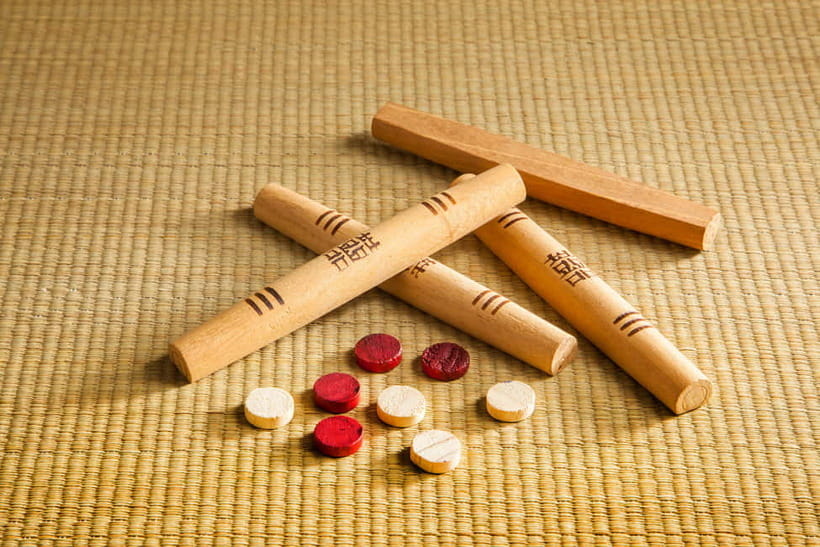
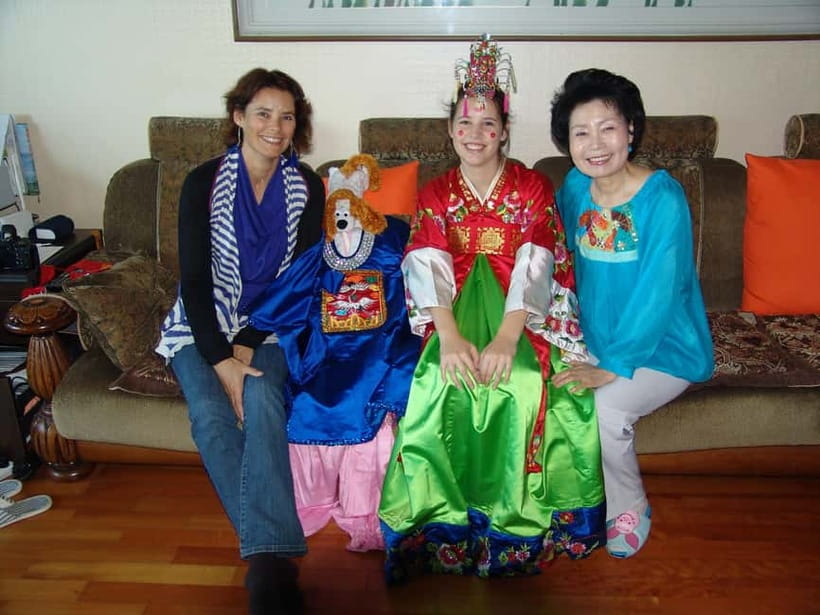
The 4-hour option adds cultural activities such as hanbok, Hangul writing, yutnori, or tuho, depending on your host. Hosts including Sena and Nan-young have been praised for making people feel at home and handling special requests with care. Still, this is a personal exchange, not a polished stage show, so you need to arrive open, punctual, and ready to adapt.
Key Points Before You Book
- Cook in a real Korean home: Prepare familiar dishes with a local family, using the sort of recipes associated with home cooking rather than a restaurant kitchen.
- Choose 2 or 4 hours: The shorter visit focuses on cooking, eating, and conversation; the longer option may add hanbok, Hangul, traditional games, or storytelling.
- Expect a very small group: A maximum of five participants makes it easier to ask questions and take part at the counter or table.
- Understand jeong through time together: This Korean idea of affection and closeness is felt through shared food, care, and conversation.
- Plan for variable home settings: Your host’s address arrives separately by email, and some homes may use floor seating.
- Tell the organizer about food needs early: Standard dietary accommodations may be possible, but gluten intolerance is specifically listed as unsuitable.
A Korean Home Instead of Another Seoul Attraction
Seoul gives you no shortage of palaces, markets, cafés, and shopping streets. Those places show you what Korea looks like to a visitor. This home visit tries to show you how Korean life feels in a more personal setting.
You go directly to a local host’s home, not to a visitor center or a restaurant. The address and detailed host information are sent after booking, so do not rely on the address shown during the initial booking process. Check your email carefully and allow enough time to reach the home without arriving late.
The program works with more than 12,000 hosts across Korea and has welcomed more than 30,000 participants. That scale suggests an established exchange program, but your actual experience depends on the individual host, the home, and the chemistry around the table.
I would book this for the human contact, not for a perfectly fixed schedule. The host may be an individual, a family, or a parent and child. One host may offer hanbok and Hangul practice, while another may prefer longer conversation about family, food, and daily routines. That variation is part of the point, but it also means you should not expect every listed activity.
More Korean Cooking Classes in Seoul:
- Local Home Korean Cooking Class & Market Adventure in Seoul
★ 5.0 · 1,024 reviews - Master Korean traditional cooking with a Kimchi chef
★ 5.0 · 385 reviews - Seoul: Korean Cooking Class at a Local Home and Market Tour
★ 5.0 · 348 reviews
Meeting Your Host and Settling In
The visit begins with a welcome at your host’s home. The tone is intended to be warm and personal, with the host interested in your life as well as willing to talk about Korea.
This is where the idea of jeong becomes more than a cultural term. Jeong describes affection, closeness, and the bond that grows through shared time. You are not simply hearing a lecture about it. You are being asked to sit down, talk, help prepare food, and share a few hours with someone who has opened a private space to you.
That personal setting can feel more relaxed than a formal class. You can ask about ordinary matters such as meals, family routines, customs, and daily life. You may also hear stories about Korean traditions and history. The best conversations are likely to come from your own curiosity, so prepare a few questions before arriving.
Basic English communication is available, but proficiency varies between hosts. You do not need polished conversation skills. Patience, gestures, a willingness to repeat yourself, and genuine interest will help. The program specifically describes openness and curiosity as important, and that is sound advice.
Cooking Bibimbap, Kimbap, or Bulgogi Together
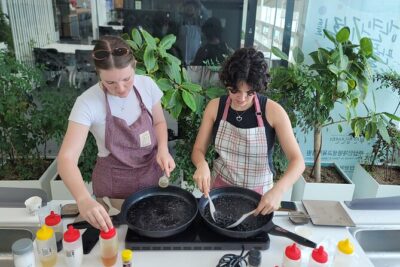
Food is the working language of this experience. Rather than watching a chef perform from across a counter, you help prepare a homemade Korean meal with your host.
The dishes may include bibimbap, kimbap, or bulgogi. Each offers a different kind of introduction to Korean food. Bibimbap brings together rice, vegetables, and sauce in one bowl. Kimbap gives you a hands-on task as ingredients are arranged and rolled. Bulgogi introduces a familiar Korean-style meat dish and the flavors used in home meals.
The exact menu is not guaranteed, so treat those dishes as examples rather than a fixed promise. The ingredients and cooking materials are included, which keeps the session simple for you. You do not need to shop beforehand or bring kitchen supplies.
I like the balance this format can offer. You might get a demonstration for a technique that needs care, then take over for chopping, mixing, rolling, or assembling. The amount of hands-on work will depend on the host. One host may keep you busy at each stage, while another may demonstrate more and explain the food as you go.
That difference matters. If you want a formal cooking class with exact measurements and a printed recipe, this may feel loose. If you want food to open a conversation about Korean homes and family traditions, the informality is a strength.
The cooking also gives you something to do when language gets difficult. You can point, taste, watch, and copy. Conversation tends to flow more naturally while everyone is preparing lunch or dinner than when people sit opposite one another with nothing to occupy their hands.
Sharing the Meal at a Family Table
Once the food is ready, you eat together. This is not just the final reward for completing the cooking. The shared meal is central to the cultural exchange.
In Korean life, offering food can express care and affection. At the table, you can ask about ingredients, family recipes, and how the dishes fit into everyday meals. Your host may explain a preparation choice or describe how a recipe has been passed through generations.
The food is homemade rather than prepared by a professional kitchen. That means the meal can feel more personal, but it also means you should not judge it by restaurant standards. Portions, spice levels, presentation, and menu choices will reflect the host’s home and habits.
The strongest praise given to this experience focuses on how quickly hosts make people feel comfortable. Sena is noted for finding a good balance between demonstration and participation. Nan-young and her daughter are described as especially friendly and willing to accommodate extra requests. Those details suggest that the warmth of the host is as important as the menu.
If you have allergies, dietary restrictions, or cultural preferences, contact [email protected] before the visit. Standard adjustments may be possible, but special ingredients or extensive meal changes are not included. The experience is listed as unsuitable for people with gluten intolerance, so do not assume a gluten-free meal can be arranged.
A few more cooking classes around Seoul worth a look
- Seoul: Korean Cooking at Seoul Cooking Club!
★ 5.0 · 311 reviews - Korean Cooking at Seoul Cooking Club
★ 5.0 · 220 reviews - Seoul: Taste of Korea, Authentic Home Style Cooking Class
★ 4.9 · 166 reviews - Seoul: Royal Seoul Cooking Class in a 100-Year-Old Hanok
★ 5.0 · 96 reviews
What the Four-Hour Visit Adds
The 4-hour option gives the visit more breathing room. You still cook and eat, but you may also take part in an activity connected to your host’s interests or background.
Possible activities include:
- Trying on hanbok
- Learning to write messages in Hangul
- Playing yutnori or tuho
- Hearing stories about Korean history and traditions
- Talking about family, work, dreams, and everyday routines
Hanbok offers a direct way to discuss traditional clothing and how it fits into Korean culture. Hangul practice lets you do something practical with the Korean writing system, even if you leave knowing only a few letters or phrases. Yutnori and tuho add a playful side, especially if you enjoy learning through simple games.
Do not treat this list as a guaranteed itinerary. The host decides what can be offered, and activities vary with the host’s background and availability. That uncertainty can be a drawback for anyone planning a tightly timed day.
For me, the longer option makes sense if you want a slower visit and have room in your Seoul schedule. The extra time gives conversation a chance to move beyond introductions. You may begin with food and finish discussing family customs, travel, or the differences between your home and Korea.
The 2-hour option is better if you want a focused introduction or have other plans nearby. It still includes the home visit, cooking, meal, and cultural conversation, but it leaves less room for additional activities.
Why the Small Group Size Matters
With a limit of five participants, this is much more intimate than a large food tour. You can ask questions without waiting through a long line of voices, and the host can give more attention to your work in the kitchen.
A small group also affects the mood. You are more likely to notice how the family interacts, how food is arranged, and how conversation changes when everyone is sitting together. If you are traveling alone, this can provide easy company without the pressure of joining a large organized group.
There is a tradeoff. A very small visit can feel personal, but it may also feel quiet if you and the host have little in common or if language becomes a barrier. This experience rewards guests who participate rather than wait for constant entertainment.
Come prepared to contribute. Ask about the host’s favorite dish. Share something about food in your own country. Offer help with simple tasks. A home visit works best as an exchange, not as a performance where one side does all the talking.
Price, Timing, and Practical Value
At $100 per person, the price is higher than a basic Korean meal and often higher than a standard group cooking class. The value comes from the combination of food, instruction, a private home setting, and personal conversation.
You are also paying for a small group, ingredients, materials, and the time a host sets aside to welcome you. The 4-hour option offers more time for cultural activities, while the 2-hour option may be the better value if cooking and eating are your main goals.
Transportation to and from the home is not included. Since the final address arrives separately, check the location before planning the rest of your day. Do not book a palace visit, museum ticket, or train departure too tightly around this appointment.
Starting times depend on availability. Arrive on time because the host prepares food and organizes the visit around your arrival. Punctuality matters more here than it might at a casual restaurant.
Cancellation is free up to two days in advance for a full refund. That gives you some room to adjust your plans, but it does not remove the need to confirm the address and dietary details early.
Small Details That Can Shape the Visit
Korean homes are not all arranged alike. Some may have Western-style chairs and tables. Others may require floor seating, so keep that in mind if sitting on the floor is uncomfortable for you.
Pets are not allowed, and weapons or sharp objects are prohibited. The setting is personal, so cultural sensitivity is expected. You should follow the host’s house rules, ask before taking photos, and avoid treating private family details as tourist curiosities.
Photos may be taken during the visit and provided by some hosts. That is a pleasant extra, but it is not guaranteed. If you want a picture with your host, ask politely rather than assuming.
The program is offered in English and Korean. English ability varies, but hosts are selected for hospitality and can engage in conversation. A translation app may be useful if you have one, though the most important tools are patience and a friendly attitude.
Who Will Enjoy This Most
I would recommend this experience to you if you want to understand Korea through ordinary life rather than only through famous sights. It suits curious eaters, solo visitors, couples, families, and small groups who enjoy conversation.
It is especially useful for first-time visitors who want context for the food and customs they encounter elsewhere in Seoul. After cooking with a family, a Korean menu can feel less mysterious and more connected to real people.
The experience may not suit you if you dislike entering private homes, need a fixed schedule, want a professional chef-led class, or expect every activity to be guaranteed. It is also not suitable for people with gluten intolerance according to the stated restrictions.
Families should consider the age and interests of their children. The program is intimate, and activities may include games, cooking, or writing, but there is no promise of a child-specific format. Ask in advance if you need a particular arrangement.
Should You Book This Seoul Home Visit?
Book it if your best Seoul memories come from conversations and meals, not just from checking off attractions. The chance to cook with a local family, eat together, and feel the meaning of jeong gives this experience a human scale that many city tours lack.
Choose the 2-hour option for a focused home meal and cooking session. Choose 4 hours if you want time for hanbok, Hangul, traditional games, or a longer conversation. Before paying, confirm your dietary needs, check the eventual address, and accept that the host will shape the details.
At $100, this is not a bargain meal. It can be good value for a personal cultural exchange with food at its center. Go with respect, arrive on time, and take part fully. If you do, you may leave with more than a recipe. You may leave with a clearer sense of how Korean hospitality works in an ordinary home.
FAQ
Where does the Korean home visit take place?
You go directly to the host’s home. The correct address and detailed information are sent in a separate email after booking, so ignore the initial meeting point address.
How long does the experience last?
You can choose an option lasting 2 to 4 hours. The 2-hour option focuses on cooking, the homemade meal, and cultural conversation. The 4-hour option may include added activities.
How many people can join?
The experience is limited to five participants, making it a small-group visit with personalized attention.
What food might I learn to cook?
Possible dishes include bibimbap, kimbap, and bulgogi. The exact menu depends on the host.
Are ingredients and cooking materials included?
Yes. Ingredients and materials for the cooking session are included. Special ingredients or meal changes beyond standard dietary accommodations are not included.
Can the host accommodate allergies or dietary restrictions?
You should provide information about allergies, dietary restrictions, and cultural preferences in advance by contacting [email protected]. The experience is listed as unsuitable for people with gluten intolerance.
What languages are used during the visit?
The experience is offered in English and Korean. Hosts can engage in basic English conversation, but their English proficiency varies.
What happens during the 4-hour option?
Depending on the host, you might try hanbok, practice Hangul, play yutnori or tuho, hear stories about Korea, or have longer conversations about daily life and family. Activities are not guaranteed and vary by host.
Is transportation included?
No. You are responsible for getting to and from the host’s home.
Can I cancel for a refund?
You can cancel up to two days in advance for a full refund.
Just added around Seoul
- Seoul: Korean Kimchi Cooking Class in the Heart of the City★ 5.0 · 3 reviews
- Seoul: Premium Korean Feast Cooking Class★ 5.0 · 3 reviews
- Seoul: Kimchi Dishes Cooking Class with Wine Pairing★ 4.7 · 38 reviews
- Seoul: Korean Cooking Class with Local Grocery Shopping★ 5.0 · 13 reviews
- Seoul: Cooking Class and Tour with Michelin-Trained Chef★ 5.0 · 11 reviews
- Seoul: Authentic Korean Cooking Class and Market Tour★ 5.0 · 6 reviews
- (Seoul) Korean Cooking Class with a Professional Chef★ 5.0 · 14 reviews
- Seoul: Royal Seoul Cooking Class in a 100-Year-Old Hanok★ 5.0 · 96 reviews
Korean Cooking Classes, compared.
Local Home Korean Cooking Class & Market Adventure in Seoul
Read our review →
Master Korean traditional cooking with a Kimchi chef
Read our review →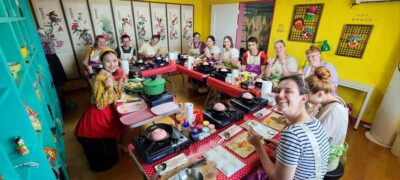
Korean Cooking Class at a Local Home and Market Tour
Read our review →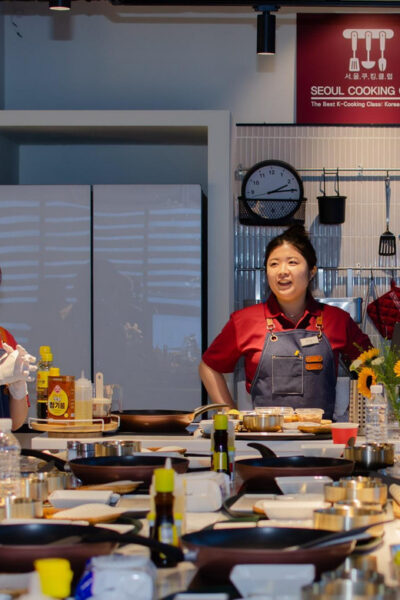
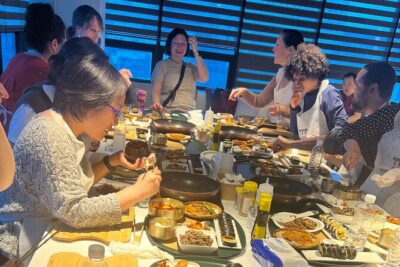
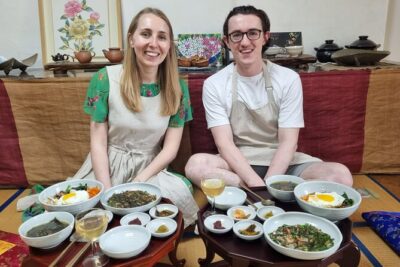
Busan Tailored Korean cooking class (Vegan OK)with market tour
Read our review →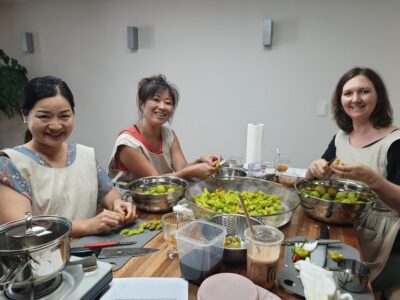
Small-Group Traditional Korean Food Cooking Class
Read our review →Lists this class appears in