
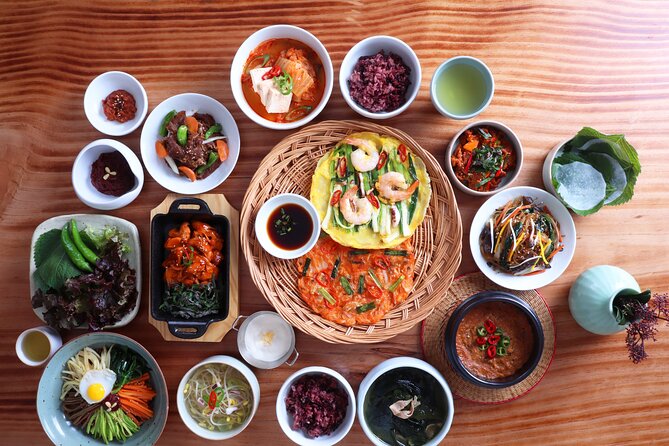
REVIEW · SEOUL, SOUTH KOREA
Master Korean traditional cooking with a Kimchi chef
Korean food starts at the market. I like the way this Seoul experience combines a walk through Gyeongdong Market with hands-on cooking, so you learn both what goes into the dishes and how to prepare them. I also like the small format, limited to seven people, which gives the chef time to help with knife work, seasoning, and timing.
The main consideration is that the menu changes by day. Thursday is for kimchi, Monday is for samgyetang, Friday is for bibimbap, and Tuesday or Saturday covers bulgogi, japchae, and doenjang jjigae. Sunday is devoted to Korean desserts, so check the date carefully before booking if you have one dish in mind.
The class begins at 10am at Jegi-dong Station and lasts about three and a half hours. At $85 per person, I see good value in the market visit, meal, instruction, and recipes you can use at home, though the experience is less suitable if you want a quick demonstration rather than active participation.
Key points to know before booking
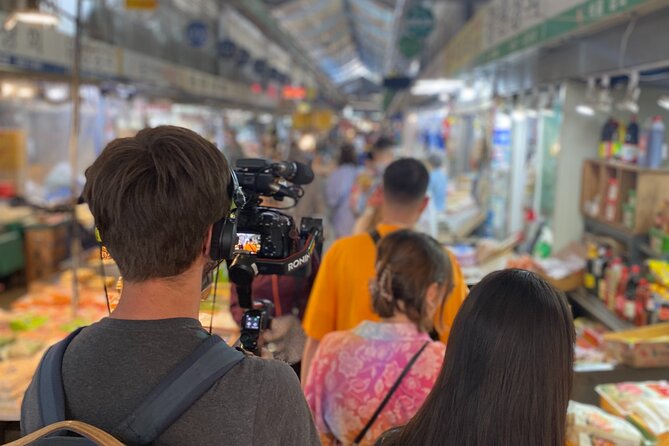
- Gyeongdong Market is part of the lesson: You shop for ingredients while learning about Korean food, herbs, vegetables, spices, and traditional medicine.
- The menu depends on the day: Choose Monday for samgyetang, Thursday for kimchi, Friday for bibimbap, Tuesday or Saturday for three savory dishes, and Sunday for desserts.
- You cook, rather than simply watch: Each person prepares portions of the menu before sitting down to eat.
- Chef Minseon receives especially warm praise: Her patience, clear English, friendly manner, and practical instruction make the class approachable for beginners.
- The group stays small: The experience is generally limited to seven people, with a maximum booking size of 10 listed in the practical details.
- Dietary needs can be discussed: Vegan and halal options are available, and the chef has accommodated dietary restrictions.
Why this Seoul cooking class feels different
Many food activities in Seoul keep you on the eating side of the table. This one puts you in the kitchen. You walk through a working market, choose ingredients, prepare several dishes, and then eat the meal you helped make.
I especially like that the market is not treated as a quick photo stop. Gyeongdong Market is known for food, vegetables, herbs, spices, and traditional medicine, and the class uses that setting to explain Korean ingredients in context. You are not just handed a list of items in a cooking room. You see where the ingredients are bought and get a better sense of how Korean households shop.
The experience also provides a friendly introduction to food culture for people who may not cook much at home. Several dishes are described as simple enough to repeat, and the class includes recipes or a cookbook to take away, depending on the session. That gives the $85 price more weight than a meal alone.
More Korean Cooking Classes in Seoul:
- Local Home Korean Cooking Class & Market Adventure in Seoul
★ 5.0 · 1,024 reviews - Seoul: Korean Cooking Class at a Local Home and Market Tour
★ 5.0 · 348 reviews - Seoul: Korean Cooking at Seoul Cooking Club!
★ 5.0 · 311 reviews
Meeting at Jegi-dong Station at 10am
You meet your guide a little before 10am at Exit 2 of Jegi-dong Station on Seoul Subway Line 1. The meeting point is near the Seoul Oriental Medicine Market, and the class returns to the same station exit at the end.
Allow extra time to find the correct exit. One participant became lost while looking for the meeting point, though Chef Minseon helped with directions. I would arrive early, keep the meeting instructions on your phone, and avoid treating the 10am start as a flexible suggestion.
The station meeting point works well because the activity is built around a local market rather than a hotel pickup. The tradeoff is simple: you arrange your own subway ride. Station pickup and drop-off are not included, but public transportation is nearby and the return to the same point makes the morning easier to plan.
Walking through Gyeongdong Market
The first stop is Gyeongdong Market, also called Kyung Dong Market in some descriptions. You walk through the market with your guide and buy the ingredients planned for that day’s menu.
This is one of the strongest parts of the experience. The market is large, and the food and medicine sections give you plenty to look at even before cooking begins. The guide explains ingredients and Korean food customs as you go, turning a shopping trip into a short cultural tour.
You may also sample something along the way. One class included traditional Korean donuts, adding a small snack to the market walk. The exact extras can vary, so I would treat this as a pleasant possibility rather than a guaranteed part of every date.
The market can feel more local than Seoul’s best-known sightseeing areas. That is useful if you want to see an ordinary food-shopping district and not just a polished tourist setting. It also means you should expect a working market with plenty of activity, rather than a quiet culinary museum.
The walk is short enough to connect the station, market, and cooking venue, but you should wear comfortable shoes. You are on your feet before the kitchen work begins, and the market itself is a major part of the morning.
The Korean-style kitchen and hands-on cooking
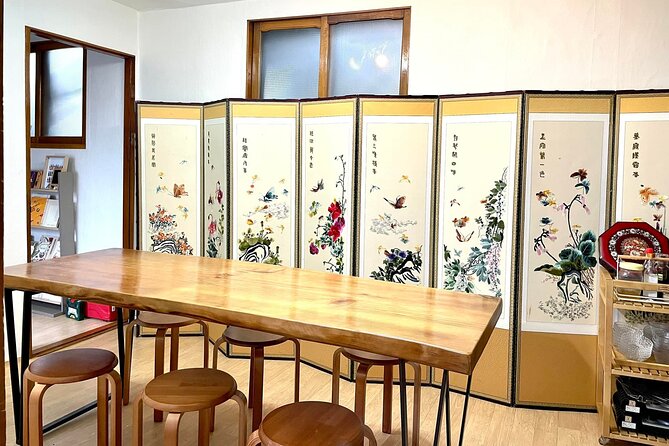
After shopping, the guide takes you to a nearby Korean-style house in a local neighborhood. Some descriptions of the venue call it a well-equipped cooking studio, so the exact feel may vary, but the setting is designed for practical instruction rather than a formal restaurant meal.
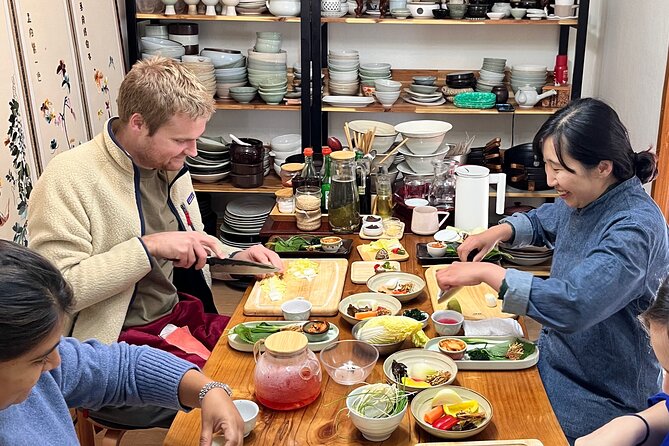
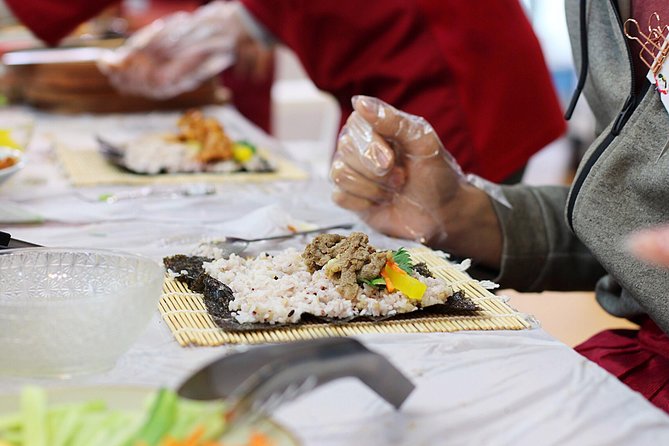
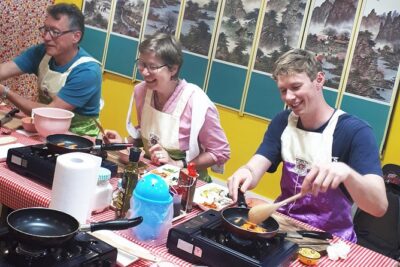
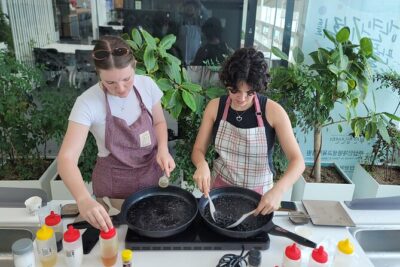
The class is hands-on. You do not simply watch the chef prepare everything while standing at a distance. Each participant prepares small portions of the full menu, with the instructor explaining ingredients, methods, and seasoning as the work progresses.
That distinction matters. If you want to learn how Korean food comes together, you can practice the steps yourself and ask questions as you go. If you prefer a passive demonstration, the three-hour format may feel more demanding than expected.
The chef keeps the pace organized. The cooking is broken into manageable tasks, and the class allows time for everyone to participate. This is where the limited group size helps. A class of up to seven gives the instructor a better chance to notice if you need help with a technique or are unsure about an ingredient.
The instruction is suitable for beginners. Chef Minseon is frequently praised for patience, clear explanations, and a friendly manner. English instruction is available, and the warm introductions at the start help people get comfortable with one another. That social touch is useful when you arrive alone or with only one companion.
Morning tea is included on all sessions. The meal or dessert is also included, depending on the menu and time of day.
A few more cooking classes around Seoul worth a look
- Korean Cooking at Seoul Cooking Club
★ 5.0 · 220 reviews - Seoul: Taste of Korea, Authentic Home Style Cooking Class
★ 4.9 · 166 reviews - Seoul: Royal Seoul Cooking Class in a 100-Year-Old Hanok
★ 5.0 · 96 reviews - Seoul: Kimchi Dishes Cooking Class with Wine Pairing
★ 4.7 · 38 reviews
Choosing the right menu day
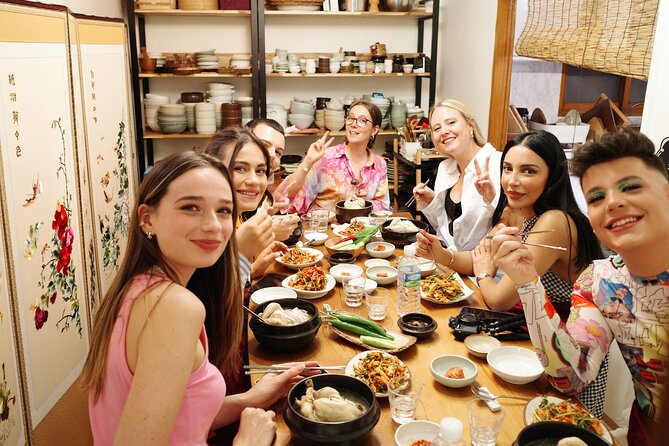
The date you select shapes the entire experience. Here is the practical breakdown:
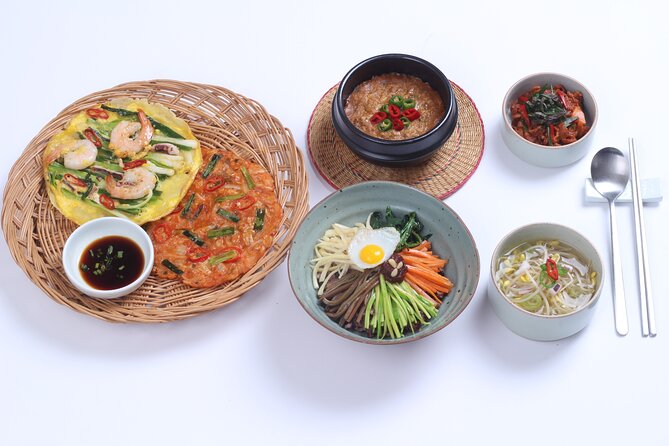
- Monday: Samgyetang, a traditional Korean chicken and ginseng soup.
- Tuesday or Saturday: Bulgogi, japchae, and doenjang jjigae.
- Thursday: Kimchi.
- Friday: Bibimbap.
- Sunday: A variety of Korean desserts.
The Tuesday and Saturday sessions offer the broadest savory menu, with three different dishes covering grilled or marinated meat, noodles, and fermented soybean stew. That makes them a good choice if you want a wider introduction to Korean home cooking.
Friday’s bibimbap class is appealing if you want to learn how separate vegetables, seasonings, and rice come together in one bowl. It also gives you a chance to work with more traditional ingredients rather than a simplified restaurant version.
Thursday is the obvious choice for anyone booking specifically for kimchi. The title of the activity highlights a kimchi chef, but kimchi is not the menu every day. Read the date details closely, especially if you are traveling around a fixed schedule.
Sunday’s dessert class offers something different. It may suit you if you have already taken a savory food class or want to explore Korean sweets instead of another full lunch.
The menu is planned in advance and includes three different items, although some class descriptions refer to four dishes or a larger amount of food. I would expect a generous, multi-dish cooking session, while keeping in mind that the exact number can depend on the date and menu.
Eating what you prepared
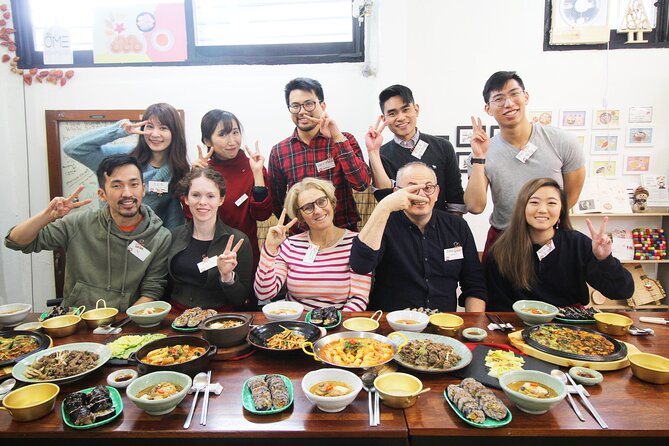
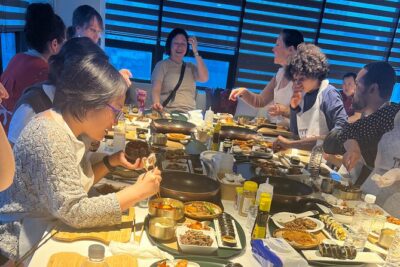
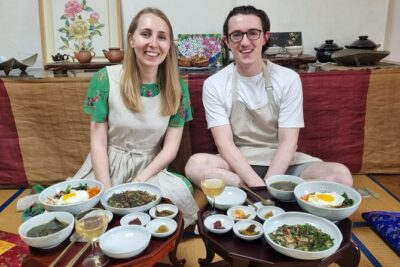
Once the cooking is finished, you sit down with the group and eat the completed meal. This is more than a convenient lunch. It gives you a chance to taste the results while the techniques and ingredients are still fresh in your mind.
The meal is one reason I consider the price reasonable. You receive a market walk, guided instruction, hands-on preparation, tea, and the food you make. Some participants also took food away when the portions were more than they could finish, though takeaway arrangements may depend on the day.
The shared table also gives the experience a social side. The guide introduces everyone, and the small group format makes conversation easier. You can come alone, as a couple, with a sibling, or with a family member, and still have a natural way to meet the rest of the group.
The class is listed as a private activity in the practical information, while the main description emphasizes a small group limited to seven. Since those details can be read in different ways, I would confirm the group arrangement when booking if privacy is important to you.
What makes the chef’s instruction valuable
A good cooking class depends heavily on the teacher, and this one receives particularly strong praise for the chef’s personal approach. Chef Minseon is described as patient, communicative, helpful, and able to explain techniques without making beginners feel awkward.
That matters in Korean cooking because several familiar flavors come from ingredients that may be new to you. Fermented soybean paste, kimchi, Korean seasonings, market herbs, and other regional ingredients can be difficult to understand from a recipe alone. Seeing them in the market and using them in the kitchen gives you a clearer starting point.
The class also appears well organized. Ingredients may be prepared ahead where helpful, while participants still handle meaningful parts of the cooking. That balance keeps the session moving without turning it into a staged show.
You may receive a recipe book or printed recipes to take home. This is a useful extra, since the best cooking class is one that continues after your flight home. Several dishes are described as realistic to recreate, even for people who do not usually cook.
Price, timing, and who gets the most value
At $85 per person, this is not a bargain meal, but it is priced as a half-day activity rather than lunch alone. I think the cost works best for you if you value instruction, market context, and a meal you actively prepare.
The three and a half hour duration gives the activity enough breathing room. You do not have to rush through the market, cook at full speed, and leave before tasting the food. The downside is that it uses most of a morning, so do not pair it with a tightly scheduled sightseeing plan on the same day.
The class suits:
- First-time visitors who want a practical introduction to Korean food.
- People who regularly book cooking classes while abroad.
- Beginners who want patient instruction.
- Solo participants and couples who enjoy a social setting.
- Families with older children, noting that only one child under 14 may participate in a class and children under six are not accepted for safety.
- Anyone with vegan or halal requirements, after confirming the preferred option.
It is less suitable if you want a private chef experience with no walking, dislike group activities, or only want to eat rather than cook.
The experience is commonly booked well ahead, with an average booking time of about 48 days before the date. That is a useful warning for a short Seoul trip, particularly if you need a specific menu day.
Practical details before you reserve
Confirmation is provided within 48 hours of booking, subject to availability. The experience requires at least one person, and the listed maximum booking size is 10, while the main description gives a group limit of seven.
Free cancellation is available until 24 hours before the local start time. Cancellations or changes made less than 24 hours before the start are not accepted for a refund. If the operator cancels because the minimum number is not reached, you are offered another date or experience, or a full refund.
The activity includes a local guide, group cooking class, and lunch, dinner, or dessert depending on your selection and timing. Subway transportation to and from Jegi-dong Station is your responsibility.
Should you book this Korean cooking class?
I would book it if you want food tied to place. The market visit gives the class a stronger sense of Seoul than a kitchen-only lesson, and the hands-on format means you leave with more than a full stomach.
Choose your date for the menu, arrive early at Jegi-dong Station, and expect to walk and participate. If kimchi is your priority, choose Thursday. If you want the widest savory introduction, Tuesday or Saturday is the safer pick.
For $85, this is a good choice for curious eaters, beginner cooks, and anyone who likes bringing part of a trip home in the form of recipes and new kitchen skills. Skip it only if your schedule is tight or you want a short food tasting with no cooking work.
FAQ
Where does the Korean cooking class begin?
The class begins at Jegi-dong Station Exit 2 on Seoul Subway Line 1, near the Seoul Oriental Medicine Market.
What time does the experience start?
The start time is 10am. You should meet the group a little before 10am.
How long does the activity last?
The experience lasts approximately three and a half hours.
What market do you visit?
The market stop is Gyeongdong Market, also referred to as Kyung Dong Market.
Is the cooking class hands-on?
Yes. Participants prepare small portions of the menu rather than only watching a demonstration.
What food will I cook?
The menu depends on the day. Monday features samgyetang, Thursday features kimchi, Tuesday and Saturday feature bulgogi, japchae, and doenjang jjigae, Friday features bibimbap, and Sunday focuses on Korean desserts.
Are vegan or halal options available?
Yes. Vegan and halal options are available.
Can children join the class?
Guests over 14 are charged the adult price. Up to one child can participate in each class, but children under six are not permitted for safety reasons.
What is included in the price?
The price includes the local guide, group cooking class, morning tea, and lunch, dinner, or dessert depending on the selected menu and time. Subway transportation to and from the meeting point is not included.
Just added around Seoul
- Seoul: Korean Kimchi Cooking Class in the Heart of the City★ 5.0 · 3 reviews
- Seoul: Premium Korean Feast Cooking Class★ 5.0 · 3 reviews
- Seoul: Korean Home Visit, Cooking & Cultural Experience★ 5.0 · 2 reviews
- Seoul: Kimchi Dishes Cooking Class with Wine Pairing★ 4.7 · 38 reviews
- Seoul: Korean Cooking Class with Local Grocery Shopping★ 5.0 · 13 reviews
- Seoul: Cooking Class and Tour with Michelin-Trained Chef★ 5.0 · 11 reviews
- Seoul: Authentic Korean Cooking Class and Market Tour★ 5.0 · 6 reviews
- (Seoul) Korean Cooking Class with a Professional Chef★ 5.0 · 14 reviews
Korean Cooking Classes, compared.
Local Home Korean Cooking Class & Market Adventure in Seoul
Read our review →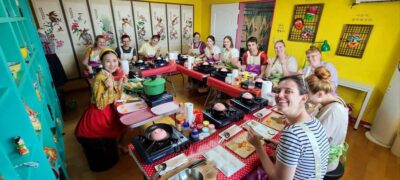
Korean Cooking Class at a Local Home and Market Tour
Read our review →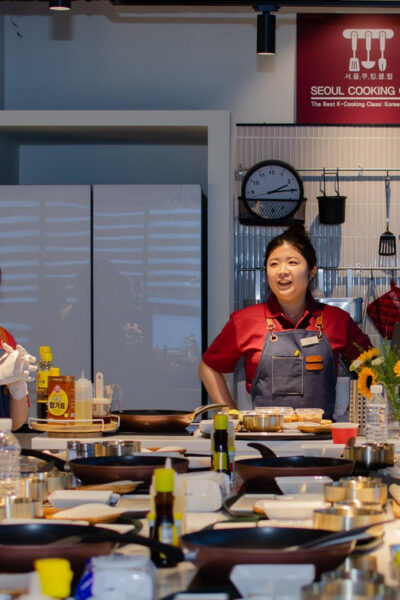
Busan Tailored Korean cooking class (Vegan OK)with market tour
Read our review →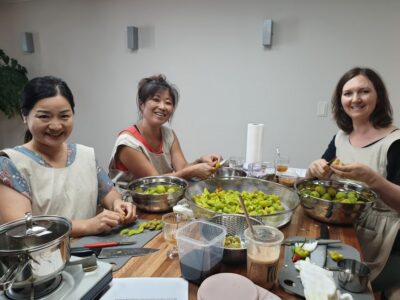
Small-Group Traditional Korean Food Cooking Class
Read our review →
Lists this class appears in