
REVIEW · GYEONGGI PROVINCE, SOUTH KOREA
Seoul: Temple Vegan Cooking Class & Oriental Medicine Tour
Seoul serves wellness with a side of snacks. This four-hour outing combines a vegan temple food class, traditional Korean medicine, fragrant tea, market tastings, and old-meets-new Seoul in one neatly packed experience. I like the chance to cook with a Buddhist monk, and I like that the tour moves beyond tourist sights into the everyday worlds of herbal shops, ginseng, street food, and Korean wellness.
The English-speaking guide helps make unfamiliar customs easier to follow, while the Oriental Medicine Museum and café add useful context to the market visit. The main thing to consider is the pace: this is a group tour, and you need to follow the schedule closely. Also, the cooking class is optional and can be canceled if fewer than three people sign up.
Key points at a glance
- Cook with a Buddhist monk: Prepare seasonal, meat-free temple dishes and eat them at the temple afterward.
- Taste Seoul’s everyday flavors: Sample simple market foods, nostalgic snacks, and modern street fare.
- Explore Cheongnyangni Market: See Korea’s major medicinal herb, fruit, vegetable, and ginseng trading area.
- Learn Korean wellness traditions: Visit the Oriental Medicine Museum and enjoy a drink at a medicine-themed café.
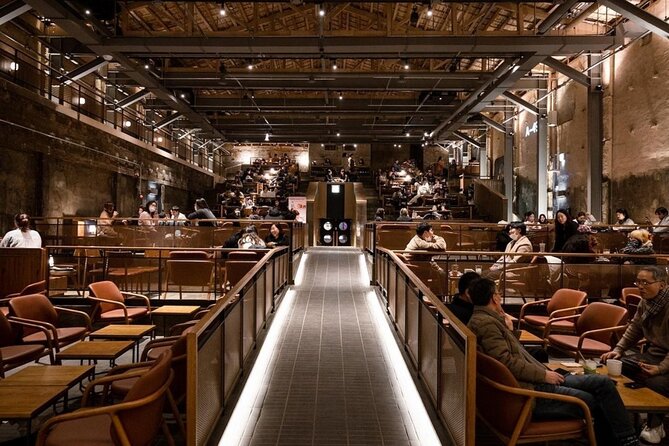
- See old Seoul in new form: Visit Starbucks Gyeongdong 1960, an old theater turned café, and Gold Star Radio LG.
- Plan for Saturday if possible: One detailed experience report says the cooking class was conducted in English on Saturdays, so confirm the language arrangements before booking.
From Anguk Station to a very Korean day
You meet at Anguk Station Exit 1, where the guide carries a Tripper sign. The tour ends at the same meeting point, which makes planning easier if you are staying in central Seoul or linking this outing with another visit.
The route brings together places that do not normally appear in one short tour. You begin with Buddhist food culture, then shift to medicinal herbs and ginseng, followed by museum displays, tea, cafés, and street food. I like this structure because it shows Korea as both traditional and thoroughly modern, rather than treating old customs as museum pieces.
The full experience lasts about four hours. That is long enough to cover several subjects, but not long enough for slow wandering or a relaxed market lunch. You should arrive ready to keep moving and listen closely to the guide.
The price is $76 per person. The value depends on which options are included in your booking, since the temple cooking class and transportation are listed as optional. Still, the base experience includes a licensed English guide, market tastings, healthy drinks and snacks, admission to the Oriental Medicine Museum, and one drink at an Oriental Medicine Café. For a visitor who wants several small cultural experiences in one outing, that can be a fair price.
More Vegetarian Cooking Classes in Seoul:
- Oaxacan Vegetarian Cooking Class
★ 5.0 · 235 reviews - Marrakech: Moroccan Cooking Class for vegetarians and vegan
★ 4.9 · 156 reviews - Hoi An: Vegetarian Cooking Class w Local Family and transfer
★ 4.9 · 145 reviews
Cooking temple food with a Buddhist monk
The most distinctive part of the day is the temple food cooking class. You work with a real Buddhist monk to prepare plant-based dishes based on Buddhist food traditions. An English interpreter is present, so you are not left guessing about ingredients, methods, or the ideas behind the meal.
Temple cuisine is not simply ordinary Korean food with the meat removed. It is tied to Buddhist practice, restraint, seasonal cooking, and respect for ingredients. The menu changes because it follows seasonal produce. That means you should not expect a fixed list of dishes, but it also means the class reflects the time of year.
Everything served in the temple food portion is meat-free. Vegans can take part without a problem, and vegetarians can eat freely. The food is also suitable for anyone curious about Korean cooking, even if you usually prefer grilled meat or seafood.
I especially like the fact that you eat what you prepare on-site. It turns the cooking lesson into a meal rather than a quick demonstration. The temple asks participants to finish the food there to avoid waste. If you want to carry leftovers, bring your own reusable container.
The cooking class is optional, so read your booking details carefully. It may also be canceled if the minimum group size of three participants is not reached. That is worth checking if the class is the main reason you are booking.
What the temple cooking class teaches you
The class gives you a practical way to understand Buddhist ideas. Instead of hearing a short lecture about temple cuisine, you handle ingredients and then taste the result. That helps explain why seasonal produce, moderation, and careful use of food matter in this tradition.
A previous participant praised the class as informative and especially easy for foreigners to follow. Another described the cooking as both useful and fun. Those points match the format: an interpreter, a hands-on lesson, and a meal eaten at the temple give you several ways to understand the subject.
Do not expect a restaurant-style feast with a long menu. The point is not luxury dining. It is learning how temple food is made and why the cooking follows particular rules.
If you are traveling with children, the class may hold their attention better than a museum alone because they get to make something. The schedule is still shared with other people, so you will need to keep up with the group.
Cheongnyangni Market and Korea’s medicinal traditions
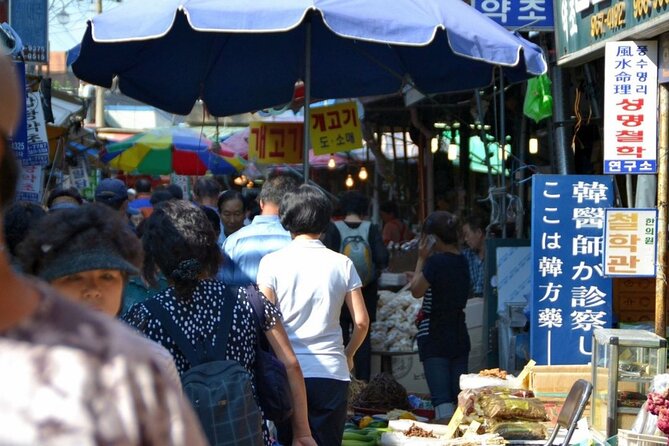
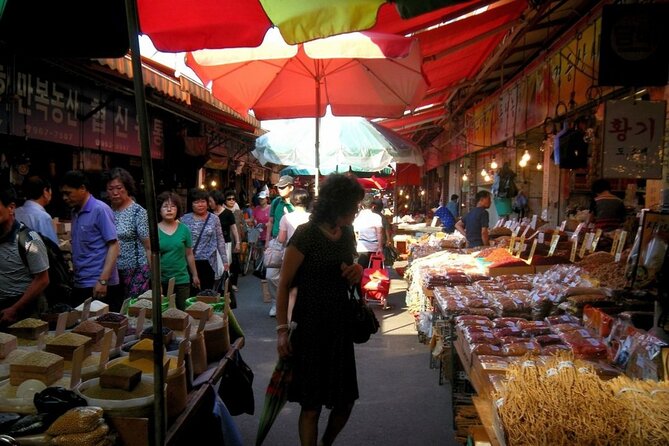
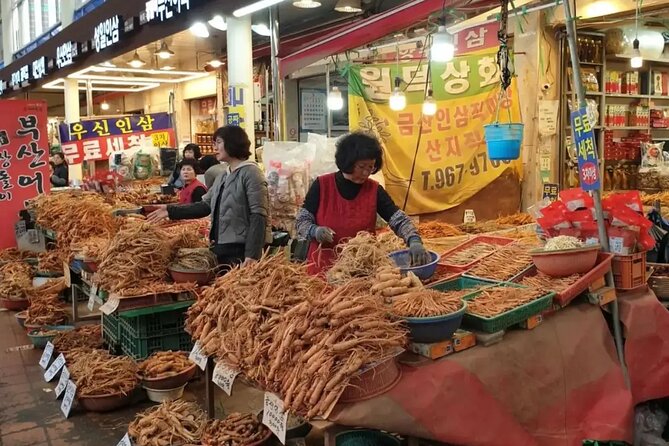
After the temple meal, the tour heads to Cheongnyangni Fruit and Vegetable Market, described as Korea’s largest and oldest traditional market. It is also a major center for medicinal herbs and ginseng.
This is where the day becomes especially useful for understanding Korean wellness culture. You will encounter the ingredients used in traditional remedies, with their strong aromas, unusual shapes, and many old associations. The guide explains how Korean medicine considers body types and recommends particular foods for different constitutions.
That idea can seem unfamiliar if you mainly think of food as fuel or medicine as something bought at a pharmacy. The tour gives you a basic introduction to the Korean approach, including the connection between diet, body type, and health. It does not replace a medical consultation, but it gives you a cultural framework for understanding the shops and products around you.
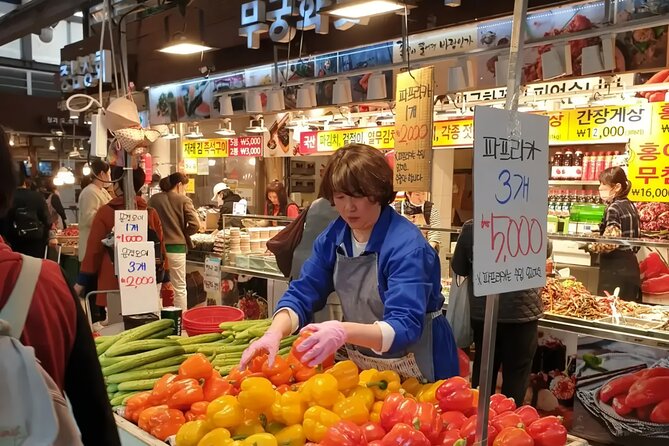
Market tastings are included. You can try fruits, snacks, healthy beverages, and other simple foods, but these are samples rather than a full meal. Bring Korean won if you want to buy extra items. Card payment should not be assumed for every market purchase.
The market is a sensory stop, not a polished shopping center. You might find the smells and displays unfamiliar, and the tour schedule leaves limited time for browsing on your own. That tradeoff is part of the experience. You see more with a guide, but you give up some freedom to linger.
More Food Trips in Seoul:
- Small Group Cooking Class & Market Food Tour in Florence
★ 5.0 · 1,574 reviews - Athens: Food Market Visit and Cooking Class with Wine
★ 4.9 · 1,087 reviews - Undiscovered Charleston: Half Day Food, Wine & History Tour with Cooking Class
★ 5.0 · 948 reviews - Vietnamese Food Cooking Class in Hanoi with Market Experience
★ 5.0 · 778 reviews
The Oriental Medicine Museum and a cup of tea
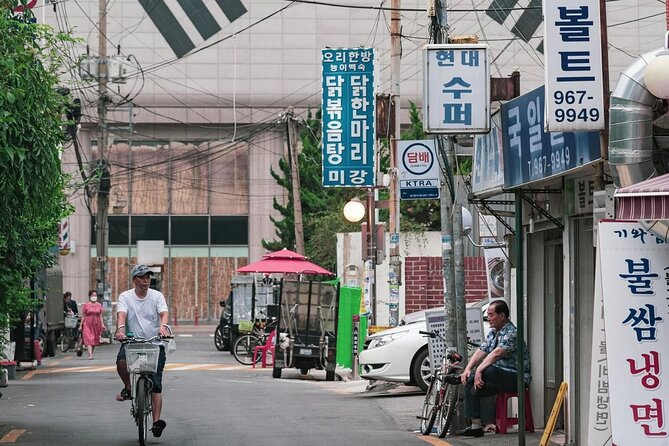
Admission to the Oriental Medicine Museum is included. This visit adds structure to what you see in the market by showing the ideas and objects connected with traditional Korean medicine.
You also receive one drink at an Oriental Medicine Café. The emphasis is on traditional Korean tea and wellness rather than a standard coffee stop. I like this pause because it gives you time to absorb the market visit while trying a drink linked to the theme of the day.
One participant particularly valued learning how Korean medicine relates body types to food recommendations. That is likely to be one of the more interesting parts for visitors who want more than a quick tasting. The guide can explain the cultural background, while the museum provides a visual reference.
The experience also includes a look at Korean wellness equipment and massage culture. One detailed account praised a hand massage, foot massage, and back massage, saying the treatments helped after several days of walking in Korea. Massage appears to be part of the Oriental Medicine portion, but the exact format may vary, so you should confirm what is included in your chosen booking.
Another participant wanted more explanation of how older remedies connect with present-day Korean life. That is a fair expectation to manage. The tour introduces traditional medicine and modern wellness, but four hours does not allow for an expert course in either subject.
Starbucks Gyeongdong 1960 and Gold Star Radio LG
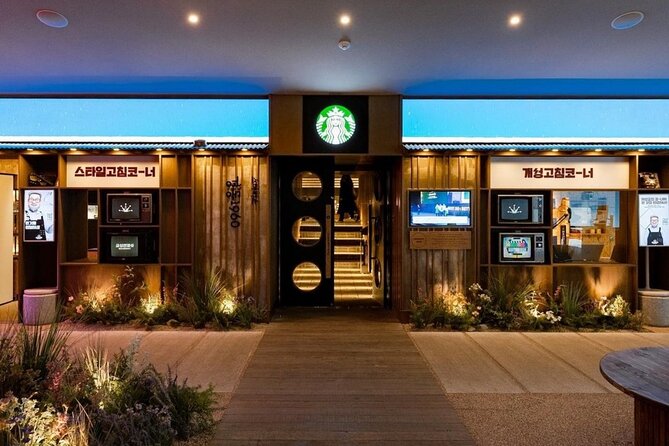
The tour also explores two places that show how Seoul repurposes its past.
Starbucks Gyeongdong 1960 occupies a former theater. The setting connects a familiar international café brand with an older local building, giving you a quick lesson in how Seoul refreshes historic spaces for modern use. You are not simply stopping for coffee. You are seeing a piece of the city’s changing commercial identity.
Gold Star Radio LG brings another kind of nostalgia. It presents vintage Korean electronics, offering a look at earlier consumer technology and the brands that shaped modern Korean life. This stop should appeal to anyone interested in design, old radios, household goods, or the speed of Korea’s economic change.
These places keep the tour from becoming a single lesson about temples and medicine. They show how Korean culture carries old habits forward while giving them new uses. The contrast is one of the strongest features of the itinerary.
Street food, snacks, and small tastes
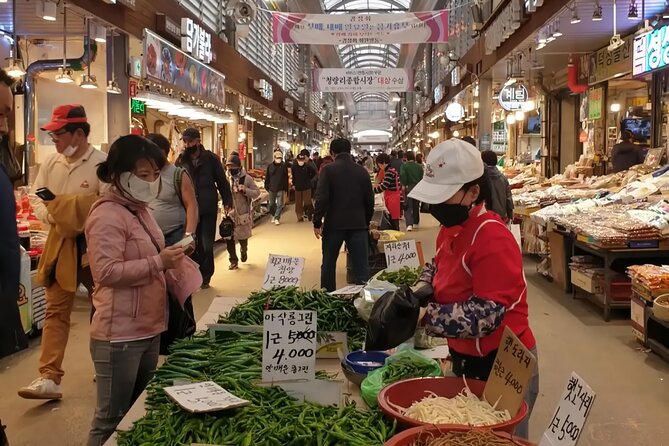
Food appears throughout the outing, but this is not a food tour in the sense of sitting down for several large courses. You sample market foods, nostalgic Korean snacks, healthy drinks, fruits, and modern street food.
That approach suits you if you want variety. You can try several everyday flavors without committing to a full serving of something unfamiliar. It also lets the guide explain where foods fit into ordinary Korean life.
The small portions are a practical advantage, especially after the temple meal. They are less useful if you arrive expecting a substantial lunch. I would eat a light breakfast before meeting the group, then treat the tastings as the day’s food trail.
The market food is for sampling only. Bring cash in Korean won for anything beyond the included tastings. The tour provider also asks you to finish temple food at the site unless you bring a reusable container.
Guides, language, and group pace
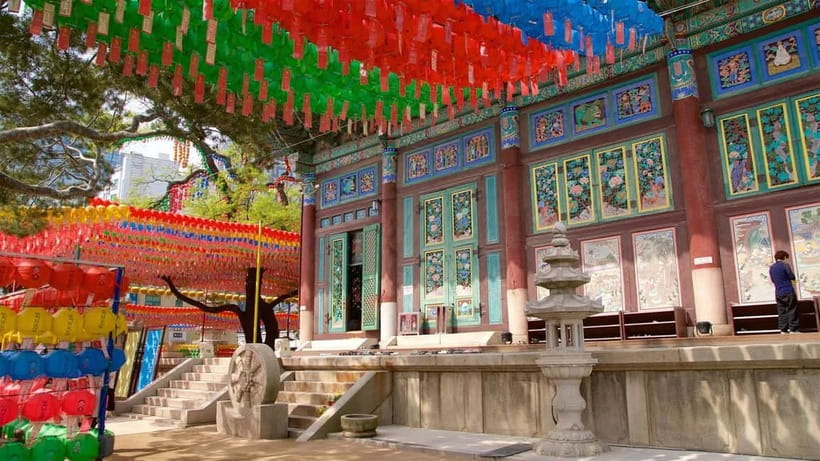
The tour is conducted in English with a professional licensed guide. Specific guides praised in detailed accounts include Gina, Ms. Jade, and BJ. Gina was appreciated for explaining Korean food and medicine, while Ms. Jade was described as lively and kind. BJ received especially strong praise from someone who booked a slot and found the experience unexpectedly private with VIP-style attention.
That last point should not be treated as a promise. The advertised format is a group tour, so your group size and level of personal attention may vary. A smaller group can make the cooking and questions feel more personal, while a larger group may mean less time with the guide.
One useful language tip comes from a participant who said Saturday classes were conducted in English. Since the activity is advertised with an English guide but the cooking class may involve separate interpretation arrangements, confirm the date and language details before you pay.
You also need to follow the schedule strictly. The tour covers several locations in four hours, and waiting too long at the market could affect the next stop. If you prefer unplanned wandering, this may feel brisk. If you want a well-organized introduction to several parts of Seoul, the structure works in your favor.
Who will enjoy this four-hour tour?
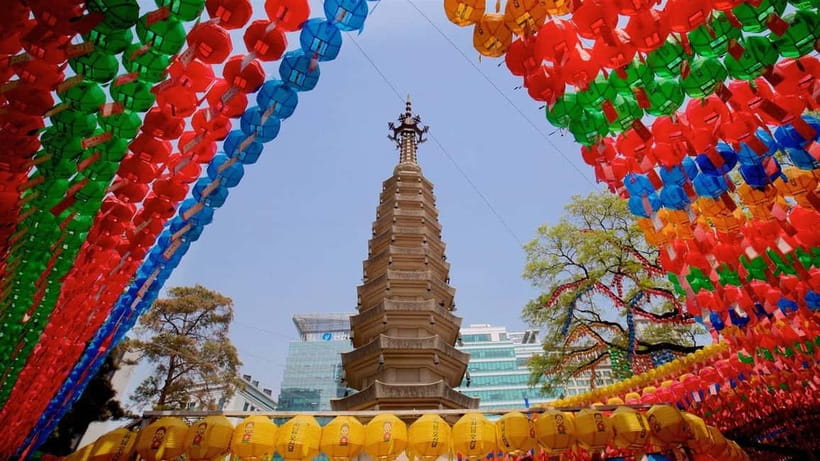
I would recommend it most strongly to:
- Vegans and vegetarians who want more than a restaurant meal
- Food-focused visitors curious about Korean ingredients and Buddhist cooking
- First-time visitors who want a guided introduction to traditional markets
- People interested in herbal medicine, ginseng, tea, and body wellness
- Anyone who enjoys seeing old buildings and vintage products alongside modern Seoul
- Visitors who prefer several short experiences rather than one long museum visit
It is less suitable if you want a full restaurant meal, lots of free shopping time, or a slow private tour. It also may disappoint if the optional cooking class is the only part you care about and the minimum group size is not met.
Cancellation is free up to 24 hours before the activity, and you can reserve now and pay later. Those terms help if your Seoul schedule is still changing, but they do not remove the need to check whether the cooking option and transportation are included in your price.
Should you book this Seoul food and wellness experience?
Book it if you want to connect several parts of Korean culture in one morning or afternoon: Buddhist cooking, medicinal herbs, ginseng, traditional tea, market snacks, vintage technology, and modern cafés. The strongest reasons to go are the monk-led temple food lesson and the guided explanation of Korean medicine.
I would choose the temple cooking option when available, especially if you are vegan or vegetarian. I would also aim for a Saturday if the English-language class detail is confirmed for your date.
Skip it if you want a flexible market crawl or a large meal. At $76, the value is best when you make full use of the guide, museum entry, café drink, tastings, and cooking class. For a compact, culturally focused introduction to Seoul’s food and wellness traditions, it earns a place on your shortlist.
FAQ
Where does the tour begin?
The meeting point is An-guk Station Exit 1. The guide will be holding a Tripper sign.
Where does the tour end?
The activity ends back at the meeting point.
How long does the experience last?
The tour lasts four hours. Starting times vary, so check availability for your preferred date.
Is the tour conducted in English?
Yes. The activity includes a live English-speaking guide, and an English interpreter is provided for the temple cooking experience.
Is the temple food vegan?
Temple food contains no meat. The activity is suitable for vegans and vegetarians, although the seasonal menu changes each time.
Is the cooking class included?
The Temple Food Cooking Experience is listed as optional. Check your selected booking to see if it is included.
Can the cooking class be canceled?
Yes. The cooking class may be canceled if the minimum number of participants, three people, is not reached.
Are food tastings included?
Yes. Fruits, healthy beverages, snacks, and simple market foods are included. The market food is for tasting only.
Should I bring cash?
Yes, bring Korean won if you want to buy extra items at the market. Additional purchases are not included in the tour.
Just added around Seoul
- Seoul: Korean Kimchi Cooking Class in the Heart of the City★ 5.0 · 3 reviews
- Seoul: Premium Korean Feast Cooking Class★ 5.0 · 3 reviews
- Seoul: Kimchi Dishes Cooking Class with Wine Pairing★ 4.7 · 38 reviews
- Seoul: Korean Cooking Class with Local Grocery Shopping★ 5.0 · 13 reviews
- Seoul: Korean Home Visit, Cooking & Cultural Experience★ 5.0 · 2 reviews
- Seoul: Cooking Class and Tour with Michelin-Trained Chef★ 5.0 · 11 reviews
- Seoul: Authentic Korean Cooking Class and Market Tour★ 5.0 · 6 reviews
- (Seoul) Korean Cooking Class with a Professional Chef★ 5.0 · 14 reviews
Vegan & Vegetarian Cooking Classes, compared.
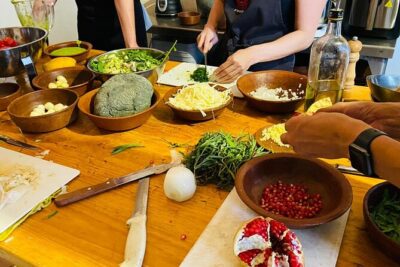
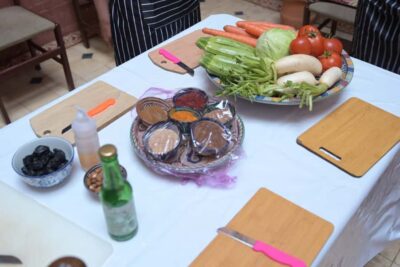
Moroccan Cooking Class for vegetarians and vegan
Read our review →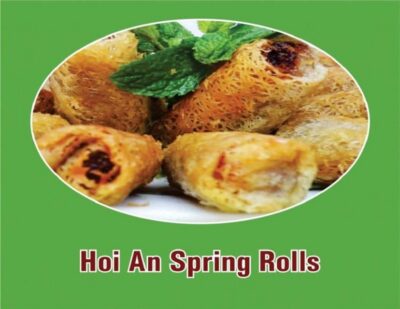
Vegetarian Cooking Class w Local Family and transfer
Read our review →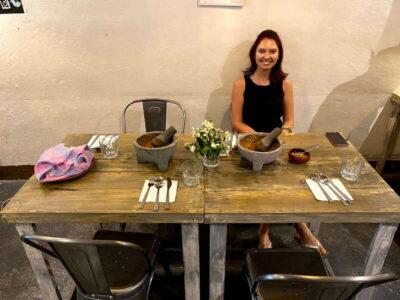
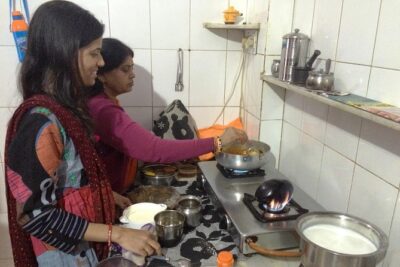
Jaipur Market Tour & Vegetarian Rajasthani Home Cooking Class
Read our review →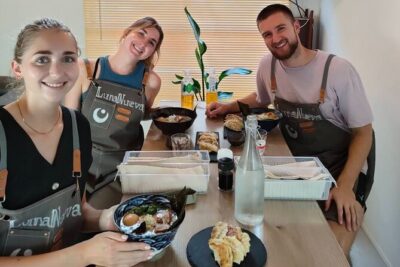
Ramen & Dumpling Cooking in Tokyo with Chef/Vegan possible
Read our review →Private Cooking Class – Personalized menu with glutenfree & vegan
Read our review →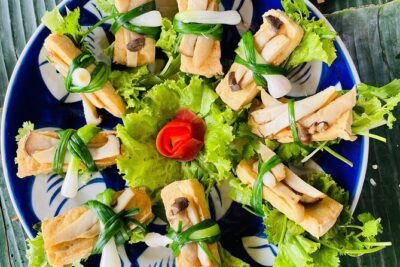
Hoi An/Da Nang: Vegetarian Cooking Class & Basket Boat Ride
Read our review →Lists this class appears in