
REVIEW · OKINAWA, JAPAN
Okinawa: Traditional farming experience & cooking and a meal
Fresh food tastes better with a story. This Sesoko Island farming experience links the garden, kitchen, and dining table in one friendly 150-minute outing. I like the hands-on harvesting and the chance to make kusu, a traditional Okinawan seasoning normally kept within families. I also like that local farmers explain why food matters here, rather than simply handing you a finished dish. One point to check is the timing: the advertised duration is 150 minutes, while the schedule describes a 10-minute walk plus one hour each for farming, cooking, and eating.
You meet at かどや製麺所 星降る森のビアガーデン, then walk to the farming area on Sesoko Island. The private group format should make it easier to ask simple questions and work at your own pace. The experience costs $61 per person, a fair price if you value local contact, a meal, and the take-home kusu more than a quick sightseeing stop.
Key things to know before you book
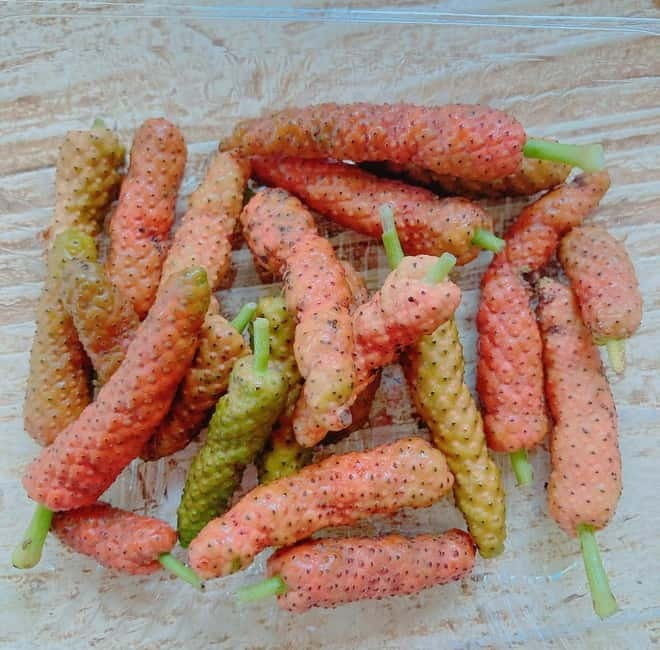
- Harvest your own ingredients: You take part in agricultural work and gather seasonal vegetables, herbs, flowers, and other local produce.
- Make Okinawan kusu: You prepare a traditional seasoning from a family-style recipe and take your finished creation home.
- Eat what you help prepare: The meal uses freshly harvested vegetables along with other local ingredients.
- Meet local farmers: Farmers explain their work, answer questions, and connect everyday food with Okinawan customs.
- Choose your language: Live guidance is available in Chinese, English, and Japanese.
- Plan for a private outing: You are not placed into a large shared group, which suits families, couples, and small parties seeking personal attention.
Why this experience feels different from a standard cooking class
Many cooking classes begin with bowls of pre-measured ingredients. This one begins outdoors, with the soil and the plants. You first see where part of the meal comes from, then bring that connection into the kitchen.
That order matters. When you feel the texture of a herb or vegetable in your fingers, the meal becomes more than a plate of regional food. You understand the work behind it, and you hear directly from people who grow what you eat. The farmers are there to explain even basic points, so you do not need a background in agriculture or Japanese cuisine.
The experience also gives Okinawan food a useful setting. Instead of treating local dishes as a list of exotic names, the activity connects them to the island’s customs and seasonal produce. You learn through doing, not through a long talk.
I especially like the mix of practical work and cultural detail. You harvest, prepare, cook, eat, and make a small food product to carry home. That gives the experience a clear rhythm and keeps it from feeling like either a lecture or a simple lunch.
A few more cooking classes around Japan worth a look
- Ramen Cooking Class at Ramen Factory in Kyoto
★ 5.0 · 1,937 reviews - Ramen & Gyoza Cooking Class in Tokyo with Local Supermarket Visit
★ 5.0 · 823 reviews - Kyoto: Ramen Cooking Class at a Ramen Factory with Souvenir
★ 4.9 · 532 reviews
Starting at かどや製麺所 and walking to the farm
Your meeting point is かどや製麺所 星降る森のビアガーデン. From there, you walk for about 10 minutes to the Sesoko Island activity area. That short walk is part of the outing, but it is worth planning for comfortable shoes and suitable clothing.
The meeting point is practical because the experience begins and ends there. You do not need to arrange separate transport between the farm, kitchen, and meal. Still, the supplied timing deserves attention: a 10-minute walk followed by three one-hour sections would take longer than 150 minutes. Ask for the exact start and finish time when you book, especially if you have a ferry, restaurant reservation, or another scheduled activity afterward.
This is not a polished attraction built around quick photo stops. The appeal is the change from town to rural surroundings and the chance to spend time with people who work with the land. The pace should suit you if you prefer a small, active experience over a large bus tour.
Harvesting vegetables, flowers, and local ingredients on Sesoko Island
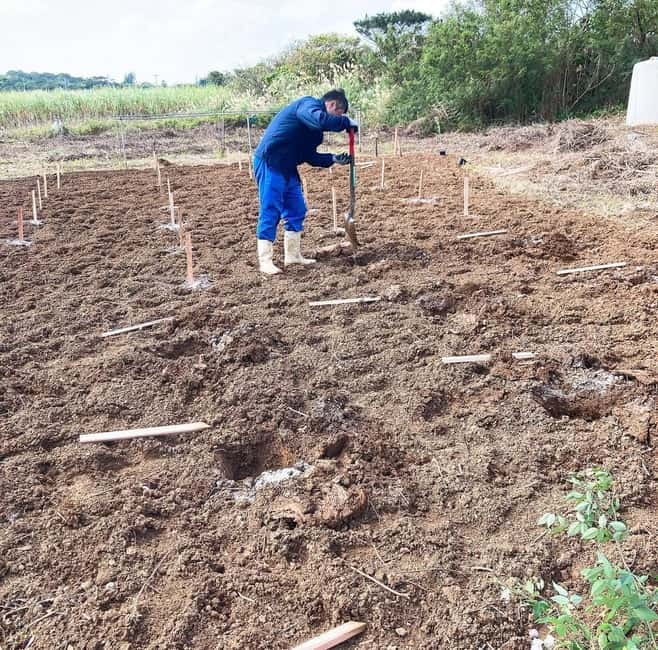
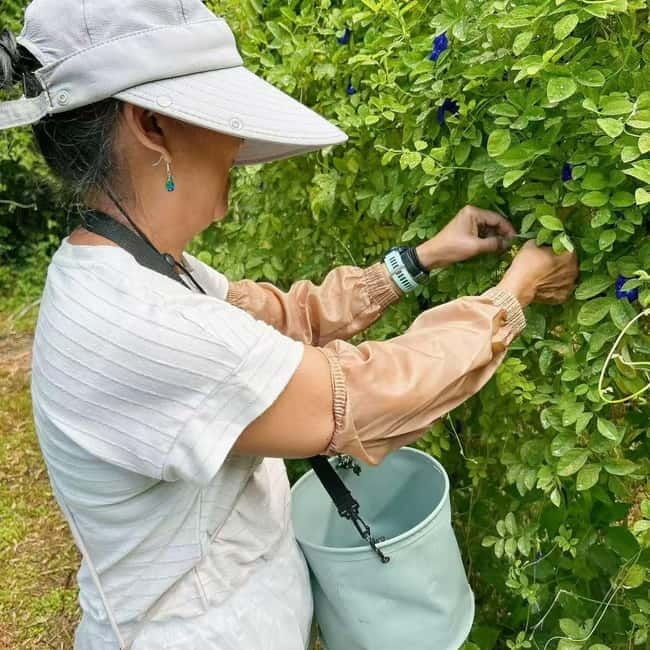
The farming portion lasts about one hour in the planned schedule. You take part in harvesting vegetables and ingredients native to Sesoko Island, with local farmers showing you what to pick and how to handle it.
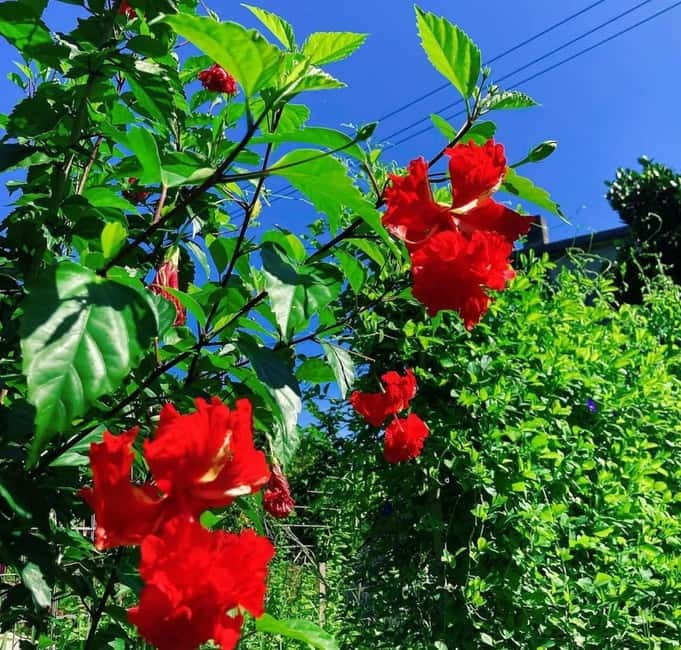
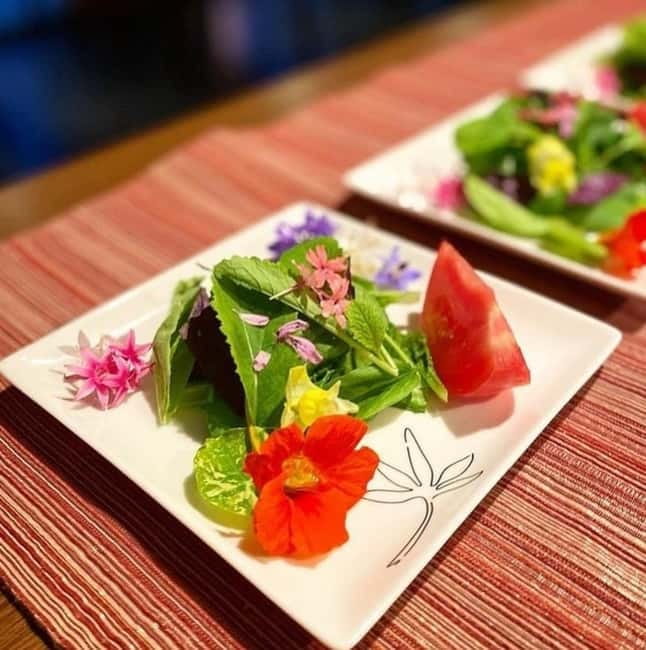
The supplied details also mention flowers and herbs. One guest particularly enjoyed eating handpicked flowers in Okinawan style, while another enjoyed learning about different flowers in the garden. That suggests the harvest may include more than the usual leafy vegetables, though the exact produce will depend on the season.
This is where the activity earns much of its value. You are not just told that Okinawan food depends on local agriculture. You touch the plants, gather ingredients, and then see them used in your meal. The work is likely gentle and guided, but you should still wear clothes that are comfortable for an outdoor activity.
The farmers are a major part of the experience. They share information about growing food and explain the importance of agriculture to the island. You can ask questions in English, Chinese, or Japanese through the live guide, and the private format should make conversation easier than it would be in a large class.
You should not expect a full farm workday. This is an introduction to local growing and harvesting, not a serious agricultural training session. That is good news for most visitors, especially if you want a manageable activity that combines food and culture without requiring specialist skills.
Making kusu, the secret Okinawan seasoning
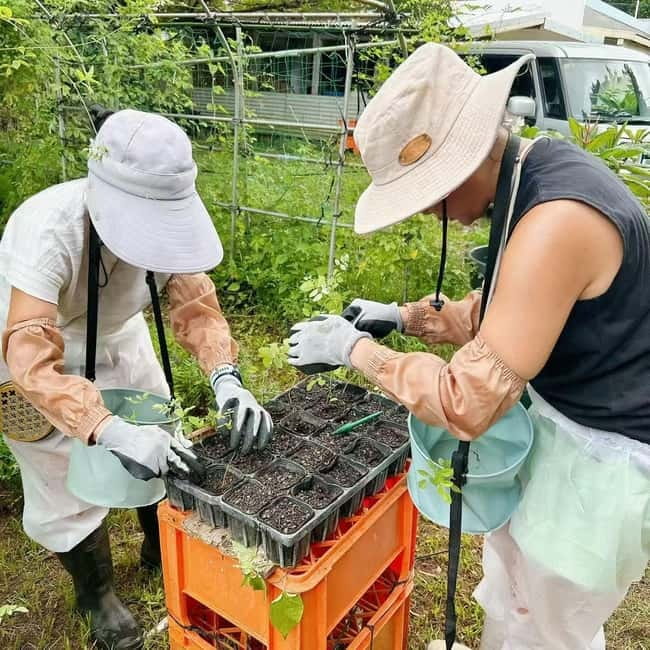
The most unusual part is the kusu activity. You learn to make a traditional Okinawan seasoning based on a recipe passed down through generations. The description presents it as a closely guarded family tradition, shared with participants as a special part of the day.
The exact ingredients and method are not specified, so you should not expect to know every detail before arriving. That mystery is part of the fun. You make your own batch and keep it as a souvenir, giving you something more personal than a standard shop purchase.
One useful practical detail comes from the feedback of Yannik from Germany. He needed help sending the finished secret elixir by post, and the staff supported him with the mailing process. That does not guarantee international shipping arrangements for every participant, but it shows that the provider has helped with postage before. If you want to send your kusu home rather than carry it, ask about the current options during the activity.
This section also gives the experience a stronger cultural purpose. Okinawan cuisine is not only about ingredients. It includes household methods, family recipes, and ways of preserving flavor. Making kusu gives you a small look at that private side of food culture.
Same place, a different thing to cook:
- Sushi Making Osaka! Popular Sushi Class in Japan!
★ 5.0 · 500 reviews - Kyoto: Ramen, Gyoza, and Onigiri Cooking Class
★ 5.0 · 445 reviews - Tokyo Tsukiji Fish Market Tour and Sushi Making Lesson
★ 5.0 · 390 reviews - Kyoto: Japanese Washoku Bento Small Group Cooking Class
★ 5.0 · 380 reviews
Cooking a meal from the harvest
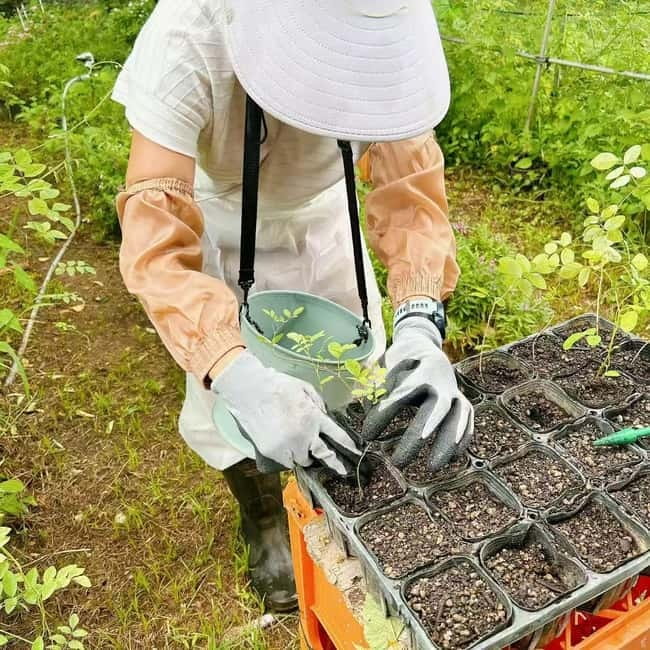
After the farm visit, you prepare traditional Okinawan dishes using seasonal ingredients, including some of what you gathered. The cooking class lasts about one hour in the planned schedule.
The strongest feature here is continuity. You do not harvest one set of ingredients and cook an unrelated menu. The produce follows you from garden to kitchen. You can watch, handle, and prepare food that you just encountered outdoors.
Mei received specific praise for explaining each step clearly. Another guest appreciated learning about flowers, making the secret recipe, and preparing lunch with the garden produce. Those comments point to a class built around patient instruction rather than a rushed demonstration.
You should expect to participate, not simply watch a chef work. The supplied information does not specify the exact dishes, cooking tools, or menu for each date, so the final food will likely reflect seasonal availability. That is a strength for authenticity, but it means you should not book this expecting one fixed signature dish.
The cooking portion should work especially well for people who want a cultural activity with a real result. Families can share tasks, couples can cook together, and food-focused visitors get a clearer sense of how local ingredients are used at home. If you prefer passive sightseeing, the hands-on format may feel like more effort than you want.
Sharing the meal with farmers and local people
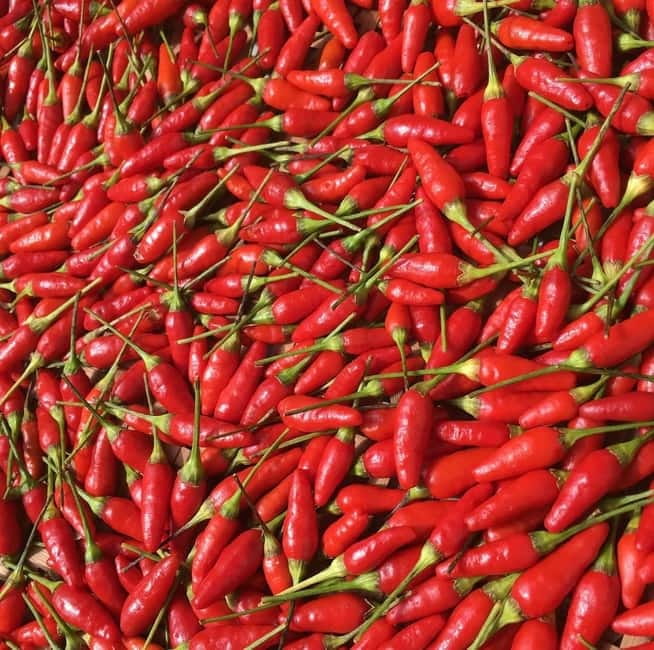
The final part is a meal and tasting session using freshly harvested vegetables and other Okinawan ingredients. The planned schedule gives one hour to eating, which is enough time to sit down, taste the food, and talk rather than rush through a snack.
This shared table is central to the experience. The meal gives you time to ask about the farm, the ingredients, and the traditions behind the dishes. It also lets you compare the fresh produce before and after cooking.
The feedback is particularly strong on the food. Enza from Belgium described the meal as delicious after taking part in several activities. Yannik called the outing a highlight of his Japan trip and enjoyed eating the handpicked flowers in Okinawan style. Elizabeth from the United States recommended it after learning about the flowers, making the secret recipe, and cooking lunch from the garden.
Those comments highlight the main payoff: you are not just collecting facts about Okinawan cuisine. You are eating a meal connected to the work you have just done. That makes the table conversation feel more natural and gives the activity a warm, social ending.
Alcohol is not included, so budget separately if drinks are available for purchase. The information does not confirm what other beverages are offered. The meal itself is included and uses local ingredients.
Cost, group size, and what the $61 covers
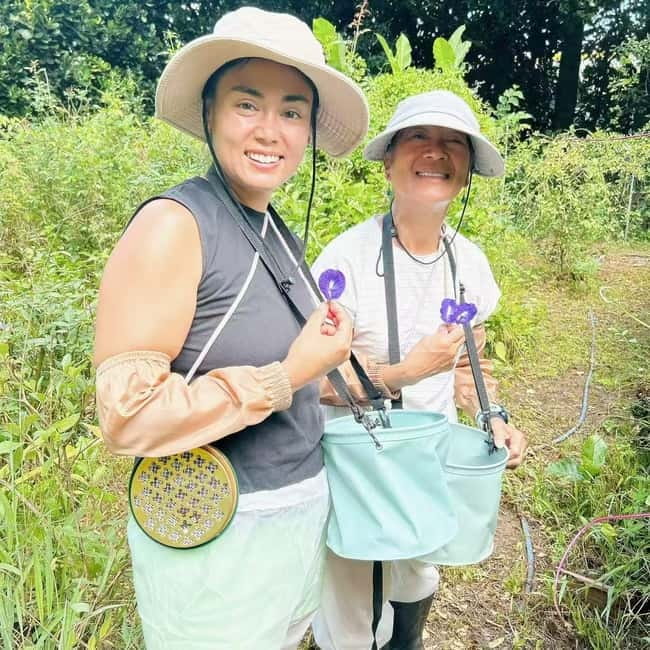
At $61 per person, this is good value if you want several experiences in one: agricultural activity, cooking instruction, a meal, local conversation, and a handmade food souvenir. A simple restaurant meal might cost less, but it would not include the farm visit or the personal guidance.
The private group format adds value for people who want to ask questions or need explanations in a particular language. It should also help families and small groups take part together without being separated from a larger crowd.
The price is less compelling if you only want to taste Okinawan food. You are paying for the full process, so book it for the contact and participation, not just the meal. Alcohol is extra, and the information does not list any other optional costs.
You can reserve now and pay later, which helps if your Okinawa schedule is still changing. Free cancellation is available up to 24 hours before the activity for a full refund. Starting times vary, so check the available time before committing to other plans.
Who should book this Sesoko Island experience
I would choose this activity if you want a slower, more personal look at Okinawa. It suits people who enjoy food, gardens, local traditions, and conversation more than sightseeing from a vehicle.
It is also a good match for:
- Couples seeking a shared activity with a meal at the end
- Families who want children to see where food comes from
- Visitors interested in regional cooking rather than generic Japanese dishes
- Small groups that prefer a private setting
- People who want a useful, edible souvenir
- Anyone looking for a guided activity in English, Chinese, or Japanese
You should think twice if you dislike outdoor work, cooking, or communal meals. The activity asks you to participate at every stage. It is not designed as a short tasting where you sit back while someone else does everything.
The information says it is not suitable for people with altitude sickness. Sesoko Island is not presented as a high-altitude destination, but that restriction is part of the operator’s stated guidance, so take it seriously if it applies to you.
Practical preparation for the farm and kitchen
Wear comfortable clothes and shoes. You will walk to the activity area, spend time harvesting, and take part in cooking, so formal clothing would be out of place.
Bring water. The supplied guidance does not specify how much outdoor time is spent in direct sun, so staying hydrated is sensible. You may also want room in your bag for the kusu you make, especially if you plan to carry it rather than mail it.
The languages offered are Chinese, English, and Japanese. The activity has a live guide, and Mei is one guide praised for explaining each stage clearly. The experience description also names Master Jun, so the person leading your session may vary. Confirm the guide arrangements if a particular language is important to you.
One small bonus appears in the local setting: Enza from Belgium mentioned meeting many adorable cats at the site. Cats are not listed as a formal part of the activity, so treat that as a possible extra, not a promised feature.
Should you book it?
Book this experience if you want Okinawa through its food and people, not only its beaches and famous sights. The strongest reasons are the garden-to-table flow, the private group setting, the local farmers, and the chance to make kusu for yourself.
At $61, it offers solid value because the price combines hands-on farming, a cooking class, a meal, and interaction with local people. Confirm the precise timing before booking, since the stated 150 minutes does not perfectly match the one-hour farming, cooking, and meal blocks plus the walk.
Skip it if you want a tightly timed attraction, a fixed menu, or a purely sightseeing-based activity. For everyone else, this is a thoughtful way to spend part of your Okinawa visit, with a souvenir that carries more meaning than something pulled from a shop shelf.
FAQ
Where does the experience start?
It starts at かどや製麺所 星降る森のビアガーデン.
How do I reach the Sesoko Island activity area?
You walk from the starting location to Sesoko Island for about 10 minutes.
How long does the experience last?
The advertised duration is 150 minutes. The schedule also describes about one hour for the visit, one hour for cooking, and one hour for the meal, plus the walk, so confirm the exact timing when you book.
What is included in the price?
The experience includes the agricultural activity, a meal made with local ingredients, and interaction with local farmers.
Is alcohol included?
No. Alcoholic drinks are not included.
What languages are available?
Live guidance is available in Chinese, English, and Japanese.
Is this a private experience?
Yes. It is offered as a private group activity.
What should I bring?
Bring comfortable shoes, water, and comfortable clothing.
Can I cancel for a full refund?
Yes. You can cancel up to 24 hours in advance for a full refund.
Can I reserve now and pay later?
Yes. You can reserve your place and pay later, which allows you to keep your travel plans flexible.
Just added around Japan
- Cooking Class: Make a Local Delicacy in a Japanese House★ 5.0 · 7 reviews
- Culinary Home Cooking with Grandmothers – Vegan Friendly★ 5.0 · 5 reviews
- Nagoya Super Market Tour & Home Cooking Class with a Local, Akiko★ 5.0 · 10 reviews
- Tokyo: Sushi Cooking Class with Sake Tasting★ 4.8 · 55 reviews
- Tokyo: Sushi roll and side dish cooking experience★ 5.0 · 2 reviews
- Tokyo: Sushi Making Experience & Japanese Cooking Class★ 5.0 · 2 reviews
- Tokyo: Gyoza Making from Scratch – Ultimate Cooking Class★ 5.0 · 2 reviews
- Tokyo: Night Cooking Class: 5 Home-Cooked Japanese Dishes★ 4.9 · 13 reviews
Cooking Classes, compared.

Half-Day Thai Cooking Class at Organic Farm in Chiang Mai
Read our review →

3 in 1 Cooking Class near Navona: Fettuccine, Ravioli & Tiramisu
Read our review →
Pasta & Tiramisu Cooking Class with Unlimited Wine
Read our review →
Hanoi Cooking Class: Culture, Local Market & Meaning CSR Impact
Read our review →
5 Traditional Dishes Hanoi Cooking Class with Market Trip
Read our review →
Cooking Class and Lunch at a Tuscan Farmhouse with Local Market Tour from Florence
Read our review →
Cooking Class, Market & Thai Herbs Garden Tour
Read our review →Lists this class appears in