
REVIEW · OKINAWA, JAPAN
Okinawa: Traditional Cooking Class at Ufuyaa
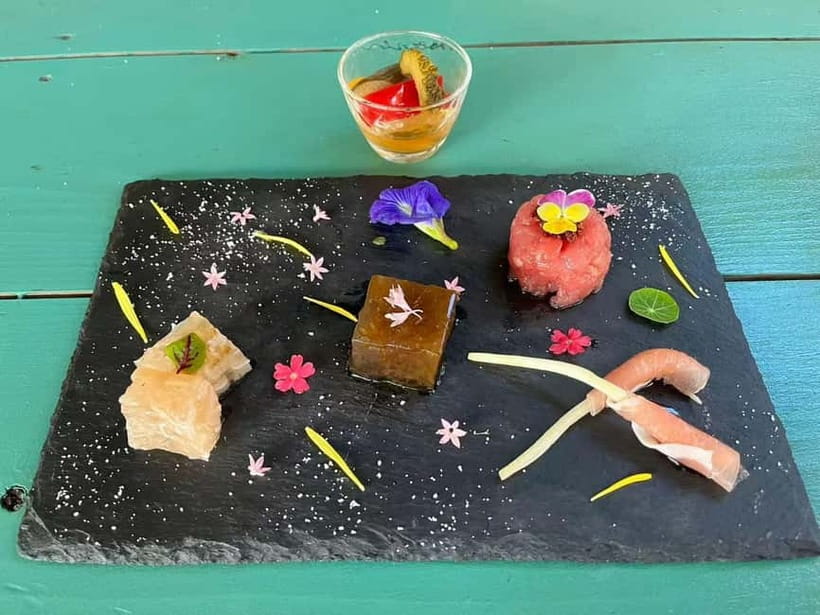
Good food opens doors. At Ufuyaa on Sesoko Island, you learn to prepare Okinawan favorites in a traditional house, with local instructors explaining the stories and customs behind each dish. I like the hands-on cooking and the chance to use fresh seasonal island ingredients, including produce you may help pick yourself. I also like that English guidance and interpreters make the class friendly to beginners.
The main consideration is location. You must make your own way to 59, Sesoko Island, and transportation is not included. Alcohol costs extra, too, though non-alcoholic drinks are part of the $57 price. If you want a quick meal with no participation, this is not the right pick. If you want to spend real time with Okinawan food and people, it offers far more than a restaurant visit.
Key points at a glance
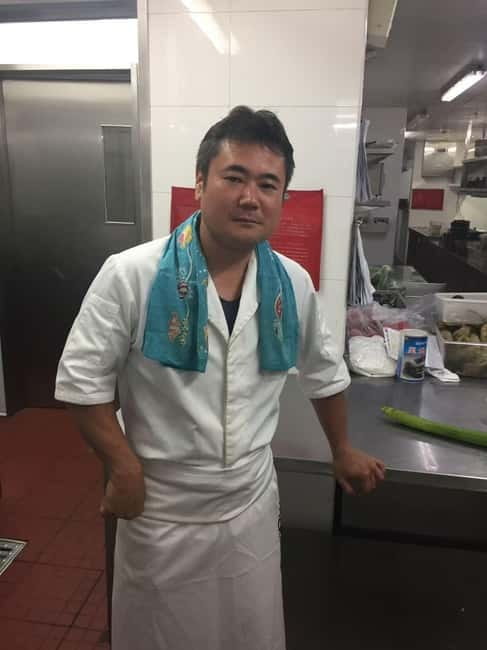
- Four Okinawan dishes in one class: Prepare Goya Champuru, Rafute, Jiimami Tofu, and Aasa Soup, with the menu built around local ingredients.
- A traditional house on Sesoko Island: The setting gives the meal a strong sense of place instead of putting you in a standard cooking studio.
- Fresh ingredients can come from the garden: One memorable session included picking ingredients and cutting lemongrass to help keep mosquitoes away.
- Local food comes with local stories: You learn about seasonality, the meaning of dishes, family recipes, and even a few Okinawan words.
- Beginner-friendly instruction: Step-by-step help is offered in English, with interpreters available when needed.
- Useful take-home value: You leave with cooking skills you can use to recreate Okinawan flavors at home.
Cooking in a traditional Okinawan house
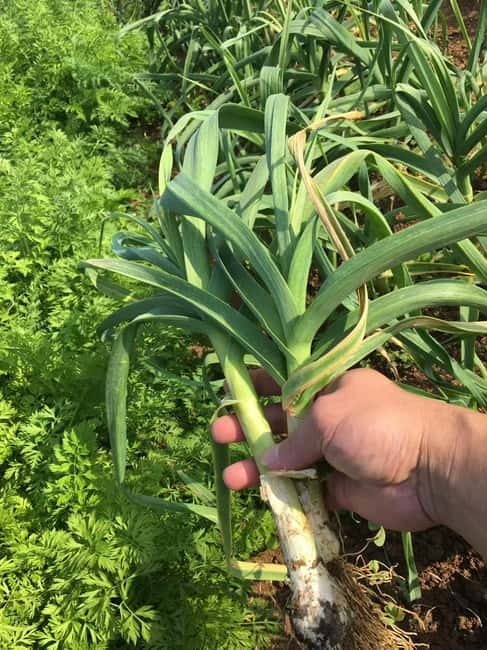
Ufuyaa begins with its setting. You meet at 59, Sesoko Island, Okinawa, Japan, and the class takes place in a traditional Okinawan house. That matters because the surroundings help connect the food to daily island life. You are not simply following a recipe under bright lights in a generic classroom.
The house also sets a relaxed tone for the meal. The class is presented as a shared activity, with local hosts explaining how the dishes fit into Okinawan food culture. You get the chance to ask questions as you work, rather than listening to a long talk before cooking begins.
I especially like this format for people who want contact with local life but do not speak Japanese. Food gives you an easy way into the conversation. Even simple tasks, such as preparing vegetables or learning the name of an ingredient, can lead to a story about family cooking, the island, or the time of year.
The exact group size and class length are not specified, so you should not book this expecting a fixed schedule down to the minute. Morning and afternoon sessions are available. Ask the provider about the timing that fits your day, especially if you have other plans on Sesoko Island.
A few more cooking classes around Japan worth a look
- Ramen Cooking Class at Ramen Factory in Kyoto
★ 5.0 · 1,937 reviews - Ramen & Gyoza Cooking Class in Tokyo with Local Supermarket Visit
★ 5.0 · 823 reviews - Kyoto: Ramen Cooking Class at a Ramen Factory with Souvenir
★ 4.9 · 532 reviews
Four dishes that explain Okinawan cooking
The menu includes four local dishes: Goya Champuru, Rafute, Jiimami Tofu, and Aasa Soup. This is a useful combination because it gives you more than one taste of the region. You work with a stir-fried favorite, a slow-cooked pork dish, a peanut-based specialty, and a soup connected to island ingredients.
Goya Champuru
Goya Champuru is one of Okinawa’s best-known home-style dishes. The name is closely linked with bitter melon and the idea of mixing ingredients together. In class, you learn how the dish is prepared and why the ingredients matter, rather than simply copying a set of instructions.
This is a good dish for a cooking class because the finished result depends on preparation and balance. You can see how a strong local ingredient becomes part of a satisfying meal. The instructor’s explanation adds useful context, particularly if bitter melon is new to you.
Rafute
Rafute is braised pork belly, prepared slowly until the meat becomes tender. It gives the class a different rhythm from Goya Champuru. You learn about a dish that takes patience and has a clear place in Okinawan cooking.
Because Rafute is a familiar style of comfort food in many parts of Asia, you may find it easier to connect with. The Okinawan version still has its own identity, and the class explains the local meaning and preparation rather than treating it as just another pork dish.
Same place, a different thing to cook:
- Sushi Making Osaka! Popular Sushi Class in Japan!
★ 5.0 · 500 reviews - Kyoto: Ramen, Gyoza, and Onigiri Cooking Class
★ 5.0 · 445 reviews - Tokyo Tsukiji Fish Market Tour and Sushi Making Lesson
★ 5.0 · 390 reviews - Kyoto: Japanese Washoku Bento Small Group Cooking Class
★ 5.0 · 380 reviews
Jiimami Tofu
Jiimami Tofu is a traditional Okinawan specialty made with peanuts. Despite its name, it is not the same as ordinary soy tofu. The dish shows how island cooks have used available ingredients in creative ways.
It is also a useful reminder that Okinawan cooking is not limited to the better-known pork and vegetable dishes. You get a broader view of the local table, including textures and ingredients you may not encounter in standard Japanese cooking.
Aasa Soup
Aasa Soup rounds out the menu with a simple soup made from a local sea vegetable. It brings the surrounding island environment into the meal without turning the class into a lecture.
The soup also helps balance the other dishes. You prepare several different foods, then sit down to enjoy a complete meal rather than tasting one recipe in isolation. Four dishes for $57 gives the class solid food value, especially when you count the instruction and cultural explanation.
From garden ingredients to the finished meal
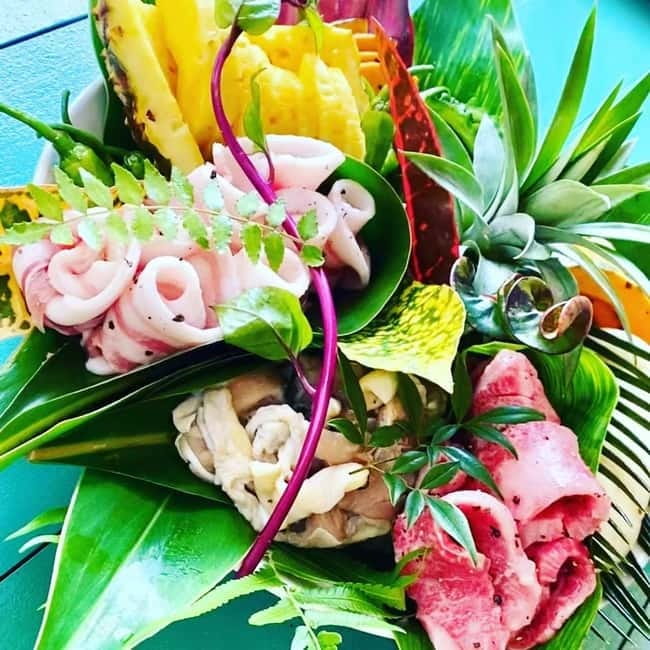
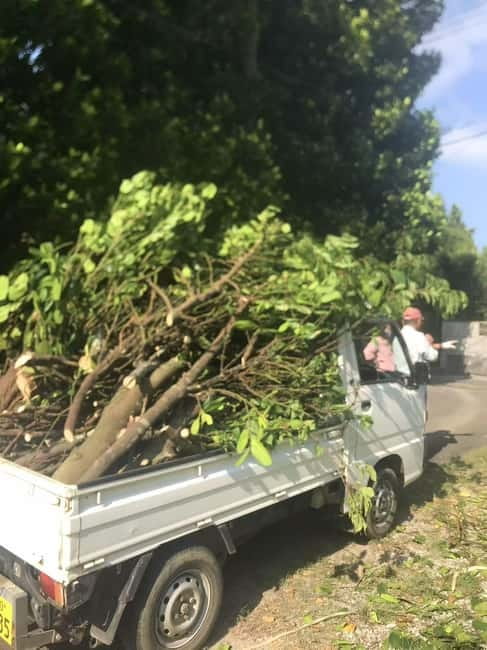
One of the most appealing details is the possibility of helping pick ingredients. A session included gathering some produce and using freshly cut lemongrass from the garden. The lemongrass served a practical purpose too, helping ward off mosquitoes during the evening.
That small detail says a lot about the style of Ufuyaa. The experience is not built only around polished presentation. It connects cooking with the source of the food and with everyday island habits. You may find that this simple garden element becomes as memorable as the recipes.
The use of seasonal ingredients is another strength. You learn that Okinawan cooking changes with what is available, instead of treating recipes as fixed formulas that never vary. This can help you cook more confidently at home. If one ingredient is unavailable, you understand the principle behind the dish and can make a sensible substitute.
Do not expect a formal farm tour or a guaranteed list of garden activities. The supplied details only confirm that ingredient picking can be part of the experience. Still, the opportunity adds a nice touch when conditions allow it.
Stories, family recipes, and Okinawan words
The class is designed to teach more than technique. Local instructors share stories, family recipes, and the meaning behind the dishes. You also learn about the importance of particular ingredients and may pick up a few Okinawan words along the way.
I value this kind of explanation because food can otherwise become a checklist. You chop, stir, eat, and move on. Here, the cooking gives you a clearer sense of why the dishes matter and how they fit into local hospitality.
The family-recipe element is especially useful. You are not only learning a restaurant version designed for quick service. You are getting a glimpse of how Okinawan food is passed along in homes. That does not mean every recipe will be handed over in a precise written format, so bring a camera and take notes if the instructors allow it.
The evening atmosphere can also be social. A cooking session included time spent chatting with the host couple over dinner, with conversation about local cuisine and seasonality. This makes the experience a good fit for solo visitors who want some friendly contact, as well as couples and families who prefer a shared activity.
How beginner-friendly is the instruction?
You do not need prior cooking experience. The instructors provide step-by-step guidance in English, and interpreters are available. The listed languages include English, Chinese, Traditional Chinese, and Japanese.
That language range makes a real difference. Cooking instructions can become confusing when measurements, timing, and unfamiliar ingredients are involved. Clear guidance helps you take part instead of watching someone else do all the work.
The activity should suit different comfort levels. If you cook often, you can focus on local methods and ingredient choices. If you rarely cook, you can follow along without feeling that you are holding up the group. The key benefit is participation, not culinary perfection.
Still, keep your expectations sensible. The information does not promise a professional chef certification, printed recipe booklet, or advanced technique course. Think of it as a cultural cooking class with useful practical skills, not a formal cooking school.
What the $57 price really covers
At $57 per person, the class is priced above a simple restaurant meal but below many full-day food activities. The value comes from the combination of instruction, ingredients, use of the traditional house, cultural background, and the meal you prepare yourself.
You also receive non-alcoholic beverages. That helps keep the final cost clear. Alcoholic drinks are charged separately, so ask about the price before ordering if you want beer, wine, or another drink with the meal.
The class offers especially good value if you would otherwise pay for a meal and a separate cultural activity. You get both in one appointment, plus skills you can use later. The four-dish menu also gives you more substance than a class focused on one small snack.
The value is weaker if you are trying to keep your Okinawa schedule very tight, since transportation is not included and the duration is not stated. You need to allow time to reach Sesoko Island and return to your next stop. Since the meeting and dismissal point are the same, planning is straightforward once you have arranged your own transport.
Who should book this experience?
I would recommend Ufuyaa to you if you enjoy food, local conversation, and active sightseeing. It works well for:
- Solo visitors who want a friendly way to meet local hosts
- Couples looking for an evening activity with a meal
- Families and groups of friends who enjoy doing something together
- Beginners who want clear instruction without pressure
- Vegetarians, if you request an appropriate option in advance
- Anyone who wants to understand Okinawan food beyond restaurant menus
It may not suit you if you dislike cooking, have no time to reach Sesoko Island, or want a tour with a tightly fixed timetable. It is also not the best choice if you expect alcohol to be included in the base price.
Vegetarian options are available upon request, so contact the provider before booking rather than waiting until you arrive. The information does not specify vegan substitutions or details about allergies, so ask directly if those issues affect your meal.
Practical tips for a smoother visit

Wear comfortable clothes. Cooking can involve standing, preparation work, and handling ingredients, so formal clothing is not a good match. Bring a camera if you want to record the house, ingredients, or finished dishes.
Morning and afternoon sessions are available. Pick the time that works best with your transport plans, and remember that you must arrange transportation yourself. The meeting and departure point is 59, Sesoko Island, Okinawa, Japan.
The booking terms are flexible. You can reserve now and pay later, and cancellation up to 24 hours in advance qualifies for a full refund. That is useful if your Okinawa schedule may shift.
The overall rating is 5 based on two submitted ratings, so the score is encouraging but the sample is small. I would put more weight on the specific details: fresh garden ingredients, four dishes, relaxed conversation with the host couple, and the strong attention to local food traditions.
Should you book Ufuyaa?

Book it if you want to cook, eat, and talk your way into Okinawan culture. The combination of a traditional house, seasonal ingredients, four local dishes, and patient English guidance makes this a worthwhile choice for a half-day or evening plan.
I would skip it only if transport to Sesoko Island is inconvenient or if you prefer to spend your holiday meals being served. For everyone else, $57 is a fair price for a meal plus instruction and cultural context. You leave with more than a full stomach: you gain a practical way to bring Okinawa home.
FAQ
Where does the Okinawan cooking class take place?
The class takes place at 59, Sesoko Island, Okinawa, Japan. The same address is used for meeting and dismissal.
How much does the experience cost?
The price is $57 per person.
Is transportation included?
No. You are responsible for arranging transportation to and from the location.
What dishes will I learn to make?
The class includes Goya Champuru, Rafute, Jiimami Tofu, and Aasa Soup.
Do I need cooking experience?
No. Prior cooking experience is not required, and the instructors provide step-by-step guidance.
Is instruction available in English?
Yes. Guidance is available in English. Interpreters may also be available, and the listed languages include English, Chinese, Traditional Chinese, and Japanese.
Are vegetarian options available?
Yes. Vegetarian options are available upon request. Ask for this in advance.
Are drinks included?
Non-alcoholic beverages are included in the price. Alcoholic beverages cost extra.
Are morning and afternoon sessions available?
Yes. Sessions are available in both the morning and afternoon.
Can I cancel for a full refund?
Yes. You can cancel up to 24 hours in advance for a full refund.
Just added around Japan
- Cooking Class: Make a Local Delicacy in a Japanese House★ 5.0 · 7 reviews
- Culinary Home Cooking with Grandmothers – Vegan Friendly★ 5.0 · 5 reviews
- Nagoya Super Market Tour & Home Cooking Class with a Local, Akiko★ 5.0 · 10 reviews
- Tokyo: Sushi Cooking Class with Sake Tasting★ 4.8 · 55 reviews
- Tokyo: Sushi roll and side dish cooking experience★ 5.0 · 2 reviews
- Tokyo: Sushi Making Experience & Japanese Cooking Class★ 5.0 · 2 reviews
- Tokyo: Gyoza Making from Scratch – Ultimate Cooking Class★ 5.0 · 2 reviews
- Tokyo: Night Cooking Class: 5 Home-Cooked Japanese Dishes★ 4.9 · 13 reviews
Cooking Classes, compared.

Half-Day Thai Cooking Class at Organic Farm in Chiang Mai
Read our review →

3 in 1 Cooking Class near Navona: Fettuccine, Ravioli & Tiramisu
Read our review →
Pasta & Tiramisu Cooking Class with Unlimited Wine
Read our review →
Hanoi Cooking Class: Culture, Local Market & Meaning CSR Impact
Read our review →
5 Traditional Dishes Hanoi Cooking Class with Market Trip
Read our review →
Cooking Class and Lunch at a Tuscan Farmhouse with Local Market Tour from Florence
Read our review →
Cooking Class, Market & Thai Herbs Garden Tour
Read our review →Lists this class appears in