REVIEW · UNGUJA SOUTH REGION, TANZANIA
Zanzibar: Spice Farm Tour and Cooking Class with Lunch
Zanzibar grows flavor everywhere. This five-hour outing combines a guided spice-farm walk, village scenery, tropical fruit tasting, and a Swahili cooking class at Jambo Spice Farm Dole. I especially like the chance to smell and touch spices on the plants instead of seeing them only in market jars, and the meal gives you something useful to take home beyond photographs: a better feel for Zanzibar’s everyday cooking.
The price is reasonable at $63 per person because it includes hotel transport, a guide, ingredients, equipment, fruit, soft drinks, and lunch. The main caution is pickup reliability. One booking had a 90-minute delay, and another involved a wait of more than an hour after a driver collected the wrong people. Tipping requests and expensive spice sales can also make parts of the visit feel more commercial than local.
Key points at a glance
- Smell spices at the source: See, touch, and taste cloves, cinnamon, ginger, lemongrass, and other plants growing at Jambo Spice Farm Dole.
- Cook a real Swahili meal: Help prepare pilau rice, curry, side dishes, and dessert with a local chef, though the hands-on cooking level may be modest.
- Taste Zanzibar’s fruit: Pineapple, bananas, oranges, watermelon, red bananas, and small mangoes may be part of the tasting.
- Meet village residents: The walk passes through villages and plantations, with local laborers demonstrating how they collect plant material and climb trees.
- Expect a five-hour outing: About two hours are spent on the farm walk, followed by roughly 90 minutes for cooking and lunch, plus transport.
- Bring cash with care: Cash is useful for personal spending and tips, but several small tipping requests can affect how the experience feels.
From your hotel to the central spice farms
The day begins with pickup from your hotel in Stone Town, the Mjini Magharibi Region, Unguja North, or Unguja South. A van ride takes about an hour each way, so transport uses a sizeable part of the five-hour schedule. That is worth knowing before you book. This is not a quick stop between beach time and dinner.
Hotel pickup is included, and you are asked to provide the hotel name and room number. You meet the representative in the lobby or reception area. In most cases, this makes the morning simple, especially if you are staying outside Stone Town.
Still, I would confirm the pickup time and location directly before the day begins. The delayed pickups reported here were not small annoyances. Losing 60 to 90 minutes can shorten the farm visit and leave you feeling rushed. If your schedule includes a flight, ferry, or fixed dinner reservation, leave plenty of room afterward.
The tour is described as a private group experience, though no exact group size is given. Guides can operate in English, Italian, French, German, Portuguese, Spanish, Polish, Arabic, Swahili, Czech, Russian, and Romanian. That wide language range is useful for mixed-language families and couples, but you should select or confirm your preferred language when arranging the outing.
More Farm Cooking Classes in Tanzania
- Zanzibar: Spice Farm Tour with Traditional Cooking Lesson
★ 4.8 · 77 reviews - Zanzibar: Spice Farm Tour with Traditional Cooking Class
★ 4.6 · 16 reviews - A private half day spice farm with a cooking lesson
★ 5.0 · 13 reviews
Jambo Spice Farm Dole: learning with your senses
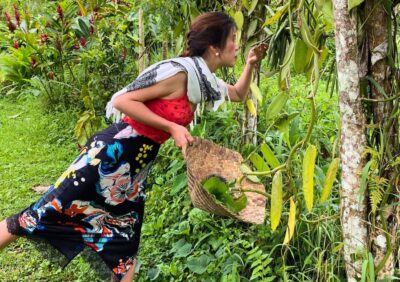
The main visit takes place at Jambo Spice Farm Dole in Zanzibar’s central region. The first farm section lasts about two hours and combines a guided walk, village views, plant identification, spice tasting, and short demonstrations.
This is the strongest part of the experience for me. A market display tells you what a dried clove or cinnamon stick looks like. Here, you can handle the plant material and connect the finished spice with its source. You may smell leaves, rub bark, taste fruit, and watch workers search for particular plants.
The tour covers familiar cooking ingredients such as cloves, cinnamon, ginger, and lemongrass. The value is not only botanical. Your guide explains how these ingredients are used in Zanzibar cuisine, so you begin to understand why spice is central to local meals rather than simply a souvenir theme.
You also get a look at the work involved. Laborers may climb spice trees and coconut trees, cut bark, and locate specific plants. The activity helps show that spices do not arrive in neat packets by magic. It also adds a human side to the farm visit, although some parts may feel like brief demonstrations rather than a long working session.
The walk passes through local villages and plantations. That gives you a glimpse of daily life beyond resort beaches and Stone Town’s historic center. Still, keep your expectations sensible. This is a guided tourist visit, not an extended village homestay. You see selected parts of village and farm life within a planned half-day outing.
Wear comfortable shoes. The route involves walking, and the farm portion takes up a substantial share of the day. A hat, sunscreen, and a camera are sensible choices. Zanzibar’s sun can make a gentle walk feel much harder than expected.
Fruit tasting, palm leaves, and a little theater
Fruit is one of the pleasures of the farm visit. The tasting may include pineapple, bananas, oranges, and watermelon, along with more unusual varieties such as red bananas and small mangoes. Some fruit is eaten on the spot, while the guide explains how it is used locally.
I like this part because it breaks up the spice explanations. Fruit gives you another way to use your senses, and it is easy to compare the flavor of a freshly cut tropical fruit with the versions you know from supermarkets. The exact selection can vary, so do not book this expecting one guaranteed menu of fruit.
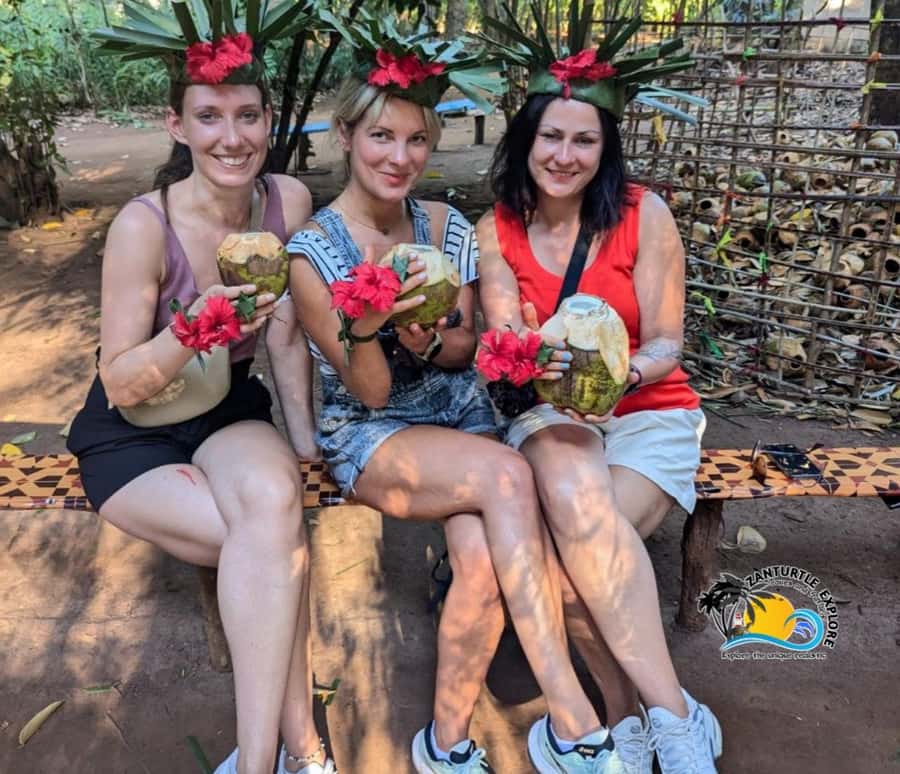
The farm also includes playful palm-leaf accessories. Local workers may make ties, rings, armbands, glasses, or crowns for you. A demonstration sometimes called the butterfly men involves people working with palm leaves. It is a lighthearted addition, especially for families and children, and it makes for memorable photographs.
The tradeoff is that several people may ask for tips during the day. One participant felt that almost everyone requested money, while another advised bringing cash because tips were requested from more than one person. Tipping a person who has spent real time guiding or demonstrating is one thing. Repeated small requests from people involved for only a few minutes can leave a sour taste.
You should also take care with spice purchases. Spices may be available at the farm, and one visitor found the prices better than those at Stone Town market. Another found them heavily overpriced. Ask the price before buying, compare quantities, and remember that you are free to walk away. The pleasant part of the farm visit should not pressure you into spending more.
Cooking pilau and curry with a local chef
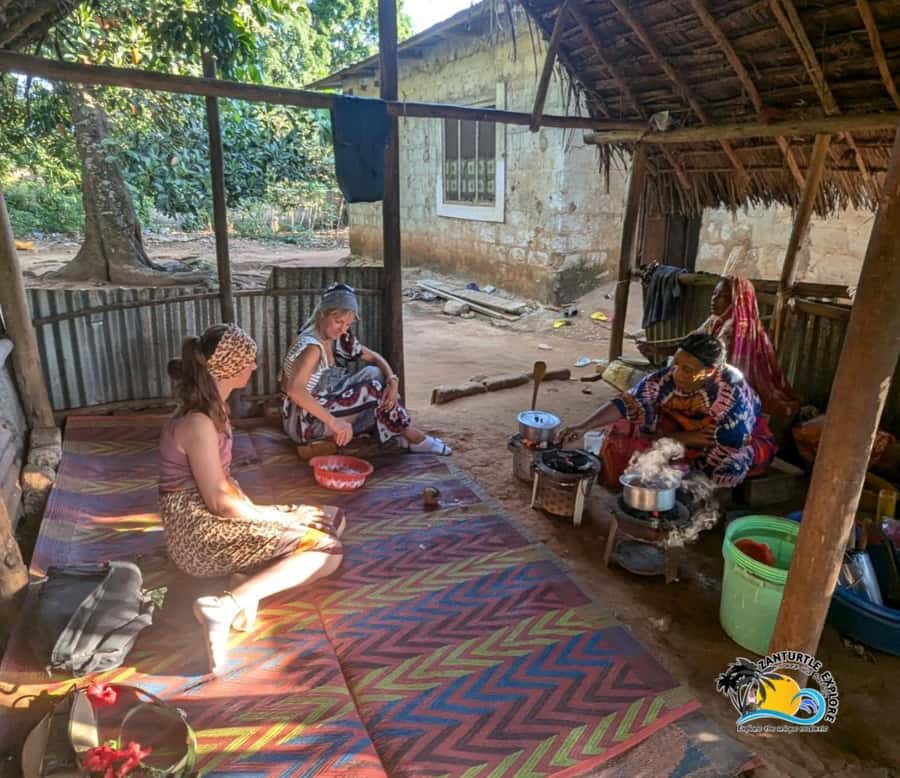
After the walking tour, you return to the farm cooking area for about 90 minutes of preparation, cooking, and lunch. The class includes ingredients, cooking equipment, a local chef, and the dishes you prepare together.
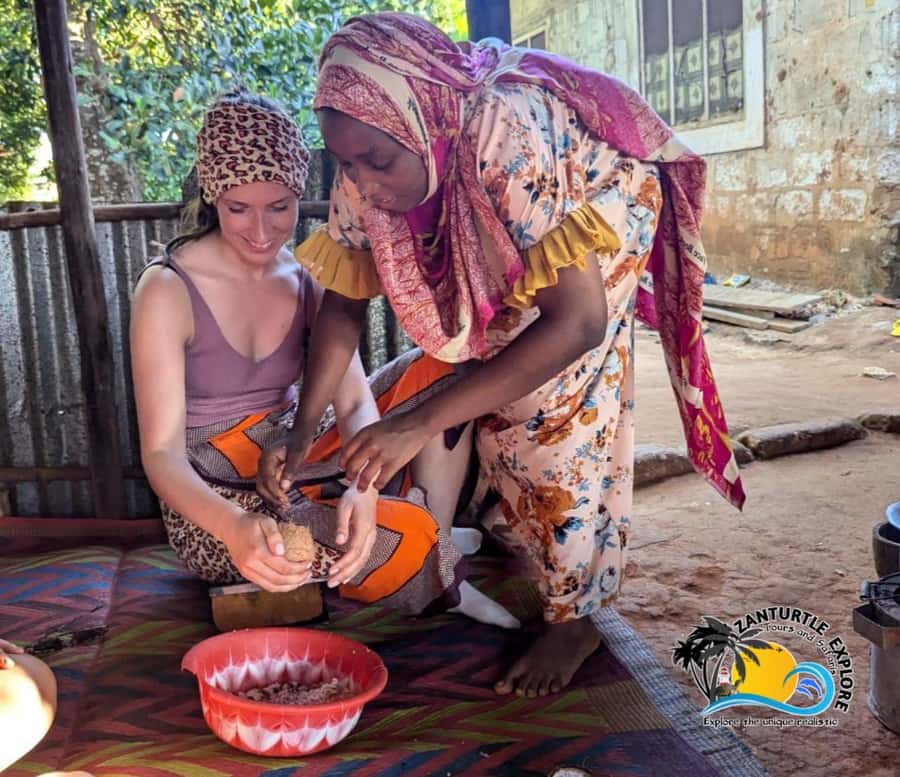
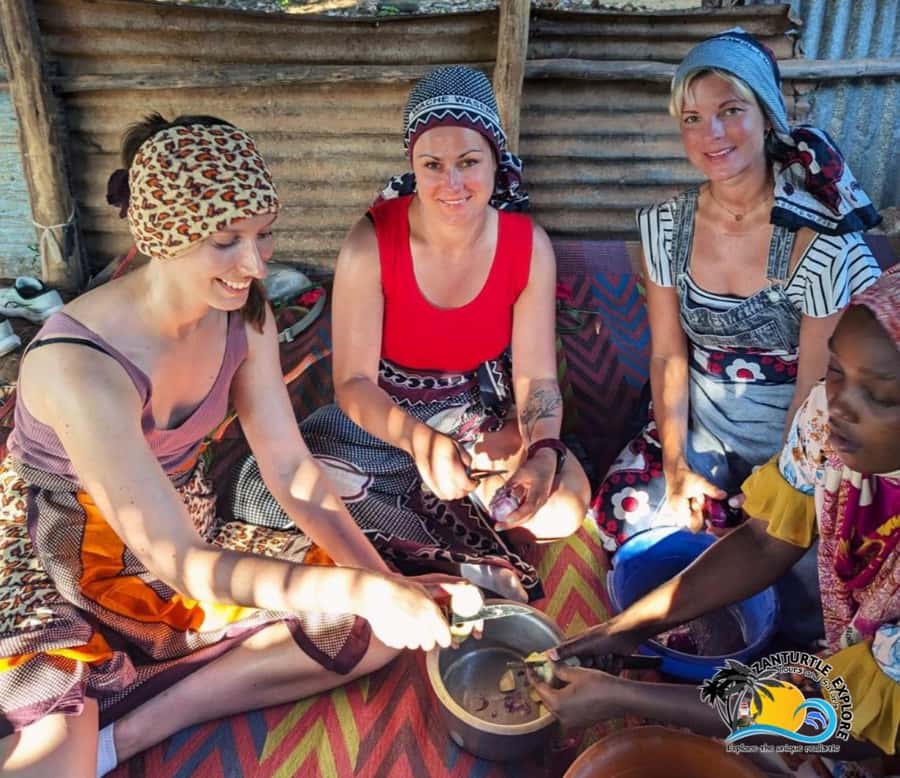
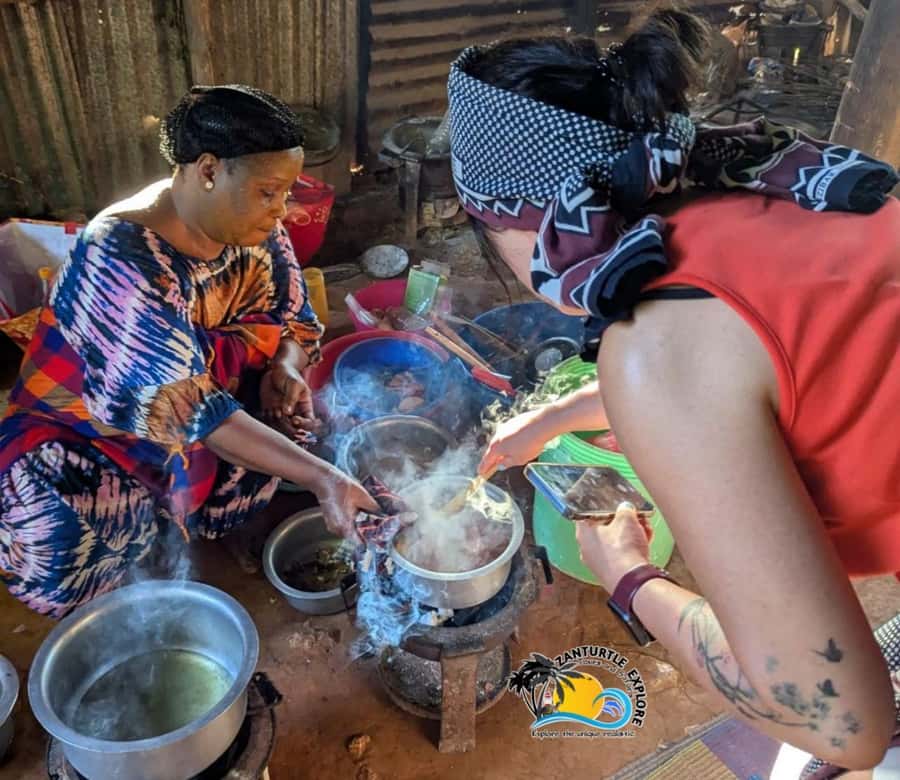
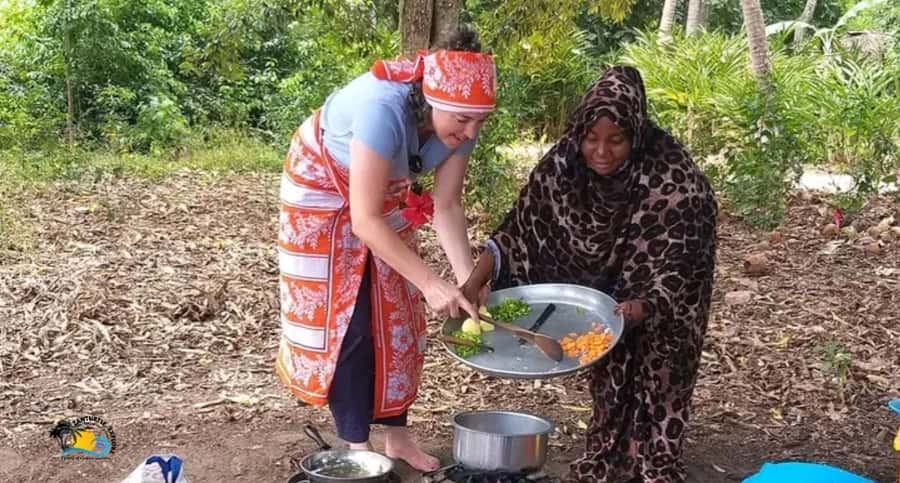
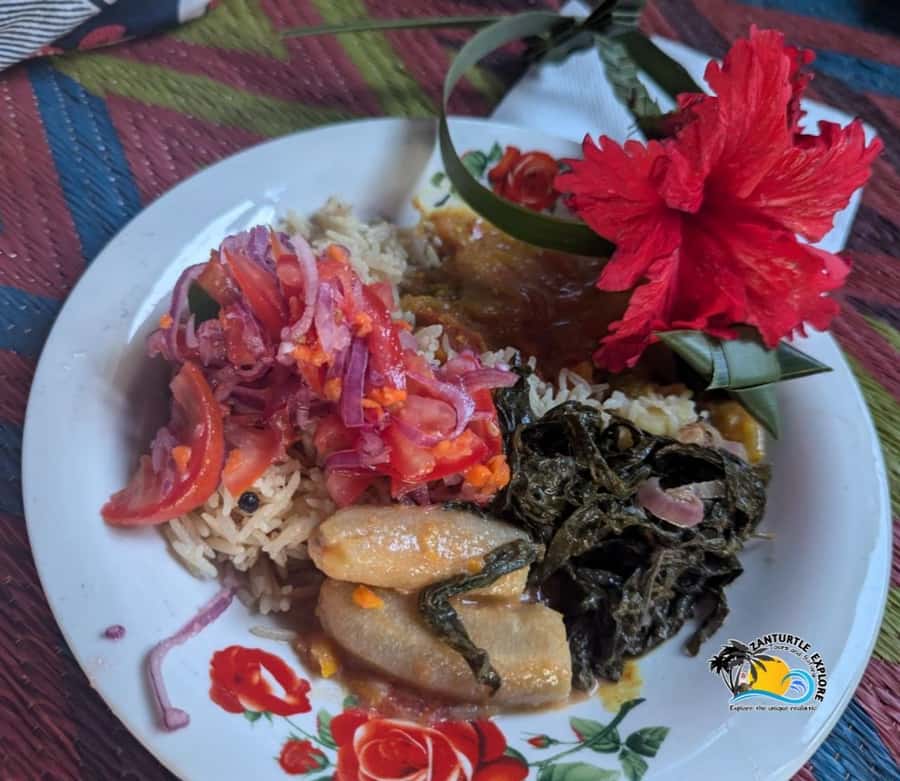
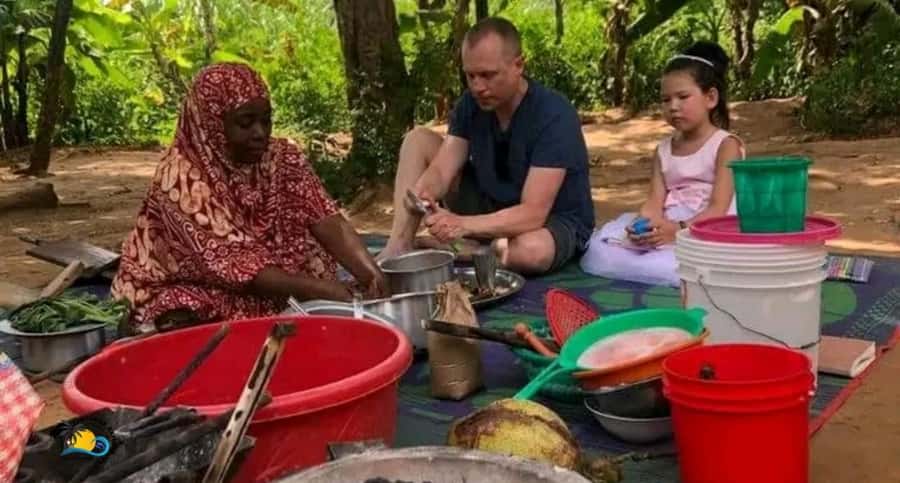
The menu includes Tanzanian pilau rice, curry, side dishes, and dessert. You help harvest some ingredients and take part in preparation before eating the finished meal. Traditional tools and techniques passed down through generations are part of the lesson, and cooking may take place outdoors over an open fire.
The meal itself receives strong praise. It is described as delicious, and the chance to cook and eat with local women is a central reason many people enjoy the outing. I can see the appeal. Food creates a more natural exchange than a quick stop at a viewpoint, and sitting down to eat gives the farm visit a clear purpose.
Be clear about the level of instruction, though. This may be cooking with the locals more than a formal cooking school. You might chop vegetables, stir ingredients, and work alongside the chef without preparing every dish from start to finish. One assessment found the class only moderately educational for this reason.
That is not necessarily a flaw. If you want a relaxed shared meal, the format works well. If you want exact measurements, printed recipes, individual workstations, and a detailed lesson on technique, this may feel limited. Ask yourself what you value more: learning a repeatable recipe or sharing a local meal in an outdoor setting.
The 90-minute slot also includes lunch, so the cooking period is not unlimited. A three-course meal and dessert in that time means the chef will guide the process and handle parts of the work. You are a participant, not the sole cook.
Same place, a different thing to cook:
- Zanzibar Cooking Class & Spice Tour
★ 4.5 · 77 reviews - NGO Lifted Strong – Traditional Tanzanian Cooking Class
★ 5.0 · 39 reviews - Arusha: Traditional Tanzania Cooking Class & Food Market Tour
★ 5.0 · 34 reviews - Cooking and Sewing & Jewelry Workshops in Arusha
★ 5.0 · 14 reviews
What the $63 price really covers
At $63 per person, this outing offers solid value if you use the included services. The fee covers hotel pickup and drop-off, the guided farm walk, cooking ingredients, equipment, soft drinks, tropical fruit, and lunch. Transport alone matters because the farm is about an hour from many pickup areas.
The price becomes less attractive if you mainly want a cooking class. The cooking section is only around 90 minutes, and the hands-on instruction can be light. In that case, a dedicated class with more kitchen time might suit you better, though no alternative is included in this experience.
The price also does not include personal expenses. That covers purchases, and it is wise to assume tips are separate. Bring cash, but set a limit before you go. This lets you reward good help without feeling pushed into every request.
The best value comes from combining several small experiences in one day: transport, farm walk, spice education, fruit tasting, village views, a meal, and palm-leaf crafts. You are paying for the complete visit rather than one single activity.
The practical details that shape your day
The listed duration is five hours, including about two hours at the farm, 90 minutes for cooking and lunch, and roughly two hours in the van. Starting times depend on availability, so check the time before booking.
The activity is wheelchair accessible, but the farm walk may still involve outdoor paths and moving between different areas. If you use a wheelchair or have limited mobility, send your specific request before reserving. Special requests can be added during the booking process.
Free cancellation is available up to 24 hours before the start for a full refund. You can also reserve and pay later, which helps if your Zanzibar plans are still moving around. These terms do not solve a same-day pickup problem, so confirm the driver and meeting point in advance.
Alcohol and drugs are not allowed, and pets are not permitted. Bring comfortable shoes, a hat, sunscreen, a camera, and cash. A water bottle would also be sensible, though it is not specifically listed among the included items.
Guides can speak many languages, and this is particularly helpful during the spice walk. Names of individual guides are not assigned in advance, although Mateo received strong praise for a playful, engaging farm tour. Your guide may differ, so treat that as a useful example rather than a guarantee.
Who will enjoy this most
I would recommend this experience to anyone who wants a first look at Zanzibar beyond the beach. It suits couples, families, and small private groups who enjoy food, plants, informal conversation, and simple hands-on activities.
It is especially good for you if:
- You want to understand where Zanzibar’s spices come from.
- You like tasting fruit and ingredients as part of a tour.
- You prefer a shared meal over a formal restaurant lunch.
- You are happy with a relaxed cooking session rather than a technical class.
- You want hotel pickup included.
- You can tolerate a little commercial pressure around tips and purchases.
I would be more cautious if your schedule is tight, if you dislike long road transfers, or if you want a polished cooking school. The pickup problems reported here are serious enough to justify checking arrangements twice. You should also budget emotional patience for tipping requests and avoid assuming that every spice price is a bargain.
Should you book the Zanzibar spice farm experience?
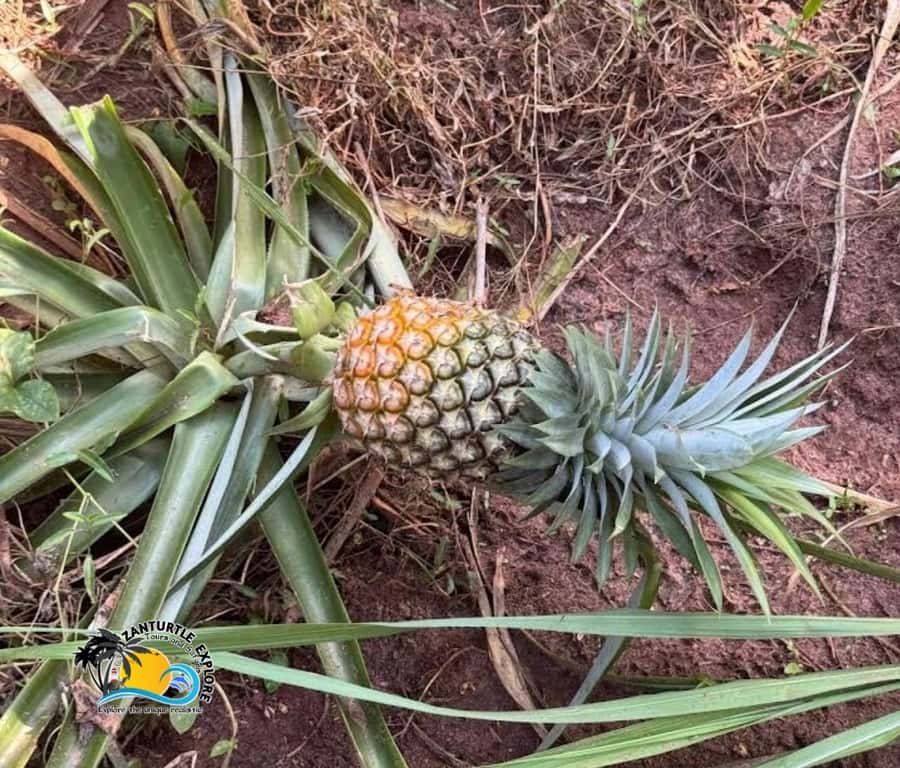
Book it if you want a friendly, sensory introduction to Zanzibar’s food culture. The best moments are specific and memorable: rubbing a spice leaf between your fingers, tasting red banana or fresh pineapple, watching a worker climb a tree, and sitting down to eat pilau and curry prepared with local help.
Skip it if your main goal is a detailed cooking education or a completely noncommercial village experience. The class may involve more preparation and stirring than instruction, and the tipping and shopping culture can dull the local feel.
For most visitors, the combination is worth the $63, provided you have a flexible day and confirm pickup details. Bring cash, but do not feel obliged to buy every spice or tip every person. With that mindset, the farm, food, and human contact can make this one of the more useful half-day outings from Zanzibar’s beach areas or Stone Town.
FAQ
How long does the Zanzibar spice farm and cooking tour last?
The activity lasts five hours, including transportation. The van ride takes about one hour each way, the farm walking tour takes about two hours, and cooking with lunch takes about 90 minutes.
Where does the tour take place?
The main visit takes place at Jambo Spice Farm Dole in Zanzibar’s central region. The route also passes through local villages and spice plantations.
Is hotel pickup included?
Yes. Pickup and drop-off are included from hotels in Stone Town, Mjini Magharibi Region, Unguja North Region, and Unguja South Region. You meet the representative in your hotel lobby or reception area.
What food do you cook?
The cooking session includes a three-course meal and dessert. Dishes mentioned include Tanzanian pilau rice, curry, and side dishes.
Do I eat the food prepared during the class?
Yes. Lunch consists of the dishes prepared during the cooking session.
Which spices can I learn about?
The farm visit can include cloves, cinnamon, ginger, lemongrass, and other spices. You can smell, touch, and taste some of the plant materials while learning about their uses.
What fruit can I taste?
Fruit may include pineapple, bananas, oranges, watermelon, red bananas, and small mangoes. The exact selection is not fixed.
Is the activity wheelchair accessible?
Yes, the activity is listed as wheelchair accessible. You can also submit special requests before booking.
What should I bring?
Bring comfortable shoes, a hat, sunscreen, a camera, and cash. Cash may be useful for personal expenses, spice purchases, and tips.
More Lunch Trips in Tanzania
- Cooking Class and Lunch at a Tuscan Farmhouse with Local Market Tour from Florence
★ 5.0 · 4,831 reviews - Paris Cooking Class and Lunch with Wine plus Market Visit Option
★ 5.0 · 1,024 reviews - Austrian Apple Strudel Cooking Class including Lunch in Salzburg
★ 5.0 · 929 reviews - Phuket: Elephant Sanctuary Tour, Cooking Class & Lunch
★ 4.9 · 856 reviews
More Cooking Classes with a Meal in Tanzania
- Pasta Making & Wine Tasting with Dinner in Frascati from Rome
★ 5.0 · 1,326 reviews - Palermo: Pizza and Gelato Cooking Class with Dinner and Wine
★ 4.9 · 951 reviews - Seville: Spanish Cooking Class with Dinner
★ 4.9 · 900 reviews - Paris Evening Cooking Class French Dinner and Market Visit Option
★ 5.0 · 430 reviews
Just added around Tanzania
- Cooking and Sewing & Jewelry Workshops in Arusha★ 5.0 · 14 reviews
- NGO Lifted Strong – Traditional Tanzanian Cooking Class★ 5.0 · 39 reviews
- Local Tanzanian Food Cooking Class by Kingstone Asilia (Arusha)★ 5.0 · 2 reviews
- Arusha: Traditional Tanzania Cooking Class & Food Market Tour★ 5.0 · 34 reviews
- Cooking Class Tour, Stone Town Tour, Horseback Riding★ 5.0 · 2 reviews
- Dar es Salaam: Taste of Tanzania Cooking Class and Food Tour★ 3.6 · 2 reviews
- Arusha: Local Tanzanian Cooking Class by Kingstone Asilia★ 5.0 · 3 reviews
- Arusha: Traditional Tanzania Cooking class& Food Market Tour★ 4.9 · 12 reviews
Farm & Countryside Cooking Classes, compared.
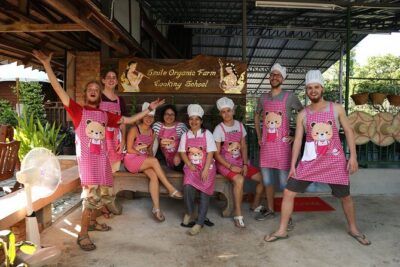
Half-Day Thai Cooking Class at Organic Farm in Chiang Mai
Read our review →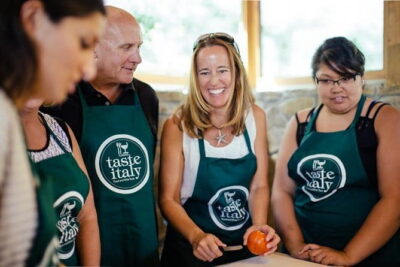
Cooking Class and Lunch at a Tuscan Farmhouse with Local Market Tour from Florence
Read our review →
Authentic Cooking Class with Market & Farm Visit
Read our review →