
REVIEW · ZANZIBAR, TANZANIA
Zanzibar Cooking Class & Spice Tour
Food tells Zanzibar’s story. This five-hour experience takes you from Stone Town’s Darajani Market to a spice farm and then into a local kitchen, where you help prepare and eat classic Zanzibari food. I especially like the market-to-table design and the chance to learn practical cooking tips, including how to prepare rice pilau and banana dishes.
The small group limit of 10 should make the class easier to follow, and guides such as Lutfia, Latfiya, and Rashid have been praised for their warm hosting. The main caution is that the experience depends heavily on the guide and the day’s timing. Late pickup and poor communication have caused serious problems for some customers, so do not schedule this close to a flight.
Key points at a glance
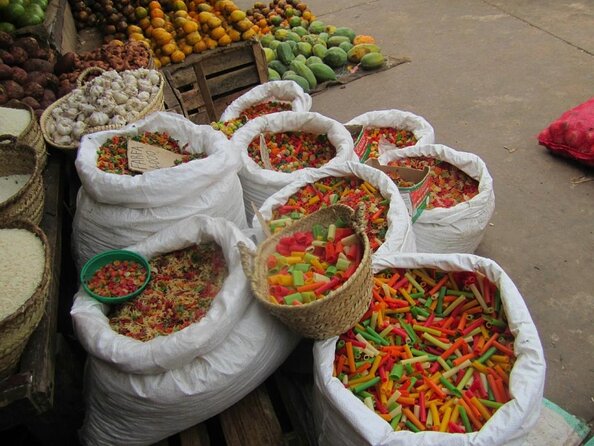
- Darajani Market comes first: You help shop for ingredients instead of simply watching a cooking demonstration.
- The spice farm is hands-on: You can see, smell, and taste spices and tropical fruits at a community farm.
- The cooking class is the star: You prepare several authentic Zanzibari dishes, then sit down to eat what you made.
- Small groups matter: The maximum group size is 10, with some departures operating as private or nearly private outings.
- Two start times are offered: Pickup is listed for about 9:00 AM or 3:00 PM, with hotel transfers included in Stone Town.
- The $40 price is reasonable: It covers several connected activities, though the quality depends on reliable pickup and a good host.
From Darajani Market to a Zanzibari kitchen
This is not just a cooking lesson with a few spices placed on a table. The route gives you three different ways to understand Zanzibar’s food: shopping, tasting, and cooking.
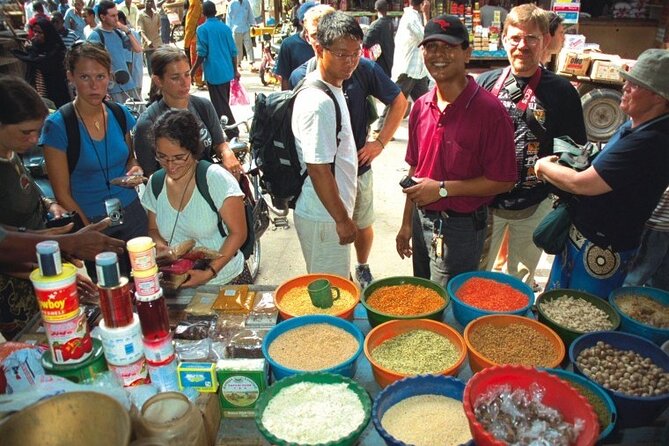
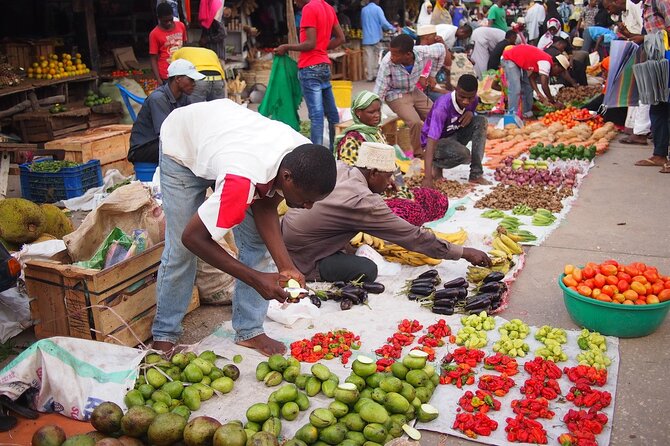
The morning session begins with pickup around 9:00 AM. An afternoon option is also listed for about 3:00 PM. From there, you head to Darajani Market in Stone Town for a short tour and ingredient shopping.
I like this opening because it gives the cooking class a real purpose. Instead of working with a fixed basket of ingredients, you see what goes into the meal and take part in buying it. The market stop also shows how local food begins, before it reaches a hotel buffet or restaurant menu.
The market visit is not described as a long guided walk, so keep your expectations in check. It is a short stop built around buying ingredients, not a full cultural tour of every aisle. Even so, this can be one of the most useful parts for anyone curious about everyday cooking in Zanzibar.
You may see the guide speaking with vendors in Swahili and arranging purchases. That can be interesting, but it also means you should stay engaged and ask questions if you want more explanation. One poorly rated outing felt slow because the host spent too much time talking with sellers, while other sessions praised the shopping as fun and personal. The difference appears to come down to the guide and how clearly the day is managed.
A few more cooking classes around Tanzania worth a look
- Zanzibar: Spice Farm Tour with Traditional Cooking Lesson
★ 4.8 · 77 reviews - NGO Lifted Strong – Traditional Tanzanian Cooking Class
★ 5.0 · 39 reviews - Arusha: Traditional Tanzania Cooking Class & Food Market Tour
★ 5.0 · 34 reviews
What makes Darajani Market worth your time
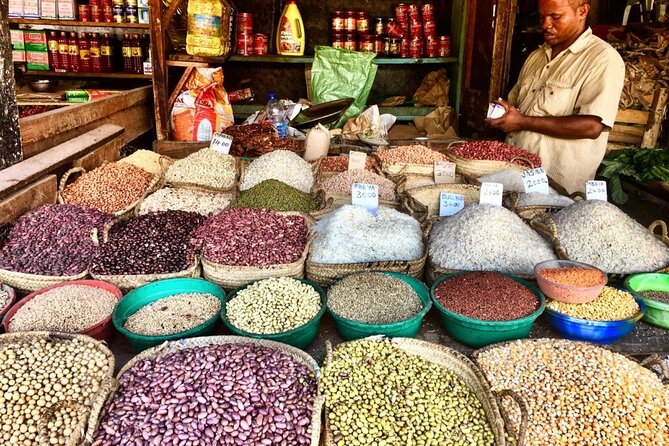
Darajani Market gives the class a local starting point. You are not only told that spices matter in Zanzibari cooking. You are shown the ingredients being selected and bought.
That matters because Zanzibar food often depends on combinations rather than one star ingredient. Rice, banana, spices, and other market goods become part of a meal that reflects the island’s links with East Africa, Arabia, India, and the wider Indian Ocean. The activity does not promise a formal food history lecture, but the shopping stage helps connect the dishes to ordinary life.
I would treat this part as a chance to watch closely. Notice what the guide chooses, ask why an ingredient is needed, and pay attention to how the cooking plan takes shape. You may get more from ten good questions than from a long speech.
The market stop also adds a useful practical touch: you help purchase the food you later prepare. That simple connection makes the final meal feel earned rather than served up as a standard tour lunch.
Tasting spices and fruit at the community farm
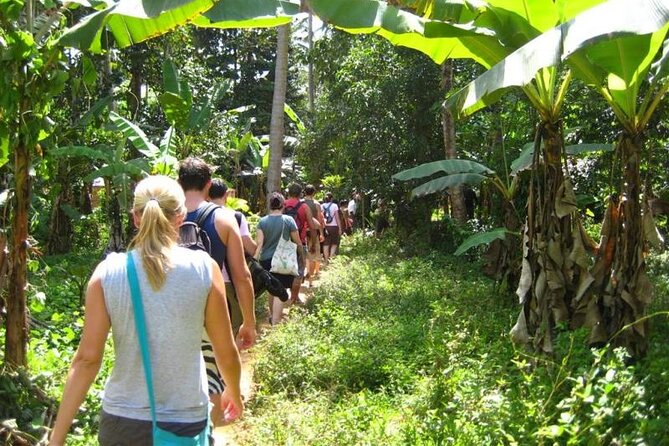
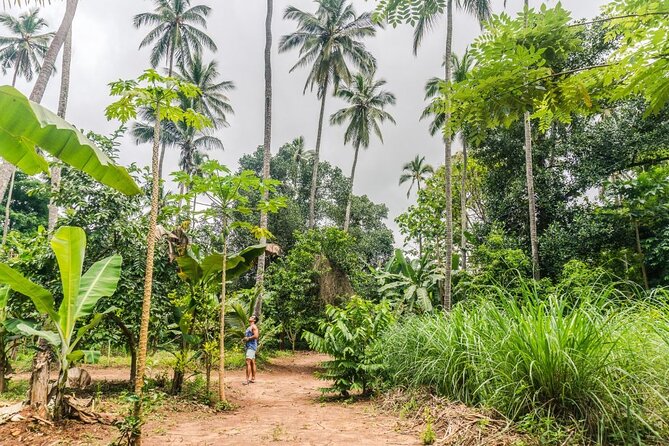
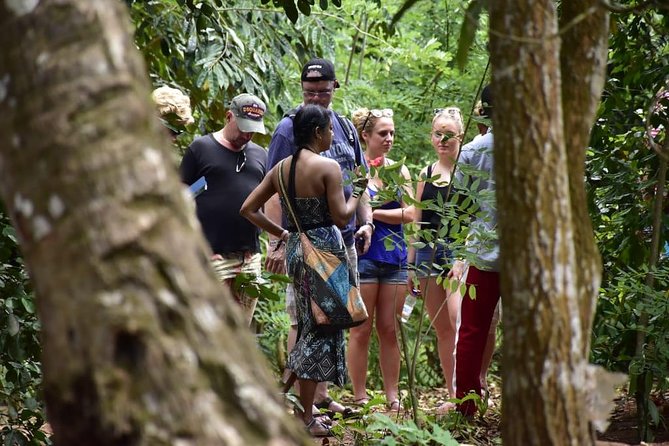
After the market, the group heads to a spice farm. The farm visit includes a walk around the growing area, explanations of different spices and plants, and tastings of spice-related fruits.
This is the part most likely to appeal to anyone who enjoys food with all five senses. You can see the plants, smell the spices, and taste several items rather than hearing a list of names. The farm is described as a community farm, which gives the stop a more local feel than a display shelf in a shop.
The exact farm may vary, but one outing visited Azusa Spice Farm. The quality of the explanation seems important here. A strong guide can turn an ordinary walk among plants into a useful lesson about how ingredients are used. A weaker session may feel like a quick introduction followed by pressure to buy products.
That last point deserves attention. One customer found the farm staff less friendly after deciding not to purchase anything. I would go in expecting tastings and information, not a required shopping stop. If you want to buy spices, you can consider the selection and prices, but the activity should still be worthwhile if you buy nothing.
The farm visit is also a welcome change of pace after the market. The day moves from Stone Town streets to an open growing area, then into the kitchen. At about five hours, the sequence gives the experience a clear rhythm without turning it into a full-day commitment.
The cooking class is where the $40 earns its keep
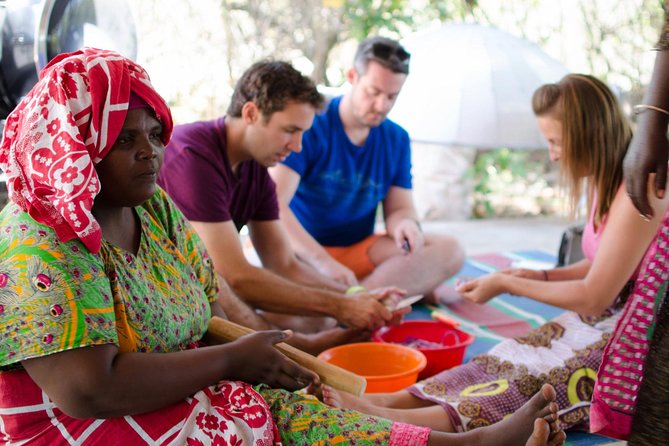
The cooking class is the strongest reason to book this outing. You work with a local cook to prepare authentic Zanzibari dishes, then eat the meal afterward.
The number of dishes can vary, but one session prepared a four-plate meal. Specific tips included preparing rice pilau and banana dishes. Those details matter because you are learning techniques you can try at home, not just tasting finished food.
I like that the class appears to be hands-on. You help cook rather than sitting at a table while someone else does all the work. The best sessions have featured hosts such as Lutfia and Rashid, with Lutfia and Latfiya receiving particular praise for friendly, attentive instruction.
One small-group session had only two people, giving the host plenty of time to look after them. With a maximum of 10 people, your experience may be less private, but the group size should still be manageable. If the class fills up, you may spend more time watching and waiting for your turn. If it is lightly booked, you can expect more direct help.
The cooking style may also differ from what you know at home. One German-speaking customer described it as a useful experience because the methods felt different from European cooking. That difference is exactly the point. You are not visiting a foreign kitchen to reproduce a familiar recipe. You are seeing how local cooks handle familiar foods in their own way.
Do not expect a professional culinary school. This is a local cooking activity with a meal at the end. Instructions may be informal, and the pace may depend on the host. That can be a strength if you want a relaxed exchange rather than a polished demonstration.
Same place, a different thing to cook:
- Zanzibar: Spice Farm Tour with Traditional Cooking Class
★ 4.6 · 16 reviews - Cooking and Sewing & Jewelry Workshops in Arusha
★ 5.0 · 14 reviews - A private half day spice farm with a cooking lesson
★ 5.0 · 13 reviews - Arusha: Traditional Tanzania Cooking class& Food Market Tour
★ 4.9 · 12 reviews
Eating the meal you helped prepare
The class ends with lunch, or with the meal prepared during the afternoon session. This is more than a convenient finish. It lets you taste the result while the ingredients and methods are still fresh in your mind.
A four-dish meal can offer a good range without leaving you overwhelmed. Rice pilau is one useful example because it is a familiar regional staple, yet the cooking method and spice balance may differ from what you have eaten elsewhere. Banana dishes add another angle to the meal and show how fruit can play a serious role in savory cooking.
The food quality has generally been praised, but you should remember that home-style cooking can vary. The host, ingredients, and group involvement all affect the final result. That is part of the charm, though it also means this is not a guaranteed restaurant-standard meal.
I would recommend taking notes during the class if you want to recreate anything later. Ask which spices matter most, when they are added, and how the host knows a dish is ready. The practical tips are likely to be more valuable than a printed recipe, since they explain how to judge the food as it cooks.
Timing, transfers, and the risk of a late pickup
The listed duration is about five hours, with pickup at roughly 9:00 AM for the morning session or 3:00 PM for the afternoon session. Hotel transfers are included for Stone Town hotels, and the activity ends back at the meeting point.
That makes the outing easy to fit into a Stone Town stay. A morning departure should leave the rest of the evening open. The afternoon option may suit you if you prefer a slower morning, though the meal timing could be later.
I would not book this on a day when you must catch a flight. One serious complaint involved a missed pickup, unanswered calls, and a 40-minute wait. Another customer was anxious about an evening flight after the host arrived late and the schedule ran behind.
Those reports are not a reason to dismiss the experience, but they are a reason to build in plenty of time. Confirm the pickup point and keep your phone available. If you are staying outside Stone Town, check carefully that hotel transfer arrangements apply to your location, since the included transfer information specifically refers to Stone Town hotels.
The meeting point is listed as R5QQ+697, Zanzibar, Tanzania, while the activity description also refers to hotel pickup. Because both details appear in the booking information, confirm which arrangement applies to you before the day begins.
Small groups, guide quality, and what can change
A maximum of 10 people is a useful limit for a cooking activity. You should have enough room to see the work and take part, especially if the group is smaller.
The individual host makes a real difference. Lutfia, Latfiya, and Rashid have been praised for being warm, helpful, and good at explaining both the food and the process. One especially positive session described the guide as going beyond the basic spice talk to explain the plants clearly and involve the group.
But not every experience has been equally well organized. One customer found the guide distracted by companions, while another felt ignored during a rushed schedule. The sharpest complaint involved no arrival and no response to phone calls. A smaller complaint concerned the farm becoming unfriendly when no purchase was made.
This mixed record is worth weighing honestly. The overall rating is 4.5 from 77 reviews, which suggests that good sessions are common. Still, the experience is not a standardized hotel activity with the same staff every day. You are paying for a local host, and that brings both warmth and uncertainty.
Is $40 good value for Zanzibar?
At $40, the price is fair if all three parts run properly. You get a market visit, a spice farm outing with tastings, a cooking class, a meal, and transport arrangements for Stone Town hotels. Booking each element separately could easily take more planning and may cost more.
The value is strongest for people who want participation. If you only want to taste spices or watch a cook prepare lunch, you can find simpler options. Here, the shopping and preparation give you more to do and more context for the food.
The price is also easier to justify when the group is small. A private or nearly private class gives you more time with the cook, more chances to ask questions, and a better shot at learning the small details behind each dish.
The weak point is reliability. A cheap tour is not good value if a late pickup disrupts your day or a missed appointment leaves you stranded. I would treat clear pickup communication as part of the value calculation, not as a minor detail.
Who should book this experience?
I would recommend it to food-focused visitors staying in or near Stone Town, especially those who want more than restaurant meals. It suits couples, small groups, and families with older children who can take part in shopping and cooking.
It is also a good fit if you enjoy informal local instruction. You may appreciate the difference between a polished tourist demonstration and a cook showing you how the food is actually made. The chance to taste fresh spice fruits at a community farm adds another layer.
I would be more cautious if you have a tight schedule, a flight later that day, or little patience for loose timing. It may also disappoint you if you want a formal food history tour, detailed printed recipes, or a guaranteed private class.
The afternoon session can work well for a relaxed day, but confirm when the meal will be served. The morning option is the safer choice if you prefer to have extra time afterward.
Should you book the Zanzibar Cooking Class and Spice Tour?
Book it if you want a practical, local food experience rather than a simple tasting. The best version takes you from ingredient shopping to spice tasting to a four-dish meal, with hosts such as Lutfia, Latfiya, or Rashid adding warmth and useful instruction.
I would call it good value at $40, provided you confirm pickup details and avoid placing it next to an important departure. The cooking class is the main attraction, while the market and farm give the food a clear setting.
Skip it if your schedule is fragile or you dislike the uncertainty of a small local operation. For everyone else, this is a pleasant way to understand Zanzibar through what people buy, grow, cook, and eat.
FAQ
How long does the Zanzibar cooking class and spice tour last?
The experience lasts approximately five hours, including the market visit, spice farm tour, cooking class, meal, and return transfer.
What time does the tour start?
The morning session begins at about 9:00 AM. An afternoon session is also listed at about 3:00 PM.
Is hotel pickup included?
Hotel transfers are included for hotels in Stone Town. The listed meeting point is R5QQ+697, Zanzibar, Tanzania, so confirm the exact pickup arrangement when booking.
How many people can join the activity?
The maximum group size is 10 people. Some sessions may have fewer participants, and one reported outing was limited to two people.
What happens at Darajani Market?
You take a short guided tour of the market and help buy ingredients for the cooking class.
What happens at the spice farm?
You tour a spice farm, learn about spices and tropical fruits, and taste many of the items shown during the visit.
Is the activity refundable if I cancel?
No. The experience is non-refundable and cannot be changed for any reason after booking.
Just added around Tanzania
- Cooking and Sewing & Jewelry Workshops in Arusha★ 5.0 · 14 reviews
- NGO Lifted Strong – Traditional Tanzanian Cooking Class★ 5.0 · 39 reviews
- Arusha: Traditional Tanzania Cooking Class & Food Market Tour★ 5.0 · 34 reviews
- Local Tanzanian Food Cooking Class by Kingstone Asilia (Arusha)★ 5.0 · 2 reviews
- Cooking Class Tour, Stone Town Tour, Horseback Riding★ 5.0 · 2 reviews
- Dar es Salaam: Taste of Tanzania Cooking Class and Food Tour★ 3.6 · 2 reviews
- Arusha: Local Tanzanian Cooking Class by Kingstone Asilia★ 5.0 · 3 reviews
- Arusha: Traditional Tanzania Cooking class& Food Market Tour★ 4.9 · 12 reviews
Cooking Classes, compared.
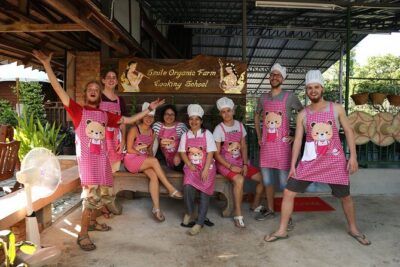
Half-Day Thai Cooking Class at Organic Farm in Chiang Mai
Read our review →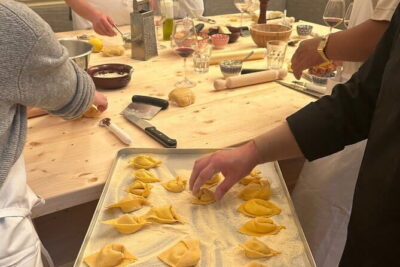

3 in 1 Cooking Class near Navona: Fettuccine, Ravioli & Tiramisu
Read our review →
Pasta & Tiramisu Cooking Class with Unlimited Wine
Read our review →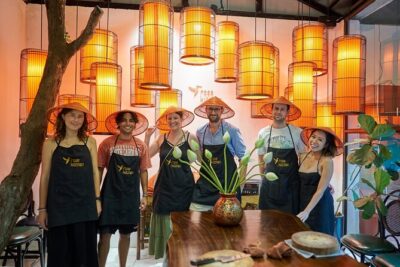
Hanoi Cooking Class: Culture, Local Market & Meaning CSR Impact
Read our review →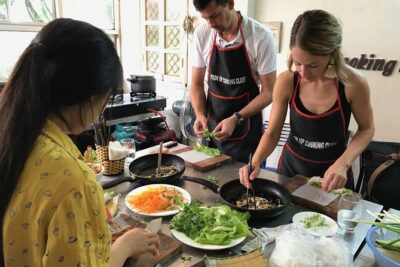
5 Traditional Dishes Hanoi Cooking Class with Market Trip
Read our review →
Cooking Class and Lunch at a Tuscan Farmhouse with Local Market Tour from Florence
Read our review →
Cooking Class, Market & Thai Herbs Garden Tour
Read our review →Lists this class appears in