
REVIEW · UNGUJA SOUTH REGION, TANZANIA
Dar es Salaam: Taste of Tanzania Cooking Class and Food Tour
Food tells Tanzania’s story. This small-group experience combines street snacks, a local market visit, and hands-on cooking in a home-style kitchen. I like the chance to use tools such as a mbuzi coconut scraper, kinu mortar and pestle, and chungu clay pot, rather than simply watching a cooking demonstration. I also like that you sit down to eat what you prepare, with drinks such as hibiscus juice or maziwa mgando.
The main concern is logistics. The stated location is Unguja South Region, while the title refers to Dar es Salaam, and the meeting point changes with the option you choose. One booking also ran into a serious phone and address problem, so confirm the exact location and working contact details at least 48 hours ahead.
Key points to know before booking
- You shop before you cook: A guided market visit introduces you to fresh produce, spices, and traditional staples before the kitchen work begins.
- You use traditional equipment: The class demonstrates the mbuzi, ungo sieve, kinu, chungu, sufuria steel pot, and mikeka woven mats.
- Your menu may include Tanzanian classics: Ugali, pilau, and chapati are listed as the main cooking options, with seasonal vegetables served alongside.
- The meal is part of the class: You eat the food you helped prepare, paired with drinks including hibiscus juice or maziwa mgando.
- The experience can be private or small-group: That makes it a good choice if you want more time with the instructor or have a personal interest in Tanzanian food.
- Optional extras cost more: Swimming, exotic fruit, a coconut drink, and handmade items such as beaded sandals are not included in the $45 price.
What this Tanzanian food experience is really about
At $45 per person, this is not just a meal. You are paying for a guided food walk, a market visit, a cooking lesson, food, drinks, and candid photographs. For anyone who wants more than a restaurant table, that is a fair package.
The strongest part is the connection between the ingredients and the finished dishes. You see produce and spices at the market, then handle them in the kitchen, and finally eat the results. That simple sequence helps you understand Tanzanian food in a way a standard restaurant meal cannot.
The experience lasts from two to five hours, depending on the option and schedule. That is a wide range, so check the exact format before paying. A short version may focus on the market and class, while a longer version may allow time for add-ons such as swimming, fruit, or a coconut drink.
The title says Dar es Salaam, but the supplied location is Unguja South Region. Unguja is the main island of Zanzibar, so you should not assume the activity takes place on mainland Tanzania. Ask for the precise meeting point, area, and transport plan before booking. This is the single most important practical detail.
More Food and Drink Trips in Tanzania:
- Arusha: Traditional Tanzania Cooking Class & Food Market Tour
★ 5.0 · 34 reviews - Arusha: Traditional Tanzania Cooking class& Food Market Tour
★ 4.9 · 12 reviews - Local Tanzanian Food Cooking Class by Kingstone Asilia (Arusha)
★ 5.0 · 2 reviews
Starting with Tanzanian street food
The food tour begins on foot through local streets, where you sample snacks and street foods. The point is not simply to collect bites. Your guide explains what the dishes mean, how they fit local food culture, and why local vendors matter.
That makes this part useful for you if you like context with your meal. You may learn how everyday foods differ from dishes prepared for a family gathering, or how spices and staples are used in ordinary Tanzanian cooking. The available information does not name every snack on the route, so do not expect a fixed tasting menu unless your guide confirms one.
The street portion also sets the tone for the rest of the day. You are seeing food where people buy and eat it, rather than beginning in a polished cooking school. That can make the experience feel more connected to daily life.
There is a practical tradeoff. Walking through streets and markets means heat, uneven surfaces, and plenty of time on your feet are possible. Wear comfortable shoes, carry water, and use sunscreen. The organizers specifically advise all three.
The market visit and the value of choosing ingredients
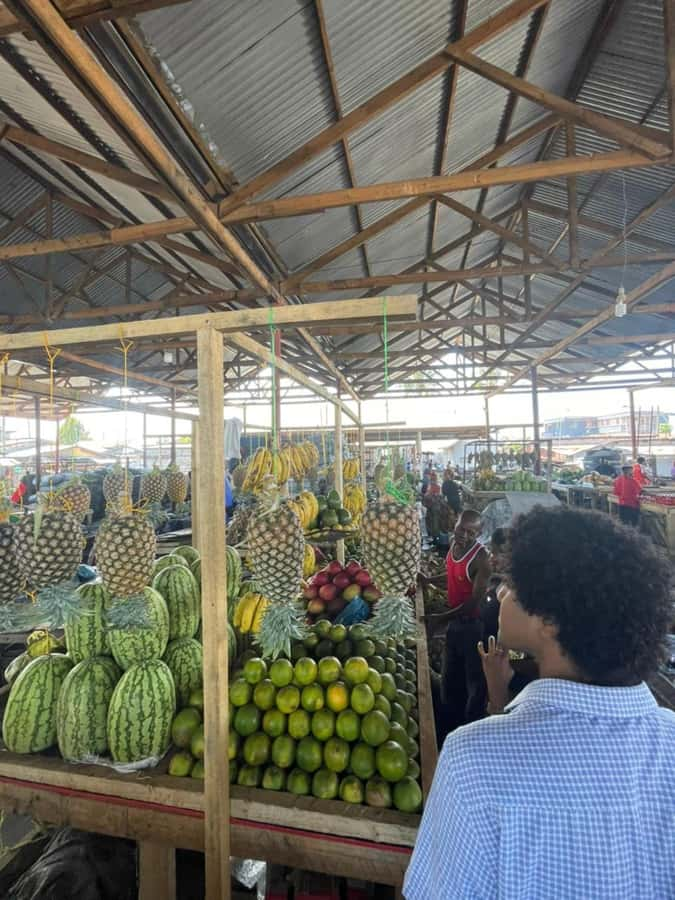
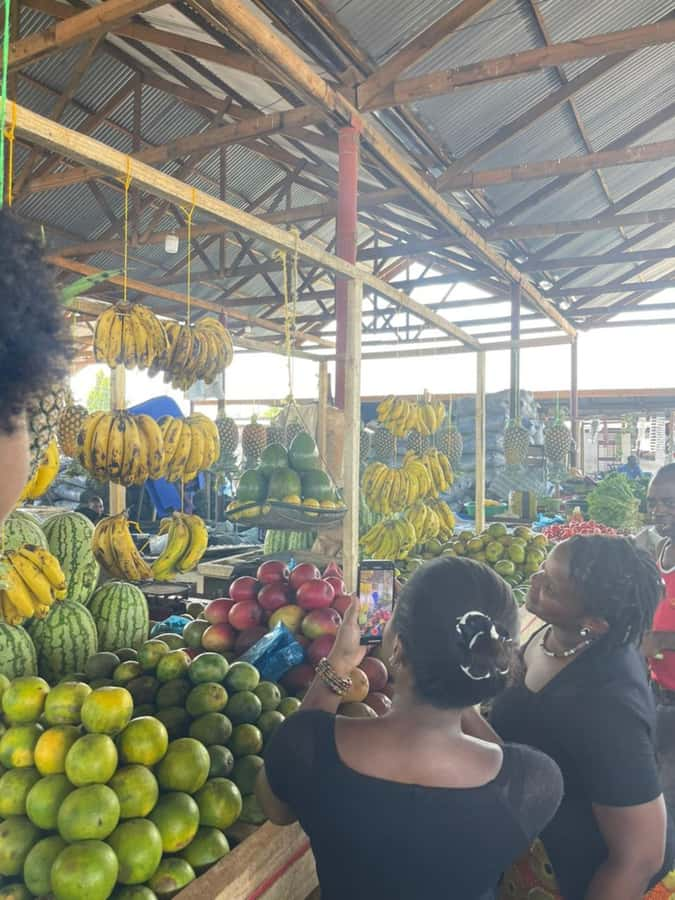
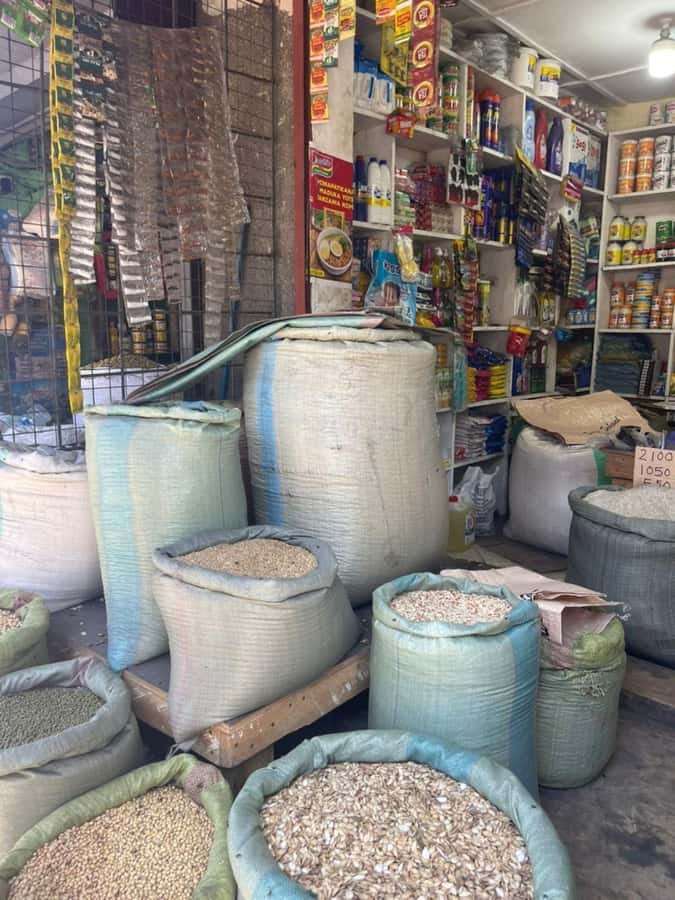
The market stop is where you source ingredients for the cooking class. Expect stalls with seasonal produce, spices, and traditional staples, along with conversations with vendors.
I like this step because it gives you a better sense of how Tanzanian cooking begins. A recipe on a printed card tells you what to measure. A market visit shows you what people actually buy, what is in season, and how food is selected before it reaches the cooking pot.
You may also get more out of the class by asking questions here. Ask which ingredients are local, which spices are essential, and what can be substituted at home. Since the dishes can include ugali, pilau, or chapati, the market stop may look different depending on the selected menu and available produce.
The market can also be the most crowded and active part of the day. Keep your belongings close and expect a sensory experience rather than a quiet shopping trip. Personal shopping is not included, so anything you buy for yourself is extra.
Cooking ugali, pilau, or chapati with local tools
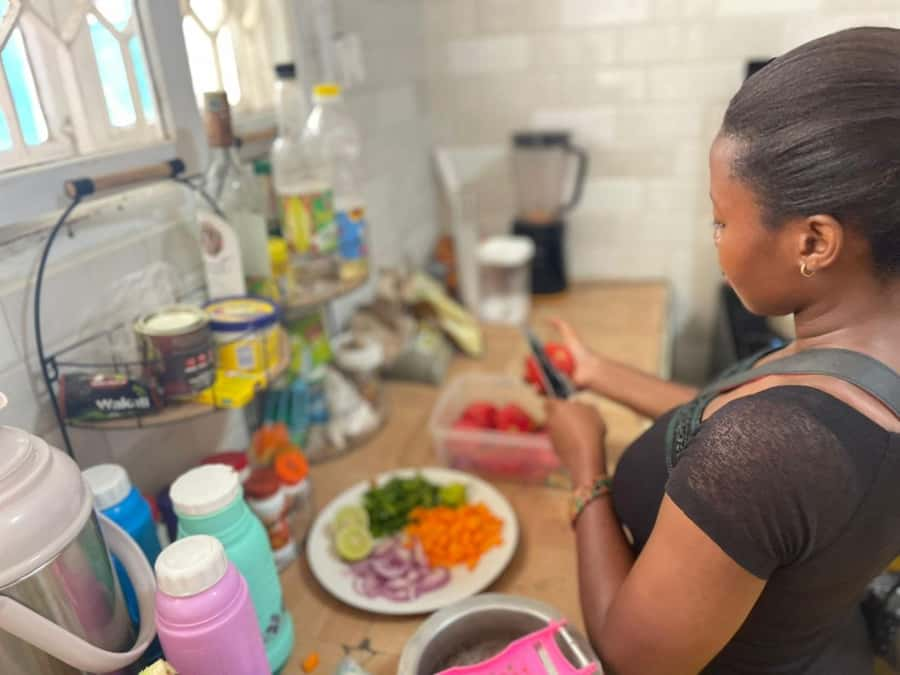
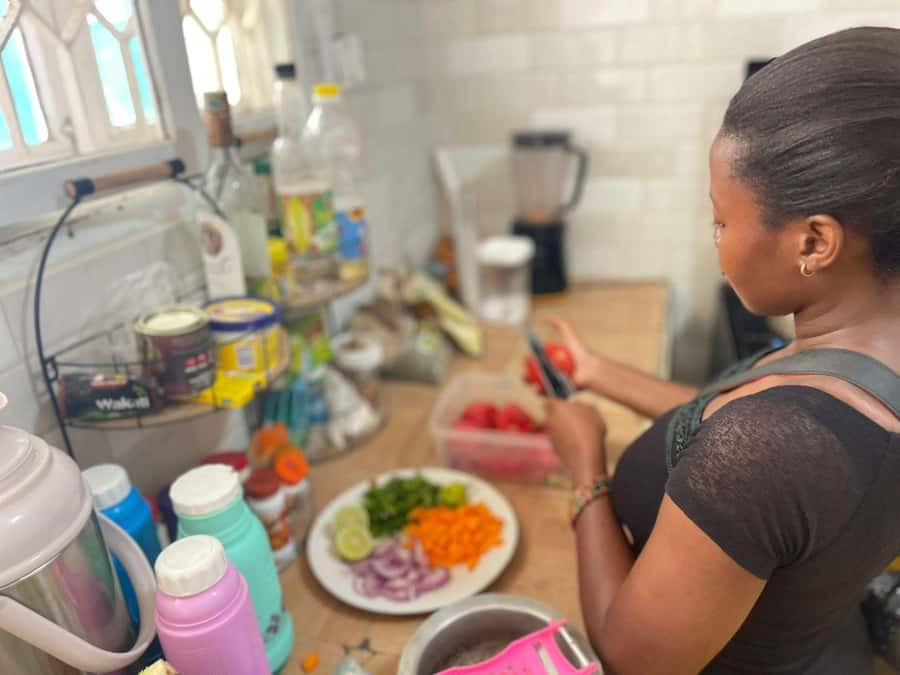
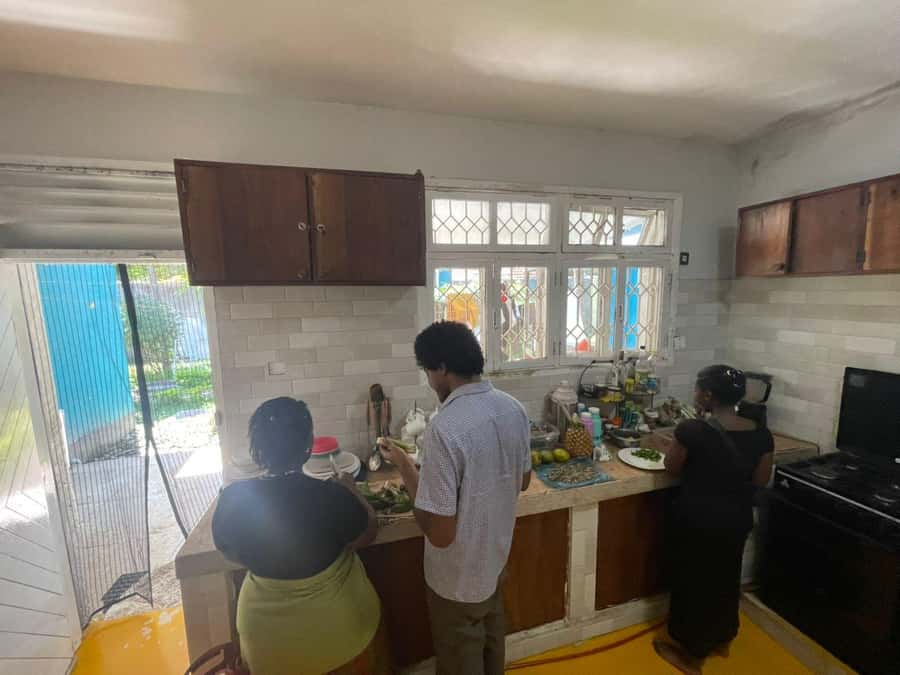
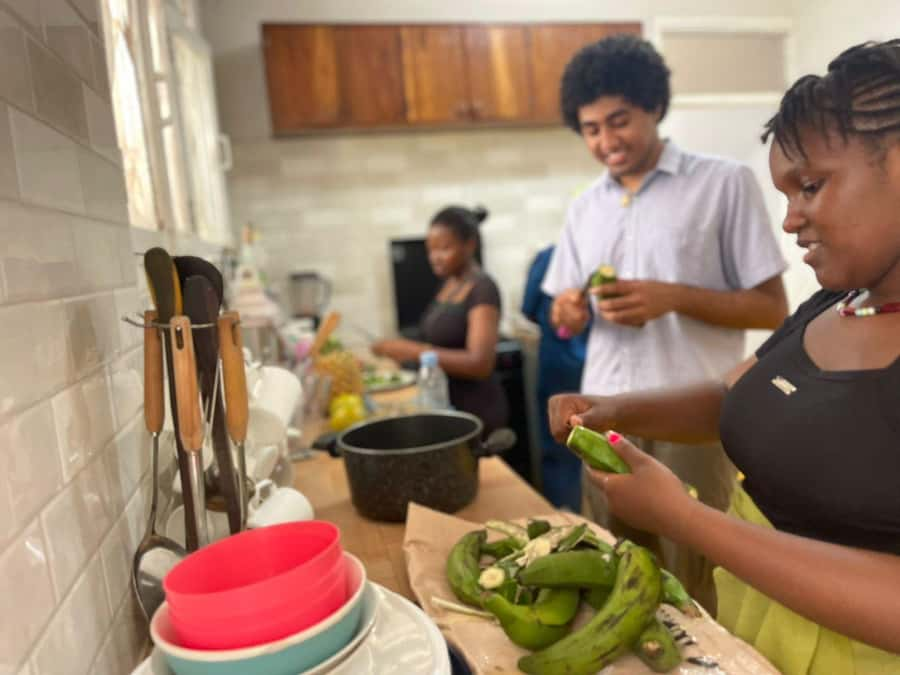
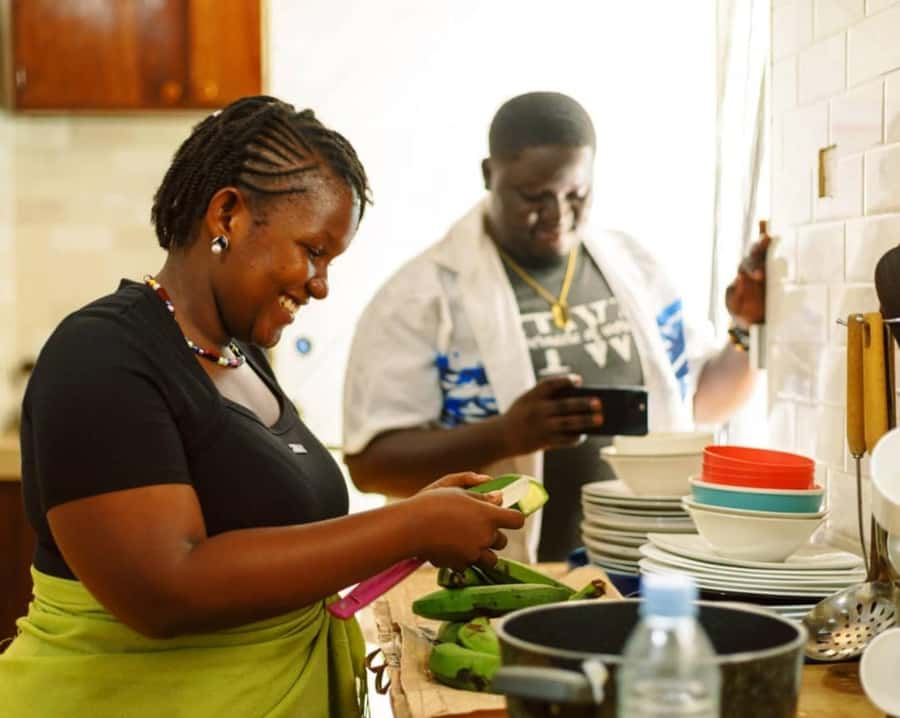
The hands-on class is the heart of the experience. You work in a traditional, homey setting and help prepare classic dishes rather than sitting back while someone else does the work.
The tools are a major part of the appeal. The mbuzi is used for scraping coconut. The ungo is a sieve, while the kinu is a mortar and pestle. You may also see a chungu clay pot, a sufuria steel pot, and mikeka woven mats.
These are not decorative props. They show you how cooking works when simple, sturdy tools do the job. For you, that means the lesson has a physical side: grinding, scraping, mixing, shaping, and tending food. It also gives you a clearer idea of which parts of the recipes you can recreate at home with ordinary kitchen equipment.
The menu centers on familiar Tanzanian staples. Ugali is a firm maize-based dish often used alongside vegetables or other savory foods. Pilau brings rice and spice into the meal, while chapati gives you a chance to work with dough. The exact dishes may depend on the option booked, so confirm your menu if you have a strong preference.
The class is described as suitable for beginners and experienced cooks. That is good news if you are not confident in the kitchen. You should still expect to participate. This is not the right choice if you want a fully passive food tasting with no preparation work.
Recipes are provided for you to try at home. That adds real value to the $45 fee, especially if you enjoy cooking after a trip. Take notes on proportions, timing, and texture. A dish can taste different at home if you use a modern stove, packaged coconut, or a substitute flour, so ask your instructor about practical changes.
More Food Trips in Tanzania:
- Small Group Cooking Class & Market Food Tour in Florence
★ 5.0 · 1,574 reviews - Athens: Food Market Visit and Cooking Class with Wine
★ 4.9 · 1,087 reviews - Undiscovered Charleston: Half Day Food, Wine & History Tour with Cooking Class
★ 5.0 · 948 reviews - Vietnamese Food Cooking Class in Hanoi with Market Experience
★ 5.0 · 778 reviews
Eating the meal you helped prepare
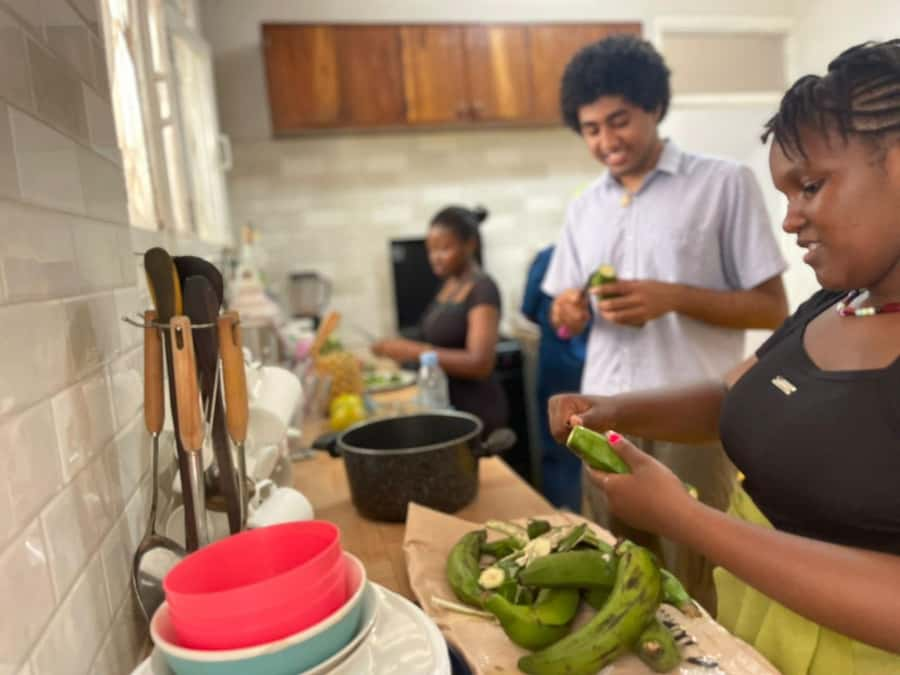
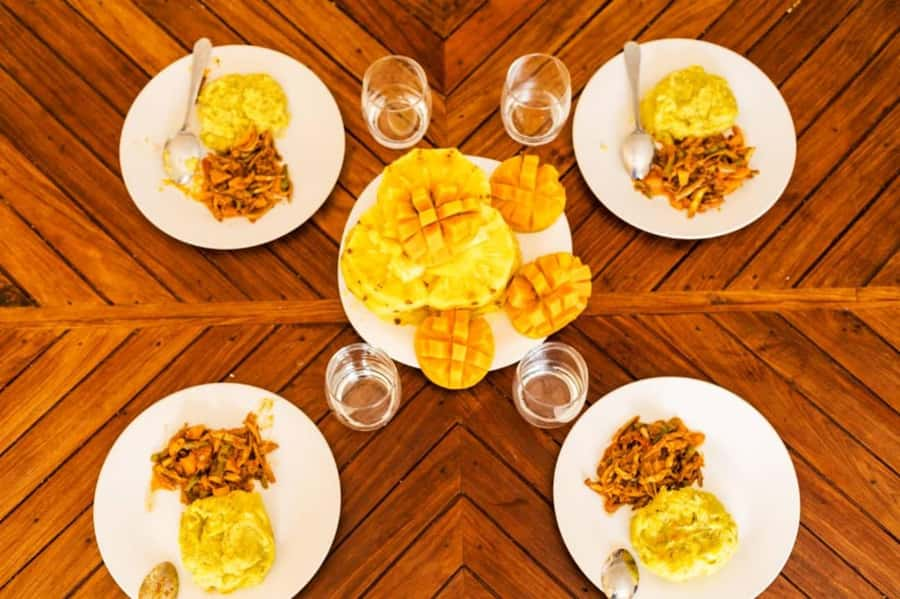
After the cooking, you sit down to eat the finished dishes. Seasonal vegetables accompany the meal, and drinks include hibiscus juice or maziwa mgando.
This is where the format pays off. You have already seen the ingredients, handled the tools, and helped with the preparation. The final meal becomes a way to review the process, compare textures, and ask questions while everything is fresh.
The food should be the main reason you book. The optional extras are pleasant additions, but the class and meal are the core experience. If your schedule is tight, I would choose the food-focused option rather than paying for every extra.
Candid photos are included. That is useful because your hands may be busy during the class, and you may not want to stop constantly to take pictures. Still, ask before photographing people at the market or in a private home. A friendly approach matters.
Optional swimming, fruit, coconut, and handmade goods
Some options include swimming, an exotic fruit platter, or a fresh coconut drink. These extras can turn a cooking lesson into a longer, slower outing, especially if you want time to relax after eating.
They are not included in the base price. Ask about the additional cost, timing, and what you need to bring before selecting them. Sunscreen and a water bottle are already wise choices, even if you do not swim.
Handmade Tanzanian souvenirs may also be arranged in advance. Examples include beaded sandals, waist beads, Tanzanian or Maasai cloth, aprons, or dresses. These items need preparation, so tell the organizer ahead of time if you want something made for you.
Personal shopping is separate. That is worth remembering if you are budgeting closely. The $45 covers the listed food experience, not everything you might see at the market or from local makers.
Guides, hosting, and the human side
The experience is led in English and can be arranged for private groups or small groups. That gives you a better chance to ask questions and get help with unfamiliar tools.
Angel and Irene are named as hosts, and they received especially warm praise for being friendly, personable, and welcoming. Shipra handled booking and logistics for one successful arrangement and was praised for responding quickly and making the planning easy. Those names are useful when you confirm your booking. Ask who will meet you and who your cooking instructor will be.
The small-business setting is part of the charm, but it also means communication needs extra care. The organizers ask you to book at least 48 hours ahead, even if a booking platform appears to allow a later reservation. They are available from 6 a.m. to 11 p.m. when given advance notice, but preparation is needed for ingredients and the kitchen.
One past booking had a major problem: the driver could not find the address, and the supplied phone number disconnected. Messages sent through the booking system did not receive a reply. That does not cancel out the strong hosting experience described in another booking, but it does mean you should confirm everything early.
Use the temporary contact number provided by the organizer, +601125581518, or email for questions. The organizer says the number printed on the voucher has been blocked because the phone was lost. Confirm that the temporary number is still current when you book.
Price, timing, and who gets the best value
At $45, the price is reasonable if you use the full package. You receive a food walk, market visit, cooking instruction, use of traditional tools, a prepared meal, drinks, and photos. The value is strongest for people who care about local food and want recipes they can repeat.
The price is less attractive if you only want a quick meal. A restaurant will be simpler and may cost less, depending on what you order. Here, you are paying for participation, explanation, and time with local hosts.
The two-to-five-hour range requires attention. Check the starting time and exact duration for your chosen option. Longer options may include swimming or fruit, while shorter ones may focus tightly on the food program.
This experience suits:
- First-time visitors who want an introduction to Tanzanian food
- Couples, families, and small groups who enjoy preparing meals together
- Beginners who want a friendly, practical cooking class
- People who prefer local markets and home-style settings over formal restaurants
- Anyone who wants recipes, photos, and a sit-down meal in one activity
It may not suit you if you dislike walking, heat, market crowds, or hands-on kitchen work. It is also a poor fit if you need a fixed meeting point with no room for confirmation.
How to prepare for a smooth day
Wear comfortable walking shoes and light clothing suitable for a warm market and kitchen. Bring water, sunscreen, and a camera if you want your own pictures in addition to the included candid photos.
Confirm these points at least 48 hours ahead:
- The exact meeting point and region
- The selected duration and menu
- The name of your host or guide
- The working phone number and email
- Any swimming or food add-on costs
- Any handmade item you want prepared
Transportation to the meeting point is not included. Plan your own route and allow extra time, especially because the meeting point may vary by option. If you use a driver, send the exact address or location details to the driver before setting out.
Cancellation is free up to 24 hours before the experience for a full refund. You can also reserve and pay later, which helps if your plans are still changing. Those policies are useful, but they do not replace confirming the meeting details.
Should you book Taste of Tanzania?
I would book this if your ideal day includes a market, local food, friendly hosts, and a cooking class that gets you using your hands. The combination of street tastings, ingredient shopping, traditional tools, and a shared meal gives you a fuller picture of Tanzanian food than a standard restaurant visit.
I would not book it without first checking the location and contact details. The Dar es Salaam title and Unguja South Region location need clarification, and the phone problem from one booking is too important to ignore.
If the organizer confirms the meeting point, menu, duration, and working contact number, this looks like a warm, personal way to spend two to five hours. The strongest reasons to go are the hosts Angel and Irene, the chance to cook dishes such as ugali, pilau, or chapati, and the recipes you can carry home. Book early, ask clear questions, and treat the add-ons as optional rather than essential.
FAQ
Where does the cooking experience take place?
The supplied location is Unguja South Region, Tanzania, while the activity title refers to Dar es Salaam. The meeting point may vary by option, so confirm the exact location before booking.
How much does the experience cost?
The listed price is $45 per person. Optional activities, souvenirs, personal shopping, and transportation to the meeting point are not included.
How long does the experience last?
The duration is listed as two to five hours. Check the available starting times and the exact duration for your selected option.
What food will I cook?
The class may include classic Tanzanian dishes such as ugali, pilau, or chapati. Confirm the exact menu when booking if you have a preference.
Is the cooking class suitable for beginners?
Yes. The class is designed for both beginners and experienced cooks, and recipes are provided for you to try at home.
What is included in the price?
The price includes a guided food tour, local market visit, hands-on cooking class, traditional cooking tools demonstration, a meal of the prepared dishes, drinks, and candid photos.
Are swimming and fruit platters included?
No. Swimming, exotic fruit platters, and a coconut drink are optional add-ons and are not included in the base price.
What should I bring?
Bring comfortable walking shoes, sunscreen, a water bottle, and a camera if you want to take your own pictures.
Just added around Tanzania
- Cooking and Sewing & Jewelry Workshops in Arusha★ 5.0 · 14 reviews
- NGO Lifted Strong – Traditional Tanzanian Cooking Class★ 5.0 · 39 reviews
- Local Tanzanian Food Cooking Class by Kingstone Asilia (Arusha)★ 5.0 · 2 reviews
- Arusha: Traditional Tanzania Cooking Class & Food Market Tour★ 5.0 · 34 reviews
- Cooking Class Tour, Stone Town Tour, Horseback Riding★ 5.0 · 2 reviews
- Arusha: Local Tanzanian Cooking Class by Kingstone Asilia★ 5.0 · 3 reviews
- Arusha: Traditional Tanzania Cooking class& Food Market Tour★ 4.9 · 12 reviews
- Zanzibar Cooking Class & Spice Tour★ 4.5 · 77 reviews
Cooking Classes, compared.

Half-Day Thai Cooking Class at Organic Farm in Chiang Mai
Read our review →

3 in 1 Cooking Class near Navona: Fettuccine, Ravioli & Tiramisu
Read our review →
Pasta & Tiramisu Cooking Class with Unlimited Wine
Read our review →
Hanoi Cooking Class: Culture, Local Market & Meaning CSR Impact
Read our review →
5 Traditional Dishes Hanoi Cooking Class with Market Trip
Read our review →
Cooking Class and Lunch at a Tuscan Farmhouse with Local Market Tour from Florence
Read our review →
Cooking Class, Market & Thai Herbs Garden Tour
Read our review →Lists this class appears in