
REVIEW · UNGUJA SOUTH REGION, TANZANIA
Zanzibar: Spice Farm Tour with Traditional Cooking Lesson
Smell Zanzibar before you taste it. This three-hour visit to an organic spice farm gives you a hands-on look at cloves, cinnamon, vanilla, cardamom, nutmeg, black pepper, and other plants that shaped the islands’ food, trade, and daily life. I especially like the chance to handle spices directly on the plant and then use some of them in a local meal.
The other strong point is the cooking session. You may help harvest cassava leaves, make coconut milk, and prepare parts of a Swahili lunch before eating at the farm. The fresh jackfruit and young coconut add a fun tropical touch. The main consideration is that the cooking portion may be lighter than you expect. One account describes only limited participation in preparing a side dish, so do not assume you will cook every part of the meal from start to finish.
This private experience costs $65 per person and includes lunch, a guide, community support, and transport from the Stone Town meeting point or a Zanzibar beach hotel. The score of 4.8 from 77 ratings reflects its strong mix of food, culture, and friendly guiding, though the pace can feel hurried if the schedule is not managed well.
Key Details Before You Go
- Fresh spices still growing: Smell and taste cinnamon, vanilla, ginger, turmeric, cloves, pepper, lemongrass, cardamom, and other plants in their natural form.
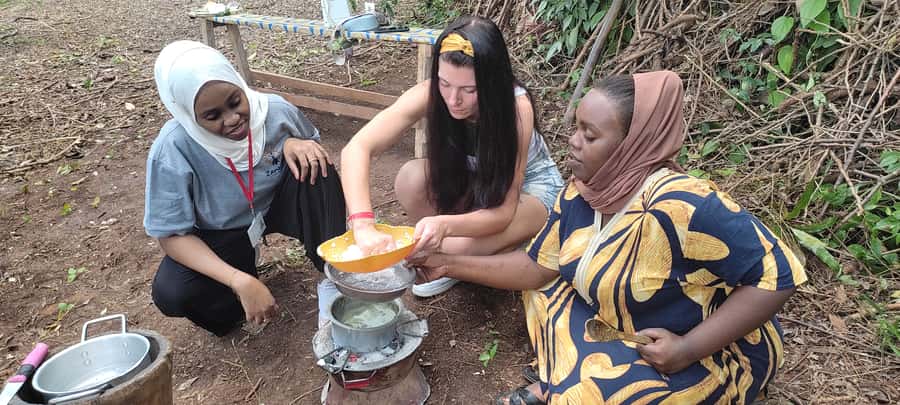
- A meal you help prepare: Take part in cassava harvesting, coconut milk preparation, and some cooking before eating a traditional lunch.
- Fruit straight from the farm: Try jackfruit and fresh young coconut, with a coconut tree climber collecting fruit for the group.
- Useful cultural context: Guides connect the farm to Zanzibar’s food, economy, medicine, and past as part of the Spice Islands.
- Private and flexible transport: Meet at the Old Fort at 9:00 a.m. or arrange pickup from a beach hotel anywhere in Zanzibar.
- Cash for shopping: Bring cash if you want spices or teas from the farm shop, since card payment is not available for purchases.
Why Zanzibar Is Called the Spice Islands
Zanzibar’s spice trade is not just a theme for a pleasant morning outing. It is part of the islands’ identity. Together with Tanzania’s Mafia Island, the Zanzibar Archipelago is sometimes called the Spice Islands because of its long connection with cloves and other valuable crops.
At the farm, your guide explains how spices grow and how people use them in cooking and traditional medicine. This gives the tour more substance than a simple walk past labeled plants. You learn to connect the smell of a spice with the leaf, vine, bark, seed, or fruit that produces it.
I find this especially useful for spices you normally know only in dried or powdered form. Cinnamon is not simply a brown stick in a jar. Vanilla does not begin life as a small bottle of extract. Nutmeg, black pepper, ginger, turmeric, cardamom, and cloves all look different before they reach a kitchen shelf.
The guides also connect spices to Zanzibar’s food and trade. Several guides, including Chiquito, Abdullah, and others named by visitors, received strong praise for explaining the plants clearly and adding humor. Drivers such as Ahmad and Juma were also singled out for friendly conversation and help during the outing.
More Farm Cooking Classes in Tanzania
- Zanzibar: Spice Farm Tour with Traditional Cooking Class
★ 4.6 · 16 reviews - A private half day spice farm with a cooking lesson
★ 5.0 · 13 reviews - Zanzibar: Spice Farm Tour and Cooking Class with Lunch
★ 4.2 · 11 reviews
Walking Through the Farm, One Plant at a Time
The main farm walk is the heart of the experience. You move from plant to plant with a local guide, touching leaves, smelling fresh growth, and tasting selected items. This direct contact matters because fresh plants can smell quite different from the dried spices you use at home.
Expect to see examples such as:
- Cinnamon
- Vanilla
- Cardamom
- Nutmeg
- Cloves
- Black pepper
- Ginger
- Turmeric
- Lemongrass
- Various herbs and tropical fruits
The guide explains how each plant is used and may offer a sample to smell or taste. The tour works best if you slow down and ask questions. You can ask how a plant is used in Zanzibar, how it flavors food, or how it differs from the packaged version sold abroad.
The experience is educational without requiring specialist knowledge. You do not need to know anything about botany before arriving. A good guide, such as Chiquito or Abdullah, can make the plants easy to understand and keep the walk lively.
The farm is also a good place to use more than your camera. Take photographs, but pay attention to the smells. Fresh cinnamon, clove, vanilla, and lemongrass are the kind of scents that make the visit memorable.
Jackfruit, Coconut, and the Farm’s Tropical Produce
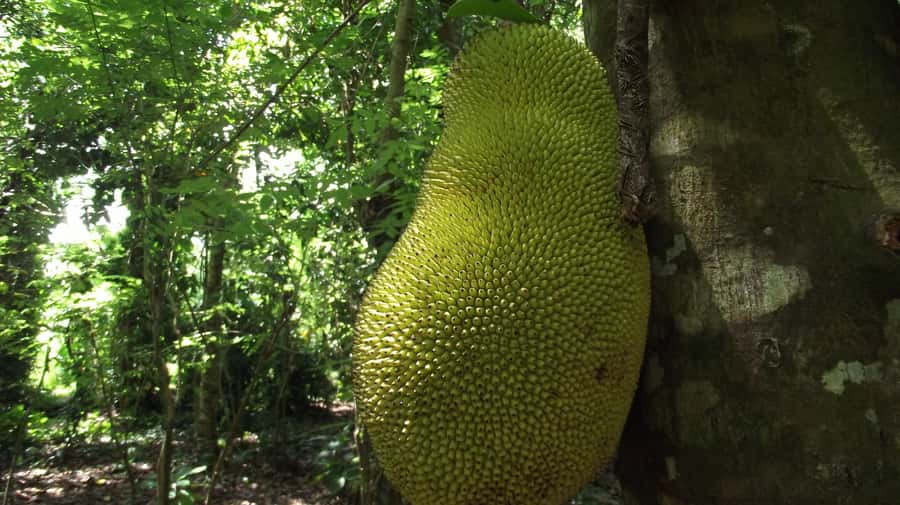
Spices are the main subject, but fruit gives the morning more variety. You may see and taste jackfruit, one of the world’s largest fruits. Its size alone makes it worth a look, and the guide can explain how it is eaten and used locally.
Fresh young coconut is another highlight. A coconut tree climber collects young fruit, which you can try at the farm. The taste is much fresher than bottled coconut water, and the moment also shows how food is gathered in a practical, physical way.
Some demonstrations are designed as much for entertainment as for instruction. The climber may perform while collecting the coconuts, and the group can watch the fruit come down from the tree. It is a simple part of the tour, but it adds movement and local character to what could otherwise be a plant lecture.
The fruit stops also help break up the walking. Zanzibar can be hot and sunny, so you will appreciate the chance to pause, drink water, and sample something fresh. Wear comfortable shoes, bring a sun hat, use sunscreen, and carry your own water.
From Cassava Leaves to Coconut Milk
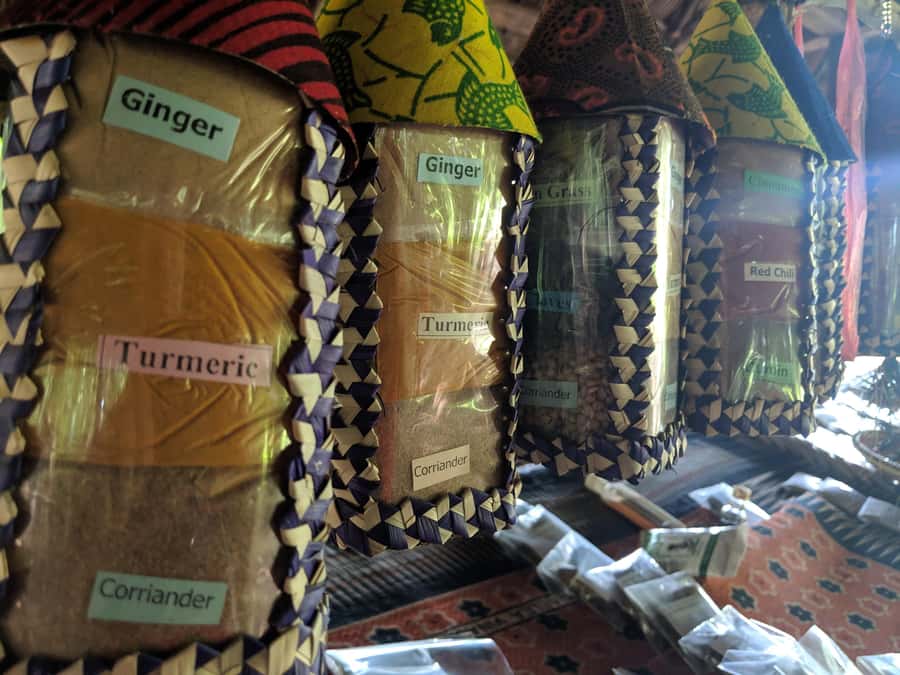
The cooking lesson gives the farm visit its strongest connection to everyday life. You may join a cassava leaf harvest, help make coconut milk, and take part in preparing local food.
Cassava is important in many tropical cuisines, and seeing the leaves used in a meal makes the food less abstract. The coconut milk demonstration is also useful because it shows how a common local ingredient becomes part of a dish rather than arriving ready-made from a carton.
You should keep your expectations practical. The description promises a traditional cooking lesson, but the amount of hands-on work can vary. One account found that the group helped with some ingredients for a side dish rather than cooking the full meal. Another described the lesson and the lunch as the best part of the morning.
That difference probably depends on the group, guide, timing, and kitchen activity on the day. If you want a full cooking school with several recipes and detailed instruction, this is not that. It is a farm visit with a participatory food demonstration and lunch.
Still, the cooking section has real value. You see how ingredients from the farm connect to a finished Swahili meal. You also get a chance to ask about preparation and taste the result soon after helping with it.
Same place, a different thing to cook:
- Zanzibar Cooking Class & Spice Tour
★ 4.5 · 77 reviews - NGO Lifted Strong – Traditional Tanzanian Cooking Class
★ 5.0 · 39 reviews - Arusha: Traditional Tanzania Cooking Class & Food Market Tour
★ 5.0 · 34 reviews - Cooking and Sewing & Jewelry Workshops in Arusha
★ 5.0 · 14 reviews
A Traditional Lunch at the Farm
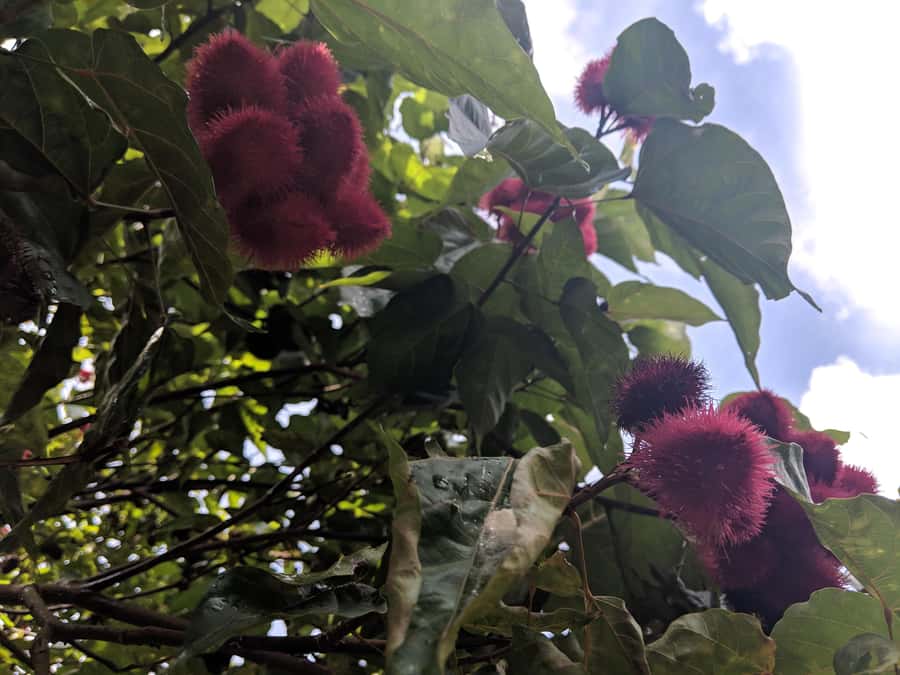
Lunch is included in the $65 price and gives the tour a satisfying finish. You eat a local meal prepared with ingredients and spices connected to the farm.
The food received some of the strongest praise. Several people described it as delicious, and one visitor advised arriving hungry because the fruit, spices, demonstrations, and meal add up quickly. If you eat a large breakfast, you may regret it. A light breakfast is the sensible choice.
The meal also turns the tour from a sightseeing stop into a social experience. You have already smelled the ingredients and taken part in some preparation. Eating them afterward makes the connection clear.
Food preferences and exact dishes are not specified, so you should not book this expecting a particular menu. If you have dietary restrictions, ask about them before the tour. The available information does not confirm special menus or substitutions.
One small point to watch is the transition from cooking to lunch. The morning is only three hours, and the tour includes transport, a farm walk, fruit tasting, demonstrations, cooking, and shopping. A guide who keeps a tight schedule may move the group along faster than you would like.
The Farm Shop and Buying Spices
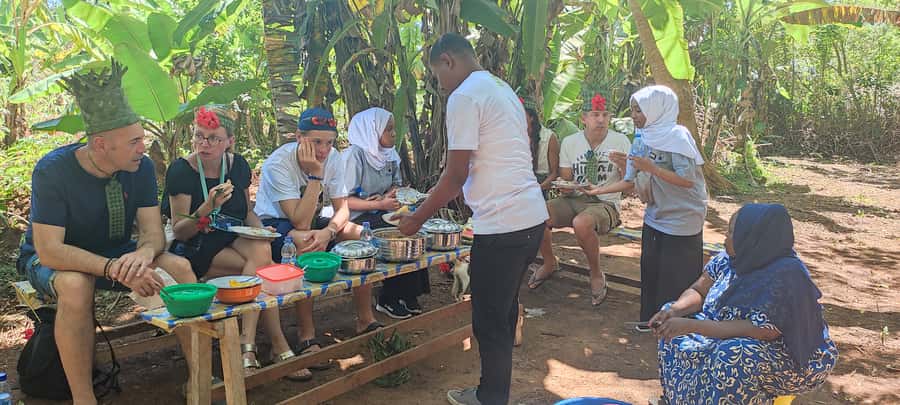
The farm shop is your chance to take the experience home. You can purchase fresh spices and teas after the tour, including products connected to the plants you have just seen.
Bring cash. Spice purchases can only be made with cash, and this is easy to overlook if you normally pay by card. The tour information does not specify prices or accepted currencies, so carry enough local cash for anything you hope to buy.
Buying spices here can be worthwhile because you have learned what the plants look and smell like. You are less likely to choose a packet at random. You can ask the guide or shop staff about uses and perhaps select ingredients you recognize from lunch.
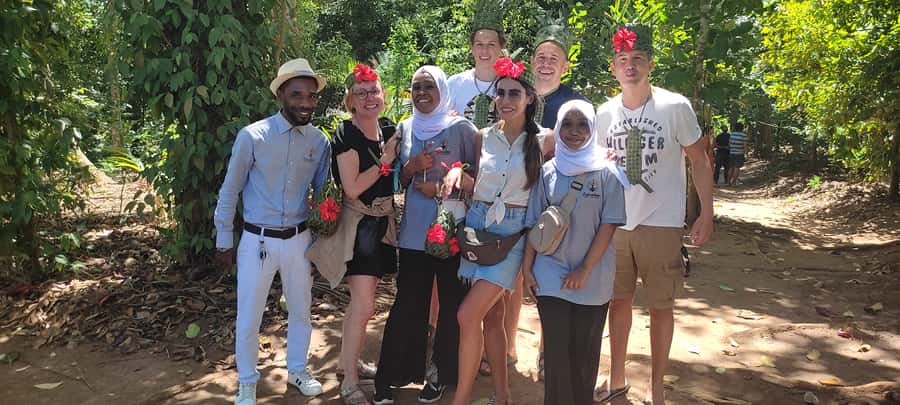
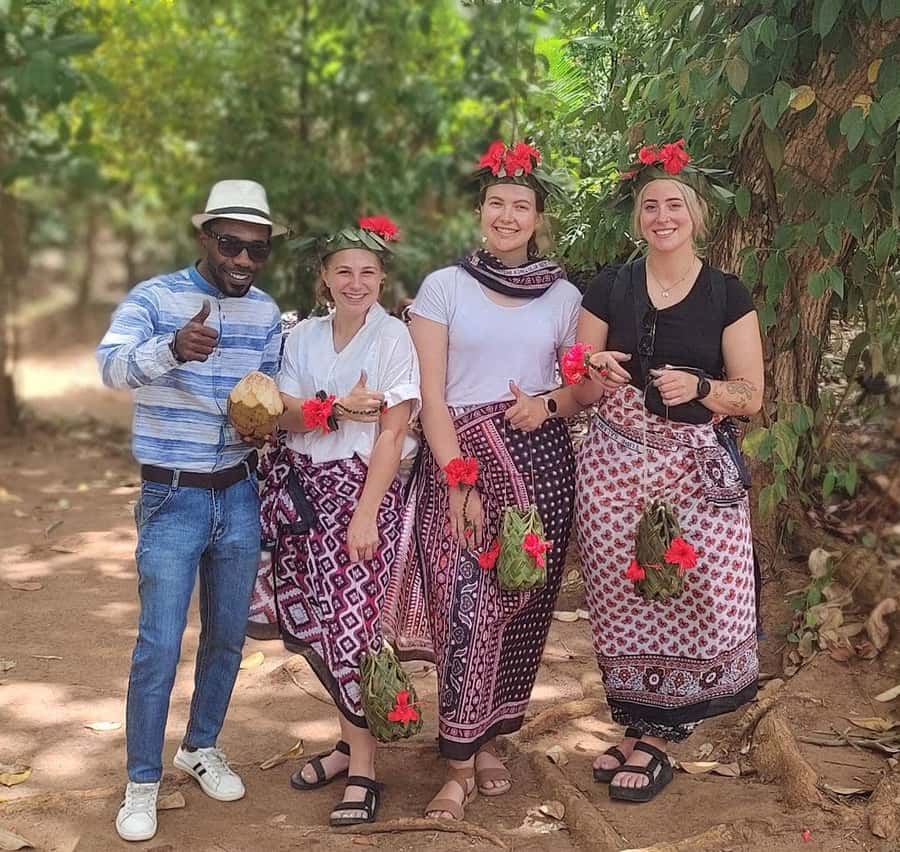
Do not feel pressured to buy. The farm visit has value even if you leave without a bag of spices. Also be aware that some farm experiences include playful extras such as leaf-made crowns, ties, or handbags. One person found this part touristy and disliked being expected to tip for it. If it appears, treat it as optional entertainment rather than a required part of the tour.
Meeting in Stone Town or Taking Hotel Pickup
The standard meeting point is in front of the Old Fort on Mizingani Road in Stone Town at 9:00 a.m. This is convenient if you are staying in the old town and want to begin without arranging a separate taxi.
Pickup is also available from beach hotels anywhere in Zanzibar. That option matters because the island’s beach areas are spread out, and arranging transport to Stone Town can add cost and hassle. Confirm the pickup details when booking, especially if your hotel is far from the town center.
Transport is included from the stated meeting point or hotel pickup arrangement. The experience is a private group, which should make it easier to ask questions and follow your own pace than on a large coach outing.
The full activity lasts three hours, but exact starting times should be checked when you reserve. The 9:00 a.m. Stone Town meeting time is the clearest stated schedule.
How the Guides Shape the Morning
A farm tour depends heavily on the guide. Plants alone do not explain themselves, and the strongest part of this experience is the person who links them to Zanzibar’s food and culture.
Chiquito received praise for humor and clear explanations. Abdullah was described as especially good, while Ahmad and other drivers added useful conversation about life in Zanzibar. One guide even taught basic Swahili words, giving the group a small way to connect with the island beyond the farm.
Guide quality can also affect the pace. A well-organized guide leaves enough time for questions, tasting, cooking, and lunch. A rushed schedule can shorten the plant walk or reduce your role in the kitchen. One account specifically found the tour was cut short because of timing.
The experience is offered in English and Swahili. That makes it accessible to English-speaking visitors, but the amount of historical detail and discussion may depend on the person leading your group.
Who Will Enjoy This Experience Most

I would recommend this tour to you if you want several kinds of Zanzibar experience in one morning. It suits people interested in food, local agriculture, cultural traditions, and practical demonstrations.
It is particularly good for:
- First-time visitors who want an introduction to Zanzibar beyond Stone Town
- Couples or private groups who prefer a personal guide
- Food lovers who enjoy seeing ingredients before they reach the plate
- Families and adults who like tasting and hands-on activities
- Shoppers who want to take home spices and teas
- Visitors staying at a beach hotel who want transport included
It may be less suitable if you want a serious cooking course, a long farm walk, or a quiet nature outing with no commercial element. The shop and optional leaf crafts add a tourist touch, even though the plant walk and meal can feel quite genuine.
Pregnant women are listed as not suitable for this activity. Wheelchair access is listed as available, but the information does not explain the exact farm paths or the level of assistance provided. If accessibility is important to you, confirm the physical setup before booking.
Is $65 a Fair Price?
At $65 per person, the value depends on how you use the morning. The price includes transport from Stone Town or a beach hotel, a local guide, lunch, the farm visit, and a contribution to the local community.
That is a fair package for a private three-hour experience, especially if you are staying at a beach hotel and would otherwise need to arrange transport. Lunch and the guide add more value than a simple farm entry ticket.
The price is less compelling if you only want to walk around a garden and take photographs. You are paying for the combination of transportation, explanations, food preparation, lunch, fruit tasting, and the chance to shop.
The tour also supports the local community, which gives the spending a wider purpose. The exact details of that contribution are not provided, so I would view it as a positive feature rather than a reason to assume a particular community program.
Practical Tips for a Better Morning
Arrive hungry, but not empty-stomached. The farm offers fruit, coconut, tasting opportunities, and lunch, so a heavy breakfast is unnecessary.
Wear shoes that are comfortable for walking around a farm. Bring a hat, sunscreen, water, and cash. A small bag is useful for spices, though no specific luggage arrangement is provided.
Keep some space in your schedule after the tour if possible. The listed duration is three hours, but transport and timing can affect the rest of your day. A rushed connection to another activity would take away from the relaxed food element.
Ask questions during the plant walk. You will get more from the experience if you ask how a spice is used in Zanzibar rather than simply waiting for the next stop.
If you plan to buy spices, make a short list before arriving. Cinnamon, vanilla, cloves, nutmeg, pepper, turmeric, ginger, cardamom, lemongrass, and teas may all tempt you. Cash is essential.
Should You Book This Spice Farm Tour?
Yes, if you want a friendly, food-focused introduction to Zanzibar’s spice culture and you value local guiding more than polished production. The best parts are the fresh plant tasting, the connection between farming and lunch, and the chance to talk with a guide about Zanzibar’s food and daily life.
Book with realistic expectations about the cooking lesson. You may help with preparation, but you may not cook every dish yourself. Also allow for a few touristy touches, and do not feel obliged to buy crafts or spices.
For most people staying in Stone Town or a Zanzibar beach hotel, the $65 price offers good value. It gives you transport, a private group, a meal, cultural background, and a sensory experience that is hard to reproduce from a market stall. Bring cash, wear sensible shoes, and arrive ready to smell, taste, and ask questions.
FAQ
Where does the spice farm tour begin?
The Stone Town meeting point is in front of the Old Fort on Mizingani Road at 9:00 a.m. Pickup is also available from beach hotels anywhere in Zanzibar.
How long does the experience last?
The tour lasts three hours. Starting times may vary, so check availability when booking.
What spices can I see on the farm?
You may see cinnamon, vanilla, cardamom, nutmeg, cloves, black pepper, ginger, turmeric, lemongrass, and other spices and herbs.
Is lunch included?
Yes. Lunch at the spice farm is included, along with the local guide, transport from the stated pickup points, and a contribution to the local community.
Can I buy spices at the farm?
Yes. You can purchase spices and teas from the farm shop, but purchases can only be made with cash.
Is the tour suitable for pregnant women?
No. Pregnant women are listed as not suitable for this activity.
Just added around Tanzania
- Cooking and Sewing & Jewelry Workshops in Arusha★ 5.0 · 14 reviews
- NGO Lifted Strong – Traditional Tanzanian Cooking Class★ 5.0 · 39 reviews
- Local Tanzanian Food Cooking Class by Kingstone Asilia (Arusha)★ 5.0 · 2 reviews
- Arusha: Traditional Tanzania Cooking Class & Food Market Tour★ 5.0 · 34 reviews
- Cooking Class Tour, Stone Town Tour, Horseback Riding★ 5.0 · 2 reviews
- Dar es Salaam: Taste of Tanzania Cooking Class and Food Tour★ 3.6 · 2 reviews
- Arusha: Local Tanzanian Cooking Class by Kingstone Asilia★ 5.0 · 3 reviews
- Arusha: Traditional Tanzania Cooking class& Food Market Tour★ 4.9 · 12 reviews
Farm & Countryside Cooking Classes, compared.
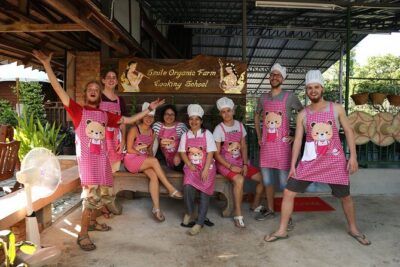
Half-Day Thai Cooking Class at Organic Farm in Chiang Mai
Read our review →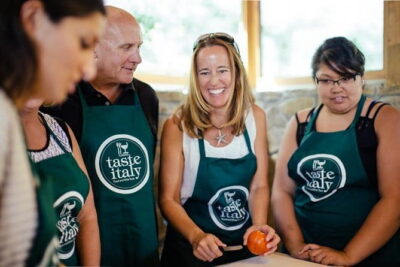
Cooking Class and Lunch at a Tuscan Farmhouse with Local Market Tour from Florence
Read our review →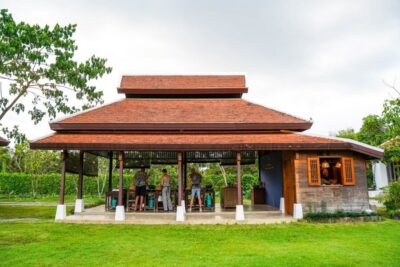
Authentic Cooking Class with Market & Farm Visit
Read our review →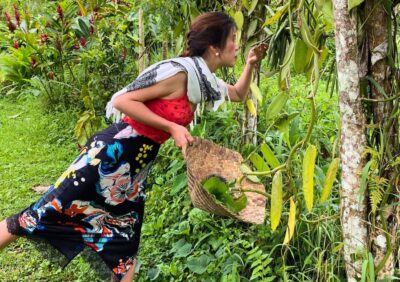
Hands-On Cooking Class & Farmhouse Tour on the Amalfi Coast
Read our review →Lists this class appears in