
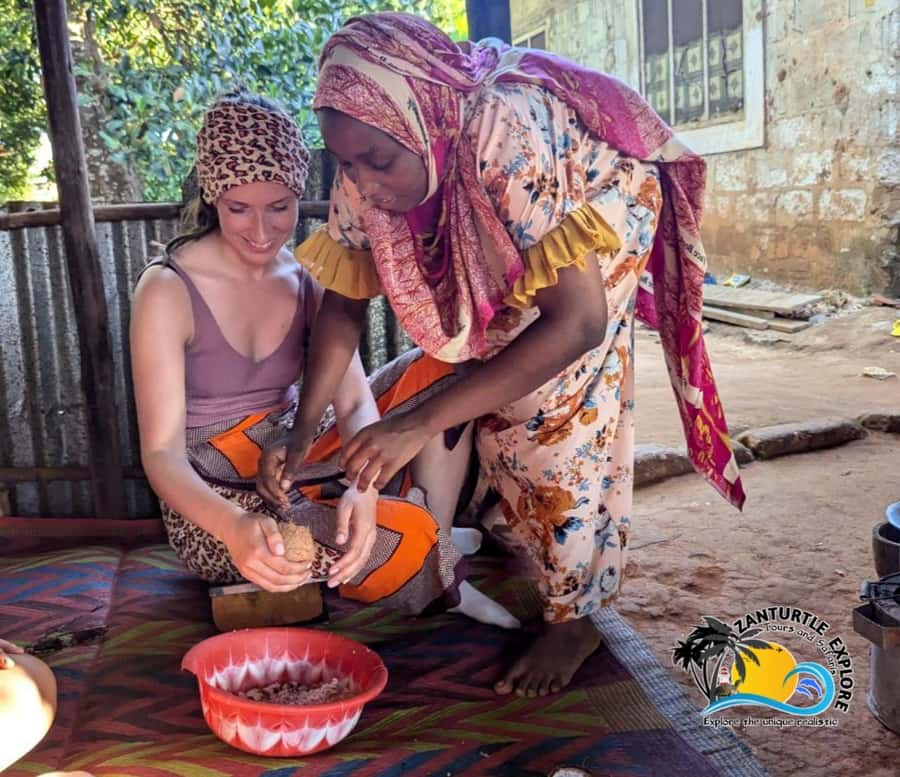
REVIEW · UNGUJA SOUTH REGION, TANZANIA
Zanzibar: Spice Farm Tour with Traditional Cooking Class
Follow the scent of cloves. This five-hour outing pairs a guided spice walk with a hands-on Swahili cooking class, giving you more than a quick look at Zanzibar’s famous crops. I like the chance to taste fresh tropical fruit and harvest ingredients yourself, and I like that hotel pickup, lunch, drinks, and cooking equipment are included. The main caution is that the farm feels more like a tourism-focused garden than a working plantation, and repeated requests for tips can take some shine off the day.
The cooking session is the real reason I would book this experience. You work with a local chef, use old-style cooking tools, and eat the meal you helped prepare. The spice walk is pleasant and informative, but the site is small, the toilets have drawn complaints, and some activities can feel geared toward selling spices, fruit, crafts, or extra tips.
Key points to know before booking
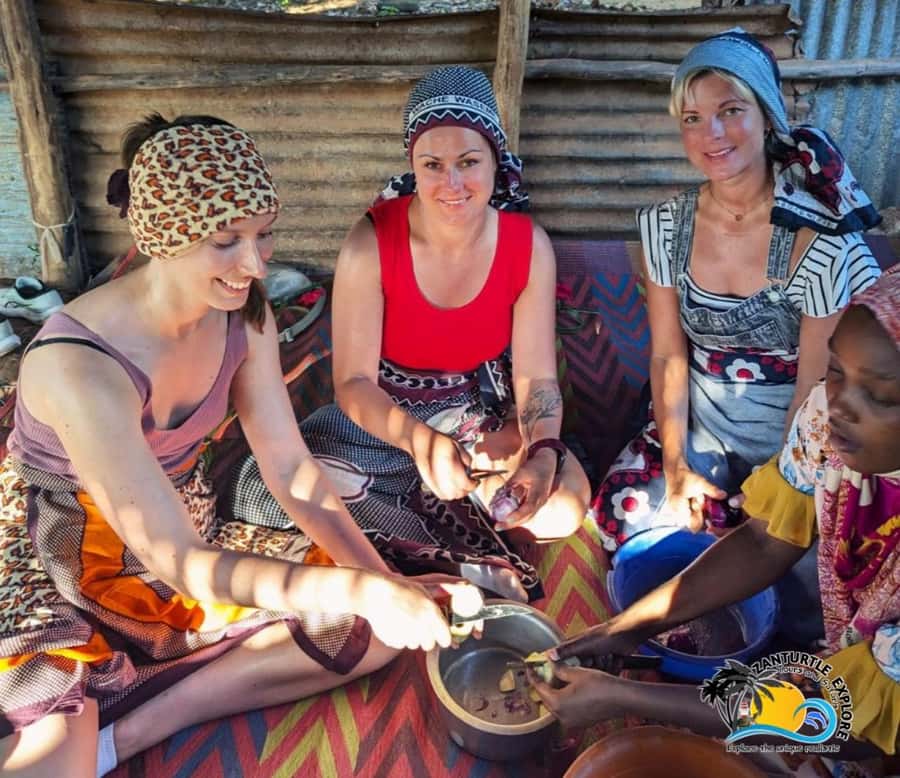
- The cooking class is the highlight: Harvest ingredients, prepare a traditional Swahili meal, then sit down to eat what you made.
- The spice farm is a large garden, not a remote plantation: You will see many crops, but also other groups and a clear tourism setup.
- Tasting is part of the lesson: Smell and sample cinnamon, vanilla, nutmeg, lemongrass, cloves, ginger, pepper, tamarind, chili, and more.
- Fresh fruit adds real value: Mangoes, papaya, pineapple, bananas, passion fruit, avocado, and local grapefruit may be offered in season.
- Tip expectations need planning: Bring small Tanzanian shilling notes if you want to tip, and decide your limit before the tour begins.
- Pickup makes this easy from Stone Town: The drive takes about one hour each way, with collection and return to your hotel included.
From Stone Town to Jambo Spice Farm Dole
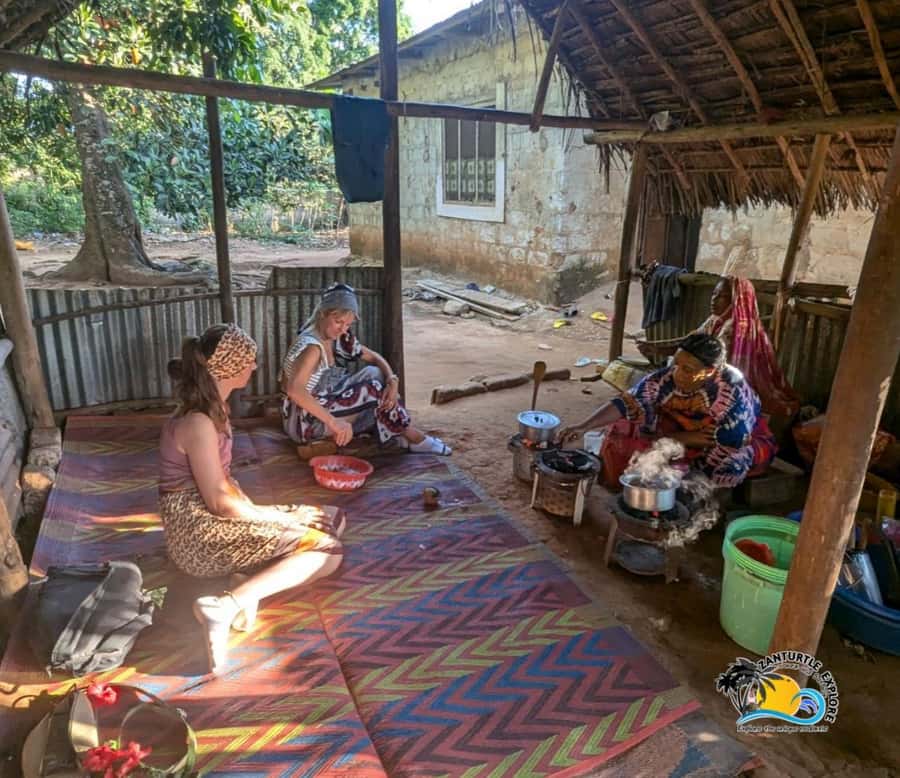
The day begins with pickup from your hotel in Stone Town or another hotel in Zanzibar. You meet the representative in the lobby or reception area, so provide the hotel name and room number when booking. The drive to Jambo Spice Farm Dole takes about one hour by van.
That transfer makes this a simple half-day outing. You do not need to arrange a taxi, find the farm yourself, or worry about returning after lunch. It also means that two of your five hours are spent on the road, so this is not five full hours at the farm. For that reason, the cooking portion matters: it gives the day a clear purpose beyond sightseeing.
The experience is offered as a private group, which can be useful for families or people who want to ask plenty of questions. Guides are available in Arabic, English, French, German, Italian, Polish, Russian, and Spanish. One family specifically appreciated having a guide who spoke their language well and involved their three-year-old child in the activities.
Wear clothes you can walk and cook in. Comfortable shoes, a hat, sunscreen, water, and insect repellent are sensible choices. The farm includes outdoor walking, and the cooking area may not be the place for your best holiday outfit.
More Farm Cooking Classes in Tanzania
- Zanzibar: Spice Farm Tour with Traditional Cooking Lesson
★ 4.8 · 77 reviews - A private half day spice farm with a cooking lesson
★ 5.0 · 13 reviews - Zanzibar: Spice Farm Tour and Cooking Class with Lunch
★ 4.2 · 11 reviews
A spice walk built around smell, taste, and guessing
At the farm, you begin with a walking tour through the growing area. The guide explains where the spices come from, how they are used in Zanzibar cooking, and how some are used for medicinal purposes. This is not just a display of jars. You get to smell and taste plants in a setting where the crops are growing.
Expect to encounter cinnamon, vanilla, nutmeg, lemongrass, cloves, ylang-ylang, cumin, ginger, pepper, tamarind, and chili. The guide may ask you to guess a spice before explaining it, which makes the walk more active than a one-way lecture. This approach was particularly well received because it turns familiar kitchen ingredients into something you identify with your senses.
Cloves are an important part of Zanzibar’s spice identity, but the tour is not limited to one famous crop. You may learn how different plants flavor food, scent products, or serve traditional health uses. Cinnamon bark, vanilla pods, ginger, and lemongrass are easy to appreciate once you can see and smell them close up.
The farm is described as large, but it should not be confused with an isolated agricultural estate. One recent visitor found it more like a bigger garden with tangled paths, several groups, and a route designed around a series of attractions. That is useful to know. You get variety in a short time, but you should not expect a quiet farm visit with long stretches of open fields.
The walk can also include shopping opportunities. Spices and fruit are available to buy, and some parts of the visit may feel closely linked to sales. I would treat the farm shop as optional. Buy something only if you want it, and ask about prices before agreeing to a purchase.
Tropical fruit between the spices
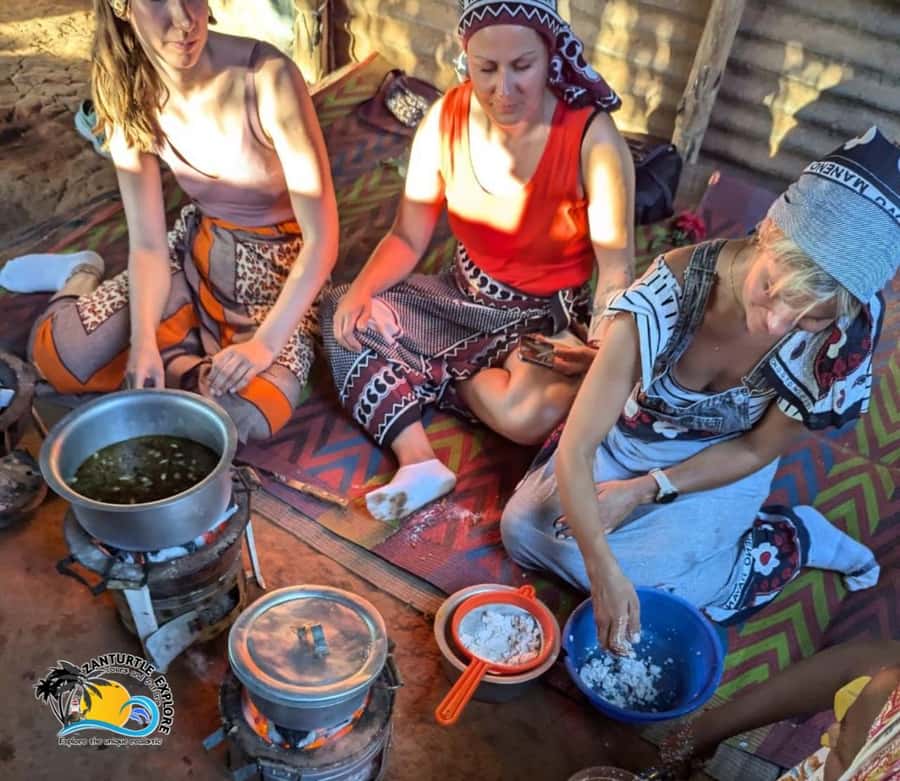
The fruit tasting is one of the nicest parts of the visit because it breaks up the spice explanations. Depending on availability, you may sample mangoes, passion fruit, avocado, papaya, local grapefruit, bananas, pineapple, and other tropical fruit.
This is more than a quick snack. It gives you a useful sense of Zanzibar’s everyday flavors, especially when compared with the dried spices that receive most of the attention. Fresh fruit also helps families keep younger children interested during the walking portion. A three-year-old was included in the farm and kitchen activities, which suggests the experience can work for families when children are comfortable with heat, outdoor walking, and unfamiliar food.
The fruit service is included with lunch and drinks, but the information does not promise every fruit at every visit. Availability can change with the season. If you have allergies or dietary concerns, write your requests before booking and repeat them to the guide at pickup.
Harvesting ingredients for a Swahili lunch
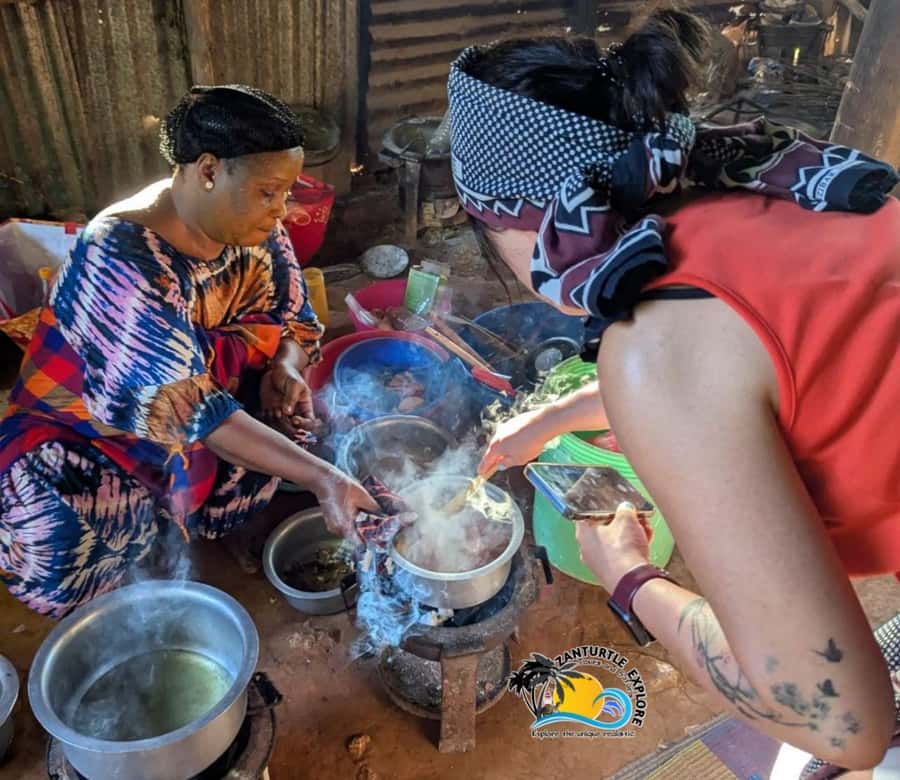
After the walk, you help harvest vegetables and spices for the cooking class. This small step gives the meal a stronger connection to the farm. Instead of simply watching a chef prepare food, you take part in collecting some of the ingredients and then carry them into the cooking area.
The chef demonstrates traditional cooking techniques and uses cooking apparatuses modeled on older equipment from coastal Zanzibar. The purpose is not to teach restaurant-level technique. It is to show how local meals were prepared with simple tools and familiar ingredients.
You should expect participation. This is not a class where you sit at a table and watch every step. You may chop, mix, season, or help with other parts of the preparation, depending on the meal and the chef. Wear comfortable clothing and be ready to spend time near cooking heat.
The food itself is a strong point. The class prepares a traditional Swahili meal, and lunch includes the food you have helped make, along with drinks and tropical fruit. One account called the meal delicious, while another described the class as the most enjoyable part of the day. That makes sense: the lesson has a clear reward at the end.
The social side may vary. One person enjoyed cooking and sharing lunch with Aïcha, while another felt the cooking staff were not very interested in conversation. If you want an active exchange, ask questions, offer to help, and tell the chef what you would like to learn. A private format gives you more room to set the pace, though some people might prefer a shared class with more conversation among participants.
Same place, a different thing to cook:
- Zanzibar Cooking Class & Spice Tour
★ 4.5 · 77 reviews - NGO Lifted Strong – Traditional Tanzanian Cooking Class
★ 5.0 · 39 reviews - Arusha: Traditional Tanzania Cooking Class & Food Market Tour
★ 5.0 · 34 reviews - Cooking and Sewing & Jewelry Workshops in Arusha
★ 5.0 · 14 reviews
Traditional music, dancing, and the human side of the visit

Traditional music and dance are included, adding a performance element to the farm visit. This may appeal to you if you want the day to include more than plants and food. It also helps connect the cooking lesson with Zanzibar’s coastal culture.
There is a less comfortable side to consider. Several parts of the visit can bring requests for tips. These may come from people involved in serving coconut, assisting with the tour, preparing food, driving, making leaf decorations, or interacting with children and women from the local community.
The requests are not described as equally forceful every time. One person felt the pressure was constant and overshadowed the day. Another found the expectations manageable and tipped a total of 10,000 Tanzanian shillings, using smaller amounts rather than dollars. My practical advice is to decide in advance what you are comfortable giving and carry small notes in Tanzanian shillings.
You are not required to turn every small service into a separate payment simply because someone asks. A clear, polite answer is enough. If tipping concerns you, ask the guide at the beginning how the custom works and which services are included in your booking price.
What $61 includes, and where the value sits
At $61 per person, the price is reasonable if you use the full package. Hotel pickup and return, the one-hour transfers, entrance and conservation fees, a professional guide, the farm walk, harvesting, cooking equipment, lunch, drinks, tropical fruit, and the cooking class are all included.
The value is strongest for someone who wants several activities in one half-day. A simple spice walk would offer less. A separate cooking class plus private transport could cost more and require extra planning. Here, the day combines transport, food, instruction, and sightseeing in one booking.
The price feels less compelling if you expect a large working plantation or a long agricultural tour. The farm has a small-scale, tourism-oriented feel, and you may spend time moving between planned stops. You also need to account for possible tips and optional purchases, which can add to the total.
The private-group arrangement helps justify the cost for couples, families, and small parties who want their own pace. It may feel less attractive to a solo participant unless personal transport and a private guide are especially important.
Practical drawbacks at Jambo Spice Farm Dole
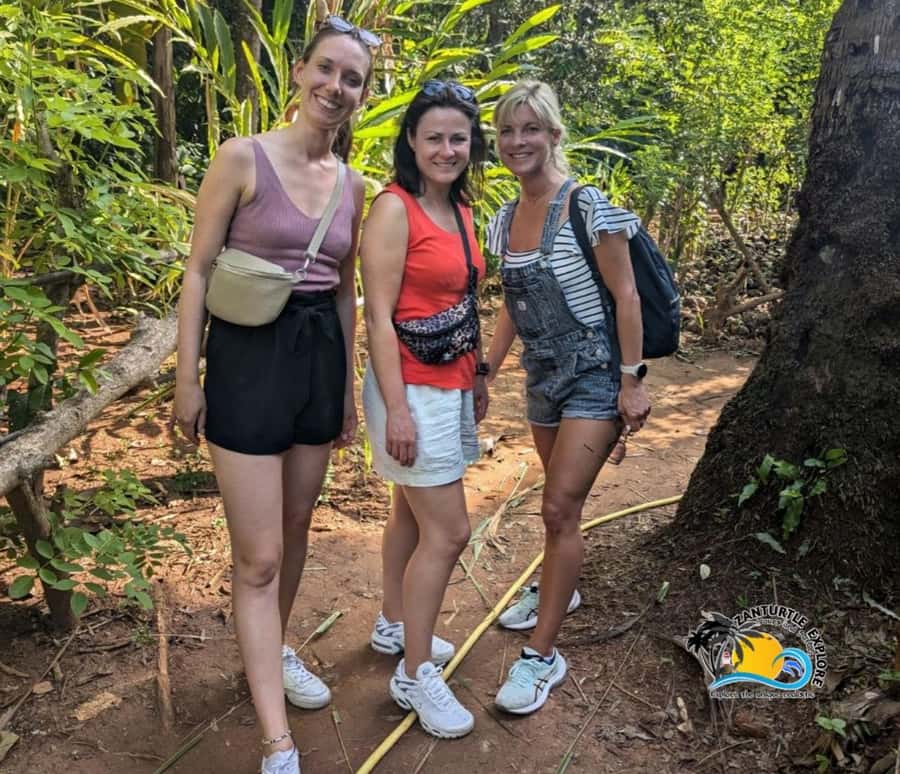
The toilets have received a clear complaint, so lower your expectations for facilities. This is a rustic outdoor attraction rather than a polished culinary school. Use the restroom before leaving your hotel if that is important to you.
Paths can be tangled, and several groups may be moving through the farm at the same time. That can make the walk feel less peaceful. It does not prevent you from seeing the spices, but it may reduce the sense of discovery.
The sales element is another consideration. Spices, fruit, coconuts, crafts, and other items may be offered along the route. You can enjoy the experience without buying anything, but you may need to repeat that choice politely.
Families should also think about the day’s pace. The activity is suitable for children who can manage walking and cooking, and a three-year-old was successfully involved. Still, the farm includes heat, outdoor paths, and unfamiliar ingredients, so adults will need to keep a close eye on younger children.
Who will enjoy this half-day experience?
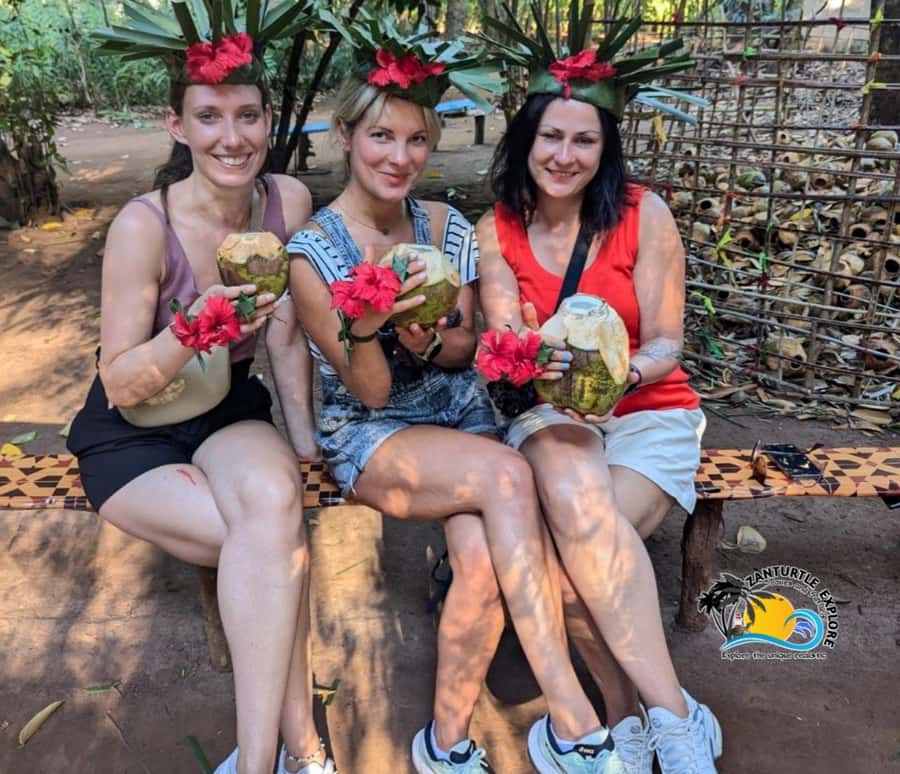
I would recommend it to you if food is a major reason you visit Zanzibar. The cooking class gives you a practical connection to local culture, and the meal turns the lesson into something memorable.
It is also a good match for:
- Couples who want a private activity outside Stone Town
- Families looking for an experience that includes fruit, movement, and cooking
- People curious about the uses of spices beyond their names
- Visitors who want hotel pickup and do not want to arrange transport
- First-time visitors who prefer a guided introduction to Zanzibar food
I would be more cautious if you want a quiet agricultural visit, modern facilities, or a strictly no-sales environment. You may also prefer another option if you dislike tipping situations or want a long, detailed cooking course with formal instruction.
Should you book the Zanzibar spice and cooking tour?
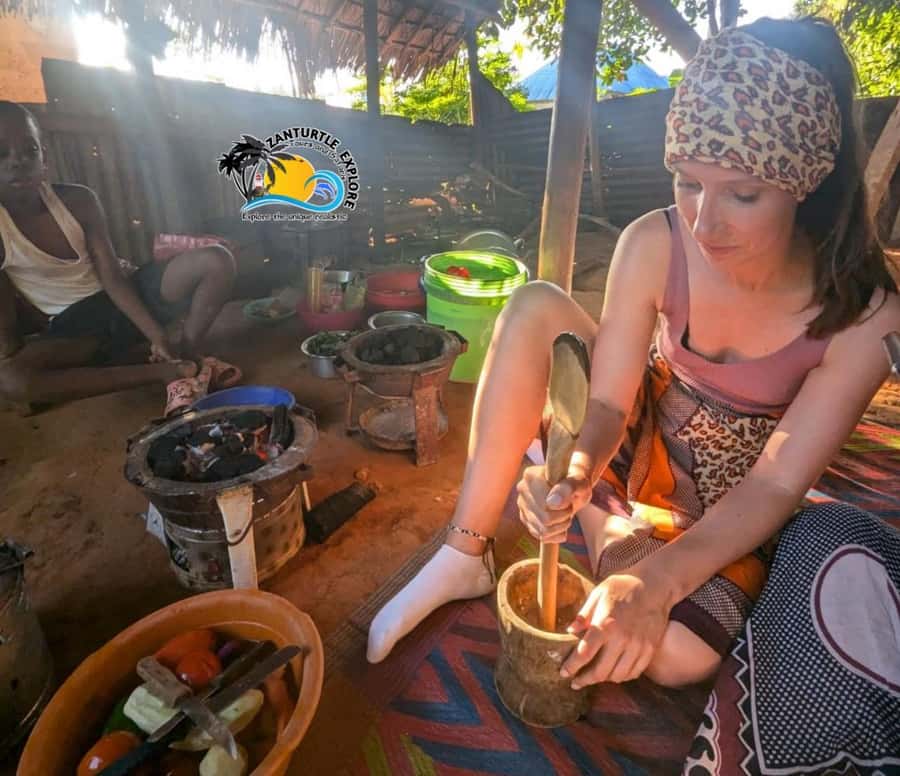
Book it if you want the cooking class, not just a spice farm photo stop. The best parts are the sensory spice walk, the chance to harvest ingredients, the fresh fruit, and the meal you prepare with a local chef. The pickup service and wide choice of guide languages make it easy to fit into a Stone Town stay.
Go in with realistic expectations. This is a five-hour tourism experience with about two hours of driving, a small-scale farm setting, basic facilities, shopping stops, and possible tip requests. Bring small Tanzanian shilling notes, wear clothes suited to cooking, and agree with your group on a tipping budget.
For food-minded visitors, families, and anyone who wants a direct introduction to Swahili cooking, the $61 price is fair. For those seeking a remote plantation or a polished culinary school, I would pass.
FAQ
How long does the Zanzibar spice farm tour take?
The experience lasts five hours, including the van journey to and from Jambo Spice Farm Dole.
Where does pickup take place?
Pickup is available from hotels in Zanzibar, including locations in Stone Town. You meet the representative in your hotel lobby or reception area.
Is hotel drop-off included?
Yes. Hotel pickup and drop-off are included, with return options listed for Zanzibar and Stone Town.
How long is the drive to the farm?
The van ride to the farm takes about one hour, and the return journey also takes about one hour.
What spices can I see and taste?
The tour includes cinnamon, vanilla, nutmeg, lemongrass, cloves, ylang-ylang, cumin, ginger, pepper, tamarind, chili, and other spices.
Is lunch included?
Yes. Lunch, drinks, and tropical fruits are included, along with the cooking class.
Do I take part in harvesting?
Yes. You can harvest vegetables and spices with the culinary guide before beginning the cooking class.
What languages are available for the guide?
Guides are available in Arabic, English, French, German, Italian, Polish, Russian, and Spanish.
Is this a private tour?
Yes. The experience is offered for a private group.
What should I bring?
Bring comfortable shoes, a hat, a camera, sunscreen, water, and insect repellent. Wear clothing suitable for walking and cooking.
Just added around Tanzania
- Cooking and Sewing & Jewelry Workshops in Arusha★ 5.0 · 14 reviews
- NGO Lifted Strong – Traditional Tanzanian Cooking Class★ 5.0 · 39 reviews
- Local Tanzanian Food Cooking Class by Kingstone Asilia (Arusha)★ 5.0 · 2 reviews
- Arusha: Traditional Tanzania Cooking Class & Food Market Tour★ 5.0 · 34 reviews
- Cooking Class Tour, Stone Town Tour, Horseback Riding★ 5.0 · 2 reviews
- Dar es Salaam: Taste of Tanzania Cooking Class and Food Tour★ 3.6 · 2 reviews
- Arusha: Local Tanzanian Cooking Class by Kingstone Asilia★ 5.0 · 3 reviews
- Arusha: Traditional Tanzania Cooking class& Food Market Tour★ 4.9 · 12 reviews
Farm & Countryside Cooking Classes, compared.
Half-Day Thai Cooking Class at Organic Farm in Chiang Mai
Read our review →
Cooking Class and Lunch at a Tuscan Farmhouse with Local Market Tour from Florence
Read our review →
Authentic Cooking Class with Market & Farm Visit
Read our review →
Hands-On Cooking Class & Farmhouse Tour on the Amalfi Coast
Read our review →Lists this class appears in