
REVIEW · KYOTO, JAPAN
Bento Box Cooking Class
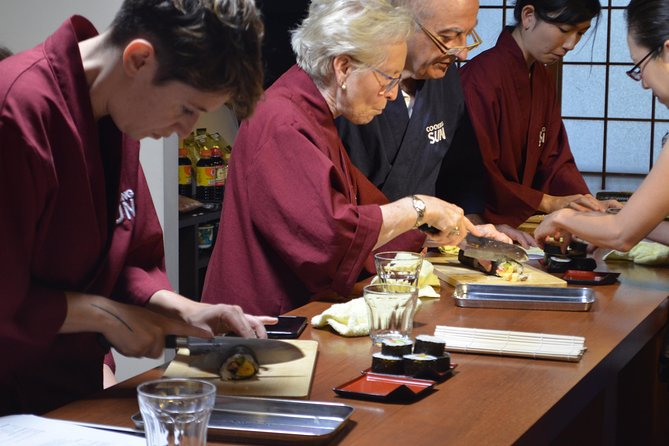
Make lunch, then eat it. This Kyoto cooking class turns the familiar bento box into a hands-on lesson in Japanese food culture, with demonstrations, guided practice, and a full meal at the end. I like the mix of practical recipes and cultural background, and I especially like that you leave with recipe copies rather than only a pleasant memory. The main consideration is timing: cooking begins at 9:30 am, and you may be hungry by the time the meal is ready.
I also like the small-group format, which gives the English-speaking instructors time to help with tricky jobs such as rolling egg omelets, shaping sushi, and frying tempura. The class is a good fit for couples, families, solo food lovers, and anyone who wants more than a restaurant meal in Kyoto. Just remember that the menu changes with the seasons, so the exact dishes described here may not appear on your date.
Key points to know before booking
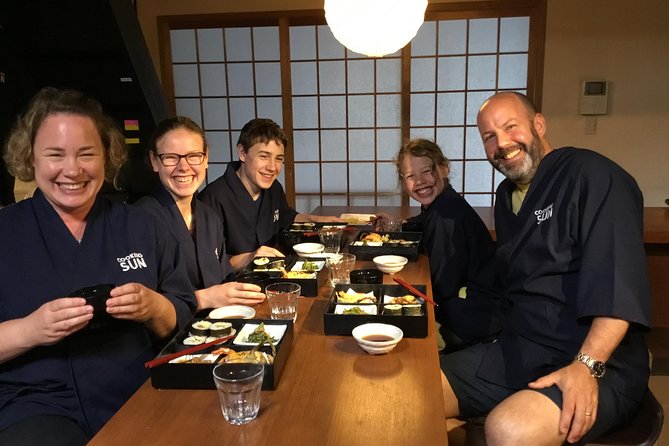
- You make several dishes yourself: Common examples include miso soup, teriyaki chicken, tempura vegetables or shrimp, egg rolls, sushi, and a spinach and sesame salad.
- The class lasts about three hours: It begins at 9:30 am and ends back at the Cooking Sun Kyoto meeting point.
- The meal is included: Ingredients, lunch, an apron, and an English-speaking cooking instructor are all part of the experience.
- The recipes go home with you: You receive copies of the dishes prepared in class, useful for repeating the meal in your own kitchen.
- Seasonal cooking shapes the menu: Dishes change about every three months to use available ingredients.
- The class has a practical, patient teaching style: Instructors demonstrate technical steps, then guide you as you cook.
Why a bento box makes a useful Kyoto cooking lesson
A bento is not simply lunch packed into a tidy box. It reflects Japanese ideas about balance, portion, presentation, variety, and convenience. You get several small tastes in one meal, rather than one large dish taking over the plate.
The class begins with background on the bento and its place in Japanese food culture. The word is linked to the idea of convenience, and the tradition reaches back centuries. That short introduction gives the food some context before you begin chopping, mixing, rolling, and frying.
I find this approach more useful than a class that rushes straight to the recipes. You learn why a bento contains several separate items and why presentation matters. The lesson also helps you notice details in everyday Japanese meals later in your trip.
This is still a cooking class first, not a long lecture. The historical introduction is brief enough for people who want to get to work. You will spend most of the morning preparing food with help close at hand.
More Sushi and Japanese Classes in Kyoto:
- Ramen Cooking Class at Ramen Factory in Kyoto
★ 5.0 · 1,937 reviews - Kyoto: Ramen Cooking Class at a Ramen Factory with Souvenir
★ 4.9 · 532 reviews - Kyoto: Ramen, Gyoza, and Onigiri Cooking Class
★ 5.0 · 445 reviews
Arriving at Cooking Sun Kyoto at 9:30 am
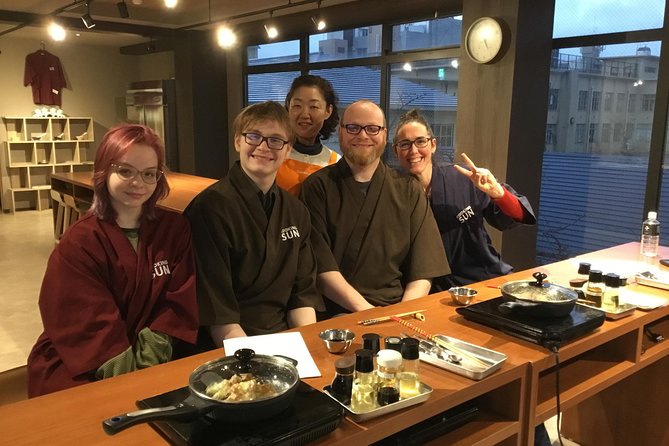
The meeting point is Cooking Sun Kyoto at 679 Funayacho, Shimogyo Ward, Kyoto, postal code 600-8466. The class starts at 9:30 am, so allow enough time to reach the studio without hurrying. The location is near public transportation, but hotel pickup and drop-off are not included.
Once you arrive, you receive an apron and settle into the cooking space. The format is designed for participation, not for standing at the back and watching a chef do everything. The advertised maximum is eight people per booking, with a maximum of eight participants for the activity, which should help keep instruction personal.
The exact setup can vary by session, but the teaching method is clear. An instructor demonstrates a technique, explains what matters, and then gives you a chance to try it. This matters most with tasks that look simple until you attempt them, such as folding an omelet into layers or rolling sushi tightly enough to hold its shape.
English instruction is included. The class has received strong praise for clear explanations, patient help, and a relaxed manner. That is good news if Japanese cooking is new to you or if you are unsure about unfamiliar ingredients.
From demonstration to hands-on cooking
The cooking portion covers several small dishes rather than one main recipe. This gives you a better sense of how a bento comes together, but it also means the morning has a steady pace.
Examples from the menu include:
- Miso soup
- Tempura vegetables or shrimp
- Japanese rolled egg omelet
- Teriyaki chicken
- Sushi rolls
- Spinach with sesame
- Other seasonal bento items
The menu changes roughly every three months. That is a plus for ingredient quality and variety, but it means you should treat any sample menu as a guide rather than a promise. If you have your heart set on one specific dish, ask before booking.
The instructors handle the balance between demonstration and practice well. They show the more technical moves, then let you repeat them with support. The egg roll is often a highlight because the layered shape requires more control than a standard omelet. Sushi rolling and tempura frying also give the class a sense of occasion without turning it into an advanced culinary course.
Some ingredients are prepared in advance, which keeps the class moving. You will not necessarily spend the full morning washing and chopping every item from scratch. That is practical for a three-hour class, though people looking for a fully start-to-finish kitchen session may want to ask how much preparation is done before arrival.
The benefit is that you can cover a broad range of dishes without the lesson dragging. You get a taste of frying, seasoning, rolling, simmering, and arranging. By the end, you have a better understanding of the work behind the neat little box served in shops and train stations across Japan.
The bento meal at the end
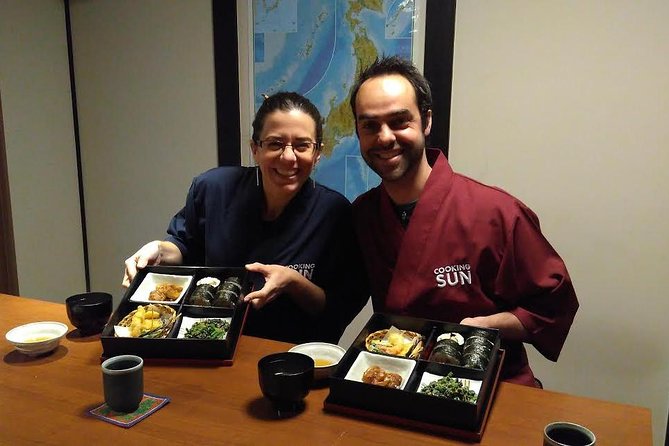
After the cooking is complete, you sit down and eat what you made. Lunch is included, and the meal is usually substantial because it contains several dishes. If you skip breakfast, you may find the wait difficult. It is sensible to eat something light before class, especially since the food is not served until the cooking is finished.
The final meal is one of the best parts of the experience. You can see how separate dishes become a balanced bento once they are arranged together. A successful box should look appealing as well as taste good, and the presentation gives you a clear goal during the cooking.
This also creates a satisfying finish for families and couples. Teenagers can take part in the hands-on work, and the meal gives everyone a chance to compare results and talk about the food. You are not merely carrying a recipe card away. You have made, arranged, and eaten the dishes yourself.
The class members are usually working on similar tasks at the same time, so there is a friendly shared rhythm. Still, the focus remains on the food rather than forced entertainment. That makes it a comfortable choice if you want a social activity without a loud or theatrical atmosphere.
A few more cooking classes around Kyoto worth a look
- Kyoto: Japanese Washoku Bento Small Group Cooking Class
★ 5.0 · 380 reviews - Kyoto Ramen and Gyoza Cooking Class with Professional Chefs
★ 5.0 · 282 reviews - Kyoto: Afternoon Japanese Izakaya Cooking Class
★ 4.9 · 241 reviews - Izakaya Style Cooking Class
★ 5.0 · 219 reviews
What makes the instruction work
The strongest feature is the teaching style. The instructors are described as friendly, clear, patient, and organized. They explain both the method and the reason behind it, which helps you repeat the dishes later.
You may learn small points that are easy to miss in a cookbook. Examples include how to prepare dashi, when to use different types of soy sauce, and how to handle dishes that require careful seasoning. These details add real value because they affect flavor more than simply following a list of ingredients.
The instructors also make room for questions. That is useful if you already cook Asian food and want to improve technique, but it is just as helpful if you are a beginner. The class is not limited to people who already know how to use chopsticks, a sushi mat, or a tempura setup.
The pace sounds well judged for most people. You get explanations, demonstrations, and time to work without sitting idle for long periods. A three-hour class is long enough to learn several recipes but short enough to fit into a sightseeing schedule.
One small limitation is that individual attention depends on the number of people in your session. The stated maximum is eight, which is encouraging, but the amount of direct help you receive can still vary depending on the group and the complexity of the menu.
Seasonal ingredients and changing menus
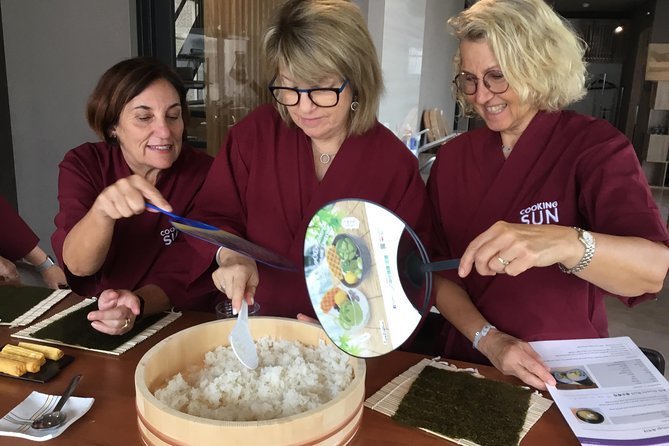
A menu that changes every three months is a practical feature in Kyoto. Seasonal Japanese cooking is built around using ingredients at their best, and a rotating menu lets the class reflect that idea.
You might prepare different bento items depending on the time of year. This keeps the experience from becoming a fixed demonstration repeated without regard for the calendar. It also gives you a reason to return if you are visiting Kyoto more than once.
The trade-off is predictability. The class information names popular examples such as tempura, egg rolls, miso soup, sushi, chicken, and vegetable dishes, but you should not assume every one will appear. Dietary needs should be provided when booking so the instructors can plan appropriately.
Food allergies deserve special attention. The class accepts dietary requirements when advised in advance, and care with allergies has been praised. Still, you should communicate clearly before the start date. Japanese cooking can use soy, fish-based stock, wheat, eggs, and other common allergens, so an early warning is important.
Is $71.35 good value?
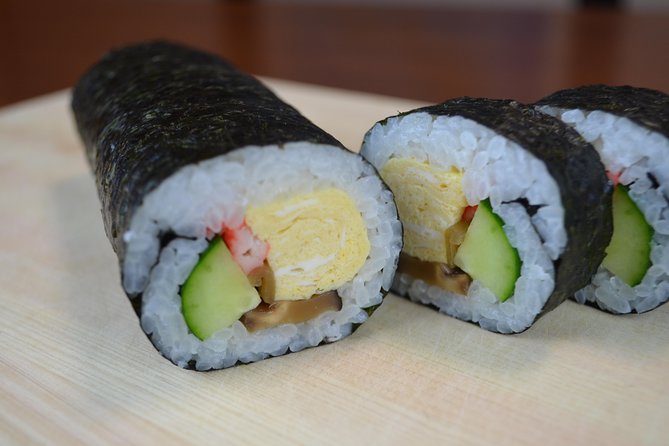
At $71.35 per person, this is not the cheapest lunch in Kyoto. You can buy a bento from a station or department store for far less. The price makes more sense when you treat the class as a three-hour activity that includes instruction, ingredients, apron use, lunch, and recipes to take home.
You also get several dishes rather than one recipe. Learning to make an omelet, sushi, tempura, soup, and seasoned vegetables in one session gives you a broad introduction to Japanese home cooking. The practical value is strongest if you plan to cook again after returning home.
The class also saves you from arranging separate ingredients and equipment. The instructors prepare the session, organize the cooking, and guide you through the steps. That convenience matters during a short Kyoto visit, when you want a meaningful food experience without spending a full day on it.
Group discounts are available, though the exact saving is not provided. If you are booking with family or friends, check the price before confirming. For a solo participant or couple, the standard cost is easier to justify if you value instruction and cultural context, not just the meal.
Who should take this class?
I would recommend it most strongly to:
- People who enjoy cooking and want several Japanese recipes in one session
- First-time visitors who want a food activity with cultural background
- Couples looking for a shared morning activity
- Families with older children or teenagers who will take part in the preparation
- Home cooks who want practical ideas for dashi, sushi, tempura, omelets, and Japanese seasoning
- Anyone with a busy Kyoto schedule who wants a compact experience
It may be less suitable if you want a quiet morning, dislike group activities, or prefer eating without preparing the food. It is also not the right choice if you need a guaranteed menu item and cannot accept seasonal changes.
The class does not include hotel transportation, so it requires independent arrival and departure. Service animals are allowed, and the location is near public transportation. If mobility or dietary needs matter to your plans, ask the provider directly before booking, since the available information does not describe every studio detail.
A few practical tips for a better morning
Eat a light breakfast before you go. You will be cooking for much of the session, and lunch comes at the end.
Tell Cooking Sun about dietary requirements at the time of booking. Do not wait until you arrive, especially if you have a serious allergy.
Bring a phone if you want to photograph the finished bento, but keep your attention on the cooking when the instructor is demonstrating a technical step. The egg roll and sushi techniques are easier to copy when you watch closely.
Leave room in your schedule after class. The activity lasts about three hours, and the stated duration can reach three and a half hours. Since it ends back at the meeting point, you can continue sightseeing afterward, but avoid scheduling something immediately afterward.
Keep the recipe copies. The best value comes later, when you try the dishes at home and adjust them to the ingredients available to you.
Should you book the Kyoto bento class?
Book it if you want to do more than eat Japanese food. The combination of hands-on work, seasonal dishes, English instruction, lunch, and take-home recipes gives you a useful introduction to everyday Japanese cooking.
I especially recommend it for people who enjoy learning by doing. You will make several items, ask questions, and leave with techniques that can be repeated at home. The class also works well as a break from temple visits and packed sightseeing days.
Skip it if you want a guaranteed menu, a private lesson, or a very short activity. For everyone else, $71.35 is a fair price for a well-organized morning that ends with a meal you made yourself. Just arrive on time, eat a little beforehand, and tell the instructors about dietary needs early.
FAQ
Where does the bento cooking class take place?
The class takes place at Cooking Sun Kyoto, located at 679 Funayacho, Shimogyo Ward, Kyoto, 600-8466, Japan.
What time does the class start?
The class starts at 9:30 am.
How long does the experience last?
The cooking course lasts about three hours, with the full duration described as approximately three to three and a half hours.
What is included in the price?
The price includes lunch, all cooking ingredients, an English-speaking cooking instructor, and an apron.
Is hotel pickup included?
No. Hotel pickup and drop-off are not included. The activity begins and ends at the Cooking Sun Kyoto meeting point.
What dishes will I make?
Possible dishes include miso soup, tempura vegetables or shrimp, egg rolls, teriyaki chicken, sushi rolls, and spinach with sesame. The menu changes about every three months according to seasonal ingredients.
Will I receive recipes after the class?
Yes. Recipe copies are provided so you can prepare the dishes for friends and family at home.
How many people can join?
The activity has a maximum of eight participants, and a maximum of eight people can be included per booking.
Can I request help with dietary requirements?
Yes. You should advise the provider of specific dietary requirements at the time of booking.
What is the cancellation policy?
You can cancel for a full refund if you do so at least 24 hours before the experience start time. Cancellations or changes made less than 24 hours in advance are not accepted for a refund.
Just added around Kyoto
- Kyoto Udon & Tempura Cooking Class with Professional Chefs★ 3.8 · 3 reviews
- Kyoto: Morning Japanese Bento Cooking Class★ 5.0 · 149 reviews
- Kyoto: Wagashi (Japanese sweets) Cooking near Fushimiinari★ 5.0 · 40 reviews
- Kyoto Home Cooking Class &Supermarket tour near Fushimiinari★ 5.0 · 31 reviews
- Kyoto: Cooking class, learning how to make authentic sushi★ 4.2 · 9 reviews
- Kyoto: Authentic Sushi Making Cooking Lesson★ 5.0 · 103 reviews
- Authentic Japanese Cooking Experience at Izakaya restaurant★ 4.2 · 5 reviews
- Gyoza Cooking Class in Kyoto: Traditional Japanese Dumplings★ 5.0 · 12 reviews
Japanese & Sushi Cooking Classes, compared.
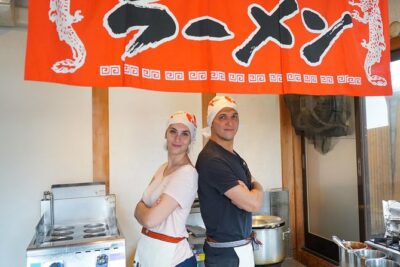
Ramen Cooking Class at Ramen Factory in Kyoto
Read our review →
Ramen & Gyoza Cooking Class in Tokyo with Local Supermarket Visit
Read our review →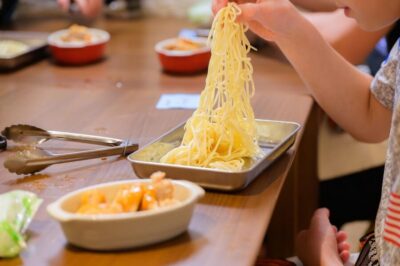
Ramen Cooking Class at a Ramen Factory with Souvenir
Read our review →
Sushi Making Osaka! Popular Sushi Class in Japan!
Read our review →
Tokyo Tsukiji Fish Market Tour and Sushi Making Lesson
Read our review →
Japanese Washoku Bento Small Group Cooking Class
Read our review →
Lists this class appears in