REVIEW · ILE-DE-FRANCE, FRANCE
Paris: Lemon Tart Baking Class with a Pastry Chef
Bake dessert, keep the memory. This 150-minute Paris pastry class turns a famous lemon meringue pie into a hands-on lesson, not just another sweet stop between museums. You work with a professional pastry chef, make the dessert from scratch, and leave with both the finished pie and a digital recipe. I especially like the small group of no more than eight people and the fact that ingredients and transport packaging are included.
The main thing to consider is the price: $159 per person is a serious spend for a single dessert. Still, you are paying for instruction, ingredients, studio time, a prepared pie to enjoy later, and a skill you can repeat at home. The class is taught in English, which makes the techniques easier to follow, but you must arrange your own transportation to the studio.
Key points to know before booking

- A 400-year-old dessert gets a practical modern lesson: You make lemon meringue pie from the beginning rather than simply sampling it.
- Eight people is the maximum: The small class size should allow the chef to give personal help during mixing and baking.
- You eat some and take the rest with you: Transport packaging is included for carrying your pie after class.
- The recipe comes digitally: You can try the dessert again at home instead of leaving the technique in Paris.
- The class lasts 2.5 hours: It fits well into a day that already includes sightseeing, but it is too long for a quick drop-in activity.
- The meeting point is easy to identify: Look for the grey door and arrive at the time on your reservation.
Why a lemon tart makes a good Paris class
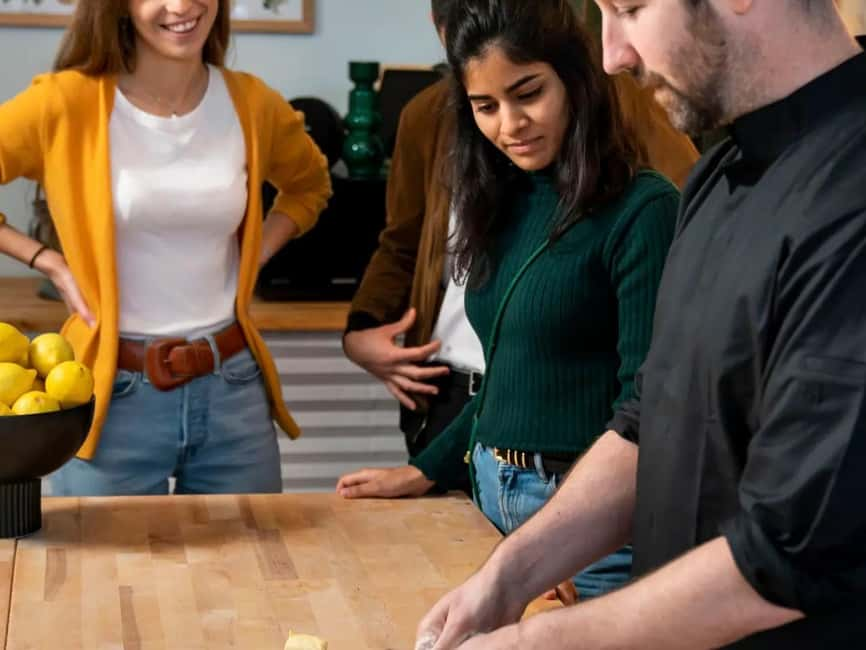
Paris offers plenty of pastry to admire through bakery windows. This class gives you a different connection to French baking: you handle the ingredients, follow the methods, and see how separate components become one polished dessert.
The focus is the classic lemon meringue pie, known in French as a lemon tart with meringue. Its appeal comes from contrast. The sharp lemon filling cuts through the sweetness of the meringue, while the pastry base adds a firm, buttery layer beneath it. You are not just making something sugary. You are learning how texture, acidity, and sweetness work together.
The dessert has more than 400 years of history, and its familiar meringue topping has been reworked by well-known pastry chefs in many forms. That background adds useful context, but the class stays practical. You do not need to arrive with a baking background. The chef guides you through the process step by step.
I like this format for a Paris visit because it gives you something you cannot get from a restaurant table alone. A meal disappears quickly. A recipe, if you use it, can return you to the city months later.
More Baking Classes in France
- Paris Croissant Small-Group Baking Class with a Chef
★ 5.0 · 910 reviews - Paris: French Croissant Baking Class with a Chef
★ 4.9 · 712 reviews - Paris Macarons Small-Group Baking Class with a Chef
★ 5.0 · 316 reviews
Inside the small Paris studio
The class takes place in a cozy Parisian studio. The description does not provide a street name or neighborhood, so you should check the exact meeting details before setting out. At the studio, look for the grey door and meet the host at the time reserved.
A group of eight or fewer is a real advantage here. Baking can become confusing when several people need help at once. In a small group, you should have a better chance to see the chef’s methods clearly and ask questions as you work.
The class is conducted in English. That matters when you are learning details such as how ingredients are mixed, how the filling changes, and how the meringue is handled. Even basic baking instructions can be hard to follow when they are rushed or translated poorly, so English teaching is useful for this hands-on format.
Health rules are followed to keep the studio comfortable and secure. The supplied information does not list particular requirements, so check the current booking details if you have questions before attending.
Starting with ingredients and pastry
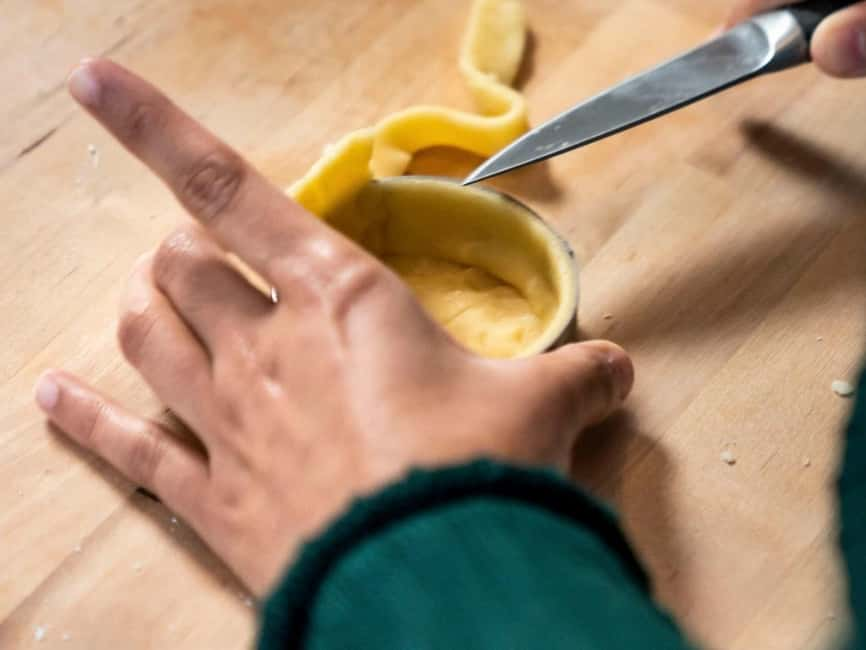
The class begins with the building blocks of the dessert. You work with the ingredients provided by the studio, rather than shopping for them yourself. That keeps the focus on technique and saves you from carrying groceries through Paris.
The pastry base is an important part of the lesson. It needs to support the lemon filling without becoming heavy or soggy. The chef guides you through the mixing and baking methods, helping you understand how the dough should be handled before it reaches the oven.
This is where the class has value beyond a recipe card. A digital recipe can tell you what to add, but it cannot always show you what the mixture should look like or how the texture should feel. Watching the chef and working beside the other participants gives you a clearer sense of those stages.
You should expect to take part rather than watch a demonstration from the side. Wear something practical and be prepared to work for much of the session. The supplied details do not state whether aprons or other protective clothing are provided, so do not assume that they are.
Building the lemon filling
Once the pastry work is underway, the class turns to the lemon component. The chef explains how to combine the ingredients and how the mixture is prepared for baking. The goal is a smooth filling with a clear citrus flavor, not a flat sweetness.
Lemon desserts are less forgiving than they look. Too little acidity can make the tart taste dull. Too much can overpower the pastry and meringue. Learning how those parts fit together helps you understand why a classic French dessert has remained so popular.
The chef also covers ingredient selection. You are promised guidance from choosing the finest ingredients through the mixing and baking stages. That does not mean you will receive a separate market tour or a lesson on every possible lemon variety. It does mean the ingredients are treated as part of the craft, not as anonymous items dumped into a bowl.
For me, this is one of the strongest reasons to choose the class over a standard pastry tasting. You learn what the chef is watching for at each stage. That makes it easier to repeat the recipe at home, even if your first homemade tart needs a little practice.
More Baking Classes in Paris
- Paris: Macaron Baking Class for Families and Kids
★ 4.7 · 270 reviews - Paris: Macaron Baking Class in Central Paris
★ 5.0 · 208 reviews - Paris: Croissant Baking Class with a Chef
★ 5.0 · 201 reviews - Paris French Baking Class Baguettes and Croissants in a Bakery
★ 4.5 · 172 reviews
Finishing with the meringue topping
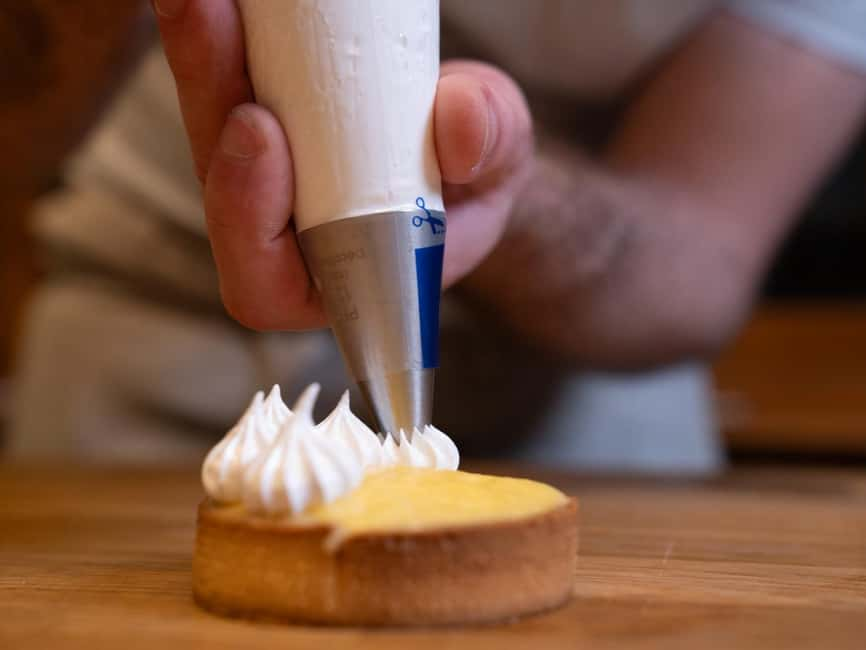
The meringue gives the dessert its most recognizable look. It also requires care. The chef takes you through the process of making and applying the topping, including the mixing and baking techniques needed to finish the tart properly.
The meringue is more than decoration. It changes the bite and balances the sour lemon filling. It also gives the finished dessert its classic appearance, with an artistic topping that has been interpreted in different ways by pastry chefs.
The exact finishing method is not specified, so you should not expect a promised torching demonstration or a particular decorative style. The useful part is the guided practice. You get to see how the topping is prepared and how it becomes part of the final dessert.
A small group helps most at this stage. The topping is the part many home bakers find tricky, and a chef can correct a problem while you are still working. You may also pick up small habits that a recipe alone would never explain, such as how to spread the meringue or judge its consistency.
Tasting your pie and taking it home
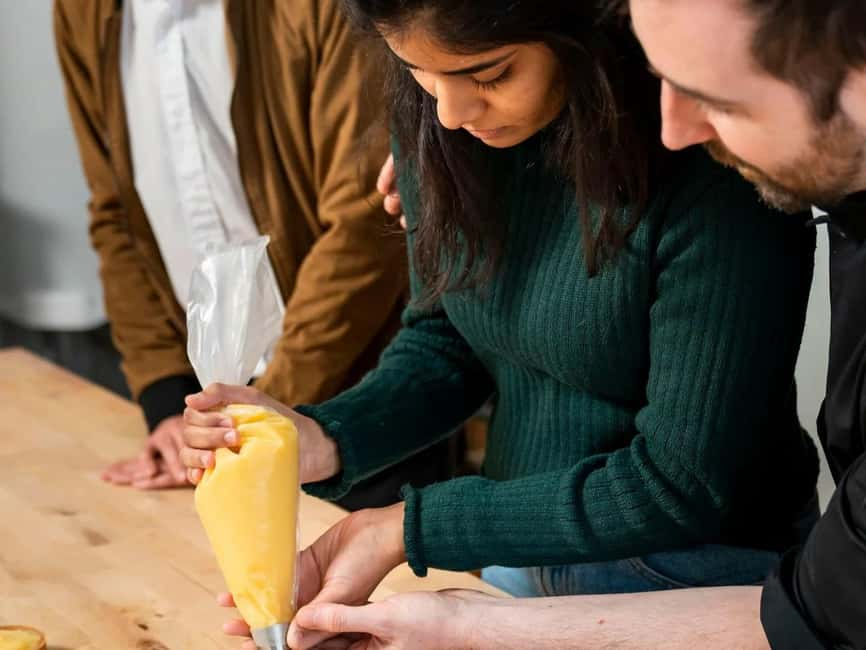
The class ends with a tasting session. You get to enjoy the dessert you made, which gives the work a satisfying finish and lets you judge the balance of the pastry, lemon filling, and meringue together.
You also receive transport packaging for your pie. That is a useful inclusion. You can savor part of the creation during the class and carry the rest with you instead of trying to protect a delicate tart with improvised bags.
The packaging does not remove every practical concern. A pie is still a fragile item, and the supplied information does not say how long it will keep or whether the packaging is designed for a long journey. If you plan to take it back to a hotel, store it carefully and avoid packing it under heavy items.
The class also includes a digital recipe. This may be the most lasting part of the experience. A pastry disappears, but the recipe gives you a chance to repeat the process for friends and family. It also lets you work on the technique after you have returned home, where your own oven and ingredients may behave differently.
Is $159 a fair price?
At $159 per person, this is not a budget activity. You should compare it with the cost of a bakery visit, where you can buy a slice of lemon tart for far less. The difference is that a bakery visit gives you a finished product, while this class gives you instruction, practice, ingredients, a pie, packaging, and a recipe.
The small group is important to the value. With a maximum of eight participants, you are not paying for a crowded demonstration where the chef works several steps ahead of you. The closer attention should make the lesson more useful, especially if you have never made meringue or pastry before.
I would call the price reasonable for someone who enjoys cooking, wants a structured Paris activity, or values a take-home skill. It is harder to justify if you simply want dessert or have a tight activity budget. The experience makes the most sense when you think of it as both a pastry workshop and a cultural activity.
Ingredients are included, so there is no surprise grocery bill. Personal expenses and transportation to the studio are not included. You should allow extra time and money for getting to the meeting point, since the class does not provide a transfer.
Who will enjoy this experience most?
This class suits you if you like food activities that involve doing, not just eating. It works well for couples, friends, and solo visitors who want a social activity with a clear result at the end.
It is also a good choice for home bakers. You do not have to be an expert, but a basic interest in pastry will help you get more from the chef’s explanations. The digital recipe gives you a reason to keep practicing after Paris.
Families and younger participants may enjoy the class, but the supplied information does not state a minimum age or specific child arrangements. Check those details before booking if you are traveling with children.
The experience is less suitable if you want a quick sightseeing break. Two and a half hours is a meaningful part of the day, and baking requires attention. You will not simply arrive, sample a tart, and leave.
It also may not be ideal for anyone with dietary restrictions unless the provider confirms that adjustments are possible. The class includes ingredients, but no substitutions or allergy policies are provided in the available details. Ask before reserving if this affects you.
Planning your time around the workshop
The duration is 150 minutes, so plan your day with a comfortable buffer on both sides. You should arrive at the grey door at the reserved time, rather than cutting it close after another appointment.
Since transportation is not included, check the route to the studio before leaving. The exact location is identified through the meeting instructions, but the available information does not name a nearby metro stop or landmark. Do not rely on finding the studio casually while carrying a delicate dessert afterward.
The workshop can fit well between other Paris plans, but avoid scheduling a major timed attraction immediately afterward. Baking stages may require attention, and you will leave with a pie that needs careful handling. A slower afternoon is a better match than a rushed museum circuit.
Free cancellation is available up to 24 hours in advance for a full refund. You can also reserve now and pay later, which helps if your Paris schedule is still taking shape. These options are useful, but they do not replace checking the class time and meeting point before you confirm.
Final verdict: book it for the skill, not just the tart
I recommend this class if you want a small, practical food experience and enjoy the idea of recreating a Paris dessert at home. The strongest features are the English-speaking pastry chef, the eight-person limit, the included ingredients, and the digital recipe.
The price is high, and transportation to the studio is your responsibility. Still, the class offers more than a pastry purchase: you make the lemon meringue pie yourself, taste it, carry it home in proper packaging, and leave with a method you can use again.
Book it if you are happy to spend two and a half hours on one dessert and want a lasting memory tied to a real skill. Skip it if you are looking for the cheapest way to eat French pastry or if your itinerary cannot spare a focused afternoon activity.
FAQ
How long does the lemon tart baking class last?
The class lasts 150 minutes, or 2.5 hours.
What dessert will I make?
You will make a classic lemon meringue pie from scratch, including the pastry, lemon filling, and meringue topping.
Is the class taught in English?
Yes. The instructor and class language are English.
How many people can join the class?
The class is limited to a maximum of eight participants.
Are the ingredients included?
Yes. Ingredients are included in the class price.
Can I take the pie home?
Yes. Transport packaging is included, so you can carry your lemon meringue pie with you after the class.
Will I receive the recipe?
Yes. A digital recipe is included so you can recreate the dessert at home.
Is transportation to the studio included?
No. You must arrange and pay for your own transportation to the studio. The meeting instructions direct you to the grey door at your reserved time.
More Tiramisu and Dessert Classes in Paris
- Paris Cooking Class: French Desserts Class
★ 4.9 · 13 reviews - Eclair Baking Class with A Pastry Chef
★ 5.0 · 3 reviews
More Tiramisu and Dessert Classes in France
- Croissant Baking Class, Mastering the Art with a Pastry Chef
★ 5.0 · 116 reviews - Paris Cooking Class: Chocolate Éclairs and Cream Puffs
★ 5.0 · 87 reviews - Paris: 2.5-Hour French Pastry Cooking Class
★ 4.9 · 71 reviews - Paris Desserts and Pastries Small Group Cooking Class with a Chef
★ 4.5 · 49 reviews
Just added around Paris
- Paris: Millefeuille baking class with a chef★ 5.0 · 5 reviews
- Paris: Macaron Baking Class★ 4.4 · 26 reviews
- Paris: Traditional Croissant Cooking Class With Local Baker★ 5.0 · 2 reviews
- Paris: The Soufflé Baking Class with Chef★ 4.5 · 2 reviews
- Paris: Hands-On Small Group Cooking Class★ 4.9 · 19 reviews
- Paris Cooking Class: French Desserts Class★ 4.9 · 13 reviews
- Paris: Evening Cooking Class with Optional Market Visit★ 4.8 · 19 reviews
- Eclair Baking Class with A Pastry Chef★ 5.0 · 3 reviews
Tiramisu & Dessert Classes, compared.

3 in 1 Cooking Class near Navona: Fettuccine, Ravioli & Tiramisu
Read our review →
Pasta & Tiramisu Cooking Class with Unlimited Wine
Read our review →
Pasta Making Class with Wine, Limoncello, and Dessert
Read our review →
3-in-1 Fettuccine, Ravioli, and Tiramisu Cooking Class
Read our review →
Cooking Class Pasta & Tiramisu Making Unlimited Wine
Read our review →
Fettuccine & Tiramisù: Cooking Class with Wine & Limoncello
Read our review →
Florence Cooking Class The Art of Making Gelato & Authentic Pizza
Read our review →