REVIEW · ILE-DE-FRANCE, FRANCE
Paris: 2.5-Hour French Pastry Cooking Class
Paris tastes better when you make dessert. This 2.5-hour class with Chef Noémie combines hands-on baking, French pastry know-how, and a relaxed coffee break in a private loft near Montmartre. I especially like the small group limit of eight and the chance to learn from a chef trained at the Lenôtre Culinary Institute. The class also earns points for its family-friendly pace, with children as young as eight enjoying the experience.
The one thing to understand is that hands-on does not mean every person performs every step from start to finish. You may take turns measuring, mixing, piping, and decorating, especially when the class is full. At $141 per person, this is not a cheap snack stop, but the instruction, recipes, food, and personal help make it a fair choice for anyone who wants more than a quick pastry tasting.
Key points to know before you book
- Chef Noémie leads the class: Her Lenôtre Culinary Institute training gives the lesson a strong professional base, while her friendly teaching style keeps it approachable.
- You make two or three French desserts: Possible recipes include Paris-Brest, molten chocolate cake, and Grand Marnier soufflés, with the seasonal menu chosen by the chef.
- The group is limited to eight: That keeps the class intimate and gives you a better chance to ask questions.
- The setting is a Paris loft atelier: You learn and eat in the same welcoming space at 92 rue Nollet in the 17th arrondissement.
- Coffee and tasting time are included: After baking, you sit down with tea or coffee and sample what you made.
- The class suits families and beginners: Children aged eight, nine, ten, twelve, and thirteen have all been part of successful classes, according to the experience details provided.
A Paris pastry lesson at 92 rue Nollet
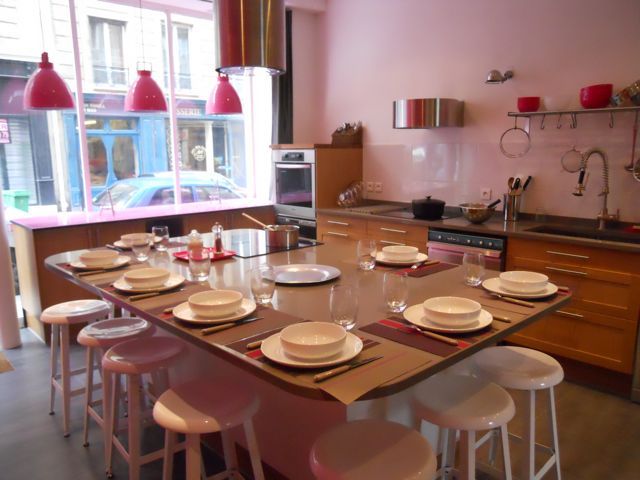
The class takes place at Chef Noémie’s cooking school at 92 rue Nollet, 75017 Paris. This is not a large culinary studio built for tour groups. It is a private loft-style atelier, which gives the session a more personal feel and lets the chef work directly with a small number of people.
You can reach the address by Metro Line 13, getting off at Brochant or La Fourche. Buses 66, 54, and 74 stop at Legendre, while bus 31 stops near Parc Martin Luther King. The Navette Péreire Pont Cardinet serves the Pont Cardinet stop. Check your route before class, since the Metro and bus options reach the neighborhood from different parts of Paris.
The meeting point is in the 17th arrondissement rather than beside the Eiffel Tower or the Louvre. That matters in two ways. You will need to allow time to get there from central Paris, but you also get a break from the most crowded sightseeing zones. Plan to arrive ready to cook, not rushed from a distant museum.
The class is conducted in English. That makes it a practical choice if you want real instruction rather than a demonstration you only partly understand. The recipes are also supplied in English, so you can try the pastries again at home.
More Tiramisu and Dessert Classes in France
- Croissant Baking Class, Mastering the Art with a Pastry Chef
★ 5.0 · 116 reviews - Paris Cooking Class: Chocolate Éclairs and Cream Puffs
★ 5.0 · 87 reviews - Paris Desserts and Pastries Small Group Cooking Class with a Chef
★ 4.5 · 49 reviews
Meeting Chef Noémie and settling into the atelier
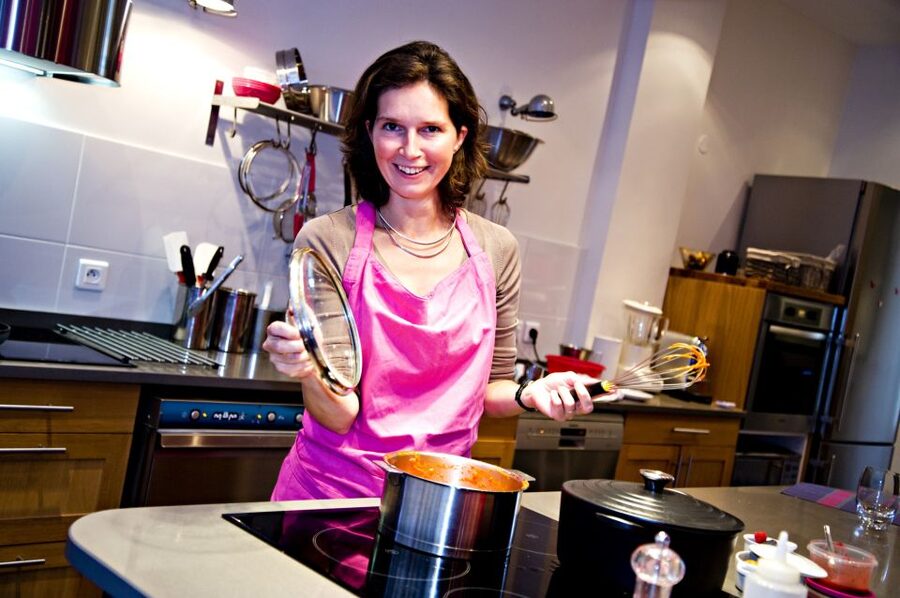
Chef Noémie is a graduate of the Lenôtre Culinary Institute, one of France’s best-known pastry schools. That training matters most in the small details: how ingredients are handled, why a mixture needs a certain texture, and what can go wrong when a step is rushed.
Her teaching style appears to be one of the strongest reasons to book this class. She is described as patient, personable, and happy to explain the reasons behind each stage. That is especially useful for beginners, because pastry can seem fussy until someone explains what you are looking for.
The loft setting helps the class feel social rather than formal. You wear the supplied apron, work through the recipes, and ask questions as the lesson moves along. Tea and coffee are included, giving you time to talk with Noémie after the baking is done.
The room is organized and clean, two details that matter when you are working with flour, cream, pastry bags, and several people at once. A tidy work area makes it easier to follow the process and focus on technique rather than on where tools or ingredients have gone.
What you actually do during the 150 minutes
The session lasts 150 minutes, or two and a half hours. That is long enough to cover several techniques without turning the class into a full-day cooking project. You can expect a guided, step-by-step format rather than a fast demonstration followed by a quick sample.
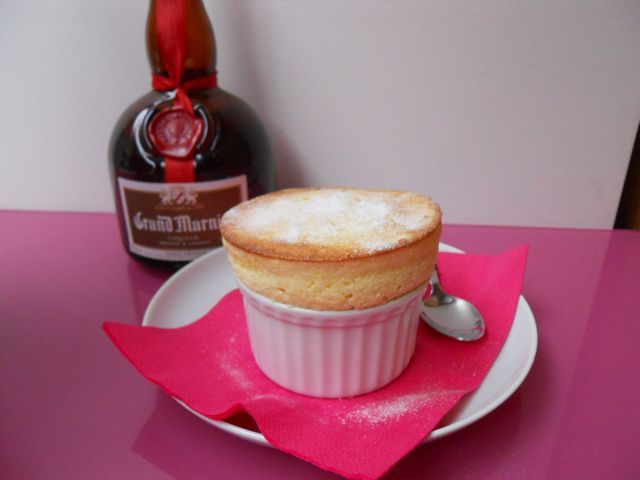
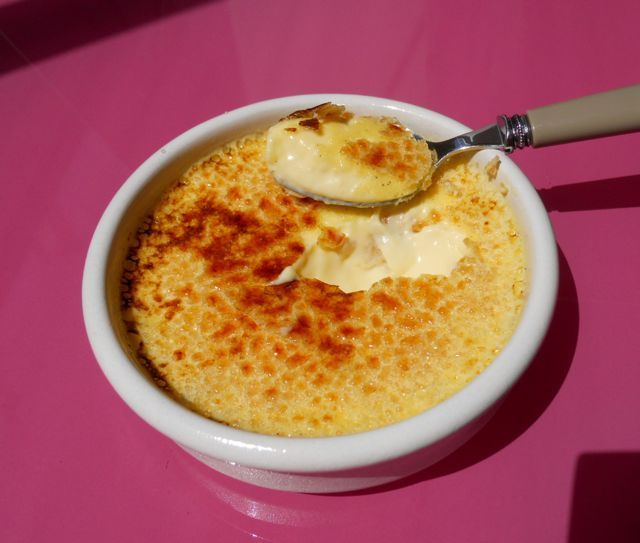
The exact menu changes with the season. The possible desserts include Paris-Brest, molten chocolate cake, and Grand Marnier soufflés. Other classes have included crème brûlée, and the chef can sometimes shape the menu around a requested dessert. One participant arranged in advance to include Paris-Brest, so it is worth asking about preferences before you arrive, without assuming every request can be accommodated.
A typical class may move through these stages:
- Chef Noémie introduces the desserts and explains the main pastry techniques.
- Participants measure ingredients and help mix the components.
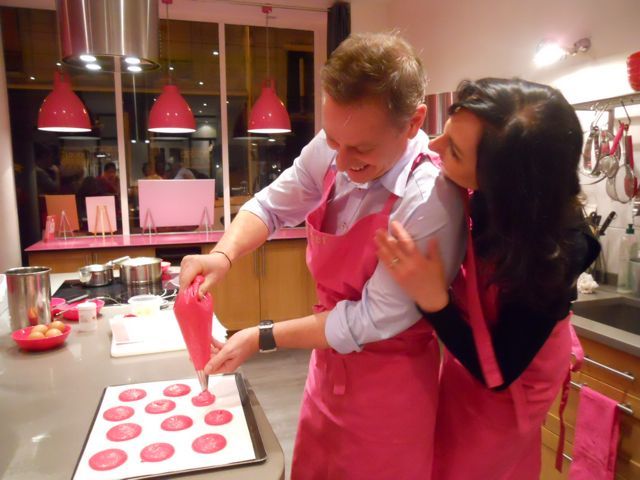
- You practice using a pastry bag for piping and shaping.
- The chef explains why each step matters and offers corrections.
- The group finishes, decorates, and serves the desserts.
- Everyone sits down with tea or coffee to taste the results.
The work is shared. In a full group, you may take turns with the measuring, mixing, piping, and decorating. One participant specifically noted that the class was not completely hands-on, though participation was still part of the experience. That is a useful expectation to set: you are joining a guided group lesson, not preparing an entire dessert alone at an individual workstation.
If you want constant use of your own equipment, this may feel limited. If you prefer to watch a trained pastry chef closely, try the important steps, and receive corrections, the shared format is a sensible tradeoff.
Paris-Brest, choux pastry, and the useful techniques
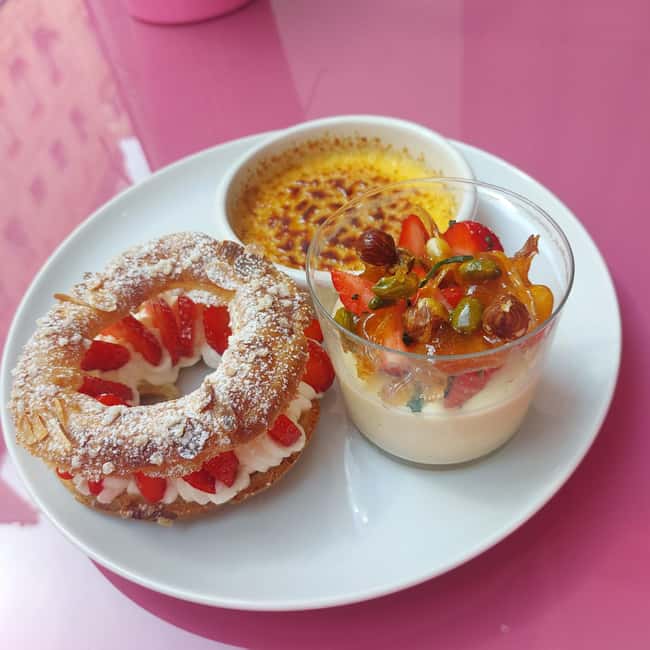
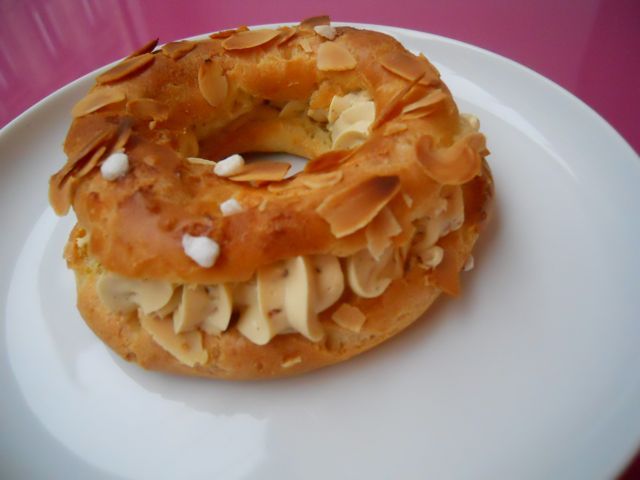
Paris-Brest is a particularly good pastry to encounter in a class because it teaches more than one skill. The choux pastry used for it also appears in many French desserts, and the class can show you how to pipe, shape, and finish it.
Past participants have found the pastry bag work both fun and useful. Beginners often feel awkward at first, but taking turns gives you a chance to improve before the final decorations are made. Chef Noémie explains the reasons behind the steps, which is more useful than simply handing you a finished recipe.
Molten chocolate cake offers a different lesson. Timing and texture matter, and the result depends on understanding how the cake should look when it leaves the oven. You get to connect the preparation with the final texture while tasting the dessert soon afterward.
Grand Marnier soufflés bring another classic French technique into the room. Soufflés can seem intimidating, so making them with a chef nearby can help you understand the process without turning the dish into a high-pressure test.
Crème brûlée has also appeared in the class. The specific desserts depend on the season, so do not book expecting a guaranteed menu unless you confirm it with the provider ahead of time. That seasonal approach can keep the class practical and suited to the ingredients available at the time.
More Tiramisu and Dessert Classes in Paris
- Paris Cooking Class: French Desserts Class
★ 4.9 · 13 reviews - Paris: Lemon Tart Baking Class with a Pastry Chef
★ 5.0 · 4 reviews - Eclair Baking Class with A Pastry Chef
★ 5.0 · 3 reviews
Why the small group size matters
The maximum group size is eight people. That is large enough for a lively class but small enough for questions and personal help. Chef Noémie can explain a technique, watch a participant pipe pastry, or adjust an instruction without speaking to a room full of people.
For families, the small setting is a real advantage. Children aged eight and ten have enjoyed the class, while older children and teenagers can take on more of the technical work. A 13th-birthday class was especially successful, showing how well this can work as a special family activity rather than another sightseeing stop.
The shared work also gives the group a social rhythm. You may watch another person try a technique, laugh at an imperfect first attempt, and then improve on your own turn. That interaction is part of the experience, though it means the class is not suited to someone who wants quiet, individual baking time.
Couples, parents with children, and small family groups are likely to get the most from it. Solo participants can also fit in comfortably. On one occasion, a participant was the only person in the class after another couple cancelled, and Chef Noémie was happy to answer questions and provide extra explanation. Group numbers can change, but the teaching remains personal.
Tasting your work with coffee or tea
The final tasting is not an afterthought. Once the baking is complete, you sit down in the loft atelier with tea or coffee and taste the desserts you helped prepare. This gives you time to compare textures, ask last questions, and talk with Noémie outside the more active part of the lesson.
I like this finish because it connects the cooking with the pleasure of eating. You are not simply handed a recipe and sent away. You see the finished pastries, try them while the techniques are fresh in your mind, and leave with a clearer sense of what you might repeat at home.
The results may not look like professional patisserie on your first attempt. That is part of the point. You learn how pastry behaves, where precision matters, and which steps deserve more patience. The supplied English recipes give you something concrete to use after Paris.
Is $141 a fair price?
At $141 per person, this class costs more than buying several pastries from a Paris bakery. The comparison is not quite fair, though. You are paying for 150 minutes with a trained chef, a small group, ingredients, an apron, English recipes, tea or coffee, and the chance to eat what you make.
The value is strongest if you want a skill-based activity. A pastry tasting gives you immediate pleasure, but this class offers techniques you can carry home. The price also makes more sense for a birthday, honeymoon activity, parent-child outing, or a special day that breaks up museum visits.
The value is weaker if you mainly want to sample French desserts or take polished food photographs. You will spend much of the session measuring, waiting for stages to finish, and sharing tasks. Someone looking for a relaxed café afternoon will get more from a pastry shop and a good chair.
The included apron and recipes are useful, but they do not turn the class into a professional qualification. Think of it as a well-guided introduction to French pastry, with enough technical detail to make the recipes worth repeating.
Who should book this Paris cooking class?
I would recommend it most strongly to:
- First-time bakers who want clear explanations.
- Families with children aged eight and older.
- Couples seeking a food activity beyond restaurant meals.
- Teenagers who enjoy making and decorating desserts.
- Visitors who want to spend time in a Paris neighborhood away from major monuments.
- Anyone curious about choux pastry, soufflés, chocolate cake, or crème brûlée.
You should think twice if you need a fully individual workstation or want to make one specific pastry from beginning to end without sharing tasks. The class is guided and participatory, but it is still a group lesson.
You should also allow for the trip to the 17th arrondissement. The class lasts two and a half hours, and the travel time to and from 92 rue Nollet adds to your day. This is best planned as a dedicated food activity rather than squeezed between two timed museum reservations.
Booking details worth keeping in mind
The experience is offered in English and has a maximum of eight participants. Pets and smoking are not allowed.
You can cancel up to 24 hours before the class for a full refund. The reserve-now, pay-later option can help if your Paris schedule is still changing. Starting times vary, so check availability for your date before planning the rest of the day.
Should you book Chef Noémie’s pastry class?
Book it if you want to make something, not just eat something. The best parts are the small group, Chef Noémie’s patient instruction, the chance to practice pastry-bag work, and the calm tasting session at the end.
I would call it especially good for families and beginners, with enough substance for experienced home bakers who want French pastry tips. Just keep your expectations realistic: you will share some tasks, and the menu changes with the season. For a hands-on taste of French baking in a personal Paris setting, the $141 price is reasonable, particularly when the recipes and coffee break are included.
FAQ
Where does the French pastry class take place?
The class takes place at Chef Noémie’s cooking school at 92 rue Nollet, 75017 Paris, France.
How long does the class last?
The class lasts 150 minutes, or two and a half hours.
What language is the class taught in?
The live instruction is in English, and an English-language copy of the recipes is included.
How many people can join the class?
The class is limited to eight participants.
Which desserts might I make?
Possible desserts include Paris-Brest, molten chocolate cake, and Grand Marnier soufflés. The menu depends on the season, and crème brûlée has also been included in a class.
Are tea and coffee included?
Yes. Tea and coffee are served after the baking session while you taste the desserts you made.
Is an apron provided?
Yes. An apron is included in the activity.
How do I reach the meeting point?
By Metro, use Line 13 and get off at Brochant or La Fourche. Buses 66, 54, and 74 stop at Legendre, bus 31 stops at Parc Martin Luther King, and the Navette Péreire Pont Cardinet stops at Pont Cardinet.
Just added around Paris
- Paris: Macaron Baking Class★ 4.4 · 26 reviews
- Paris: Traditional Croissant Cooking Class With Local Baker★ 5.0 · 2 reviews
- Paris: Millefeuille baking class with a chef★ 5.0 · 5 reviews
- Paris: The Soufflé Baking Class with Chef★ 4.5 · 2 reviews
- Paris: Hands-On Small Group Cooking Class★ 4.9 · 19 reviews
- Paris: Lemon Tart Baking Class with a Pastry Chef★ 5.0 · 4 reviews
- Paris: Evening Cooking Class with Optional Market Visit★ 4.8 · 19 reviews
- Paris Cooking Class: French Desserts Class★ 4.9 · 13 reviews
Tiramisu & Dessert Classes, compared.
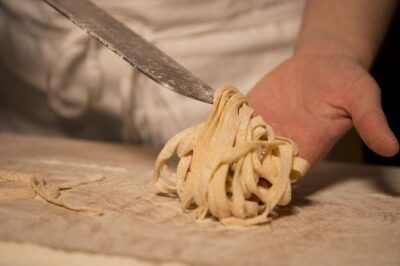
3 in 1 Cooking Class near Navona: Fettuccine, Ravioli & Tiramisu
Read our review →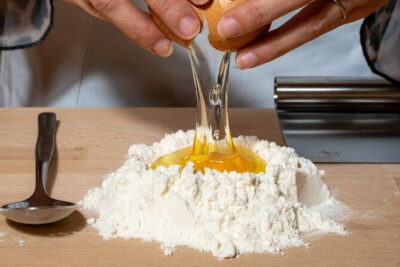
Pasta & Tiramisu Cooking Class with Unlimited Wine
Read our review →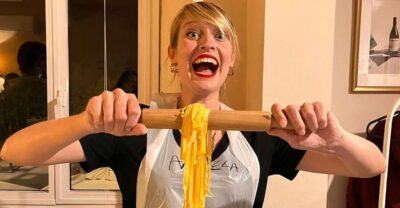
Pasta Making Class with Wine, Limoncello, and Dessert
Read our review →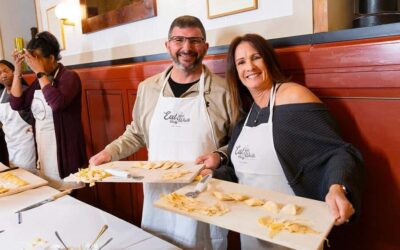
3-in-1 Fettuccine, Ravioli, and Tiramisu Cooking Class
Read our review →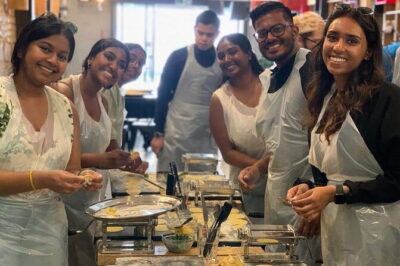
Cooking Class Pasta & Tiramisu Making Unlimited Wine
Read our review →
Fettuccine & Tiramisù: Cooking Class with Wine & Limoncello
Read our review →
Florence Cooking Class The Art of Making Gelato & Authentic Pizza
Read our review →