REVIEW · ILE-DE-FRANCE, FRANCE
Paris: Traditional Croissant Cooking Class With Local Baker
Paris smells better near a warm oven. This three-hour class at Aux Fourneaux mais pas trop! gives you a hands-on lesson in classic French pastry, led in English by Chef Fanny. I especially like the small group of six and the chance to make several pastries from scratch, not just watch a demonstration.
I also like the cultural touch. Fanny shares Parisian baking traditions while guiding you through bicolor croissants, chocolate-filled pains au chocolat, and raisin rolls with vanilla pastry cream. The main drawback is the price: at $181 per person, this is a serious splurge for a baking class, and transportation to the venue is not included.
Key points at a glance
- Three pastries in three hours: You work with croissants, pains au chocolat, and raisin rolls rather than focusing on one recipe.
- Chef Fanny leads the class: Instruction is in English, with practical tips meant to help you repeat the recipes at home.
- Very small group: The class is limited to six participants, which should allow more direct help during tricky stages.
- Baking from scratch: You prepare the dough with flour, eggs, sugar, fresh yeast, and milk, then shape and fill the pastries.
- Adult-focused format: The activity is listed as unsuitable for children under 18, despite one published review describing a 13-year-old attending.
- Flexible booking: You can cancel up to 24 hours before the class for a full refund, and reserve now while paying later.
Why this Paris baking class is different
Paris offers no shortage of pastry shops, so a class needs to give you more than a nice snack. This one earns its place in your schedule by putting you inside the process. You do not simply admire a perfect croissant in a glass case. You learn how flour, milk, eggs, sugar, and yeast become dough, then how that dough turns into several familiar French pastries.
The three-hour length is useful. Croissant dough needs time and care, especially when you are learning how to shape it. A short class might rush through the key points or leave you with only a quick demonstration. Here, the format allows you to work through several stages and try different shapes and fillings.
The class takes place at Aux Fourneaux mais pas trop!, the named venue for the activity. Since no neighborhood details are supplied, check the exact address and route before you go. Transportation is not included, so you are responsible for reaching the bakery or classroom on time.
More Baking Classes in France
- Paris Croissant Small-Group Baking Class with a Chef
★ 5.0 · 910 reviews - Paris: French Croissant Baking Class with a Chef
★ 4.9 · 712 reviews - Paris Macarons Small-Group Baking Class with a Chef
★ 5.0 · 316 reviews
Meeting Chef Fanny and settling into the class
Chef Fanny teaches in English, which makes the class practical for international visitors. That matters in baking, where a small misunderstanding about yeast, filling, or shaping can change the result. English instruction also lets you ask questions as you work instead of trying to follow a silent demonstration.
The group is limited to six people. That is one of the strongest features of the class. Croissant dough is not difficult because the ingredient list is long. It is difficult because timing, handling, and shape matter. In a large class, you might spend much of the lesson watching someone else work. With six participants, you should have a better chance of receiving direct guidance when your dough needs attention.
Arrive 10 minutes early for check-in. Wear clothes that are comfortable and suitable for baking. This is not the moment for a stiff jacket or anything you would worry about around flour, milk, eggs, and pastry cream.
You may bring beverages to enjoy during the class. Drinks are not provided as part of the activity, so plan accordingly if you want something alongside the pastries.
Making croissant dough from scratch
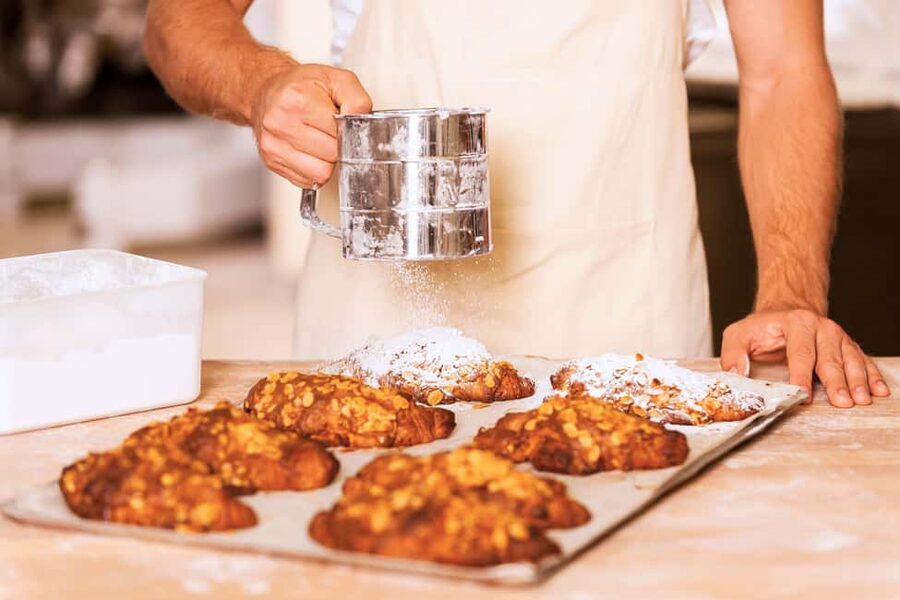
The heart of the class is the dough. You work with flour, eggs, sugar, fresh yeast, and milk, learning how these ordinary ingredients create a pastry that feels far more special than the list suggests.
Croissant dough rewards patience. You need to handle it with care, and the shaping stage can feel like small-scale pastry craft. One useful detail from the class feedback is that Fanny helps make the process feel manageable. A participant who expected croissants to be far more complicated came away feeling confident enough to try them at home.
That is an important measure of a cooking class. You should leave with more than a full stomach. You should understand the basic sequence and feel able to repeat at least some of it in your own kitchen. Fanny’s teaching style is described as positive and charming, with plenty of tips along the way.
The class also gives you a chance to see why bakery croissants can seem so different from supermarket versions. The work is not only about the final shape. It is about building a dough that can hold its form, accept fillings, and bake into a pastry with a delicate finish. The information provided does not promise that you will master every professional technique in one afternoon or evening, so keep your expectations realistic. This is an introduction with guided practice, not a full pastry-school course.
Shaping three classic French pastries
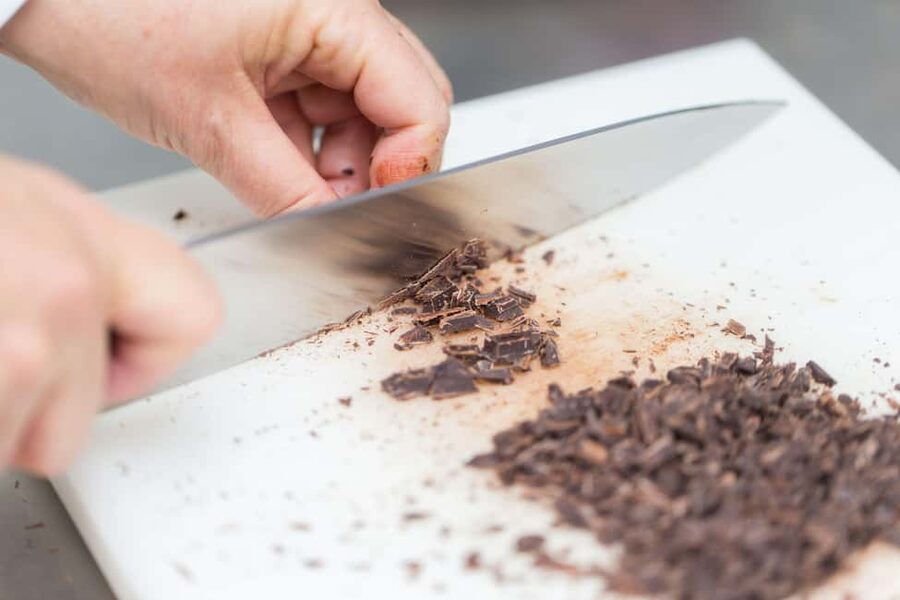
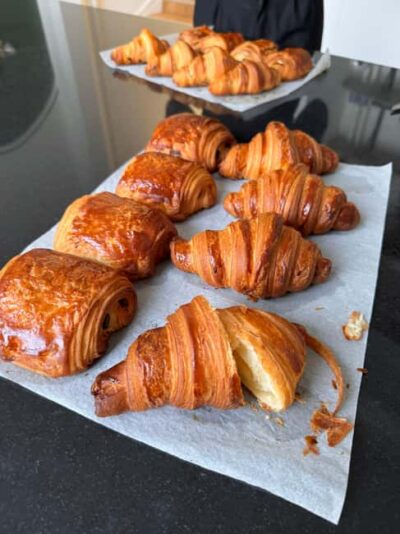
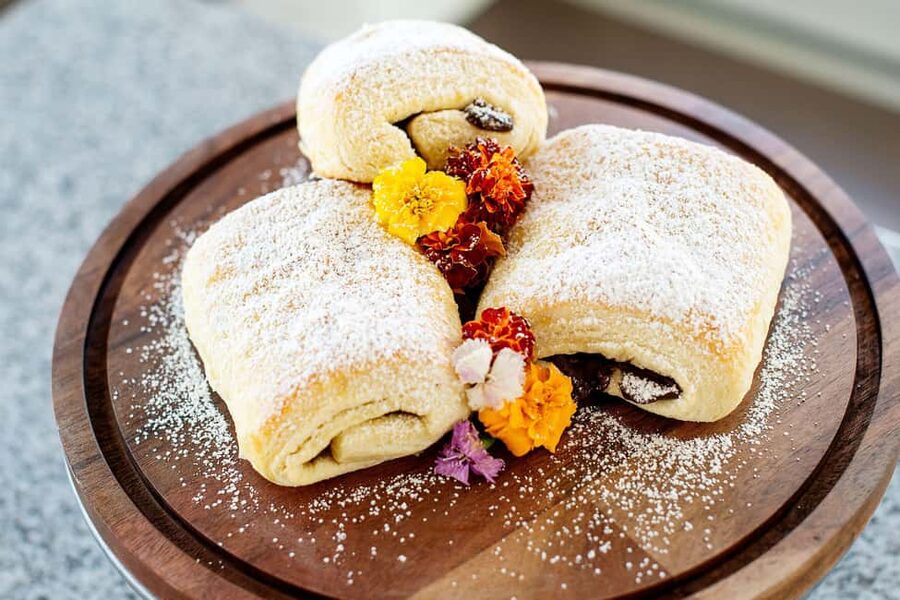
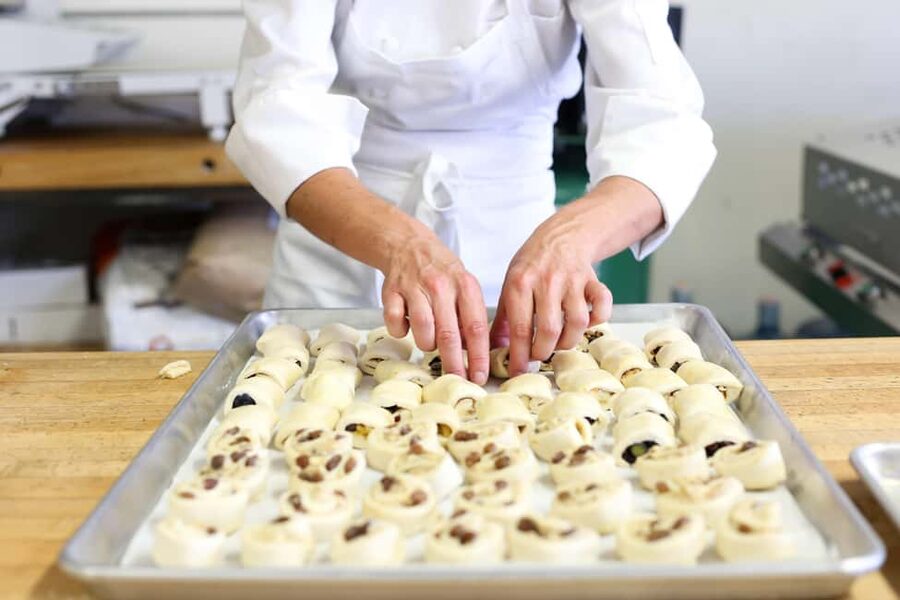
The menu gives the class a good range. You work with bicolor croissants, pains au chocolat with chocolate filling, and raisin rolls with vanilla pastry cream and raisins.
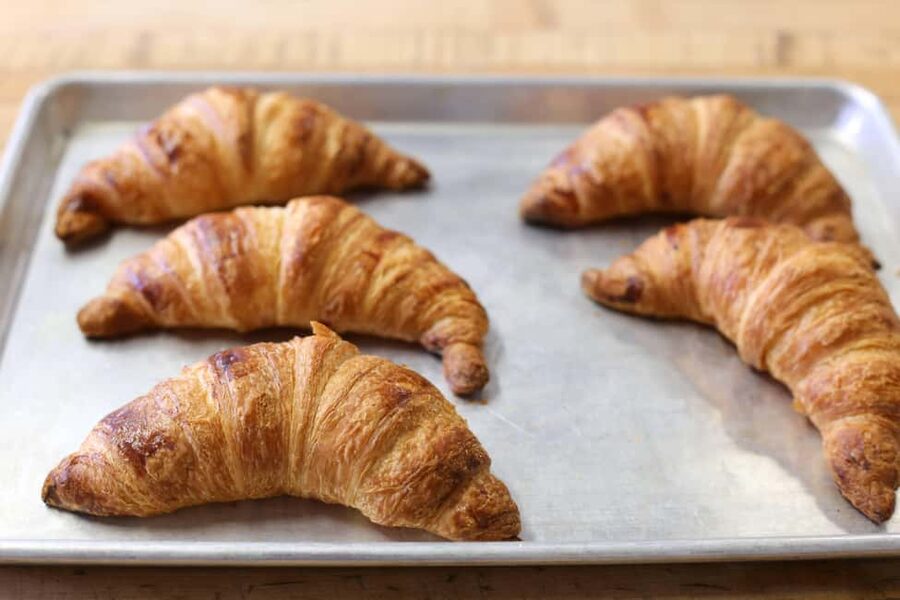
The bicolor croissants add a visual twist to a familiar French pastry. The name indicates that the finished pastry uses two colors, making the shaping stage more creative than a plain croissant. This is the most artistic part of the menu, especially if you enjoy food that looks as good as it tastes.
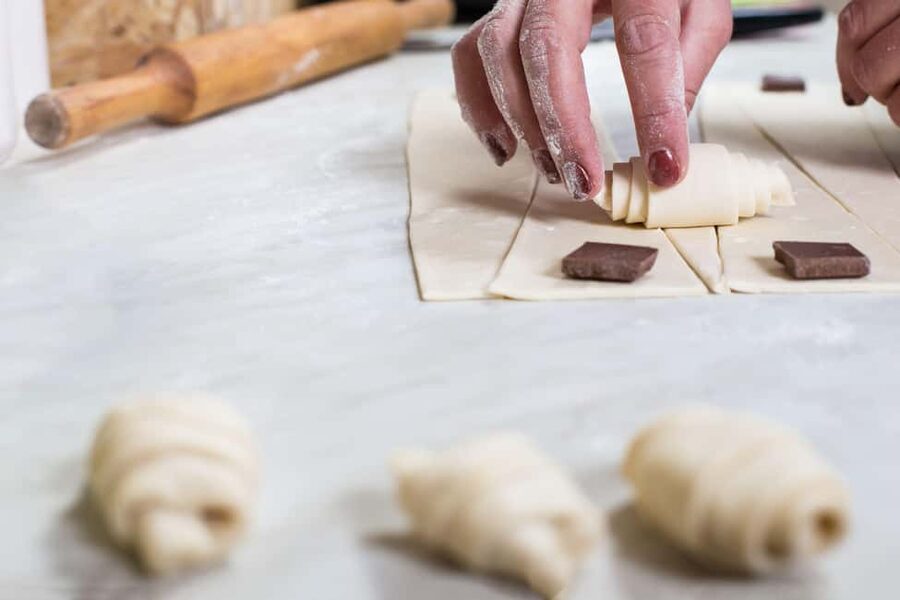
Pains au chocolat bring a different challenge. Instead of relying only on the dough’s shape, you work with a rich chocolate filling. The filling needs to sit properly inside the pastry, and the dough must be shaped so the chocolate stays where it belongs. This is a useful lesson because it shows how one base preparation can become a different pastry with a simple change in filling and form.
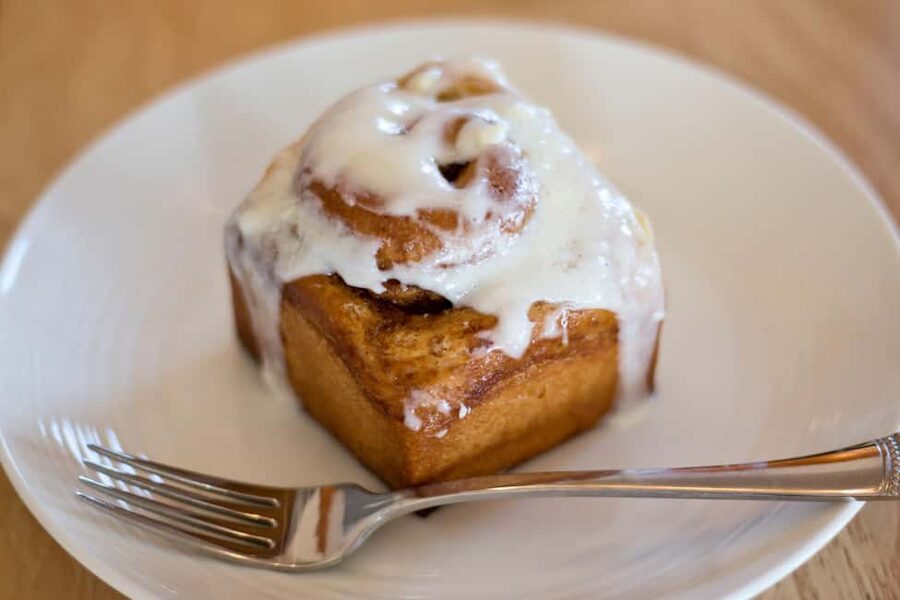
The raisin rolls use vanilla pastry cream and raisins. That combination gives you another texture and flavor profile, and it helps explain why French pastry is not limited to the standard croissant. The pastry cream also adds a step beyond dough handling. You learn how a filling becomes part of the finished roll rather than treating it as an afterthought.
Because all three pastries come from a similar family of ingredients, the class gives you a practical look at how French bakers create variety. You are not learning three unrelated recipes. You are seeing how dough, filling, and shaping can change the result.
More Baking Classes in Paris
- Paris: Macaron Baking Class for Families and Kids
★ 4.7 · 270 reviews - Paris: Macaron Baking Class in Central Paris
★ 5.0 · 208 reviews - Paris: Croissant Baking Class with a Chef
★ 5.0 · 201 reviews - Paris French Baking Class Baguettes and Croissants in a Bakery
★ 4.5 · 172 reviews
Learning the Parisian food story
The class includes discussion of local culture and culinary history. The wording is broad, so you should not expect a formal lecture or a walking tour of Paris bakeries. The value is likely to come through Fanny’s explanations as you work.
That setting can make the food feel more connected to the city. Croissants, chocolate pastries, and raisin rolls are not just pretty items for a breakfast tray. They are part of the everyday bakery culture that visitors notice almost immediately in France. Learning how they are built helps you understand why French pastry has such a strong place in Paris life.
I like this combination of making and context. A cooking class can feel too technical if it focuses only on measurements. It can also feel too light if it offers a few anecdotes but no real practice. This activity aims for both: you hear about French baking while your hands stay busy.
The cultural portion will appeal most if you enjoy asking questions. Since the class is small and led by the chef, you may find it easier to ask about ingredients, methods, or pastry traditions than you would in a large demonstration.
What the three-hour schedule means for you
The exact starting time varies, so check availability when booking. The advertised duration is three hours, which is long enough for a focused lesson but short enough to fit into a busy Paris itinerary.
You should avoid scheduling a major timed attraction immediately afterward. A class can run close to its stated length, and you will want a little breathing room before rushing to another appointment. This is especially wise if you are visiting Paris during a packed sightseeing day.
The class works best as the main event for one part of your day. You could pair it with other plans nearby if the route is convenient, but the available information does not identify the venue’s neighborhood or nearby sights. Do not assume a quick walk to the Louvre, Eiffel Tower, or another landmark without checking the address first.
The pace should suit people who like to participate. You will be handling ingredients, shaping pastry, and following instructions. If you want to sit back and eat while someone else does the work, this is not the right format.
Is $181 a fair price?
At $181 per person, this class costs more than a casual Paris breakfast or a visit to a pastry shop. The price needs to be judged against what is included: all equipment, all ingredients, three hours of instruction, and a professional chef leading a group of no more than six.
For a small-group class, the cost is easier to justify than it would be for a large workshop. The limited size may give you more personal help, and baking instruction has more value when the teacher can correct your technique as you go.
Still, this is not a bargain activity. You are paying for instruction, access to a working setup, ingredients, and the chance to learn a skill in Paris. You are not paying only for pastries. If you mainly want to eat good croissants, spend far less at a respected bakery. If you want to understand how to make them and try the process yourself, the price becomes more reasonable.
The strongest value comes if you plan to bake again at home. Fanny’s tips and simplified approach may help you repeat the recipes after your trip. If you are unlikely to use what you learn, the class is harder to justify at this price.
Who should book this class?
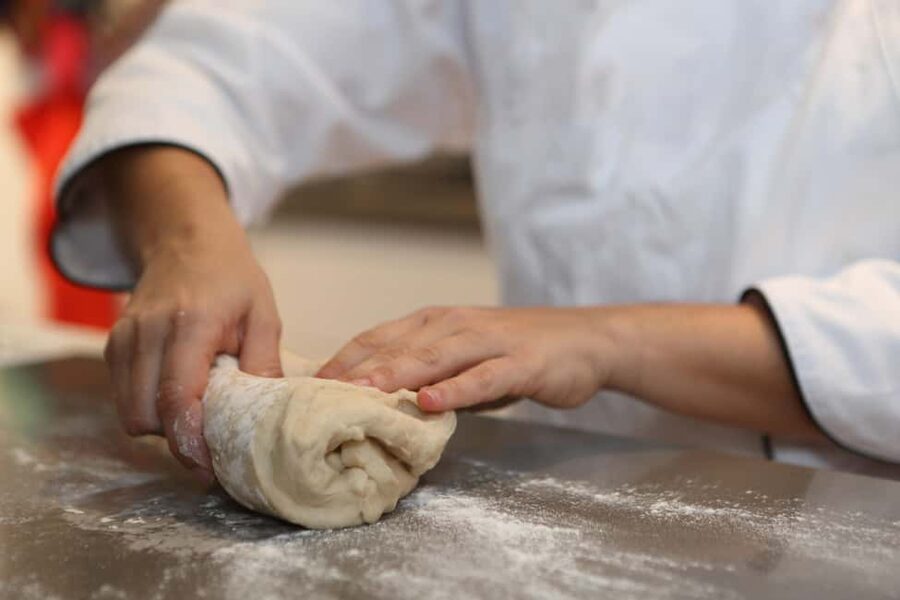
This activity suits adult food lovers who want a hands-on break from museums and monuments. It is a good fit if you enjoy learning by doing, want English instruction, and like the idea of taking a practical skill home from Paris.
It also suits travelers who prefer small groups. Six people is intimate enough to feel personal without making the class feel like a private lesson.
The class is less suitable for anyone under 18 because the activity is listed as not suitable for children under 18. One published booking account describes a 13-year-old attending with a grandparent, so there is a clear inconsistency in the available information. If you are planning to bring a minor, confirm the age rule directly before booking rather than relying on that single account.
You should also think about your energy level. This is a three-hour working class, not a quick tasting. Comfortable clothing is recommended, and you should arrive early enough to check in without stress.
What the feedback tells you about the teaching
The two available ratings are both five out of five, so the sample is very small. It is not enough to prove that every class will be identical, but it does point to two useful strengths.
First, the class appears well organized and fun. That matters because pastry instruction can become confusing when several steps happen at once. A clear structure helps you keep up.
Second, Fanny’s personality receives particular praise. Her passion for baking, positive attitude, and practical tips are described as central to the evening. The most useful takeaway is not simply that the pastries taste good. It is that she helps make croissant preparation feel less intimidating.
The feedback also describes the class as a pleasant small-group evening, with homemade croissants, pains au chocolat, and raisin pastries as the payoff. Keep in mind that comments reflect individual visits and cannot guarantee your exact group or outcome. Your pastries may look less polished than the chef’s, especially on a first attempt. That is part of the point.
Booking details worth knowing
You can cancel up to 24 hours before the class for a full refund. The reserve-now, pay-later option gives you some flexibility while your Paris plans are still changing.
The activity is offered in English. All equipment and ingredients are included, but transportation is not. Beverages are also not supplied, though you may bring your own to enjoy during the class.
The meeting venue is Aux Fourneaux mais pas trop! Arrive 10 minutes before the start time. Since exact start times depend on availability and the venue address is not included in the supplied details, confirm both before setting out.
Should you book it?
Book this class if you want a real kitchen activity, not just another Paris tasting. The small group, English instruction, three pastry types, and personal teaching style associated with Chef Fanny give it a strong practical appeal.
Skip it if $181 feels too high for a three-hour activity or if you would rather spend your Paris budget on several bakery visits. Also think twice if you want a relaxed, passive outing. This class asks you to work.
For an adult who loves French pastry and wants to recreate a little of Paris at home, I think the format makes sense. Just confirm the age rule for anyone under 18, check the venue route, and book only if you are ready to put your hands in the dough.
FAQ
How long is the Paris croissant cooking class?
The class lasts three hours.
Where does the class meet?
The meeting venue is called Aux Fourneaux mais pas trop!
Who teaches the class?
Chef Fanny teaches the class.
What language is used during the class?
Instruction is provided in English.
How many people can join the class?
The class is limited to six participants.
Which pastries will I make?
You will make bicolor croissants, bicolor pains au chocolat with chocolate filling, and bicolor raisin rolls with vanilla pastry cream and raisins.
Are ingredients and equipment included?
Yes. All ingredients and equipment are included.
Is transportation included?
No. Transportation is not included.
Can I cancel the booking for a refund?
Yes. You can cancel up to 24 hours before the class for a full refund.
Just added around Paris
- Paris: Millefeuille baking class with a chef★ 5.0 · 5 reviews
- Paris: Macaron Baking Class★ 4.4 · 26 reviews
- Paris: The Soufflé Baking Class with Chef★ 4.5 · 2 reviews
- Paris: Hands-On Small Group Cooking Class★ 4.9 · 19 reviews
- Paris: Lemon Tart Baking Class with a Pastry Chef★ 5.0 · 4 reviews
- Paris: Evening Cooking Class with Optional Market Visit★ 4.8 · 19 reviews
- Paris Cooking Class: French Desserts Class★ 4.9 · 13 reviews
- Eclair Baking Class with A Pastry Chef★ 5.0 · 3 reviews
Baking & Bread Classes, compared.
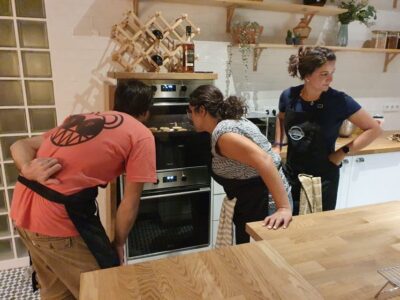
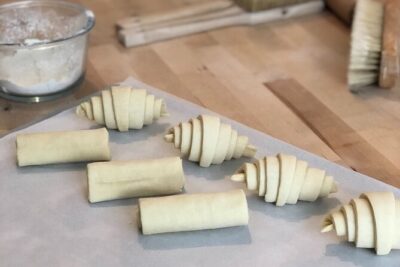
Paris Croissant Small-Group Baking Class with a Chef
Read our review →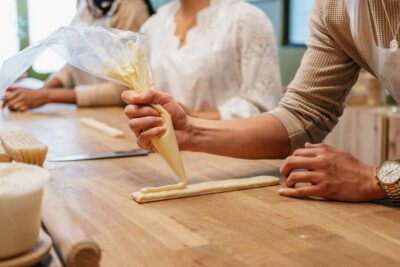
Paris Macarons Small-Group Baking Class with a Chef
Read our review →