
REVIEW · BALI, INDONESIA
Bali: Private Balinese Cooking Class in a Family Home
Come hungry, leave with a new menu. This six-hour Bali experience combines a local market visit with hands-on cooking in a Balinese family home. I like the personal scale of the class, where you cook five to six dishes rather than simply watch a demonstration, and I like the chance to see village life beyond the usual tourist route.
The food is another major draw. You prepare dishes such as sate lilit, pepes ikan, lawar Bali, gado gado, and kolak pisang, then eat what you made. The main drawback is the drive: the family home is often east of Ubud or in the Bangli area, so pickup from places such as Nusa Dua, Seminyak, or other resort areas can take two hours each way.
- A local market comes first: Choose fresh ingredients and learn about everyday Balinese produce before cooking.
- The class takes place in a family home: You get a close look at Balinese customs, cooking spaces, and village life.
- You cook five to six dishes: The chef helps you prepare a full meal, not just one recipe.
- Morning and afternoon sessions are available: Both include tropical fruit and Loloh Cem Cem, a homemade herbal drink.
- Hotel pickup and drop-off are included: This makes the long rural transfer easier to manage.
- Optional extras add variety: You can select coffee tasting, a massage, a jungle swing, photographs, or a guide speaking another listed language.
The long ride to a Balinese family home
The experience begins with hotel pickup in a private vehicle. Your guide drives you toward the local market and family home, explaining Balinese culture and points of interest along the way. Several guides receive especially warm praise for this part of the day, including Indah, Sana, Putu, Nyoman, Wayan Sana, and Sambe.
That drive is both an advantage and a warning. It gives you a chance to see more of Bali and reach a quieter village setting, but the total travel time can be substantial. From Nusa Dua, one group spent more than two hours each way in the car. A traveler from Poland also found the location unclear and felt the journey took twice as long as the cooking itself.
I would not book this as a quick activity between beach time and dinner. Treat it as a full day out. The ride makes more sense if you want countryside, conversation, and a home visit, rather than only a cooking lesson.
The private format helps here. You are not being moved through a large class with strangers. You can ask questions, set your pace, and speak directly with your guide and the family. Solo participants are welcome, though children under 10 are not accepted according to the activity rules.
Choosing vegetables at the local market
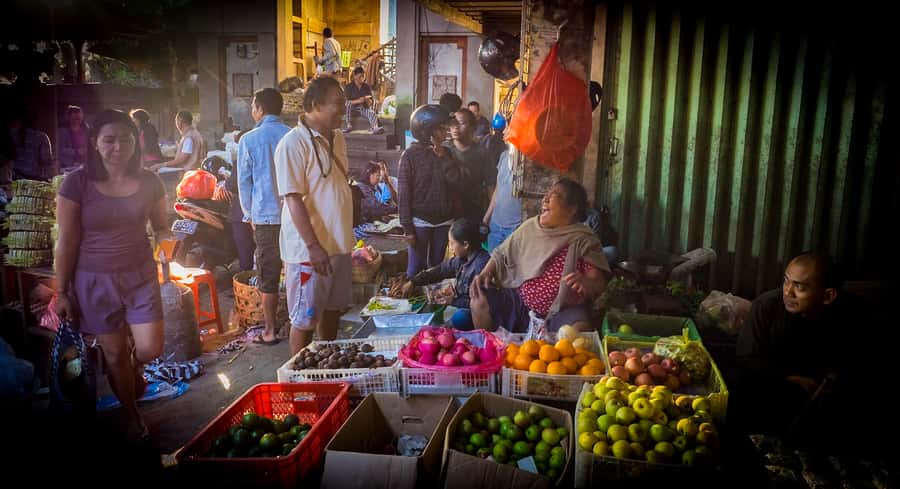
Before cooking, you visit a local market to select ingredients. This is more than a shopping stop. It helps you see the raw materials behind the food, including the vegetables, herbs, spices, coconut, noodles, tempeh, and other items used during the class.
Your guide can explain what you are looking at and how it appears in Balinese meals. One visitor described the market as a vegetable heaven, while another appreciated being able to ask questions as they walked around. Market conditions can vary, though. A local celebration once left much of the market closed, so the exact visit may change with the time of day, local events, and local rules.
You should also know that the market visit is not a private cooking lesson in itself. Its value comes from context. You get to see ingredients before they are chopped, ground, grilled, or wrapped in banana leaves. For anyone curious about Balinese food, this makes the later kitchen work easier to understand.
The menu must be chosen before the activity. Pick the standard non-vegetarian menu or the vegetarian menu in advance, and tell the team about allergies or dietary limits before you arrive. Peanuts, soy, spices, and animal products may be used.
More Private Cooking Classes in Indonesia
- PRIVATE Authentic Balinese Cooking Class in Ubud at Putu’s Home
★ 5.0 · 644 reviews - PRIVATE Balinese Cooking Class in Ubud with Dewa with Transfers
★ 5.0 · 213 reviews - PRIVATE Ubud Market Tour & Balinese Cooking Class with Putu
★ 5.0 · 125 reviews
Meeting the family and learning village customs
At the home, you receive a welcome drink before the cooking begins. The setting is a traditional Balinese family home, not a polished restaurant school. That distinction is the heart of the experience.
You might meet several members of the household, depending on the host family. Past sessions have included mothers, daughters-in-law, aunts, uncles, brothers, and children. Some families also show visitors their rice fields, cattle, or chickens. These details give you a clearer picture of ordinary household life than a short stop at a cultural attraction.
Your guide also acts as a bridge between you and the family. This matters because not every person helping with the class speaks English. One participant found it hard to follow the teaching when the woman cooking in the home did not speak English, even though the guide made a strong effort to explain the process.
The strongest guides add cultural context during the drive and at the house. Sana, for example, explained Balinese customs and differences between Hindu groups. Another guide even offered a reading based on the Balinese calendar. These personal touches are not guaranteed, but the private setup gives you room to ask about them.
Remember that this is someone’s home. Dress and behave respectfully, follow the instructor’s directions, and avoid alcohol and drugs. Pets are not allowed.
Four hours of chopping, grinding, and cooking
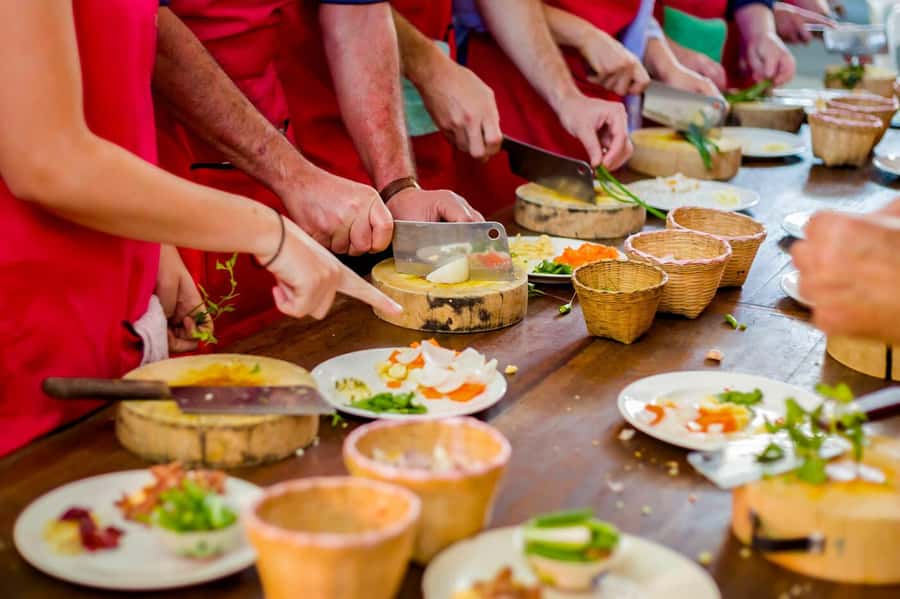
The cooking portion lasts about four hours within the six-hour activity. It is designed to be hands-on, with an equipped workspace, aprons, utensils, and help from an experienced chef or family member.
The usual rhythm is simple. You watch a demonstration, move to the stoves, prepare your own dishes, and receive corrections and tips along the way. Two short breaks include fresh tropical fruit and Loloh Cem Cem, a famous homemade herbal drink from Bali.
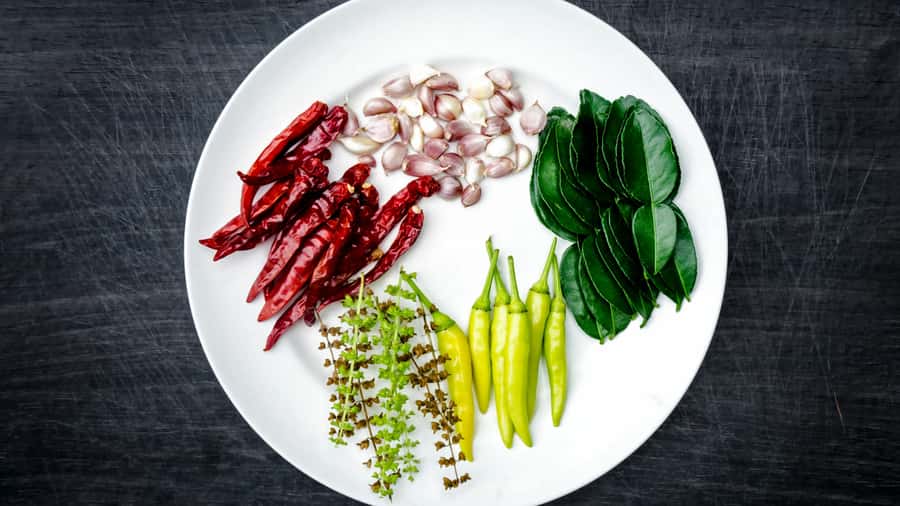
The cooking is not just about copying a list of ingredients. Balinese food depends heavily on preparation. One useful lesson is how finely ingredients are cut before they are combined. Another is the use of spice pastes and sauces as the base for several dishes.
Expect plenty of chopping and preparation. That is part of the learning. If you want to cook more, say so politely. One participant felt that the hosts did some of the work and wished for more time at the stove. The class is interactive, but the exact balance between watching and doing can depend on the group, the host family, and the number of dishes being prepared.
What you cook on the standard menu
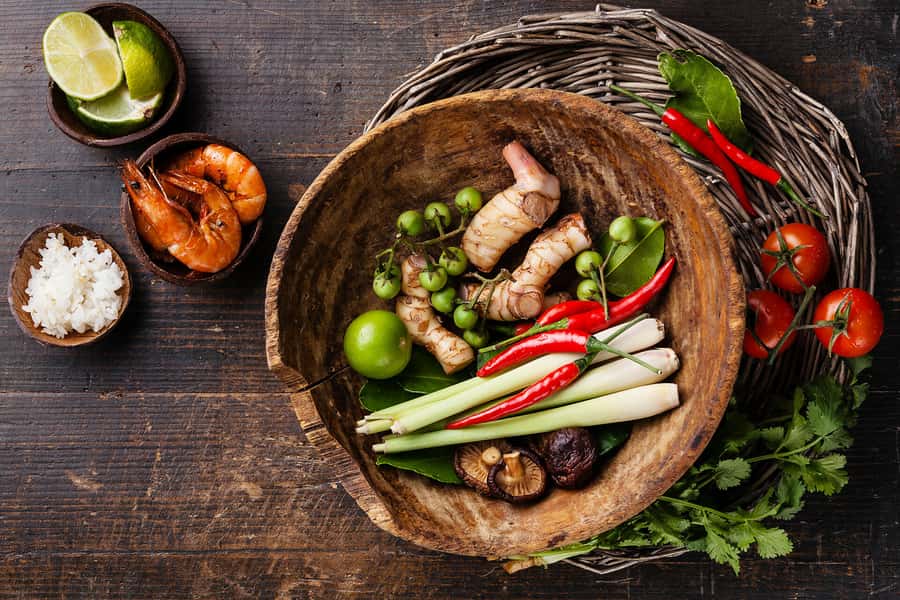
The non-vegetarian menu offers a broad look at Balinese cooking:
- Basic yellow sauce and peanut sauce with vegetables
- Sate lilit bawi, charcoal-grilled pork sticks
- Pepes ikan, fish cooked in banana leaves with herbs and spices
- Balinese fried chicken
- Lawar Bali, a mixture of vegetables, coconut, meat, herbs, and spices
- Mie goreng, fried noodles
- Kolak pisang, banana saba cooked in palm sugar gravy
Sate lilit is especially useful for understanding the local approach to seasoning and texture. The meat is formed around sticks and grilled, with the preparation requiring fine chopping and careful mixing. One cook learned that a particular sate recipe did not use peanuts, a useful reminder that Balinese dishes can vary from familiar Indonesian versions.
Pepes ikan shows another classic method. Fish is wrapped with herbs and spices in banana leaves, then cooked so the leaf helps hold in the aroma. Lawar gives you a more complex mixture of vegetables, coconut, meat, and seasoning. You are not preparing a single simple dish, but a table of contrasting textures and flavors.
Kolak pisang gives the meal a sweet finish. Banana cooked in palm sugar gravy is easy to understand and enjoyable to make, especially after all the savory preparation.
More Balinese Cooking Classes in Indonesia:
- Ubud: Balinese Cooking Class at an Organic Farm
★ 5.0 · 1,786 reviews - Ubud Cooking Class Bali with Balinese Chef
★ 5.0 · 1,609 reviews - Balinese Ubud cooking school (9 Dish Cooking and Market Tour)
★ 5.0 · 540 reviews - Ubud: Balinese Cooking Class and Market Tour
★ 4.8 · 531 reviews
What changes on the vegetarian menu
The vegetarian menu is a full alternative, not a plate of side dishes:
- Basic yellow sauce and peanut sauce with vegetables
- Balinese vegetable soup, also described as Balinese green curry
- Pepes tempeh, tempeh cooked in banana leaves with herbs and spices
- Tempeh manis, stir-fried tempeh with sweet soy sauce
- Gado gado, vegetable salad with peanut dressing
- Kolak pisang
Tempeh appears in two different preparations, which lets you compare the earthy ingredient with banana-leaf cooking and sweet soy seasoning. Gado gado brings vegetables and peanut dressing together, while the green curry style soup adds a warm, spoonable dish to the meal.
Vegetarian does not automatically mean free of every possible concern. Soy, peanuts, and spices can still be present, and the activity specifically excludes people with food allergies. Discuss ingredients before booking if you have a serious reaction or strict dietary requirement.
Sitting down to eat what you made
After cooking, you move to the dining area and eat the meal together in an informal setting. This is where the class pays off. You know how the food was prepared, which makes each dish more memorable than a plate ordered from a menu.
The setting also keeps the meal personal. Several sessions included the guide or family members at the table, turning lunch into a shared social moment. The food is repeatedly described as fresh, flavorful, and among the best Balinese meals participants had during their stay.
You can take the rest of your dishes back to the hotel. That is a practical bonus, especially because five or six recipes can produce more food than one person or couple can finish at the table.
Ask for the ingredient list or write down the key steps before leaving. One participant received a handwritten list and planned to recreate the meal at home. That kind of takeaway is more useful than a souvenir that sits in a drawer.
Optional extras, from coffee to massage
The base experience includes the cooking class, ingredients, five to six dishes, apron, utensils, and hotel transportation. Add-ons can change the shape of the day, so check the selected option carefully before paying.
Available extras may include:
- Luwak coffee tasting
- Jungle swing with coffee
- One-hour traditional massage
- Two-hour traditional massage
- Polaroid camera with 10 photographs
- Female guide
- German-speaking guide
- Japanese-speaking guide
- Korean-speaking guide
Coffee tasting has appeared as a stop along the route for several groups. It can be a pleasant addition, but do not assume every booking includes it. Some extras are available only with certain options.
I would choose an add-on based on your priorities. Coffee suits anyone already interested in Indonesian coffee. A massage makes the day longer but may appeal if you want a slower cultural outing. The swing is a scenic extra, though it shifts the focus away from cooking.
Is $52 good value for six hours?
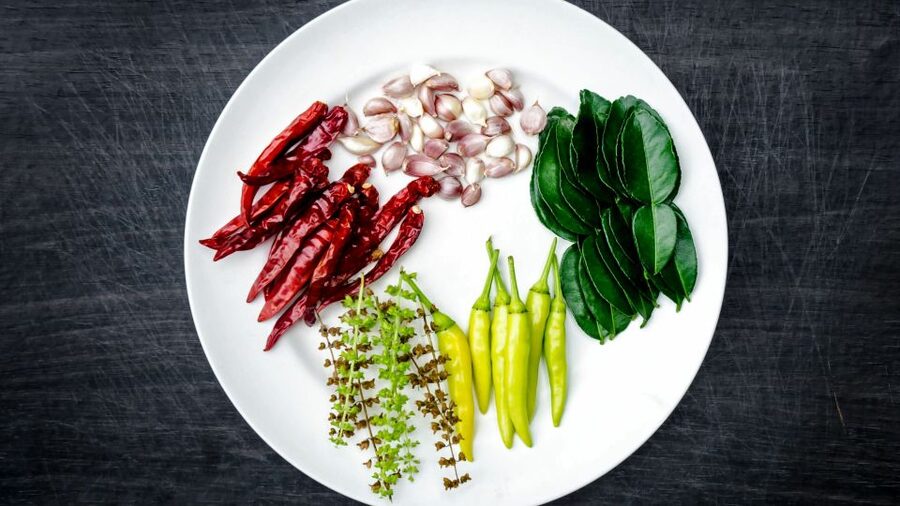
At $52 per person, the value is strong if you use the full day. You are paying for private transport, a local market visit, a private class, ingredients, five to six dishes, equipment, and a meal. You also receive access to a family setting that is difficult to reproduce through a restaurant-based lesson.
The price looks less attractive if your only goal is to learn one or two recipes near your hotel. The long transfer can take a large share of the day, particularly from southern Bali. In that case, a nearby class might be more efficient, even if it offers less contact with village life.
For me, the strongest value comes from the combination of food and access. You are not only learning how to make a sauce. You are seeing where the food fits into family life, hearing about local customs, and eating with the people who helped prepare it.
The overall rating is 4.8 from 87 ratings, and the most repeated praise focuses on the guides, the warm family welcome, the quality of the food, and the cultural setting. The occasional criticism is also consistent: the location can be far away, and communication with the cooking host may be limited if the guide must translate.
Who should book this cooking class?
I would recommend it to couples, solo participants, families with older children, and anyone who values a personal connection over a polished tourist facility. It suits people who want to cook, not simply watch.
It is particularly good for repeat visitors to Bali. Several participants who had visited Bali many times called this one of their favorite days because it showed a quieter side of the island. The class also works well for anyone curious about Balinese Hindu customs, family life, and regional food.
Think twice if you dislike long car rides, have limited time, use a wheelchair, or have food allergies. The activity is not suitable for wheelchair users, children under 10, or people with food allergies. Children who are accepted under the age guidance must remain with an adult.
The class is taught in English. Female, German-speaking, Japanese-speaking, and Korean-speaking guide options may be available as paid extras, but you should select the correct option before booking.
Should you book the Bali family cooking class?
Book it if you want a full cultural day, enjoy hands-on food preparation, and are willing to trade some beach time for a long ride into a village area. The best part is not one recipe. It is the combination of the market, the family home, the careful preparation, and the meal shared afterward.
Skip it if you want a short class close to your resort or need tight control over ingredients. Before booking, confirm your pickup area, menu choice, add-ons, and dietary needs. If you accept the distance, this is a warm and useful way to meet Balinese people through food.
Free cancellation is available up to 24 hours before the activity, and you can reserve now and pay later. Starting times vary, so check the available morning or afternoon option that fits your day.
FAQ
How long does the Bali cooking experience last?
The full activity lasts six hours. The cooking class itself takes about four hours, with travel, the market visit, breaks, and the meal included in the overall schedule.
Is hotel pickup and drop-off included?
Yes. Hotel pickup and drop-off are included in the activity.
Is this a private cooking class?
Yes. The activity is offered as a private group experience.
How many dishes will I cook?
You will prepare five to six dishes, depending on the selected menu and the class format.
Can I choose a vegetarian menu?
Yes. You must select the vegetarian or standard non-vegetarian menu before the class.
Is the local market visit included?
Yes. The experience includes a visit to a local market before the cooking session, though market availability can vary with the time of day and local regulations.
What language is the class taught in?
The standard instructor language is English. Female, German-speaking, Japanese-speaking, and Korean-speaking guide options may be available as add-ons.
Are children allowed to join?
Children under 10 are not suitable for this activity. Children who do join must be accompanied by an adult throughout the experience.
Can I cancel the booking?
You can cancel up to 24 hours in advance for a full refund. A reserve now and pay later option is also available.
More Home Cooking Classes in Indonesia
- Munduk Balinese Cooking Class lunch/Dinner at a Local Home
★ 5.0 · 26 reviews - packages cooking class and romantic dinner in a local home
★ 5.0 · 4 reviews - Khmer Cooking Class at a Local’s Home in Krong Siem Reap
★ 5.0 · 2,731 reviews - Local Home Korean Cooking Class & Market Adventure in Seoul
★ 5.0 · 1,024 reviews
Just added around Indonesia
- Pure Bali Village Experience, Cooking & Jamu Class+VIP Transfer★ 5.0 · 16 reviews
- Spice Garden, Jamu & Cooking Class in Bali Village★ 5.0 · 5 reviews
- The Authentic Balinese Cooking Experience★ 5.0 · 4 reviews
- Seminyak : cooking class traditional food bali★ 5.0 · 5 reviews
- Seminyak: Vegetarian Cooking Class★ 5.0 · 3 reviews
- Quad ride, waterfalls & aunthentic cooking class in munduk★ 4.9 · 53 reviews
- Pure Bali Village Experience Cooking & Jamu Class, Transfer★ 4.8 · 5 reviews
- Ubud: Organic Farm Harvest, Bali Cooking Class by Pemulan★ 4.8 · 12 reviews
Home Cooking Classes, compared.
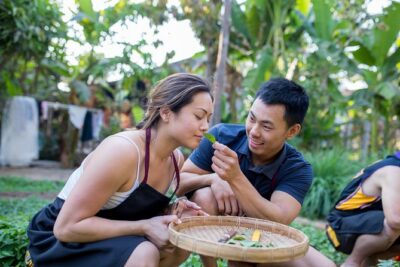
Khmer Cooking Class at a Local’s Home in Krong Siem Reap
Read our review →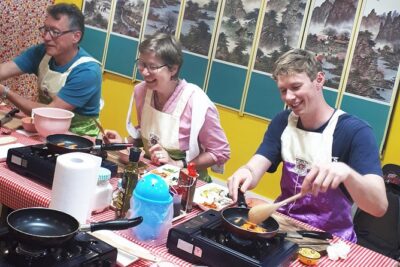
Local Home Korean Cooking Class & Market Adventure in Seoul
Read our review →
Mexican Cooking from Scratch in a Local Home in Tulum
Read our review →
Pastamama, Home Cooking Classes at Grace’s Home
Read our review →
Traditional Cooking Class & meal with Local Family
Read our review →
Lists this class appears in