REVIEW · BALI, INDONESIA
Munduk Balinese Cooking Class lunch/Dinner at a Local Home
Food is the best way into Balinese life. This Munduk cooking class takes you into a local family home, where you prepare Nasi Campur, grind fresh spices, and sit down for the meal afterward. I especially like the home setting and the chance to make several small dishes rather than one tourist-friendly recipe. I also like the thoughtful menu options for vegetarian, vegan, and allergy-sensitive diets. The main point to consider is that the meeting point can change, and the class may last anywhere from two to three hours, so you need to check the exact booking details.
The atmosphere sounds warm and relaxed, with hosts who take time to explain both the food and daily life in the area. Kadek is named as the cooking instructor, and Yudi has provided friendly hotel transport for some bookings. The class is a strong value at $18 per person, though hotel pickup and drop-off depend on the option you choose.
Key Things to Know Before You Book
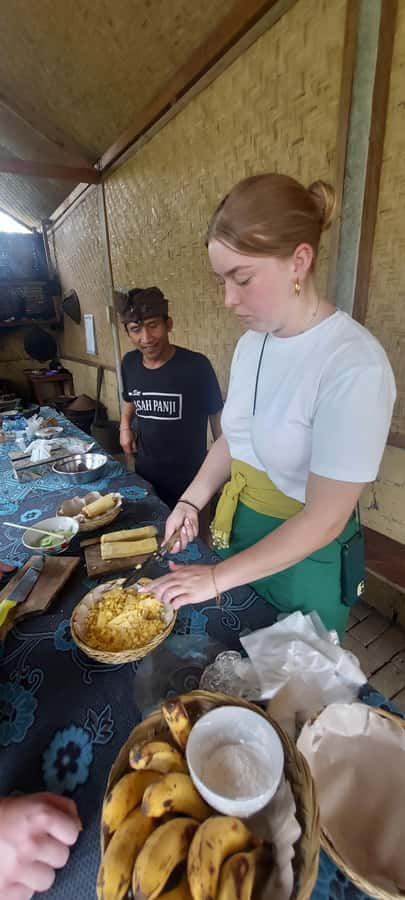
- You cook a full Nasi Campur meal: Expect several side dishes, including Sate Lilit, potato patties, vegetable stir-fry, soup, and Balinese spice paste.
- The class takes place at a local home: This gives you a look at family life and farming surroundings rather than a standard restaurant kitchen.
- Fresh ingredients do the heavy lifting: The food uses local produce, herbs, spices, and no MSG.
- Dietary adjustments are available: Vegetarian, vegan, and several allergy-friendly alternatives can be arranged when requested.
- The meal is part of the lesson: You eat what you prepare as lunch or dinner with the hosts and other participants.
- Plan for two to three hours: Add more time if you select hotel pickup and drop-off.
Arriving at a Munduk Family Home
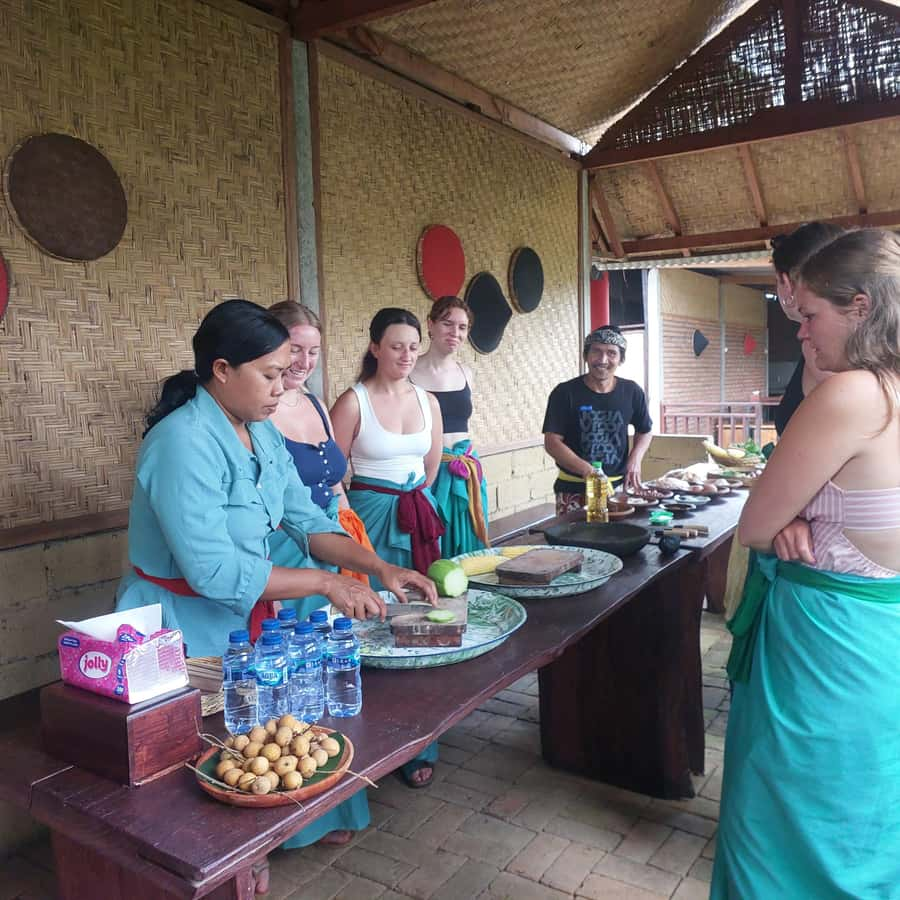
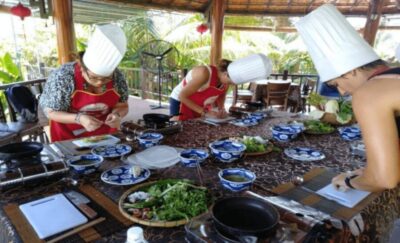
The first important detail is the setting. This is not a cooking demonstration in a polished culinary school. You enter a local family home in the Munduk area, where the class connects food with ordinary Balinese life.
That difference matters. A restaurant can show you how a dish tastes, but a family home helps explain where the dish belongs. The experience may include time in the garden or farm area while you learn about local crops, religious practice, and the way the household operates. One booking included a walk around the farm with Kadek before the cooking began.
You should expect a simple, welcoming environment rather than formal dining-room service. That is part of the appeal, but it also means the experience is best for people who enjoy conversation, shared preparation, and a less polished style. If you want a fast meal with no participation, this is not the right choice.
The host language is English. The class has also worked well for people with limited English because the cooking itself provides plenty of visual guidance. Still, complex dietary needs should be explained clearly when you book, not left until the food is already on the table.
More Balinese Cooking Classes in Indonesia:
- Ubud: Balinese Cooking Class at an Organic Farm
★ 5.0 · 1,786 reviews - Ubud Cooking Class Bali with Balinese Chef
★ 5.0 · 1,609 reviews - PRIVATE Authentic Balinese Cooking Class in Ubud at Putu’s Home
★ 5.0 · 644 reviews
The First Lesson: Balinese Base Genep
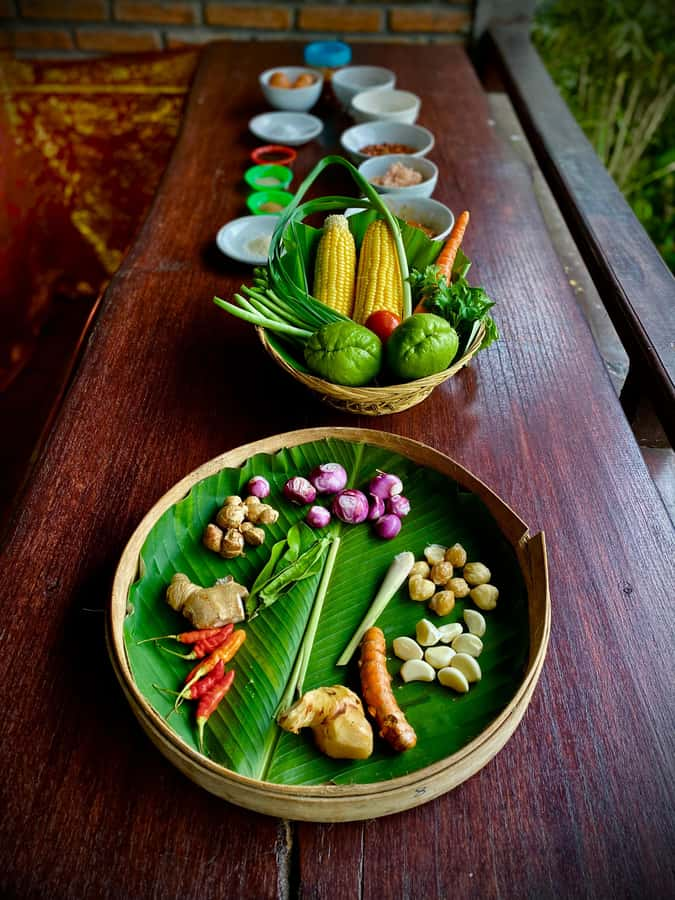
The cooking begins with Base Genep, the spice mixture at the heart of many Balinese dishes. You prepare it from ingredients such as turmeric, ginger, galangal, shallots, garlic, lemongrass, and chili.
This is one of the most useful parts of the class because it explains why Balinese food tastes so layered. Instead of relying on one strong sauce, the cooking builds flavor from several fresh ingredients working together. You get a better feel for the balance of heat, perfume, sweetness, and earthiness.
The menu is adjusted for international palates, so the food should be flavorful without being painfully hot. That makes the class suitable for people who like Southeast Asian food but are cautious with chili. You can still expect aromatic seasoning, though this is not bland Western cooking with a few local herbs sprinkled on top.
The class uses fresh local ingredients and no MSG. That does not make the food automatically better, but it does mean the flavor comes from the produce, spice paste, and cooking method. If you enjoy learning through touch and smell, preparing Base Genep is likely to be more memorable than simply watching someone make it.
Making Sate Lilit and Balinese Side Dishes
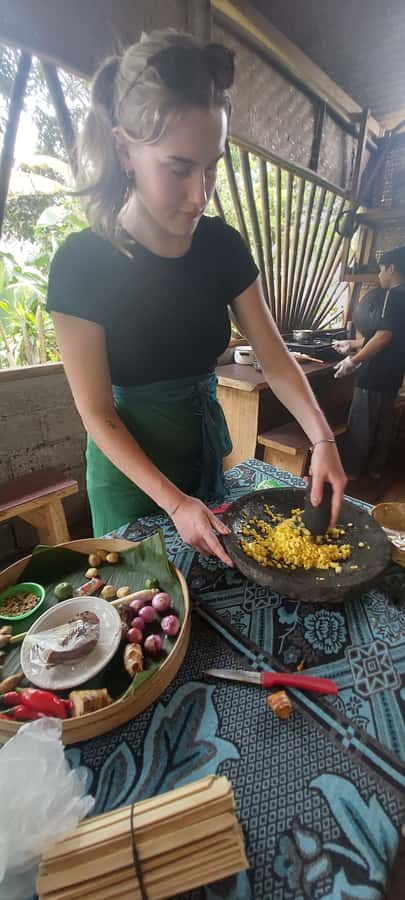
Sate Lilit is one of the signature preparations. Minced fish or chicken is mixed with herbs and grated coconut, then wrapped around bamboo sticks before grilling.
The shape sets it apart from the familiar chunks of meat on a skewer. The mixture is softer, and the coconut and spice paste give it a fuller flavor. You get to take part in forming the meat around the sticks, which makes this a hands-on task rather than a recipe lecture.
The class also includes Bergedel, golden-fried potato patties with a soft savory center. This is a useful counterpoint to the spiced meat. The potato gives the plate a mild, comforting element, and the patties are likely to appeal to children as well as adults.
A Balinese vegetable stir-fry adds seasonal produce to the meal. The exact vegetables can vary, since the cooking uses what is locally available. That flexibility is a benefit, though you should not expect a fixed menu with every ingredient guaranteed on every date.
The final dish is Jukut Jepang, a light soup made with chayote, local herbs, and spices. It offers a gentler flavor beside the stronger Base Genep and Sate Lilit. Together, the dishes show how a Balinese meal balances different textures and levels of intensity.
Why Nasi Campur Makes a Good Cooking Lesson
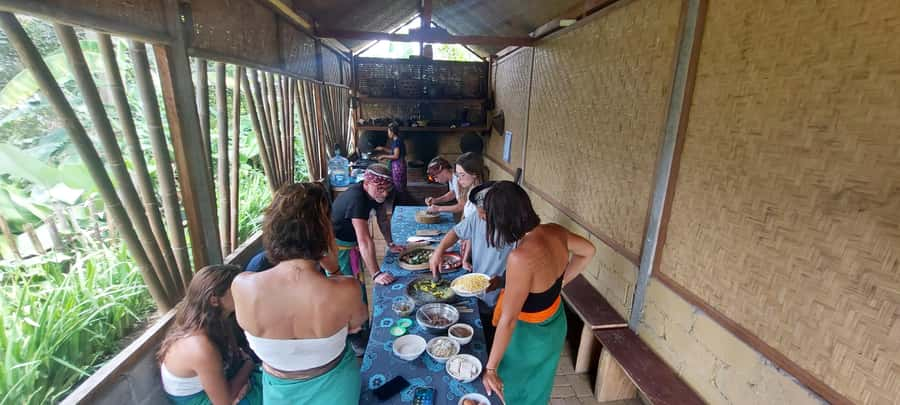
Nasi Campur means mixed rice, and the idea is simple: rice is served with several small portions of meat, vegetables, soup, and other side dishes.
That format makes this class more useful than a lesson focused on one famous dish. You see how a meal is assembled and balanced. A bite of spicy food can be followed by potato, vegetables, or soup. The plate becomes a small guide to the way Balinese food is eaten.
I like this approach because you leave with several recipes and techniques rather than one dish that may be difficult to recreate at home. You learn about spice paste, grilling, frying, soup, and vegetable cooking in a single sitting.
It is also a good introduction for anyone who finds Balinese menus confusing. Once you understand the parts of Nasi Campur, restaurant plates become easier to read. You can identify the different side dishes and understand why a meal arrives with several small portions.
More Home Cooking Classes in Indonesia:
- Bali: Private Balinese Cooking Class in a Family Home
★ 4.8 · 87 reviews - packages cooking class and romantic dinner in a local home
★ 5.0 · 4 reviews - Khmer Cooking Class at a Local’s Home in Krong Siem Reap
★ 5.0 · 2,731 reviews - Local Home Korean Cooking Class & Market Adventure in Seoul
★ 5.0 · 1,024 reviews
Sitting Down for Lunch or Dinner
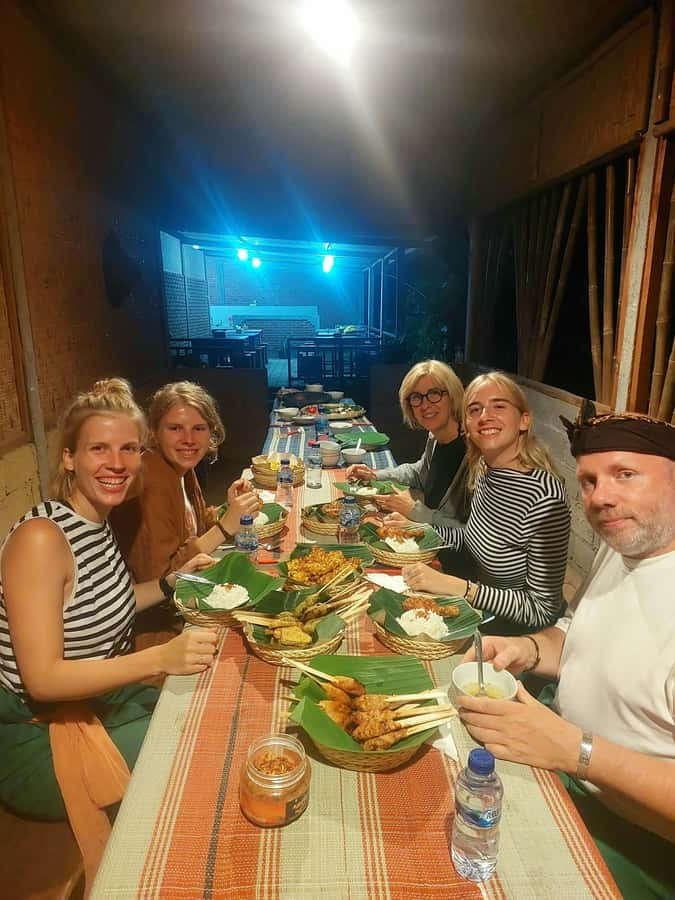
When the cooking is finished, you eat the food you prepared. Depending on your booking, this is served as lunch or dinner, with the local family and other participants.
This shared meal is where the class becomes more than a recipe lesson. You can ask about the food, the family, and local customs while eating in the same place where the class took place. The atmosphere is described as warm and relaxed, and the kindness of the hosts is one of the strongest reasons to book.
Several details point to a very family-friendly experience. One family with two children found the activity easy to enjoy, while another participant described the food as the best meal of the trip so far. Those comments suggest that the class works for mixed-age groups, not only serious cooks.
The meal includes drinking water. Personal expenses are not included, so you should not assume that extra drinks, purchases, or other add-ons are covered.
Dietary Needs and Spice Levels
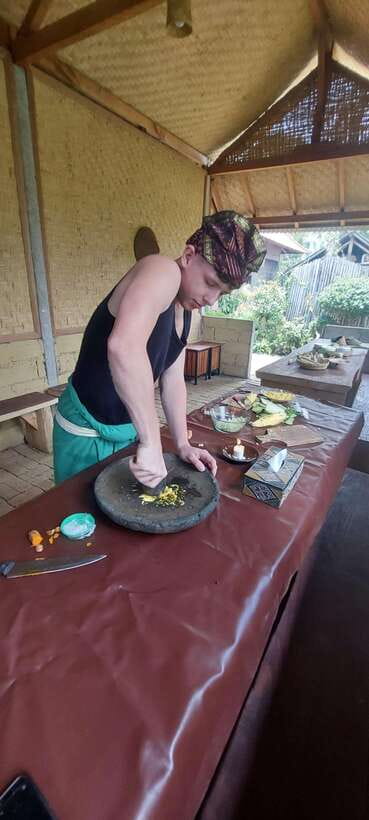
The menu can be adjusted for vegetarian and vegan diets. Alternatives are also available for people who cannot eat meat, wheat, flour, peanuts, or eggs.
You should request your needs ahead of time. The more specific you are, the easier it will be for the host to prepare suitable ingredients. The supplied options are unusually broad for a small home cooking class, but you should still confirm any serious allergy directly before arrival.
The food is designed to suit international palates and is not intended to be overwhelmingly spicy. That does not mean every dish is mild. Chili is part of Base Genep, and the exact level may depend on the menu and your requested adjustment.
For children or anyone cautious with heat, ask for a mild version. The potato patties, soup, and vegetables may be easier starting points than the spiced fish or chicken.
Hotel Pickup, Meeting Points, and Timing
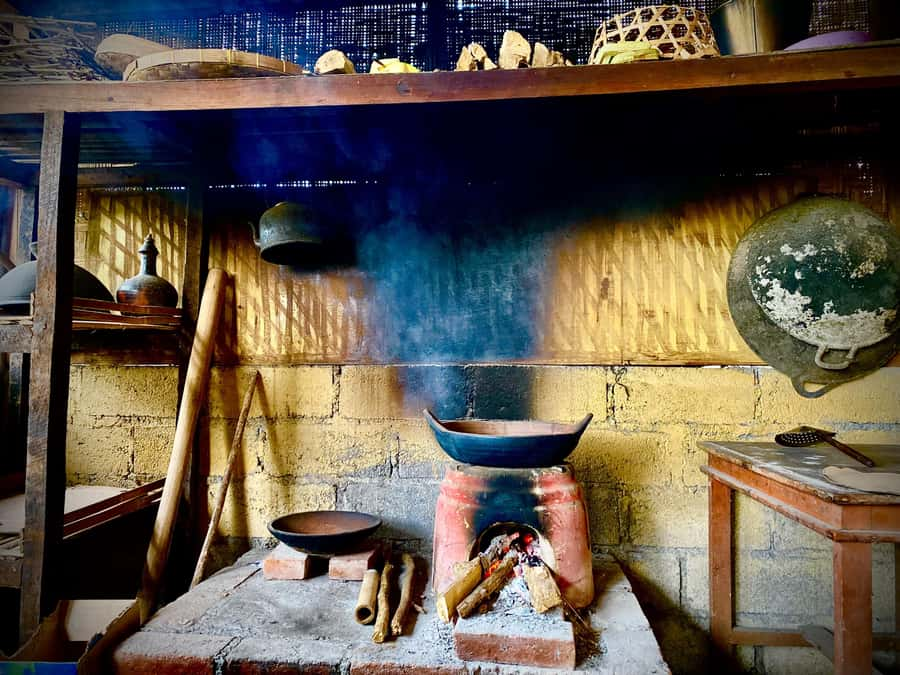
The meeting point depends on the option you select. Hotel pickup and drop-off are available only with certain bookings, so check carefully before paying.
If you choose transport, the team will contact you to confirm your hotel address. Yudi is specifically praised as a friendly driver, and one booking describes a ride into the mountain area to a local farm where the class took place.
Pickup can make the experience much easier if you are unfamiliar with Munduk roads. It also adds time to the outing, so do not schedule another activity too tightly afterward. The class itself runs for two to three hours, and the timing may vary according to the menu, group, and transport arrangement.
For a self-arranged arrival, confirm the meeting point in advance. Do not assume every booking begins at the same home or farm location.
Comfortable clothing is sensible because cooking can involve grinding, mixing, shaping, and working near heat. Bring insect repellent, especially if the class includes time outdoors. A sun hat and camera are also recommended.
The activity is listed as unsuitable for people with altitude sickness. Munduk is in Bali’s highland area, so anyone with that concern should take the warning seriously and ask the provider for more detail before booking.
Is $18 a Good Price?
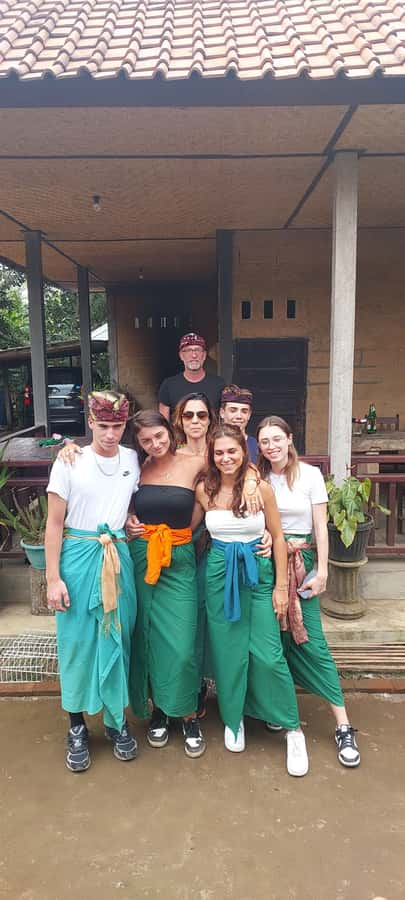
At $18 per person, this is a strong value if you want both a meal and a cultural activity.
The price includes ingredients, cooking equipment, fresh local produce, the recipes, drinking water, and the lunch or dinner you prepare. You are not paying just for a plate of food. You are also getting instruction, a look at local household life, and several dishes that would cost more to order separately in a restaurant.
The value is especially good for couples, families, and anyone who wants a meaningful activity without committing to a full-day tour. The two to three-hour length leaves room for other plans.
You should compare the price with the pickup option, not just the base rate. Transport may be worth the extra cost if you are staying outside the immediate area, but the included features vary by booking. Personal expenses are not covered.
The class also offers free cancellation up to 24 hours before the start time, plus a reserve-now and pay-later option. Those policies help if your Bali schedule is still shifting, but check the exact terms attached to your selected option.
Who Will Enjoy This Class Most?
I would recommend it most strongly to:
- People who want contact with local family life rather than a commercial kitchen
- Curious eaters who enjoy trying several small dishes
- Families with children
- Vegetarian and vegan diners who want menu flexibility
- First-time visitors who want an introduction to Balinese food
- Anyone staying in or near Munduk for a few days
It is less suitable if you dislike shared meals, want a precise professional kitchen, or prefer to observe rather than cook. The home setting is a strength, but it also means the pace and presentation may feel informal.
You should also allow room for communication. The host speaks English, and the class has accommodated people with limited English, but this is still a hands-on cultural exchange. Patience and a willingness to ask simple questions will improve the experience.
What the Strongest Praise Tells You
The most repeated positive points are clear: friendly hosts, tasty food, authentic surroundings, and patient instruction.
Kadek receives particular praise for explaining the farm, local life, religion, and cooking. The hosts are repeatedly described as kind and welcoming. That human side seems to be the reason the class feels personal rather than routine.
The food itself also receives high marks. Participants praise the flavor of the finished dishes, especially when combined with the relaxed family setting. The class does not simply offer an attractive photo opportunity. You actually eat a substantial meal at the end.
Another useful detail is the language support. A participant with very limited English still found the steps easy to follow. That suggests the instructors rely on demonstration as well as spoken explanation.
Final Verdict: Should You Book It?
Book this Munduk cooking class if you want a reasonably priced meal, several practical recipes, and time with a Balinese family.
The best parts are the local home setting, the complete Nasi Campur menu, the fresh ingredients, and the friendly teaching style associated with Kadek and the wider team. The class offers more cultural contact than a standard restaurant meal, while staying short enough to fit into a Munduk itinerary.
Check the meeting point, transport option, dietary arrangements, and lunch or dinner timing before you reserve. If those details suit your plans, this is one of the better ways to understand Bali through food, one spice paste and potato patty at a time.
FAQ
How long does the Munduk Balinese cooking class last?
The class lasts approximately two to three hours. Hotel pickup and drop-off may add travel time.
What dishes will I cook?
The menu can include Sate Lilit, Bergedel potato patties, Balinese vegetable stir-fry, Jukut Jepang soup, and Base Genep spice paste. These dishes are served as part of a Nasi Campur meal.
Is the food very spicy?
The recipes are adjusted for international palates and are intended to be flavorful without being overwhelmingly spicy. You can ask about a milder preparation when booking.
Are vegetarian and vegan menus available?
Yes. Vegetarian and vegan options are available on request. Alternatives can also be arranged for people avoiding meat, wheat, flour, peanuts, or eggs.
Is hotel pickup included?
Hotel pickup and drop-off are available with selected booking options. The team will contact you to confirm your hotel address if you choose that service.
Can I cancel the activity?
You can cancel up to 24 hours in advance for a full refund. A reserve-now and pay-later option is also available.
More Dinner Trips in Indonesia
- Pasta Making & Wine Tasting with Dinner in Frascati from Rome
★ 5.0 · 1,326 reviews - Rome: Pasta Making with Wine Tasting and Dinner in Frascati
★ 4.9 · 979 reviews - Palermo: Pizza and Gelato Cooking Class with Dinner and Wine
★ 4.9 · 951 reviews - Seville: Spanish Cooking Class with Dinner
★ 4.9 · 900 reviews
More Lunch Trips in Indonesia
- Cooking Class and Lunch at a Tuscan Farmhouse with Local Market Tour from Florence
★ 5.0 · 4,831 reviews - Paris Cooking Class and Lunch with Wine plus Market Visit Option
★ 5.0 · 1,024 reviews - Austrian Apple Strudel Cooking Class including Lunch in Salzburg
★ 5.0 · 929 reviews - Phuket: Elephant Sanctuary Tour, Cooking Class & Lunch
★ 4.9 · 856 reviews
Just added around Indonesia
- Spice Garden, Jamu & Cooking Class in Bali Village★ 5.0 · 5 reviews
- Pure Bali Village Experience, Cooking & Jamu Class+VIP Transfer★ 5.0 · 16 reviews
- The Authentic Balinese Cooking Experience★ 5.0 · 4 reviews
- Seminyak : cooking class traditional food bali★ 5.0 · 5 reviews
- Seminyak: Vegetarian Cooking Class★ 5.0 · 3 reviews
- Quad ride, waterfalls & aunthentic cooking class in munduk★ 4.9 · 53 reviews
- Pure Bali Village Experience Cooking & Jamu Class, Transfer★ 4.8 · 5 reviews
- Ubud: Organic Farm Harvest, Bali Cooking Class by Pemulan★ 4.8 · 12 reviews
Home Cooking Classes, compared.
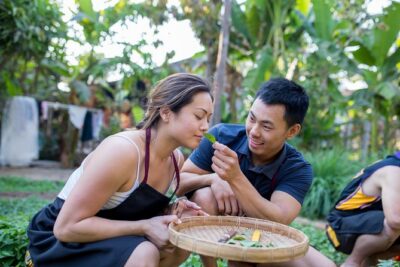
Khmer Cooking Class at a Local’s Home in Krong Siem Reap
Read our review →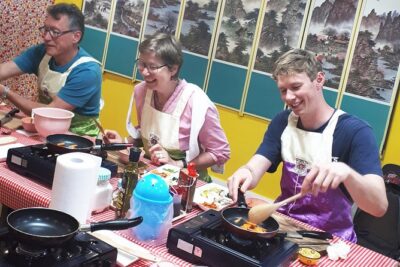
Local Home Korean Cooking Class & Market Adventure in Seoul
Read our review →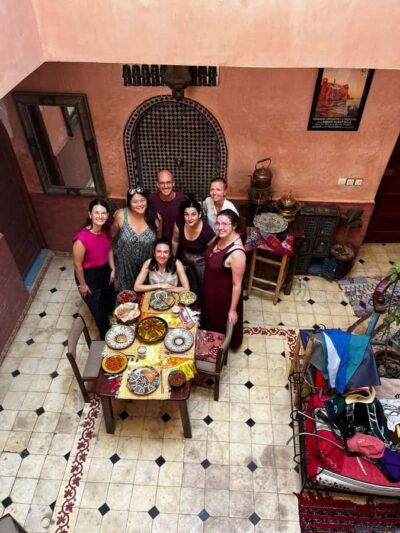
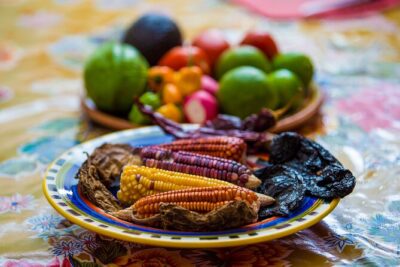
Mexican Cooking from Scratch in a Local Home in Tulum
Read our review →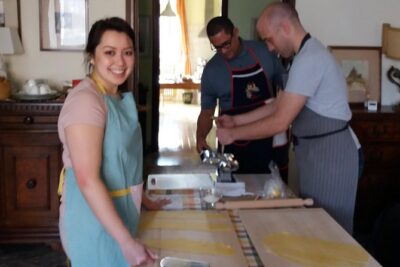
Pastamama, Home Cooking Classes at Grace’s Home
Read our review →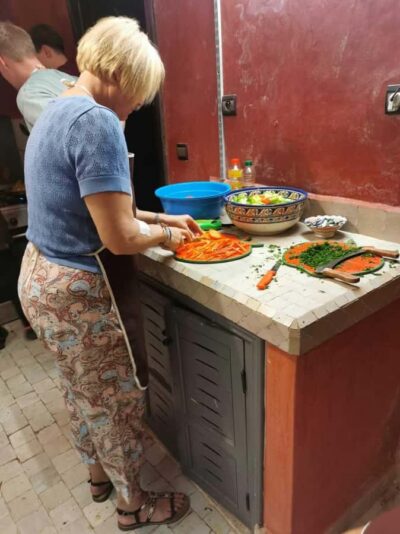
Traditional Cooking Class & meal with Local Family
Read our review →