
REVIEW · MARRAKESH-SAFI, MOROCCO
Marrakech: Tajine Cooking Class in a Traditional Riad
Food is the fastest way into Marrakech. This four-hour class combines a souk shopping walk, Arabic food tips, and hands-on cooking in a traditional riad. I like the local market stop, where you choose fresh ingredients instead of simply arriving at a prepared kitchen, and I like the warm, personal teaching style associated with guides such as Samira, Sanae, Karima, and Amina.
The class also gives you a real meal, mint tea, a recipe sheet, and a look at medina life for $57 per person. The main thing to consider is timing: the market and cooking can run long, so leave space after the class if you have another tour or fixed booking.
Key points before you book
- The class begins in Djemaa El-Fna: Meet outside Café France, then walk into the souks with the official guide.
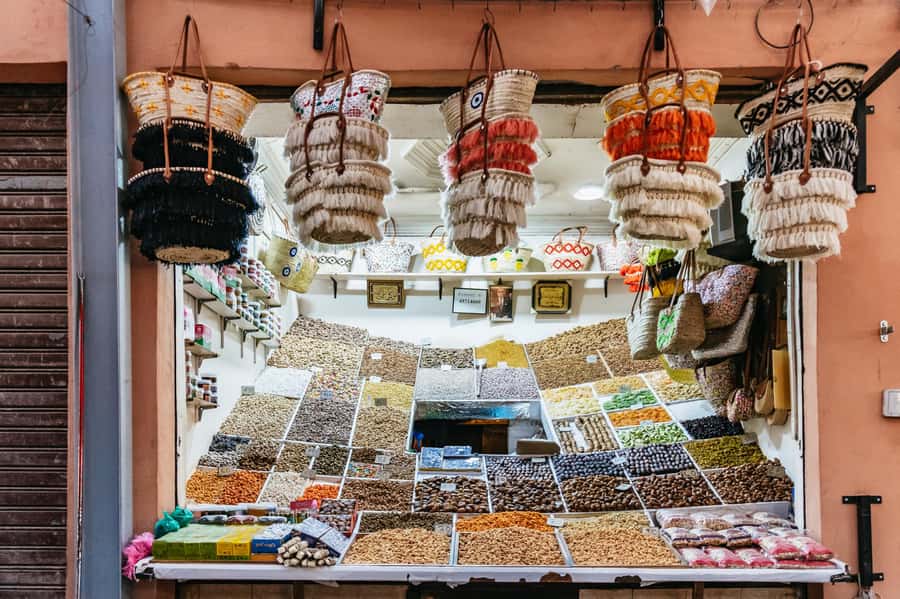
- You shop before you cook: Fresh vegetables, herbs, spices, and chicken are bought for the meal, with Arabic food vocabulary along the way.
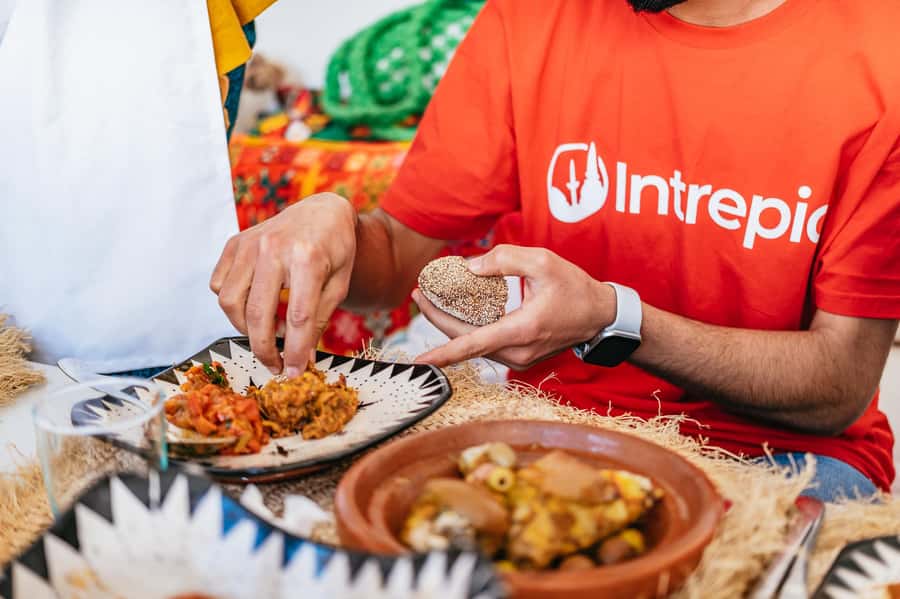
- The cooking is genuinely hands-on: You help chop, season, layer, and cook a traditional tajine rather than watching a demonstration.
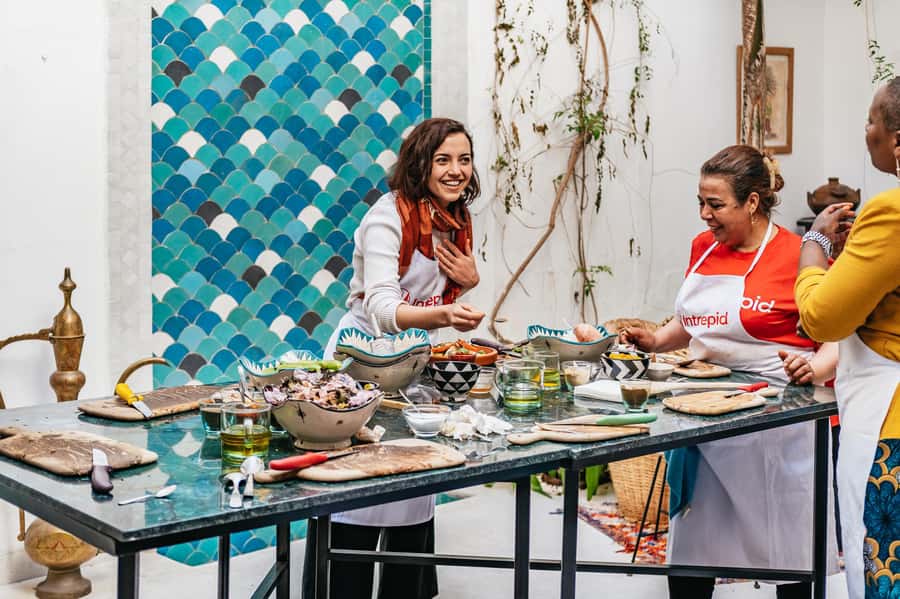
- The setting is a family riad: Tea, cookies, local hospitality, and a home-style kitchen make this more personal than a standard cooking studio.
- Vegetarian and other dietary needs are accepted: Vegan, gluten-free, and other restrictions can be accommodated.
- The group can reach 12 people: Small enough for interaction, though private groups are also available.
Starting at Djemaa El-Fna and finding the right guide
The meeting point is outside Café France in Djemaa El-Fna, the huge central square at the heart of Marrakech’s old city. Café France is a three-storey building on the right as you enter through the square’s main entrance.
This detail matters. Djemaa El-Fna attracts unofficial guides who may approach you and offer tours. Ignore anyone who is not holding an Urban Adventures sign or badge. The official guide will be waiting in front of the café, which gives you a clear way to avoid confusion at the start.
There is no hotel pickup or drop-off, so you need to reach the square yourself. If your accommodation is tucked inside the medina, allow time to find the café. The meeting point is public and easy to describe, but Djemaa El-Fna can feel chaotic, especially if you are new to Marrakech.
The guide usually gathers the group before walking into the market. English is the tour language, and the small-group format helps keep the introduction personal. A group of up to 12 is not a private lesson, but it is still far more manageable than a large food tour.
More Moroccan Cooking Classes in Marrakesh:
- Marrakech: Moroccan Cooking Class with Pickup
★ 4.6 · 1,862 reviews - Marrakech: Traditional Moroccan Cooking Class & Market Visit
★ 4.8 · 1,861 reviews - Marrakesh: Moroccan Dishes Cooking Class with a Local Chef
★ 5.0 · 1,615 reviews
Shopping the souks for a real tajine meal
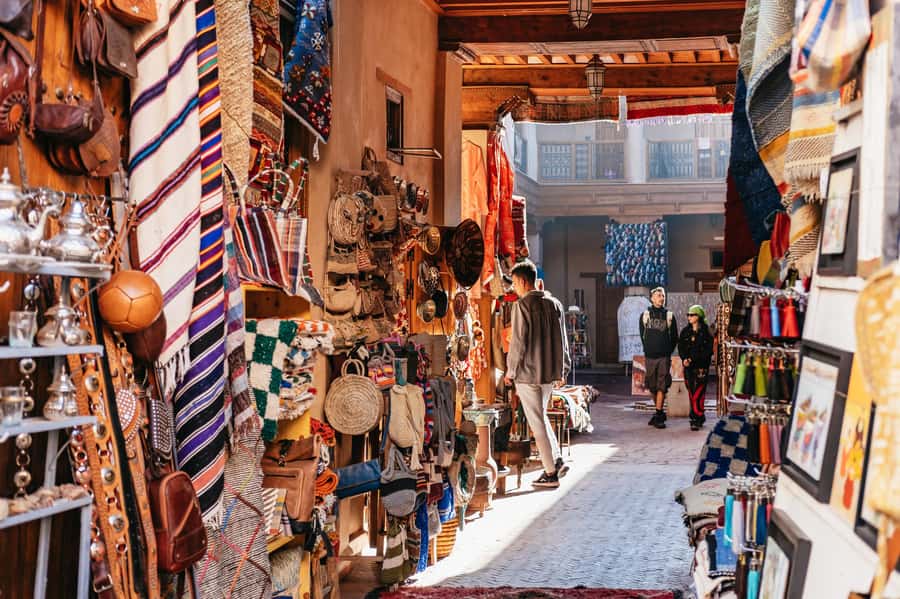
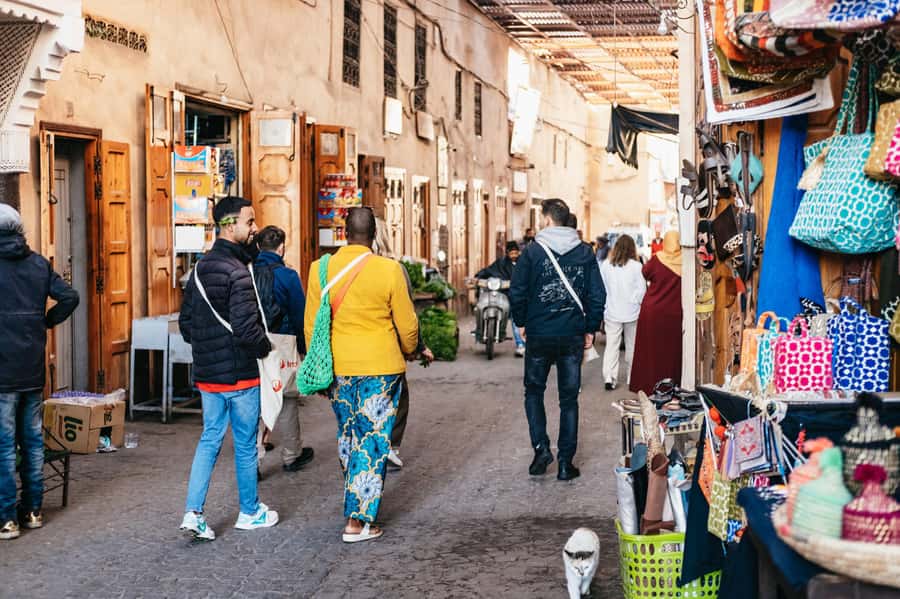
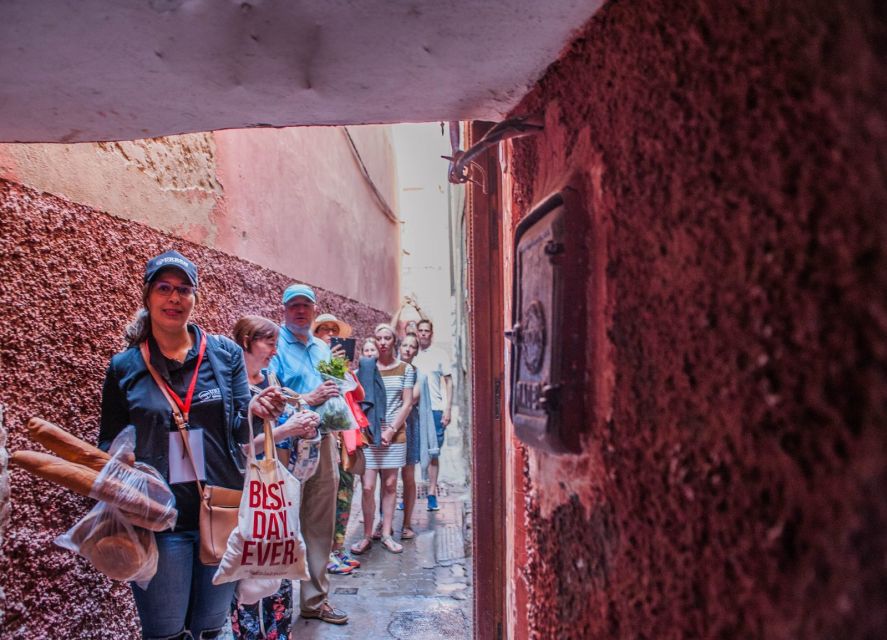
The first part of the class takes place on foot through the souks. You shop for the ingredients needed for the meal, including vegetables, herbs, spices, and chicken. This is not just a grocery stop. It shows you how food fits into daily life in Marrakech.
You also learn useful Arabic food vocabulary and receive tips on selecting fresh produce. The exact route and ingredients can change according to availability, but the purpose remains the same: connect the finished dish with the market where its ingredients came from.
I especially like this part because it gives you practical context. A spice list in a cooking studio tells you what to add. A market walk shows you how Moroccan cooking begins, how ingredients are chosen, and how a local guide handles the souks.
Haggling is part of the lesson too. Guides have helped with prices and, in one case, advised on buying a Moroccan teapot after the class. That extra help can be useful if you plan to shop for spices, tea equipment, or a cooking dish during your stay.
The chicken purchase may not suit everyone. Some people have found the live poultry experience confronting, while others appreciated seeing where their food came from. If you do not want chicken, state your preference clearly. Vegetarian options have been arranged, including a separate vegetable tajine.
The market is also the least polished part of the morning. You are walking through working commercial streets, not a staged food market made for tourists. That is part of the point, but it can feel busy and sensory-heavy. Wear comfortable shoes and keep your belongings secure.
Entering a family riad kitchen
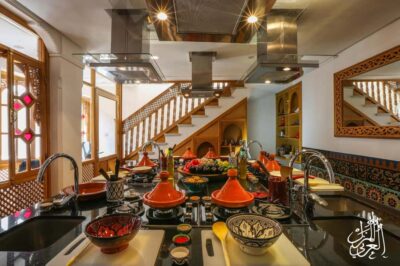
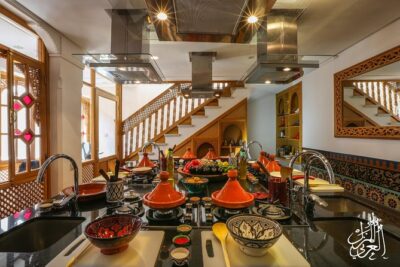
After shopping, you head to a traditional riad. A riad is a Moroccan house built around an interior courtyard, often with rooms opening onto the central space. Here, the class moves from observing daily life to taking part in it.
Several guides have described the riad as a home rather than a formal cooking school. Amina, for example, welcomed participants into her home, where her sisters Khadija and Meriem prepared the equipment and helped with the class. Other sessions have included local women who guided the preparation while allowing the group to do the actual chopping and layering.
That arrangement gives the class its strongest quality: you are not just being taught a recipe. You are seeing how hospitality, family, tea, and food connect in medina life.
The exact host can vary. Names associated with different sessions include Samira, Sanae, Karima, Salema, Semira, Amina, and Hanan. Their styles differ, but the consistent pattern is friendly, patient instruction and plenty of conversation about Moroccan food and customs.
Mint tea usually comes early in the experience. You may also receive homemade cookies, including ghriba, a traditional Moroccan biscuit. Tea is not a quick welcome drink here. It creates a pause before the cooking begins and gives everyone time to settle in.
Cooking chicken tajine, salad, and dessert
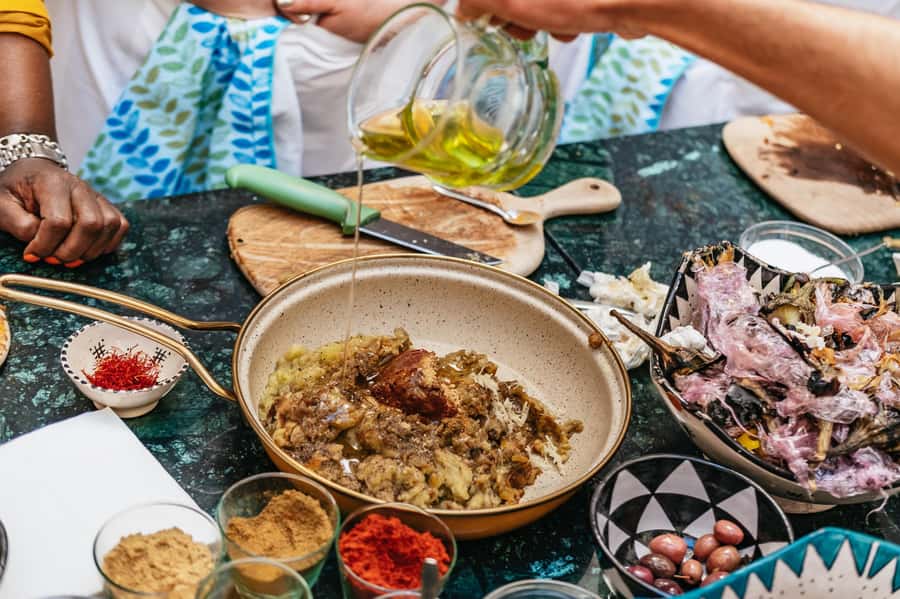
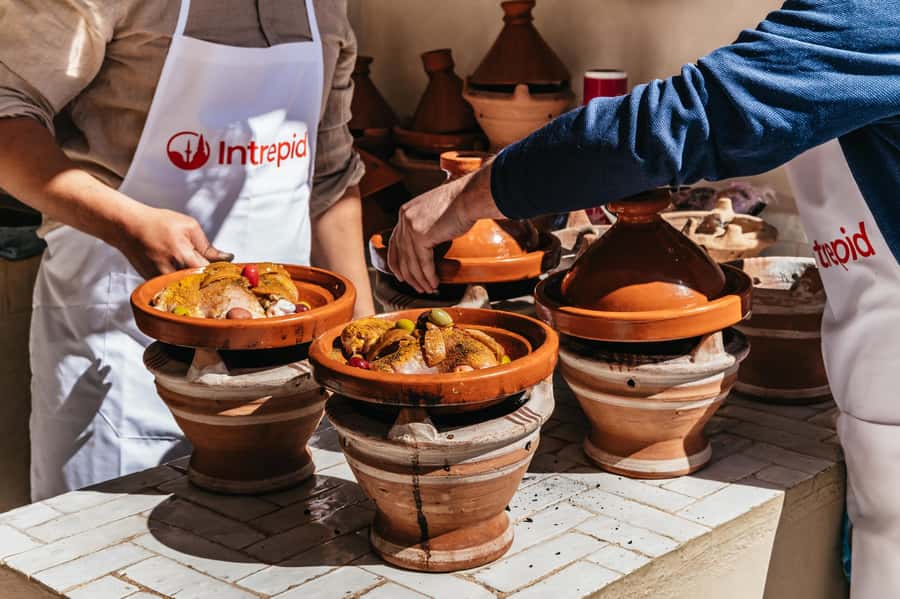
The main dish is generally a chicken tajine, often prepared with preserved lemon and olives. You learn how Moroccan spices work together, how ingredients are layered, and how the tajine cooks slowly into a shared meal.
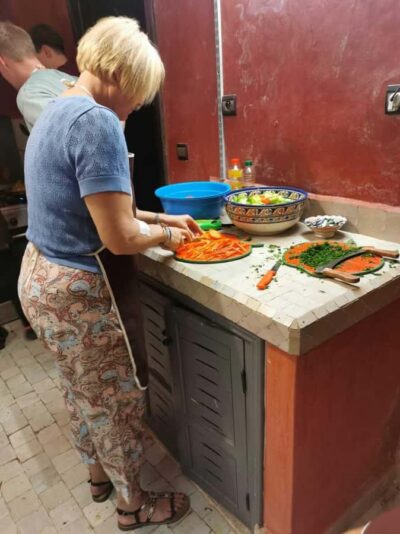
You are not expected to arrive as a skilled cook. The hosts guide you through the process and adjust their help to the group. Past sessions have included chopping vegetables, preparing herbs, seasoning the dish, and arranging the ingredients inside the tajine.
The recipe is simple enough to repeat at home, which is one of the class’s best features. You are not shown a complicated restaurant dish that requires equipment you cannot find later. The take-home recipe sheet gives you a reference for recreating the meal.
A Moroccan salad is also prepared, and some sessions include dessert. Orange with cinnamon has appeared as a dessert option. Food depends on what is available that day, so you should not assume that every class will produce exactly the same menu.
The hands-on format also makes the meal more social. You work beside other people, compare chopping skills, ask questions, and share the final table. I like that the meal is not tacked onto the end as an afterthought. Cooking is the activity, and eating is the reward.
If you are vegetarian, vegan, gluten-free, or have another dietary restriction, the provider says the class can accommodate you. Tell the operator in advance so the market shopping and cooking plan can be adjusted. Because food changes with availability, it is sensible to confirm your needs before the day.
A few more cooking classes around Marrakesh worth a look
- Marrakech: Moroccan Cooking Class with a Local Family
★ 4.9 · 668 reviews - Marrakech: Moroccan Cuisine Cooking Class in Local Home
★ 4.8 · 508 reviews - Marrakech: Moroccan Cooking Workshop at La Maison Arabe
★ 5.0 · 446 reviews - Marrakech: Moroccan Cooking Class with Market Visit and Meal
★ 4.9 · 347 reviews
Why the meal feels better than a standard restaurant tajine
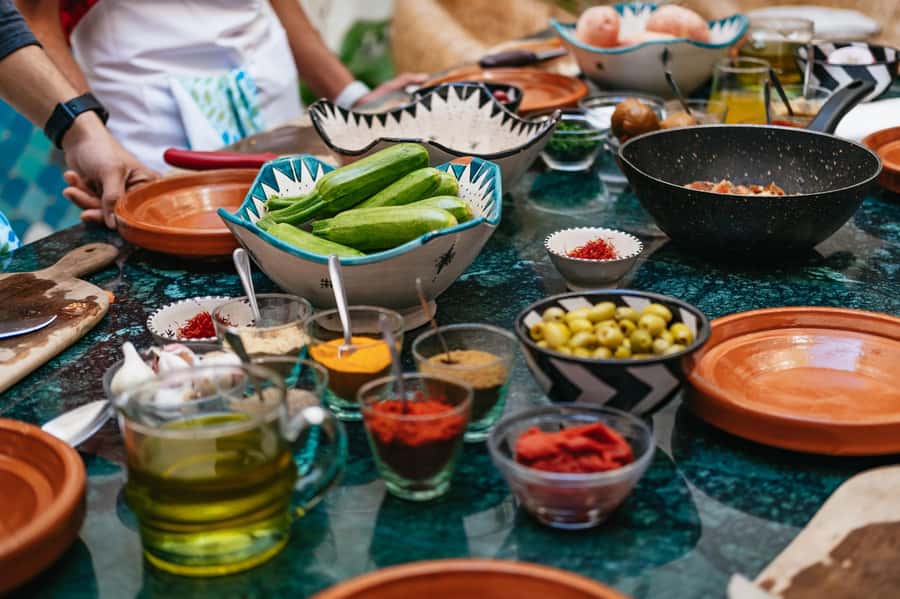
Marrakech has no shortage of tajine restaurants. A cooking class needs to offer more than a decent lunch, and this one does that by showing you the steps behind the dish.
When you eat tajine in a restaurant, you experience the final flavor. Here, you learn why the dish tastes the way it does. You see the produce at the market, handle the spices, prepare the ingredients, and wait while the meal cooks.
That process also helps you understand Moroccan food beyond the familiar label of tajine. The dish is part of a wider pattern of shared meals, careful seasoning, local shopping, and patient cooking. The riad setting adds another layer because you are eating in the kind of home connected to the medina community.
The food itself receives the strongest praise. Chicken tajine with preserved lemon and olives has been singled out as especially good, and several people considered the finished meal among the best they ate in Marrakech. That does not mean every dish will match your taste. Moroccan cooking can be strongly seasoned, and the menu is fixed around the ingredients available that day.
The class also includes Moroccan tea, and homemade cookies may be served while the tajine cooks. That waiting period is useful. You can relax, talk with the group, and ask questions instead of standing over the food for four straight hours.
Timing, group size, and the $57 price
At $57 per person, the experience is not the cheapest way to eat lunch in Marrakech. It is a fair price if you value the market visit, local guide, ingredients, cooking instruction, riad setting, tea, and meal as one package.
The class lasts four hours. That is long enough to make the market visit worthwhile and still allow time to cook and eat without rushing. It also means you should not schedule a museum visit, airport transfer, or tightly timed excursion immediately afterward.
One class ran over for a participant who had to leave for another tour. That is a useful warning. Cooking has its own pace, and the final meal may take longer than planned. If you have a fixed afternoon appointment, keep a generous buffer.
The group size is capped at 12 people. This is a good middle ground. You get the social energy of a shared meal, but the class should still allow you to ask questions and take part in the preparation. If you want more control or have a family celebration in mind, a private group is available.
Children are welcome, and children under six can join free of charge. Still, the market walk, waiting time, and hands-on preparation may suit older children better than very young ones. The experience includes knives, hot cooking equipment, and a busy medina route, so adults will need to stay involved.
Clothing and practical preparation
The dress guidance is stricter than what some visitors expect from a cooking class. Shorts, short skirts, and sleeveless shirts are not allowed. Choose loose, modest clothing that covers your shoulders and knees.
Comfortable walking shoes are important because the first part takes place in the souks. You may also want to bring water, although mint tea is served during the class.
The meeting point can be crowded, so arrive with the guide’s identifying sign in mind. Do not follow someone who simply claims to be connected with the activity. Look for the Urban Adventures sign or badge outside Café France.
The class is conducted in English. If you want a private setting, check the private group option when booking. The provider can cancel without charge up to 24 hours before the start time, and a reserve-now, pay-later option is available, which helps if your Marrakech plans are still shifting.
The route and places visited can change. Ingredients also depend on availability. Think of the class as a local cooking experience with a clear shape, not a performance where every minute and dish is guaranteed to be identical.
Who will enjoy this Marrakech cooking class?
I would recommend it most strongly if you want food to be your way into Moroccan culture. You do not need advanced cooking skills. In fact, beginners may get the most from the calm, step-by-step teaching.
It suits solo visitors and couples because the shared group makes it easy to meet people. It also works well for families with older children, provided everyone is comfortable with walking through the souks and taking part in a kitchen.
This is a good pick if you want:
- A market visit tied directly to the meal
- Personal contact with a local chef or host
- A traditional riad rather than a modern cooking studio
- A recipe you can use at home
- Vegetarian or other dietary adjustments
- A relaxed shared lunch with tea and dessert
You may want another activity if you dislike group cooking, have a very tight schedule, or prefer a polished restaurant setting. The class is informal and can vary with the host, market conditions, and ingredients available that day.
The carbon-neutral and B Corp-certified operation is another positive for people who want their spending to support local culture and community. That label does not change the food itself, but it adds value to an activity built around local hosts, local shopping, and a family riad.
Should you book the tajine class?
Book it if you want more than a recipe. The best part is the full chain from souk to table: choosing ingredients, learning a few Arabic food terms, cooking with a local host, and eating the tajine together.
At $57, the class offers solid value because the price covers four hours of activity, food, instruction, tea, and a cultural connection that a restaurant meal cannot provide. Just dress modestly, allow extra time afterward, and be ready for a genuine market experience rather than a tidy tourist version of one.
I would skip it only if you need a tightly controlled schedule or do not enjoy shared cooking. For most food-loving visitors, this is one of the more useful and personal ways to spend a morning or afternoon in Marrakech.
FAQ
Where does the Marrakech tajine cooking class meet?
Meet outside Café France in Djemaa El-Fna. As you enter the square through the main entrance, Café France is the three-storey café on the right.
How do I identify the official guide?
Look for a guide holding an Urban Adventures sign or badge outside Café France. Unofficial guides may approach you in Djemaa El-Fna, so do not join anyone who cannot show the proper identification.
How long does the cooking class last?
The activity lasts four hours. Starting times vary, so check availability when booking.
What food is included?
The class includes ingredients for a tajine, including vegetables, herbs, spices, and chicken. You also prepare a Moroccan salad and may have dessert, with exact food depending on availability.
Can vegetarians or people with dietary restrictions join?
Yes. The class can accommodate vegetarians, vegans, gluten-free diets, and other dietary restrictions. Share your requirements in advance.
Is the class suitable for children?
Yes. It is child-friendly, and children under six can join free of charge.
What should I wear?
Shorts, short skirts, and sleeveless shirts are not allowed. Wear modest clothing suitable for walking through the souks and cooking in a riad.
Just added around Marrakesh
- Moroccan Food Cooking Class with a Local Chef in Marrakech★ 4.7 · 90 reviews
- Marrakech: 3-Hour Open-Air Moroccan Cooking Course★ 4.9 · 74 reviews
- Moroccan cooking class in Marrakech with berber chef★ 5.0 · 16 reviews
- Edgy 8 Dish Private, Fusion Cooking Class, Menu Plan, Market★ 4.9 · 31 reviews
- Marrakech: Moroccan Cooking Class with Local Chef★ 4.6 · 87 reviews
- Marrakesh: Private Cooking Class & Local Market Shopping★ 4.7 · 15 reviews
- Marrakech: Authentic Moroccan Cooking Class in a Farm★ 4.8 · 8 reviews
- Marrakech: Moroccan Cooking Class with Amazing Local Chef!★ 4.9 · 100 reviews
Moroccan Cooking Classes, compared.
Traditional Moroccan Cooking Class & Market Visit
Read our review →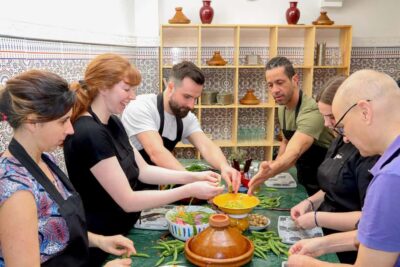
Moroccan Dishes Cooking Class with a Local Chef
Read our review →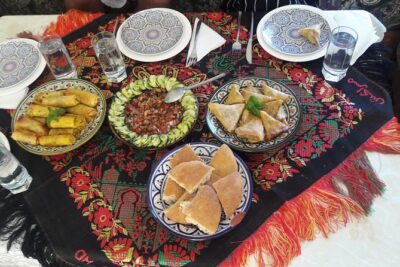
Moroccan Cooking Class & Marrakech Market Visit with Chef Khmisa
Read our review →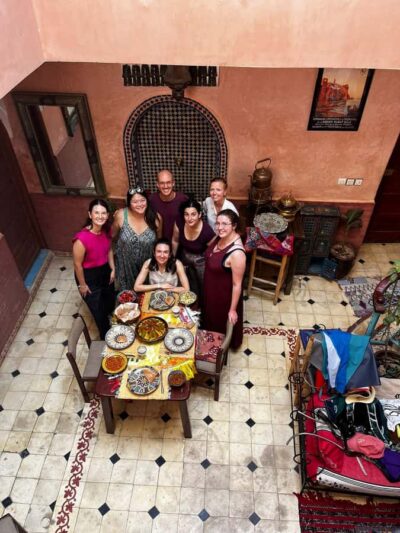
Lists this class appears in