
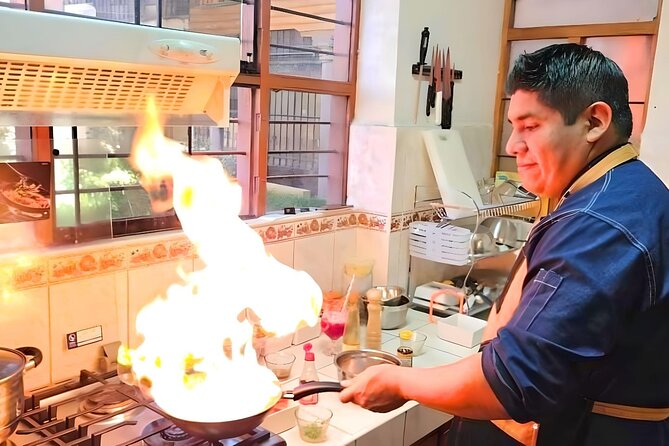
REVIEW · CUSCO, PERU
Vegan Peruvian Cooking Class Cocktails and Local Market in Cusco
Cusco tastes better when you cook it. I like the San Pedro Market visit, where local fruits, grains, roots, and breads give the class a useful setting, and I like the hands-on cooking rather than a demonstration from the sidelines. The main consideration is that you should state your dietary needs clearly at the start, since the class may sometimes operate as a general cooking class with vegan alternatives.
For $69, you get about four hours, ingredients, equipment, recipes, two cocktails, and a full meal. I also like the small group limit of 10 people, though the meeting point at San Pedro Market can take a moment to locate, especially if you do not spot the marked green door right away.
Key points to know before booking
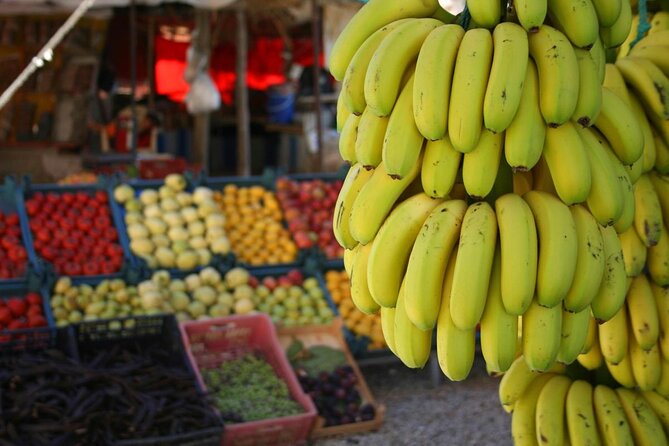
- San Pedro Market comes first: You begin among Peruvian produce, grains, fruits, roots, and traditional bread before heading to the cooking studio.
- Three plant-based dishes are prepared: The menu includes vegan ceviche, causa limeña, and a quinoa tamal.
- Two cocktails are included: Pisco-based drinks and fresh fruit drinks form part of the class, with nonalcoholic replacements available.
- Chef Jesus receives especially strong praise: His friendly teaching, English, food knowledge, and patience are major parts of the experience.
- The class is limited to 10 people: That gives you a better chance to take part rather than simply watch.
- Recipes arrive after class: You can recreate the dishes and drinks at home, provided you can find suitable local ingredients.
Starting with Peruvian food at San Pedro Market
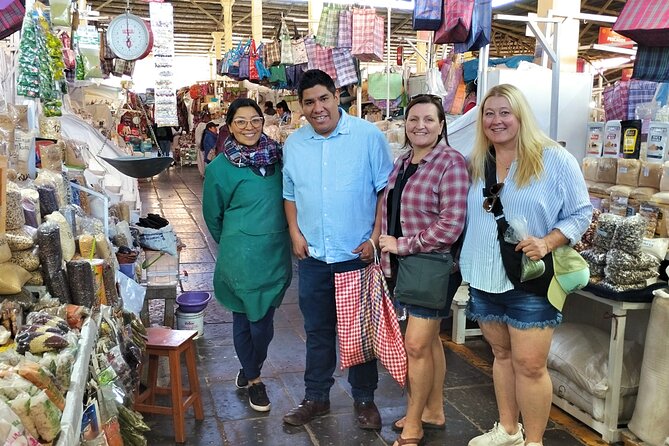
The class begins at Mercado Central de San Pedro, at Thupaq Amaru 477 in Cusco. This is not just a place to buy ingredients for a recipe. It gives you a quick introduction to the foods that shape Peruvian cooking.
You can expect to see a broad range of fruits, vegetables, grains, roots, and other local ingredients. The class places special attention on Peru’s so-called superfoods, which may include quinoa and other produce used in everyday cooking. You also get a chance to learn about different varieties of passion fruit and try traditional Peruvian bread.
That market visit matters because it explains the food before you cook it. A quinoa tamal means more when you have first seen the grain in its local setting. Causa limeña becomes less mysterious when you have handled the potatoes, peppers, and other ingredients that give it color and flavor.
A guide accompanies you through the market and explains what you are seeing. This is useful if your Spanish is limited, since buying unfamiliar food in a large market can otherwise feel like a guessing game. Chef Jesus has been praised for answering questions about Peruvian food and culinary traditions in clear English.
Allow yourself to stay alert at the meeting point. The entrance can be confusing, and the door is marked with a number one on the lower portion of the green main entrance. That is a small detail, but it can save you from wandering around the market wondering if you are in the right place.
More Cooking Classes with a Market Tour in Peru:
- Cusco: Peruvian Cooking Class, Cocktails & Local Market Tour
★ 4.9 · 512 reviews - Cooking class and market tour with a local chef
★ 5.0 · 186 reviews - Market Tour, Tasting of 35 Fruits, and 4-Course Peruvian Cooking Class in Lima
★ 5.0 · 86 reviews
Moving from the market to the cooking studio
After the market visit, the class continues at a cooking studio in central Cusco. The studio is described as a comfortable, well-presented kitchen a few blocks from the market. Here, you move from looking at ingredients to preparing the meal yourself.
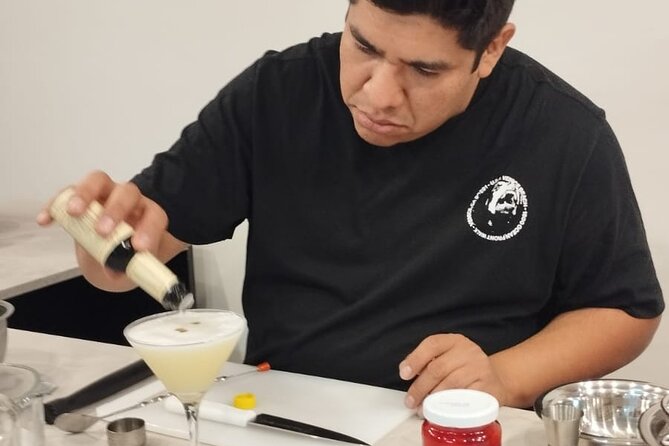
The format is practical. You are not simply handed a finished plate while a chef talks. You help prepare the dishes, make the drinks, and eat the courses as they are completed. That creates a natural rhythm for the four-hour session.
The maximum group size is 10 people. That is not the same as a private lesson, but it is small enough to make hands-on participation realistic. The experience has also gone ahead with a single person when only one booking was made, which suggests that a small booking does not automatically mean cancellation.
The chef leads the class step by step. Chef Jesus has received the strongest praise, though Chef Jorge and Alvaro are also named in the experience feedback. The teaching style is friendly and patient, with plenty of explanation about each dish. If you want to ask questions, this is the part of Cusco’s food culture where you can slow down and do so.
The three-course vegan menu
The central menu includes three well-known Peruvian preparations, all made without animal products.
Vegan ceviche
Traditional ceviche is usually associated with fish, so the plant-based version gives you a different way to understand the dish. The class shows how familiar Peruvian flavors can be adapted without losing the dish’s sharp, fresh character.
You prepare the ceviche yourself rather than merely sampling an alternative. That makes it useful for anyone who wants a recipe that can be repeated at home. Keep in mind that the exact plant-based ingredients are not specified, so you should not expect a precise restaurant-style menu description before arriving.
More Vegetarian Cooking Classes in Peru:
- Oaxacan Vegetarian Cooking Class
★ 5.0 · 235 reviews - Marrakech: Moroccan Cooking Class for vegetarians and vegan
★ 4.9 · 156 reviews - Hoi An: Vegetarian Cooking Class w Local Family and transfer
★ 4.9 · 145 reviews - Oaxaca: Vegetarian Cooking Class
★ 4.8 · 139 reviews
Causa limeña
Causa is a Peruvian potato dish that can be layered, shaped, and filled. In this class, it is prepared with vegan mayonnaise. The dish is a good fit for the format because it combines basic local ingredients with technique and presentation.
You get to see how a familiar home-style food can become a polished course. The plant-based mayonnaise also shows how the class handles substitutions rather than simply removing ingredients from a standard recipe.
Quinoa tamal
The quinoa tamal brings one of Peru’s most recognized grains into the menu. It is a useful lesson in how quinoa can be used beyond a side dish or breakfast bowl.
The tamal was singled out as a particularly successful part of the meal in the available feedback. Since you prepare it during the class, you also leave with a better sense of the work involved in making one at home.
The food portions appear generous. One couple found there was so much food that they could not manage dessert at the end, though they took it with them and enjoyed it later. Dessert is not listed as a formal inclusion, so treat it as a possible extra rather than a promise.
Two cocktails, including pisco and fresh fruit
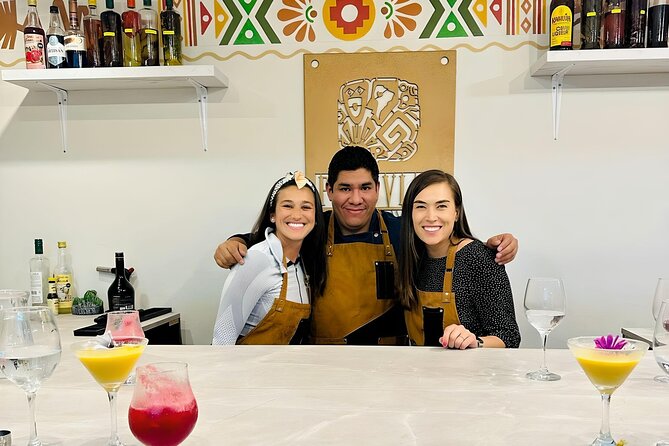
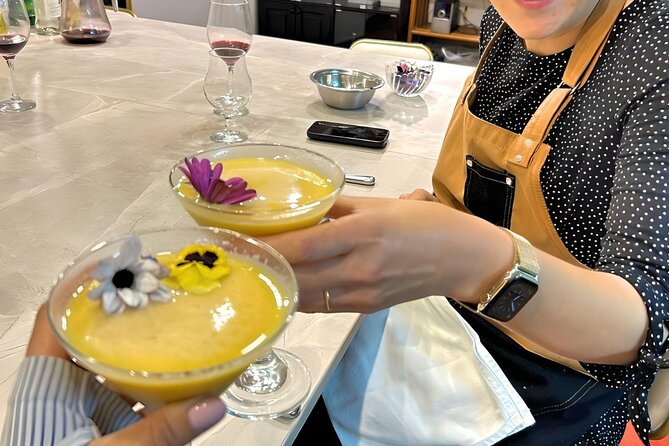
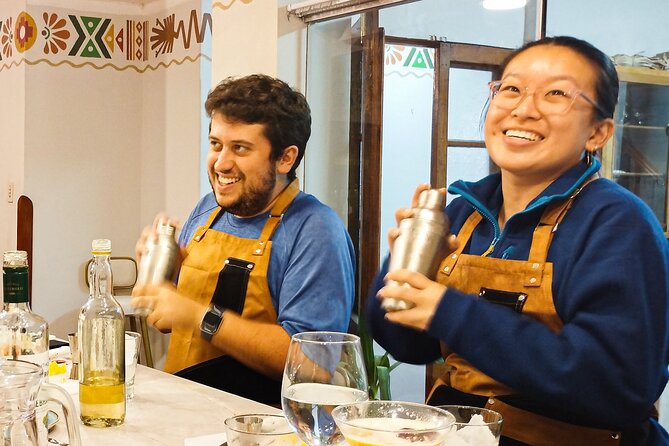
The drink portion adds another layer to the lesson. You prepare two cocktails using ingredients associated with Peru, including pisco and fresh fruit. Pisco is the country’s best-known spirit, and learning to use it gives the class a stronger local connection than serving generic wine or soft drinks.
Examples described in the experience include a pisco sour and chicha morada. Another account mentions a whisky sour made without alcohol. The exact drinks may vary, so you should think of these as examples rather than a guaranteed fixed cocktail card.
The class includes alcoholic beverages, but Peruvian law sets the drinking age at 18. Anyone under 18 receives nonalcoholic drinks, with bottled water replacing pisco. Nonalcoholic alternatives have also been prepared for adults who do not drink.
This is helpful for mixed groups. One person can learn the cocktail technique while another works with a nonalcoholic version. Bottled water is included as well.
Why the vegan details deserve a careful look
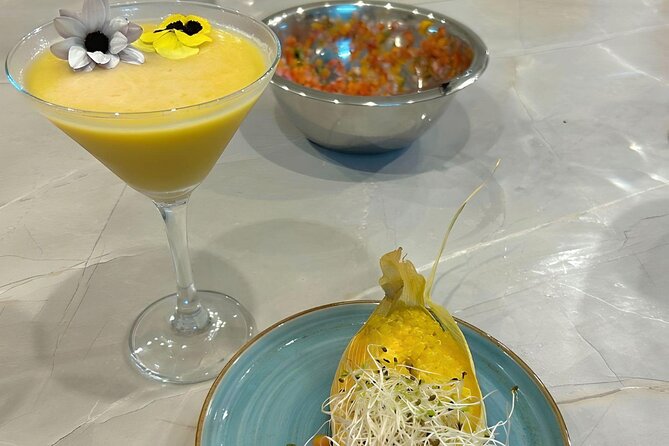
The experience is presented as vegan, and several people describe a fully plant-based meal. The menu itself is clearly designed around vegan versions of Peruvian dishes.
Still, one important caution deserves space. A past participant felt the class sometimes functioned as a general cooking class with vegan alternatives, rather than as a completely separate vegan program. That means you should tell the chef about vegan needs, allergies, and other food restrictions as soon as the class begins.
Do not rely only on the title when your diet is strict. Ask which ingredients will be used and confirm that shared preparation suits your needs. The provider says food restrictions can be accommodated, but clear communication is the sensible move.
For most plant-based diners, the class appears to offer far more than a token substitute. The dishes are built around vegan mayonnaise, quinoa, vegetables, and plant-based ceviche rather than adding one lonely salad to a meat-heavy menu. Still, the advance conversation removes uncertainty.
The teaching style and the people leading it
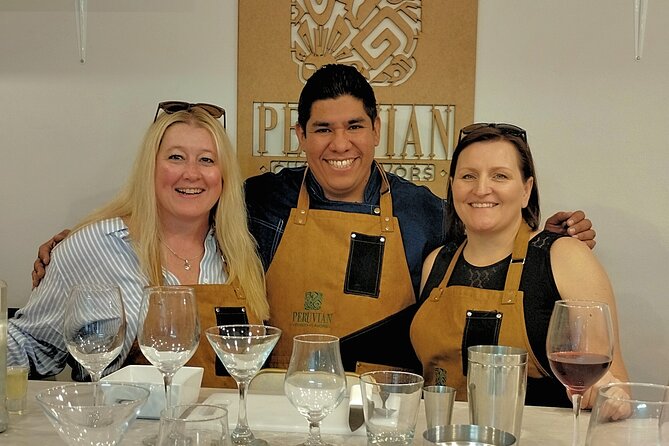
The chef is a major reason to book this rather than simply take a recipe home from the market. Chef Jesus has been praised for his English, patience, warmth, and ability to explain both cooking methods and Peruvian food traditions.
He also appears willing to answer many questions. That is valuable in a short class, since you can ask why an ingredient is used, how a dish is normally served, or what might work as a substitute at home.
Chef Jorge is also named in the feedback and is described as doing a good job explaining the instructions and introducing each course. Alvaro and Jesus are both praised for creating a friendly cooking atmosphere.
The tone seems social without requiring you to arrive with a group. Solo participants have enjoyed the class, and people from different countries have shared the kitchen. Couples and friends also have enough to do, so you are not dependent on constant conversation to enjoy it.
Is $69 a fair price in Cusco?
At $69 per person, this is not the cheapest way to eat in Cusco. You could spend far less at a local restaurant or market stall.
But the price covers roughly four hours, a guided market visit, all ingredients, kitchen equipment, cocktail-making equipment, two class cocktails, bottled water, three prepared dishes, and recipes sent after the class. You are paying for instruction and participation, not just lunch.
The value improves if you care about food or want a practical cultural activity. A market walk on its own may show you ingredients without explaining how to use them. A restaurant meal gives you the finished result but not the method. This experience combines both.
It is also useful for people who want to bring something home besides photographs. The recipes let you try the dishes again, though you may need to replace some Peruvian ingredients with locally available options.
I would consider the price reasonable for a small group cooking session in central Cusco, especially if you would otherwise book a separate market tour and meal. It is less compelling if you mainly want a quick tasting or have no interest in cooking.
Timing, location, and practical planning
The experience lasts about four hours and starts at San Pedro Market. It ends back at the meeting point, so you do not need to arrange a separate return transfer.
The location is central Cusco, and the activity is near public transportation. The description does not provide hotel pickup, so plan to reach the market meeting point yourself.
Confirmation is provided when you book. The activity accepts service animals, and food restrictions can be discussed with the provider. Since the class involves both a market and a cooking studio, wear something comfortable and expect to spend a good part of the session standing, though the available information does not give specific accessibility details.
The group limit is 10. Since the experience is often reserved about 21 days ahead, early booking is sensible if you have fixed dates in Cusco. You can cancel for a full refund up to 24 hours before the start time. Cancellations inside that window are not refunded, and changes made during the final 24 hours are not accepted.
Who will enjoy this class most?
I would recommend it to plant-based diners who want more than a safe meal. You get to see local ingredients, learn how Peruvian dishes are adapted, and eat what you prepare.
It also suits curious omnivores. The focus is vegan, but the class is really about Peruvian food, produce, cocktails, and cooking methods. You do not need to follow a vegan diet to appreciate the menu.
Solo visitors are a good fit, especially if you want an organized activity with built-in conversation. Couples and friends will enjoy it too, though you should be comfortable sharing tasks in a small group.
This is less suitable if you want a quiet private class, a short activity, or a fully fixed menu with no substitutions. It may also frustrate people who expect a purely vegan kitchen without needing to explain dietary requirements.
Should you book the San Pedro Market cooking class?
Yes, if you want a food activity that combines shopping, instruction, drinks, and a substantial meal. The best parts are the market context, the chance to prepare three Peruvian dishes yourself, and the warm teaching style associated with Chef Jesus and the other instructors.
Book with two simple checks. Confirm your vegan or allergy needs at the beginning, and give yourself time to find the correct San Pedro Market entrance. If those points are clear, $69 buys a useful four-hour introduction to Peruvian cooking that you can continue at home.
FAQ
Where does the cooking class begin?
It begins at Mercado Central de San Pedro, at Thupaq Amaru 477, Cusco 08002, Peru.
Where does the activity end?
The activity ends back at the meeting point.
How long does the experience last?
The class and market visit last approximately four hours.
What dishes will I prepare?
The menu includes vegan ceviche, causa limeña, and a quinoa tamal.
Are cocktails included?
Yes. Two class cocktails are included, along with the equipment needed to make them. Pisco and fresh fruits are used in the drinks.
Can people under 18 drink alcohol during the class?
No. Under Peruvian law, alcohol is available from age 18. People under 18 receive nonalcoholic drinks, with bottled water replacing pisco.
Can food allergies or dietary restrictions be accommodated?
The provider states that allergies and food restrictions can be accommodated. Tell the chef about your needs at the beginning of the class.
How many people can join?
The activity has a maximum of 10 travelers.
Is cancellation free?
You can cancel at least 24 hours before the start time for a full refund. Cancellations within 24 hours are not refunded.
More Food Trips in Peru
- Cooking Class Typical Food in Arequipa
★ 3.9 · 3 reviews - Small Group Cooking Class & Market Food Tour in Florence
★ 5.0 · 1,574 reviews - Athens: Food Market Visit and Cooking Class with Wine
★ 4.9 · 1,087 reviews - Undiscovered Charleston: Half Day Food, Wine & History Tour with Cooking Class
★ 5.0 · 948 reviews
Just added around Peru
- Cusco Cooking Class by ChocoMuseo in Cusco★ 5.0 · 29 reviews
- Private Andean Cooking Class, Pachamanca★ 5.0 · 54 reviews
- Lima: Peruvian cooking class and tour of Surquillo market★ 5.0 · 2 reviews
- Lima: Market Tour and Cooking Class with Pisco Sour★ 5.0 · 3 reviews
- Lima: Cooking Workshop and Water Circuit Tour★ 5.0 · 16 reviews
- Lima: Market Tour, 35 Fruits Tasting & Cooking Class★ 5.0 · 3 reviews
- Lima: 4-Course Peruvian Cooking Class in Miraflores★ 5.0 · 4 reviews
- Lima : Cooking Class – A Peruvian Culinary exploration★ 5.0 · 2 reviews
Cooking Classes with a Market Tour, compared.

Hanoi Cooking Class: Culture, Local Market & Meaning CSR Impact
Read our review →
5 Traditional Dishes Hanoi Cooking Class with Market Trip
Read our review →
Cooking Class and Lunch at a Tuscan Farmhouse with Local Market Tour from Florence
Read our review →
Cooking Class, Market & Thai Herbs Garden Tour
Read our review →
Authentic Cooking Class with Market & Farm Visit
Read our review →
Paella Cooking Experience & Boqueria Market Tour
Read our review →
Cooking Class Hoi An:Local Market, Basket Boat, Fishing & Cooking
Read our review →
Hoi An Cooking Class(Market,BasketBoat Crabfishing&Cooking Class)
Read our review →Lists this class appears in