
REVIEW · LIMA PROVINCE, PERU
Lima: Market Tour, 35 Fruits Tasting & Cooking Class
Peru starts at the market. This six-hour Lima food experience takes you from Surquillo Market Nro 1 to a hands-on kitchen class, with more than 35 fruits, a pisco sour, and a four-course meal prepared as you go.
I like the direct connection to local food, from Andean seeds and quinoa to fish, herbs, roots, and little-known plants. I also like the eat-as-you-cook format, since each dish reaches your plate while it is still fresh. The current rating is 5 out of 5, with praise focused on the friendly setting, quality ingredients, and authentic food.
The main consideration is the length. At 330 minutes, this is not a quick cooking demonstration. You need half a day, and the four-course meal may feel like a lot if you have already eaten lunch. Food restrictions can usually be handled, but you must tell the provider ahead of time.
Key points to know before booking
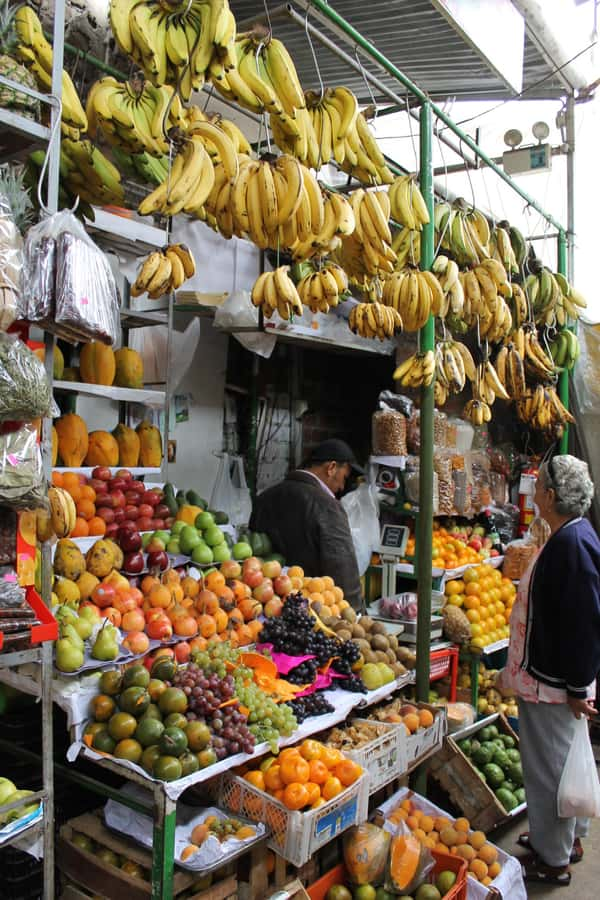
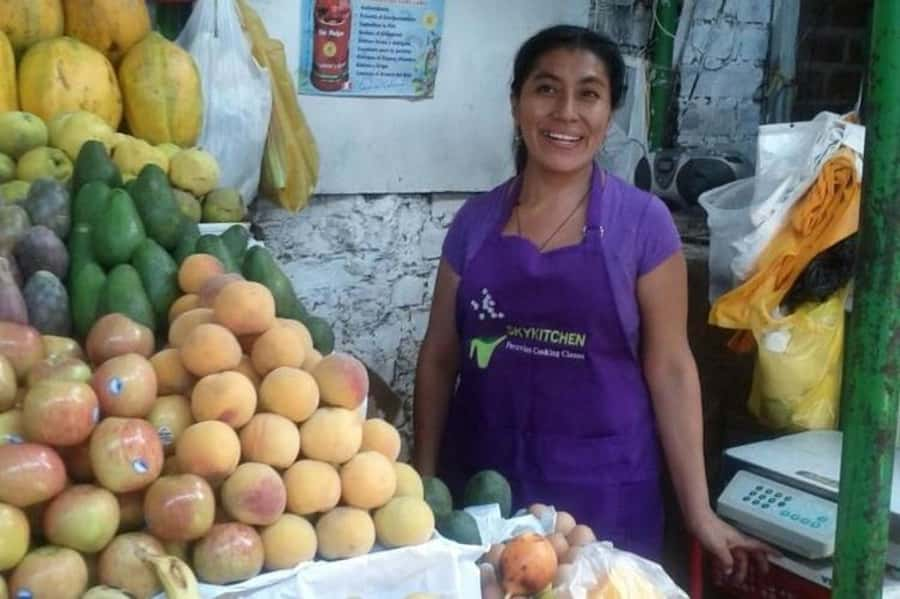
- Surquillo Market Nro 1 comes first: Spend about 50 minutes learning about produce, seafood, meats, herbs, legumes, quinoa, and Andean ingredients.
- More than 35 fruit samples are included: This is a major part of the experience, not a token tasting.
- You cook a full four-course meal: You chop, mix, and cook under instruction, then eat each dish as it is finished.
- One pisco sour is included: Water is available throughout, and homemade fruit juice is served with the meal.
- Transport links the two parts: After the market, transportation takes you to the cooking location.
- The meeting point needs care: Go to Mercado 1 de Surquillo, not one of the other Surquillo markets.
Why this Lima food class is worth your half-day
Lima has a strong food reputation, but a restaurant meal only gives you the finished result. This experience shows you the ingredients before they reach the pan. That simple change makes the food easier to understand.
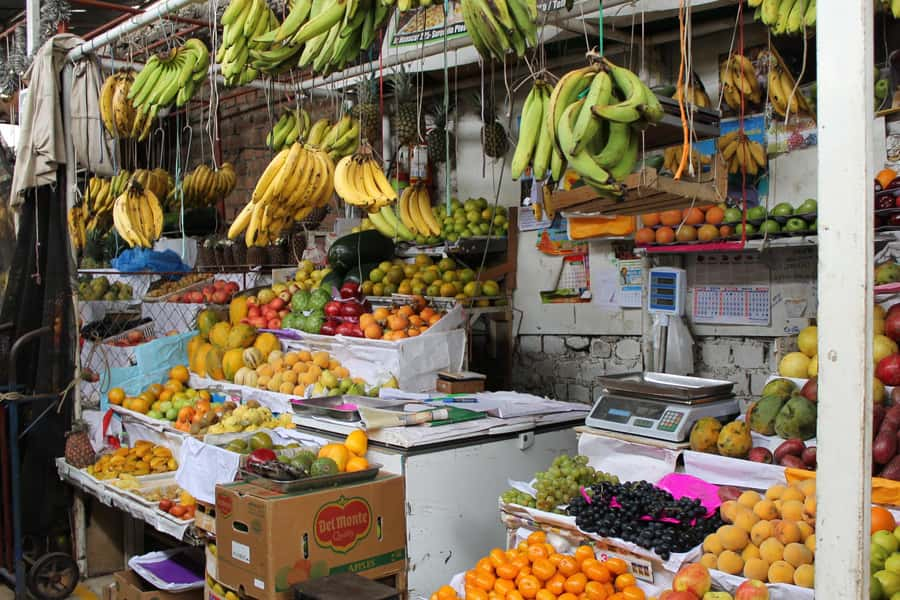
The market visit lasts about 50 minutes. It is short enough to keep the day moving, but long enough to introduce the main building blocks of Peruvian cooking. You meet the guide and the rest of the group at the market entrance, then walk among stalls selling fruit, vegetables, legumes, herbs, meats, fish, and seafood.
You also hear about quinoa varieties and less familiar plants, roots, and seeds from the Andes. I like this part because it gives you useful context without asking you to sit through a long lecture. You see the raw materials first, then use some of that knowledge in the kitchen.
This is also a practical way to get a feel for Lima food culture. The market is not presented as a decorative stop. It is a working food market, and the point is to understand what people buy and cook. You may not remember every ingredient name, but you will leave with a better sense of how broad Peruvian cooking can be.
More Cooking Classes with a Market Tour in Peru:
- Cusco: Peruvian Cooking Class, Cocktails & Local Market Tour
★ 4.9 · 512 reviews - Cooking class and market tour with a local chef
★ 5.0 · 186 reviews - Market Tour, Tasting of 35 Fruits, and 4-Course Peruvian Cooking Class in Lima
★ 5.0 · 86 reviews
Finding Mercado 1 de Surquillo without confusion
The meeting point is the main entrance of Mercado 1 de Surquillo, under the large sign marked Mercado 1. This detail matters because the area has Surquillo markets numbered 2 through 7. Entering only Surquillo Market into a taxi app could send you to the wrong place.
Ride-sharing apps such as Uber, Didi, Cabify, and Beat can search for Mercado 1 de Surquillo. If you take a traditional taxi, use Estación Ricardo Palma as your reference point. The market is on block 53 of Paseo de la República, beside that station.
From the center of Miraflores, it is about a 10-minute walk from the Ovalo de Miraflores. By taxi, the ride from the class location is described as about seven minutes. I would still allow extra time, especially if you are unfamiliar with Lima traffic.
The safest plan is simple: check the number before you leave, keep the market name visible on your phone, and look for the big Mercado 1 sign. This is one of those small travel details that can prevent a rushed and frustrating start.
The market tour: ingredients before recipes
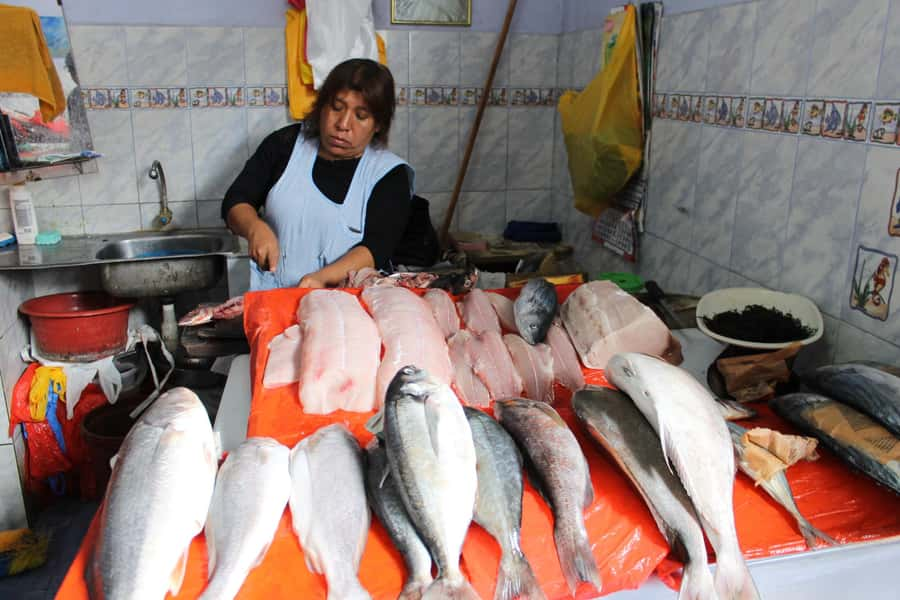
Once you meet the guide, the tour moves through the market’s food sections. You learn about produce, legumes, herbs, meat, fish, and seafood, along with Andean grains and plants that may be new to you.
The value here is not just seeing unusual food. It is learning how ingredients fit into Peruvian cooking. Quinoa is presented in different varieties rather than as a single generic grain. Roots and seeds receive attention alongside familiar vegetables. Fish and seafood appear as part of the wider food picture, not as isolated restaurant specialties.
The guide also introduces you to local vendors. That gives the visit a human side, although the available information does not promise a private vendor demonstration or a chance to buy ingredients. Think of this as an orientation to the market rather than a shopping trip.
The 50-minute timing is a good balance. You get a focused introduction without using the entire morning in one place. Still, markets can be crowded and noisy, and you will be on your feet. If you want a slow, detailed look at every stall, this portion may feel brief.
A 35-fruit tasting with a purpose
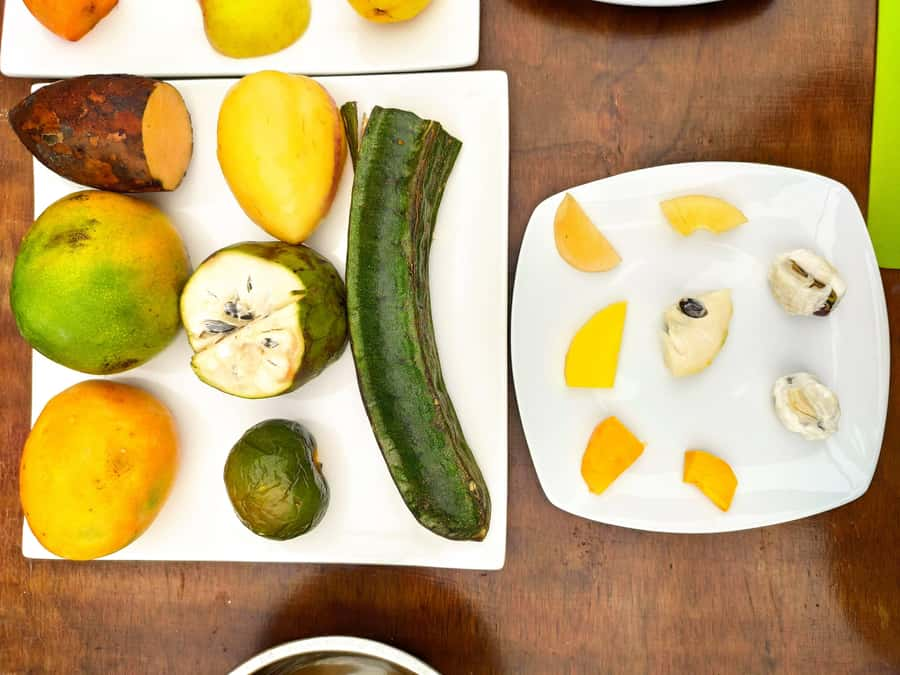
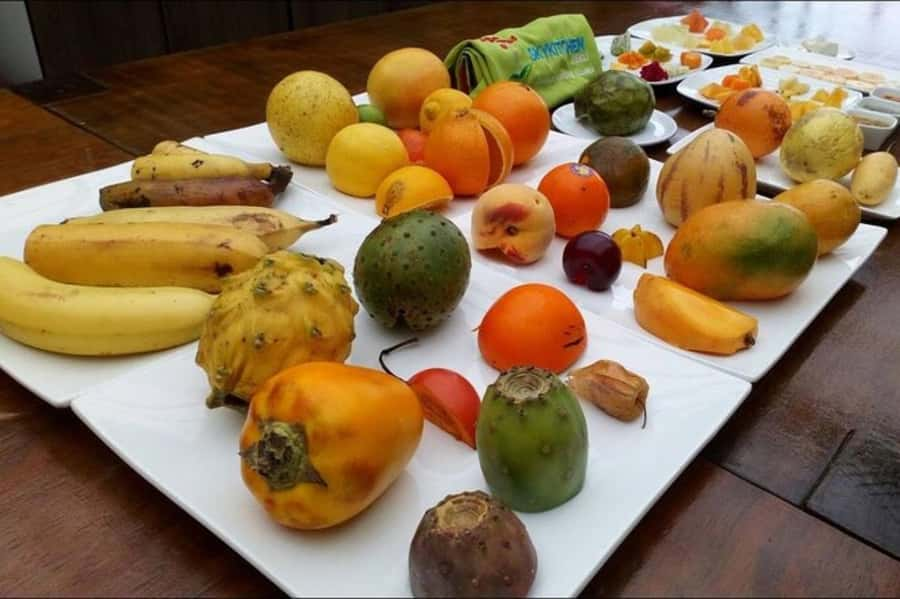
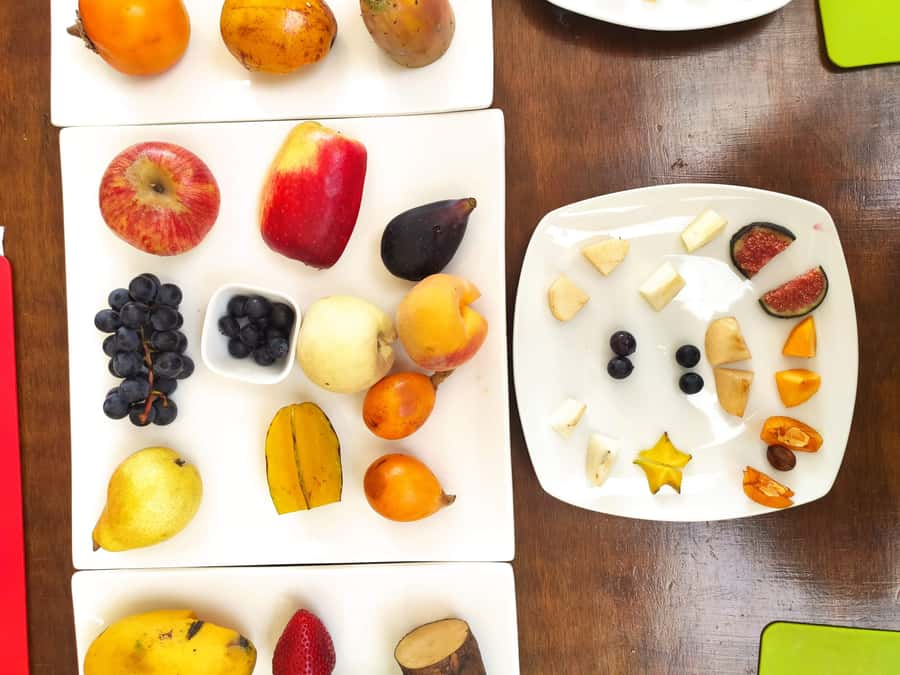
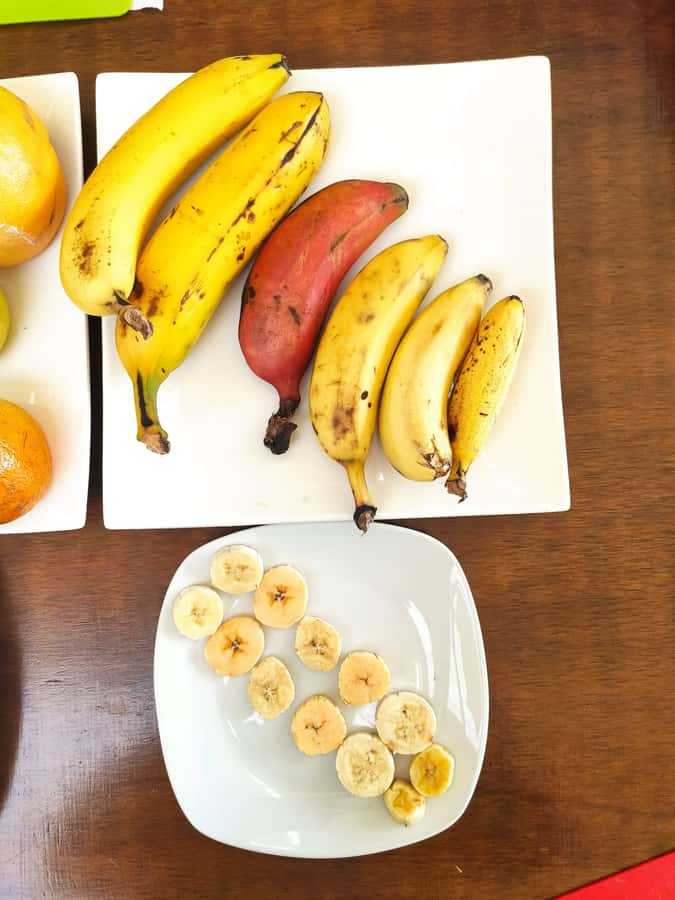
After the market, you move to the kitchen for a tasting of more than 35 exotic fruits. This is one of the most unusual features of the class. Many cooking classes offer one welcome drink or a small sample. Here, the fruit tasting is a substantial part of the program.
You should expect a wide range of flavors, textures, and appearances. The supplied details do not name every fruit, so I would not book this expecting a specific item. The point is the range, and the chance to compare fruits side by side.
This tasting also prepares you for the rest of the class. Peruvian food is not only about savory dishes, chili, potatoes, and seafood. Fruit plays a large role in drinks, desserts, and daily eating. A large tasting gives you a better sense of the country’s produce than a single fruit juice ever could.
The amount may be challenging if you have a small appetite. Pace yourself and remember that a four-course lunch follows. Water is available throughout the class, which helps as you move from fruit to cooking.
More Food and Drink Trips in Peru:
- Cooking Class Typical Food in Arequipa
★ 3.9 · 3 reviews - Small Group Cooking Class & Market Food Tour in Florence
★ 5.0 · 1,574 reviews - Pasta Making & Wine Tasting with Dinner in Frascati from Rome
★ 5.0 · 1,326 reviews - Paella Cooking Class, Wine Tasting & Central Market in Valencia
★ 5.0 · 1,150 reviews
Starting with a pisco sour and Peruvian food basics
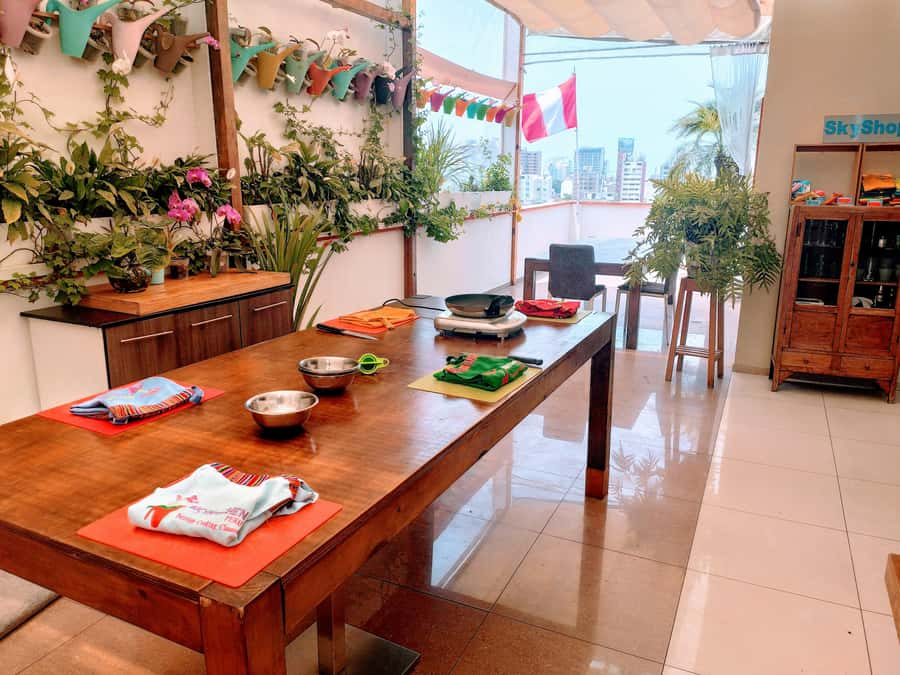
Before the hands-on cooking begins, you receive an introduction to Peruvian cuisine while sipping one pisco sour. The drink is included in the price, and beer and wine are available separately for purchase.
The pisco sour gives the class a social beginning, but it is not the whole drinks program. Only one pisco sour is included. If you want beer or wine, plan to pay extra. Water is unlimited, and homemade fruit drink is served with the food.
I like the structure because it gives you a moment to settle in before you start chopping. You can ask questions, meet the instructor, and learn how the meal will unfold. The class is offered in English, Spanish, or German, so choose the language that lets you follow cooking instructions comfortably.
The details do not specify the exact dishes served on a given date. That is worth noting. You are booking a Peruvian four-course cooking experience rather than a fixed menu with named recipes. If you have a particular dish in mind, ask the provider before paying.
Cooking four courses, one plate at a time
The central part of the experience is practical. You work with the instructor to prepare four courses, using the supplied ingredients and kitchen equipment. Aprons and tools are provided during the class.
This is not a demonstration where you sit and watch someone else do everything. You chop, mix, and cook. The instructor guides you through the steps and prepares the ingredients for the next dish while you eat the one just finished.
That rhythm is smart. You do not have to wait until the end of the class to eat a large meal that has gone cold. Each course is served when it is ready, giving you a natural break between cooking tasks. It also lets you pay attention to flavor and texture while the dish is fresh.
The class includes lunch, but the meal is more than a free extra. You help create it, so the food becomes a lesson in technique. You also have time to talk with the instructor and other participants while the next stage is prepared.
The strongest praise connected to this experience centers on the combination of tasting, learning, cooking, and eating in one welcoming setting. That sequence is exactly what makes the class useful. You get a practical memory of the food, not just a restaurant bill and a few photographs.
Group size, atmosphere, and hands-on attention
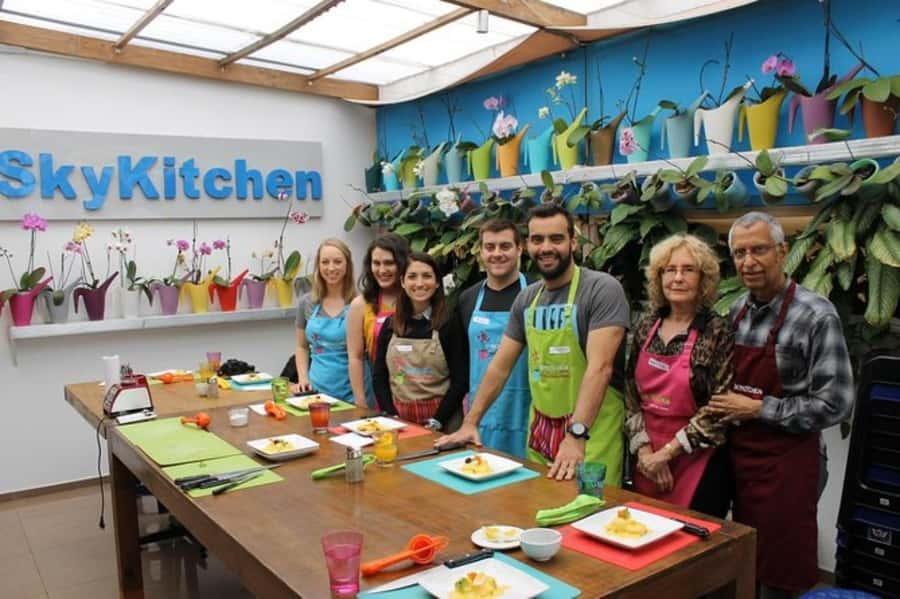
The activity is described as a small-group experience. That should make it easier to hear the instructor, ask questions, and take part in the cooking. The exact maximum group size is not provided, so I would not assume a private lesson or one instructor per person.
A small group also affects the social side. You prepare and eat together, which suits people who enjoy meeting others around food. If you prefer a quiet private class, check the group arrangements before booking.
The reported experience is especially praised for its welcoming environment. That matters in a cooking class because you may need to ask basic questions, work at a slower pace, or admit that a technique is new to you. A relaxed tone makes the hands-on part more enjoyable.
At the same time, a group class means the pace is shared. You may not control every step or spend equal time on every ingredient. The format works best if you want guidance and company rather than complete freedom in the kitchen.
What the $120 price includes
The price is $120 per person. For a 330-minute program, that is a substantial half-day purchase, but the package includes more than a market walk.
Your price covers the guide, the market tour, transportation from the market to the class, the fruit tasting, the instructor, all cooking ingredients, the four-course lunch, water, homemade juice, and one pisco sour. Aprons and kitchen tools are available during the activity.
The value is strongest for anyone who wants several experiences in one booking. You get a market introduction, a large fruit tasting, a cooking lesson, a full meal, and a cultural explanation of Peruvian ingredients. Booking these separately would take more planning and might not create the same connection between market and kitchen.
The price is less attractive if you mainly want to eat. A good Lima restaurant can provide lunch for less, depending on where you dine. You are paying for instruction, ingredient access, transport between locations, and the chance to prepare the meal yourself.
Aprons and tools are not included as take-home items, though they can be purchased. Beer and wine also cost extra. Keep those limits in mind when comparing the total price with other cooking classes.
Food restrictions and who should book
The provider can accommodate common vegetarian, vegan, lactose-free, and gluten-free requests if told in advance. Contact the provider before the class rather than waiting until you arrive. The information does not promise accommodation for every allergy or medical diet, so explain your needs clearly.
I would recommend this experience to food-focused visitors staying in or near Miraflores, people who want more than a standard sightseeing tour, and cooks who enjoy learning by doing. It also suits anyone curious about ingredients that are hard to find outside Peru.
Families and mixed groups may enjoy it if everyone is comfortable with a long activity and shared cooking. The six-hour duration is the key factor. Children, older participants, or anyone who does not like standing and preparing food for several hours may find it demanding.
It is less suitable if you have limited time in Lima, dislike group activities, or want a menu confirmed in advance. It is also not the best pick if you are searching for a short market visit followed by a quick meal.
Booking details that matter
The experience lasts 330 minutes, but starting times depend on availability. The instructor can work in English, Spanish, or German. Confirmation is sent by the activity provider within 48 hours after purchase.
Free cancellation is available up to 24 hours in advance for a full refund. That gives you some flexibility, but I would still avoid booking it too close to your flight or another fixed appointment. Market delays, traffic, and the long meal make a relaxed schedule important.
The activity ends with your meal finished and a better understanding of Peruvian ingredients and cooking methods. You also leave with recipes and techniques you can try at home, although the exact recipes are not specified in the available details.
Should you book this Lima cooking class?
Book it if you want a full food day rather than a simple lunch. The strongest reasons are the 35-plus fruit tasting, the market-to-kitchen connection, and the chance to eat each course soon after preparing it.
Skip it if you want a short activity, a private lesson, or a guaranteed list of dishes. The $120 price makes sense when you value instruction, ingredients, drinks, transport, and the full five-and-a-half-hour experience.
Before booking, confirm your dietary needs, check the language, and put Mercado 1 on your map. For curious eaters who want to understand Lima through its food, this is a generous and practical introduction.
FAQ
Where does the market tour begin?
It begins at the main entrance of Mercado 1 de Surquillo, under the large sign saying Mercado 1.
How do I find the correct Surquillo market?
Use Mercado 1 de Surquillo in Uber, Didi, Cabify, or Beat. By traditional taxi, give Estación Ricardo Palma as a reference. Make sure you go to market number 1, not markets 2 through 7.
How long does the experience last?
The full activity lasts 330 minutes, or five and a half hours.
How many fruits will I taste?
The experience includes samples of more than 35 exotic fruits.
What does the cooking class include?
You prepare a four-course Peruvian meal with the instructor, using included ingredients and kitchen tools. You eat the dishes as they are finished.
Is a pisco sour included?
Yes. One pisco sour is included. Beer and wine are available for purchase separately.
Are drinks included with the meal?
Unlimited water and homemade fruit juice are included. One pisco sour is also included.
Can food restrictions be accommodated?
Common vegetarian, vegan, lactose-free, and gluten-free restrictions can usually be accommodated if you contact the provider in advance.
Which languages are available?
The instructor can teach in English, Spanish, or German.
Just added around Peru
- Lima: Peruvian cooking class and tour of Surquillo market★ 5.0 · 2 reviews
- Lima: Market Tour and Cooking Class with Pisco Sour★ 5.0 · 3 reviews
- Lima: Cooking Workshop and Water Circuit Tour★ 5.0 · 16 reviews
- Lima: 4-Course Peruvian Cooking Class in Miraflores★ 5.0 · 4 reviews
- Lima : Cooking Class – A Peruvian Culinary exploration★ 5.0 · 2 reviews
- Lima: Demo Cooking Class with Lunch at Cala Restaurant★ 4.1 · 4 reviews
- Cusco: Peruvian Cooking Class★ 5.0 · 2 reviews
- Cusco: 3-Hour Peruvian Cooking Class★ 4.7 · 16 reviews
Cooking Classes with a Market Tour, compared.

Hanoi Cooking Class: Culture, Local Market & Meaning CSR Impact
Read our review →
5 Traditional Dishes Hanoi Cooking Class with Market Trip
Read our review →
Cooking Class and Lunch at a Tuscan Farmhouse with Local Market Tour from Florence
Read our review →
Cooking Class, Market & Thai Herbs Garden Tour
Read our review →
Authentic Cooking Class with Market & Farm Visit
Read our review →
Paella Cooking Experience & Boqueria Market Tour
Read our review →
Cooking Class Hoi An:Local Market, Basket Boat, Fishing & Cooking
Read our review →
Hoi An Cooking Class(Market,BasketBoat Crabfishing&Cooking Class)
Read our review →Lists this class appears in