
REVIEW · AREQUIPA REGION, PERU
Cooking Class Typical Food in Arequipa
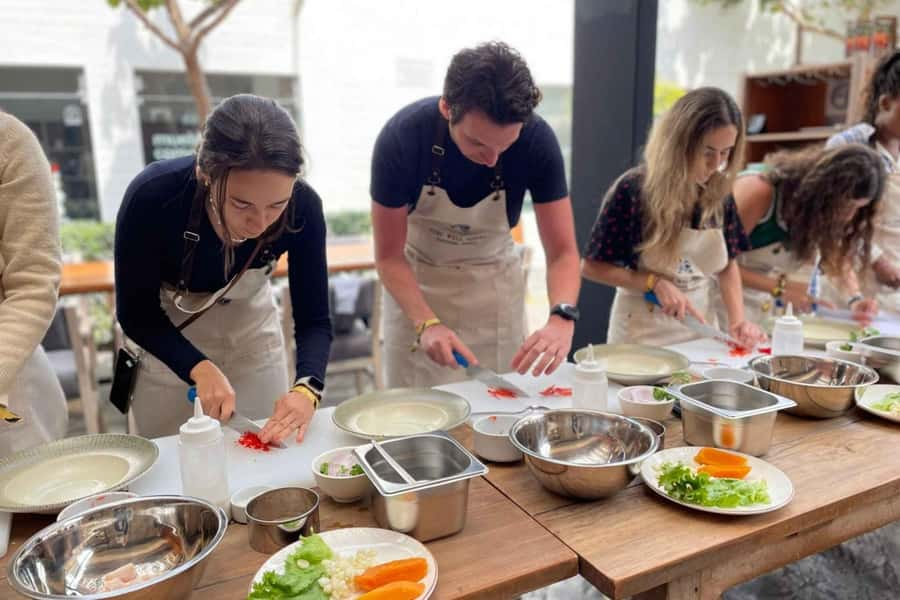
Arequipa puts lunch on your worktable. I like the local ingredients and traditional methods, and I like having three menu choices, including a menu built around Arequipa specialties. The setting also sounds pleasant, with a large kitchen opening onto a garden. The concern is value: at $57 per person, the class needs to feel genuinely hands-on, yet one verified booking described the experience as mostly cutting vegetables and not matching its description.
This is a short cooking lesson, scheduled at 11 a.m. or 4 p.m. from Monday through Saturday. You prepare a starter, main course, and dessert, then eat what you have made with soft drinks and water. The advertised working time is one hour and 45 minutes, although the activity is also presented as a two-hour experience.
Key points to know before booking
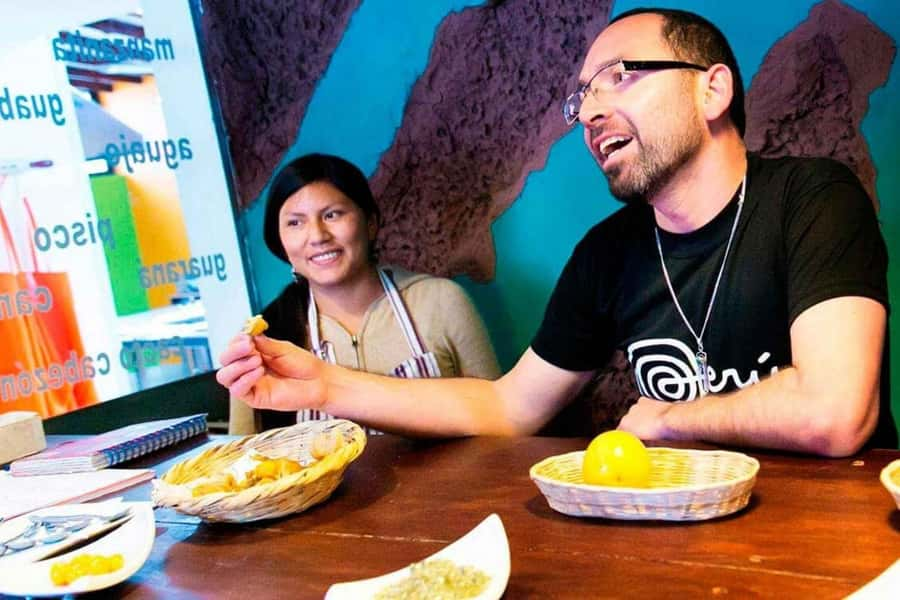
- Three Peruvian menus: Choose a traditional Peruvian menu, an Arequipeño menu, or a marine menu, subject to ingredient availability.
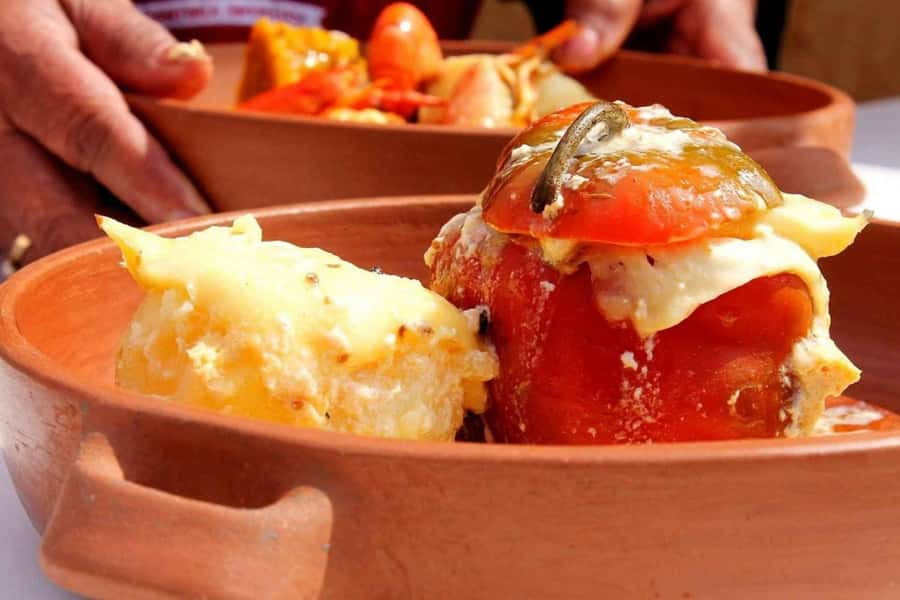
- Arequipa flavors are included: The local menu features queso soltero, rocoto relleno, and dessert.
- Hands-on preparation is the main appeal: You work with ingredients rather than simply watching a chef.
- English and Spanish instruction: A live instructor teaches in either language.
- Comfortable cooking space: The class uses a large, safe kitchen in a garden setting.
- Price needs careful thought: $57 is reasonable only if the practical work matches the promised format.
What this Arequipa cooking class is trying to offer
This class is built around a simple idea: food is one of the best ways to understand Peru. Instead of sitting down to a finished plate, you learn how several familiar dishes come together, using ingredients and methods associated with Peruvian cooking.
That makes the experience more useful than a standard meal, especially if you want to recreate something at home. The class is also designed as a social activity. You share the kitchen with other participants, exchange travel stories, take photos, and eat together at the end.
The setting matters here. You are not described as cooking in a cramped restaurant corner. The class uses a large and safe kitchen environment in a garden. That should make the practical work more comfortable, though the available information does not give the kitchen’s exact address, equipment list, or group size.
The class is offered in English or Spanish. That is helpful if you want clear instructions while handling several dishes at once. You should still confirm your preferred language when booking, since the information says English and/or Spanish rather than assigning a specific instructor to each departure.
More Food and Drink Trips in Peru:
- Market Tour, Tasting of 35 Fruits, and 4-Course Peruvian Cooking Class in Lima
★ 5.0 · 86 reviews - Lima: Market Tour, 35 Fruits Tasting & Cooking Class
★ 5.0 · 3 reviews - Small Group Cooking Class & Market Food Tour in Florence
★ 5.0 · 1,574 reviews
Choosing between three Peruvian menus
The strongest part of the experience is the menu choice. You are not limited to one fixed dish, at least in principle. The exact selection depends on availability, so treat the choices as a guide rather than a promise.
Traditional Peruvian menu
The traditional menu includes causa, lomo saltado, and dessert. This is likely the most familiar option for someone who wants a broad introduction to Peruvian food.
Causa is a potato-based dish, usually prepared with seasoned yellow potatoes and a filling. It gives you a chance to work with one of Peru’s most important ingredients. Lomo saltado combines beef, vegetables, and a savory sauce in a dish shaped by Peruvian and Chinese culinary influences.
The menu has a good balance. Causa introduces you to cold potato preparation, while lomo saltado gives you a hot main course with more active cooking. If you want two dishes that are recognizable on Peruvian menus, this is probably the safest choice.
The main limitation is that dessert is not specified. You know it is included, but not what you will prepare. If dessert is important to your decision, ask for the day’s exact menu before you commit.
Traditional Arequipeño menu
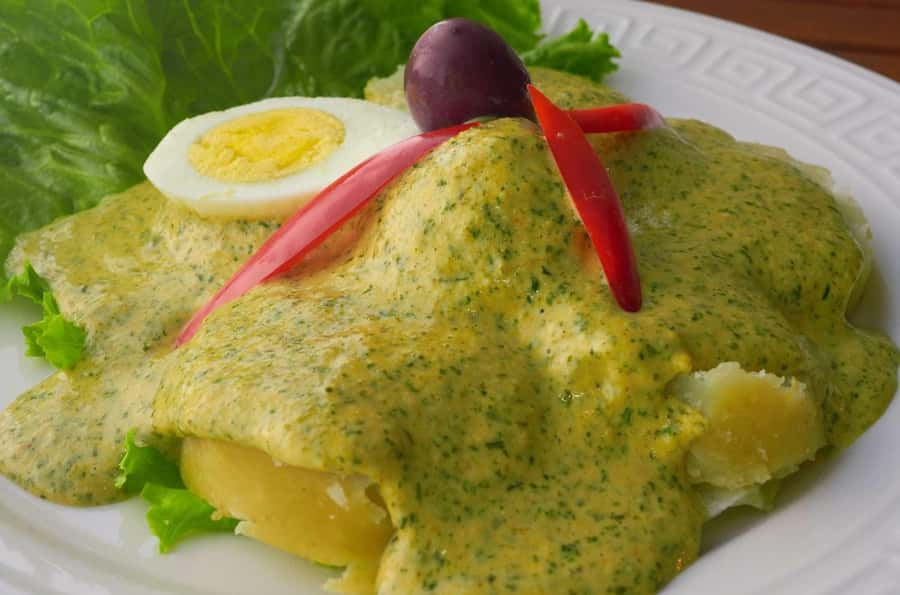
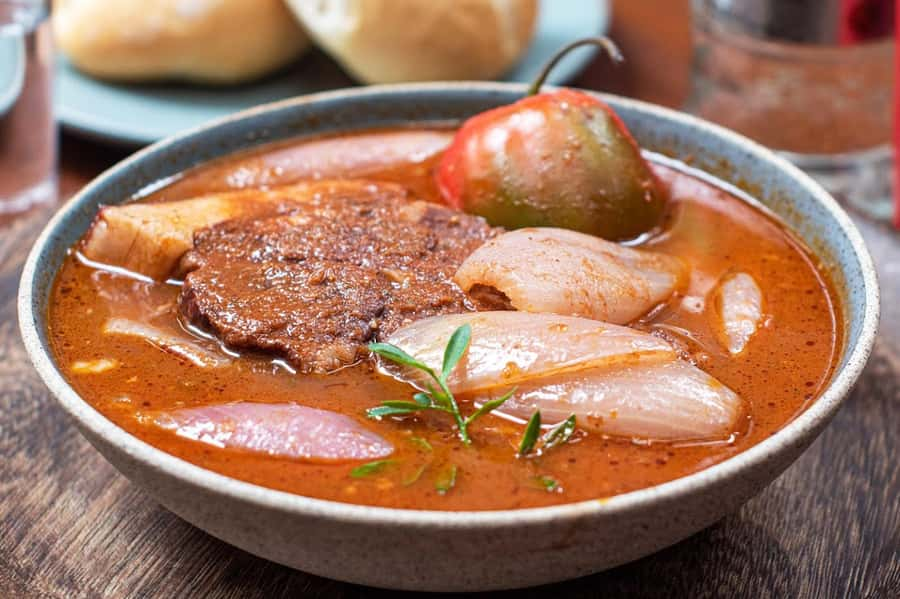
The Arequipa menu includes queso soltero, rocoto relleno, and dessert. This is the most distinctive choice for anyone who wants food tied directly to the region.
Queso soltero is a fresh cheese salad associated with Arequipa. It typically centers on cheese and vegetables, making it a different experience from the potato and beef dishes on the traditional Peruvian menu.
Rocoto relleno is the famous local stuffed pepper. Rocoto is known for its heat, so this option is not just another mild regional dish. The preparation also gives you a closer look at a food that many people associate with Arequipa.
I would choose this menu if the regional angle matters most to you. It offers a stronger connection to place than a general Peruvian menu. Since recipes and ingredient availability can vary, ask how spicy the rocoto will be and what filling is planned. The supplied details do not specify those points.
More Food Trips in Peru:
- Athens: Food Market Visit and Cooking Class with Wine
★ 4.9 · 1,087 reviews - Undiscovered Charleston: Half Day Food, Wine & History Tour with Cooking Class
★ 5.0 · 948 reviews - Vietnamese Food Cooking Class in Hanoi with Market Experience
★ 5.0 · 778 reviews - Milan: Italian Cooking Class with Food and Wine
★ 4.7 · 509 reviews
Marine menu
The marine menu includes ceviche, pescado a la chorrillana, and dessert. It gives you a seafood-focused introduction to Peruvian cooking.
Ceviche is one of Peru’s best-known dishes. Preparing it can help you understand the balance of fish, citrus, seasoning, and fresh ingredients. Pescado a la chorrillana provides a second seafood preparation with a different style and flavor profile.
This menu may be the best fit if you already enjoy fish and want something lighter than lomo saltado or rocoto relleno. As with the other options, the exact ingredients depend on availability. The information does not state which fish is used, so ask before booking if you have a preference or dietary concern.
How the one-hour-45-minute class unfolds
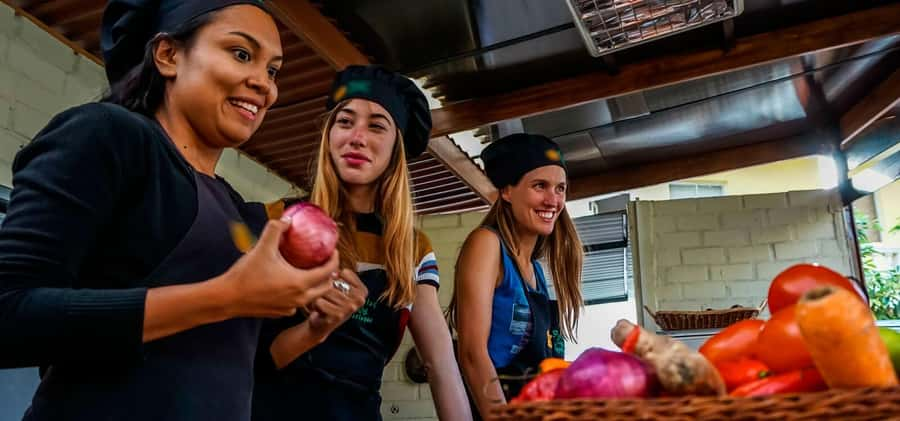
The exact sequence is not provided, but the experience is designed around a starter, main course, dessert, and tasting. You should expect the instructor to introduce the selected menu, explain the ingredients, and guide you through the manual preparations.
The work is intended to be practical. That is the key promise, and it is also the point you should watch most closely. A genuine hands-on class should give you more than a few simple chopping tasks. You should be able to take part in meaningful steps of preparing the dishes, even if the instructor handles some safety-sensitive or time-consuming work.
The class includes the ingredients, so you do not need to shop before arriving. That also means the instructor controls the portions and supplies. It keeps the lesson simple, but it limits your ability to request a different recipe.
Once the dishes are ready, you taste the food you helped prepare. Soft drinks and water are included. This final meal is more than a snack. It lets you see how the starter, main course, and dessert work as a complete Peruvian menu.
The advertised duration is one hour and 45 minutes, while the activity details call it two hours. The difference is small, but it is worth noting if you are planning another activity immediately afterward. I would leave a little extra time rather than scheduling a tight connection.
The garden kitchen and social side
The large kitchen is one of the more appealing details. Cooking requires space for ingredients, tools, and several people working at once. A safe kitchen also matters when you are handling heat, knives, and unfamiliar equipment.
The garden setting adds a relaxed touch. You can take photos and enjoy the surroundings without the class feeling like a formal culinary school. The information does not say how much time is spent outdoors, so think of the garden as part of the setting rather than a separate stop.
The social element may be a good match for solo visitors and small groups. You share the preparation with other people, compare results, and exchange experiences while the food comes together. That can make a short class feel more memorable than a meal eaten alone.
Still, social cooking can mean different things to different people. If you want a quiet, private lesson, this may not be the right format. The class is designed for shared participation, not one-on-one instruction.
Is $57 a fair price?
At $57 per person, the cost includes the ingredients for three courses, the instructor, use of the kitchen, the meal you prepare, soft drinks, and water. It also includes a cultural activity, not just food.
That price can make sense if you value the setting and want a guided introduction to Peruvian cooking. You are paying for preparation, supervision, food, and the chance to learn recipes you can try again at home.
The value becomes weaker if the class is mostly basic vegetable preparation. One verified booking from Mexico, dated March 20, 2025, rated the experience two out of five and said it felt very expensive for only cutting vegetables. The same feedback said the activity did not match its description.
That criticism is important because the central reason to book is the hands-on work. If the class delivers real participation in causa, lomo saltado, rocoto relleno, ceviche, or the selected dessert, the price is easier to defend. If you mainly watch the instructor or perform small prep jobs, you may find better value in simply ordering a good meal in Arequipa.
Before booking, I would ask which menu is available that day and what tasks participants actually perform. Those two questions address the biggest value concerns without making the planning complicated.
Who will enjoy this cooking experience most?
I would recommend it most to people who enjoy food as an activity, not just as a meal. It suits you if you want to learn a few recognizable Peruvian dishes and enjoy meeting other people in a relaxed setting.
The Arequipeño menu is particularly appealing if you want a regional connection. Queso soltero and rocoto relleno give you a taste of local identity, while the other menus offer a broader introduction to Peru.
It can also suit first-time visitors who feel unsure about ordering unfamiliar dishes. Once you have prepared causa, ceviche, or lomo saltado yourself, those names on a restaurant menu become much less mysterious.
Families and casual cooks may enjoy the format, but the available information does not give an age policy or explain how children participate. Ask before booking if that matters to your group.
I would be more cautious if you are a serious home cook looking for advanced technique. There is no promise of professional-level instruction, specialized equipment, or detailed culinary theory. This is a short cultural cooking activity, not a chef-training session.
Language, timing, and practical planning
The class runs at 11 a.m. and 4 p.m., Monday through Saturday. The morning time can work well as an early lunch activity, while the afternoon departure may fit better after sightseeing.
English and Spanish instruction is available. If your Spanish is limited, request English when you reserve. If you speak Spanish comfortably, the class may give you a chance to pick up food vocabulary while learning the recipes.
Free cancellation is available up to 24 hours before the activity for a full refund. You can also reserve now and pay later, which helps if your Arequipa schedule is still changing.
Personal extraordinary expenses are not included. The listed inclusions cover the food, instruction, kitchen use, tasting, soft drinks, and water, but you should not assume that other personal purchases are part of the price.
My verdict on the Arequipa cooking class
This experience has a good concept and an appealing regional angle. I especially like the choice of an Arequipeño menu, the option to learn in English or Spanish, and the promise of preparing three parts of a meal in a spacious garden kitchen.
I would book it only after confirming the practical details. The low rating of 3.9 from three reviews is not enough to dismiss the class, but the specific two-star complaint points directly at the main risk: paying $57 for very limited participation.
Book if you want a short, social food activity and the provider confirms that you will take part in substantial preparation. Choose the Arequipeño menu if available and local flavor is your priority. Skip it if your budget is tight, you expect advanced cooking instruction, or the day’s format sounds more like watching than cooking.
FAQ
Where does the cooking class take place?
The activity takes place in the Arequipa Region of Peru, in a large kitchen environment with a garden.
How much does the cooking class cost?
The listed price is $57 per person.
How long does the activity last?
The activity is described as lasting two hours, while the schedule also gives a working duration of one hour and 45 minutes.
What time does the class begin?
Starting times are 11 a.m. and 4 p.m., Monday through Saturday.
Which languages are available?
The live instructor teaches in English and Spanish.
What food menus are available?
The choices are a traditional Peruvian menu with causa and lomo saltado, a traditional Arequipeño menu with queso soltero and rocoto relleno, or a marine menu with ceviche and pescado a la chorrillana. The menu depends on availability.
Are ingredients included?
Yes. Ingredients for the starter, main course, and dessert are included.
Are drinks included?
Soft drinks and water are included, along with tasting of the prepared food.
Can I cancel for a full refund?
Yes. You can cancel up to 24 hours in advance for a full refund.
Just added around Peru
- Lima: Peruvian cooking class and tour of Surquillo market★ 5.0 · 2 reviews
- Lima: Market Tour and Cooking Class with Pisco Sour★ 5.0 · 3 reviews
- Lima: Cooking Workshop and Water Circuit Tour★ 5.0 · 16 reviews
- Lima: Market Tour, 35 Fruits Tasting & Cooking Class★ 5.0 · 3 reviews
- Lima: 4-Course Peruvian Cooking Class in Miraflores★ 5.0 · 4 reviews
- Lima : Cooking Class – A Peruvian Culinary exploration★ 5.0 · 2 reviews
- Lima: Demo Cooking Class with Lunch at Cala Restaurant★ 4.1 · 4 reviews
- Cusco: Peruvian Cooking Class★ 5.0 · 2 reviews
Cooking Classes, compared.

Half-Day Thai Cooking Class at Organic Farm in Chiang Mai
Read our review →

3 in 1 Cooking Class near Navona: Fettuccine, Ravioli & Tiramisu
Read our review →
Pasta & Tiramisu Cooking Class with Unlimited Wine
Read our review →
Hanoi Cooking Class: Culture, Local Market & Meaning CSR Impact
Read our review →
5 Traditional Dishes Hanoi Cooking Class with Market Trip
Read our review →
Cooking Class and Lunch at a Tuscan Farmhouse with Local Market Tour from Florence
Read our review →
Cooking Class, Market & Thai Herbs Garden Tour
Read our review →Lists this class appears in