
REVIEW · LIMA PROVINCE, PERU
Lima: Cooking Workshop and Water Circuit Tour
Ceviche first, fountains later. This four-hour Lima experience pairs a hands-on lesson in two Peruvian favorites with an evening visit to the Magic Water Circuit. I like the small-group feel, which gives you real turns at the counter, and I like the smooth pairing of food, culture, and a colorful night show. The main consideration is timing: if you book at the last minute, guide availability may need to be confirmed.
You begin in Lima’s historic center with a local family kitchen and finish among music, lasers, and choreographed fountains. Guides including José, Roxanna, and M.P. have been praised for clear English, friendly help, and useful background on Lima. The tour is a good fit if you want more than a standard sightseeing loop, though the water show has a polished, family-entertainment feel rather than a quiet cultural performance.
Five useful things to know before booking
- You make two Peruvian classics: Each participant receives fresh ingredients and prepares fish ceviche and a pisco sour with guidance from a chef.
- The food lesson takes place in the historic center: You cook inside a local Limeña family setting, not in a detached culinary school far from the city.
- Small groups improve the workshop: Recent groups were small enough for everyone to take turns and ask questions.
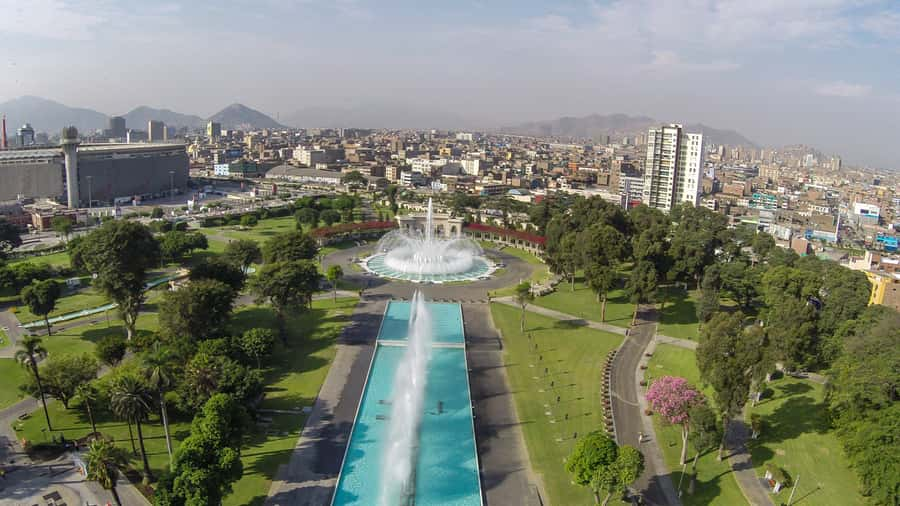
- The Magic Water Circuit is the evening finale: Expect water, music, laser lights, colors, and interactive fountains in Lima’s largest park.
- Pickup covers key Lima districts: Hotel transport is available in Miraflores, San Isidro, Barranco, Centro de Lima, Pueblo Libre, and the Callao airport area.
From hotel pickup to Lima’s old center
The tour lasts about four hours and runs in the afternoon into the evening. Pickup and return are included for accommodations in Miraflores, San Isidro, Barranco, Centro de Lima, Pueblo Libre, and the Callao airport area. If you use pickup, wait in your hotel lobby 10 minutes before the scheduled time.
That hotel service matters in Lima. You do not need to work out a separate taxi ride to the historic center, then find your way to the cooking venue, and later arrange transport back after the fountain show. The ride also gives the guide a chance to explain the plan and help the group stay on schedule.
The listed meeting point is the Inca Trilogy Tours office at Jirón Lampa 231 in the Historic Center of Lima. Look for the company sign at the entrance. If your hotel is outside the pickup zones, this office is the place to use, but confirm the exact arrangements when you book.
The route begins in the old center, where the guide may add a short walk or point out local sights before the class. M.P. was praised for giving a thorough downtown walk, while Roxanna added humor and background on Lima’s culture and past. These details help turn the cooking stop into part of a larger introduction to the city rather than a class floating free from its setting.
A few more cooking classes around Peru worth a look
- Cusco: Peruvian Cooking Class, Cocktails & Local Market Tour
★ 4.9 · 512 reviews - Cooking class and market tour with a local chef
★ 5.0 · 186 reviews - Market Tour, Tasting of 35 Fruits, and 4-Course Peruvian Cooking Class in Lima
★ 5.0 · 86 reviews
Making ceviche with fresh ingredients
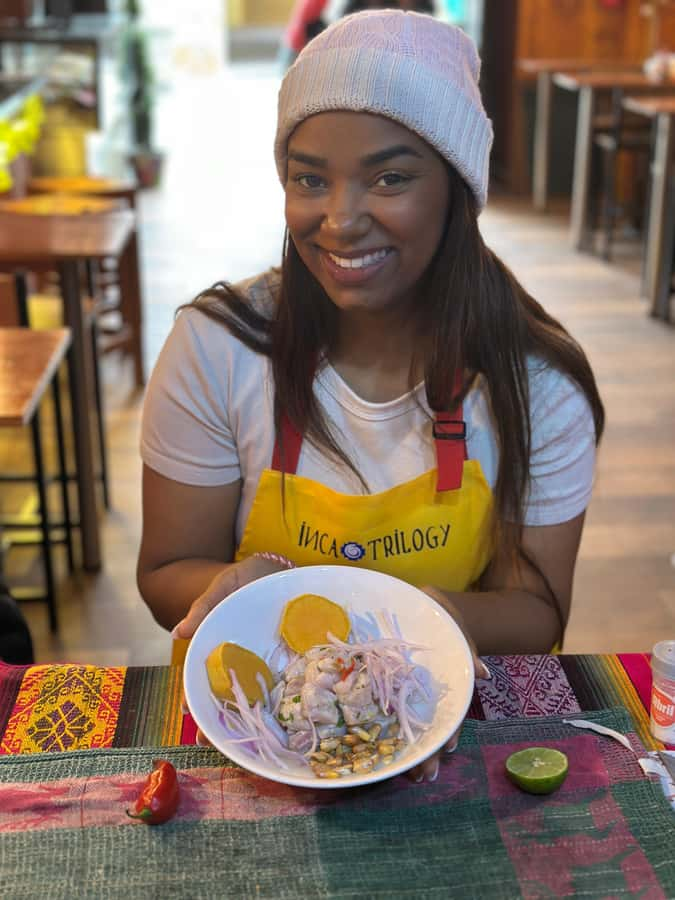
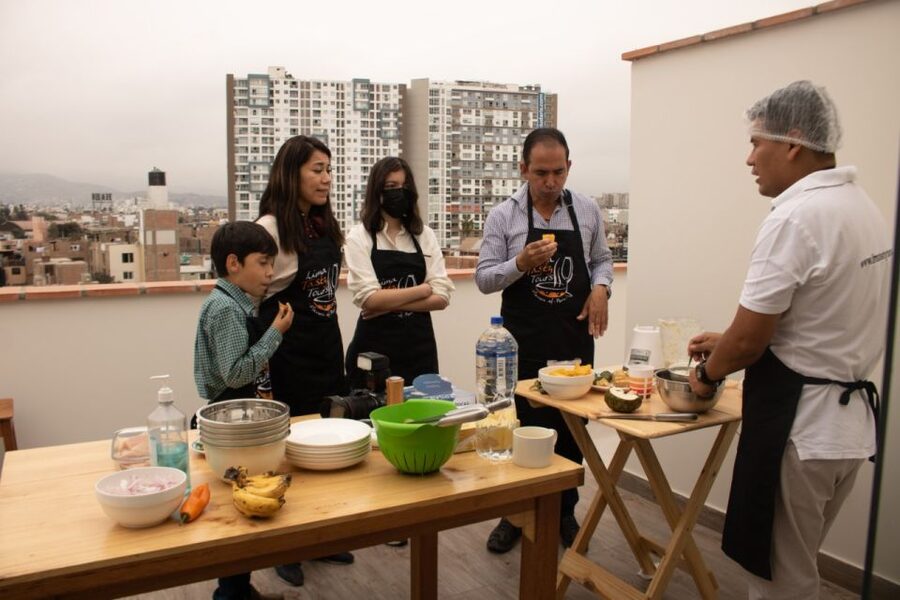
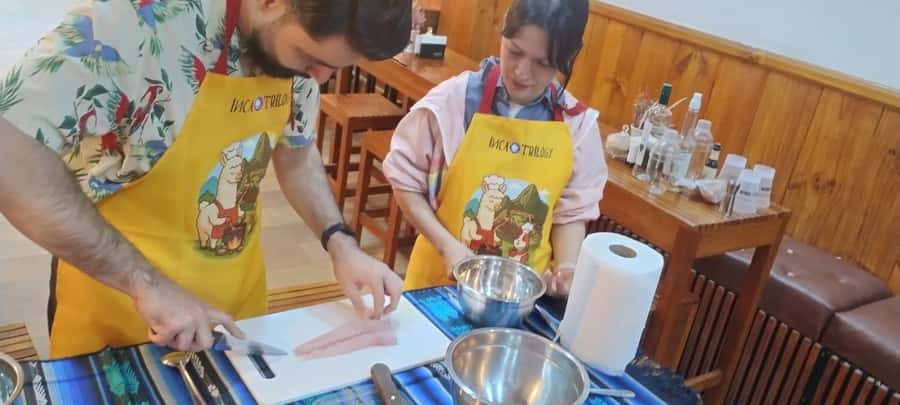
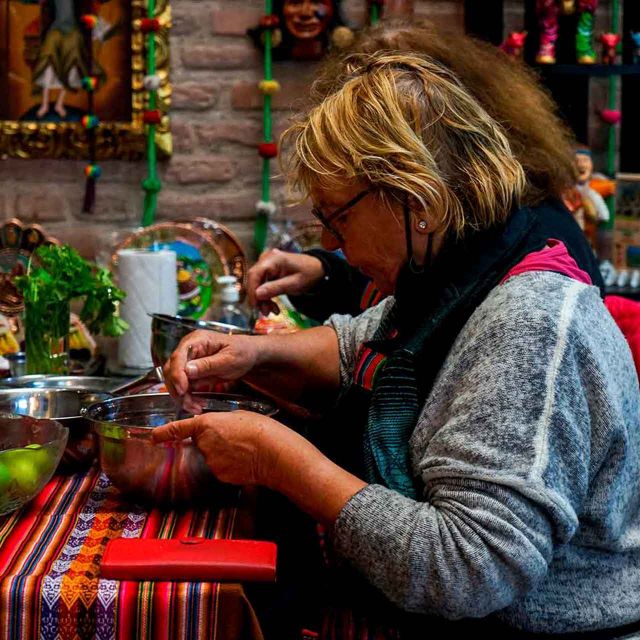
The heart of the tour is the ceviche lesson. Ceviche is one of Peru’s best-known dishes, but eating it in a restaurant is different from learning how its parts come together. You receive your own ingredients, then follow the chef step by step as you prepare the dish.
The class focuses on the practical method and the cultural meaning behind the flavors. The chef explains where these foods come from and why ceviche matters in Peru. That context gives the meal a stronger sense of place, especially if this is your first visit to the country.
Chef Arturo is named in the tour description. Recent participants also worked with Chef Miguel, while Emerson was praised for a nine-time award-winning pisco sour. Since the chef may vary by date, I would treat the instructor’s name as subject to change. The important point is the format: this is a guided, hands-on class, not a demonstration where you only watch from the side.
The small-group setup is a real advantage. One participant described having enough room for everyone to take turns with each part of the preparation. That makes a difference. You can ask why a step matters, see the texture change, and get help before serving your own plate.
The class also suits people who want a recipe they can use later. You are not simply handed a finished ceviche. You take part in preparing it, and the chef shares enough practical advice to make the dish less mysterious when you try it at home.
There is one sensible point to keep in mind. The exact fish, kitchen layout, and lesson style are not specified in advance. If you have food allergies or strong dietary limits, ask the operator before booking rather than assuming substitutions are available.
Mixing pisco sours with a local chef
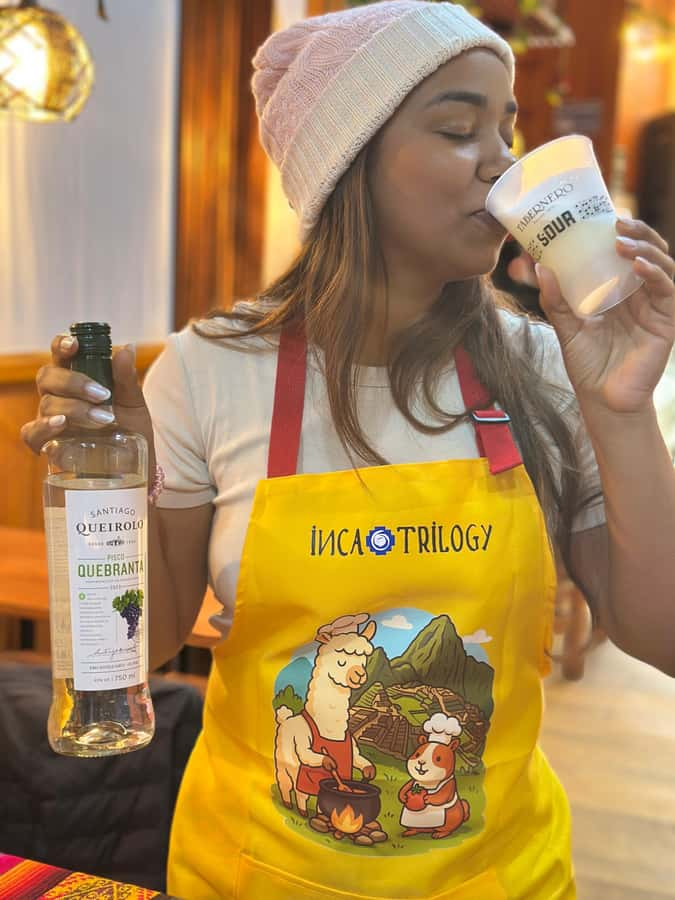
The second preparation is the pisco sour, Peru’s famous cocktail made with pisco. The workshop combines the drink with the ceviche, so you learn how a classic Peruvian meal and a classic Peruvian drink fit together.
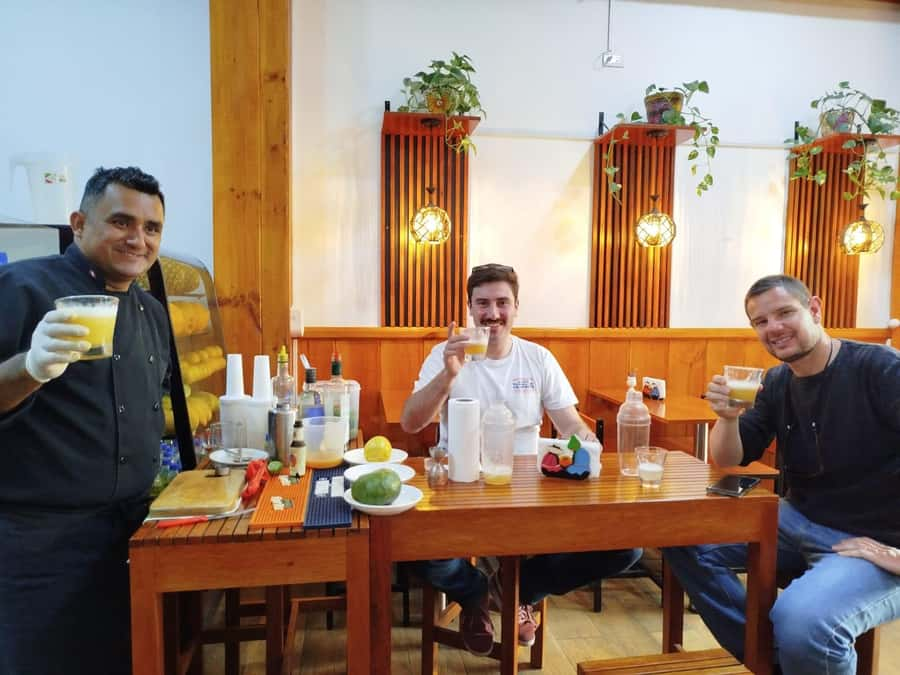
The bar portion is described as fun and relaxed. Several guides and chefs were praised for answering questions, and Emerson’s pisco sour received special attention for its award-winning recipe. You get to prepare your own drink with the supplied ingredients instead of simply receiving one from a bartender.
This is a good activity for couples, friends, and small groups because the class has a social rhythm. You work with your own ingredients, taste the result, and compare techniques without needing advanced cooking skills. The tone appears friendly rather than formal, and the guide can help bridge language gaps in English or Spanish.
The drink also gives the guide a natural way to talk about Peruvian food culture. You learn about flavors through your glass as well as your plate. That makes the class more memorable than a generic cocktail lesson.
If you do not drink alcohol, check with the operator about alternatives before you go. The provided details focus on pisco sours and do not promise a nonalcoholic version.
Why the historic-center setting matters
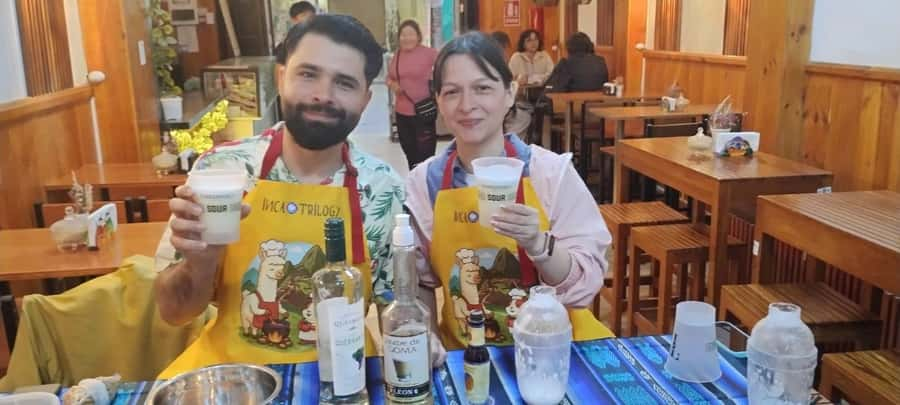
The cooking venue is in the heart of Lima’s old city, inside a local Limeña family setting. That location helps connect the food to everyday life and to the city around you. You are not being taken to a remote resort kitchen designed only for visitors.
The setting is also practical. After the workshop, the Magic Water Circuit is only a few minutes away, so you spend less time crossing Lima and more time on the two main activities. The guide stays with the group between stops, helping the afternoon move along without leaving you to find the park alone.
A recent account described the restaurant as clean and pleasant. That may matter to you if you are careful about where you eat during a trip. Still, the supplied details do not identify the restaurant by name, so do not book expecting a particular dining room or family business unless the operator confirms it.
The historic center can be a useful first or last stop in Lima because it gives you a taste of the city’s central streets and public spaces. You will not get a full old-city tour in four hours, but the combination of a downtown walk, cooking lesson, and evening park visit creates a varied afternoon.
Same place, a different thing to cook:
- #1 Rated Cooking Classes with Local Market Tour & Pickup
★ 5.0 · 69 reviews - Miraflores: Amazing Peruvian Cooking Class Ceviche Seafood and Pisco Sour
★ 4.9 · 57 reviews - Cook with Maido’s creative chef and chef de cuisine
★ 5.0 · 53 reviews - Cusco: Peruvian Cooking Class & Market Tour
★ 4.9 · 19 reviews
The Magic Water Circuit after dark
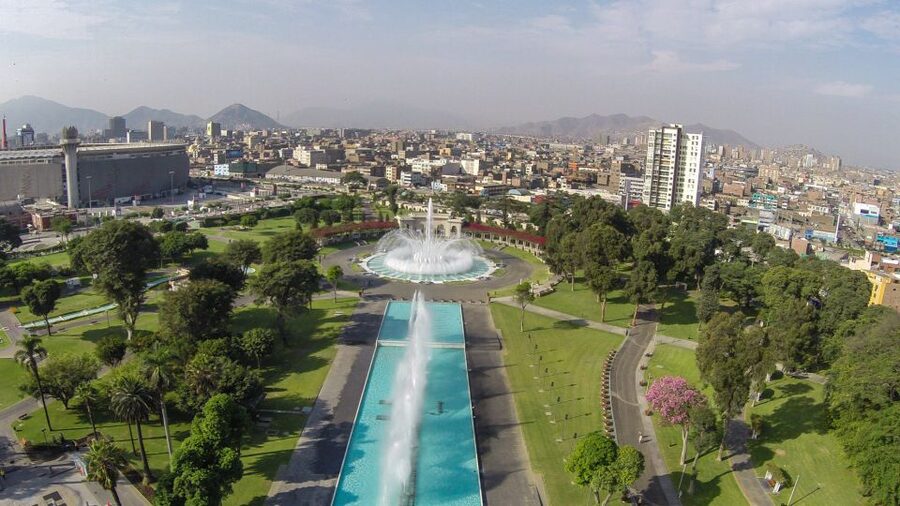
After the kitchen session, you head to the Magic Water Circuit. Located in Lima’s largest park, the circuit is known for fountains that combine water, music, colored lights, and lasers. The main show is the tour’s visual payoff.
The fountains are more playful than solemn. One participant compared the presentation to a Disney-style water show, with colorful displays and interactive fountains. That comparison is useful: expect spectacle, sound, and bright effects rather than a quiet walk through a historic monument.
The park is also an example of Lima turning a public space into a major attraction. The water circuit has become a city symbol and shows how public areas can be renewed for leisure and evening events. Your guide can add context about that change, which gives the visit more substance than simply watching lights shoot into the air.
Timing is important here. The guide makes sure the group reaches the park safely and on time for the fountain presentation. M.P. was praised for finding a good viewing position and explaining what you were seeing. That help is valuable because a fountain show is less enjoyable if you arrive late or spend the first minutes searching for a place to watch.
Some fountains are interactive, so you may see people moving close to the water or taking part in the display. Wear comfortable clothing and shoes, especially if you like to walk around the park. The only specific clothing advice provided is to wear comfortable clothes, but sensible casual wear fits the evening well.
The water circuit may be the least culturally focused part of the tour. It is a modern public attraction with a family-friendly, theatrical style. If you prefer archaeological sites, serious architecture, or long conversations about Peruvian history, the show may feel light. If you want an easy, colorful evening after a food lesson, it works well.
Guides, language, and group size
The tour operates in English and Spanish. That matters in a cooking class, where small instructions can affect the final dish and drink. English-speaking participants specifically praised José, Roxanna, and M.P. for making explanations clear and for answering questions.
José helped explain the ceviche and pisco sour process, while also keeping the move to the park on schedule. Roxanna was praised for her humor and interesting commentary. M.P. received strong marks for Lima culture, city history, English, and personal attention during the downtown walk and fountain visit.
Names may change by date, but the pattern is useful. The guide is not only there to point you toward the kitchen and park. A good guide keeps the group together, translates when needed, explains local context, and handles the transition between food and sightseeing.
The small-group format improves this experience more than it would improve a simple bus tour. In a kitchen, too many people can leave you watching someone else chop or mix. Here, the reports describe enough participation for each person to have a turn. Group size is not stated as a fixed number, so confirm it if that detail matters to you.
Is $60 good value for four hours?
At $60 per person, the price covers hotel pickup and drop-off in selected districts, a live guide, the cooking lesson, ingredients, the ceviche and pisco sour preparations, and entry to the Magic Water Circuit. It is not just a meal, and it is not just an evening sightseeing transfer.
I see the best value in the combination. A separate cooking lesson, a taxi to the park, fountain admission, and a ride back to your hotel could cost more while requiring more planning. Here, the guide links the activities and keeps the evening moving.
The value is especially good if you want an active experience. You eat what you help prepare, learn techniques you can repeat at home, and then see one of Lima’s most recognizable night attractions. The price is less compelling if you mainly want a quiet restaurant meal or a serious culinary course with advanced instruction.
Transportation adds real value in Lima. The circuit follows the class by only a few minutes, and the return ride means you do not need to arrange transport after dark. Just remember that the included pickup applies only to the listed districts.
Cancellation is flexible: you can cancel up to 24 hours ahead for a full refund. You can also reserve now and pay later, which helps if your Lima schedule is still changing. For a late booking, I would contact the operator promptly because one recent booking needed extra work to confirm a guide.
Who should book this Lima experience?
I would recommend this tour to first-time visitors who want a compact introduction to Lima’s food and evening entertainment. It also suits anyone who prefers doing something with their hands instead of spending four hours only listening to a guide.
Food lovers get the strongest payoff, but you do not need kitchen experience. The chef guides each step, and the ingredients are supplied. Couples and small groups should enjoy the shared rhythm of cooking, tasting, and watching the fountains.
Families may like the colorful park and interactive water displays, though the cocktail portion is aimed at adults. If you are traveling with children, ask the operator what participation is possible for younger members.
This is also a good choice if your Spanish is limited. The tour is offered in English and Spanish, and the English-speaking guides have been praised for clear explanations and friendly communication.
I would hesitate if you dislike organized timing, bright public shows, or group activities. You also may want a different tour if your main goal is a long, detailed exploration of Lima’s historic center. The city walk is a useful addition, but the cooking class and water circuit remain the main events.
My verdict: book it for food, ease, and a lively finish
Book this experience if you want to make ceviche and a pisco sour, learn some Lima context, and finish with a colorful fountain show without arranging several separate outings. The combination feels well judged, and the guides appear to be a major part of its success.
The main cautions are simple: chef and guide names can change, pickup is limited to certain areas, group size is not fixed, and the Magic Water Circuit is entertainment rather than a traditional cultural performance. For many people, those are small tradeoffs for a friendly four-hour outing that gives you a dish, a drink, and a memorable night view of Lima.
FAQ
How long does the Lima cooking and water circuit tour last?
The tour lasts four hours, including the cooking workshop, travel between stops, and the Magic Water Circuit visit.
What dishes and drinks do you prepare?
You prepare fish ceviche and pisco sours. Fresh ingredients are provided for each participant.
Is hotel pickup included?
Pickup and drop-off are included for accommodations in Miraflores, San Isidro, Barranco, Centro de Lima, Pueblo Libre, and the Callao airport area.
Where is the meeting point?
The meeting point is the Inca Trilogy Tours office at Jirón Lampa 231 in Lima’s Historic Center. Look for the company logo at the entrance.
What languages are available?
The live tour guide service is available in English and Spanish.
What happens at the Magic Water Circuit?
You watch a fountain show combining water, music, laser lights, and color. The park also includes interactive fountains.
What should I wear?
Wear comfortable clothes. Comfortable shoes are also a sensible choice for moving around the park, though only comfortable clothing is specifically required.
Can I cancel the booking?
You can cancel up to 24 hours in advance for a full refund.
Can I reserve now and pay later?
Yes. The tour offers a reserve-now, pay-later option, allowing you to book without paying at the time of reservation.
Just added around Peru
- Lima: Peruvian cooking class and tour of Surquillo market★ 5.0 · 2 reviews
- Lima: Market Tour and Cooking Class with Pisco Sour★ 5.0 · 3 reviews
- Lima: Market Tour, 35 Fruits Tasting & Cooking Class★ 5.0 · 3 reviews
- Lima: 4-Course Peruvian Cooking Class in Miraflores★ 5.0 · 4 reviews
- Lima : Cooking Class – A Peruvian Culinary exploration★ 5.0 · 2 reviews
- Lima: Demo Cooking Class with Lunch at Cala Restaurant★ 4.1 · 4 reviews
- Cusco: Peruvian Cooking Class★ 5.0 · 2 reviews
- Cusco: Peruvian Cooking Class & Market Tour★ 4.9 · 19 reviews
Cooking Classes, compared.

Half-Day Thai Cooking Class at Organic Farm in Chiang Mai
Read our review →

3 in 1 Cooking Class near Navona: Fettuccine, Ravioli & Tiramisu
Read our review →
Pasta & Tiramisu Cooking Class with Unlimited Wine
Read our review →
Hanoi Cooking Class: Culture, Local Market & Meaning CSR Impact
Read our review →
5 Traditional Dishes Hanoi Cooking Class with Market Trip
Read our review →
Cooking Class and Lunch at a Tuscan Farmhouse with Local Market Tour from Florence
Read our review →
Cooking Class, Market & Thai Herbs Garden Tour
Read our review →Lists this class appears in