
REVIEW · CUSCO, PERU
Private Andean Cooking Class, Pachamanca
Food can explain Peru faster than a museum. This three-hour private class in Cusco links cooking with Andean farming, ancestral methods, and local drinks, giving you more than a meal between sightseeing stops. You work with a professional chef, taste ingredients from across Peru, and finish with lunch prepared in clay pots.
I like the private format, since your group gets direct help instead of being lost in a large class. I also like the focus on Andean products, including corn, ancient grains, peppers, superfoods, and chicha, rather than treating Peruvian food as only ceviche and pisco.
The main thing to clarify before booking is the menu. The planned experience centers on tamales, uchucuta, chicha, and food cooked in clay pots, while past classes have included ceviche, lomo saltado, alpaca, pisco sours, and Chilcanos. Ask what your session will prepare, especially if you have your heart set on a particular dish.
Key points to know before you book
- Three hours from 9:00 a.m.: The class ends back at C. Palacio 135, making it an easy lunch activity in central Cusco.
- A private class for your group: You receive personal instruction from a professional chef, with Spanish or English available by request.
- Andean food beyond the usual menu: Corn tamales, uchucuta pepper sauce, ancient grains, superfoods, and chicha give the class a strong regional focus.
- Lunch is part of the lesson: The price includes one appetizer, one main course, beverages, and bottled water.
- Good for mixed ages and abilities: The class accepts all skill levels, and Chef Fernando has provided mocktails, children’s music, and cooking support for families.
- Bring your original passport: It must be shown at the beginning for tax purposes, a small but important detail to plan around.
What the Pachamanca theme adds to a Cusco cooking class
Pachamanca is an Andean cooking tradition tied to the earth. Here, the experience uses clay pots and regional ingredients to connect the meal with older cooking customs. That gives the class a stronger sense of place than a standard kitchen lesson built around recipes you could find in any major city.
The schedule begins at 9:00 a.m. at Marcelo Batata Cooking Classes on C. Palacio 135. You do not need advanced kitchen skills. The class is designed for all levels, so you can expect the chef to demonstrate each stage and guide you as you work.
I see this as a useful break from ruins, altitude, and long day trips. After several early starts in Cusco, a seated cooking class gives you a slower morning while still teaching you something substantial about Peru. Since lunch is included, the timing also makes practical sense.
The price is $150 per person. That is not a bargain cooking lesson, but you are paying for a private activity, a professional chef, drinks, food tastings, lunch, and a three-hour experience in a central location. For a couple or family wanting personal attention, the cost may feel fair. If you mainly want a cheap meal, it will not.
More Private Cooking Classes in Peru:
- PRIVATE Authentic Balinese Cooking Class in Ubud at Putu’s Home
★ 5.0 · 644 reviews - Rome: Pasta Making Class with Tiramisu & Wine PRIVATE OPTION
★ 4.8 · 404 reviews - Private Market Tour & Cooking Class in Puerto Vallarta with Manu
★ 5.0 · 241 reviews
Starting with marinades and the building blocks of flavor
The first lesson focuses on marination. You prepare meat and other ingredients in a special sauce before cooking, learning how seasoning changes flavor and texture.
This is a smart opening because it gives the class a practical foundation. Instead of rushing straight to a finished dish, you see how Peruvian cooking builds taste before anything reaches the pot or pan. The exact ingredients can vary, but the lesson is meant to show how local sauces and seasonings do the early work.
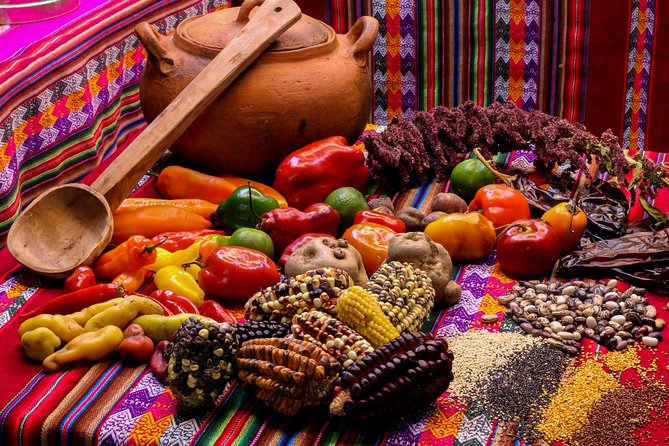
The class also introduces fruits, vegetables, herbs, condiments, and other products used in Peru. Several past sessions included tastings of fresh fruit, local peppers, potatoes, grains, and other ingredients before the cooking began. That tasting is useful for you as a visitor because it places unfamiliar foods in context before you try to reproduce them at home.
One especially helpful feature is the chance to ask questions while preparing the food. Chefs Alejandro, Fernando, Jose, Jose Luis, and Christina have all led sessions associated with this cooking school. The language depends on your request, so specify English or Spanish when booking.
Andean tamales and the importance of corn
The tamale lesson brings corn to the center of the table. You work through the preparation of Andean tamales using an old regional method connected to agriculture and the land.
This part should appeal to anyone who wants more than a quick recipe demonstration. Corn has a central role in Andean food, and preparing it as a tamale helps you understand how a basic crop becomes a portable, filling dish. The lesson also gives you a closer look at the handwork involved in shaping and wrapping food.
The class summary does not specify every filling or cooking time, so do not arrive expecting a fixed tamale recipe unless the provider confirms it. That flexibility may be useful if ingredients change, but it also reinforces the need to ask about the day’s menu.
For families, a hands-on task like this can be easier for children to follow than a long talk about food history. The class has accommodated children with mocktails and extra support, though you should still mention the ages in your group when booking.
The private market of grains, potatoes, and superfoods
The private market section is one of the strongest cultural parts of the activity. You examine Andean products ranging from ancient grains to superfoods and learn how they fit into local diets and customs.
This is where the class moves beyond cooking technique. Peru has an enormous range of potatoes, corn varieties, peppers, grains, fruits, and herbs, and a market setting lets you compare ingredients by sight and taste. Past classes have included tastings of Peruvian potatoes, fruits, local meats, and other products.
You may also hear about the health value of different grains, vegetables, and herbs. That does not turn the class into a nutrition course, but it gives you a better sense of why certain foods matter in Andean cooking.
I would pay close attention here if you plan to visit markets during the rest of your time in Cusco. You will recognize more products later, and you may be less likely to dismiss an unfamiliar purple potato, pepper, or grain as just a colorful curiosity.
The phrase private market does not mean a full public-market tour through Cusco. It refers to the cooking school’s own ingredient display or market-style section, so set your expectations accordingly.
A few more cooking classes around Peru worth a look
- Cusco: Peruvian Cooking Class, Cocktails & Local Market Tour
★ 4.9 · 512 reviews - Cooking class and market tour with a local chef
★ 5.0 · 186 reviews - Market Tour, Tasting of 35 Fruits, and 4-Course Peruvian Cooking Class in Lima
★ 5.0 · 86 reviews - #1 Rated Cooking Classes with Local Market Tour & Pickup
★ 5.0 · 69 reviews
Making uchucuta, an old Andean pepper sauce
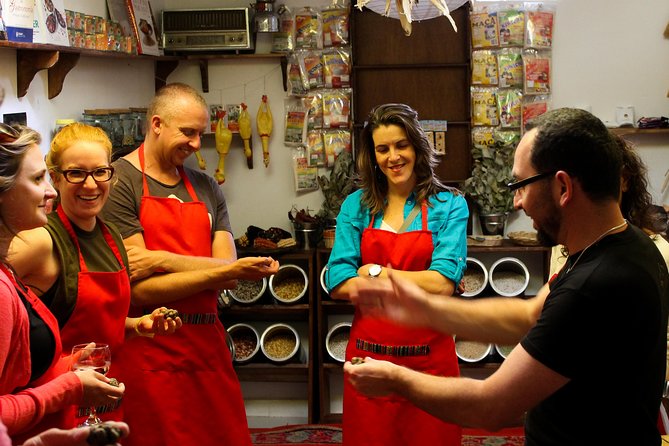
Next comes uchucuta, a spicy sauce associated with Inca-era cooking traditions. You prepare it using methods passed down through generations.
The appeal is clear: sauces often tell you more about a cuisine than a single main dish. Uchucuta lets you taste the heat, herbs, and local ingredients that bring Andean food together. It also gives you something easy to remember and potentially make again after returning home.
The word spicy deserves attention. If you are sensitive to heat, tell the chef before you begin. The provided information confirms that dietary requirements should be shared at booking, and that is the right time to mention spice preferences as well.
This part also adds contrast to the softer corn-based tamales. You are not simply preparing several versions of the same kind of food. The class moves from marinated ingredients to corn, market products, and a sharper sauce, keeping the session active.
Chicha tasting and the drinks that may appear
Chicha is presented as an ancestral Andean drink connected with Inca culture. The tasting gives you a chance to consider fermentation as part of the region’s food traditions, not just as a modern beverage trend.
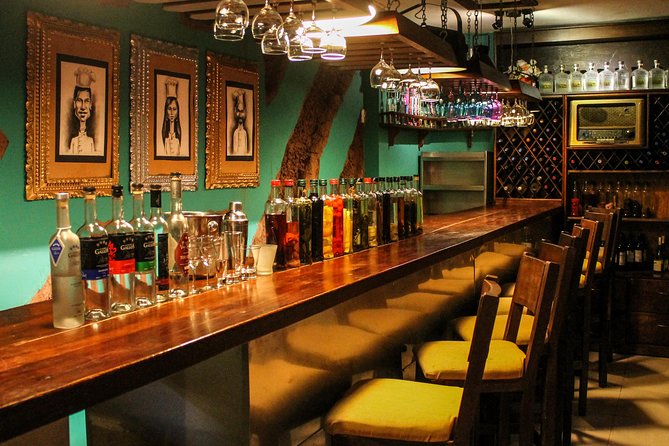
The description does not specify the exact type or alcohol level of the chicha served. Ask the chef if that matters to you. The experience includes beverages, and previous sessions have also featured pisco tastings, pisco sours, and Chilcanos.
That difference matters. The advertised Pachamanca session emphasizes chicha, while past menus have included cocktails made with pisco. You could receive both, but you should not assume every drink is included on every date.
Families can still take part. One session included mocktails for children, but mention nonalcoholic needs when you book rather than relying on an automatic substitute.
The drinks section is also one reason this class may appeal to adults who want a social activity rather than a strict technical lesson. You are learning how Peru uses both fermented traditional drinks and distilled pisco in its food culture.
Clay-pot cooking and the final lunch
The last stage brings the ingredients together in clay pots. You taste the finished food and see how the cooking method affects the aromas and flavors.
This is the moment when the Pachamanca idea becomes most tangible. The meal is not simply assembled for you by the kitchen. You have handled the ingredients, prepared the sauce, worked on the tamales, and tasted the regional products before sitting down to eat.
Lunch includes one appetizer and one main course, along with beverages and bottled water. The class description does not promise a fixed appetizer or main, so the final dishes may depend on the session and the ingredients available.
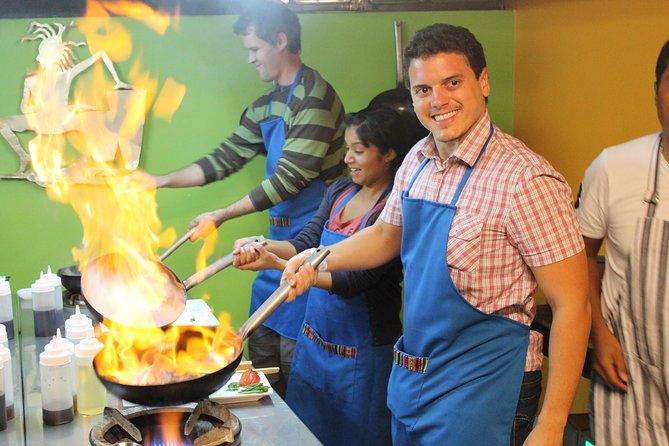
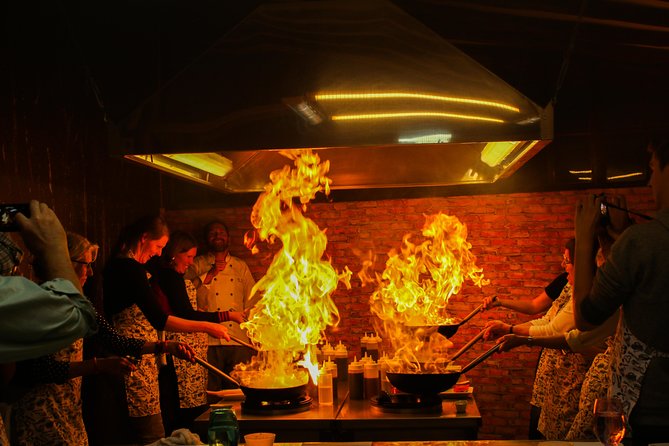
Past classes have served ceviche, lomo saltado, alpaca lomo saltado, and other Peruvian dishes. Some sessions ended with cooking in a wok and a dramatic flambé, while this experience description emphasizes clay pots. Those are meaningful differences, not minor wording changes, so confirm the format if the cooking method is your main reason for booking.
The meal is likely to feel satisfying after a morning of tasting and preparation. Still, keep in mind that the activity provides one appetizer and one main, not a large tasting menu with many separate courses.
The chefs and the teaching style
The chef can shape the whole experience. Alejandro has been praised for explaining local fruits, vegetables, condiments, meats, grains, herbs, and the development of Peruvian cooking. He has also coached participants through ceviche, lomo saltado, and pisco drinks.
Christina has been singled out for her warmth, clear instruction, and ability to add historical context without making the lesson feel like a lecture. Jose has been described as friendly, funny, and personable, while Jose Luis and Christine have created a welcoming atmosphere for private groups.
Chef Fernando has worked especially well with families. His sessions have included children’s music, mocktails, and extra help at the cooking stations. If you are booking with grandparents and children, request an English class and mention the age range in advance.
Because instructors may vary, you should not book solely on the hope of receiving one named chef. You can request a language and share preferences, but the information does not promise a particular instructor.
The teaching style appears to balance demonstration, explanation, and hands-on work. That is ideal for beginners. More experienced cooks may find the pace relaxed, but the private format gives you room to ask about technique, substitutions, and seasoning.
Who gets the most value from $150
I think this experience fits four kinds of people especially well:
- Couples seeking a private activity between major Cusco excursions
- Families that want an organized food lesson with lunch
- First-time visitors who want regional context for Peruvian ingredients
- Cooks who enjoy learning recipes they can recreate at home
It is also a good choice if you want an indoor plan for a day when you are not visiting ruins. The three-hour length is long enough to feel worthwhile but short enough to leave time for other plans.
The value is less convincing if you are traveling on a tight budget or prefer wandering through public markets without a set program. You also may be disappointed if you expect a full Pachamanca earth-oven ceremony, since the supplied details specifically describe ingredients cooked in clay pots rather than a larger outdoor preparation.
At $150 per person, the private element is doing much of the financial work. A solo visitor pays the same per-person rate and may find the cost harder to justify. A couple, family, or small group can spread the value across personal instruction and shared food.
Practical details that can affect your morning
The class starts at 9:00 a.m. and ends at the same meeting point, C. Palacio 135 in Cusco. That makes the activity simple to fit into a morning-to-lunch schedule, with no separate return transport listed.
The class operates in English or Spanish depending on your request. State your preferred language when booking, not after you arrive.
Vegetarian food is available, and specific dietary requirements should be provided in advance. The same advice applies to allergies, spice tolerance, alcohol preferences, and children’s needs. The available information confirms a vegetarian option but does not list vegan, gluten-free, or other specialized menus.
Bring your original passport at the start. It is needed for tax purposes, and a copy or digital image may not meet the stated requirement.
Confirmation is provided at booking. Cancellation is free up to 24 hours before the start time for a full refund. A late cancellation or change is not refunded, and the activity needs a minimum number of participants. If that minimum is not met, you are offered another date or experience, or a full refund.
Should you book the Pachamanca class?
Book it if you want a private, hands-on introduction to Andean food and value a chef who can explain what you are tasting. The class works particularly well as a slower day between demanding Cusco outings, and the included lunch makes the timing useful.
I would be more cautious if you want a guaranteed ceviche lesson, a specific chef, or a full outdoor Pachamanca ceremony. The menu and cooking style appear to vary, so contact Marcelo Batata Cooking Class before paying and ask exactly what your group will prepare.
For families, food-focused couples, and curious beginners, this is a strong pick. For budget-conscious diners, the price is high, but the private instruction, drinks, tastings, and lunch give you a fair case for the cost.
FAQ
Where does the cooking class start?
It starts at C. Palacio 135, Cusco 08002, Peru.
What time does the experience begin?
The scheduled start time is 9:00 a.m.
How long does the class last?
The experience lasts approximately three hours.
Where does the activity end?
It ends back at the meeting point on C. Palacio 135.
Is the class private?
Yes. Only your group participates in the activity.
Is the class available in English?
Yes. It operates in English or Spanish depending on your request. Specify your preferred language when booking.
Is a vegetarian option available?
Yes. A vegetarian option is available, but you must advise the provider at the time of booking.
What is included in the price?
The $150 per-person price includes beverages, bottled water, a professional chef, a private tour, and lunch with one appetizer and one main course.
Do I need to bring my passport?
Yes. You must provide your original passport at the beginning of the course for tax purposes.
Just added around Peru
- Vegan Peruvian Cooking Class Cocktails and Local Market in Cusco★ 5.0 · 46 reviews
- Cusco Cooking Class by ChocoMuseo in Cusco★ 5.0 · 29 reviews
- Lima: Peruvian cooking class and tour of Surquillo market★ 5.0 · 2 reviews
- Lima: Market Tour and Cooking Class with Pisco Sour★ 5.0 · 3 reviews
- Lima: Cooking Workshop and Water Circuit Tour★ 5.0 · 16 reviews
- Lima: Market Tour, 35 Fruits Tasting & Cooking Class★ 5.0 · 3 reviews
- Lima: 4-Course Peruvian Cooking Class in Miraflores★ 5.0 · 4 reviews
- Lima : Cooking Class – A Peruvian Culinary exploration★ 5.0 · 2 reviews
Private Cooking Classes, compared.
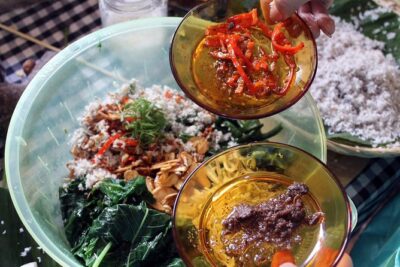
PRIVATE Authentic Balinese Cooking Class in Ubud at Putu’s Home
Read our review →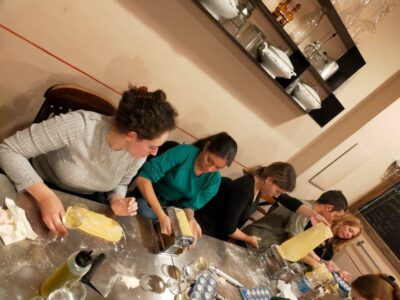
Pasta Making Class with Tiramisu & Wine PRIVATE OPTION
Read our review →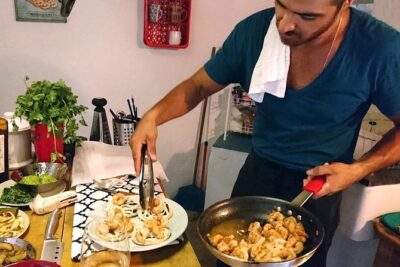
Private Market Tour & Cooking Class in Puerto Vallarta with Manu
Read our review →
Private Cooking Class with 5 dishes of your choice
Read our review →
Veg and Non veg : Private Cooking Class in Delhi home (7 meal)
Read our review →
PRIVATE Balinese Cooking Class in Ubud with Dewa with Transfers
Read our review →
VIP Mekong Delta Adventure Cycling & Kayaking – Private Day Trip
Read our review →
Private Home Cooking in Yanaka – Local Flavors in a Warm Setting
Read our review →Lists this class appears in