
REVIEW · WEST NUSA TENGGARA, INDONESIA
Gili air: Kaktus traditional cooking class
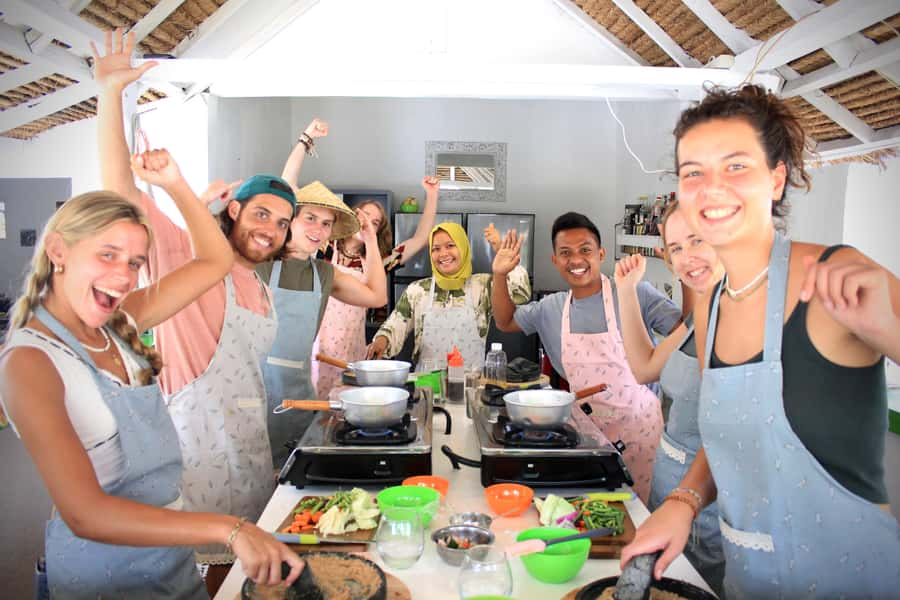
Good food makes a better island memory. Kaktus Traditional Cooking Class gives you a hands-on way to learn Indonesian cooking in a relaxed Gili Air setting, with fresh ingredients, patient English-speaking instructors, and a meal you prepare yourself. The class lasts about two hours and costs $27 per person.
I like the fresh coconut milk lesson, since you see how much work and flavor sit behind a basic Indonesian ingredient. I also like the small-group format, limited to two participants, which gives you room to ask questions and work at your own pace. The main consideration is that the dishes can vary, so you should not assume every session follows one fixed menu.
The best parts of the class
- Fresh coconut becomes coconut milk: You prepare it from scratch instead of relying on a packaged shortcut.
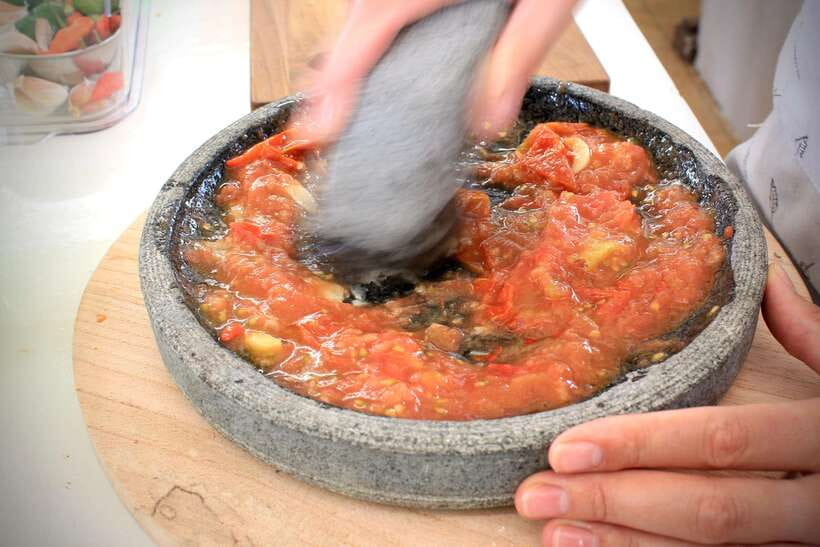
- The cobek does real work: A traditional mortar and pestle helps you build a fragrant peanut sauce.
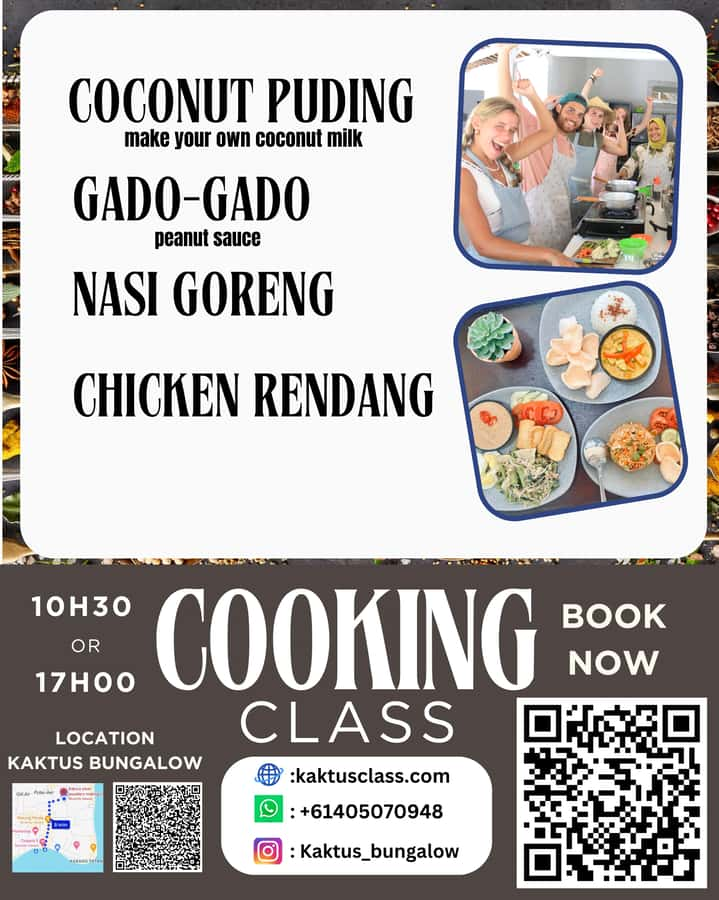
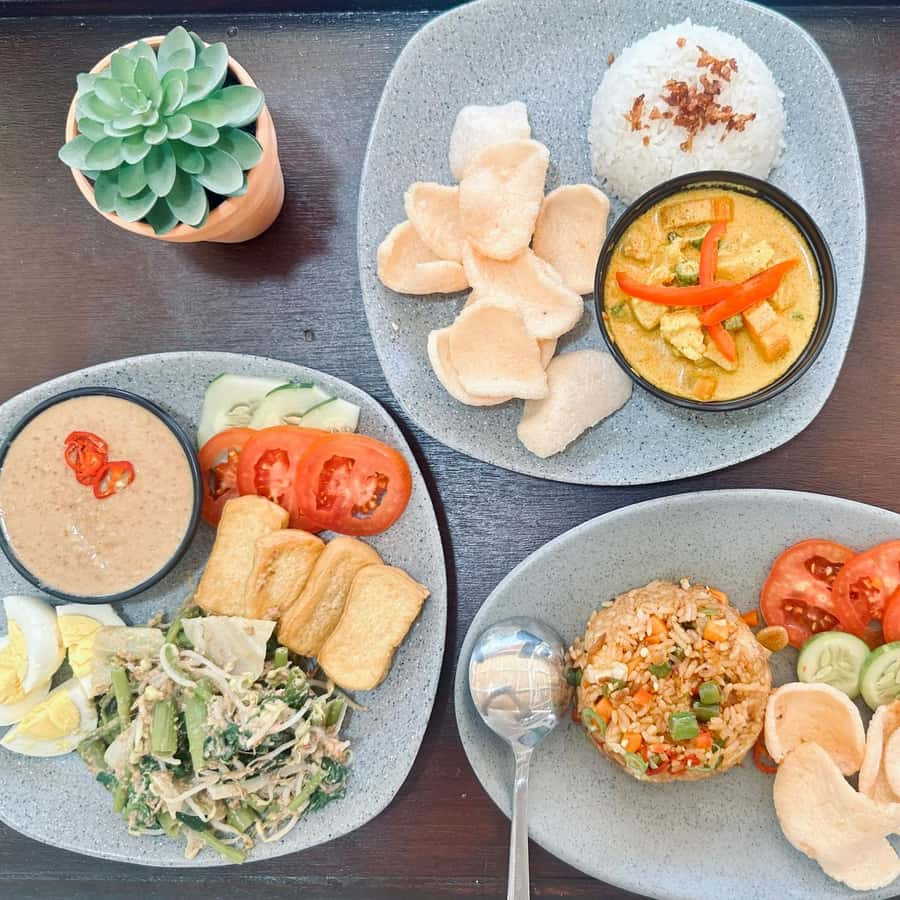
- Classic Indonesian dishes: Nasi goreng and chicken rendang are part of the advertised cooking experience, while past classes have also included gado-gado, lalapan, bubur sum sum, and dessert.
- A meal you actually eat: The food is not just a demonstration. You sit down and enjoy what you have made.
- A two-person format: With only two places, the class feels more personal than a large group lesson.
- Recipes for home: Some participants received digital recipes and methods, making it easier to repeat the dishes after returning home.
Why this is a good Gili Air activity
Gili Air is easy to associate with swimming, sun, and long stretches of doing very little. That is part of the appeal, of course. But after a few quiet hours, a cooking class gives you something useful and social to do without taking up a whole day.
Kaktus keeps the session to around two hours. That is long enough to learn several techniques, but short enough to fit around the rest of your island plans. You can book it as a midday activity, a break from the pool, or a practical way to spend time when the weather is less inviting.
I especially like that the class focuses on traditional methods rather than simply showing you how to assemble a finished dish. You work with a cobek, Indonesia’s familiar mortar and pestle, and learn why fresh coconut matters. These details help you understand the food instead of just copying a recipe.
The tone also appears to be relaxed. The strongest praise goes to the instructors’ kindness, patience, and friendly approach. That matters in a cooking class, where a rushed teacher can turn chopping and grinding into a chore.
A few more cooking classes around Indonesia worth a look
- Ubud: Balinese Cooking Class at an Organic Farm
★ 5.0 · 1,786 reviews - Ubud Cooking Class Bali with Balinese Chef
★ 5.0 · 1,609 reviews - From Ubud: Authentic Cooking Class in a Local Village
★ 4.9 · 1,325 reviews
A small class with room to learn
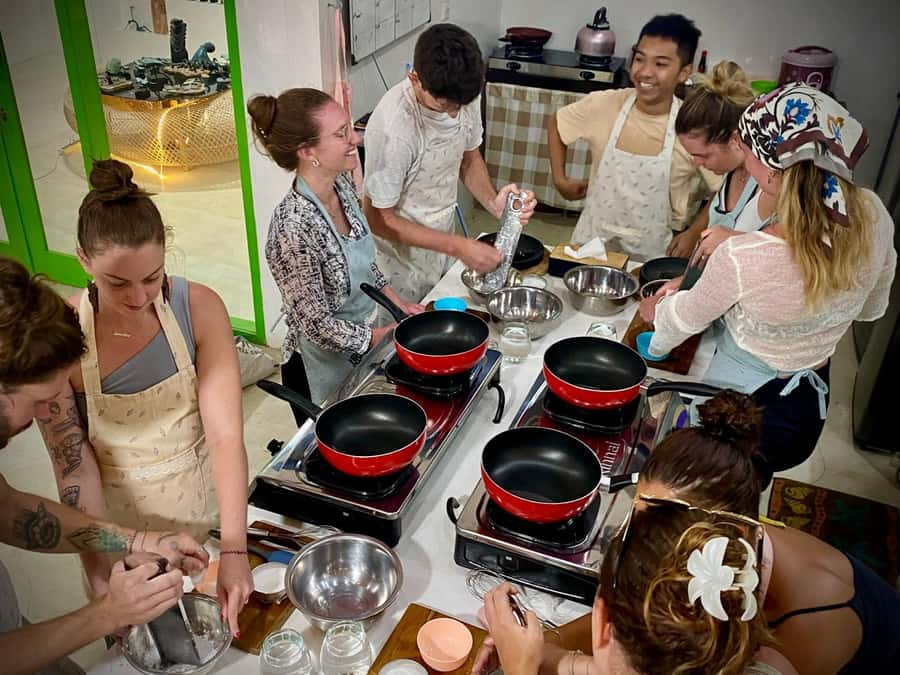
The group is limited to two participants. That is a major advantage for anyone who wants personal guidance, needs instructions repeated, or has little cooking experience.
You are not one person among a crowd waiting for a turn at the mortar. You can ask how much spice to use, watch the texture change, and get help with each stage. The small format may also suit couples, friends, or family members who want a quiet shared activity.
The class is taught in English. Several instructors are named in the feedback, including Kai, Sas, and Brice, and each received praise for being helpful, gentle, friendly, or patient. The exact instructor may depend on the day, but the repeated pattern is clear: the teaching style is a key part of the experience.
There is one practical point to keep in mind. A two-person limit creates a more private lesson, but it can also mean fewer places are available at popular times. Check the available start times before you build your day around it.
Starting with coconut and the cobek
One of the most interesting parts of the class is making coconut milk from a fresh coconut. This is a simple lesson with a lot of cultural value because coconut milk appears in many Indonesian dishes and sauces.
You get to see the ingredient before it becomes a smooth cooking liquid. The process connects the finished taste to the raw material, and it makes clear why fresh coconut can take more time than opening a carton or can.
Next comes the cobek. The instructor shows you how to use the traditional mortar and pestle to make peanut sauce. This method is more physical than using a blender, but it gives you a better sense of how the ingredients combine.
The result is not only about convenience. Grinding by hand helps release the aromas from the ingredients as you work. You also gain a technique you can repeat at home, even if your own kitchen has a modern food processor waiting nearby.
If you like cooking classes that explain the why behind a dish, these two lessons are likely to be the most satisfying parts. They turn familiar sauces and ingredients into something you can understand and make again.
Preparing nasi goreng and chicken rendang
The advertised menu includes nasi goreng, Indonesia’s famous fried rice, and a chicken rendang curry known for its strong flavor and deep color. These are useful choices for a short class because they show two different sides of Indonesian cooking.
Nasi goreng is familiar enough to enjoy right away, but the class gives you a chance to learn how Indonesian seasoning changes the dish. The appeal is practical: it is the kind of meal you can make at home with leftover rice and ingredients that are easier to find than some more specialized dishes.
Chicken rendang takes you in a different direction. It is a curry with a fuller, slower-building flavor, and the class highlights its color and taste. You should expect a dish that feels more involved than a quick fried rice recipe.
The menu is not entirely fixed. One participant cooked gado-gado, a favorite Indonesian meal, and another prepared lalapan, gado-gado, and bubur sum sum. Other sessions included two main dishes and a pudding, while some people reported making three or four dishes in total.
That variation is worth knowing before you book. It means your class may reflect the ingredients and teaching plan for that day rather than follow a rigid printed menu. If you have your heart set on a particular dish, ask in advance if it can be included.
Same place, a different thing to cook:
- Ubud: Cooking Class with Transfers and Optional Market Visit
★ 4.9 · 824 reviews - PRIVATE Authentic Balinese Cooking Class in Ubud at Putu’s Home
★ 5.0 · 644 reviews - Balinese Ubud cooking school (9 Dish Cooking and Market Tour)
★ 5.0 · 540 reviews - Ubud: Balinese Cooking Class and Market Tour
★ 4.8 · 531 reviews
From cooking lesson to generous meal
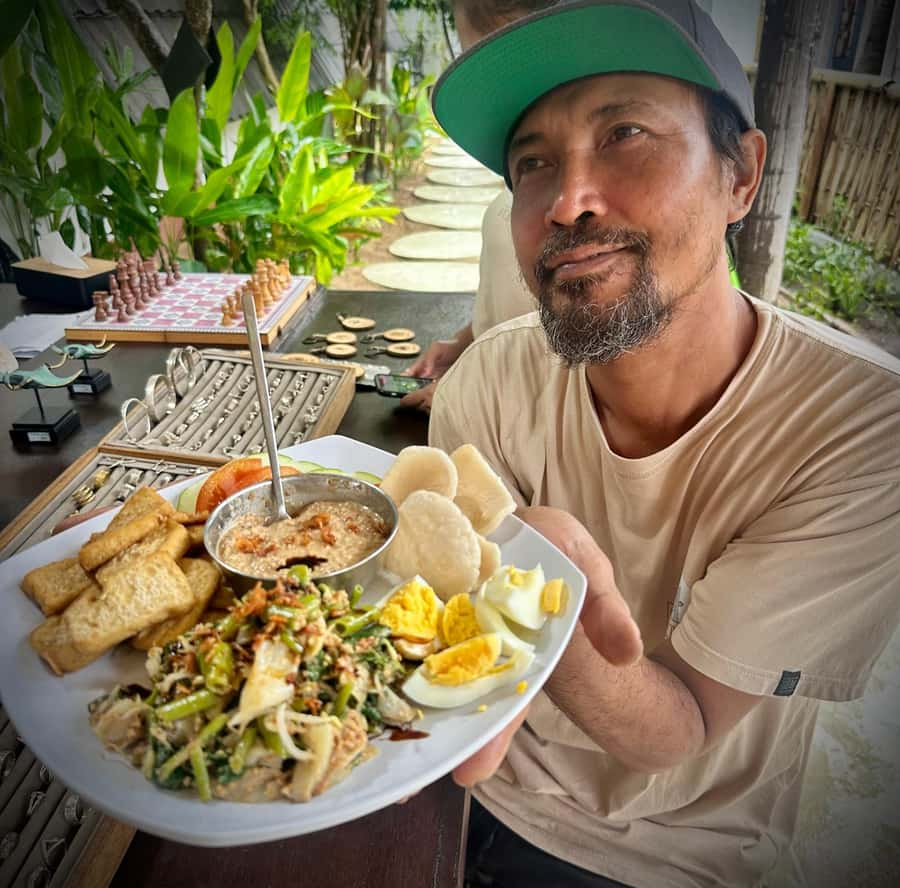
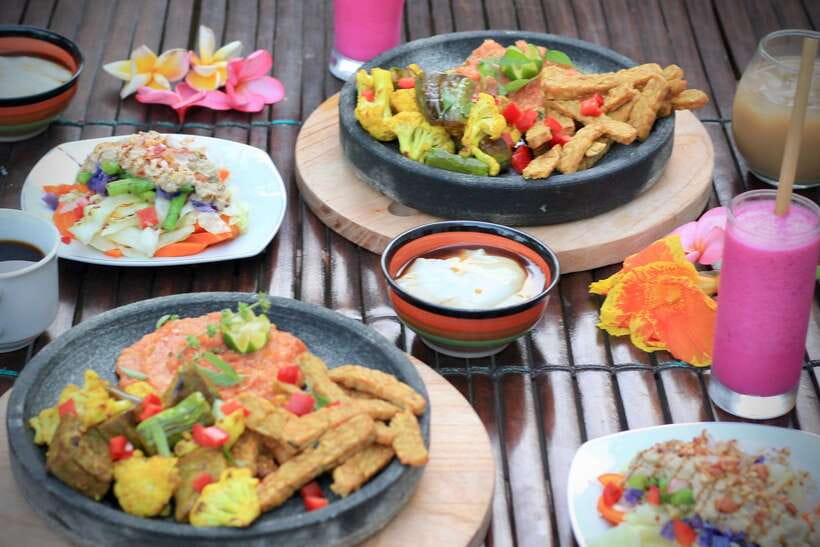
The class includes the food you prepare, and this is more than a token tasting. The portions described in the feedback were generous enough that some people could not finish everything, with leftovers sometimes taken away.
That makes the $27 price easier to assess. You are paying for ingredients, instruction, the use of the cooking space, and a substantial meal. Compared with simply ordering Indonesian food at a restaurant, you get a lesson and a recipe to go with it.
You should still treat the price as the cost of an activity, not only lunch. The real value comes from learning the techniques and understanding the ingredients. If you only want a quick plate of nasi goreng, a restaurant will be faster. If you want a food memory that can follow you home, the class offers more.
The shared meal also gives the session a natural ending. You can taste the sauces, compare the dishes, and see how the separate preparations fit together. Cooking becomes less like a demonstration and more like a meal you helped create.
Instructors who keep the mood easy
The people teaching the class receive some of the warmest praise. Kai is described as helpful and entertaining, while Sas was especially gentle and considerate when one participant’s mother was not feeling well.
Those details suggest a class that can adapt to the people in front of it. That is useful if you are nervous around unfamiliar cooking methods or need a little extra time. You do not need to arrive as an experienced cook.
The instructors also appear to keep the mood friendly without turning the lesson into a performance. Participants describe clear instructions, patience, and a clean, tidy place. One person specifically appreciated receiving a digital copy of the recipes and methods afterward.
I would not count on every session having the same instructor or exactly the same personal touches. Still, the repeated praise for the teaching style gives you a fair reason to expect a welcoming class rather than a hurried cooking show.
Comfort, access, and timing
Fresh water and toilets are included, which is useful during a hands-on activity involving food and several stages of preparation. The class is listed as wheelchair accessible, though you may still want to confirm the exact setup if you have specific mobility needs.
The duration is two hours. Check the available starting times because the schedule may change from day to day. A daytime booking works well if you want an activity between swimming and dinner, and one participant specifically recommended it for people who find it hard to lie around the pool all day.
The class is conducted in English. That makes the explanations accessible to English-speaking visitors, and the small format gives you a better chance to clarify anything you do not understand.
You can cancel up to 24 hours before the activity for a full refund. The reserve-now, pay-later option also gives you some flexibility if your Gili Air plans are still shifting.
Who will enjoy this class most?
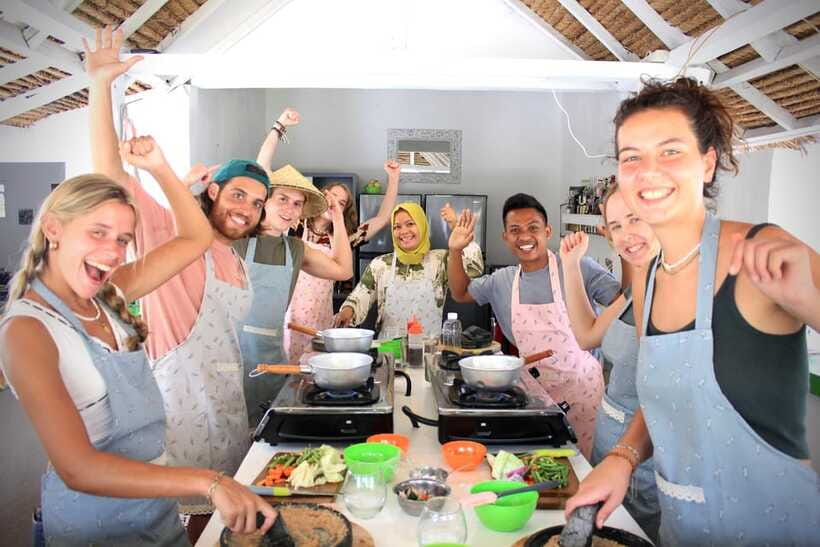
I would choose this class if you enjoy food, want to learn a few techniques, and prefer a quiet activity over a large organized excursion. It suits couples and pairs of friends especially well because the group is limited to two participants.
It is also a good fit for curious eaters. You may encounter dishes such as gado-gado, lalapan, or bubur sum sum rather than only the best-known Indonesian staples. That variety can make the class more interesting, though it also means the final menu may not be fully predictable.
Families may appreciate the patient teaching style, particularly if one person needs extra care or a slower pace. The class can also work for solo visitors, but the supplied booking information describes a two-person group limit, so check how solo reservations are handled before booking.
You may want to skip it if you dislike hands-on cooking, have very limited time, or want a guaranteed restaurant-style menu. The value is in the process as much as the food.
What to know before you book
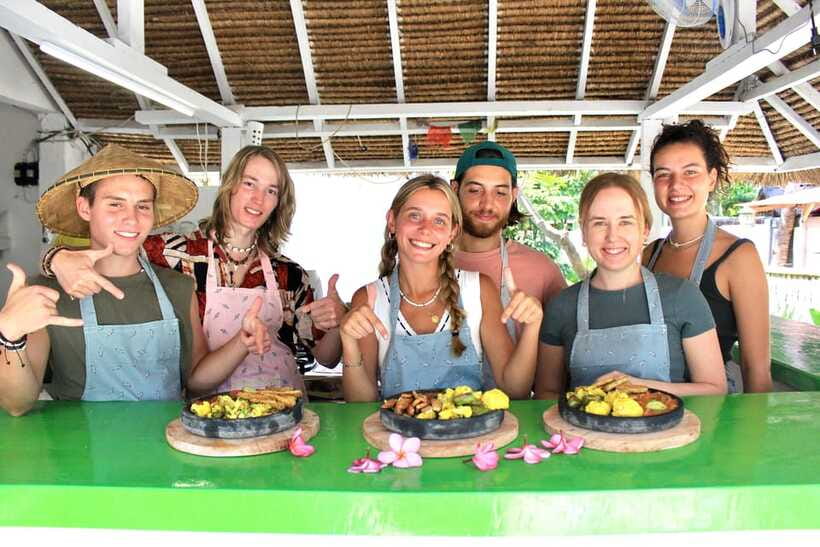
First, ask about the dishes planned for your session if you have dietary restrictions or a strong preference. The advertised menu includes nasi goreng and chicken rendang, but past classes have included different combinations and desserts.
Second, arrive ready to participate. The appeal comes from making coconut milk, grinding ingredients with the cobek, and helping prepare the dishes. You will get less from the class if you only want to watch.
Third, leave room for a full meal afterward, or plan the class before a lighter evening. Generous portions were a recurring feature, and you may have more food in front of you than expected.
Finally, think about what you want to bring home. The best souvenir here is not a trinket. It is the ability to make a peanut sauce by hand, prepare a familiar Indonesian dish, and remember the meal each time you cook it.
Should you book Kaktus Traditional Cooking Class?
Yes, if you want a friendly, small-scale activity with real cooking and a meal at the end. The $27 price is fair for two hours of instruction, ingredients, food, and the chance to learn traditional methods rather than simply watch a chef work.
I would book it on a day when you want a break from the beach, especially if you like trying local dishes and cooking at home. Go in knowing that the menu can change, then enjoy the class for what it offers: fresh ingredients, patient guidance, generous food, and a useful taste of Indonesian kitchen tradition.
FAQ
How long does the Kaktus cooking class last?
The cooking class lasts two hours.
How much does the cooking class cost?
The price is $27 per person.
What dishes can I learn to cook?
The advertised dishes include nasi goreng and chicken rendang curry. Past sessions have also included gado-gado, lalapan, bubur sum sum, pudding, and other Indonesian dishes.
Will I make coconut milk from scratch?
Yes. Making coconut milk from a fresh coconut is one of the featured parts of the class.
What is a cobek used for?
A cobek is a traditional mortar and pestle used in the class to prepare a flavorful peanut sauce.
Is the class taught in English?
Yes. The instructor language is English.
How many people can join the class?
The activity is a small group limited to two participants.
Can I cancel the booking?
Yes. You can cancel up to 24 hours in advance for a full refund. You can also reserve now and pay later.
Just added around Indonesia
- Pure Bali Village Experience, Cooking & Jamu Class+VIP Transfer★ 5.0 · 16 reviews
- Spice Garden, Jamu & Cooking Class in Bali Village★ 5.0 · 5 reviews
- The Authentic Balinese Cooking Experience★ 5.0 · 4 reviews
- Seminyak : cooking class traditional food bali★ 5.0 · 5 reviews
- Seminyak: Vegetarian Cooking Class★ 5.0 · 3 reviews
- Quad ride, waterfalls & aunthentic cooking class in munduk★ 4.9 · 53 reviews
- Pure Bali Village Experience Cooking & Jamu Class, Transfer★ 4.8 · 5 reviews
- Ubud: Organic Farm Harvest, Bali Cooking Class by Pemulan★ 4.8 · 12 reviews
Cooking Classes, compared.

Half-Day Thai Cooking Class at Organic Farm in Chiang Mai
Read our review →

3 in 1 Cooking Class near Navona: Fettuccine, Ravioli & Tiramisu
Read our review →
Pasta & Tiramisu Cooking Class with Unlimited Wine
Read our review →
Hanoi Cooking Class: Culture, Local Market & Meaning CSR Impact
Read our review →
5 Traditional Dishes Hanoi Cooking Class with Market Trip
Read our review →
Cooking Class and Lunch at a Tuscan Farmhouse with Local Market Tour from Florence
Read our review →
Cooking Class, Market & Thai Herbs Garden Tour
Read our review →Lists this class appears in