
REVIEW · WESTERN CAPE, SOUTH AFRICA
Cape Town: Authentic African Cuisine Cooking Experience
Put your hands to work in Cape Town. This 150-minute class at Pahari African Restaurant offers a warm introduction to African food through cooking, storytelling, and a shared meal. I like the small group limit of 10, which keeps the lesson personal, and I like that Florence and her family share recipes learned across generations. The one point to consider is that this is a home-style food experience, not a polished chef school, so the pace and menu may feel informal.
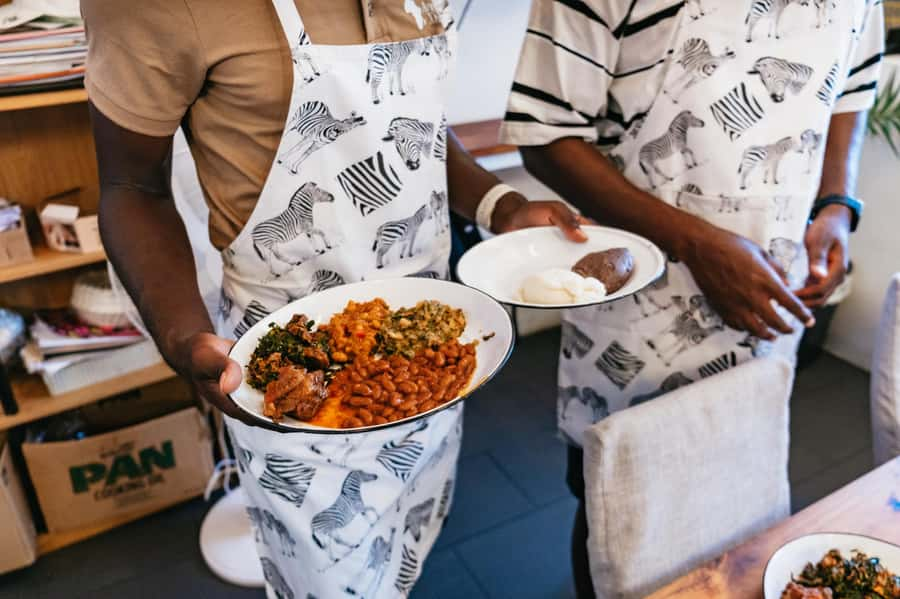
You will help prepare sadza, chicken stew, sugar beans, chakalaka, and beef bones with green vegetables, then eat together in the African tradition. African juice, beer, tea, coffee, and starter snacks are included. Vegetarian and vegan options are available, but anyone hoping for a dessert course should adjust expectations. One recent participant specifically missed having a sweet finish.
At a Glance: What Makes This Class Special
- Family recipes from Florence: The host learned to cook from her mother, and the food traditions have passed through generations.
- A full meal, not a single dish: You work on sadza, chicken, vegetables, beans, chakalaka, and stew from start to finish.
- A communal meal by design: After cooking, you sit down together and eat in a way that reflects family dining in many African homes.
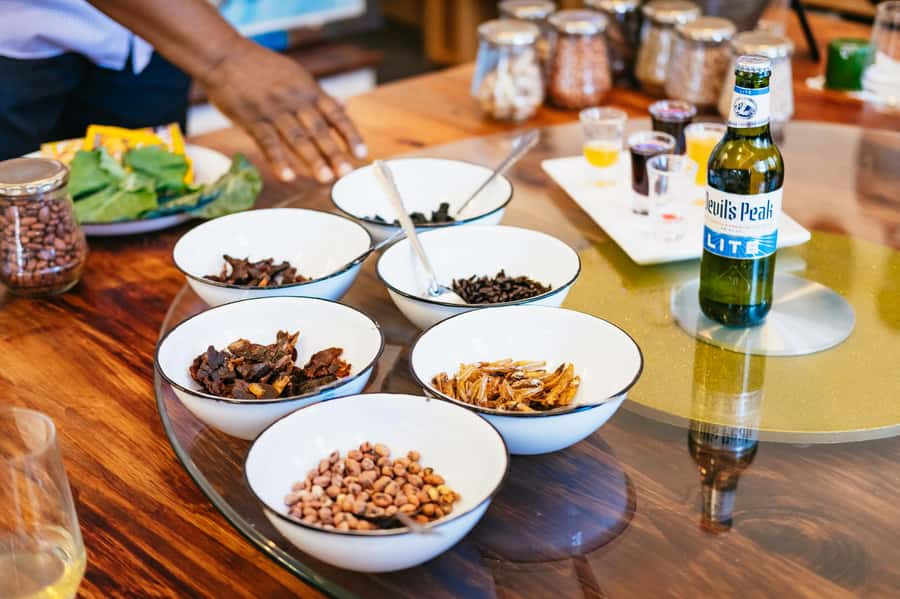
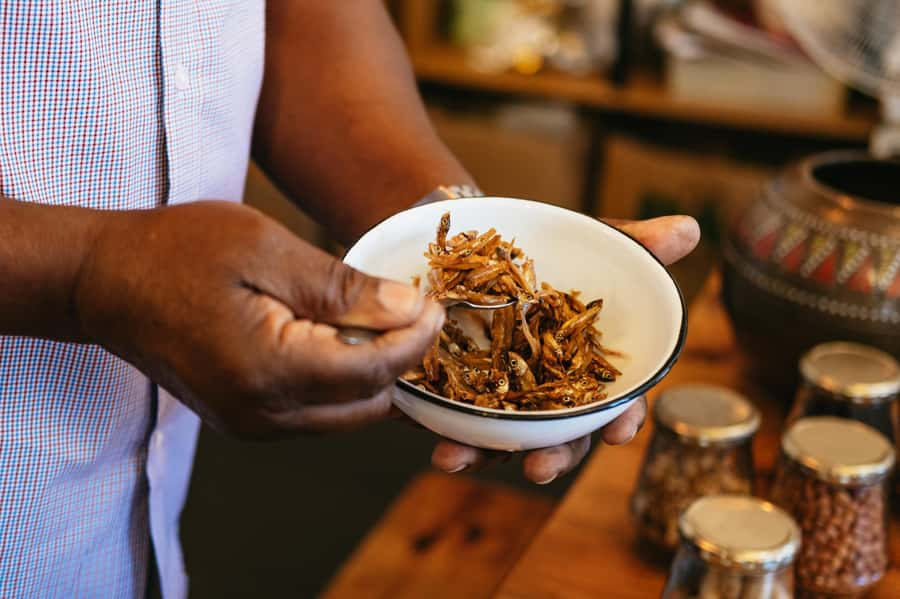
- African drinks and unusual starters: African juice, beer, tea, coffee, and snacks are part of the experience. Some sessions have included termites and caterpillars.
- A useful Cape Town food lesson: The discussion covers ingredients, customs, and how recipes changed as they moved through generations.
- Good flexibility for groups: You can book for family, friends, colleagues, or a mixed small group, with vegetarian and vegan choices available.
Meeting Florence at Pahari African Restaurant
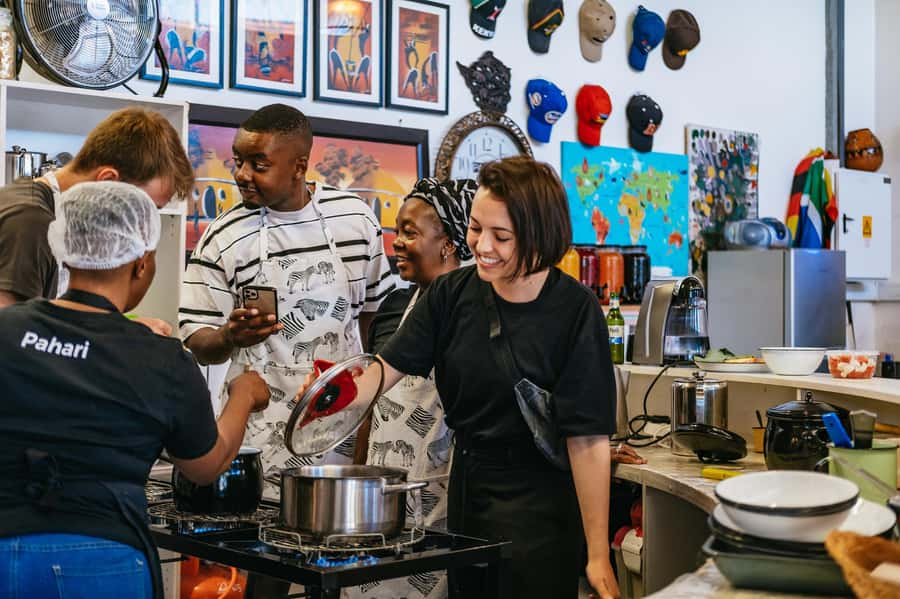
You begin at Pahari African Restaurant in Cape Town. Ask for Florence when you arrive. The class takes place in a separate room next to the restaurant, giving the session its own space rather than placing you at a normal restaurant table.
Florence is a co-owner of Pahari and has worked in food service with her husband for about two decades. That matters because the class is tied to a working family restaurant, not a temporary activity built only for visitors. The cooking comes from a food tradition that is part of the hosts’ daily life.
English is the teaching language. The group is limited to 10 people, although a smaller turnout can make the session feel almost private. One couple had the room to themselves on a quiet day, which allowed more time for questions and direct help while cooking. You should not count on a private class, but the group cap gives the format a friendly scale.
There is no hotel pickup or drop-off. You need to make your own way to the restaurant, so allow time to arrive without rushing. The meeting point is simple: Pahari African Restaurant, then Florence.
A few more cooking classes around South Africa worth a look
- Cape Town: Malay Cooking Class and Lunch in Bo-Kaap
★ 4.8 · 515 reviews - Authentic African Cuisine Cooking Experience
★ 5.0 · 236 reviews - Cape Town: Cape Malay Cooking Class in Bo-Kaap
★ 4.8 · 120 reviews
The Opening: Drinks, Snacks, and African Food Traditions
The session begins with a welcome and a choice of African drinks. The included selection can include African juice and beer, with tea or coffee served at the end. You also receive starter snacks before the main cooking begins.
This opening is useful because it sets up the cultural side of the class before you start handling ingredients. The hosts explain where certain foods come from, how ingredients are used, and how recipes have changed over time. You are not only being shown steps in a recipe. You are given some context for why the meal looks and tastes the way it does.
The snacks can be more adventurous than the main dishes. One family session included caterpillars and termites, both of which were described as surprisingly tasty. These items may not be part of every menu, so treat them as a possible feature rather than a guarantee. If unusual food makes you nervous, you can still enjoy the class without treating every sample as a test of courage.
The hosts also make room for conversation. Florence and her husband enjoy hearing what people eat at home and what kinds of food they like. That exchange helps the class feel less like a demonstration and more like a meal shared between people from different food cultures.
Cooking Sadza, the Foundation of the Meal
One of the central tasks is preparing sadza, also called ground mealie meal. It is a staple made from maize meal and serves as the base for the other dishes.
You learn how to prepare it step by step, rather than simply receiving a finished portion. That is important because sadza is not just another side dish in this meal. It is the foundation around which the stews, greens, beans, and chakalaka are eaten.
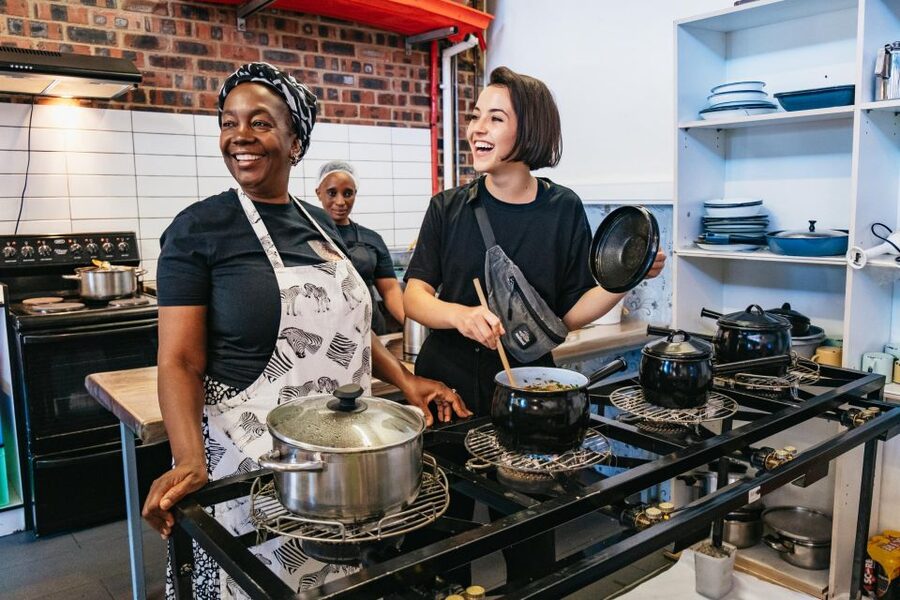
You will get involved directly, and the hosts encourage each person to contribute. This is a hands-on class, so expect to stir, handle ingredients, and follow instructions in the kitchen. It is not the right choice if you prefer to sit back while someone else cooks.
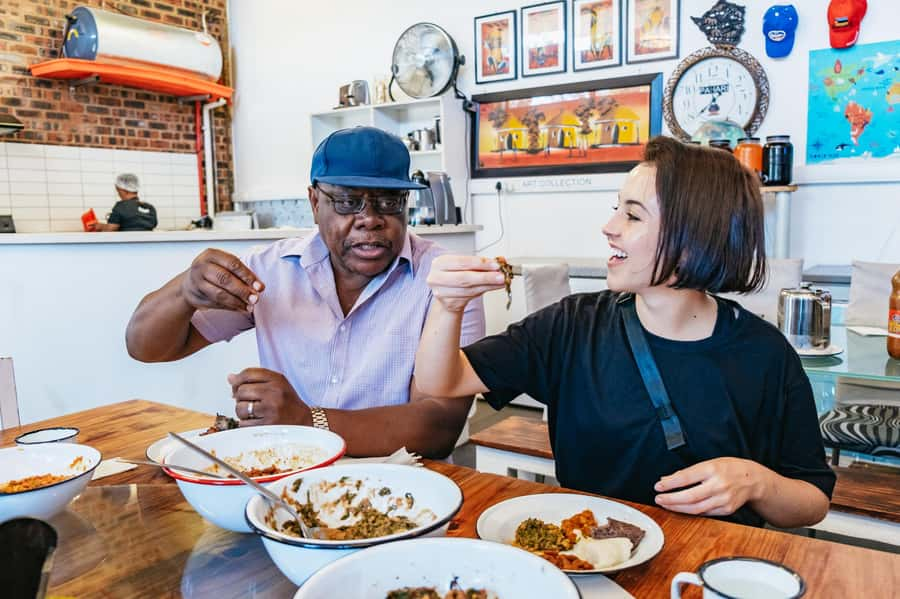
The final meal is traditionally eaten with your hands. That changes the rhythm of the table. Sadza helps you gather the accompanying foods, and the meal becomes a shared, tactile affair rather than a formal plate of separate courses. You may find yourself reaching for a knife and fork out of habit, but part of the fun is learning the customary way to eat.
Stew, Greens, Beans, and Chakalaka
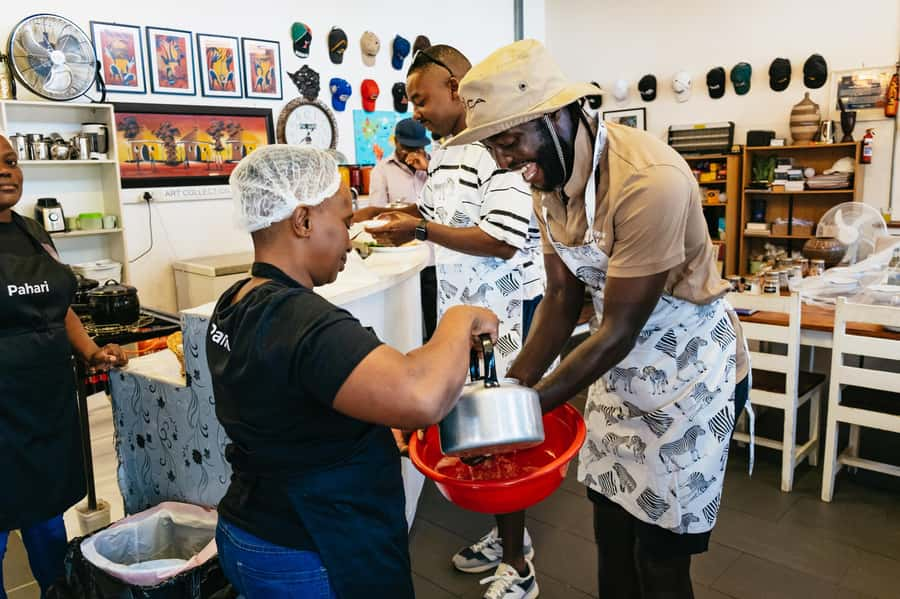
The main cooking section covers several dishes, each bringing a different texture and flavor to the table.
The beef dish combines meaty beef bones with green vegetables. The bones add substance to the stew, while the greens bring a different balance. You also prepare chicken stew, sugar beans, and chakalaka. Together, these dishes create a generous meal with several sauces and sides for the sadza.
Chakalaka is especially useful for understanding how a simple vegetable dish can bring heat and character to the table. The beans add a hearty element, while the chicken and beef provide the main meat dishes. You are not cooking one showcase recipe and watching the rest appear from the kitchen. You take part in a complete spread.
The recipes are described as some of Pahari African Restaurant’s most popular dishes. That gives you a practical benefit: the class focuses on foods the restaurant serves and that the hosts know well. You are learning a meal with a place on the restaurant’s regular food traditions, not an unusual one-off menu chosen only for a class.
Vegetarian and vegan options are available. If you need one of these versions, make your preference clear when arranging the experience so the hosts can guide you through the suitable dishes. The listed menu includes beef and chicken, but the class is designed to accommodate people who do not eat meat.
Same place, a different thing to cook:
- Cape Town: Bo-Kapp Walking Tour and Malay Cooking Class
★ 4.7 · 105 reviews - Private Cape Malay Cooking Class in Cape Town with a Local Family
★ 5.0 · 24 reviews - GQ: City Walking Tour & African Cuisine Cooking Class
★ 4.6 · 11 reviews - South African Cooking in Cape Town with Local Chef Richard
★ 4.5 · 10 reviews
Eating Together in the African Home Style
Once the cooking is finished, you sit down and eat the meal together. This communal part is not an extra tagged onto the end. It is central to the way the experience explains African hospitality.
The hosts encourage people to share the table and the food, much as they would in a family home. That makes the evening especially suitable for you if you want conversation along with your meal. It also works well for a family group, friends, or colleagues who want an activity that gives everyone a role.
The hand-eating tradition can be unfamiliar, and it may take a little practice. One participant noted that giving up a knife and fork was harder than expected. Still, the informality is part of the point. You are learning how the food is eaten, not only how it is prepared.
The food itself is likely to be the strongest part of the session. People who enjoyed the class praised the taste of the dishes, the generous welcome, and the way the food and cultural explanation fit together. The meal is not presented as a museum piece. It is food meant to be cooked, passed around, and enjoyed.
Tea, Coffee, and the Missing Dessert Question
The experience finishes with an African hot beverage, either tea or coffee. It is a gentle way to close the meal and gives you a final chance to talk with the hosts.
There is no dessert listed. That is worth noting if you prefer a formal progression from starter to main course to sweet finish. One participant enjoyed the class but specifically felt the absence of dessert. You can still expect a complete savory meal, drinks, and a hot beverage, but do not book this expecting a pastry, pudding, or other final course.
The included drinks add value to the $71 price. You receive a welcome drink, African beer, starter snacks, the full cooked meal, and tea or coffee. For a two-and-a-half-hour activity with food and instruction, the price is reasonable if you want more than a standard restaurant dinner. You are paying for participation, cultural explanation, and time with the hosts, not just the cost of ingredients.
What You Learn Beyond the Recipes
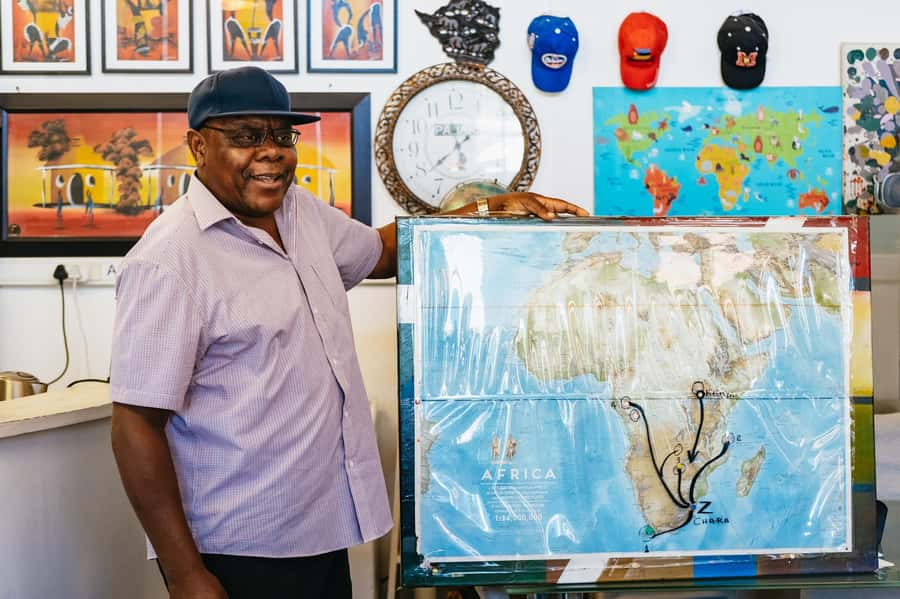
The cooking is only one part of the class. The hosts explain how African cuisine developed, how ingredients are used, and how recipes were passed from one generation to the next.
This makes the class useful for anyone who wants context with their food. You learn why staples such as mealie meal matter, how different dishes work together, and how family cooking traditions survive and change. The story is grounded in Florence’s own experience of learning from her mother, which gives the discussion a personal center.
The experience can also open a conversation about food in your own culture. Florence and her husband enjoy hearing what people eat at home, so you are encouraged to bring your own food memories to the table. That exchange is one reason the class has received such a strong overall score, 4.9 out of 5 from 31 ratings.
You can request an easy-to-follow recipe after the class. This is a useful touch because the activity does not have to end when you leave Cape Town. You can try to recreate sadza, the stews, beans, or chakalaka in your own kitchen.
Timing, Group Size, and Practical Value
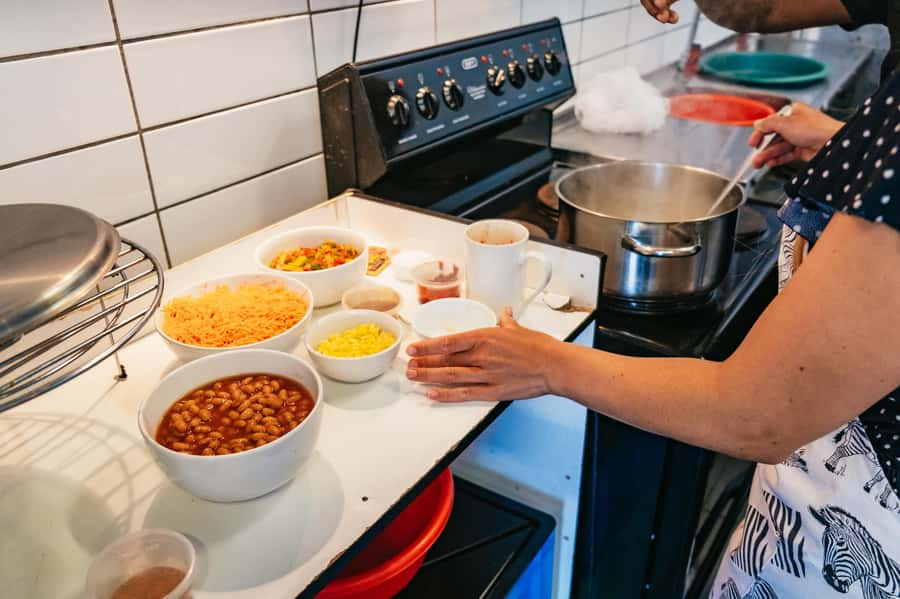
The class lasts 150 minutes. That is long enough for an introduction, snacks, food history, hands-on preparation, the shared meal, and a hot drink without taking up an entire day.
The small group size, capped at 10, is important. Cooking instruction becomes frustrating when too many people crowd around one work surface. Here, you have a better chance to take part and ask questions. A quiet date may feel especially personal, but the exact group size will depend on bookings.
The class is taught in English. If you are comfortable following English instructions, you should be able to keep up with the cooking and discussion. The recipe request is also helpful if you want a written guide for later.
The booking terms are flexible. You can cancel up to 24 hours before the activity for a full refund, and you can reserve now and pay later. These details help if you are arranging a Cape Town schedule that may change.
Who Will Enjoy This Cape Town Cooking Class?
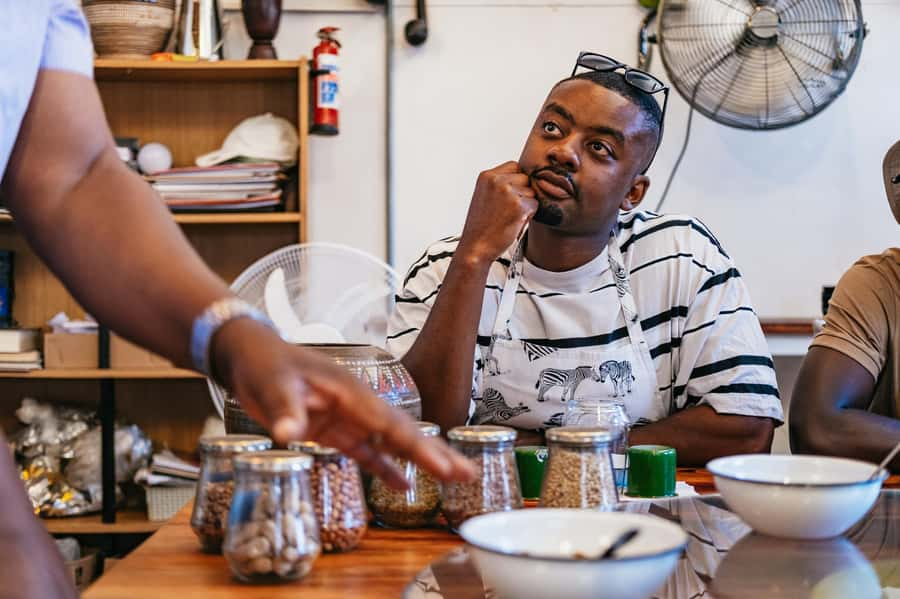
I would recommend this experience to you if food is one of the main reasons you travel. It gives you a meal, a lesson, and a chance to meet the people behind the cuisine.
It suits curious eaters who want to try food beyond familiar restaurant dishes. The African drinks and possible insect snacks add an adventurous edge, while the main menu remains based on substantial, recognizable foods such as chicken, beans, greens, and maize meal.
Families can enjoy it because everyone has a role. Friends and work groups also get a shared activity that naturally creates conversation. Solo participants can fit into the small group and eat with other people rather than dining alone.
Vegetarians and vegans can also consider it, thanks to the stated alternatives. You should confirm your needs when booking, especially since the standard menu includes beef and chicken.
I would be less likely to recommend it if you want a formal culinary school, advanced knife skills, professional kitchen equipment, or a dessert course. The strength here is personal instruction and hospitality, not technical chef training.
Should You Book the Pahari African Cooking Experience?
Yes, if you want a warm, participatory food experience rather than a standard Cape Town meal. Florence, Caleb, and the cooking team connect the food to family tradition, local ingredients, and shared dining, while the small group format keeps the lesson approachable.
At $71 per person, the value is strongest when you count the full package: 150 minutes, several dishes, drinks, snacks, cultural explanation, and the meal you help prepare. You also leave with the option of requesting recipes.
Book it if you are happy to roll up your sleeves, eat with your hands, and try food that may be outside your usual routine. Skip it only if you need a polished restaurant setting, a strict gourmet curriculum, or a sweet course at the end. For most food-focused visits to Cape Town, this is a friendly and worthwhile way to meet African cuisine at the table rather than only reading about it.
FAQ
Where does the cooking class take place?
It takes place at Pahari African Restaurant in Cape Town, in a separate room next to the restaurant.
Who should I ask for when I arrive?
Ask for Florence when you arrive at Pahari African Restaurant.
How long does the experience last?
The cooking experience lasts 150 minutes.
What food will I prepare?
You will prepare sadza, meaty beef bones with green vegetables, chicken stew, chakalaka, and sugar beans.
Are drinks included?
Yes. African juice, African beer, and African tea or coffee are included.
Are vegetarian and vegan options available?
Yes. Vegetarian and vegan options are available.
Is hotel pickup included?
No. Hotel pickup and drop-off are not included.
What is the cancellation policy?
You can cancel up to 24 hours in advance for a full refund. You can also reserve now and pay later.
Just added around South Africa
- Private Cape Malay Cooking Class in Cape Town with a Local Family★ 5.0 · 24 reviews
- Langa Township and Bokaap Cooking Class Half Day Tour★ 5.0 · 4 reviews
- South African Cooking in Cape Town with Local Chef Richard★ 4.5 · 10 reviews
- Cape Town Shore Excursion| South African Cooking & Port Transfers★ 5.0 · 3 reviews
- Private Authentic Cape Malay Cooking Class in Manenberg with Locals★ 5.0 · 5 reviews
- South African Cooking Class in Cape Town with a Local Family★ 5.0 · 2 reviews
- Cape Malay/Creole Cooking Class and Local Shopping in Salt River★ 5.0 · 2 reviews
- Johannesburg: Pan-African Cooking & Dinning Experience★ 4.5 · 6 reviews
Cooking Classes, compared.

Half-Day Thai Cooking Class at Organic Farm in Chiang Mai
Read our review →

3 in 1 Cooking Class near Navona: Fettuccine, Ravioli & Tiramisu
Read our review →
Pasta & Tiramisu Cooking Class with Unlimited Wine
Read our review →
Hanoi Cooking Class: Culture, Local Market & Meaning CSR Impact
Read our review →
5 Traditional Dishes Hanoi Cooking Class with Market Trip
Read our review →
Cooking Class and Lunch at a Tuscan Farmhouse with Local Market Tour from Florence
Read our review →
Cooking Class, Market & Thai Herbs Garden Tour
Read our review →Lists this class appears in